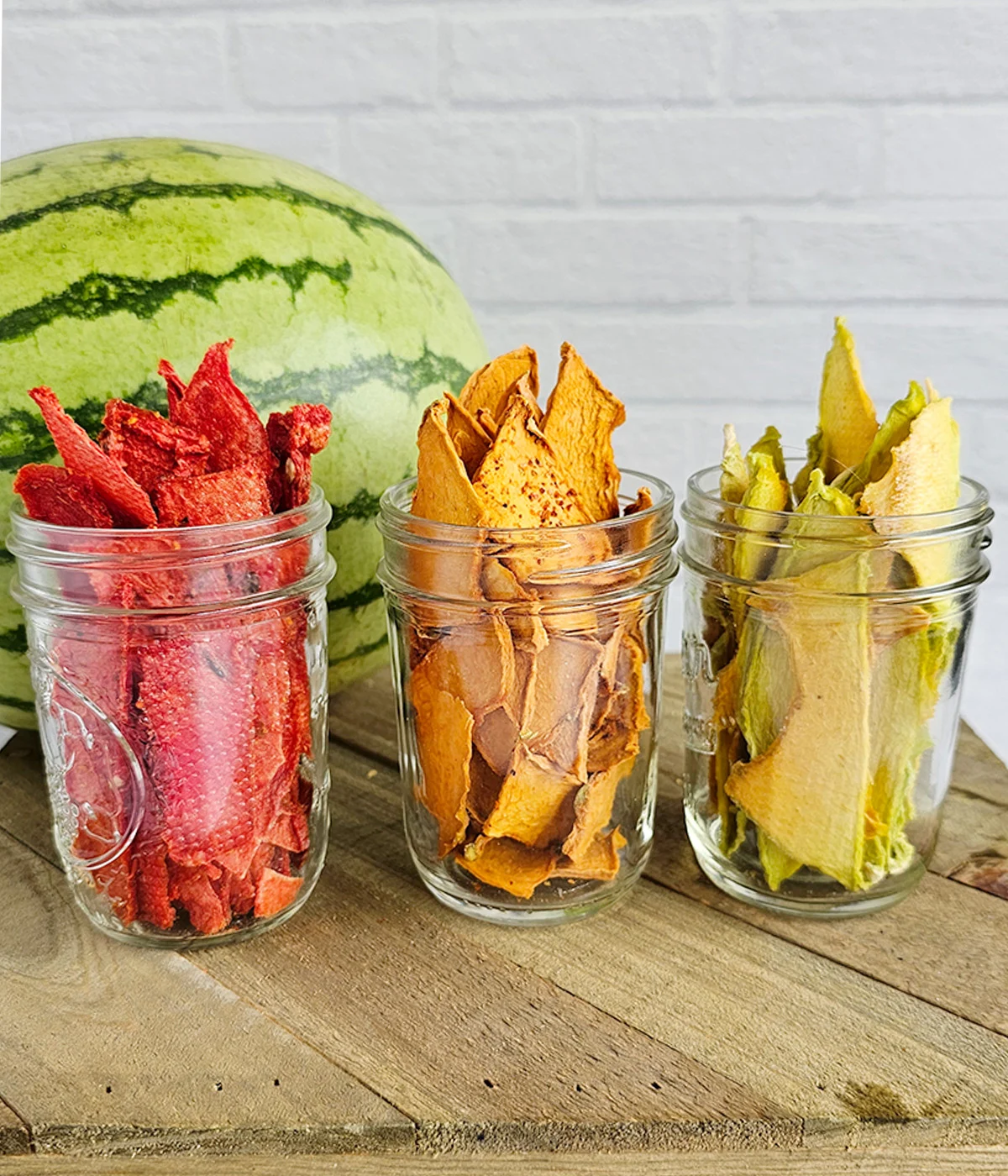
The practice of dehydrating melons has emerged as a significant strategy in the broader movement toward sustainable food management and domestic food security. As global food waste continues to be a pressing economic and environmental concern, techniques that transform highly perishable produce into shelf-stable nutritional assets are gaining traction among both culinary professionals and domestic practitioners. Melons, including watermelon, cantaloupe, and honeydew, are characterized by their exceptionally high water content—often exceeding 90 percent—which makes them notoriously difficult to preserve through traditional refrigeration once sliced. By employing controlled thermal dehydration, these fruits are converted into concentrated, nutrient-dense snacks that remain viable for consumption for up to one year, effectively bridging the gap between seasonal harvests and year-round availability.
The Economic and Environmental Context of Food Preservation
The impetus for dehydrating melons is rooted in startling statistics regarding agricultural waste. According to data from the United States Department of Agriculture (USDA), approximately 30 to 40 percent of the food supply in the United States is wasted. Melons represent a significant portion of this loss at the consumer level due to their large size and rapid rate of senescence once peak ripeness is achieved. When a single large watermelon or cantaloupe is purchased, consumers often find themselves unable to consume the entire fruit before microbial spoilage or enzymatic degradation occurs.
Dehydration serves as a primary intervention in this cycle. By removing the moisture that facilitates bacterial growth and mold, the dehydration process renders the fruit "water activity" levels too low to support spoilage organisms. This transition from a fresh to a dried state not only preserves the caloric and vitamin content of the fruit but also reduces its physical volume and weight, making it an ideal resource for outdoor enthusiasts, emergency preparedness kits, and efficient pantry management.
The Technical Mechanics of Melon Dehydration
The process of dehydrating melons is a precision-based operation that requires an understanding of thermal dynamics and moisture evaporation. Unlike hardier vegetables, melons possess a high sugar-to-fiber ratio, which dictates specific temperature and airflow requirements to prevent "case hardening"—a condition where the exterior of the fruit dries too quickly, trapping moisture inside and leading to eventual spoilage.
Preliminary Preparation and Selection
The success of the preservation effort begins with the selection of raw materials. Journalistic field reports and food science extensions suggest that melons must be at the peak of ripeness to ensure optimal flavor concentration. An underripe melon will lack the necessary brix (sugar) levels, resulting in a flavorless or bitter dried product, while overripe fruit may have a compromised cellular structure that becomes mushy during the slicing process.
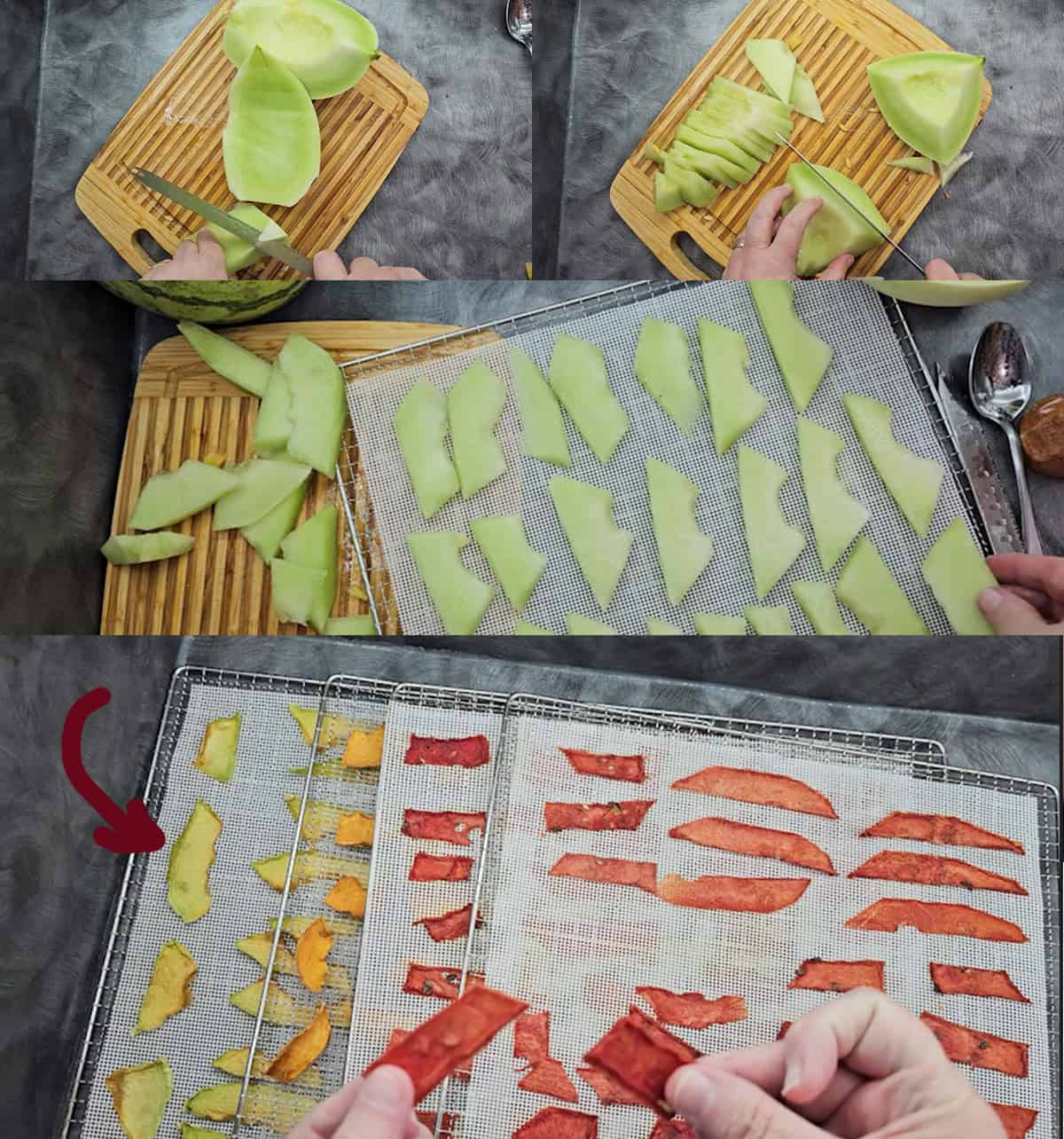
Once selected, the fruit must be thoroughly cleaned to remove soil-borne pathogens. The rind is removed, and the flesh is sliced into uniform thickness, typically between 1/4-inch and 1/2-inch. Uniformity is critical; inconsistent slicing leads to uneven drying times, where some pieces remain dangerously moist while others become overly brittle.
The Drying Phase: Time and Temperature Parameters
Modern food preservation standards dictate a temperature of 135°F (57°C) for fruit dehydration. This specific temperature is high enough to facilitate rapid evaporation but low enough to preserve the integrity of vitamins, particularly Vitamin C and Vitamin A, which are prevalent in melons.
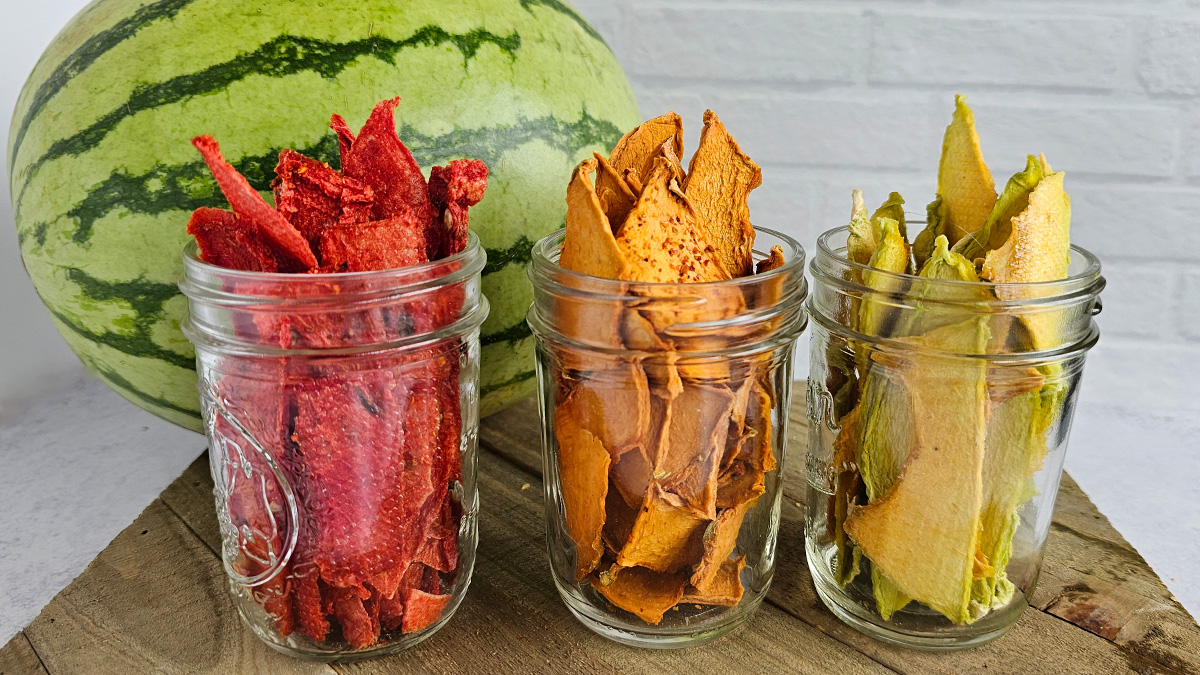
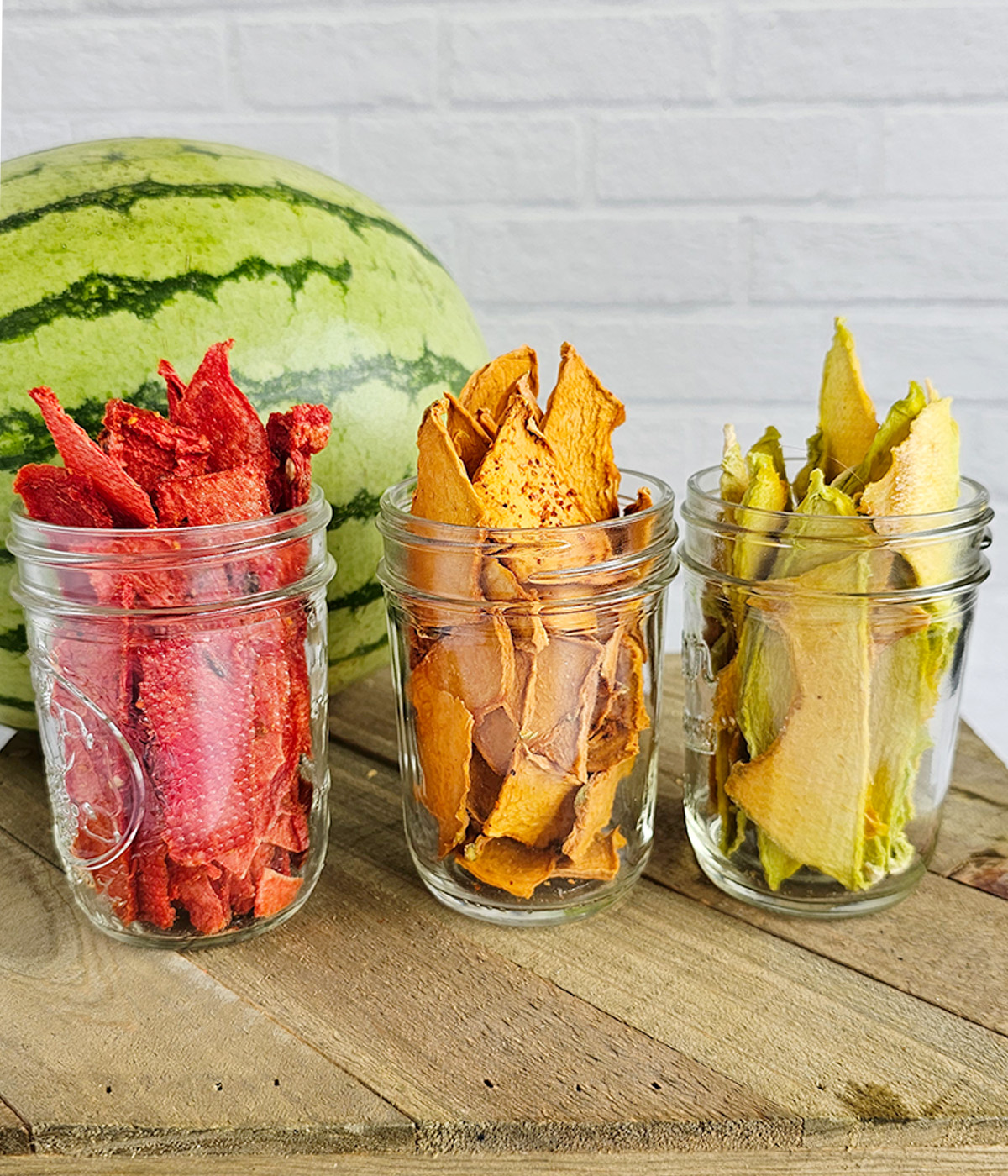
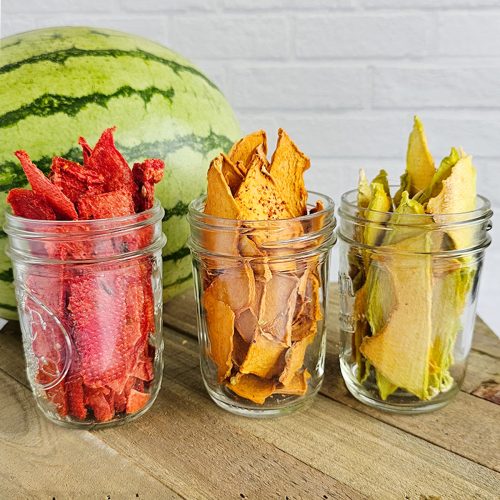
- Watermelon: Known for its "taffy-like" consistency when dried, watermelon requires approximately 10 to 14 hours of processing. Because of its extreme water content, the shrinkage ratio is significant.
- Cantaloupe: This variety offers a muskier, more savory-sweet profile. Its denser flesh typically dries in a similar 10-to-12-hour window.
- Honeydew: The most delicate of the trio, honeydew results in a translucent, mild snack.
During this phase, the use of a dedicated food dehydrator with a horizontal airflow system is recommended for the most consistent results. However, residential ovens can be utilized if they are capable of maintaining temperatures below 170°F, though this often requires "propping" the oven door to ensure adequate moisture escape and prevent the fruit from inadvertently baking.
Post-Processing Protocol: Conditioning and Storage
A critical, yet often overlooked, step in the professional dehydration timeline is the "conditioning" of the fruit. Even after the initial drying period, residual moisture may be unevenly distributed among the pieces.
The Conditioning Chronology
Immediately following the dehydration cycle, the fruit should be allowed to cool to room temperature. It is then placed in clear, airtight glass jars, filled approximately two-thirds full. For the next seven to ten days, these jars must be monitored daily. The practitioner shakes the jar to redistribute the pieces and observes the glass for any signs of condensation. If moisture appears on the interior of the glass, the fruit is insufficiently dry and must be returned to the dehydrator. If no condensation occurs after ten days, the product is considered shelf-stable.
Long-Term Storage Infrastructure
For maximum longevity, dried melons should be stored in a cool, dark, and dry environment. Exposure to ultraviolet light can degrade the nutritional quality and fade the vibrant carotenoids found in cantaloupe and watermelon. While the fruit can be stored in vacuum-sealed bags or airtight jars, the use of oxygen absorbers or silica gel moisture packets is an industry-standard recommendation for those living in high-humidity climates. Under optimal conditions, these fruits can maintain their quality for 12 months.

Comparative Analysis: Dehydrated vs. Fresh Nutrients
From a nutritional standpoint, dehydration is superior to canning in terms of heat-sensitive nutrient retention. While the process concentrates sugars and calories—meaning 1/4 cup of dried fruit is calorically equivalent to roughly 1 cup of fresh fruit—it retains the bulk of the fruit’s mineral content and dietary fiber.
Analytical data suggests that cantaloupe, for instance, remains an excellent source of potassium and beta-carotene even after dehydration. For consumers monitoring their glycemic index, it is important to note that the perceived sweetness of dehydrated melon is much higher than its fresh counterpart due to the removal of water, which effectively concentrates the natural fructose.
Culinary Applications and Seasoning Innovations
While often consumed as a standalone snack, dehydrated melons are increasingly being integrated into broader culinary applications. The "watermelon jerky" trend has seen the fruit treated with savory seasonings such as lime juice, chili powder (Tajín), or even a light dusting of sea salt to create a complex flavor profile that appeals to a wider demographic.

Other documented uses include:
- Rehydration: Adding dried melon to water or tea to create infused beverages.
- Confectionery: Chopping dried honeydew or cantaloupe for use in granola, trail mixes, or as a topping for yogurt and salads.
- Powder Conversion: Grinding over-dried melon into a fine powder to be used as a natural flavoring agent in baking or smoothie formulations.
Institutional and Consumer Reactions
The resurgence of home dehydration has been met with positive responses from consumer advocacy groups and sustainability experts. Industry analysts point to the "homesteading" trend of the 2020s as a primary driver for the increased sales of high-end dehydration equipment. Organizations focused on food security highlight that the ability to process bulk purchases of seasonal fruit reduces the financial burden on households by allowing them to buy when prices are lowest and consume when prices peak in the off-season.
Furthermore, the "zero-waste" movement has championed the dehydration of melons as a flagship example of "upcycling" food that would otherwise be discarded. By extending the life of a cantaloupe from five days to 365 days, consumers are effectively reducing their individual carbon footprint associated with food rot and methane emissions in landfills.
Implications for the Future of Food Preservation
The systematic dehydration of melons represents more than a simple kitchen hobby; it is a tactical response to a globalized food system that is often characterized by volatility and waste. As energy costs fluctuate, the efficiency of the modern dehydrator—which often uses less electricity than a standard lightbulb over a 12-hour period—makes it a more sustainable option than long-term freezing for many households.
Looking forward, the integration of solar-powered dehydration technology and the advancement of compostable vacuum-sealing films are expected to further refine the process. As the public becomes more educated on the technical requirements of food safety—such as proper temperature settings and conditioning protocols—the reliance on commercially processed, preservative-laden dried fruits is likely to decrease in favor of artisanal, home-preserved alternatives.
In conclusion, the dehydration of watermelon, cantaloupe, and honeydew is a scientifically grounded method of food preservation that offers significant economic, nutritional, and environmental benefits. By adhering to rigorous preparation and storage standards, individuals can transform the fleeting sweetness of summer melons into a durable, year-round resource, contributing to a more resilient and less wasteful food culture.