The practice of dehydrating cantaloupe has emerged as a sophisticated method for extending the shelf life of seasonal produce while concentrating its nutritional profile and flavor. As food preservation gains traction among consumers seeking to reduce household waste and improve food security, the dehydration of high-moisture fruits like the cantaloupe (Cucumis melo) offers a viable solution for year-round consumption. This process transforms the perishable, water-heavy melon into a shelf-stable, nutrient-dense snack that maintains the essential vitamins and minerals found in fresh fruit. By utilizing controlled temperatures and airflow, home preservers can create "melon jerky" or leathery fruit snacks that are suitable for long-term storage, emergency preparedness, and portable nutrition.
The Science of Melon Preservation and Nutritional Density
Cantaloupe is characterized by its high water content, which typically hovers around 90%. While this makes the fruit refreshing in its fresh state, it also contributes to rapid spoilage due to microbial growth and enzymatic activity. Dehydration functions by removing the majority of this moisture, thereby inhibiting the environment required for bacteria, yeast, and mold to thrive.
From a nutritional standpoint, the dehydration process results in a significant concentration of the fruit’s components. Cantaloupe is an excellent source of Vitamin A (in the form of beta-carotene), Vitamin C, and potassium. According to nutritional data, while the water is removed, the caloric and sugar content remains concentrated in a smaller volume. For instance, a one-cup serving of fresh cantaloupe contains approximately 50 to 60 calories and 12 grams of sugar. When dehydrated, approximately 1/4 cup of the resulting fruit provides the same caloric and sugar density as the original full cup of fresh fruit. This concentration makes dehydrated cantaloupe an efficient energy source for hikers, athletes, and students.
Furthermore, the process of dehydration at lower temperatures—specifically around 135°F (57°C)—helps to preserve the heat-sensitive Vitamin C and other antioxidants more effectively than high-heat canning or cooking. The result is a product that retains a high percentage of its original health benefits in a form that is resistant to the typical decay cycles of fresh melons.
A Systematic Chronology of the Dehydration Process
Successful dehydration requires a meticulous approach to preparation to ensure food safety and optimal texture. The following chronology outlines the professional standard for processing cantaloupe from raw fruit to a shelf-stable product.
Phase I: Selection and Sanitation
The quality of the final product is directly proportional to the quality of the fresh fruit. Selecting a ripe cantaloupe—indicated by a sweet aroma at the stem end and a slight yield to pressure—is essential. Because cantaloupes have a netted, porous rind that can harbor pathogens such as Salmonella or Listeria, the first step must involve a thorough scrubbing of the exterior with a vegetable brush under running water. This prevents the transfer of surface bacteria to the internal flesh during the slicing process.
Phase II: Preparation and Slicing
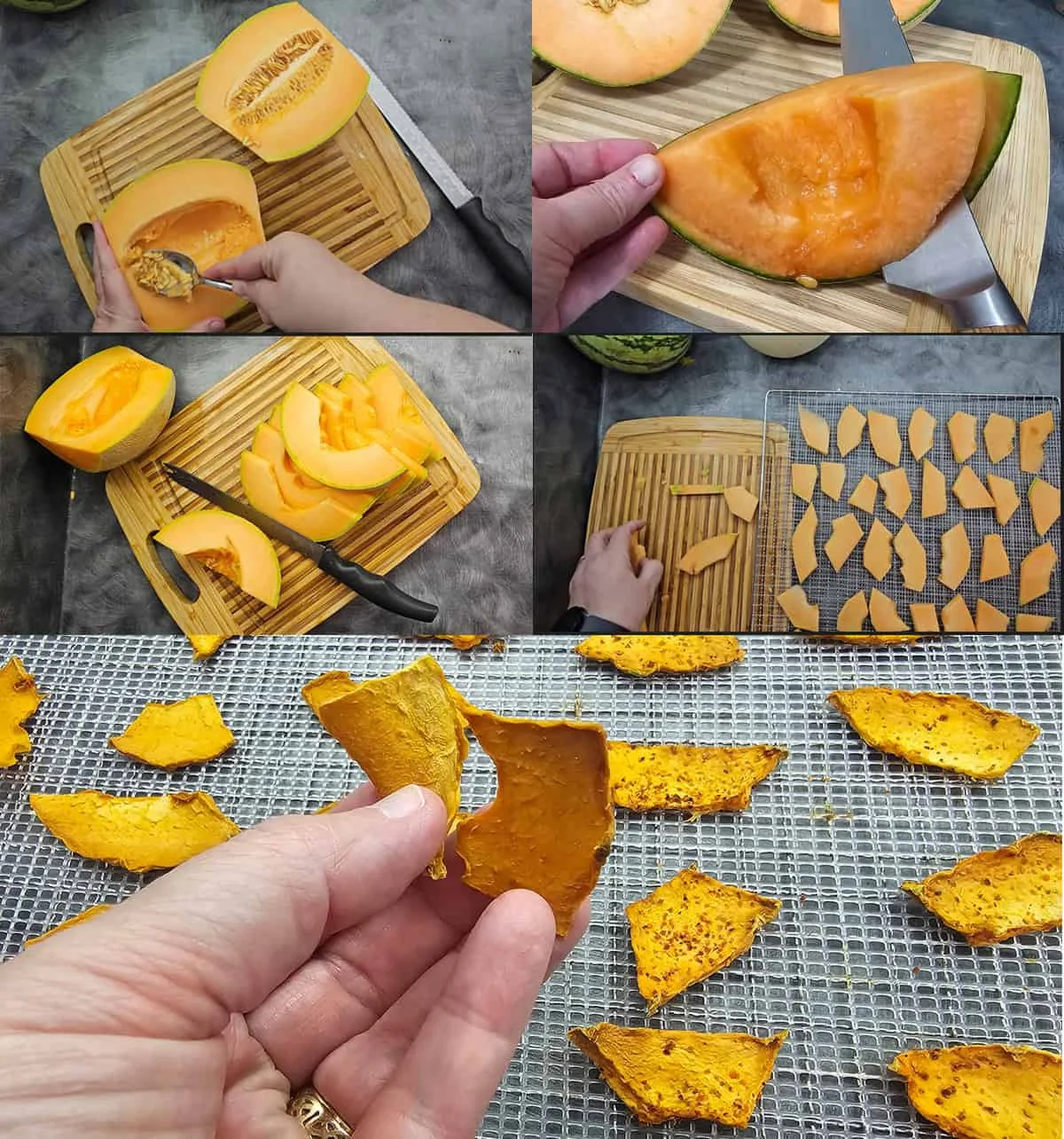
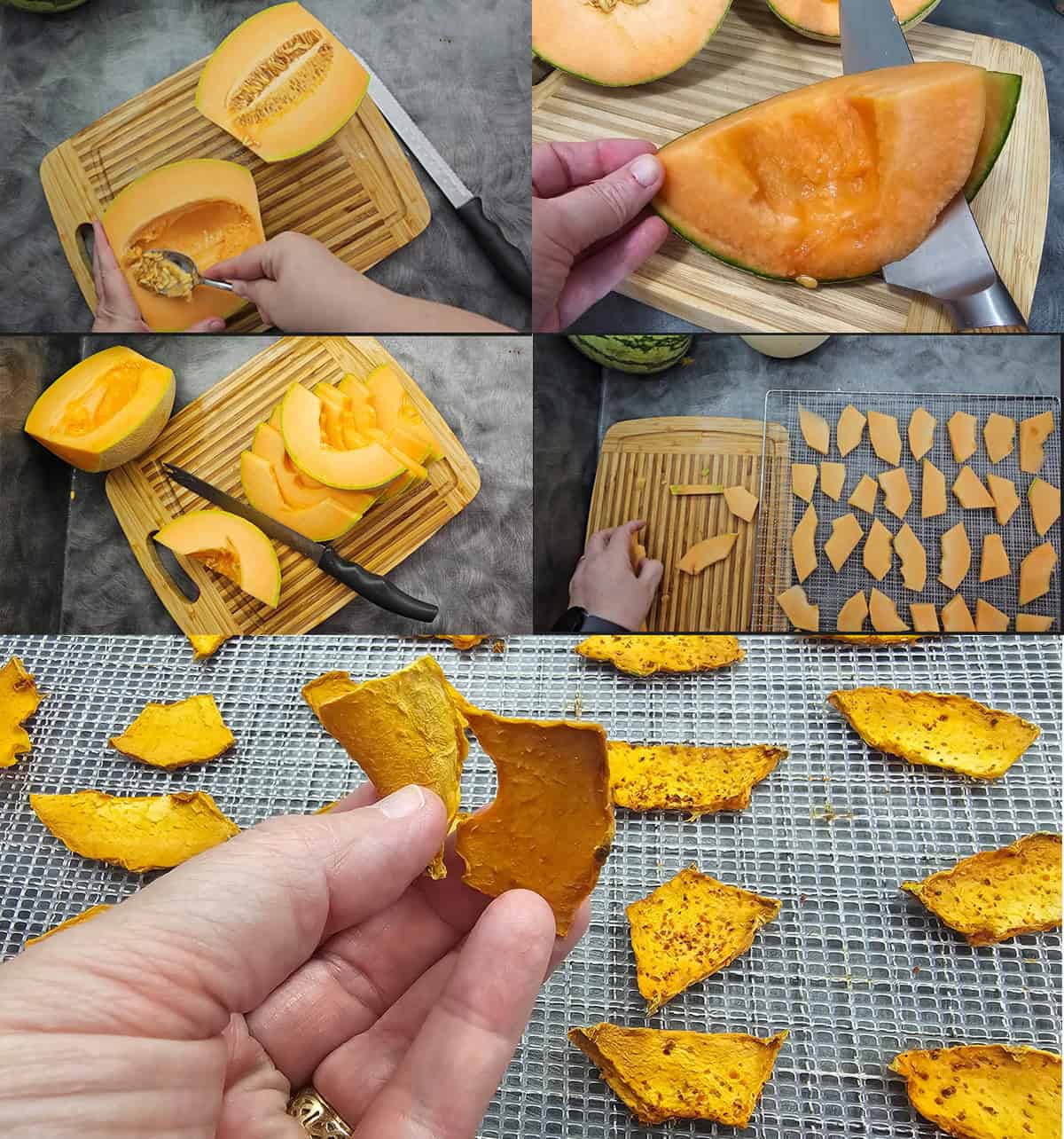
Once cleaned, the melon is halved, and the seeds and internal membranes are removed. The fruit is then sliced into wedges, and the rind is carefully excised. For uniform drying, the flesh must be cut into consistent pieces. A thickness of 1/4 inch (approximately 6 millimeters) is recommended. Thicker slices will result in a longer drying time and a chewier texture, while thinner slices may become overly brittle.
Phase III: Loading and Thermal Processing
The prepared slices are arranged on dehydrator trays with sufficient spacing to allow for horizontal or vertical airflow. Overlapping pieces will result in uneven drying and potential "wet spots" that could lead to spoilage during storage. The dehydrator is set to 135°F (57°C). The estimated processing time ranges from 10 to 14 hours, depending on the ambient humidity of the room and the specific sugar content of the melon.
Technical Specifications for Dehydration and Quality Control
Achieving the correct "doneness" is the most critical aspect of the dehydration cycle. Unlike some fruits that are dried until they are "crisp," cantaloupe is typically finished when it reaches a "leathery" or "pliable" state.
Testing for Dryness
To accurately test for dryness, a piece of fruit should be removed from the dehydrator and allowed to cool to room temperature. When torn, there should be no visible moisture beads along the break. If the fruit feels sticky rather than tacky, or if it remains soft and mushy, additional time in the dehydrator is required.
The Conditioning Phase
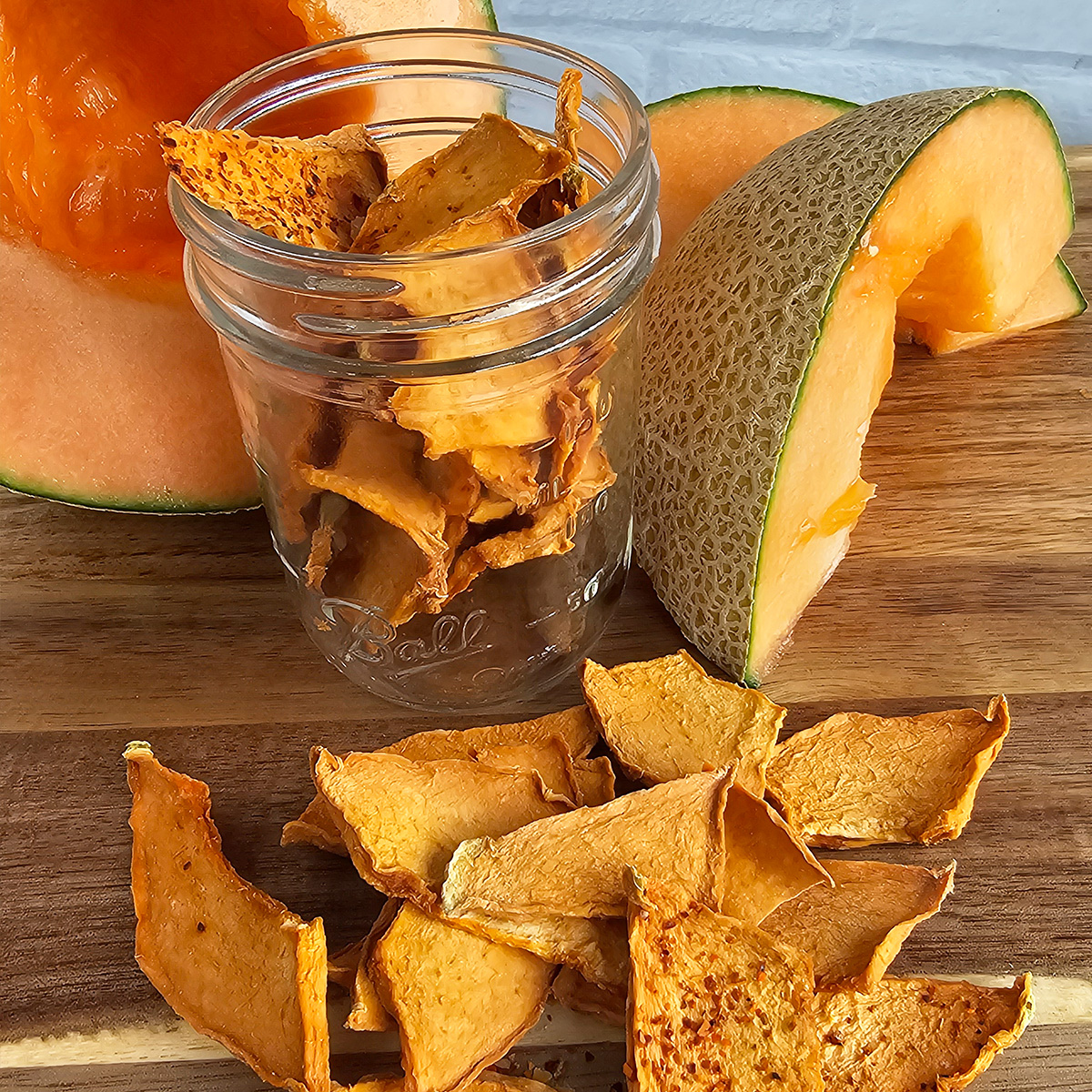
Following the dehydration cycle, the fruit must undergo a "conditioning" process. This involves placing the cooled, dried pieces into a clear glass jar, filling it about two-thirds full, and sealing it. For seven days, the jar should be shaken daily. This allows any residual moisture to redistribute evenly among the pieces. If condensation appears on the glass, the fruit is insufficiently dried and must be returned to the dehydrator to prevent mold growth.
Alternative Methods: Utilizing Domestic Ovens
For individuals without a dedicated food dehydrator, domestic ovens can serve as a functional alternative, though they require closer monitoring. Most modern ovens have a minimum temperature setting of 170°F (77°C), which is higher than the ideal 135°F.
To compensate for this higher heat, it is recommended to keep the oven door slightly ajar (cracked) to allow moisture to escape and to help lower the internal temperature. The fruit should be placed on parchment-lined baking sheets or wire cooling racks set atop baking sheets to facilitate airflow. Because ovens typically lack the consistent air circulation of a dehydrator, pieces must be flipped every few hours. The higher temperature may also lead to "case hardening," where the exterior dries too quickly and traps moisture inside; therefore, the oven method requires a more vigilant "doneness" check.
Culinary Applications and Flavor Enhancement
While dehydrated cantaloupe is naturally sweet due to the concentration of fructose, various seasonings can be applied prior to the drying process to create diverse flavor profiles.
- Sweet and Spicy: A light dusting of chili powder or Tajín seasoning provides a contrast to the melon’s natural sweetness.
- Citrus Infusion: Spritzing the slices with lime or lemon juice can brighten the flavor and help prevent minor oxidation.
- Warm Spices: Cinnamon or ginger can be used to create a "dessert-style" snack that pairs well with autumn and winter palates.
Beyond direct consumption, dehydrated cantaloupe can be chopped and added to granola, used as a topping for yogurt, or incorporated into trail mixes. In some culinary applications, the fruit can be partially rehydrated in water or fruit juice for use in compotes and baked goods.
Economic and Environmental Implications of Food Preservation
The broader impact of home dehydration extends to economic efficiency and environmental sustainability. Global food waste is a significant issue, with fruits and vegetables making up a substantial portion of discarded biomass. In the United States, it is estimated that nearly 30-40% of the food supply is wasted.
By dehydrating surplus cantaloupe—particularly during the peak of the harvest season when prices are lowest—consumers can significantly reduce their grocery expenditures. Furthermore, dehydration reduces the weight and volume of the food, making it easier to store without the energy requirements of a freezer. A single airtight jar of dehydrated cantaloupe can represent several whole melons, providing a space-efficient method of food security.
Storage and Long-Term Stability
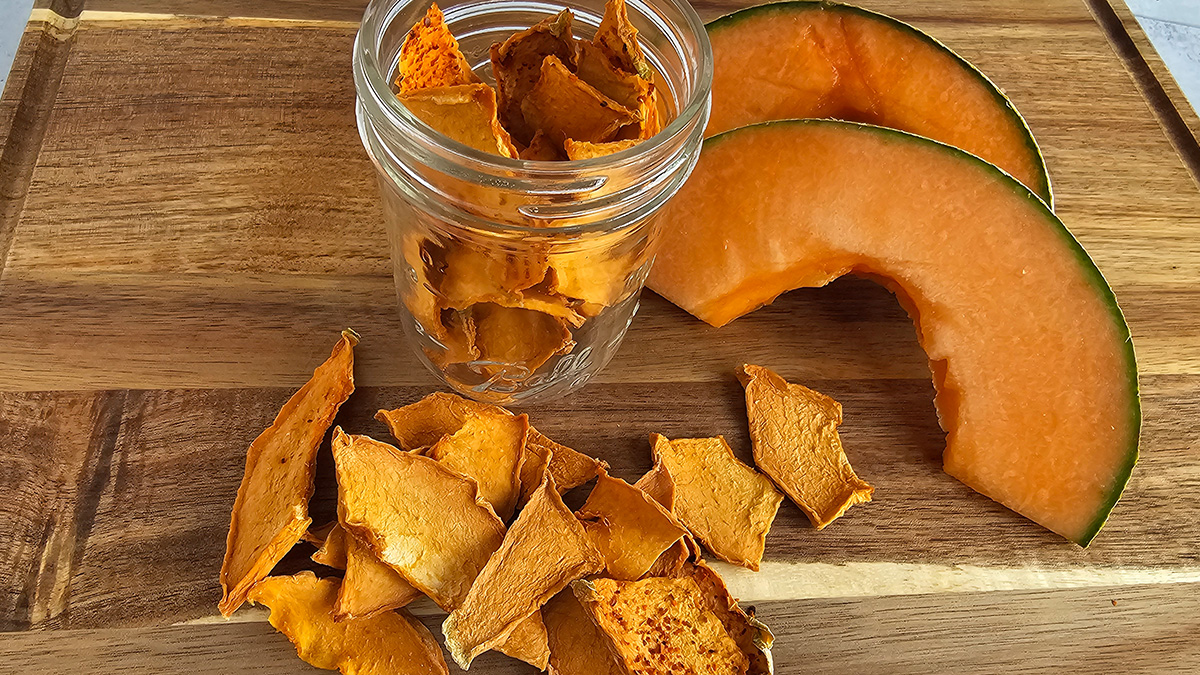
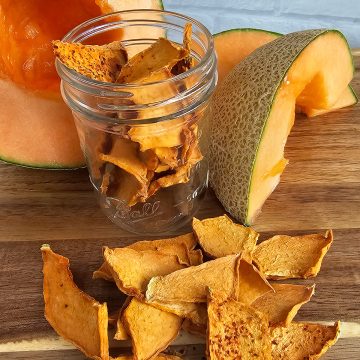
For maximum shelf life, dehydrated cantaloupe should be stored in airtight containers, such as vacuum-sealed bags or canning jars with tight-fitting lids. When stored in a cool, dark, and dry location, the fruit can maintain its quality for up to twelve months.
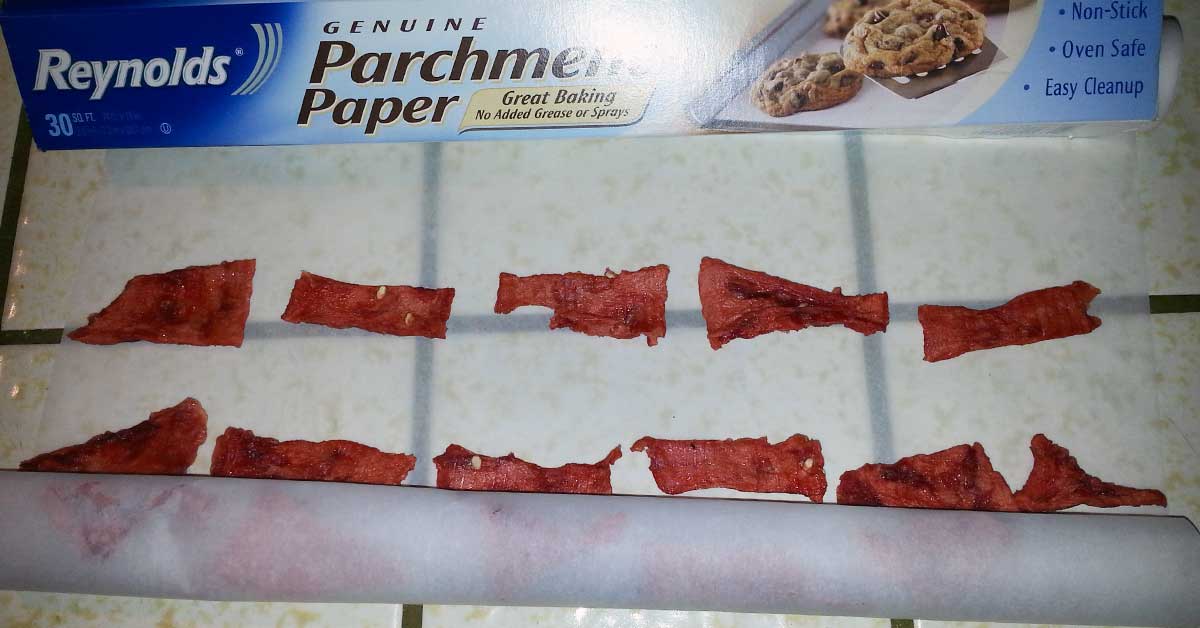
In environments with high relative humidity, the sugars in the dried fruit may absorb moisture from the air (hygroscopy), leading to a sticky texture. To mitigate this, the use of food-grade oxygen absorbers or silica gel desiccant packets is recommended for long-term storage. Additionally, wrapping individual pieces in parchment paper before placing them in a jar can prevent the slices from sticking together, ensuring ease of use when the fruit is retrieved for snacking.
In conclusion, the dehydration of cantaloupe is a technically sound and nutritionally beneficial method of food preservation. By following rigorous preparation and processing standards, individuals can transform a highly perishable summer fruit into a durable, versatile, and healthy pantry staple. As interest in self-sufficiency and waste reduction continues to grow, such methods of preservation remain essential tools for the modern, health-conscious household.