
For home bakers seeking to elevate their dessert game, mastering the art of sugar cookies with perfectly piped buttercream frosting offers a rewarding and delicious endeavor. This comprehensive guide unveils a foolproof recipe designed to produce cookies with a delightful textural contrast: crisp edges yielding to a tender, melt-in-your-mouth center. Complementing these exquisite cookies is a smooth, stable American-style buttercream, formulated for effortless piping and ideal for intricate decorating, transforming even novice decorators into confectionery artists. This article aims to demystify the process, offering insights, detailed instructions, and valuable tips to ensure success in every batch.

The Allure of Homemade Sugar Cookies
The appeal of homemade sugar cookies extends beyond mere taste; it encompasses the joy of creation, the aroma that fills the kitchen, and the satisfaction of presenting a beautifully decorated treat. This recipe addresses a common intimidation factor for many home bakers: the art of frosting. By breaking down the process into manageable steps and utilizing simple yet effective techniques, the fear of piping is replaced with confidence and creativity. The visual appeal of these cookies, adorned with vibrant buttercream swirls and dots, rivals that of any professional bakery, making them perfect for celebrations, holidays, or simply as a delightful indulgence.
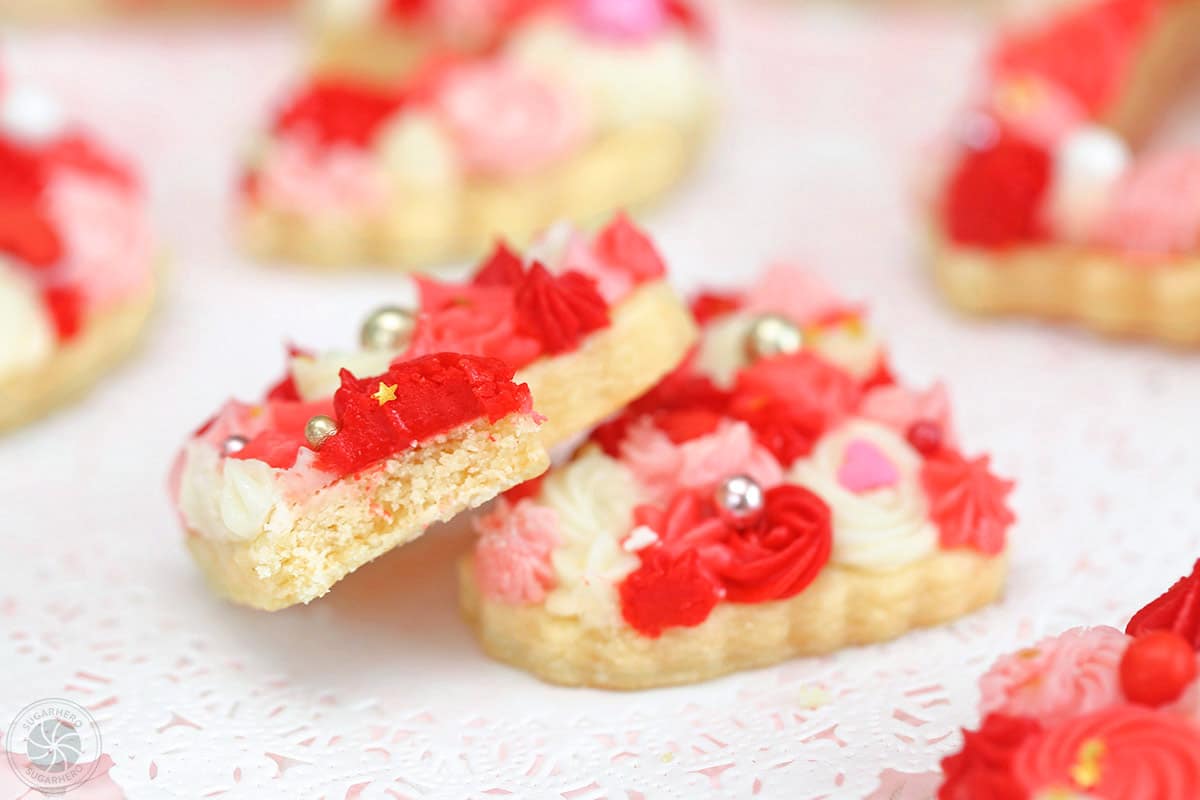
The foundation of this recipe lies in a meticulously developed cut-out sugar cookie dough. Its structure is engineered to hold its shape during baking, ensuring that intricate designs remain intact. This versatility means any cookie cutter shape, from classic circles to whimsical figures, can be employed, allowing for endless personalization. The accompanying buttercream is a testament to simplicity and effectiveness. An American-style buttercream, characterized by its short ingredient list and rapid preparation time, provides a rich, sweet base that is both pliable enough for detailed piping and sturdy enough to maintain its form.
Demystifying the Decorating Process
The key to achieving professional-looking decorated cookies, even for beginners, lies in the strategic use of various frosting colors and piping tips. This recipe encourages experimentation with a palette of colors – think vibrant reds, soft pinks, and clean whites – each paired with a small star tip. The specific number of the piping tip is less critical than its function: a small tip with ridged openings will create beautiful textures and patterns.

The true magic of this decorating method is its inherent forgiveness. There is no single "correct" way to apply the frosting. Bakers are encouraged to embrace a freeform approach, piping swirls, dots, and lines of different colors adjacent to each other. This creates a visually dynamic and captivating effect, transforming the entire surface of the cookie into a canvas of colorful artistry. The addition of a few well-placed sprinkles provides a final flourish, elevating these "chaotically beautiful" creations to a new level of appeal. A comprehensive photo tutorial accompanies this guide, offering a visual roadmap to the simplicity and enjoyment of this decorating technique.

Essential Ingredients and Equipment
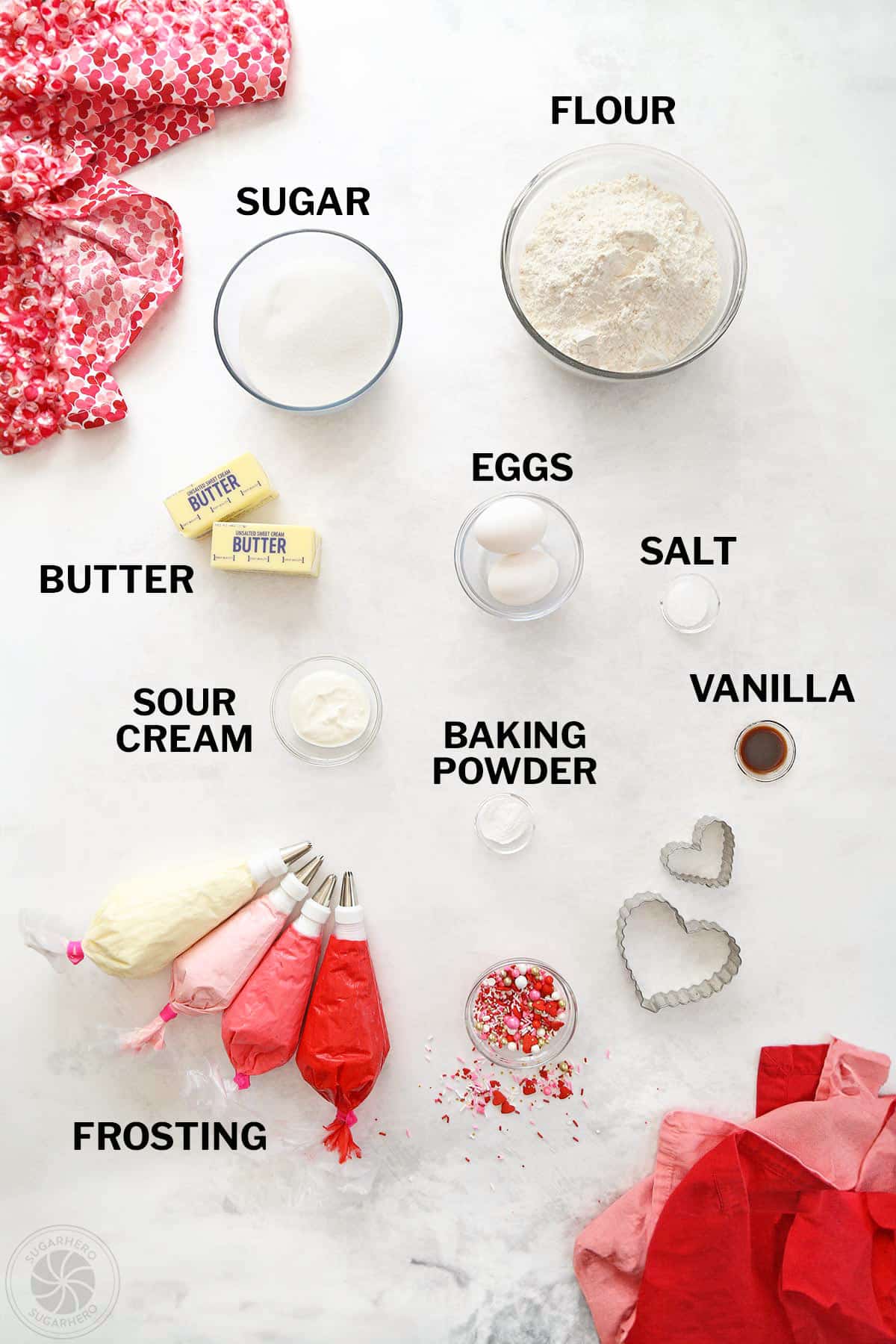
To embark on this culinary journey, a curated selection of ingredients and equipment is essential. The recipe card at the end of this article provides precise measurements, but a general overview highlights the core components.
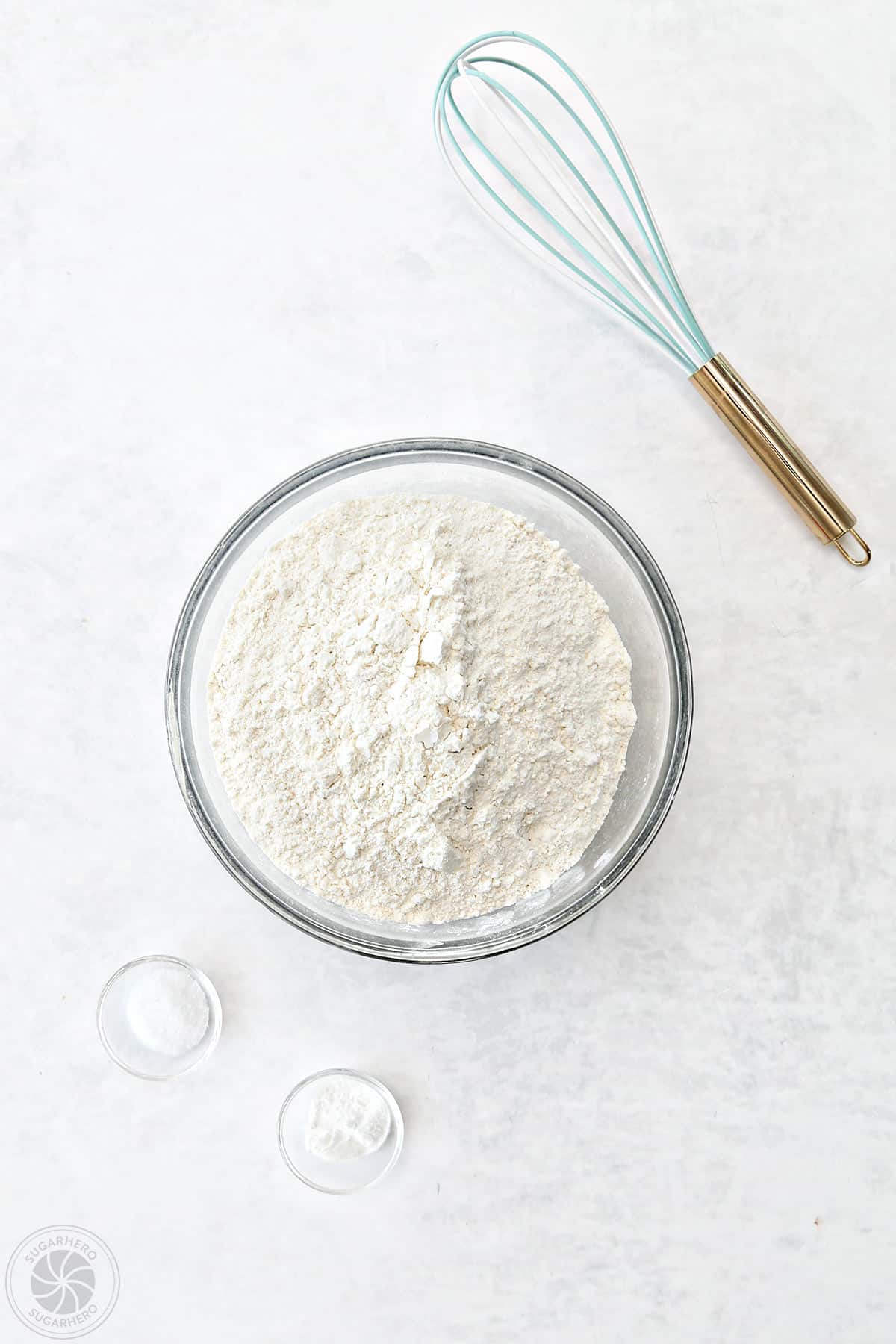
Ingredients for the Sugar Cookies:
- Flour: All-purpose flour forms the structural base of the cookies.
- Sugar: Granulated sugar contributes sweetness and aids in browning.
- Butter: Unsalted butter, softened, provides richness and tenderness.
- Eggs: Large eggs act as binders and contribute to the cookie’s structure.
- Vanilla Extract: Pure vanilla extract enhances the overall flavor profile.
- Baking Powder: A leavening agent that ensures a tender crumb.
- Salt: Balances the sweetness and enhances other flavors.
Ingredients for the Buttercream Frosting:
- Butter: Unsalted butter, softened, is the primary component.
- Powdered Sugar: Also known as confectioners’ sugar, it provides sweetness and a smooth texture.
- Milk or Cream: Adds moisture and helps achieve the desired consistency.
- Vanilla Extract: For flavor enhancement.
- Food Coloring: Gel or liquid food coloring in desired shades.
Essential Equipment:
- Mixing Bowls: For combining wet and dry ingredients.
- Electric Mixer (Stand or Handheld): For creaming butter and sugar and whipping frosting.
- Measuring Cups and Spoons: For accurate ingredient measurements.
- Rolling Pin: For uniformly rolling out cookie dough.
- Cookie Cutters: In various shapes and sizes.
- Baking Sheets: Lined with parchment paper for easy cleanup.
- Piping Bags: Reusable or disposable bags for frosting.
- Piping Tips: Small star tips are recommended for decorative piping.
- Offset Spatula: For spreading frosting if desired.
- Cooling Racks: For allowing cookies to cool completely.
Step-by-Step Guide to Cookie Perfection
The creation of these exquisite sugar cookies involves distinct stages, from dough preparation to the final decorative flourish.
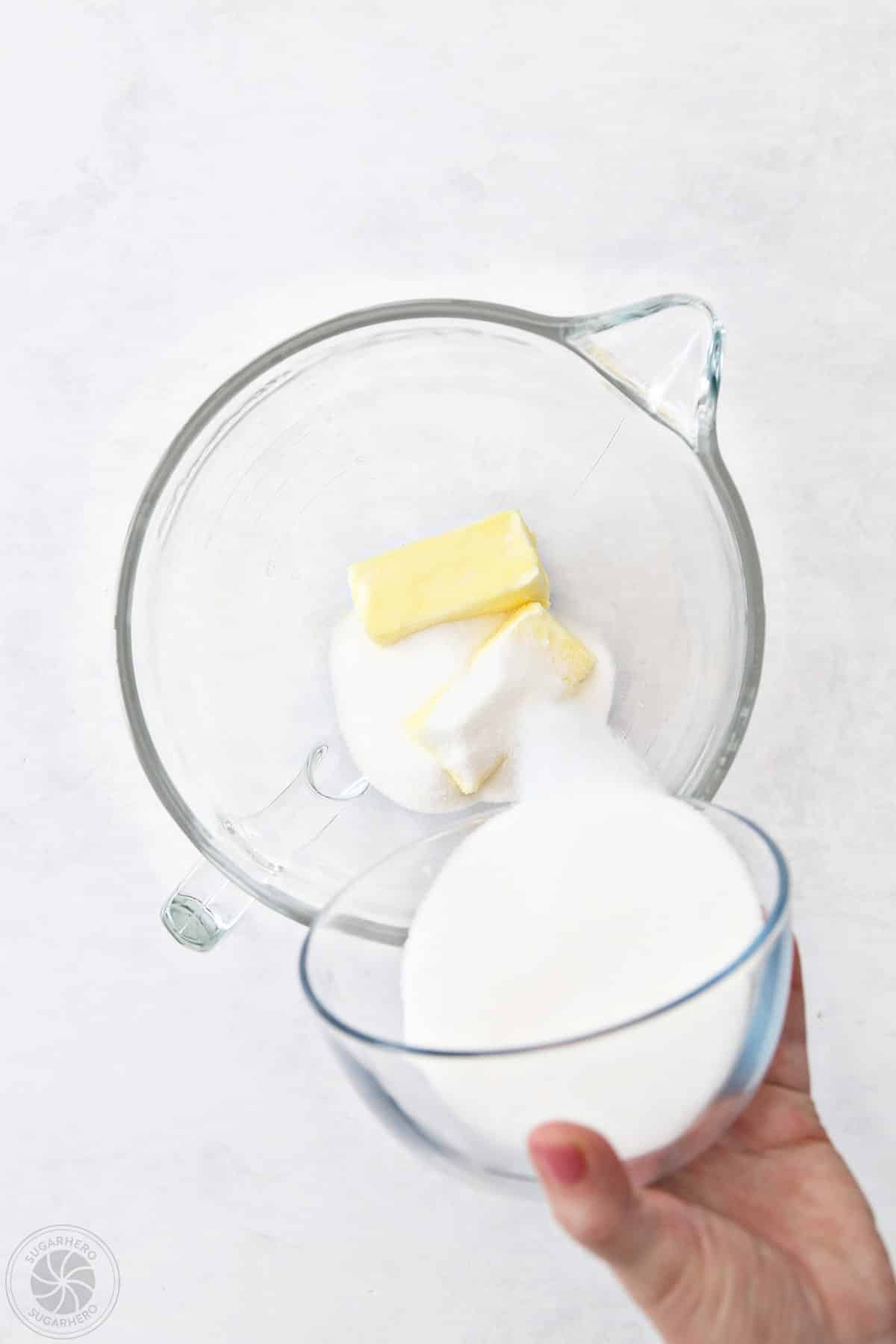
To Make the Sugar Cookies:
- Cream Butter and Sugar: In a large mixing bowl, cream together softened butter and granulated sugar until light and fluffy. This process incorporates air, which contributes to the cookies’ tender texture.
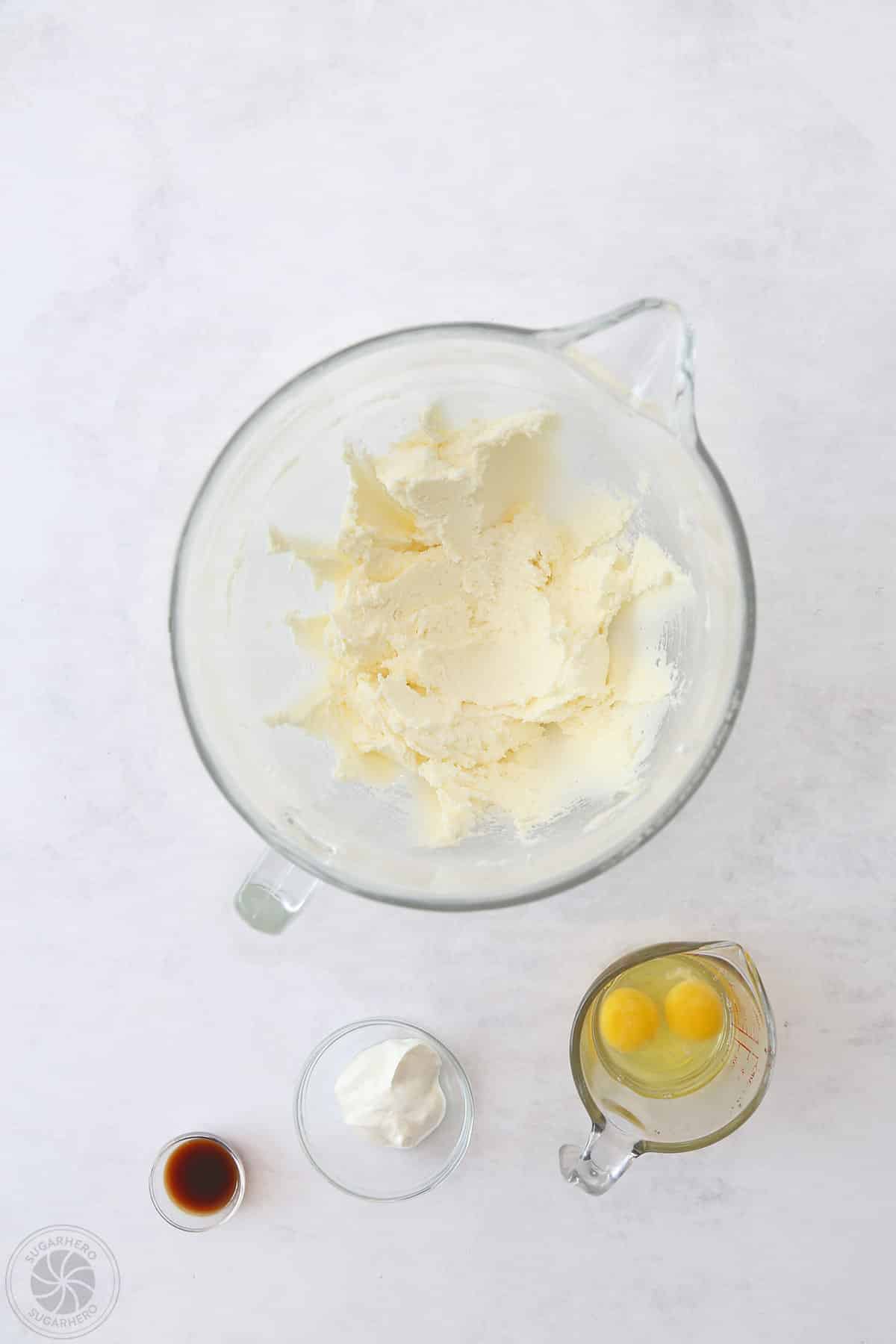
- Incorporate Wet Ingredients: Beat in eggs one at a time, followed by vanilla extract. Ensure each addition is thoroughly combined before proceeding.
- Combine Dry Ingredients: In a separate bowl, whisk together flour, baking powder, and salt.
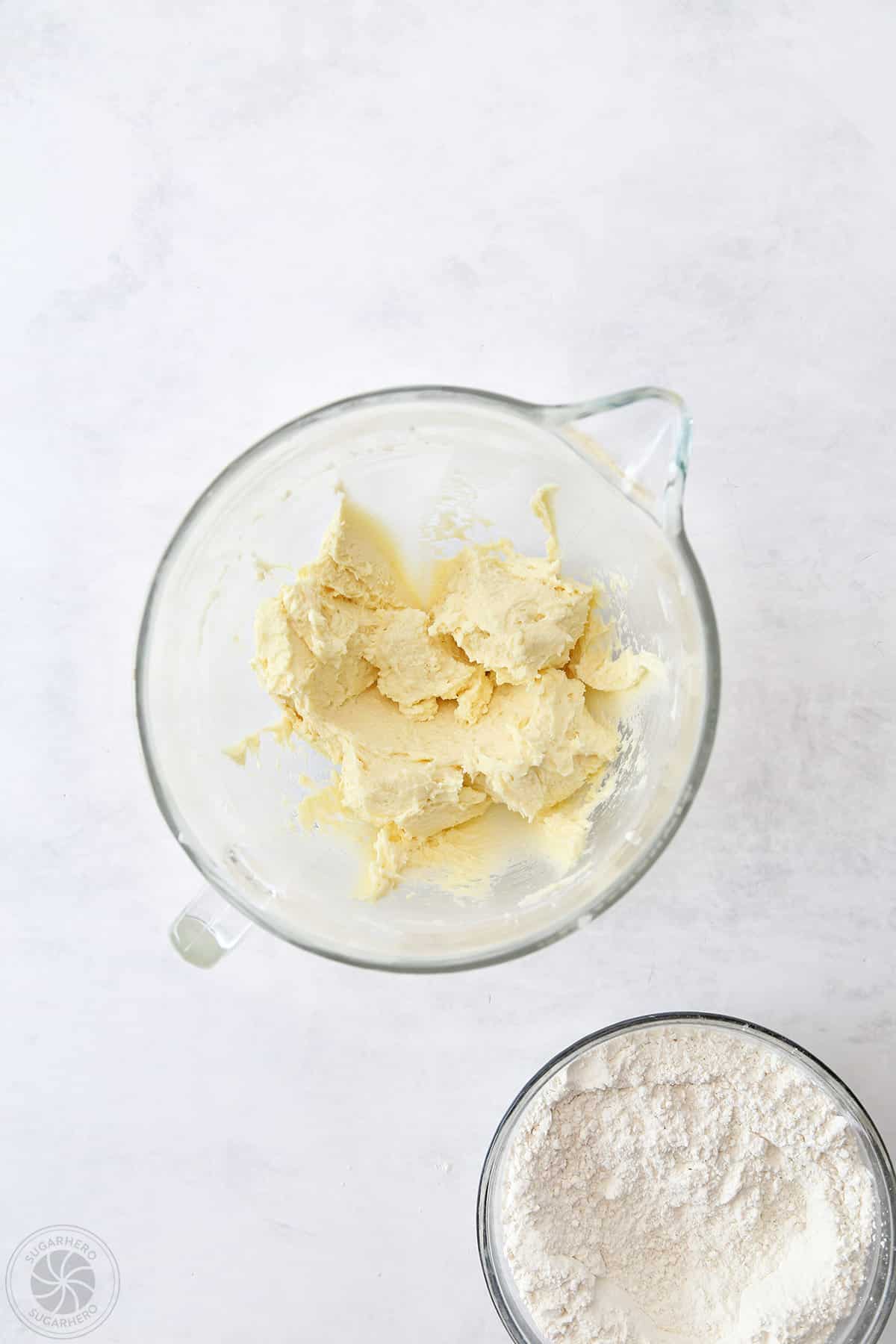
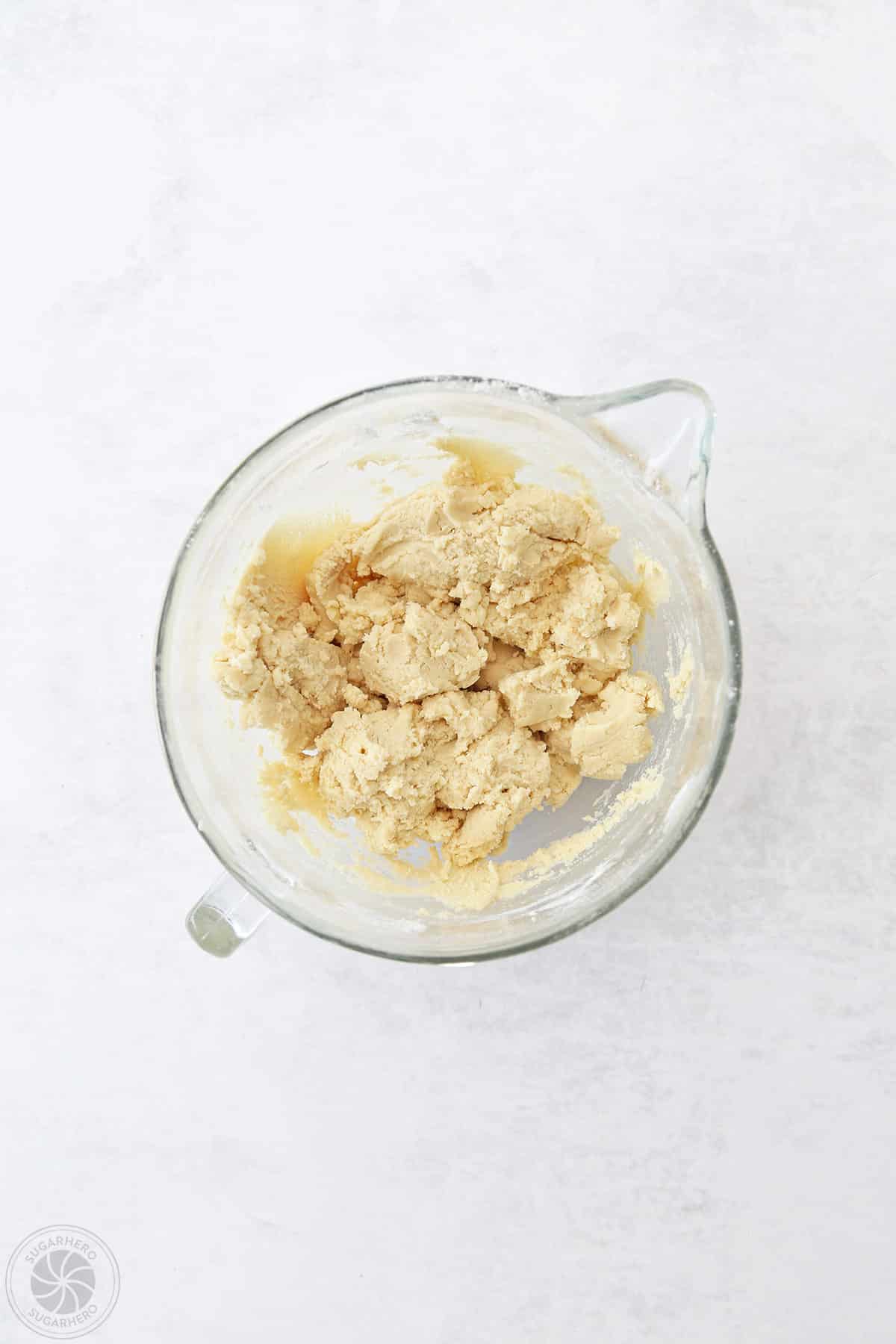
- Combine Wet and Dry Mixtures: Gradually add the dry ingredients to the wet ingredients, mixing on low speed until just combined. Avoid overmixing, as this can lead to tough cookies.
- Chill the Dough: Divide the dough into two flat discs, wrap them tightly in plastic wrap, and refrigerate for at least 30 minutes. Chilling the dough makes it easier to handle and prevents excessive spreading during baking.
- Roll and Cut: Preheat your oven to the temperature specified in the recipe card. Lightly flour a clean surface and your rolling pin. Roll out one disc of dough to about ¼-inch thickness. Use cookie cutters to create desired shapes. Re-roll scraps as needed, being careful not to overwork the dough.
- Bake: Arrange the cut-out cookies on parchment-lined baking sheets, leaving about 1 inch between them. Bake for the duration specified in the recipe, or until the edges are lightly golden brown.
- Cool: Let the cookies cool on the baking sheets for a few minutes before transferring them to wire racks to cool completely. Ensure cookies are entirely cool before frosting to prevent the buttercream from melting.
To Make the Cookie Frosting:
- Cream Butter: In a clean mixing bowl, beat softened butter until it is light and creamy.
- Add Powdered Sugar: Gradually add powdered sugar, alternating with small amounts of milk or cream, mixing until smooth and well combined.
- Incorporate Vanilla: Stir in vanilla extract for flavor.
- Color the Frosting: Divide the buttercream into separate bowls for each desired color. Add food coloring gradually, mixing until the desired shades are achieved.
To Decorate the Sugar Cookies:
- Prepare Piping Bags: Fit piping bags with small star tips. Fill each bag with a different color of buttercream.
- Pipe Designs: Begin piping decorative elements onto the cooled sugar cookies. Experiment with swirls, dots, lines, and rosettes. Don’t be afraid to overlap colors or create abstract patterns.
- Add Sprinkles: While the frosting is still soft, add sprinkles for a festive touch.
- Allow Frosting to Set: Let the decorated cookies sit at room temperature until the buttercream has set completely.
Tips for Cookie Success and Broader Implications
Achieving consistent, beautiful results with sugar cookies and buttercream frosting involves attention to detail and understanding fundamental baking principles.
Tips for Cookie Success:
- Accurate Measurements: Using a kitchen scale for ingredients, particularly flour, is highly recommended for consistent results, as volume measurements can vary.
- Dough Temperature: Ensuring the dough is adequately chilled is crucial for maintaining cookie shape during baking. If the dough becomes too soft while working, return it to the refrigerator for a short period.
- Even Baking: Rotate baking sheets halfway through the baking time to ensure even browning.
- Cooling Time: Patience is key. Allowing cookies to cool completely before frosting prevents a melty mess and ensures the frosting adheres properly.
- Buttercream Consistency: If the buttercream is too stiff, add a tiny bit more milk or cream. If it’s too soft, gradually add more powdered sugar.
Broader Impact and Analysis:
The popularity of homemade baked goods, particularly decorated cookies, has seen a significant resurgence. This trend is fueled by several factors:

- The "Doughmestic" Movement: A growing appreciation for artisanal crafts and home-based culinary skills, often amplified by social media platforms.
- Personalization and Gifting: Decorated cookies offer a highly customizable and thoughtful way to celebrate occasions, from birthdays and holidays to corporate events and thank-you gestures. The ability to tailor designs to specific themes or recipients adds significant value.
- Therapeutic Benefits: Baking can be a form of stress relief and a creative outlet, providing a sense of accomplishment and control in an often unpredictable world.
- Economic Implications: The rise of home-based baking businesses has created entrepreneurial opportunities, contributing to the gig economy and supporting local communities. Many small businesses thrive on custom cookie orders, demonstrating the economic viability of these skills.
The ability to create professional-looking sugar cookies at home democratizes the art of confectionery. It empowers individuals to replicate the aesthetic and taste of bakery-quality treats, fostering a sense of culinary confidence and providing a delightful avenue for creative expression. This recipe, with its emphasis on simplicity and accessibility, serves as a gateway for aspiring bakers to explore the rewarding world of decorated cookie artistry.