
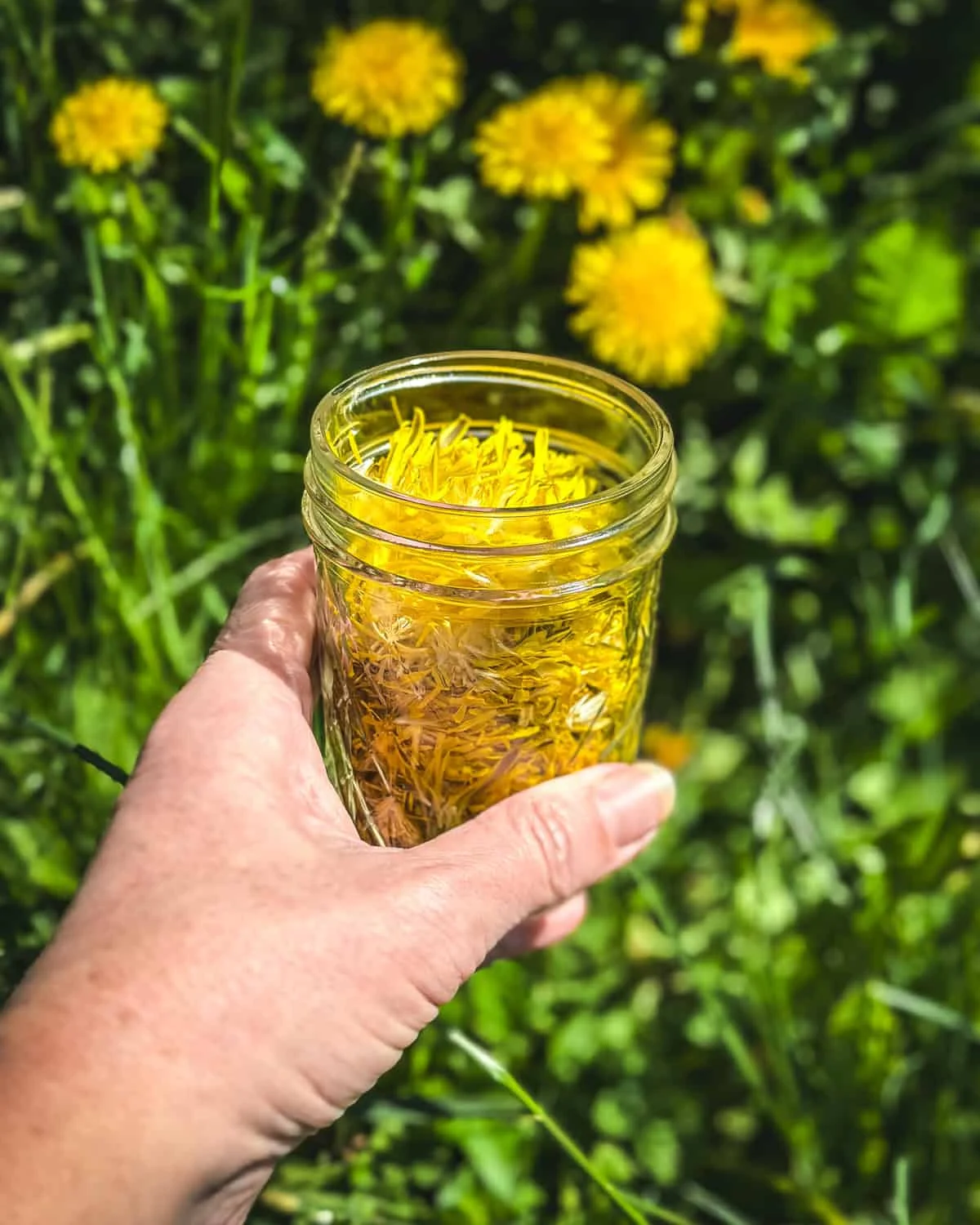
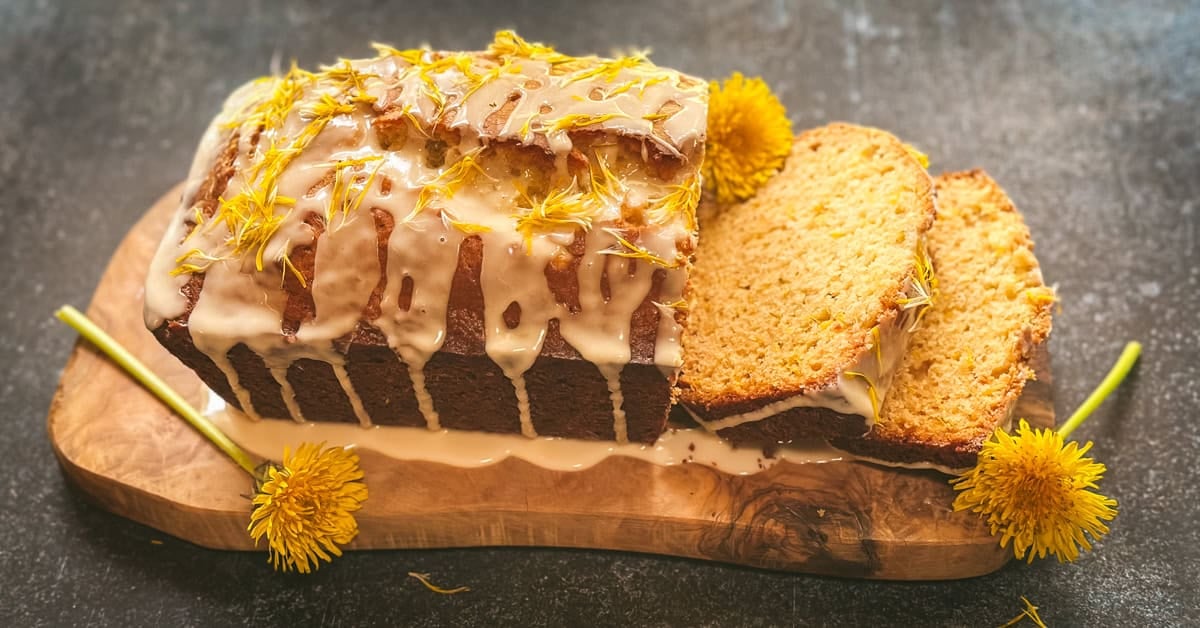
The transition from winter to spring is traditionally marked by the appearance of the dandelion (Taraxacum officinale), a plant often maligned as a persistent garden weed but increasingly recognized by botanists and culinary experts as a versatile and nutrient-dense resource. Central to this seasonal shift is the practice of foraging, a tradition experiencing a modern resurgence as consumers seek sustainable, locally sourced alternatives to industrial food systems. Among the various applications of this resilient plant, dandelion bread—a quick bread utilizing the sweet, honey-scented petals of the flower paired with a bright citrus glaze—has emerged as a staple of contemporary wildcrafting. This culinary practice represents more than just a novelty; it is an intersection of ethnobotany, nutritional science, and sustainable gastronomy.
The Botanical Resilience and Historical Context of the Dandelion
To understand the significance of dandelion-based culinary preparations, one must first examine the history and biology of the plant itself. Though frequently viewed as an invasive nuisance in North American lawns, the dandelion was intentionally introduced to the continent by European settlers. Recognized for its hardiness and medicinal properties, the plant served as a vital source of nutrition during early spring when other crops had yet to mature.
The dandelion is a member of the Asteraceae family and is characterized by its deep taproot system, which allows it to thrive in compacted soils and survive extreme environmental stressors. Every part of the plant is edible, from the root, which is often roasted as a caffeine-free coffee substitute, to the serrated leaves, which are rich in vitamins A, C, and K. However, the golden-yellow petals remain the most prized element for baking. These petals contain a high concentration of flavonoids and polyphenols, which contribute to a flavor profile often described as floral and subtly sweet, reminiscent of clover honey.
Nutritional Analysis and Recent Scientific Findings
Recent research has begun to validate long-held traditional beliefs regarding the health-supporting properties of dandelions. According to studies published in the National Institutes of Health’s PubMed database and other peer-reviewed journals, dandelion preparations exhibit significant antioxidant potential. Notably, investigations into the active components of the plant suggest that its chemical makeup may modulate hemostatic processes—the body’s mechanism for stopping bleeding—though researchers emphasize that further clinical trials are necessary to determine precise dosages and efficacy.
Comparative studies between different parts of the plant have indicated that dandelion petals often possess superior antioxidant activity compared to the leaves. This is attributed to the presence of luteolin and other phenolic compounds that protect the plant from ultraviolet radiation. When incorporated into a balanced diet through preparations like dandelion bread, these petals provide a bioavailable source of phytonutrients that are absent from conventional store-bought grains.
Foraging Chronology: From Field to Kitchen
The window for harvesting dandelions for culinary use is relatively brief, typically spanning from late March to early June, depending on the geographical region. Foragers must adhere to a strict chronology to ensure the quality and safety of the harvest.
Stage 1: Identification and Selection
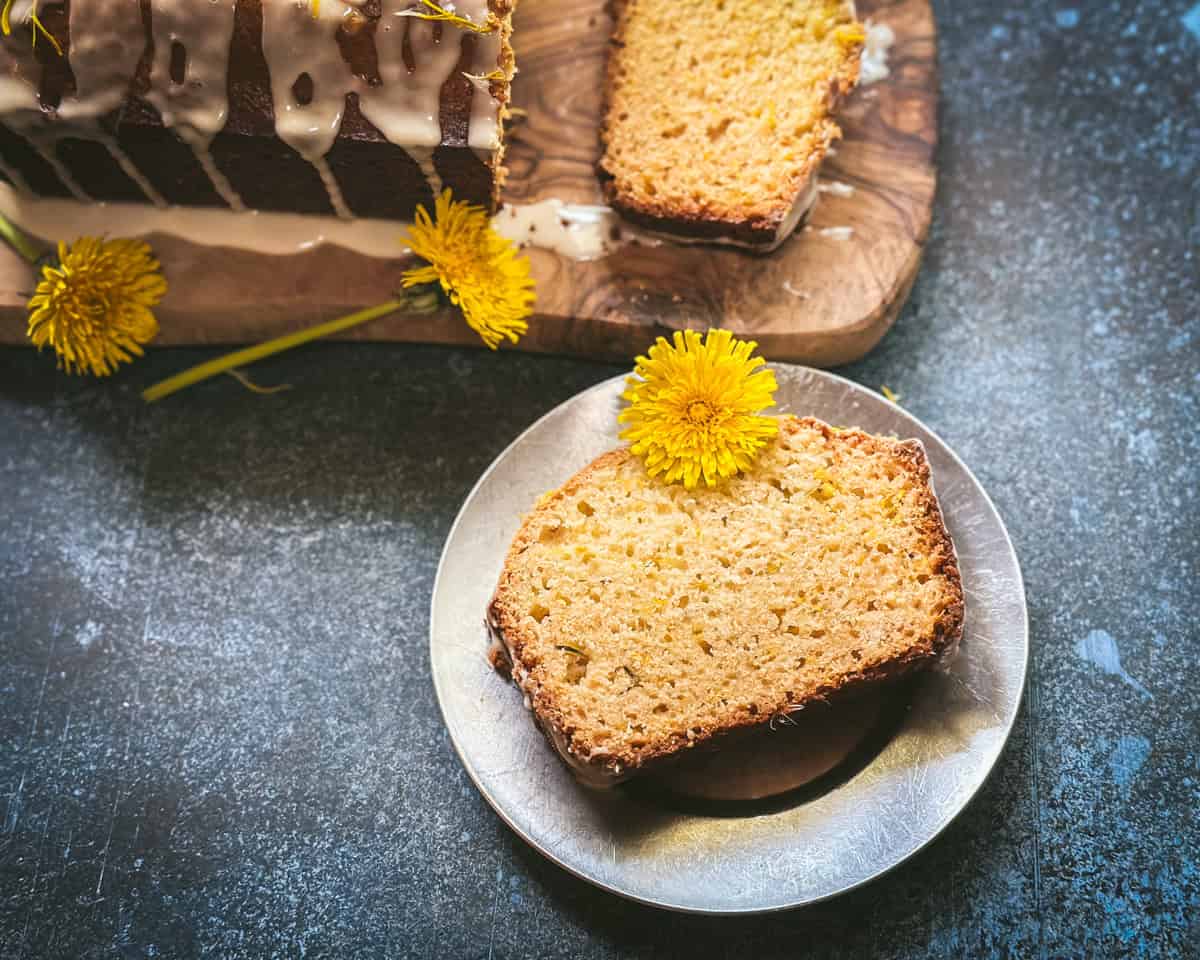
Foraging begins with the identification of healthy, vibrant blooms. Journalistic and botanical experts warn that the primary risk associated with foraging dandelions is chemical contamination. Because many municipalities and homeowners utilize herbicides such as glyphosate to eradicate "weeds," foragers must prioritize locations that are guaranteed to be unsprayed. Furthermore, proximity to high-traffic roadways should be avoided due to the potential for heavy metal accumulation from vehicle emissions.
Stage 2: The Harvest
The ideal time for harvesting is mid-morning, after the dew has evaporated but before the intense midday sun causes the flowers to close. Only fully opened blossoms should be selected.
Stage 3: Processing and Preparation
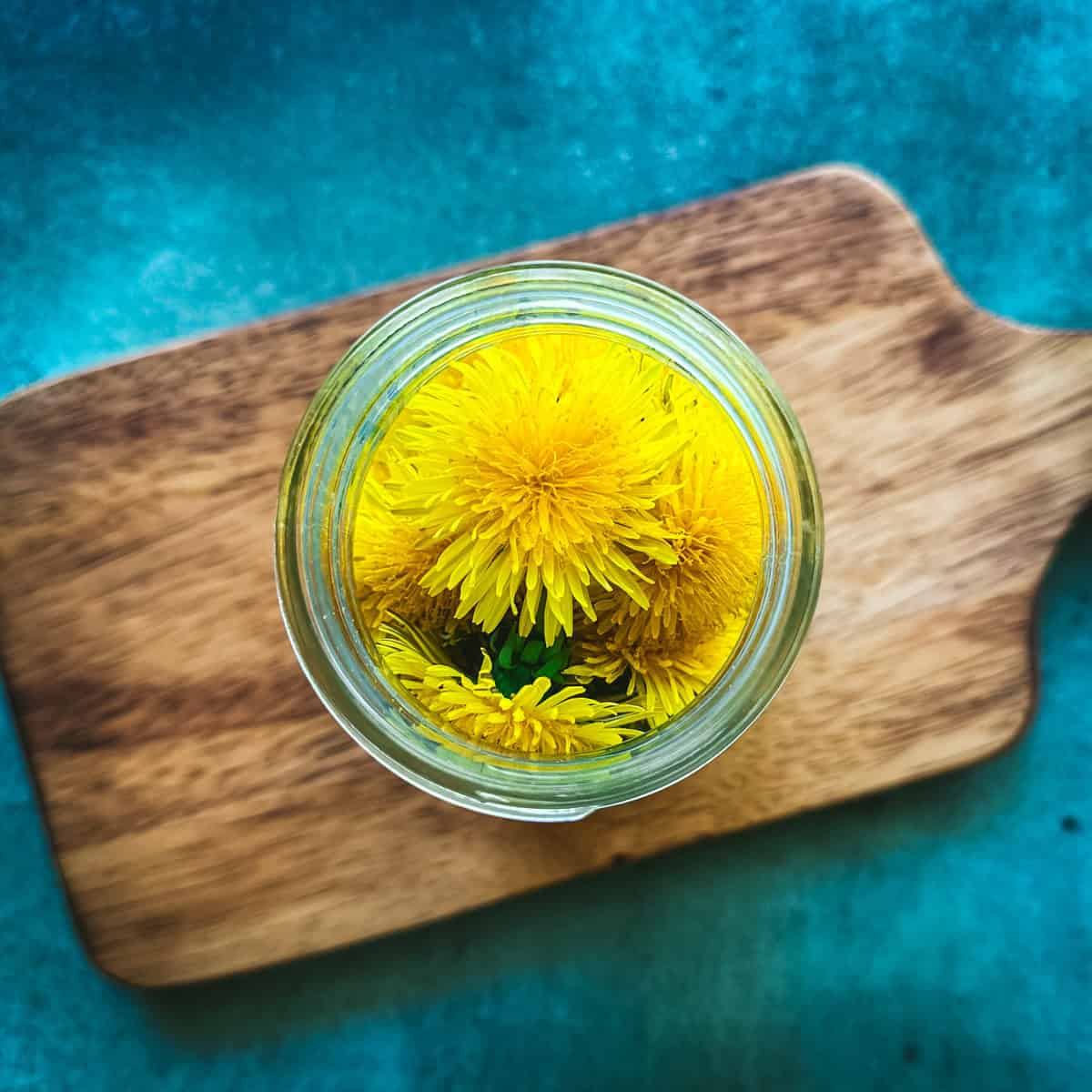
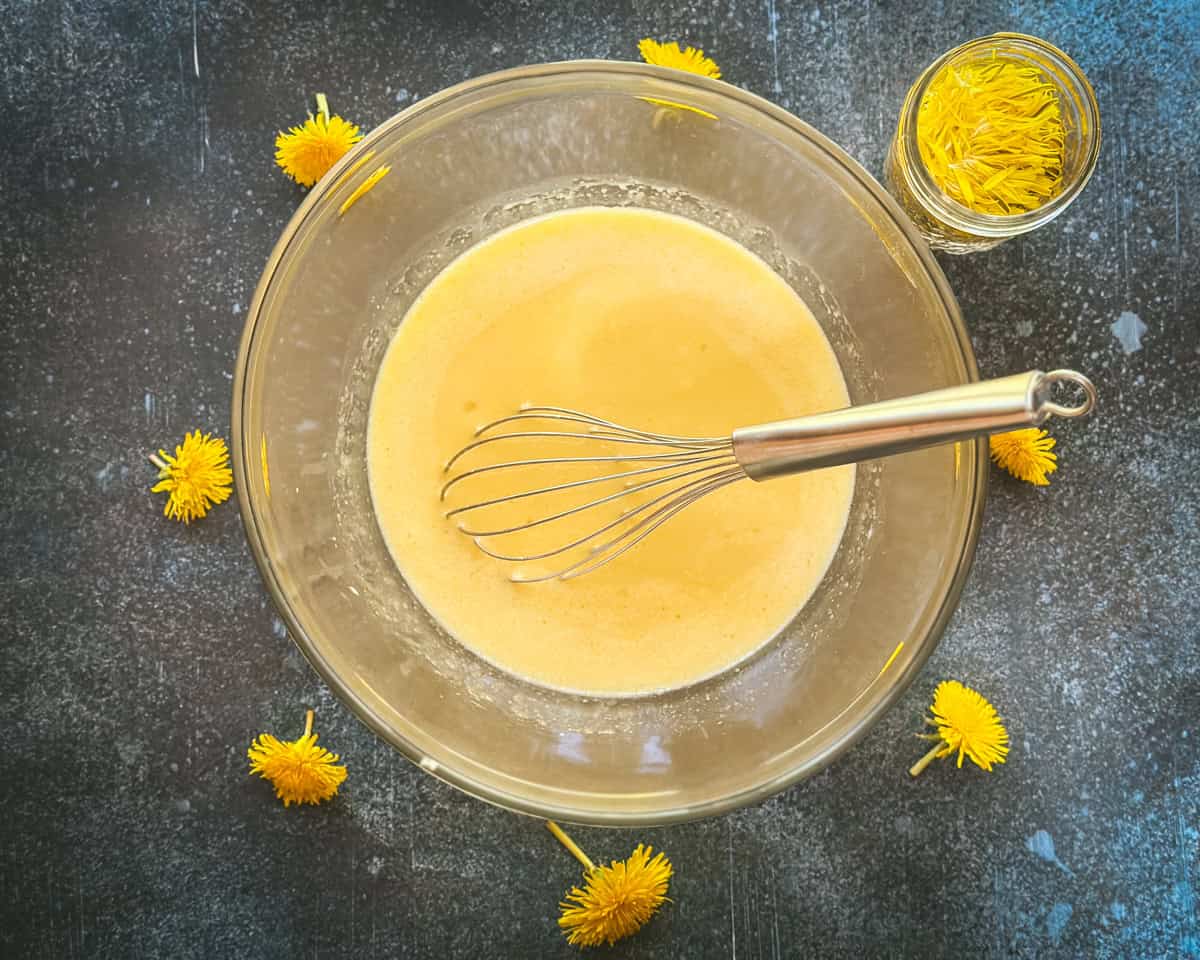
Once harvested, the flowers require immediate processing. The yellow petals must be separated from the green involucres (the base of the flower) and the sepals. While the entire plant is edible, the green portions contain a high concentration of latex and bitter alkaloids which, while beneficial for digestion, can overwhelm the delicate sweetness required for a dessert bread.
The Culinary Mechanics of Dandelion Bread
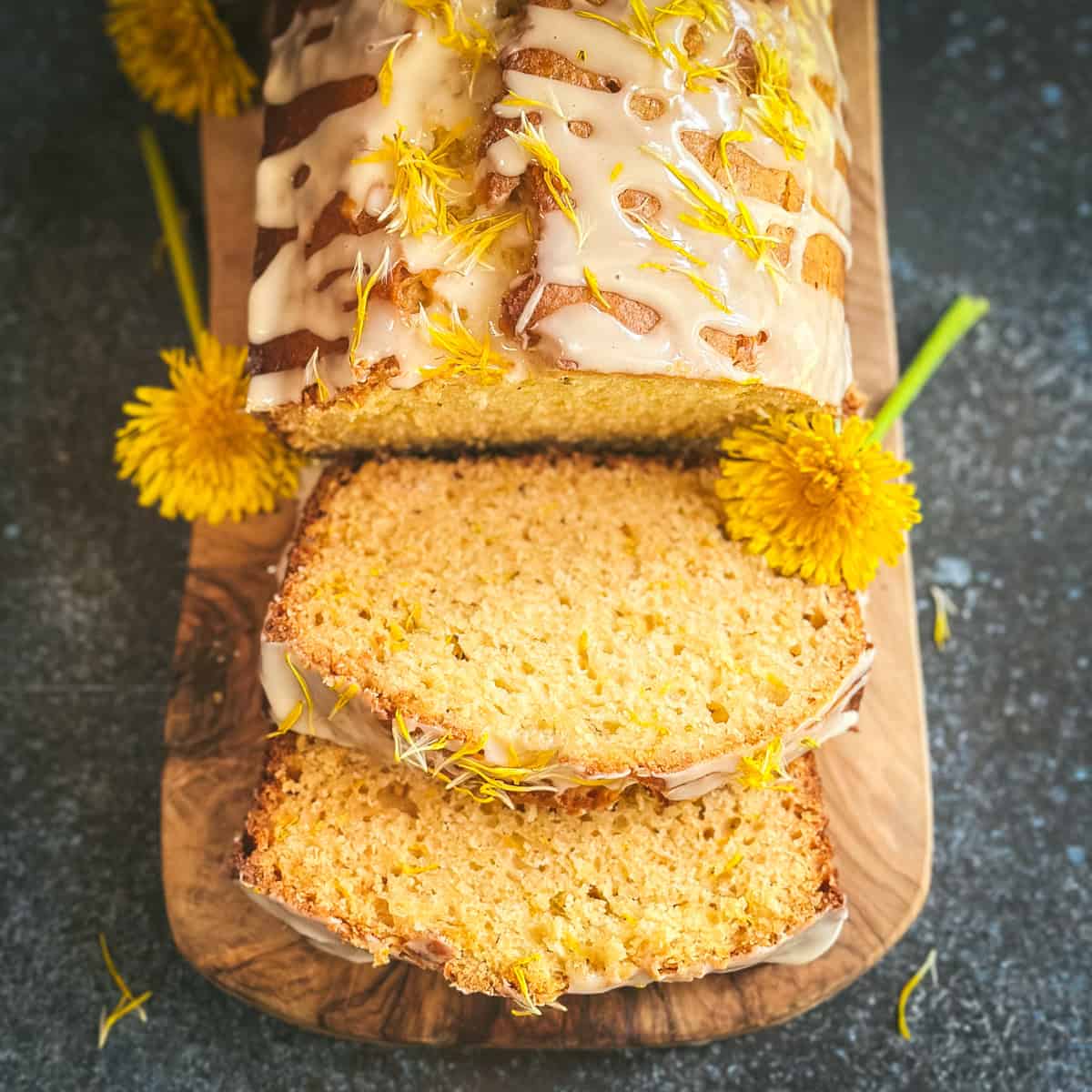
The preparation of dandelion bread is a process of balancing the earthy, floral notes of the foraged petals with the acidity of citrus and the richness of natural sweeteners like honey. Unlike yeast-leavened breads, dandelion bread is typically a quick bread, utilizing chemical leaveners such as baking powder to achieve a dense, moist crumb similar to zucchini or banana bread.
Structural Composition
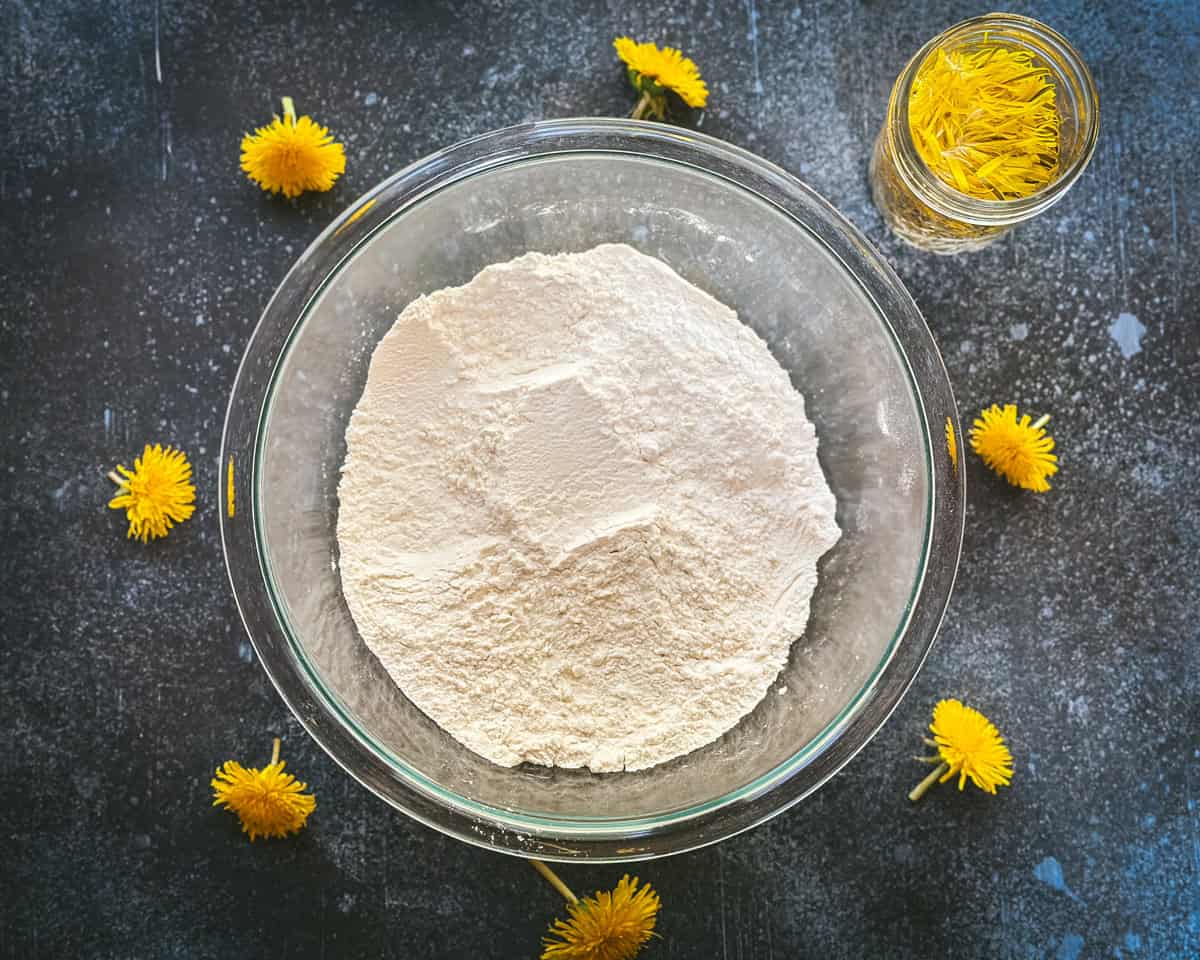
The foundation of the bread consists of all-purpose flour, baking powder, and a pinch of salt. The fat component—often a neutral vegetable oil such as avocado or organic canola—ensures a tender texture. The inclusion of eggs and milk provides the necessary protein structure to support the suspension of the petals throughout the loaf.

The Role of Sweeteners
Honey serves as a dual-purpose ingredient in this context. Beyond providing sweetness, honey acts as a humectant, retaining moisture and extending the shelf life of the bread. It also creates a flavor bridge between the flour and the dandelion petals, which share a similar nectar-like chemical signature.
Thermal Processing
The bread is baked at a standard temperature of 350°F (175°C). A critical technical note for bakers is the prevention of over-browning; because of the high sugar and honey content, the crust can caramelize quickly. Journalistic observations from test kitchens suggest that tenting the loaf pan with aluminum foil during the final 20 minutes of the 60-minute bake cycle preserves the golden hue of the bread without compromising the internal temperature.

The Finishing Element: Honey Lemon Glaze
A defining characteristic of professional-grade dandelion bread is the application of a honey-lemon glaze. This is not merely an aesthetic choice but a functional culinary strategy. The acidity of fresh-squeezed lemon juice cuts through the density of the bread and highlights the floral top notes of the petals. When whisked with powdered sugar and a small amount of raw honey, the glaze creates a semi-permeable seal that keeps the bread fresh while providing a sharp, bright contrast to the earthy base.
Community Responses and Expert Perspectives
The rise of "backyard foraging" has elicited a variety of responses from the horticultural and culinary communities. Professional herbalists often advocate for the dandelion as a "family herb," emphasizing its accessibility for beginners. By incorporating dandelions into a familiar format like a glazed loaf, the barrier to entry for wildcrafting is significantly lowered.
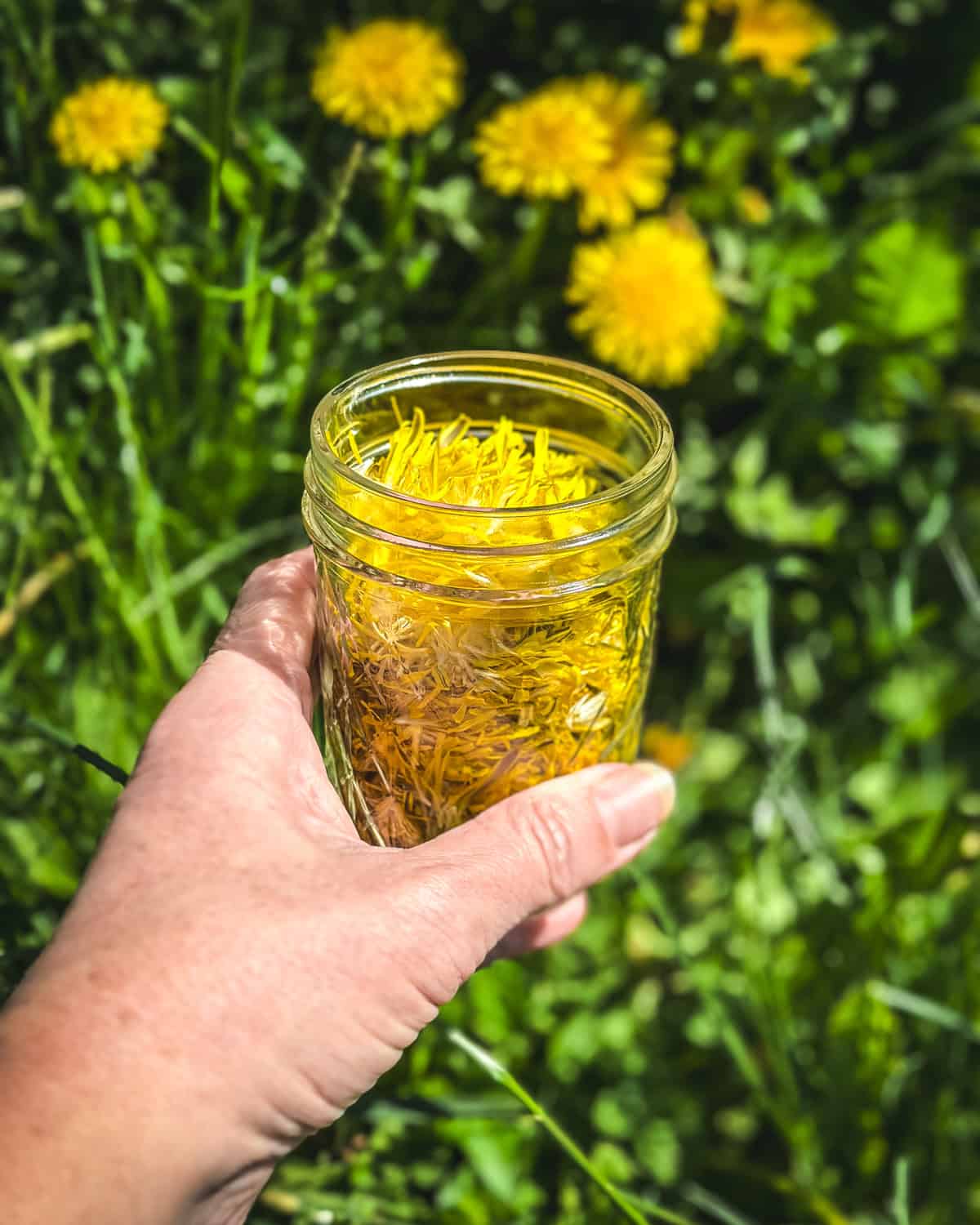
"Dandelions are humble and resilient heroes in the world of wild weeds," notes Colleen Codekas, an author and advocate for fermenting and foraging. Codekas and other proponents of the movement argue that the more society integrates these abundant, wild-growing plants into the daily diet, the more it fosters a sense of environmental stewardship and nutritional self-sufficiency.
Conversely, some environmentalists raise concerns about over-foraging. While dandelions are abundant, they are also among the first food sources for pollinators, including honeybees and early-season butterflies. The consensus among ethical foragers is to harvest only what is needed and to leave a significant portion of the blooms intact to support local ecosystems.
Broader Impact and Economic Implications
The shift in perception regarding the dandelion reflects a broader trend in the global food economy. As inflation affects the price of conventional produce, the ability to supplement one’s diet with free, nutrient-dense wild plants provides a degree of food security. Furthermore, the "No Mow May" movement—a conservation initiative encouraging homeowners to allow dandelions and other wildflowers to grow freely—has gained traction across the United Kingdom and North America, leading to an increase in available forage.
The economic impact also extends to the "cottage industry" of wildcrafted goods. From dandelion-infused oils used in lotion bars and salves to the sale of specialized ebooks and foraging guides, the dandelion has transitioned from a target of the multi-billion dollar herbicide industry to a centerpiece of the burgeoning wellness and sustainable living markets.
Storage and Sustainability
For those engaging in this culinary tradition, the logistical aspects of storage are paramount. Dandelion bread, due to its moisture content, is best consumed within three days when stored at room temperature in an airtight container. However, it also demonstrates high stability when frozen, allowing for the "taste of spring" to be preserved for up to three months.
As the global community continues to grapple with the challenges of climate change and biodiversity loss, the humble dandelion serves as a reminder of nature’s resilience. Dandelion bread is more than a seasonal recipe; it is a testament to the utility of the overlooked, the nutritional value of the wild, and the enduring connection between the land and the table. By transforming a backyard "weed" into a sophisticated culinary offering, foragers and bakers alike participate in a restorative practice that honors both the palate and the planet.


