
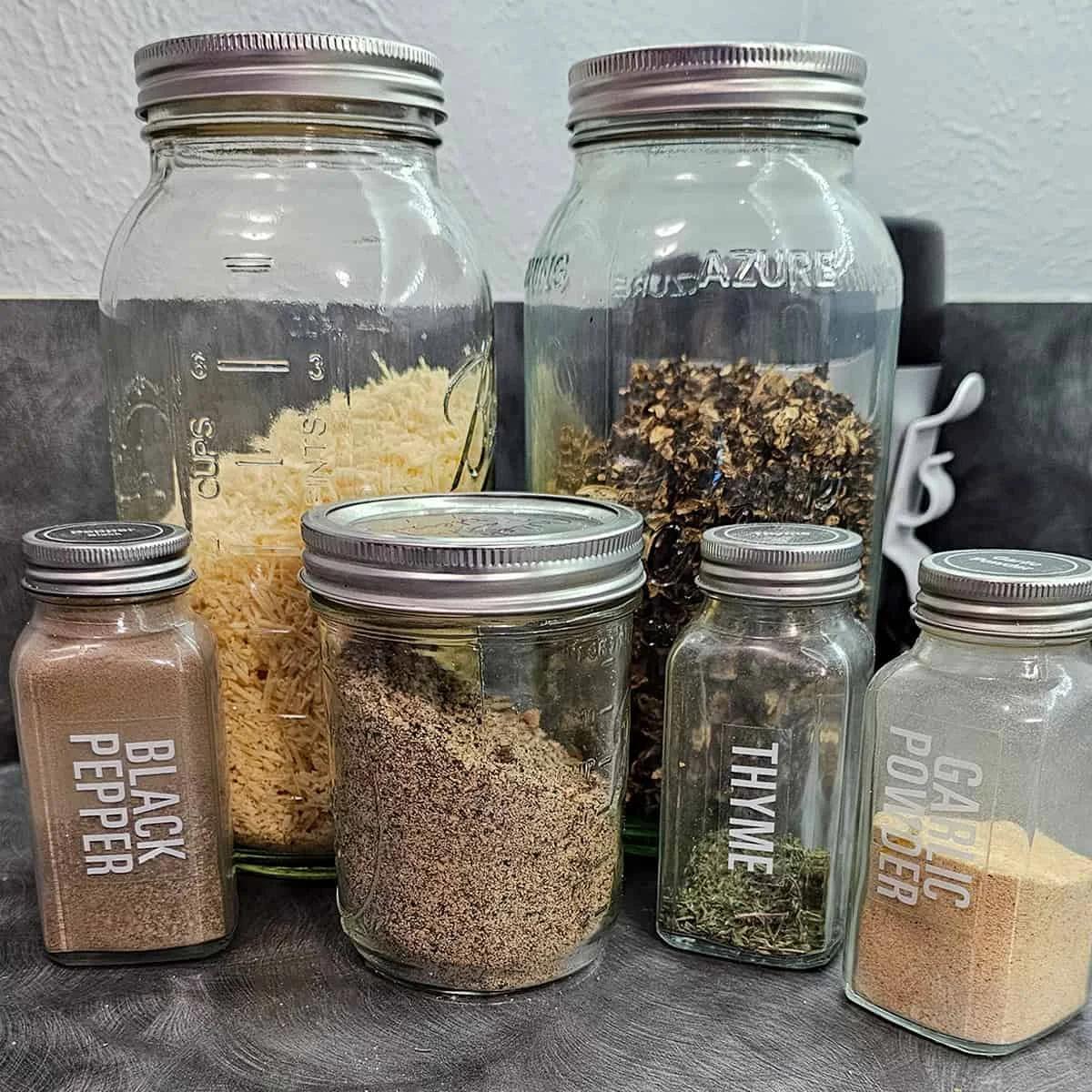
The culinary landscape is currently witnessing a significant shift toward flavor-dense, shelf-stable ingredients as home cooks increasingly prioritize both nutritional value and self-sufficiency. At the forefront of this movement is the DIY Mushroom Parmesan Seasoning Blend, a versatile condiment that leverages the synergistic effects of umami-rich components to provide a high-impact flavor profile suitable for a wide range of applications, from snack foods to gourmet meat rubs. Developed as a homemade alternative to commercial specialty blends, this formulation highlights the growing trend of "copycat" pantry staples that offer consumers greater control over ingredient quality and sodium content.
The Rise of Umami in Modern Pantry Management
The concept of umami—the "fifth taste" characterized by a savory, brothy, or meaty sensation—has become a focal point for food scientists and home enthusiasts alike. This specific seasoning blend relies on the natural occurrence of glutamates in mushrooms and parmesan cheese. When these two ingredients are dehydrated and pulverized, their flavors are concentrated, creating a potent seasoning that provides the depth of flavor often associated with monosodium glutamate (MSG) but derived from whole-food sources.
Market data suggests that the global seasoning and spices market is projected to grow at a compound annual growth rate (CAGR) of approximately 5.6% through 2030. This growth is driven largely by consumer demand for "clean label" products and a burgeoning interest in international flavor profiles. However, as prices for specialty blends at retailers like Azure Standard or Trader Joe’s fluctuate due to supply chain complexities, many consumers are turning to home preservation methods, such as dehydration and freeze-drying, to secure their own supplies.
Development Chronology: From Commercial Inspiration to Home Production
The evolution of the Mushroom Parmesan Seasoning Blend can be traced through a clear chronology of consumer behavior and pantry-stocking strategies.
- Initial Discovery (The Retail Phase): Consumers first engaged with this flavor profile through bulk essential suppliers. Azure Standard, a prominent natural food cooperative, popularized a specific mushroom and parmesan seasoning that gained a dedicated following for its unique salty and savory balance.
- Supply Chain Adaptation: Due to the logistics of bulk ordering and the high consumption rates of the product within households, a demand for a "mock-up" or "copycat" version emerged. This transition was fueled by the need for a consistent supply that did not rely on external shipping schedules.
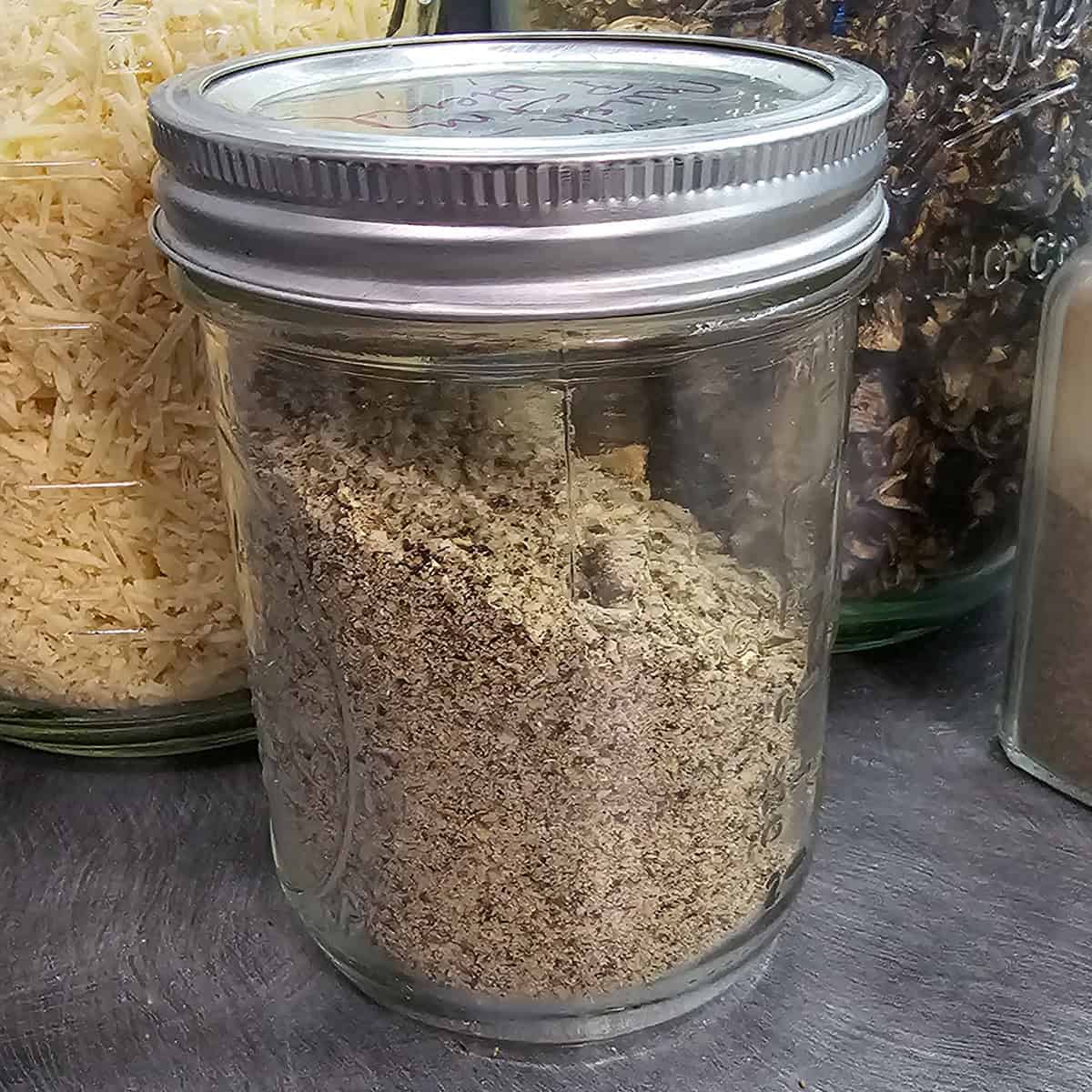
- Technical Integration: The development of the home-based recipe was made possible by the increasing accessibility of high-quality kitchen hardware, specifically food dehydrators and high-speed blenders. By integrating home-dried parmesan cheese with dehydrated mushrooms, creators were able to replicate the professional-grade texture and flavor of the original commercial product.
- Standardization: The final phase involved the refinement of ratios—combining garlic powder, black pepper, thyme, and parsley—to create a standardized recipe that could be reproduced reliably in any home kitchen.
Technical Specifications and Nutritional Analysis
The Mushroom Parmesan Seasoning Blend is not merely a flavor enhancer but a concentrated source of nutrients, albeit one that must be used judiciously due to its density. According to nutritional estimations provided by The Purposeful Pantry, a standard serving of approximately two tablespoons of the concentrated blend contains high levels of protein and fat, largely attributed to the parmesan component.
Nutritional Breakdown (Estimated per 2-tablespoon serving):
- Calories: 697 kcal
- Protein: 48g
- Total Fat: 43g
- Sodium: 2638mg
- Carbohydrates: 33g
- Fiber: 5g
It is critical for consumers to note that dehydration concentrates nutrients by a factor of approximately four. Therefore, the nutritional impact of one cup of fresh ingredients is equivalent to roughly one-quarter cup of the dried seasoning. The high sodium content, primarily from the aged cheese, makes this blend an effective salt replacement in recipes, allowing cooks to add depth while simultaneously salting their dishes.
Ingredient Synergy and Preparation Methods
The efficacy of the blend lies in its ingredient selection. Experts in food science note that the combination of mushrooms (which contain guanylate) and parmesan cheese (rich in glutamate) creates a "flavor synergy" where the perception of savoriness is multiplied rather than merely added.
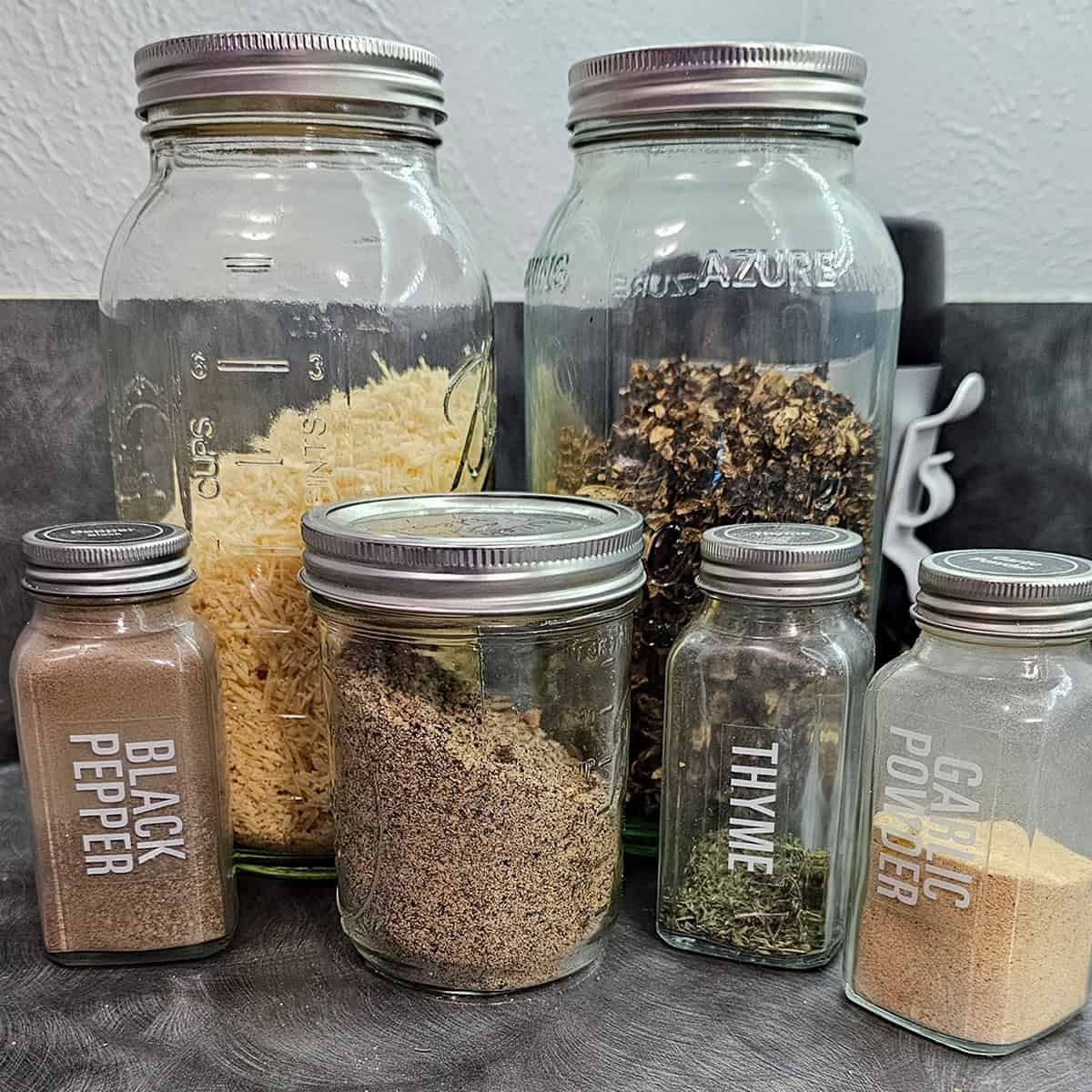
- Mushrooms: Typically, varieties such as shiitake or cremini are preferred for their high umami content. When dehydrated until brittle, they provide a fine powder that coats food evenly.
- Parmesan Cheese: The use of dehydrated or freeze-dried parmesan is a technical requirement. Fresh cheese contains too much moisture for a shelf-stable powder. By using pre-dried parmesan, the blend remains free-flowing and resistant to clumping.
- Aromatics: Garlic powder and black pepper provide the necessary "bite," while dried thyme and parsley offer earthy undertones that bridge the gap between the sharpness of the cheese and the muskiness of the mushrooms.
The preparation process is streamlined for efficiency, requiring less than five minutes of active blending once the primary ingredients have been dehydrated. This accessibility is a key driver in the DIY food movement, as it lowers the barrier to entry for individuals looking to reduce their reliance on processed store-bought goods.
Broader Implications for Food Security and Waste Reduction
The rise of home-produced seasoning blends has broader implications for food security and sustainability. Dehydration is one of the oldest and most energy-efficient methods of food preservation. By converting bulk purchases of mushrooms or cheese into shelf-stable powders, households can significantly reduce food waste.
Furthermore, the ability to create "whatever seasonings" or "umami blends" at home provides a buffer against inflation. While the initial investment in a dehydrator or freeze-dryer is a factor, the long-term cost per ounce of homemade seasoning is substantially lower than that of premium retail brands. This economic reality is encouraging a resurgence in traditional "pantry-craft," where the home cook takes on the role of the processor.
Culinary Applications and Professional Recommendations
Culinary professionals suggest that the Mushroom Parmesan Seasoning Blend is most effective when applied to high-surface-area foods. The fine particulate matter of the powder allows it to adhere to:
- Snack Foods: Popcorn and roasted nuts benefit from the salty-savory coating.
- Proteins: As a dry rub for steaks, pork chops, or roasted chicken, the parmesan sugars caramelize under heat, creating a rich crust.
- Vegetables: Roasted root vegetables or steamed broccoli gain a "gourmet" finish when tossed with the blend post-cooking.
- Starches: The blend serves as an instant flavor base for risottos, pasta dishes, and mashed potatoes.
Conclusion
The DIY Mushroom Parmesan Seasoning Blend represents a intersection of traditional preservation techniques and modern culinary trends. By understanding the science of umami and the mechanics of dehydration, home cooks are successfully reclaiming the spice aisle. As the "Purposeful Pantry" movement continues to gain momentum, the shift from consumer to producer appears to be a permanent fixture in the modern kitchen. This blend, with its balance of convenience, flavor, and shelf-stability, serves as a primary example of how strategic food preservation can enhance the domestic dining experience while fostering greater economic resilience.
The continued popularity of such recipes suggests a future where the domestic pantry is not just a storage space, but a laboratory for flavor innovation and a stronghold of nutritional independence. As more individuals adopt these methods, the reliance on industrial food processing may see a localized decline in favor of artisanal, home-managed alternatives.


