
The Cosori food dehydrator series has emerged as a significant contender in the small kitchen appliance sector, specifically targeting the growing demographic of home food preservation enthusiasts. As consumer interest in food security and additive-free nutrition continues to rise, stainless steel dehydrators like the Cosori 6-tray and 10-tray models are increasingly viewed as essential tools rather than niche hobbyist equipment. This analysis examines the technical specifications, operational efficiency, and market positioning of the Cosori dehydrator line, providing a comprehensive overview of its utility for both novice and experienced users.
Technical Specifications and Design Architecture
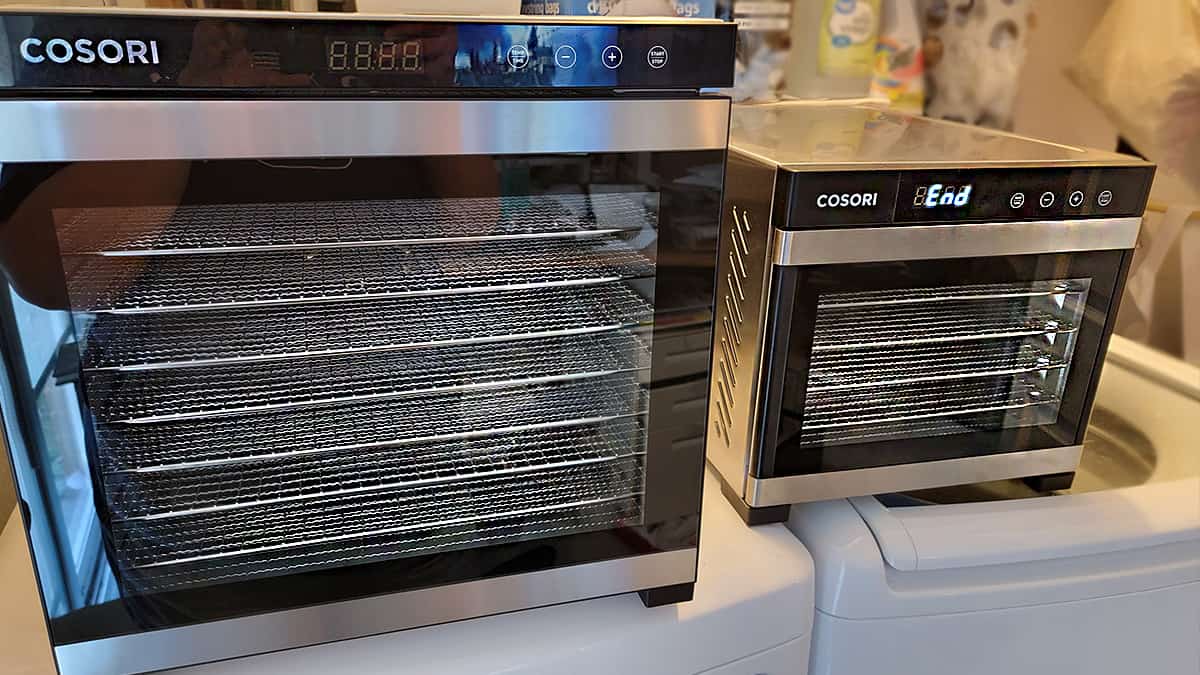
The Cosori product line is headlined by the 6-tray Premium Stainless Steel Dehydrator (Model CP267-FD) and its larger 10-tray counterpart. Both machines utilize a horizontal airflow system, which is widely considered superior to the vertical airflow found in cheaper, stackable plastic models. In a horizontal system, the heating element and fan are mounted at the rear of the unit, blowing air across the trays evenly. This design eliminates the need for tray rotation and ensures that flavors do not cross-contaminate between different levels of the machine.
The 6-tray model operates at 600 watts, while the 10-tray model increases this capacity to 1000 watts. Despite the higher wattage in the larger unit, longitudinal testing indicates that drying times remain relatively consistent across both models when loaded to their respective capacities. The primary advantage of the 10-tray unit is volume rather than speed. Both units feature a temperature range of 95°F to 165°F (35°C to 73°C), which covers the safety requirements for everything from delicate herbs to volatile meat jerkies.
The chassis of these units is constructed primarily of food-grade stainless steel, offering a more durable and heat-stable environment than plastic alternatives. However, the design includes a glass front door with plastic elements, allowing users to monitor the dehydration process without opening the unit and losing heat. The digital control panel allows for 30-minute increment timers up to 48 hours, providing a high degree of precision for complex preservation tasks.
Chronology of the Brand and Manufacturing Context
Cosori is a brand under the Etekcity Corporation, headquartered in Anaheim, California. While the brand emphasizes its California-based design team, the manufacturing of the dehydrator units takes place in China, a common practice for 99% of the contemporary dehydrator market. The brand’s rise in the late 2010s coincided with a broader "homesteading" trend in North America, where consumers began seeking professional-grade features in consumer-priced appliances.
The evolution of the Cosori dehydrator reflects a shift in consumer expectations. Early home dehydrators were often loud, opaque, and constructed of materials that raised concerns regarding BPA leaching at high temperatures. The introduction of the CP267-FD represented a move toward "countertop-friendly" aesthetics—sleek, quiet, and efficient—allowing the appliance to move from the garage or basement into the modern kitchen.
Performance Analysis and Operational Data
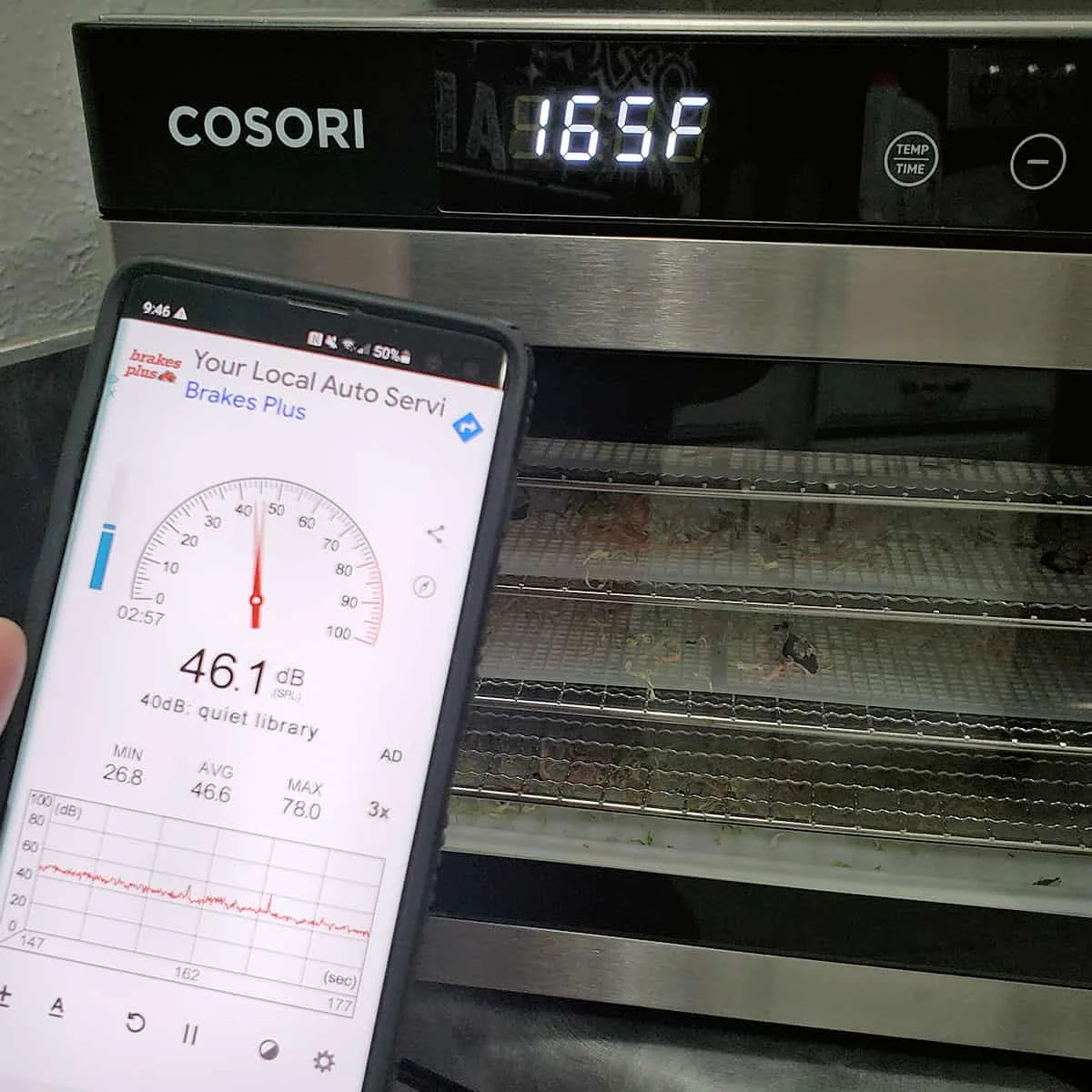
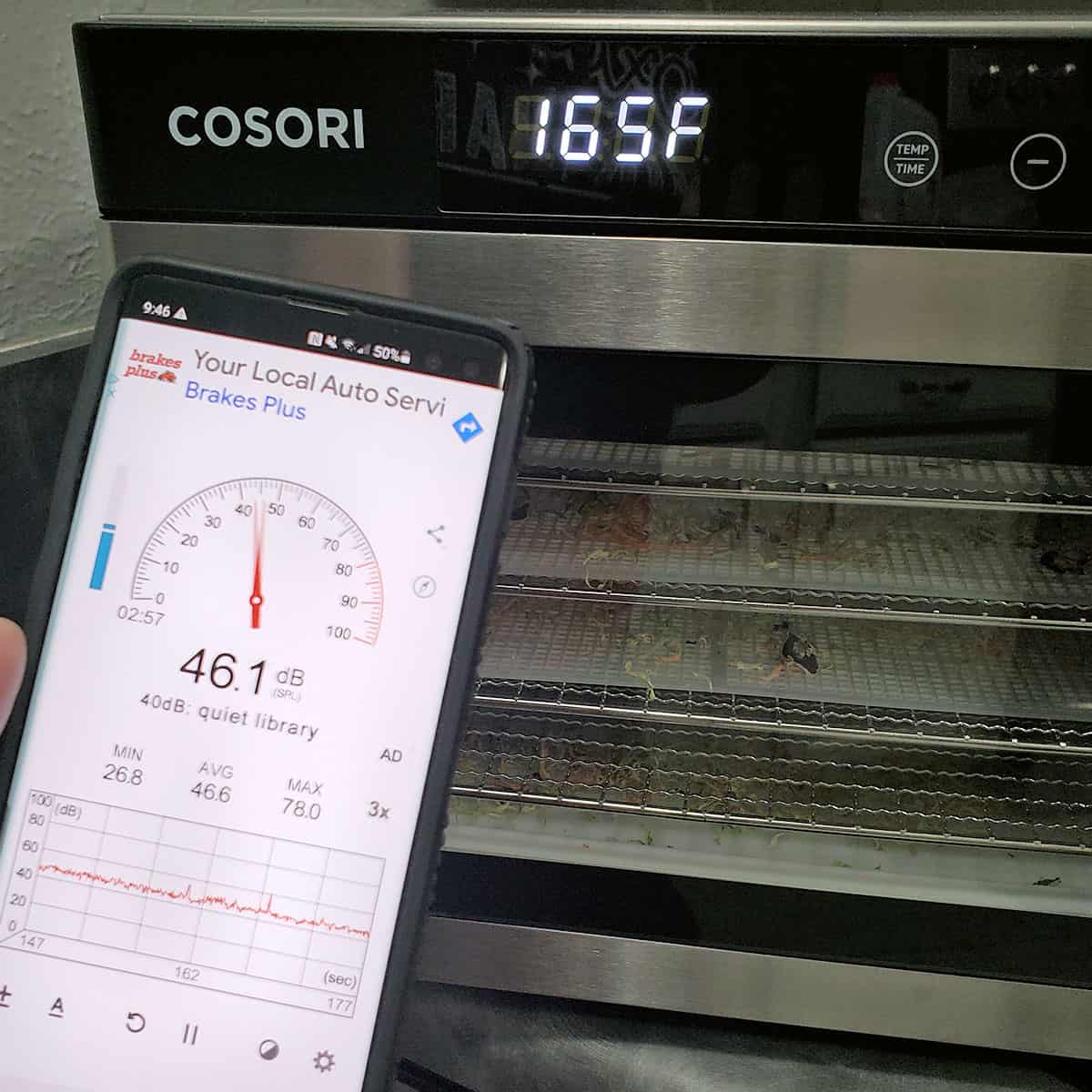
In comparative noise level testing, the Cosori 6-tray model consistently registers as one of the quietest units in its class. Using decibel meter applications, the unit typically operates at a level comparable to a quiet conversation or a modern dishwasher, making it suitable for overnight use in residential settings.
One of the critical operational observations involves the "Pause" functionality. Currently, the Cosori interface does not feature a dedicated pause button. If the door is left open for an extended period to check the internal state of the food, the system may reset the timer, requiring the user to re-input the remaining duration. This is a notable ergonomic drawback compared to high-end competitors like the Excalibur series, which often use manual dials or more robust digital interfaces.
Furthermore, data regarding the inclusion of accessories suggests a gap in consumer satisfaction. While the units ship with stainless steel trays, they often include a limited number of mesh liners and fruit leather sheets. For a 6-tray unit, providing only one of each necessitates additional purchases for users intending to dehydrate small items (like peas or herbs) or liquid-based foods (like fruit purees).
Technical Limitations and Safety Protocols
The Cosori dehydrator is engineered specifically for 120V, 60Hz electrical systems, standard in North America. Attempting to operate the unit on 220V systems, common in Europe and parts of Asia, without a heavy-duty transformer will result in immediate catastrophic failure of the heating element and circuit board.
Regarding operational longevity, the manufacturer’s manual specifies a mandatory "rest period." Users are advised to allow the machine to remain powered off for at least two hours after every 48 hours of continuous operation. This protocol is designed to prevent long-term thermal fatigue of the internal components, a common issue in appliances designed for home rather than commercial-grade use.
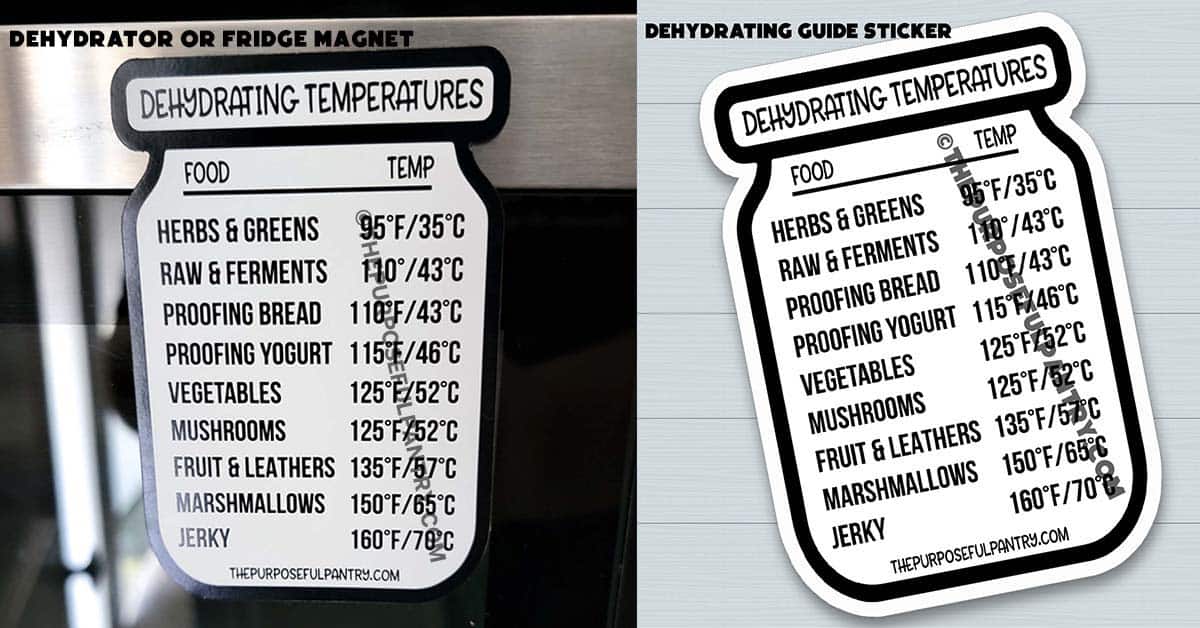
A point of contention among preservation experts is the guidance provided in the official Cosori manual and recipe book. While the manual provides a functional starting point for operating the machine, its temperature and time recommendations are often optimized for short-term snacking rather than long-term shelf-stable storage. Experts suggest that users should cross-reference Cosori’s guidelines with established food safety data from sources such as the National Center for Home Food Preservation (NCHFP) to ensure that moisture content is sufficiently reduced for pantry storage.
Customer Service and Reliability Reports
While the build quality of the stainless steel housing is high, the electronic components are subject to the standard failure rates associated with modern consumer electronics. Reports of "dud" units—machines that fail within the first few months of use—exist within the consumer data. However, analysis of customer service interactions indicates that Cosori maintains a responsive support infrastructure.
The standard warranty for Cosori dehydrators is one year, though this is frequently extendable through registration or third-party retailers like Amazon. The company’s support protocol often requires users to provide video evidence of a malfunction, after which they are known to provide rapid replacements. This "replace rather than repair" model is efficient for the consumer but reflects the broader industry trend toward disposable appliance components.
Market Comparison and Alternatives
The Cosori 6-tray and 10-tray models occupy a "mid-tier" price point. They are more expensive than the entry-level plastic stackable units from brands like Nesco, but significantly more affordable than the high-end, American-made Excalibur models.
Interestingly, the market features several "white-label" equivalents. Brands such as Ivation and Magic Mill offer dehydrators that are virtually identical in design and internal specifications to the Cosori units. This suggests a shared manufacturing origin, with the primary differences being brand-specific aesthetics, customer service reputation, and accessory bundles. For consumers in regions where Cosori is less accessible, such as parts of Canada or Europe, these alternative brands provide a nearly identical functional experience.
Broader Impact on Home Food Security
The proliferation of accessible, high-quality dehydrators like the Cosori series has significant implications for home economics and food waste reduction. Dehydration allows households to preserve seasonal gluts from home gardens or bulk purchases from farmers’ markets at a fraction of the energy cost required for freezing.
Furthermore, the "Purposeful Pantry" movement—a philosophy of building a deep, nutrient-dense food reserve—relies heavily on dehydration. Unlike canning, which requires specialized jars and high-heat processing, or freeze-drying, which involves equipment costing thousands of dollars, dehydration is a low-barrier entry point for food preservation. The ability to create "dehydrator jars" of mirepoix, powdered greens, or fruit leathers contributes to a more resilient household food supply.
Conclusion
The Cosori food dehydrator series represents a successful fusion of industrial design and consumer-level ease of use. While it possesses minor flaws—such as the lack of a pause button and a deficiency in included liners—its performance-to-price ratio remains high. For the modern consumer looking to bridge the gap between casual snacking and serious food preservation, these units provide a reliable, quiet, and aesthetically pleasing solution. As the market for home preservation continues to expand, the Cosori line is positioned to remain a benchmark for the "prosumer" kitchen appliance category.


