The aspiration of home bakers to scale their craft, moving beyond the limitations of conventional kitchen appliances to achieve professional-grade results, has found a significant enabler in specialized equipment like the Rofco B40 bread oven. This Belgian-engineered appliance, designed specifically for intensive bread baking, represents a pivotal step for enthusiasts yearning to produce larger quantities of high-quality loaves with enhanced efficiency and consistency, bridging the gap between amateur pursuits and commercial operations.
The burgeoning interest in artisan bread, particularly sourdough, has fueled a global movement of home bakers seeking to master complex techniques and achieve superior crust, crumb, and flavor profiles. However, standard domestic ovens, while versatile, often fall short when confronted with the demands of high-volume baking. Issues such as inconsistent heat distribution, rapid steam dissipation, and limited capacity become pronounced when attempting to bake multiple loaves simultaneously. This inherent challenge has led many dedicated bakers down a path of equipment exploration, culminating in the adoption of "prosumer" or small-scale professional ovens. The Rofco B40 stands out in this niche, providing a robust solution for those whose passion for baking has evolved into a formidable, almost obsessive, pursuit of perfection and productivity. For many, the transition from wishing for a larger oven to actively investing in one marks a natural progression in their baking journey, shifting focus from merely achieving a bake to refining flavor, fermentation, dough handling, and intricate shaping techniques.
Understanding the Rofco B40: Engineering for Artisan Quality
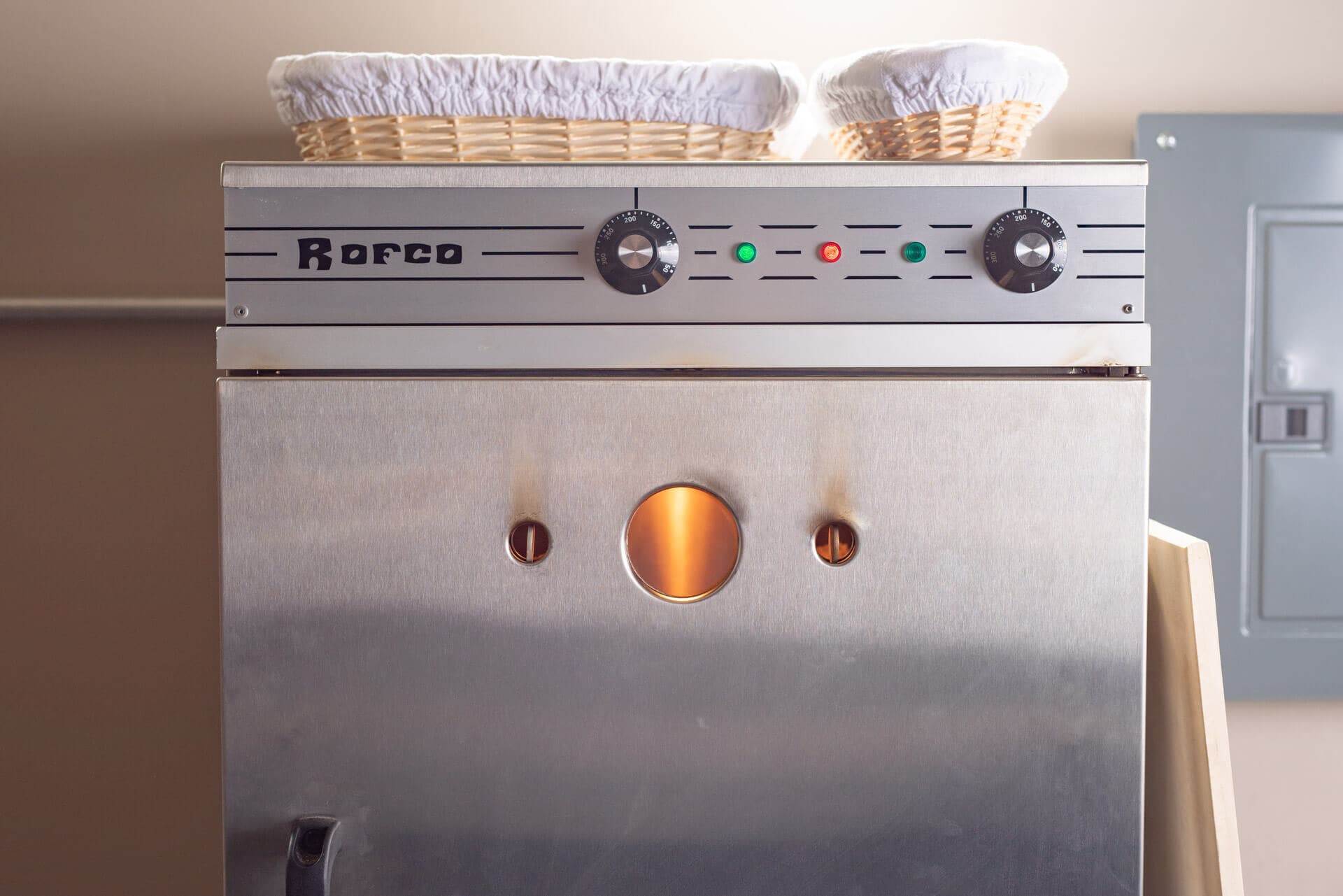
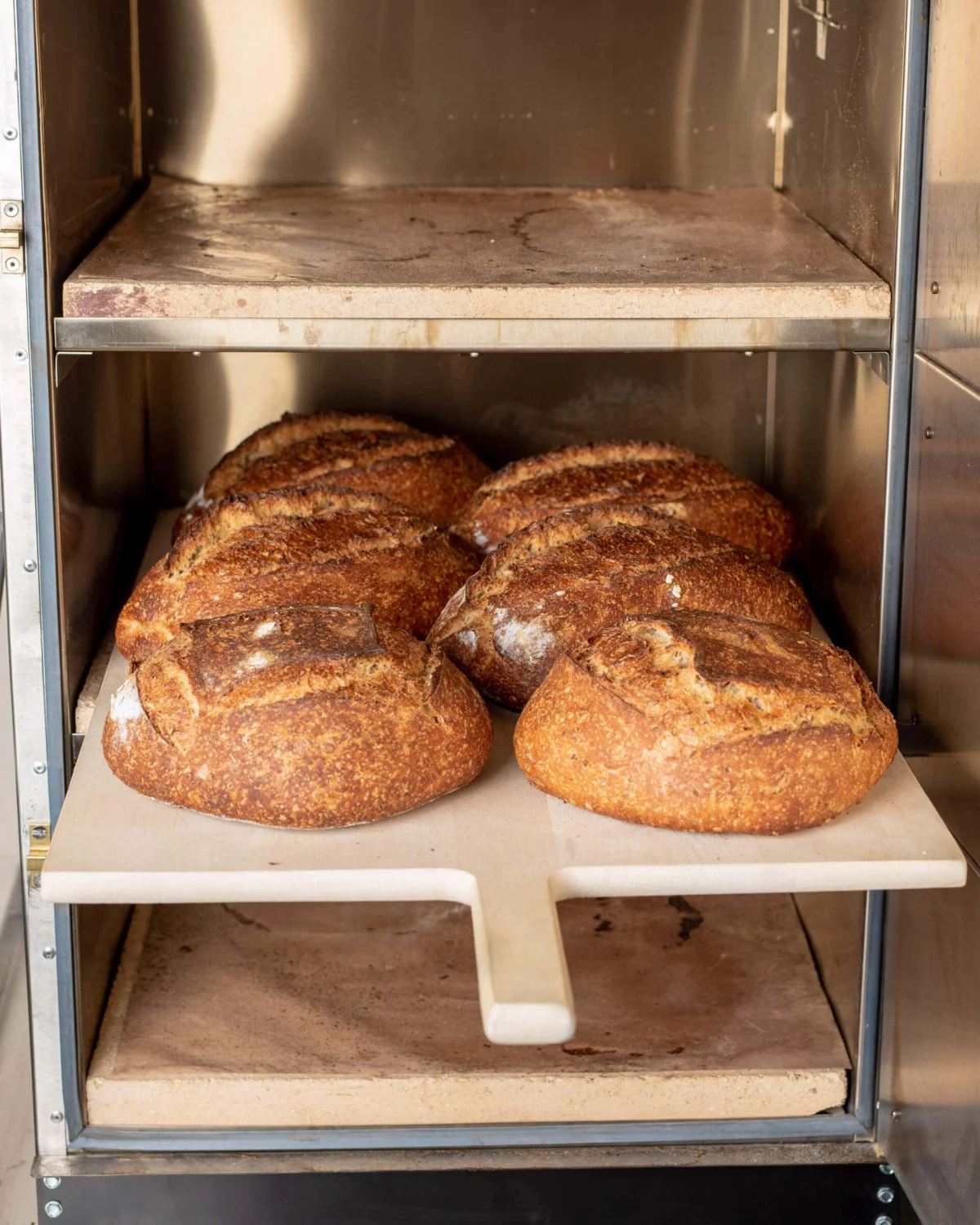
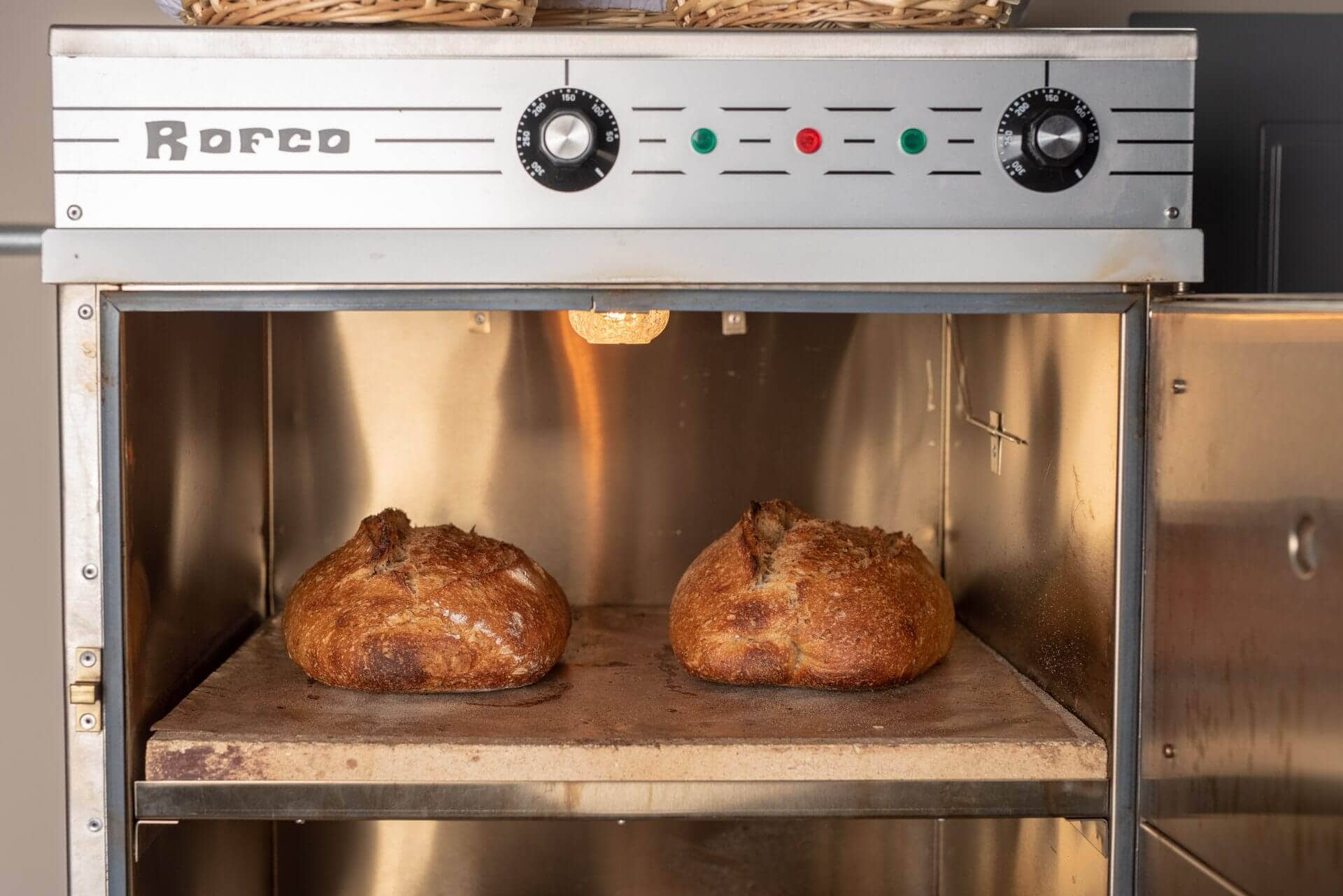
Manufactured in Belgium, Rofco ovens are renowned for their straightforward, durable construction and exceptional baking capabilities. The B40, the largest model in the series, features three distinct square baking decks, each crafted from 1-3/8-inch thick chamotte deck stones. These refractory bricks are critical to the oven’s performance, possessing remarkable thermal mass and heat retention properties. Unlike metal baking surfaces, chamotte stones absorb and radiate heat evenly, creating an ideal environment for bread to develop a robust crust and achieve maximum oven spring. This superior heat retention means that even after the oven door is opened for loading, the internal temperature recovers quickly, minimizing fluctuations that can compromise bake quality. The compact design of the Rofco B40, coupled with its sealed oven chamber, further contributes to its efficiency by minimizing external radiant heat loss, allowing for flexible placement within a home or small commercial kitchen without excessive heat transfer to surrounding surfaces.
The B40 operates on a standard 220V AC single-phase power supply, utilizing a 6-20P cord plug and requiring a compatible 6-20R receptacle. This power requirement is common for many high-power kitchen appliances in residential settings but necessitates professional electrical installation of a dedicated circuit and breaker to ensure safe and optimal operation. This detail underscores the B40’s position as a serious piece of baking equipment, requiring a level of commitment beyond typical plug-and-play appliances. Distributors, such as Pleasant Hill Grain in the US, play a crucial role in making these specialized ovens accessible to the market, often providing comprehensive support and service that is vital for users investing in such equipment. The consistent positive feedback from customers regarding their service highlights the importance of reliable distribution channels for niche products.
Optimizing Workflow: Strategic Dough Placement and Batch Baking
Efficient utilization of the Rofco B40’s multi-deck configuration is paramount for maximizing output and ensuring even baking across all loaves. The oven’s 18.9-inch by 18.9-inch decks allow for various dough arrangements, often described as a strategic game of "Tetris" to fit the maximum number of loaves without impeding their expansion or airflow. Common configurations include two 900g batards or two 800g boules per deck, or even four 700g boules, depending on the desired shape and size. These arrangements are typically practiced by bakers to develop a systematic approach to loading. For smaller items such as buns, rolls, or even square pizzas, the oven accommodates included square steel trays, simplifying transfer and containing potential spills while offering additional versatility beyond traditional artisan loaves. This flexibility makes the Rofco B40 a valuable asset for diverse baking needs, from daily bread production to special event catering.
The Art of Steam: A Critical Component for Crust and Rise
Steam is an indispensable element in artisan bread baking, particularly during the initial phase of baking. A humid environment prevents the dough’s outer crust from forming too quickly, allowing the loaf to expand fully (the "oven spring") and develop a thin, crisp, and beautifully caramelized crust. While professional deck ovens often feature integrated steam injection systems, the Rofco B40, despite its sealed chamber, requires manual steam introduction. This design choice, while requiring more user involvement, offers bakers flexibility in their steaming methods.
Two primary methods are commonly employed:
-
High-Pressure Sprayer: This method is favored by many for its efficacy and control. A commercial-grade pressure sprayer, set to the finest mist, is used to introduce water directly into the oven chamber after the dough has been loaded. A typical procedure involves spraying each deck for approximately 10-12 seconds, starting from the bottom, and repeating the process just before closing the door. A crucial cautionary note for users is to avoid spraying the glass-enclosed light fixture on the top deck, as the thermal shock from cold water can cause it to crack. The sealed nature of the Rofco chamber ensures that the introduced steam is effectively trapped, providing the necessary humid environment for optimal oven spring. After the initial steaming phase, the two circular vents on the oven door are opened to release the steam, allowing the crust to dry and crisp.

-
Steam Pods: Rofco offers optional rectangular steel steam pods, which are preheated on the sides of each deck. Water or ice cubes are poured into these pods upon loading the dough, generating steam as they rapidly heat. While highly effective, these pods occupy valuable deck space, a trade-off many high-volume bakers are unwilling to make, especially when maximizing loaf count per bake cycle. Despite this, they offer a consistent and hands-off steaming solution for those who prioritize convenience over maximum capacity.
A Systematic Approach to Baking: Times and Temperatures
Achieving consistent results with the Rofco B40, like any new baking equipment, involves a learning curve and continuous calibration of baking parameters. However, a well-established process forms a reliable foundation for most bread formulas. The oven’s dual heating elements, controlled by separate knobs for the top and bottom, allow for precise temperature management, indicated by corresponding lights.
A typical baking process begins with a thorough preheat:

- Step 1: Preheat Oven (door closed, vents closed): The oven is set to 240°C (approximately 465°F) for a duration of 1 hour and 30 minutes. This extended preheat is crucial for fully saturating the chamotte deck stones with heat, ensuring a stable thermal environment for the entire bake.
Following preheating, the dough is carefully loaded using a large wooden peel and silicone sheets. The efficiency of loading multiple loaves across three decks requires practice and the right tools.
- Step 2: Bake with Steam: Once loaded, the oven temperature is adjusted to 150°C (approximately 300°F), and steam is introduced using the preferred method (sprayer or pods). This phase lasts for 20 minutes, allowing for maximum oven spring and initial crust development in a humid environment.
- Step 3: Vent Steam and Continue Bake: After 20 minutes, the oven door is carefully opened briefly to release trapped steam, and the circular vents are swiveled open. The temperature is then increased to 220°C (approximately 430°F) for 10 minutes, beginning the process of crust drying and coloring.
- Step 4: Final Bake: The temperature is reduced to 150°C (approximately 300°F) for an additional 20-30 minutes. During this stage, loaves may be reshuffled if necessary to ensure even browning. This lower temperature allows the internal crumb to cook thoroughly without over-darkening the crust.
Upon completion, the baked loaves are removed using the peel and transferred to wire racks for cooling. The oven can then be turned off or reheated to 240°C for subsequent batches, leveraging the retained heat for efficient back-to-back baking.
Essential Tools for Enhanced Operation
Beyond the oven itself, specific tools significantly enhance the Rofco baking experience:
- Commercial Strength Sprayer: An electric spray bottle, such as the Electric Spray Bottle, offers a consistent, fine mist for steam injection. Its ease of use and ability to generate ample steam without manual pumping make it a superior choice over hand-pumped alternatives.
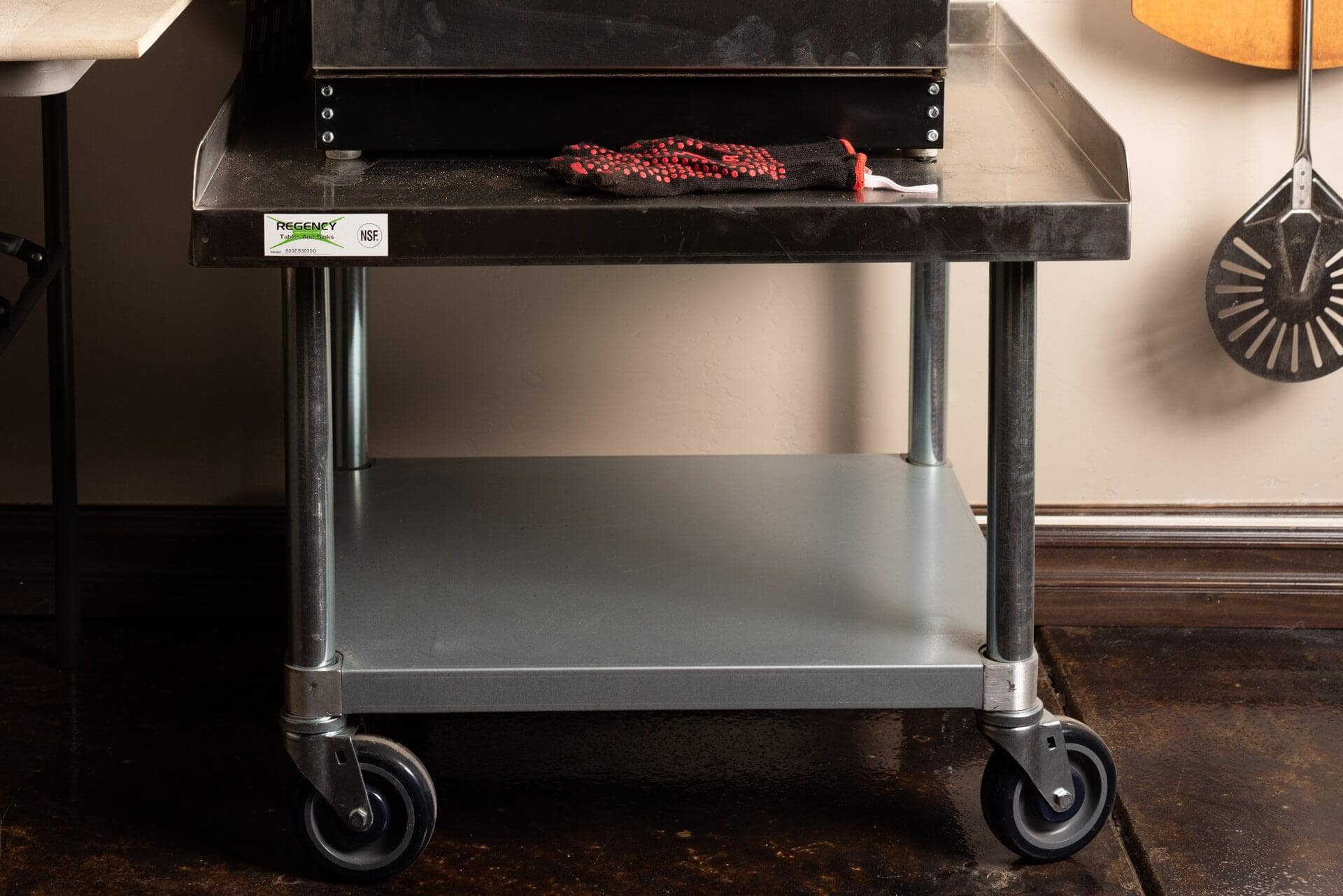
- Oven Equipment Stand: Elevating the Rofco B40 to an ergonomic height is crucial for comfortable and safe loading and unloading. Custom-cut stainless steel equipment stands, like the Regency 30" x 30" 16-Gauge Stand from WebstaurantStore, provide a sturdy base. Many users opt for a custom leg height of around 18 inches to optimize workflow. The addition of locking casters can offer mobility, though some bakers prioritize structural rigidity and may forgo them if the oven’s position is permanent.
- Large Wooden Peel: A generously sized wooden pizza peel, such as the American Metalcraft 1836 (18" x 29 1/2" with a 6 1/2" handle), is invaluable. Its width, closely matching the Rofco B40’s decks (18.9"), allows for seamless transfer of dough-laden silicone sheets into and out of the oven, streamlining the loading process for multiple loaves.
Beyond Baking: Practical Tips and Future Considerations
The Rofco B40 offers utility beyond its primary function. After a baking session, the residual heat in the oven can be harnessed to dry proofing baskets (bannetons). Placing damp baskets in the cooling oven expedites drying, preventing mold growth and ensuring they are ready for the next batch.
For bakers considering the Rofco B40, it is important to anticipate an initial adjustment period. As with any new equipment, baking quality may temporarily dip as one becomes accustomed to its unique characteristics. Starting with a familiar, straightforward sourdough recipe and practicing consistently is recommended to master the new process.
The Rofco B40 positions itself as a central piece of equipment for serious home bakers and an entry point for micro-bakeries. Its capacity to handle 4-6 loaves regularly, alongside larger batches for events, makes it a versatile workhorse. For those looking to further expand their capabilities, the market offers complementary professional-level equipment, such as the Famag spiral dough mixer, capable of handling up to 8 kilograms of dough, or smaller, more agile spiral mixers like the Ooni Halo Pro for test batches. For those whose ambitions outgrow even the B40, larger deck ovens like the RackMaster 2020 offer even greater baking capacity.

The Rofco B40 represents a significant investment, both financially and in terms of learning, but it promises a transformative impact on a baker’s ability to produce high-quality, high-volume artisan bread. Its robust construction, precise temperature control, and efficient design solidify its reputation as an indispensable tool for advancing the art and science of baking.