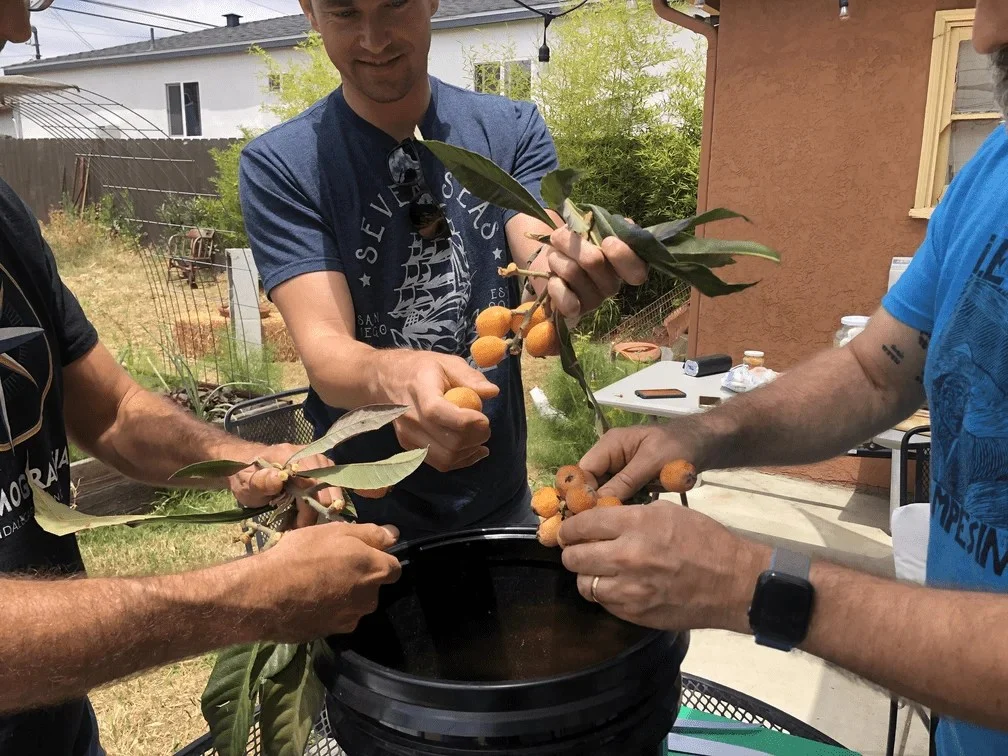
Every spring, from mid-March through mid-May, a particular tree known for its robust foliage and distinctive fruit transforms numerous backyards and public spaces into hubs of seasonal abundance. The loquat, or Eriobotrya japonica, a species often mistaken for the kumquat but possessing its own unique characteristics, yields a prolific harvest that presents both a delightful opportunity and a practical challenge for many homeowners. These pear-like fruits, with their fuzzy skin, blush tones, and typically one to five glossy seeds, ripen within a relatively short window, making their preservation a traditional "rite of spring" for those fortunate enough to cultivate these generous trees. The rapid ripening and inherent perishability of the loquat necessitate prompt action, inspiring various culinary applications, from delectable jams to savory-sweet fermented chutneys, which not only extend the fruit’s usability but also unlock new dimensions of flavor.
The Loquat: A Botanical and Historical Overview
Originating in the cooler hilly regions of south-central China, the loquat tree has a rich history spanning over a millennium, having been cultivated in Japan for at least 1,000 years, where it is known as "biwa." From Asia, it spread globally, finding suitable climates in subtropical and warm temperate regions across the Mediterranean, parts of North and South America, Australia, and Africa. Belonging to the Rosaceae family, which also includes apples, pears, and roses, the loquat is a robust evergreen tree, capable of reaching heights of 25 feet or more. Its large, leathery leaves are not merely ornamental; they are also a valuable resource. As a "prolific leafer," the tree consistently provides organic matter, which can be readily incorporated into compost piles, contributing free carbon and enriching garden soil. Beyond its utility in horticulture, loquat leaves have been historically recognized for their medicinal properties, particularly in traditional Asian medicine. Brewed into a tea, they are believed to possess anti-inflammatory, antioxidant, and antiviral qualities, attributed to compounds such as triterpenes, flavonoids, and phenolic acids. While more scientific research is ongoing, these traditional uses underscore the plant’s holistic value.
The fruit itself is a small, round to oval pome, typically 1 to 2 inches long, growing in clusters. Its skin ranges from yellow to orange, often with a subtle reddish blush when fully ripe, giving it an aesthetic resemblance to certain stone fruits. The flesh, which can be white, yellow, or orange, is juicy and aromatic, offering a flavor profile that is a delightful balance of sweet and tart, often described as a blend of peach, citrus, and mild cherry notes. Nutritionally, loquats are a good source of dietary fiber, vitamin A, potassium, and manganese, and contain various antioxidants, contributing to their health benefits.
Seasonal Abundance and Horticultural Management
The loquat’s generous spring harvest is a hallmark of its growth cycle. Flowering typically occurs in late autumn or early winter, making it one of the few fruit trees to bloom during the colder months, a trait that makes it somewhat vulnerable to frost damage in colder climates but ensures an early spring fruit set in warmer zones. Once the fruit begins to ripen in mid-March, the branches quickly become "heavy with this unique, pear-like fruit," as one local gardener described. This period, extending through mid-May, marks a frenetic time for those who wish to capitalize on the bounty. The sheer volume of fruit produced by a mature tree can be overwhelming, often reaching hundreds of pounds.
Managing such a significant yield requires planning and effort. For many home growers, the challenge lies in processing the fruit before it spoils. Unlike many commercial crops, loquats are not typically picked unripe for extended storage; their best flavor and texture are achieved when ripened on the tree. However, once ripe, they are highly perishable, with a relatively short shelf life of only a few days at room temperature and slightly longer when refrigerated. This rapid degradation makes immediate consumption or preservation essential to prevent waste. Community initiatives, such as local fruit gleaning programs or neighborhood fruit swaps, often emerge during peak loquat season, highlighting the collective effort to manage and share this seasonal treasure.
Culinary Versatility and the Art of Preservation
The inherent perishability of loquats has historically driven innovation in preservation methods. While fresh consumption is undoubtedly a delight, turning the fruit into more stable forms ensures its enjoyment throughout the year. One of the most common and beloved applications is loquat jam, a sweet spread that captures the fruit’s distinctive flavor, often enhanced with a touch of lemon juice to balance its sweetness and aid in pectin setting. Beyond jam, loquats lend themselves to a myriad of culinary creations. They can be baked into pies, tarts, and crumbles, providing a refreshing twist on classic fruit desserts. Their natural sweetness and slight tartness make them excellent candidates for sauces accompanying savory dishes, particularly poultry or pork. Loquat chutneys, jellies, and even wines and liqueurs demonstrate the fruit’s remarkable versatility in both sweet and savory preparations.
In recent years, there has been a resurgence of interest in traditional food preservation techniques, with fermentation leading the charge. For loquats, fermentation offers an exciting avenue to transform the fresh fruit into complex, probiotic-rich condiments. This method not only extends shelf life significantly but also introduces unique flavors and textures not achievable through conventional cooking.
Deep Dive: Fermented Loquat Chutney – A Fusion of Tradition and Innovation
Fermented loquat chutney stands out as an exemplary application of this ancient art. Chutney, traditionally a savory or sweet condiment originating from the Indian subcontinent, typically features a blend of fruits, vegetables, spices, and often vinegar and sugar, slow-cooked to a thick consistency. By incorporating fermentation, the process takes on an added layer of complexity and health benefits.
The fermentation of loquat chutney involves allowing beneficial microorganisms, primarily lactic acid bacteria, to convert sugars in the fruit into lactic acid and other compounds. This process serves several key functions:
- Enhanced Flavor Profile: Fermentation introduces a characteristic tang and depth of flavor that complements the loquat’s natural sweetness and tartness. The enzymatic activity during fermentation can also unlock more nuanced aromas and tastes, resulting in a more complex and sophisticated condiment. This makes the chutney incredibly "useful in many dishes," as noted by culinary enthusiasts, capable of elevating everything from grilled meats and cheeses to curries and sandwiches.
- Nutrient Enhancement and Probiotics: A significant benefit of fermentation is the potential introduction of probiotics, live microorganisms that, when consumed in adequate amounts, confer a health benefit on the host. These beneficial bacteria contribute to gut health and overall well-being. Furthermore, the fermentation process can increase the bioavailability of certain vitamins and minerals present in the loquats, making them easier for the body to absorb.
- Natural Preservation: Lactic acid, a byproduct of fermentation, acts as a natural preservative by lowering the pH of the food, creating an environment inhospitable to spoilage-causing bacteria. This allows fermented chutneys to be stored for extended periods, often without refrigeration for a time, or for several months in a refrigerator, significantly extending the loquat’s seasonal availability.
- Reduced Food Waste: Given the immense, concentrated yield of loquats, fermentation provides an effective strategy for preventing food waste. It allows individuals and communities to process large quantities of fruit efficiently, transforming what might otherwise spoil into a valuable pantry staple.
The preparation of a fermented loquat chutney typically involves pitting and chopping the loquats, combining them with a selection of spices (such as ginger, garlic, chili, mustard seeds, and turmeric), and often some salt to initiate and control the fermentation. Unlike traditional cooked chutneys, the fermentation phase, which might last "4 days" or more depending on temperature and desired tanginess, is a crucial step before any gentle cooking or blending might occur to achieve the final texture. This method marries the rich culinary heritage of chutney with the ancient, health-promoting practice of lacto-fermentation.
Economic and Environmental Implications
The widespread availability and underutilization of loquats also present economic and environmental opportunities. Locally sourced loquats, particularly those from backyard trees, represent a sustainable food resource that often goes to waste.
"The loquat is an incredible local resource that often gets overlooked," states Dr. Anya Sharma, an agroecologist specializing in urban foraging. "Harnessing its abundance through preservation methods like fermentation not only reduces food waste but also strengthens local food systems. Imagine the potential for small-scale entrepreneurs creating artisanal loquat products."
By encouraging the use of loquats in home kitchens and local markets, communities can foster a more resilient and sustainable food landscape. The "free carbon for my compost pile all year long" aspect, as highlighted by permaculture practitioners, underscores the tree’s contribution to ecological cycles, promoting healthy soil and reducing the need for external inputs. This aligns with broader permaculture gardening principles, which advocate for working with natural systems to create self-sustaining environments.
Statements from Related Parties and Expert Perspectives
"Loquats are a fantastic example of a fruit that’s ripe for culinary exploration," comments Chef Julian Torres, proprietor of ‘The Seasonal Table’ bistro. "Their unique sweet-tart profile makes them incredibly versatile. We’ve experimented with loquat glazes for roasted duck, fermented loquat hot sauces, and of course, classic chutneys. It’s about educating people on how to use this delicious, often-forgotten fruit."
From a food preservation standpoint, experts emphasize the benefits of fermentation. Austin Durant, author and founder of Fermenters Club, a community dedicated to promoting fermented foods, highlights, "Fermentation transforms simple ingredients into complex flavor powerhouses while also extending their shelf life and potentially boosting their nutritional value. Loquats, with their natural sugars, are ideal candidates for this process, resulting in a condiment that is both delicious and incredibly good for you." This perspective underscores the blend of tradition and modern health consciousness driving interest in methods like fermented chutney.
Community leaders also see the potential. Maria Rodriguez, coordinator for the "Urban Harvest" initiative, notes, "We encourage residents to share their excess backyard fruit, and loquats are always in high demand. Workshops on making loquat jam and chutney are among our most popular. It’s not just about food; it’s about building community around shared resources and skills."
Broader Impact and Future Outlook
The narrative surrounding the loquat reflects a broader trend in food culture: a renewed appreciation for locally available, often underutilized, produce. As consumers become more conscious of food miles, sustainability, and the health benefits of fermented foods, fruits like the loquat are gaining increased attention. The accessibility of information through platforms like the Fermenters Club and the growing interest in home food preservation empower individuals to experiment and innovate with seasonal gluts.
This shift suggests a future where diverse, regional fruits play a more prominent role in our diets and culinary traditions. The loquat, with its bountiful spring harvest and adaptability to various preservation methods, stands as a prime example of how embracing local resources can lead to delicious, sustainable, and healthful outcomes. As awareness grows, the humble loquat may well transition from a backyard secret to a celebrated ingredient in kitchens worldwide, solidifying its place not just as a seasonal delicacy but as a symbol of sustainable living and culinary creativity.