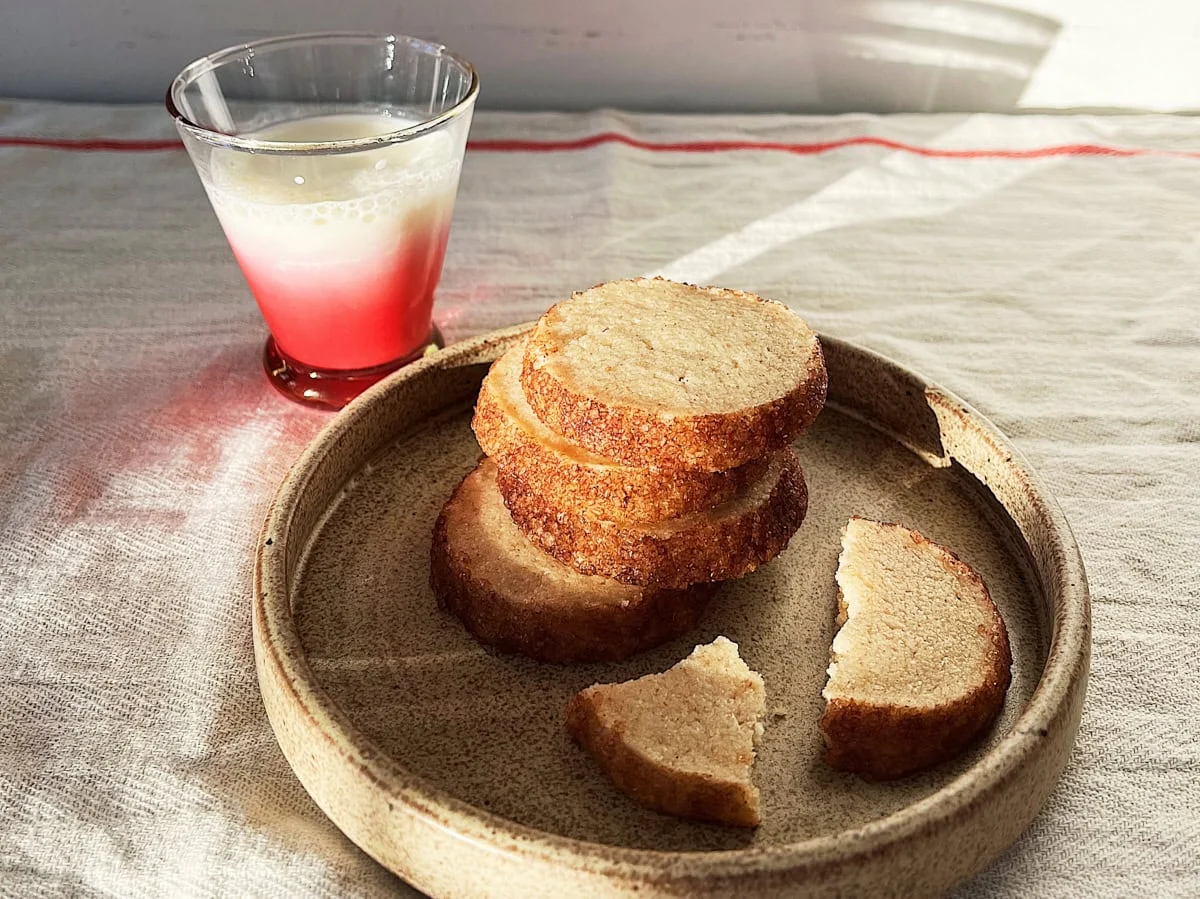
In the landscape of modern home baking, a distinct culinary development has garnered attention, particularly for its efficiency and resourceful use of ingredients: the vanilla slice-and-bake sourdough discard cookie. This particular iteration, infused with a nostalgic "cinnamon toast" flavor profile, positions itself as an ideal solution for the demands of high-volume holiday baking, offering a streamlined process without compromising on taste or quality. The inherent advantages of the slice-and-bake methodology—minimal preparation effort, often requiring a single bowl, and the ability to break the process into manageable shifts—address common constraints faced by contemporary bakers, negating the need for labor-intensive scooping or rolling while yielding a substantial quantity of cookies from a single batch.
The Rise of Efficient Holiday Baking
The contemporary baking environment, characterized by increasingly busy schedules and a renewed appreciation for homemade goods, has fostered a demand for efficient culinary solutions. Slice-and-bake cookies exemplify this trend, offering a practical approach to producing large quantities of confectionery. This method contrasts sharply with traditional cookie-making, which often involves intricate shaping, individual portioning, or extensive cooling periods between batches. The appeal lies in its inherent modularity; dough preparation can occur days in advance, allowing for spontaneous baking sessions as needed. This flexibility is particularly valuable during peak seasons such as the holidays, where time is a premium commodity and the desire for fresh, homemade treats is at its zenith. The emergence of specialized recipes like the sourdough discard cinnamon toast cookie underscores a broader movement towards optimizing kitchen processes while simultaneously elevating flavor and addressing ingredient waste.
Harnessing the Power of Sourdough Discard
A significant element of this innovative cookie recipe is its utilization of sourdough starter discard. The global surge in sourdough baking, particularly evident since the early 2020s, has led to a widespread accumulation of unfed starter, often deemed "discard." While traditionally composted or discarded, culinary innovators have increasingly sought ways to repurpose this byproduct, transforming it from waste into a valuable ingredient. Sourdough discard, even when inactive, contributes a subtle tang and depth of flavor that can enhance baked goods, adding a complex counterpoint to sweetness. In the context of these cinnamon toast cookies, the discard introduces a delicate acidity that complements the richness of butter and the warmth of cinnamon, creating a more nuanced flavor profile than traditional shortbread-style cookies. This approach not only promotes culinary sustainability by reducing food waste but also adds a unique character that distinguishes the finished product.
Crafting the Signature "Cinnamon Toast" Profile
The designation "cinnamon toast" for these cookies is derived from their distinctive coating: a generous blend of Demerara sugar and cinnamon. This combination evokes a universally cherished flavor, translating the comforting essence of cinnamon toast into a crisp, buttery cookie format. The choice of Demerara sugar is critical; its larger crystals provide a textural crunch and a slightly caramelized note that finely granulated sugar cannot replicate, enhancing the sensory experience. This textural contrast between the tender, slightly tangy dough and the sweet, spiced, crunchy exterior is a key factor in the cookie’s appeal. While perhaps less visually elaborate than cookies adorned with colorful sanding sugar or candy cane toppings, their inherent deliciousness and nostalgic resonance often lead to swift consumption, indicating a preference for classic flavor over flashy aesthetics. This highlights a consumer trend valuing authentic taste and comforting familiarity.
The Science of Cookie Ratios and Texture
A critical aspect of the cookie’s structural integrity and sensory appeal lies in its carefully calibrated ingredient ratios. Standard cookie recipes often adhere to a ratio of one part sugar, two parts butter, and three parts flour by weight. However, for slice-and-bake varieties, particularly those lacking the significant sugar content or aeration from eggs, this standard can result in a stiffer, denser, and potentially "floury" texture. The developers of this recipe have innovated by adjusting this conventional wisdom, utilizing 250 grams (2 cups) of all-purpose flour, supplemented by an additional 35 grams derived from the sourdough starter discard. This modification results in a refined ratio of sugar (150 grams) to butter (226 grams) to flour that approximates 1:1.5:under 2. This calculated reduction in flour relative to butter and sugar yields a dough that is softer and more pliable, producing a cookie with a tender crumb and a melt-in-your-mouth quality, rather than a dry or excessively dense texture. This precise manipulation of ingredients demonstrates a scientific understanding of baking mechanics, optimizing for a desirable final product.
The Indispensable Role of Quality Ingredients
Given the simplicity of the dough’s composition, the quality of each constituent ingredient significantly impacts the final flavor profile. This is particularly true for butter, which forms the foundation of the cookie’s richness and texture. Culinary recommendations emphasize the use of high-quality butter, with European-style butter frequently cited for its higher fat content and distinct, often nuttier, flavor. Such butter contributes to a superior mouthfeel and a more pronounced dairy essence, which becomes a focal point in a recipe with minimal other dominant flavors. While optional, the technique of browning the butter prior to chilling and incorporating it—a method explored in other sourdough discard recipes like sugar cookies, chocolate chip cookies, and oatmeal cookies—could further enhance the flavor complexity, introducing notes of toasted caramel. This attention to ingredient sourcing and preparation underscores a commitment to culinary excellence, recognizing that even minor components can profoundly influence the gastronomic experience.
Technological Aids and Procedural Precision in Baking
The preparation process benefits significantly from the judicious application of kitchen technology and adherence to specific procedural steps. An electric mixer, whether a hand-held model or a stand mixer, is highly recommended for efficiently creaming the butter and sugar. This mechanical aid ensures thorough incorporation and aeration, which are crucial for achieving the desired dough consistency and ultimately, the cookie’s texture. While manual mixing is feasible for those with considerable physical stamina, the consistency and ease afforded by an electric mixer make it an invaluable tool. Furthermore, precise chilling of the dough is a non-negotiable step. With a higher butter-to-flour ratio, the dough is inherently soft and prone to excessive spreading during baking. A minimum chilling period of two hours allows the butter to resolidify, ensuring that the cookies maintain their neat, round shape and crisp edges, preventing them from becoming thin and irregular. This highlights the interplay between ingredient properties and processing techniques in achieving optimal results.
Expanding the Flavor Palette: Customization and Creativity
While the classic vanilla and cinnamon profile offers timeless appeal, the recipe’s fundamental structure lends itself readily to extensive flavor customization, reflecting a broader trend in personalized culinary experiences. Bakers are encouraged to experiment with a diverse array of additions:
- Citrus Zests: Up to two tablespoons of lemon, grapefruit, or orange zest can be rubbed into the sugar before creaming with butter, infusing the dough with bright, aromatic notes.
- Alternative Extracts: Beyond vanilla, extracts such as rose water, orange flower water, or almond extract can be incorporated. Due to their potency, starting with a quarter teaspoon and adjusting to taste is advised.
- Savory Undertones: A teaspoon of toasted sesame oil can introduce intriguing roasty-toasty nuances, offering a sophisticated twist.
- Textural Additions: Up to 130 grams (approximately ¾ cup) of chopped chocolate or toasted nuts provide textural contrast and additional flavor dimensions.
- Infused Powders: Instant coffee or espresso, powdered teas like matcha and hojicha, or finely ground tea leaves such as Earl Grey can impart unique, complex flavors.
- Coating Variations: For the sugar rim, ground cardamom or sumac offer aromatic alternatives to cinnamon. Toasted white or black sesame seeds can also be used in conjunction with sugar for an added crunch and nutty flavor.
These suggestions underscore the versatility of the base recipe, allowing bakers to tailor the cookies to specific preferences or dietary requirements, fostering culinary creativity and innovation.
Strategic Preparation for Optimal Results
The unique hydration level of these cookies, attributed to the sourdough starter, necessitates a slightly longer baking time than conventional slice-and-bake varieties. The tops of the cookies may not achieve a deep golden-brown hue, making visual assessment challenging. Therefore, it is recommended to bake for a minimum of 14 minutes, ensuring that the bottoms are adequately browned and the cookies are thoroughly cooked. An underbaked slice-and-bake cookie, unlike a gooey chocolate chip cookie, tends to be less desirable, lacking the crispness and firm texture expected.
Further practical considerations include the choice of wrapping materials for chilling the dough. While reusable beeswax wraps are environmentally conscious, their waxy coating can potentially leach into the dough during extended refrigeration. Parchment paper, either for initial wrapping or for baking directly, is a recommended alternative. Moreover, the cookies are well-suited for freezing. Sliced and sugar-coated dough can be frozen on a parchment-lined sheet pan, then transferred to an airtight container for up to three months. This enables bakers to prepare ahead and bake small batches from frozen, extending the shelf life and convenience. For those seeking perfectly round cookies, a quick swirl with a glass or round biscuit cutter immediately after removing them from the oven can correct any slight imperfections in shape.
Broader Implications for Home Bakers and Culinary Trends
The sourdough discard cinnamon toast cookie represents more than just a recipe; it embodies several significant trends in contemporary home baking. It champions resourcefulness and sustainability by repurposing what would otherwise be waste. It promotes efficiency, catering to the demands of modern lifestyles without sacrificing the pleasure of homemade treats. Furthermore, its adaptability to various flavor enhancements encourages culinary exploration and personalization, moving beyond rigid recipes to inspire creative variations. The emphasis on high-quality ingredients and precise techniques also reflects a growing sophistication among home bakers, who are increasingly seeking professional-level results in their kitchens. This evolution in home baking contributes to a vibrant culinary culture, where tradition meets innovation, and practical solutions are celebrated alongside gourmet flavors.
Future Outlook for Sourdough Discard Innovations
The success and adaptability of recipes like the sourdough discard cinnamon toast cookie suggest a promising future for sourdough discard utilization. As home baking continues to evolve, driven by factors such as health consciousness, economic considerations, and a desire for creative expression, the demand for innovative and sustainable recipes will likely grow. Culinary professionals and home bakers alike are expected to further explore the unique properties of sourdough discard, integrating it into an even wider array of baked goods—from savory crackers and flatbreads to elaborate cakes and pastries. This ongoing experimentation underscores a dynamic and evolving culinary landscape, where every ingredient, even a byproduct, holds potential for delicious new creations.