
The resurgence of interest in foraged botanicals has brought a once-dismissed "garden weed" into the culinary spotlight, as chefs and nutritionists alike champion the benefits of purslane (Portulaca oleracea). Known in Mexico as verdolagas, this succulent-like annual is rapidly transitioning from a nuisance found in sidewalk cracks to a sought-after ingredient in high-end farm-to-table establishments and health-conscious households. While many gardeners spend decades attempting to eradicate the plant from their lawns, recent agricultural and nutritional data suggest that purslane may be one of the most nutrient-dense greens on the planet, offering a sustainable solution to food security and dietary deficiencies.
The Biological and Botanical Profile of a Global Survivor
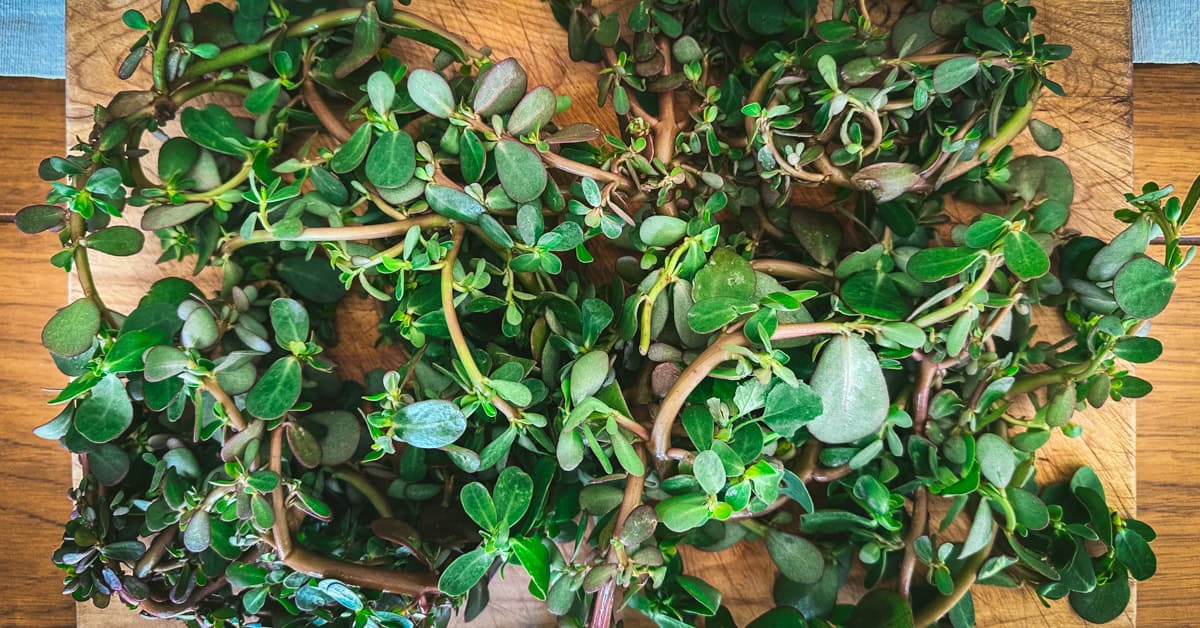
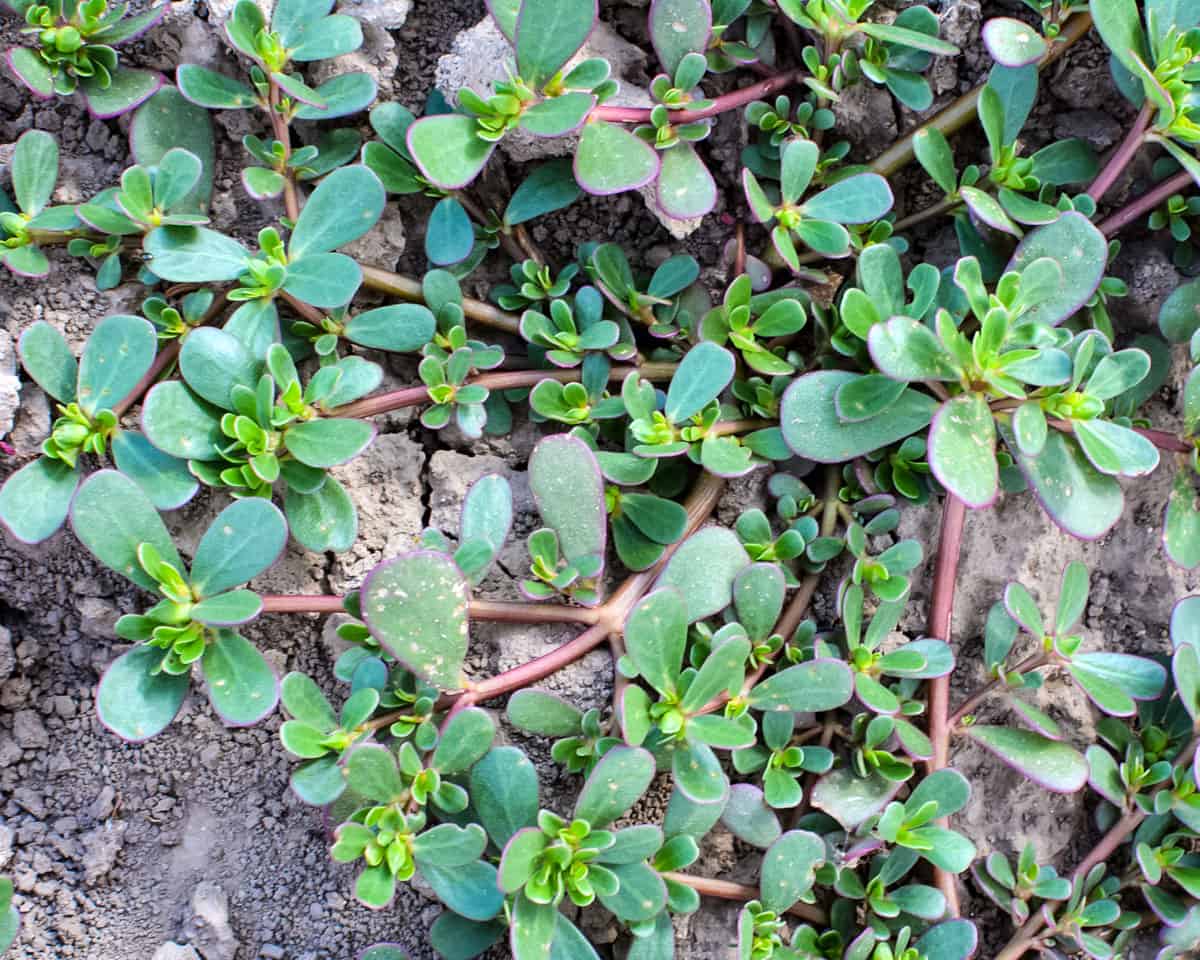
Purslane is a member of the Portulacaceae family, characterized by its smooth, reddish stems and fleshy, paddle-shaped leaves. As a succulent, it is uniquely adapted to survive in harsh conditions, utilizing a specialized form of photosynthesis known as Crassulacean Acid Metabolism (CAM) during periods of drought, which allows it to conserve water while continuing to grow in temperatures that would wither traditional leafy greens like spinach or lettuce.
Its global distribution is a testament to its resilience. While its exact origins are debated—with some botanical historians pointing to North Africa or the Middle East and others suggesting it is native to North America—the plant is now found on every continent except Antarctica. It thrives in disturbed soils, making it a common volunteer in cultivated gardens, agricultural fields, and urban environments. This ubiquity has historically made it a "famine food," but its complex flavor profile—often described as slightly salty, acidic, and nutty—has ensured its place in the traditional cuisines of the Mediterranean, the Middle East, and Latin America.
Nutritional Data: A Vegetable Source of Omega-3 Fatty Acids
The primary driver behind the modern "purslane movement" is its extraordinary nutritional profile. According to data from the National Institutes of Health (NIH) and various peer-reviewed studies, purslane contains the highest recorded levels of alpha-linolenic acid (ALA), an essential omega-3 fatty acid, of any green leafy vegetable. In a 100-gram serving, purslane can provide up to 400 mg of ALA, which is significantly higher than the levels found in spinach or kale.
Beyond healthy fats, purslane is a potent source of antioxidants. It contains high concentrations of Vitamin A (as beta-carotene), Vitamin C, and Vitamin E (alpha-tocopherol). Furthermore, it is rich in two types of betalain alkaloid pigments—the reddish betacyanins and the yellow betaxanthins—both of which have been identified as powerful antioxidants with potential anti-mutagenic properties. The presence of essential minerals such as magnesium, calcium, potassium, and iron further elevates its status as a "superfood."
Culinary Methodology: The Sautéing Standard
While purslane can be consumed raw in salads or blended into smoothies, the culinary world has identified sautéing as the premier method for preparing the plant, particularly for those looking to mitigate its slightly mucilaginous (okra-like) texture. The traditional Mexican preparation, which has served as a blueprint for modern interpretations, involves a high-heat quick-cook method that preserves the plant’s structural integrity while enhancing its natural tartness.
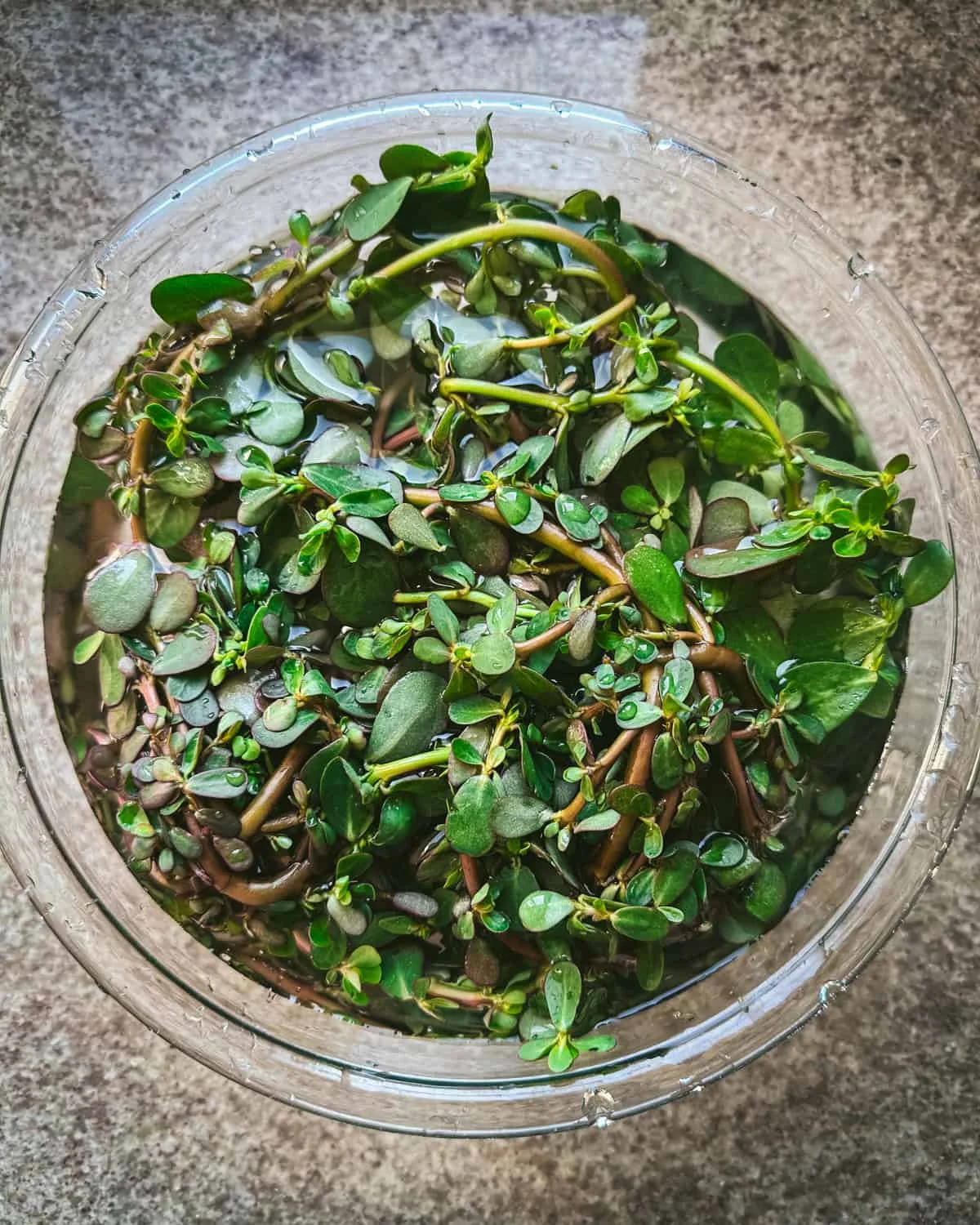
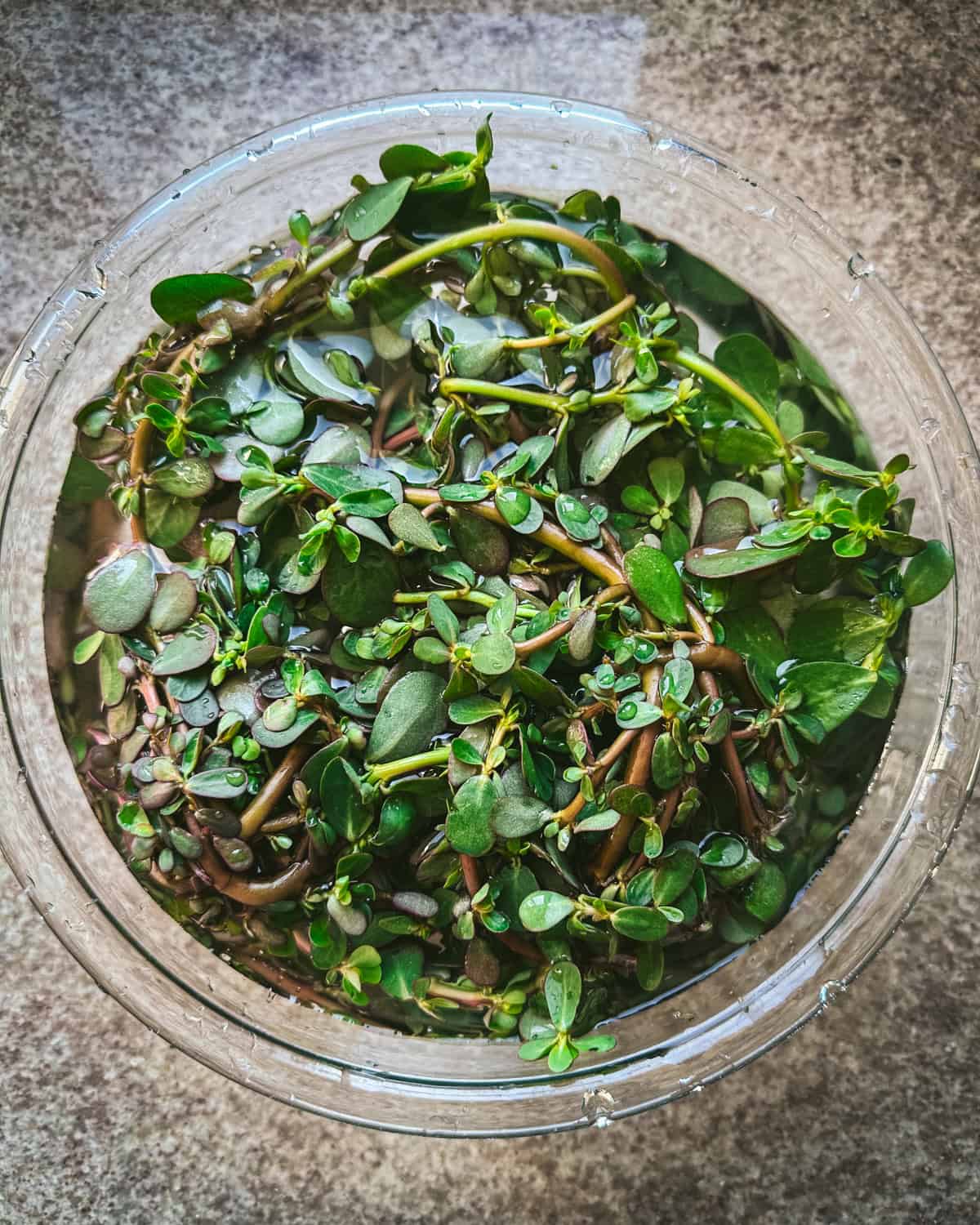
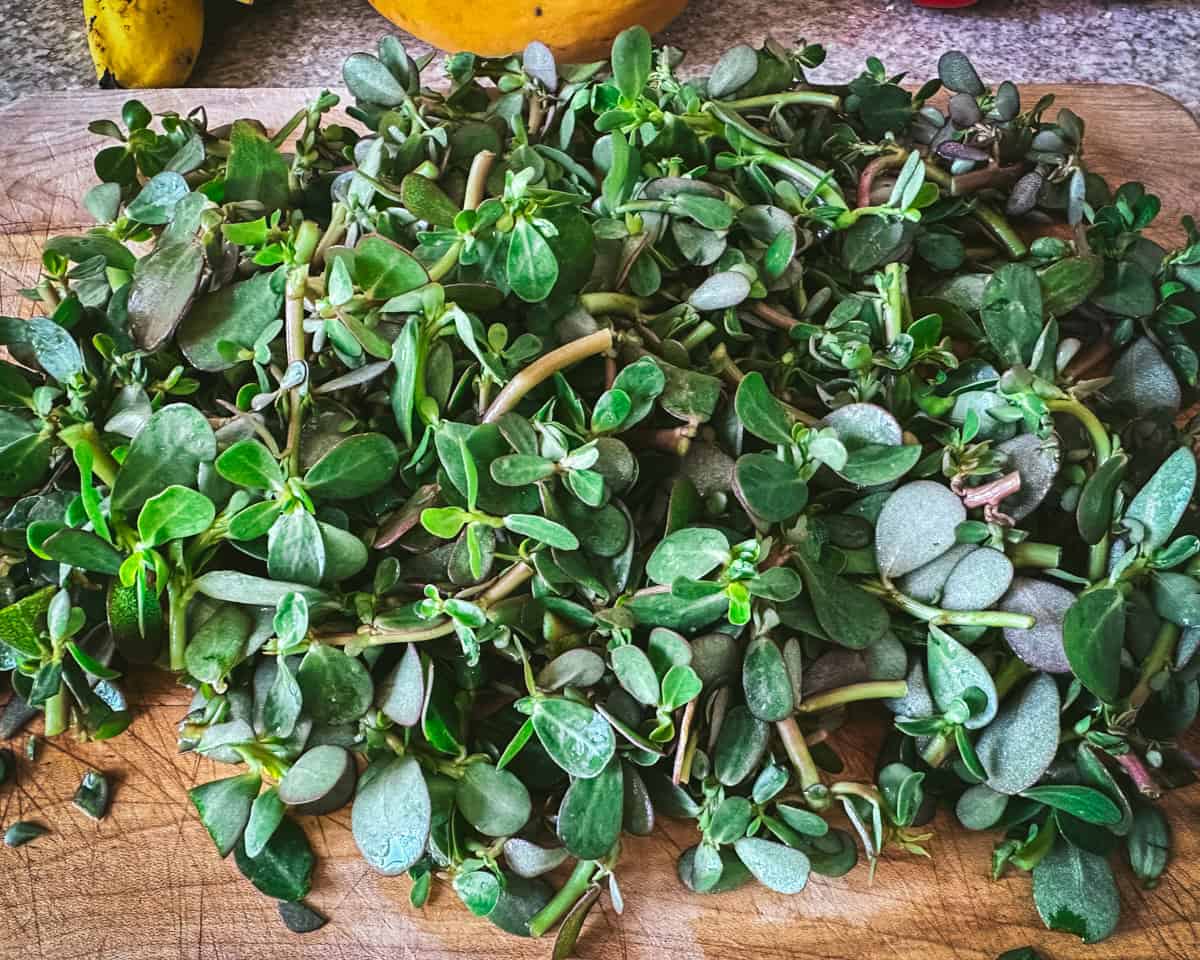
The standard preparation begins with a rigorous cleaning process. Because purslane grows low to the ground, its stems often trap silt and soil. Professional kitchens typically employ a deep-water soak to allow sediment to fall to the bottom, followed by a thorough drying. The stems, which remain tender even when the plant matures, are chopped into two-to-three-inch segments.
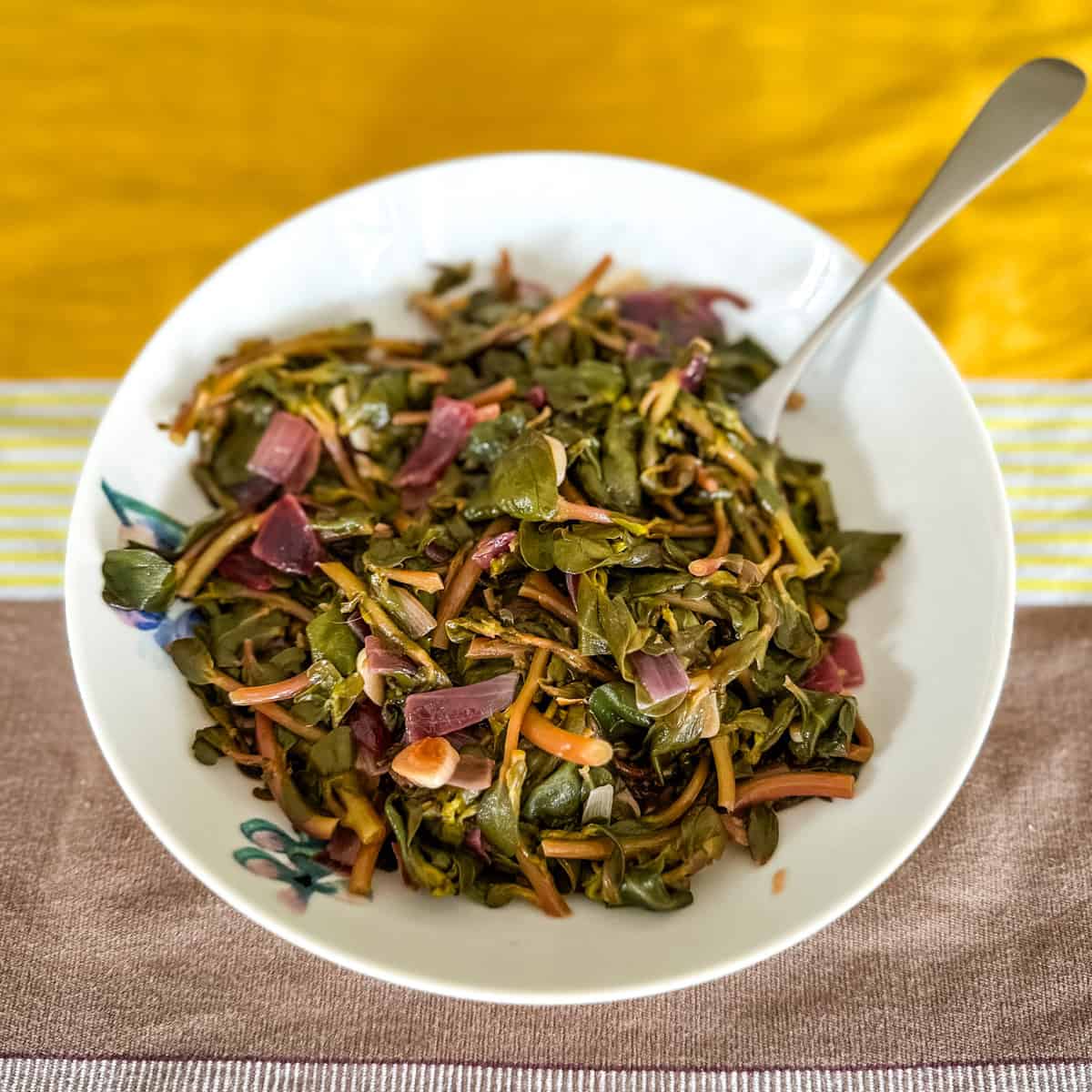
The sautéing process utilizes aromatics—primarily onions and garlic—to provide a savory base that complements the plant’s acidity. The use of a high-smoke-point fat, such as olive oil or avocado oil, is recommended. Once the aromatics are translucent, the purslane is added to the skillet. A critical step in the professional preparation is the "covered steam," where the pan is briefly covered to allow the succulent leaves to tenderize in their own moisture. The final addition of a bright acid, usually fresh lemon or lime juice, serves to heighten the plant’s mineral notes and balance the richness of the omega-3 oils.
Cultural Chronology and Regional Significance
The history of purslane consumption is long and varied. In ancient Greece, the physician Hippocrates used the plant for its medicinal properties, particularly for treating digestive issues and inflammation. In the Middle East, it has been a staple in "fatoush" salads for centuries. However, its most robust modern tradition is found in Mexico.

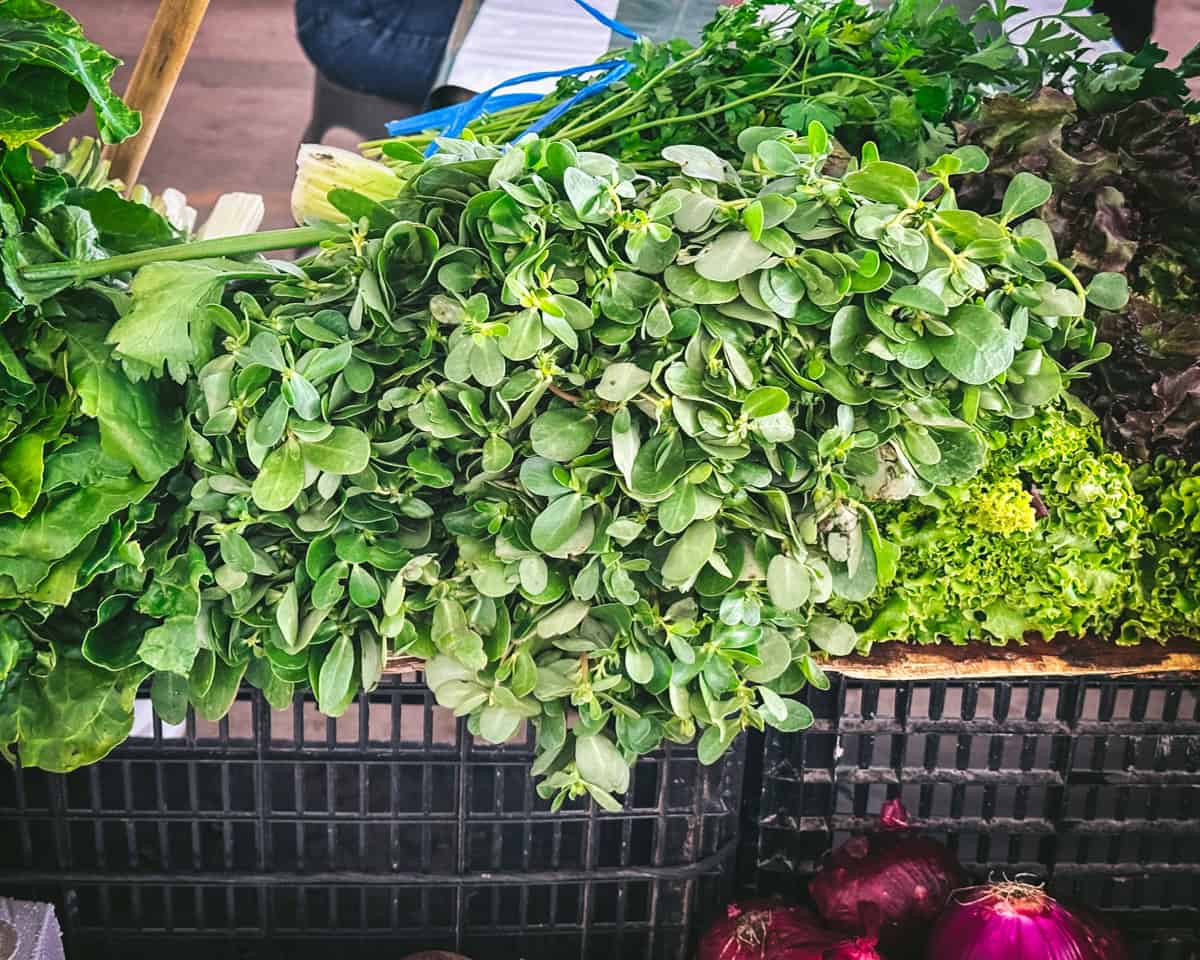
In Mexican outdoor markets, or tianguis, verdolagas are sold in large, vibrant bunches. The plant is deeply integrated into the domestic culinary fabric, often cooked with pork in salsa verde or scrambled with eggs for a dish known as Huevos con Verdolagas. This cultural heritage has provided a pathway for the plant’s entry into the United States and European markets, as diaspora communities maintain traditional foraging practices and immigrant chefs introduce the green to a wider audience.
Economic and Environmental Implications
The transition of purslane from weed to crop has significant economic implications. In recent years, specialty produce distributors have begun offering cultivated varieties of purslane, which often feature larger leaves and more upright growth habits to facilitate easier harvesting. Farmers’ markets in urban centers like New York, Los Angeles, and Chicago have seen a marked increase in purslane sales, with prices often rivaling those of organic arugula or watercress.

From an environmental perspective, purslane represents a highly sustainable food source. It requires minimal water compared to traditional crops and needs no pesticides, as it is naturally resistant to most common garden pests. Its ability to thrive in "marginal" lands means it does not necessarily compete for the high-quality acreage required by more delicate vegetables. Foraging purslane also encourages "gleaning"—the act of harvesting leftover or wild food—which reduces food waste and promotes local food sovereignty.
Safety Protocols and Foraging Guidelines
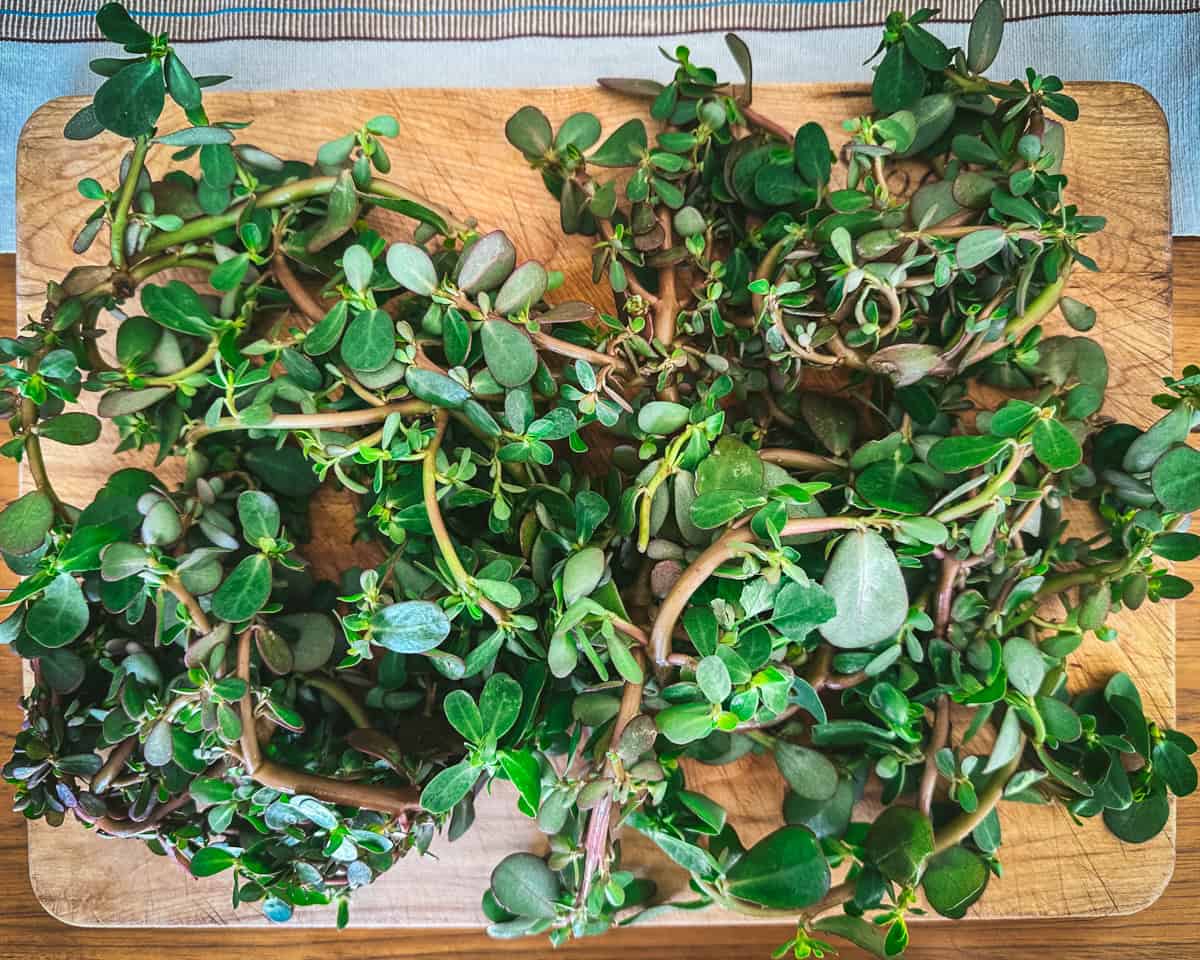
As foraging gains popularity, experts emphasize the importance of safety and proper identification. A primary concern for foragers is the "Spurge" lookalike. Plants in the Euphorbia genus (commonly known as spurge) can grow in similar environments and may appear similar to purslane at a glance. However, spurge is toxic and can be easily identified by its milky white sap when a stem is broken. Purslane, by contrast, has clear, watery sap.
Furthermore, environmental health officials warn against foraging in areas that may be contaminated with heavy metals or chemical runoff. Purslane is a "hyperaccumulator," meaning it is exceptionally efficient at drawing minerals—and toxins—from the soil. Foraging from the cracks of busy city sidewalks or near industrial sites is discouraged due to the risk of lead, arsenic, or petroleum absorption. The safest foraging occurs in private gardens where no herbicides have been applied or in certified organic agricultural areas.
Expert Reactions and the Future of Purslane
Nutritionists and culinary experts view the rise of purslane as part of a broader shift toward "functional foods." Dr. Artemis Simopoulos, author of The Omega Diet and a pioneer in purslane research, has long argued that the Western diet’s deficiency in omega-3s could be partially addressed by the reintroduction of wild greens like purslane.
In the restaurant industry, the reaction has been overwhelmingly positive. "Purslane offers a texture and a ‘pop’ of acidity that you just can’t get from spinach," says one New York-based executive chef. "It’s versatile enough to be a side dish, a garnish, or the star of a vegetarian entrée. It’s the ultimate bridge between a vegetable and a succulent."
As climate change continues to challenge traditional agriculture, the demand for heat-tolerant, nutrient-dense crops is expected to rise. Purslane, with its ability to flourish in rising temperatures and its minimal ecological footprint, is uniquely positioned to become a staple of the 21st-century diet. Whether through the simple method of a quick sauté with garlic and lemon or through its inclusion in complex traditional stews, this resilient "weed" is finally receiving the recognition its nutritional and culinary profiles deserve.
The broader impact of the purslane trend extends beyond the dinner plate; it represents a re-evaluation of our relationship with the natural world. By recognizing the value in what was once discarded, society moves toward a more integrated and resourceful approach to nutrition and ecology. The humble purslane, once trampled underfoot, has emerged as a symbol of the hidden potential within the wild landscape.


