
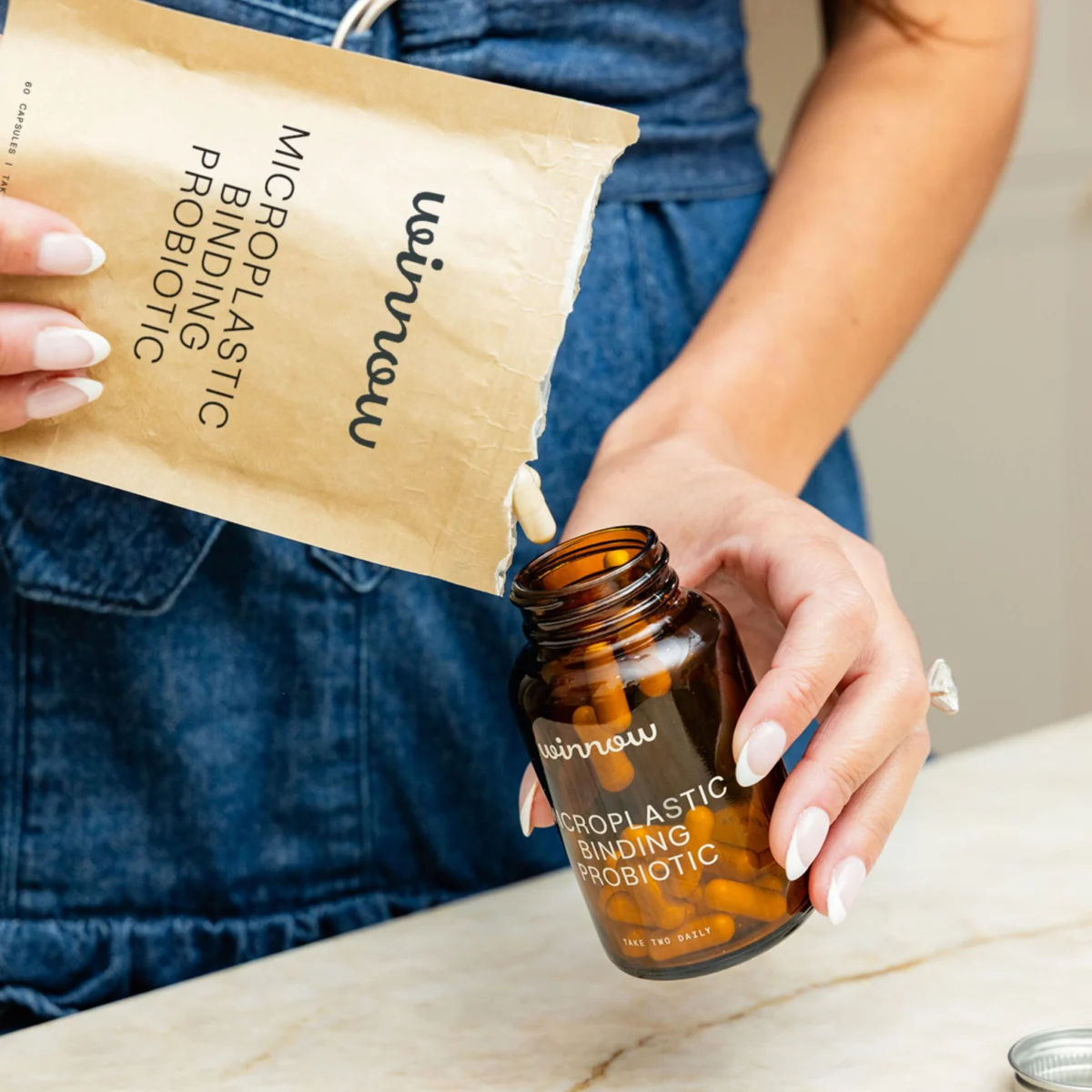
The presence of microplastics in human biological systems has transitioned from a theoretical concern to a documented medical reality over the last decade. Research has identified these microscopic polymer fragments in the air, global water supplies, and human tissues, including the placenta and blood. As global plastic production continues to rise, the scientific community and the wellness industry are increasingly focused on mitigation strategies. One of the latest developments in this field is the introduction of Winnow, a specialized probiotic supplement designed not only to support digestive health but also to facilitate the binding and excretion of ingested microplastics.
The Global Proliferation of Microplastics
Microplastics, defined as plastic particles smaller than five millimeters, are the result of both the intentional manufacture of small granules and the degradation of larger plastic waste. According to environmental data, the average person may ingest approximately five grams of plastic every week—equivalent to the weight of a credit card—through food, water, and inhalation. These particles originate from a variety of ubiquitous sources, including synthetic clothing fibers released during laundering, tire wear from automotive transport, food packaging, and the degradation of household items such as cutting boards and takeout containers.
The health implications of chronic microplastic exposure remain a primary focus of ongoing toxicological research. Recent studies published in the New England Journal of Medicine have suggested a potential link between the presence of microplastics and nanoplastics in carotid artery plaques and an increased risk of cardiovascular events, including heart attacks and strokes. The primary concern lies in the ability of these particles to induce oxidative stress, trigger inflammatory responses, and potentially act as carriers for endocrine-disrupting chemicals.
The Advent of Internal Bioremediation
In response to the ubiquity of plastic exposure, Winnow Labs has developed a daily probiotic formula that leverages specific bacterial strains for their ability to interact with polymer surfaces. This approach represents a shift from traditional environmental bioremediation—where bacteria are used to clean up oil spills or plastic in the ocean—to a form of internal bioremediation aimed at the human gastrointestinal tract.
The product was conceptualized following research into the natural affinities between certain microorganisms and synthetic materials. While the primary function of most probiotics is to balance the gut microbiome and improve digestive regularity, the Winnow formula incorporates strains selected through preclinical testing for their "surface adsorption" capabilities. This mechanism allows the bacteria to act as a physical substrate to which microplastic particles adhere as they move through the digestive system.
Scientific Mechanisms of Microplastic Binding
The efficacy of Winnow’s formula is based on the physical and chemical properties of the bacterial cell wall. According to technical data provided by the company, the binding process is driven by surface structures such as exopolysaccharides (EPS) and S-layer proteins. These components create a specialized surface area that facilitates the physical attachment of plastic particles.
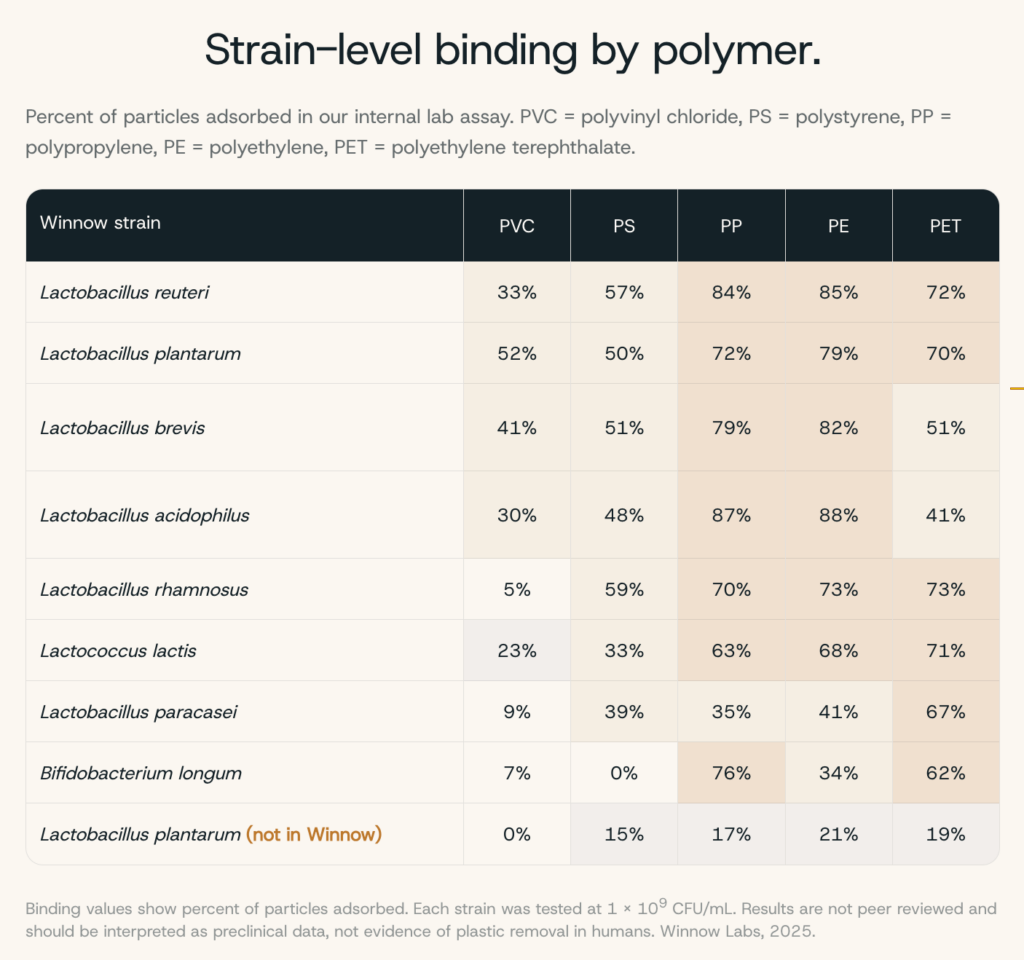
Internal laboratory testing conducted by Winnow indicated that binding efficiency is highly dependent on the specific bacterial strain and the type of plastic polymer involved. The formula was tested against common polymers, including:
- Polyethylene (PE): Used in plastic bags and bottles.
- Polypropylene (PP): Common in food containers and textiles.
- Polystyrene (PS): Found in insulation and disposable cutlery.
- Polyethylene Terephthalate (PET): The standard for beverage bottles.
- Polyvinyl Chloride (PVC): Used in pipes and various consumer goods.
The data suggests that a multi-strain approach is significantly more effective than utilizing single strains. In internal trials, Winnow’s full multi-strain formula bound 1.8 times more of a blended plastic mix than any individual strain alone. This synergistic effect is attributed to the diverse surface morphologies provided by the different bacteria in the blend.
Clinical and Preclinical Evidence
The Winnow formula is built upon a foundation of two distinct layers of research. The first layer consists of well-documented, clinically studied probiotic strains for general gut health. These include Lactobacillus rhamnosus ATCC 53103, Lactobacillus reuteri DSM 17938, and Lactobacillus acidophilus ATCC SD5212. These strains have undergone extensive human clinical trials and are recognized for their roles in supporting the gut barrier, enhancing immune function, and maintaining digestive comfort.
The second layer of research involves the newer field of microplastic adsorption. While the binding of microplastics in humans is still in the preclinical stage, the concept is supported by peer-reviewed research. A 2025 study involving the screening of nearly 800 bacterial strains identified specific probiotics with high adsorption potential. In animal models, these strains were shown to increase the excretion of microplastics through feces, thereby reducing the accumulation of plastic particles in intestinal tissues.
Product Composition and Environmental Commitment
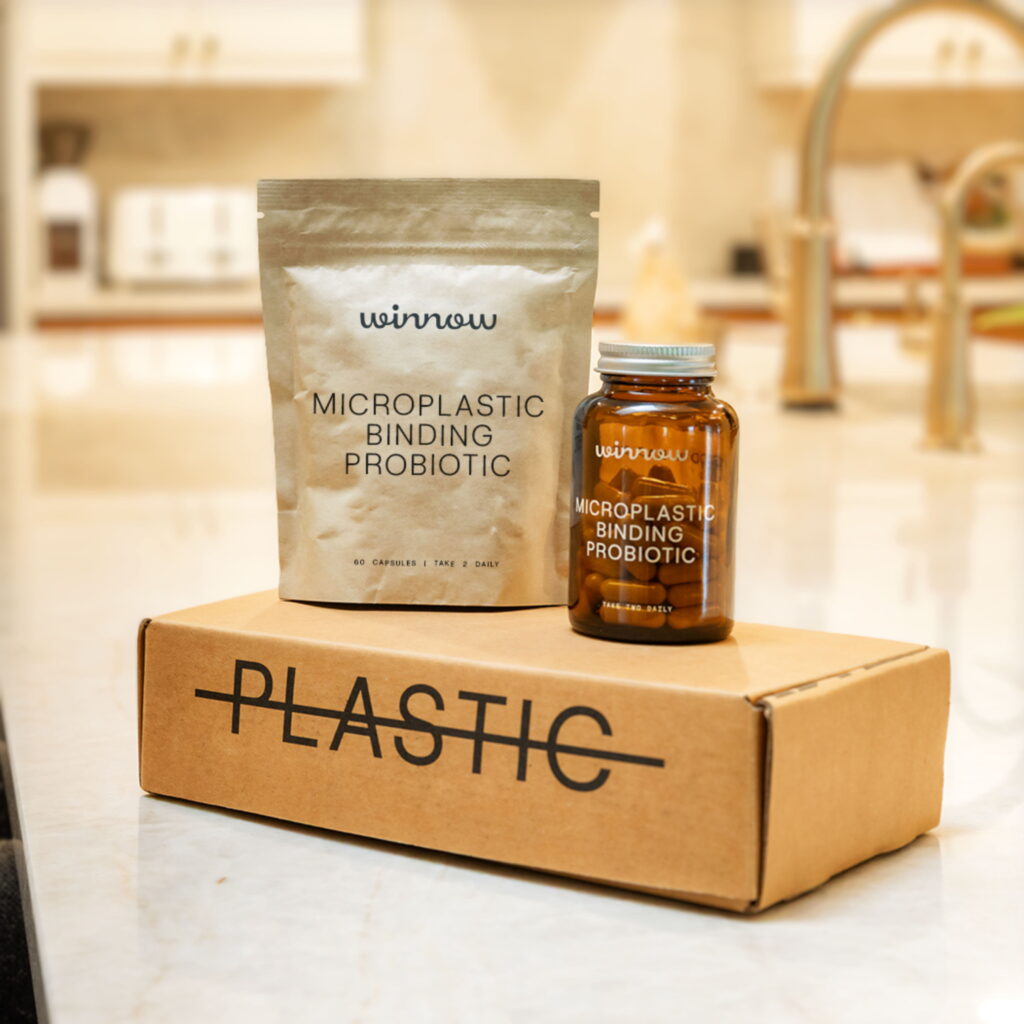
Beyond its biological function, the development of Winnow reflects a growing consumer demand for products that align with zero-waste principles. The supplement industry has historically been a significant contributor to plastic waste, often utilizing HDPE or PET bottles for packaging. In contrast, Winnow has implemented a completely plastic-free supply chain.
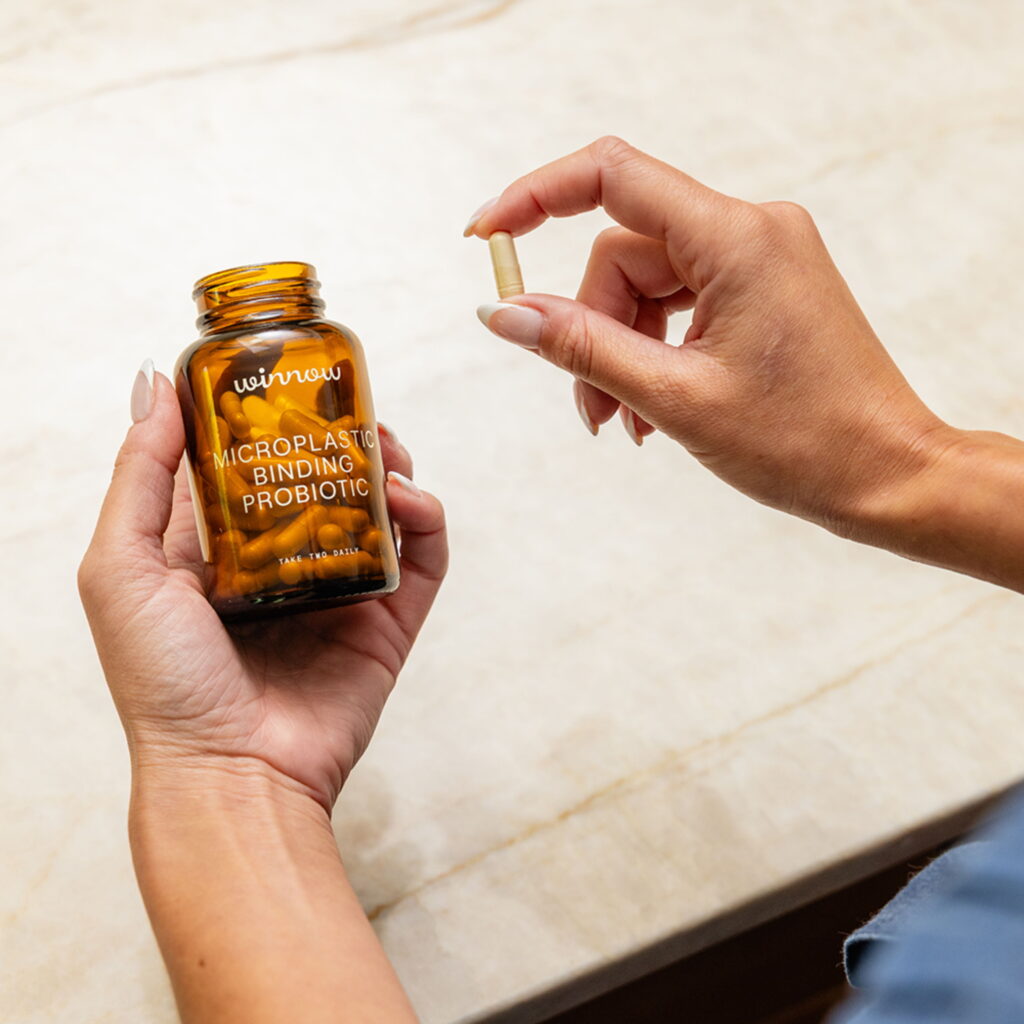
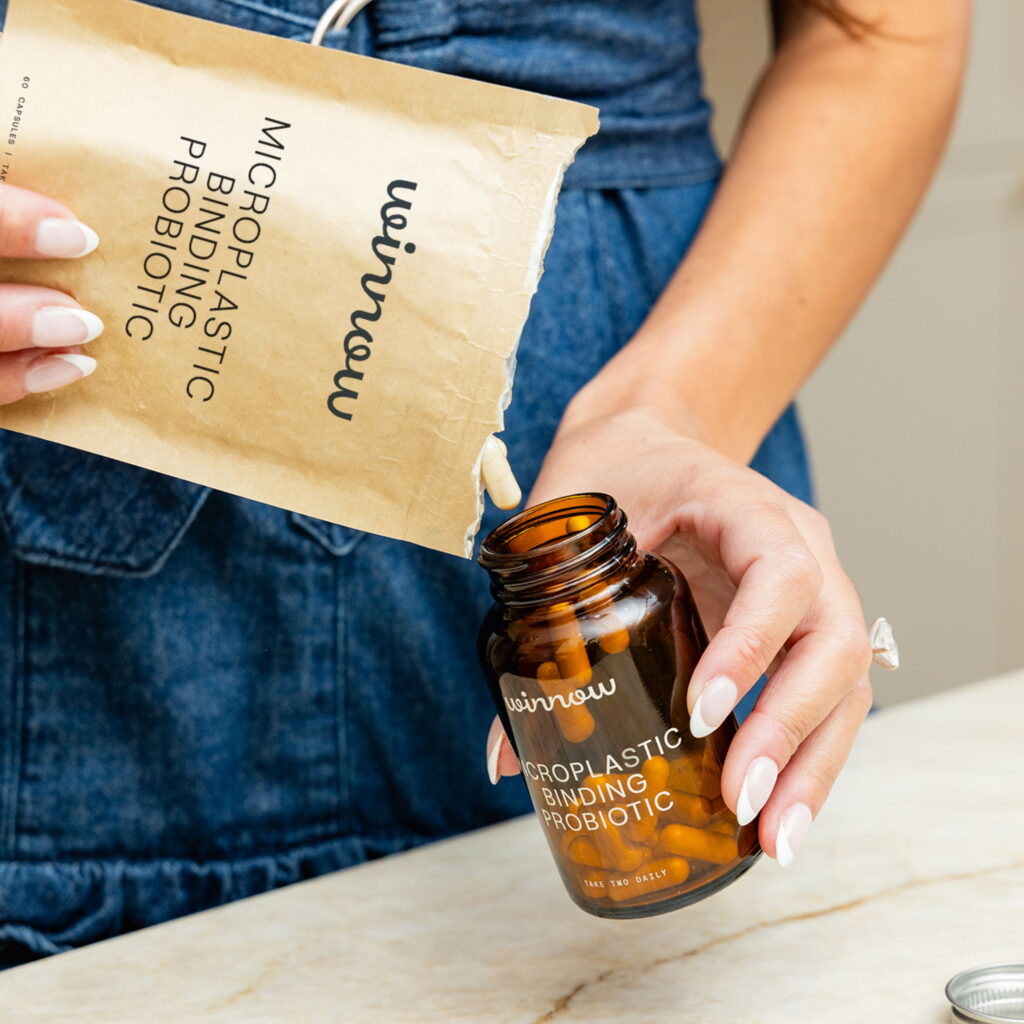
The product is housed in glass or compostable packaging, a decision that serves both a brand mission and a functional purpose. By eliminating plastic packaging, the company reduces the risk of further microplastic shedding from the container itself, ensuring the integrity of the supplement. This "closed-loop" approach is designed to appeal to the "zero-waste" demographic—individuals who actively seek to reduce their environmental footprint while managing their personal health.
Chronology of Microplastic Awareness and Solution Development
The trajectory of microplastic research has evolved rapidly over the last two decades:
- 2004: The term "microplastics" is coined by researcher Richard Thompson to describe small plastic fragments in the ocean.
- 2011-2015: Studies begin to document the presence of microplastics in commercial salt, bottled water, and seafood.
- 2018: The first evidence of microplastics in human stool samples is presented at a European gastroenterology conference.
- 2022: Researchers detect microplastics in human blood and deep lung tissue for the first time.
- 2024-2025: The focus shifts toward mitigation. Companies like Winnow begin releasing products aimed at reducing internal plastic burdens, supported by emerging peer-reviewed data on bacterial adsorption.
Industry Reactions and Broader Implications
The introduction of microplastic-binding supplements has been met with both interest and caution from the scientific and medical communities. Proponents argue that in a world where plastic exposure is unavoidable, providing a biological tool to assist the body’s natural elimination processes is a logical step in preventive health.
However, health experts emphasize that supplements should not be viewed as a "magic bullet" for plastic pollution. Public health advocates suggest that while internal binders may provide a layer of defense, systemic changes are required to address the root of the problem. This includes stricter regulation of plastic production, the development of safer alternative materials, and corporate accountability for plastic lifecycles.
From a regulatory standpoint, Winnow and similar products fall under the Dietary Supplement Health and Education Act of 1994 (DSHEA) in the United States. This means that while the probiotic strains used must be safe for consumption, the specific claims regarding microplastic binding are categorized as "structure/function" claims rather than drug claims. As a result, companies must be careful to state that their products are intended to support the body’s natural processes rather than to treat or cure a specific disease.
The Future of Gut Health in a Plastic-Dominant World
The emergence of Winnow signals a new era in the probiotic market, where the definition of "gut health" is expanding to include environmental detoxification. As the body of research grows, it is likely that more companies will explore the "adsorbent" properties of bacteria to address other environmental toxins, such as heavy metals or pesticide residues.
For consumers, the choice to use a microplastic-binding probiotic often stems from a desire to take proactive measures against an invisible but omnipresent threat. While traditional lifestyle changes—such as filtering water, avoiding plastic food containers, and choosing natural fibers—remain the primary defense against exposure, biotechnology is now offering a secondary line of defense within the human microbiome.
The long-term impact of these probiotics will depend on continued human clinical trials and a deeper understanding of how bound microplastics behave within the digestive tract. For now, Winnow represents a significant intersection of environmental science and human health, providing a specialized tool for navigating the complexities of the modern, plastic-integrated world.


