
The global travel industry is witnessing a significant shift toward "purpose-driven" tourism, a trend where travelers curate international excursions around specific life transitions, emotional milestones, or wellness objectives. This phenomenon has found a particular stronghold in Iceland, a nation whose dramatic landscapes and specialized infrastructure lend themselves to transformative group experiences. Recent data and travelogues indicate that "divorce trips"—excursions designed to provide emotional support and a sense of renewal for individuals navigating the end of a marriage—are becoming a recognizable niche within the broader wellness tourism sector. These trips often prioritize communal activities, such as traversing the Icelandic Ring Road, visiting geothermal installations, and engaging with the country’s unique geological features, to foster resilience and camaraderie among participants.

The Strategic Framework of Icelandic Group Itineraries
For travelers planning a comprehensive survey of Iceland, the logistical requirements are substantial, often necessitating a choice between a focused regional exploration or a full circumnavigation of the island via Route 1, commonly known as the Ring Road. Industry experts suggest that a full circuit requires a minimum of 10 to 14 days to balance transit time with experiential depth. Trips shorter than this duration often lead to excessive driving hours, potentially detracting from the "slow travel" movement that emphasizes immersion in local environments.
A standard high-impact itinerary for a group excursion often begins and ends in the capital, Reykjavík, but stretches into the remote East Fjords and North Iceland. The decision to travel "all the way around" allows for a diverse exposure to the island’s microclimates and geological variances, from the volcanic deserts of the interior to the lush, greenhouse-supported agricultural hubs of the south. This comprehensive approach is particularly favored by groups seeking a "total reset," as the changing scenery serves as a metaphor for personal transition and progress.
Geothermal Infrastructure and the Cultural Significance of Public Bathing
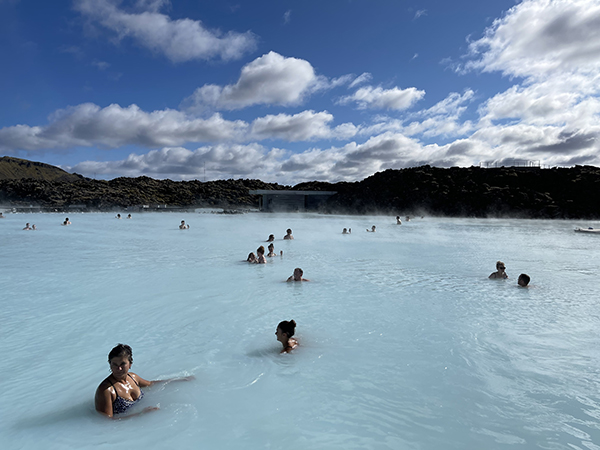
A cornerstone of the Icelandic experience is the nation’s geothermal bath culture, which serves both a social and a therapeutic function. Unlike many other nations where spas are viewed as exclusive luxury enclaves, Iceland’s pools are integral to the public infrastructure. The country utilizes its vast volcanic activity to heat water for domestic use and recreation, resulting in a network of community pools and high-end geothermal lagoons.
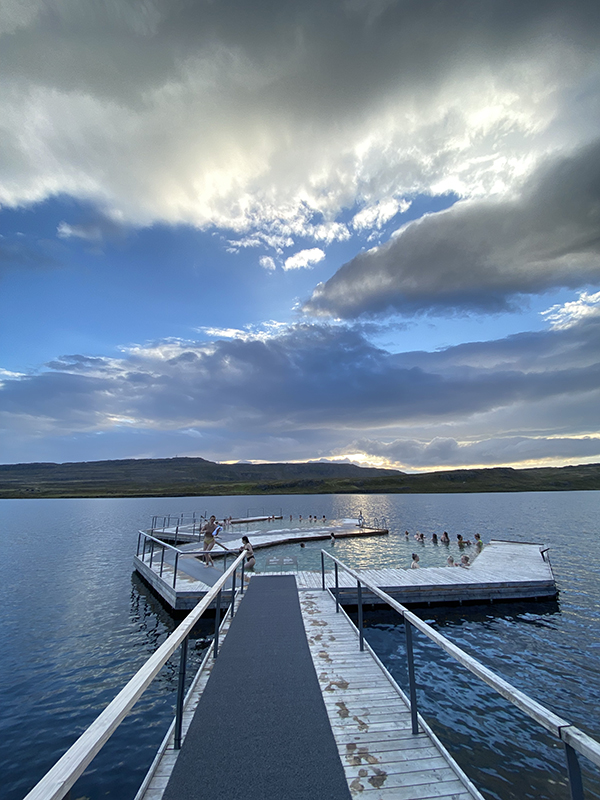
Among the notable developments in this sector is Vök Baths, located on Lake Urriðavatn in East Iceland. This facility represents a modern evolution of the traditional bathhouse, featuring floating pools integrated directly into the cold lake water. This allows for "cold plunging"—a practice where individuals move between extreme temperatures to stimulate circulation and immune response. For travelers on an emotional recovery mission, these physiological shocks are often cited as being beneficial for mental clarity and stress reduction.
Data from the Icelandic Tourist Board indicates that nearly 90% of international visitors visit a geothermal pool during their stay. The economic impact of these facilities is significant, particularly in rural areas like the East Fjords, where high-concept installations like Vök Baths draw tourists away from the more congested "Golden Circle" near the capital, distributing tourism revenue more equitably across the island.
Sustainable Agriculture and the Greenhouse Economy
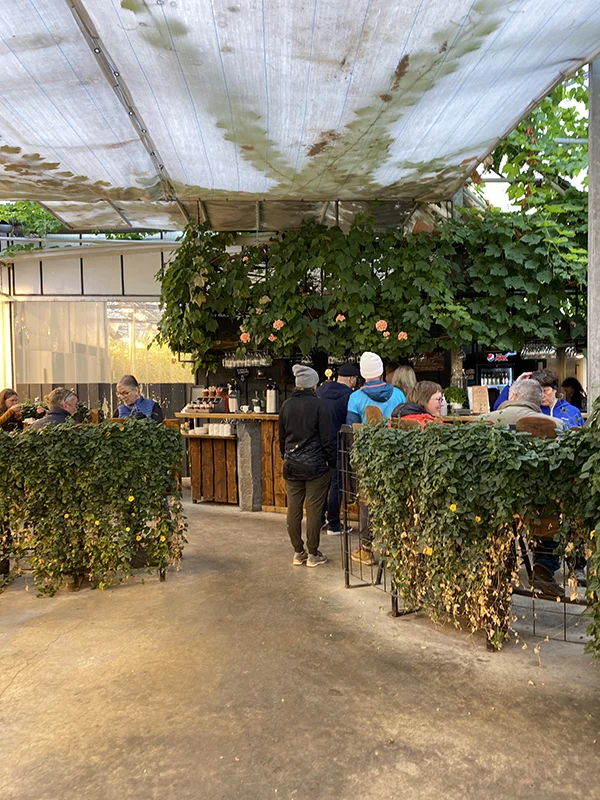
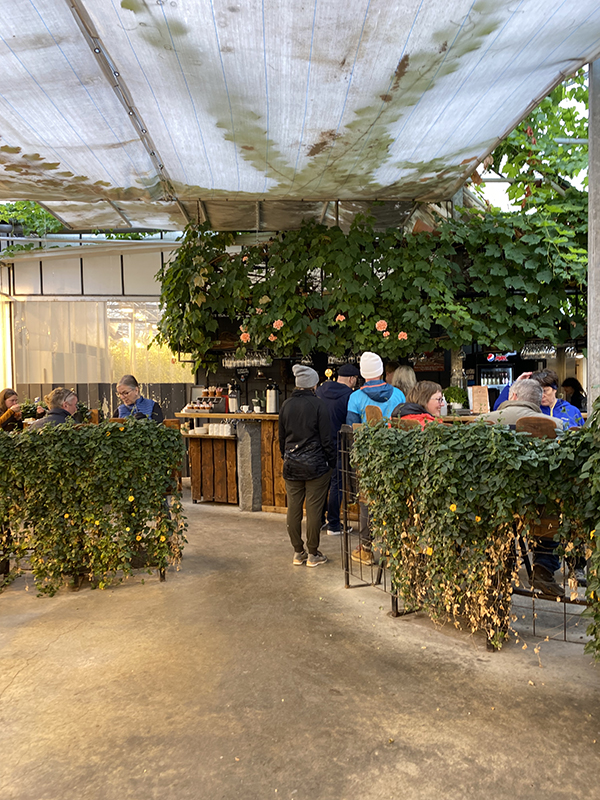
Iceland’s reliance on geothermal energy extends beyond wellness into food security and sustainable tourism. Due to the country’s harsh climate and limited growing season, a significant portion of its fresh produce is cultivated in technologically advanced greenhouses. Friðheimar, a tomato farm located in the south, has become a primary example of how industrial agriculture can be successfully integrated with the hospitality sector.
By utilizing artificial lighting and geothermal heating, Friðheimar produces roughly 370 tons of tomatoes annually, accounting for a substantial share of the domestic market. The facility’s integration of a restaurant within the greenhouse environment allows visitors to observe the intersection of renewable energy and food production. This model of "agritourism" provides a factual counter-narrative to the perception of Iceland as a barren, ice-covered wasteland, showcasing instead a highly efficient, tech-driven economy.
Geological Activity as a Catalyst for High-Value Tourism
The presence of active volcanic systems remains one of Iceland’s most potent draws for international visitors. The 2021 eruption at Fagradalsfjall, located on the Reykjanes Peninsula, served as a landmark event for the tourism industry following the global pandemic. The eruption provided a rare "tourist volcano," where the lava flows were relatively accessible via hiking trails or aerial tours.
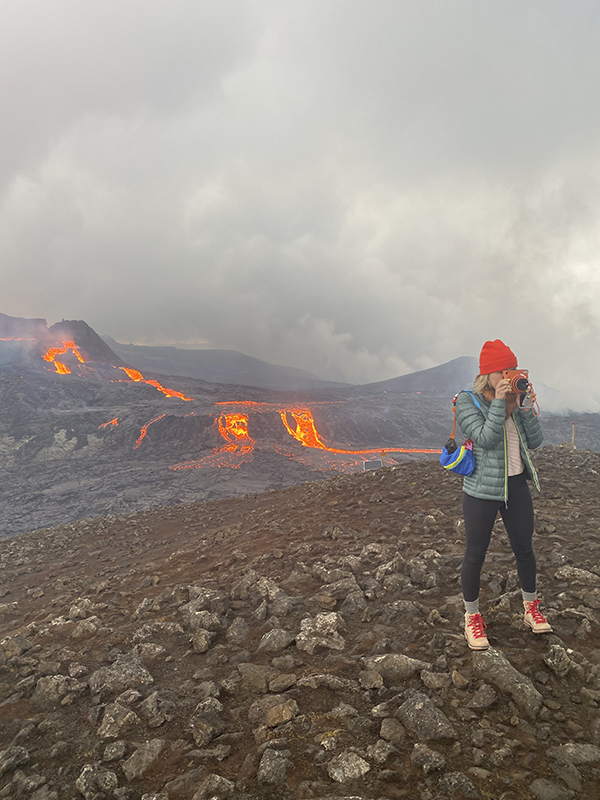
For high-end group travel, helicopter excursions have become a preferred method for viewing active geological sites. These "splurge" experiences contribute to the high average spend per visitor in Iceland, which remains one of the more expensive destinations globally. The ability to witness "the earth being formed" provides a profound perspective for travelers, often cited in group journals as a highlight of their journey. This intersection of luxury travel and raw nature defines the current Icelandic value proposition: providing comfort and safety in the face of volatile, prehistoric forces.
Urban Commerce and the Preservation of Heritage
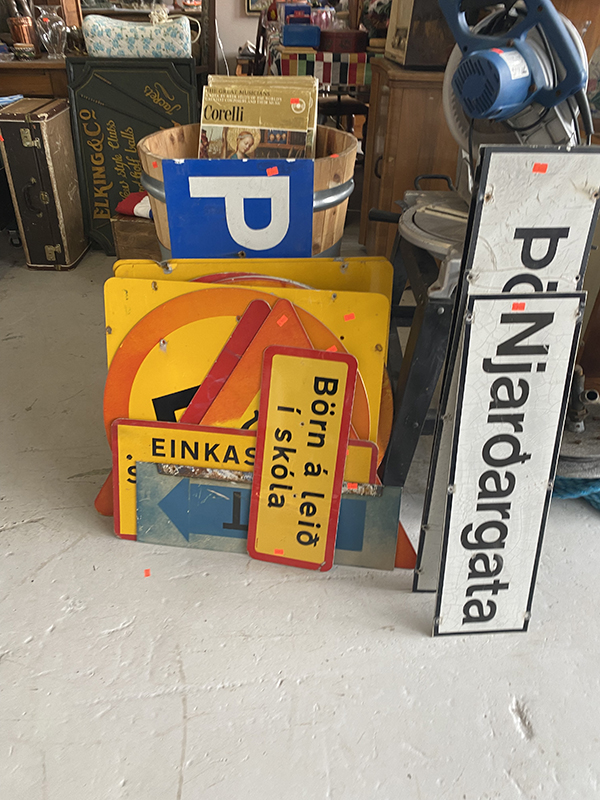
While the natural landscape is the primary draw, the capital city of Reykjavík offers a concentrated look at Icelandic commerce and culinary evolution. The Kolaportið Flea Market, operating on weekends near the harbor, serves as a hub for both locals and tourists. It offers a glimpse into the traditional Icelandic economy, featuring everything from vintage apparel and "lopapeysa" (hand-knit wool sweaters) to fermented shark and other traditional delicacies.
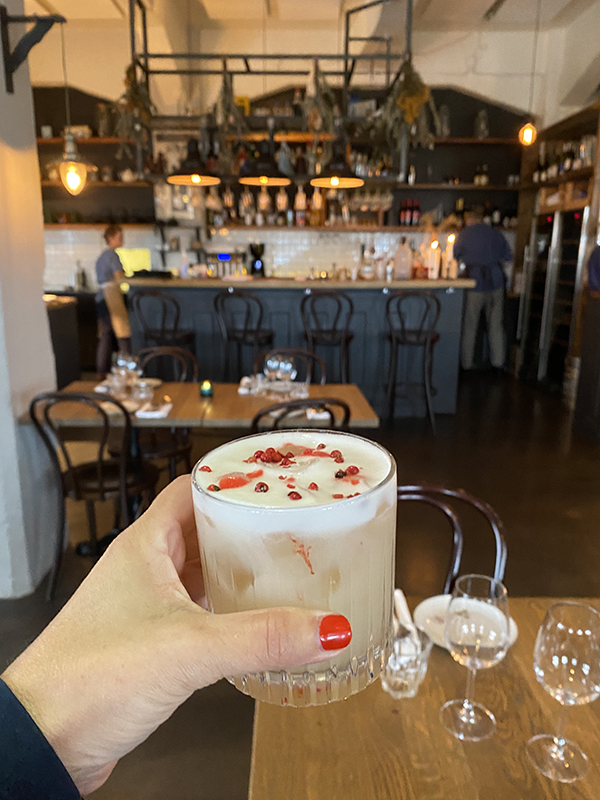
The culinary scene in Reykjavík has also undergone a sophisticated transformation. Establishments such as Matur og Drykkur have gained international acclaim for reimagining traditional Icelandic recipes using modern techniques. By focusing on hyper-local ingredients—such as cod’s head, lamb, and wild berries—these restaurants provide a cultural anchor for travelers, grounding the "divorce trip" or group excursion in the specific heritage of the North Atlantic.
Niche Accommodations: Repurposing the Industrial Landscape
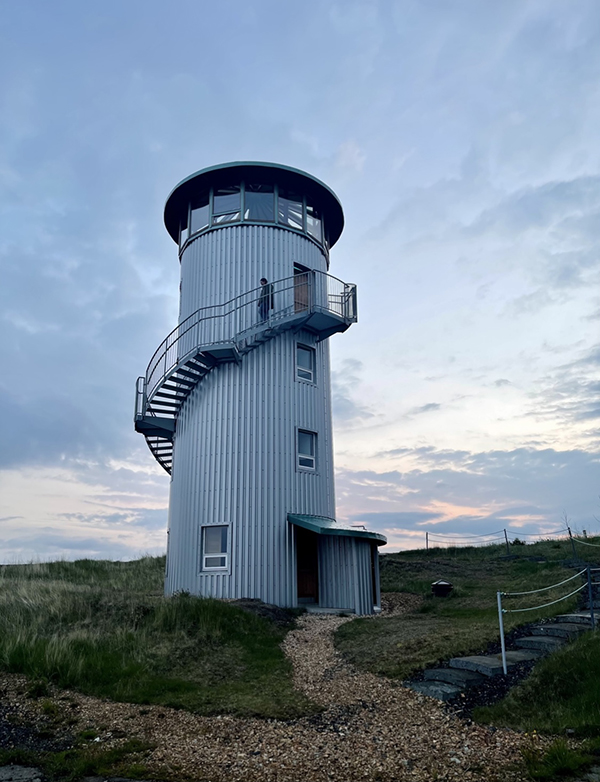
The trend of "unique stays" has also reached the Icelandic hospitality market. Travelers are increasingly moving away from standardized hotel chains in favor of accommodations that offer a sense of place. One such example is the Klettar Tower, a repurposed structure that functions as a lighthouse-style residence.
These accommodations often feature architectural elements designed to maximize views of the natural environment, such as 360-degree windows for observing the Aurora Borealis (Northern Lights). The success of these niche properties reflects a broader desire among modern travelers for exclusivity and a deeper connection to the landscape. Staying in a repurposed maritime or industrial building provides a narrative layer to the trip, emphasizing the themes of resilience and transformation that are central to "recovery" itineraries.
Broader Implications for the Icelandic Economy and Global Travel
The rise of specialized group travel like "divorce trips" has broader implications for Iceland’s economic strategy. The nation has moved toward a "quality over quantity" model, seeking to attract visitors who stay longer and engage more deeply with the local culture and environment. This strategy is designed to mitigate the risks of "overtourism" while ensuring that the economic benefits of travel reach beyond the capital.
Analysis of Tourism Trends
| Metric | Impact of Purpose-Driven Travel |
|---|---|
| Average Stay Duration | Increases as travelers seek to complete the full Ring Road circuit. |
| Regional Distribution | Improves as niche attractions (e.g., Vök Baths) draw visitors to the East and North. |
| Sustainability | High, as visitors engage with geothermal and greenhouse-based businesses. |
| Economic Yield | Higher per-capita spend due to luxury add-ons like helicopter tours. |
From a sociological perspective, the rebranding of a vacation as a "Divorce Trip" or an "Intention-Based Trip" reflects a growing consumer demand for travel that serves a psychological function. As more individuals prioritize mental health and social support networks, destinations like Iceland—which offer a combination of isolation, community, and overwhelming natural beauty—are likely to see continued growth in this sector.
Conclusion and Future Outlook
The Icelandic tourism industry is currently positioned at the intersection of luxury, sustainability, and emotional wellness. By providing a backdrop that is both challenging and restorative, the nation has become a premier destination for those navigating major life changes. Whether through the communal heat of a geothermal pool, the educational experience of a high-tech greenhouse, or the awe-inspiring sight of active volcanic flows, Iceland offers a structured environment for personal and collective reflection.
As travel continues to evolve in the post-pandemic era, the emphasis on "traveling with intention" is expected to persist. For the Icelandic government and local businesses, the challenge will be maintaining the delicate balance between expanding tourism infrastructure and preserving the raw, untouched qualities that make the island a destination for renewal. The success of current purpose-driven itineraries suggests that the future of Icelandic tourism lies not just in its sights, but in its ability to facilitate meaningful human experiences.


