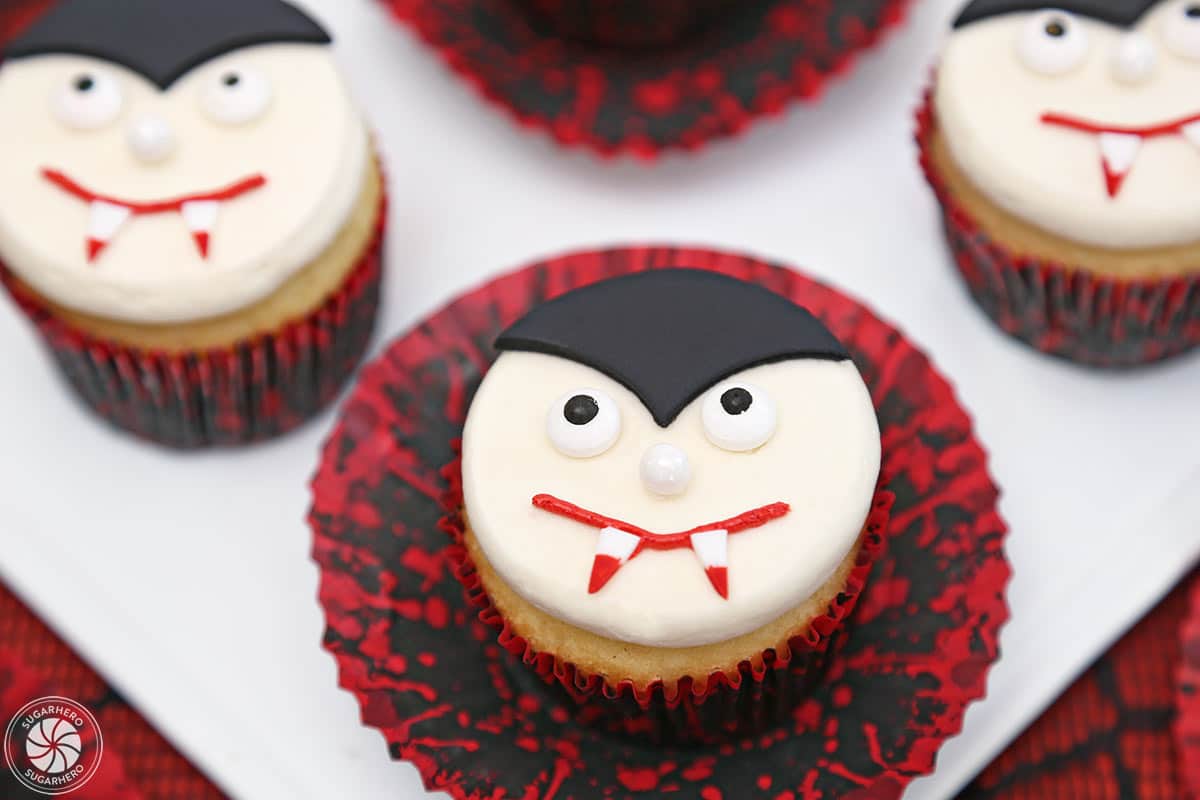
The culinary landscape for Halloween celebrations is set to be enlivened by the introduction of the creatively designed Vampire Cupcakes, a delightful fusion of confectionery artistry and seasonal festivity. This innovative dessert aims to capture the imagination of both children and adults, offering a visually striking and deliciously appealing option for Halloween gatherings. The creation of these unique cupcakes hinges on the skillful application of buttercream, fondant, and various candies, transforming simple cupcakes into charming, albeit spooky, vampire characters. This development signifies a growing trend in themed baking, where intricate designs and thematic coherence are becoming increasingly paramount for seasonal events.
The Rise of Themed Confectionery for Celebrations
The practice of creating specially decorated foods for holidays and celebrations is a deeply ingrained cultural tradition. Halloween, in particular, has seen a significant evolution in its culinary offerings, moving beyond simple pumpkin-spiced flavors to embrace elaborate and imaginative designs. The Vampire Cupcake exemplifies this trend, leveraging popular cultural icons like vampires to create a memorable and shareable food experience. This focus on visual appeal not only enhances the festive atmosphere but also taps into the growing social media culture, where visually engaging food is often celebrated and shared. The demand for such creative treats has spurred innovation within the baking community, encouraging bakers to explore new techniques and materials to bring their thematic visions to life.
Crafting the Perfect Vampire Cupcake: Ingredients and Techniques
The creation of the Vampire Cupcakes relies on a strategic combination of accessible ingredients and straightforward decorating techniques. At its core, the recipe calls for prepared cupcakes, which can be made from scratch or, for added convenience, from a preferred cake mix. The foundational element for the vampire’s visage is a smooth layer of homemade buttercream frosting. This serves as the canvas upon which the character’s features are meticulously crafted.
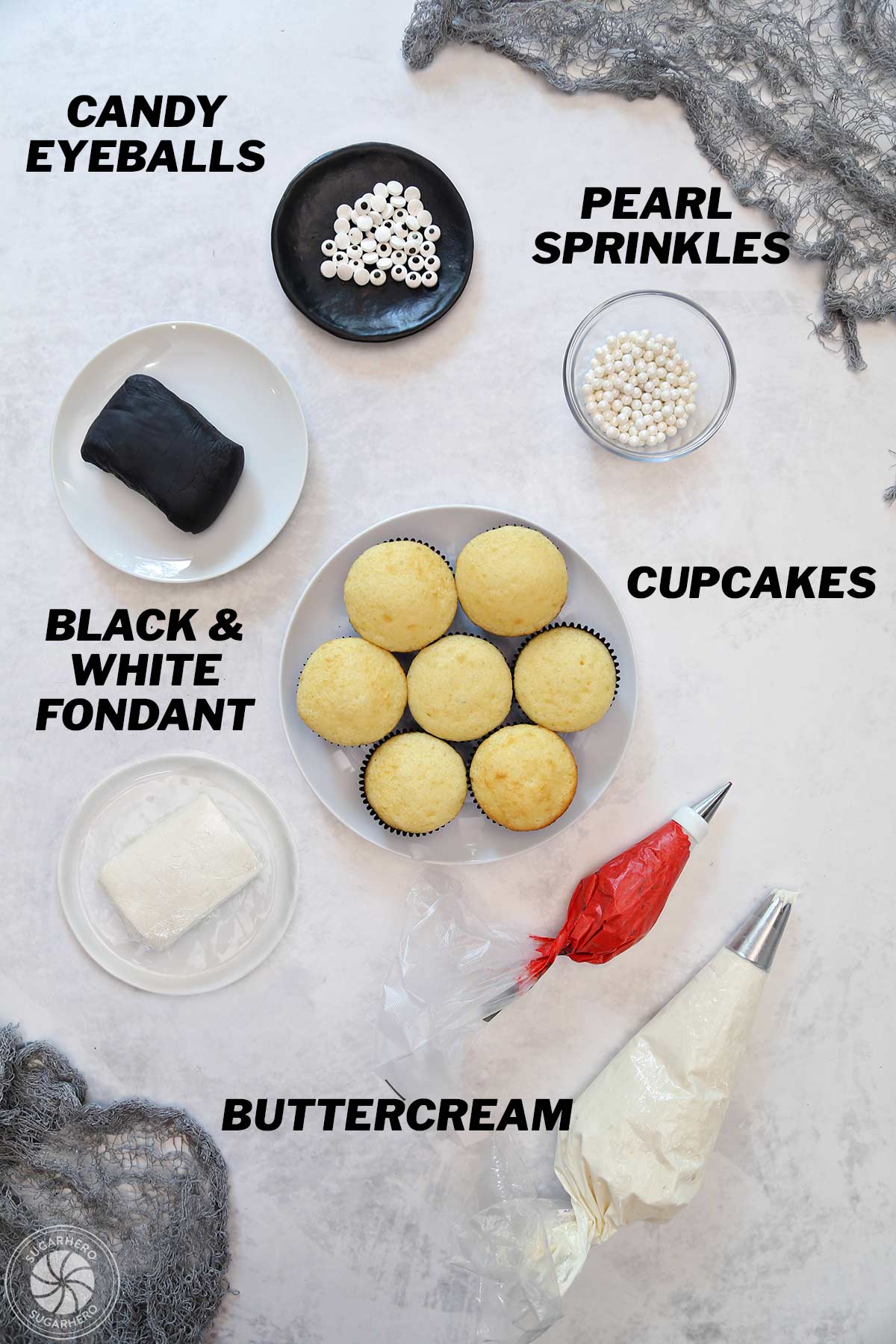
The transformative elements of the design are primarily derived from fondant and an assortment of candies. Fondant, a pliable sugar paste, is expertly manipulated to form the iconic elements of a vampire’s appearance, such as slicked-back hair and piercingly white fangs. Candies are strategically employed to add defining characteristics, such as eyes or a nose, completing the transformation of the cupcake into a miniature vampire. The recipe emphasizes that while shortcuts like using a cake mix are encouraged for ease, homemade frosting provides a superior texture and flavor. For those seeking inspiration beyond the basic cupcake, a curated list of complementary cupcake recipes is available, offering a wider spectrum of flavor profiles to complement the decorative theme.
Essential Components for Vampire Cupcakes
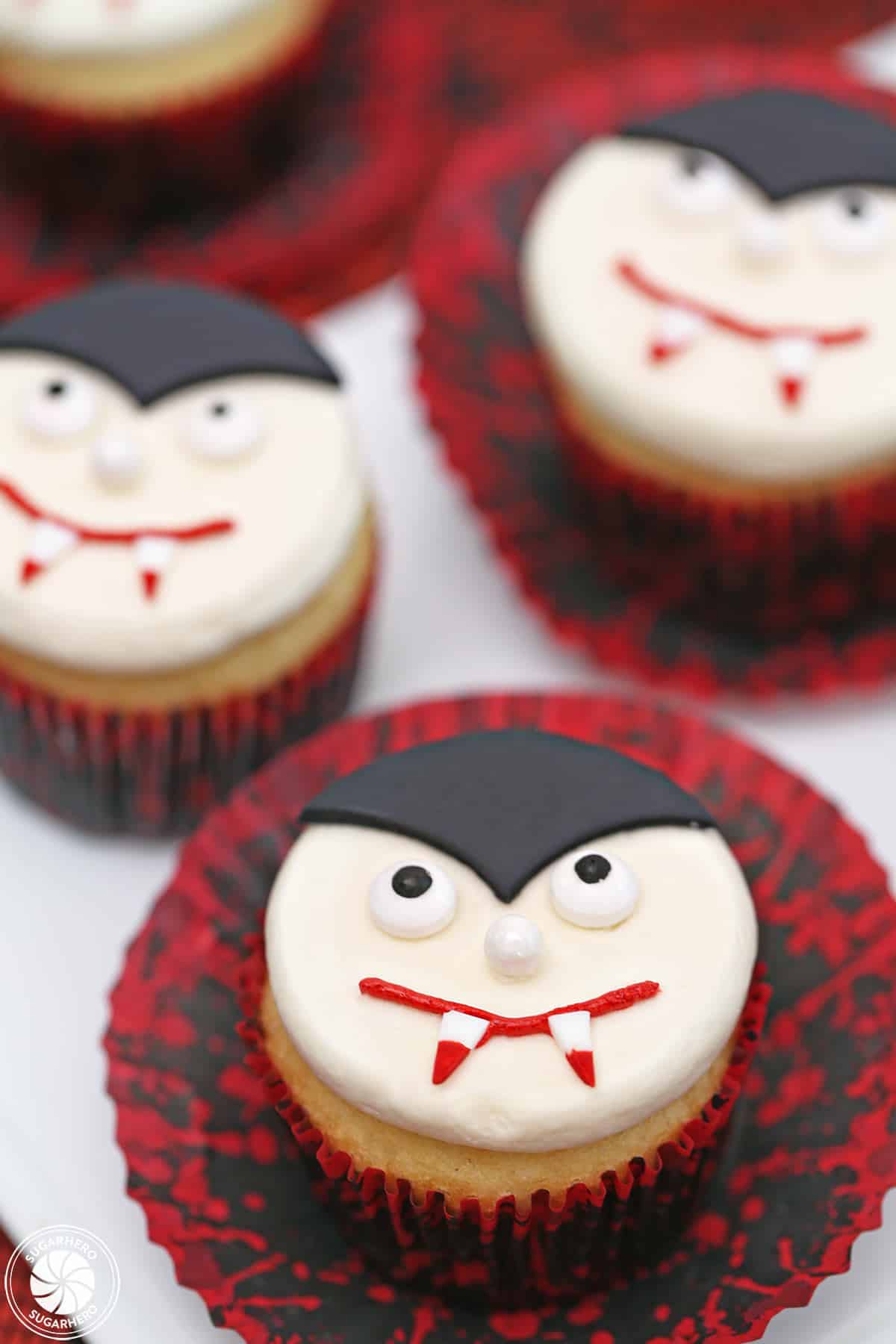
To achieve the desired aesthetic and taste, a specific set of ingredients and equipment is recommended. The foundational elements include:
-
For the Cupcakes and Frosting:
- Prepared cupcakes of choice (homemade or cake mix)
- Ingredients for homemade frosting (e.g., butter, powdered sugar, vanilla extract, milk or cream)
-
For the Decorations:
- Black fondant for hair and capes
- White fondant for fangs and eyes
- Red food coloring for a "bloody" effect on teeth or lips
- Candy eyeballs or small candies for pupils
- Optional: Red sprinkles or edible glitter for added flair
Recommended Equipment for Enhanced Decoration
While many of the decorative elements can be achieved with basic kitchen tools, certain equipment can streamline the process and elevate the final presentation:
- Piping Bags and Tips: Essential for creating smooth, consistent frosting applications and intricate details.
- Fondant Rolling Pin: Ensures even thickness when preparing fondant for cutting.
- Small Round Cutters: Ideal for shaping the base of the vampire’s head.
- Sharp Knife or Fondant Cutter: For precise cutting of fondant shapes, particularly the fangs.
- Tweezers: Useful for delicate placement of small candy elements.
- Parchment Paper: For a non-stick surface when flattening frosting.
The Creative Process: A Step-by-Step Guide
The creation of Vampire Cupcakes is presented as an accessible, step-by-step process, designed to be manageable even for novice bakers. The tutorial emphasizes a methodical approach, ensuring each component contributes to the overall visual impact.
Step 1: Frosting the Cupcakes
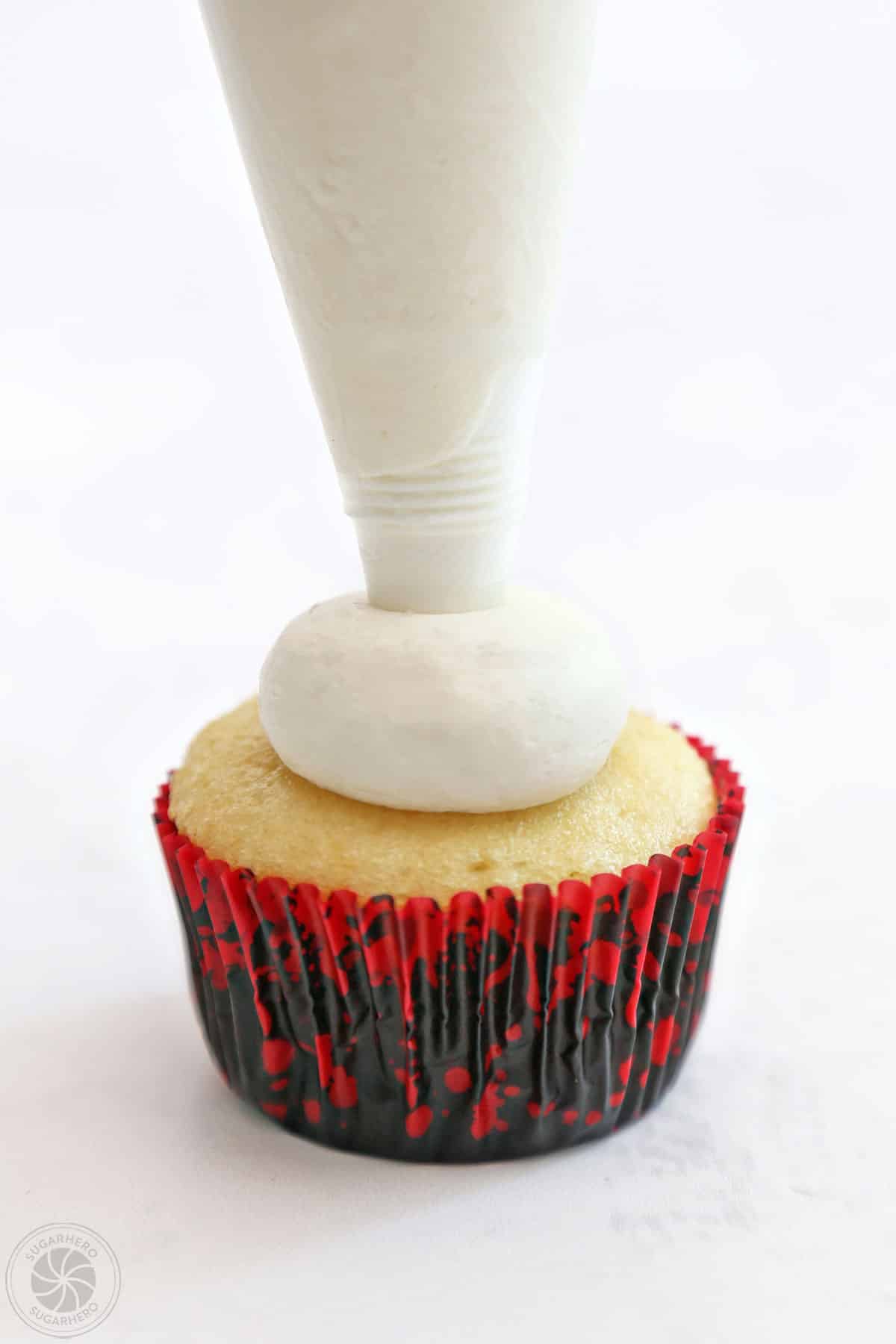
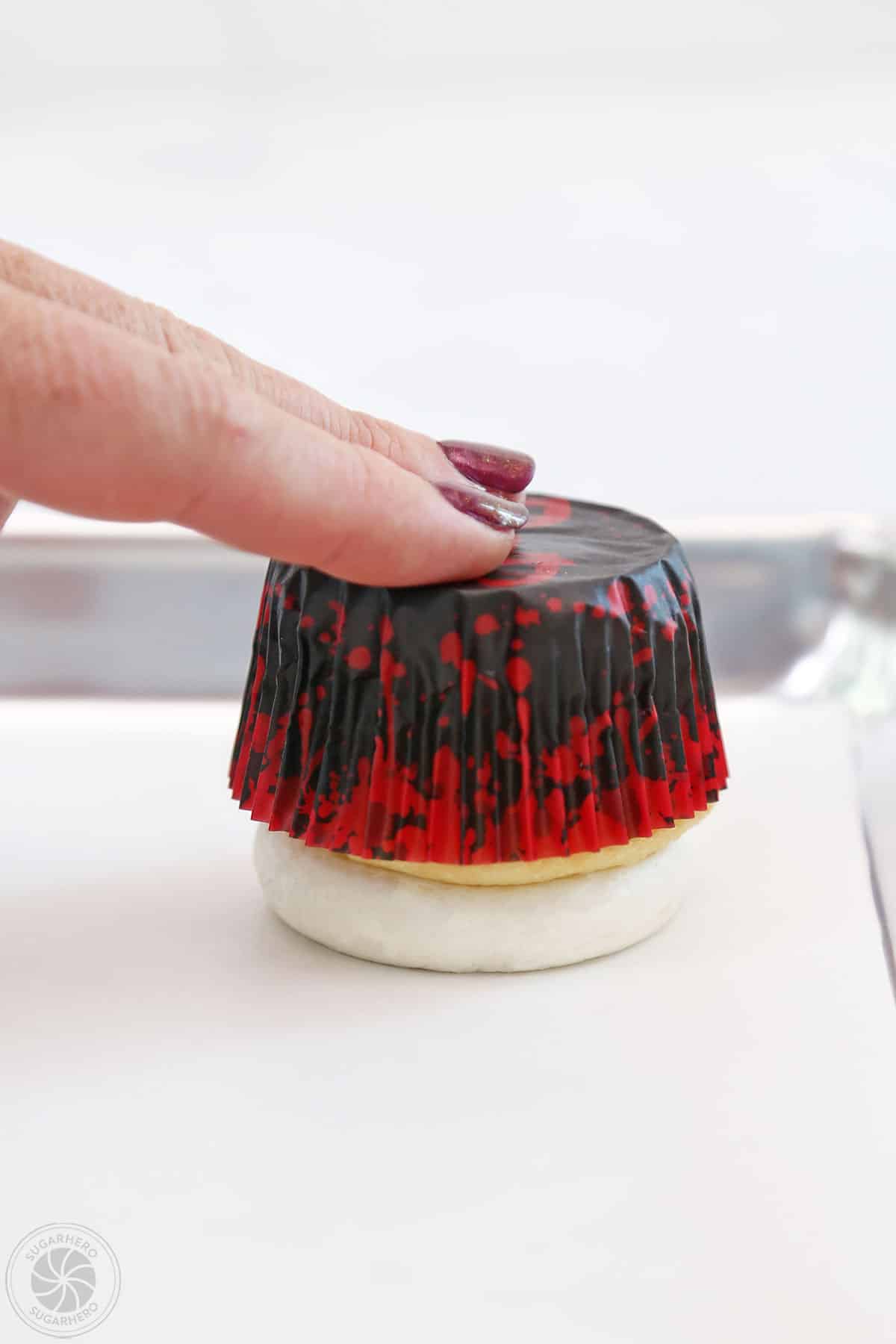
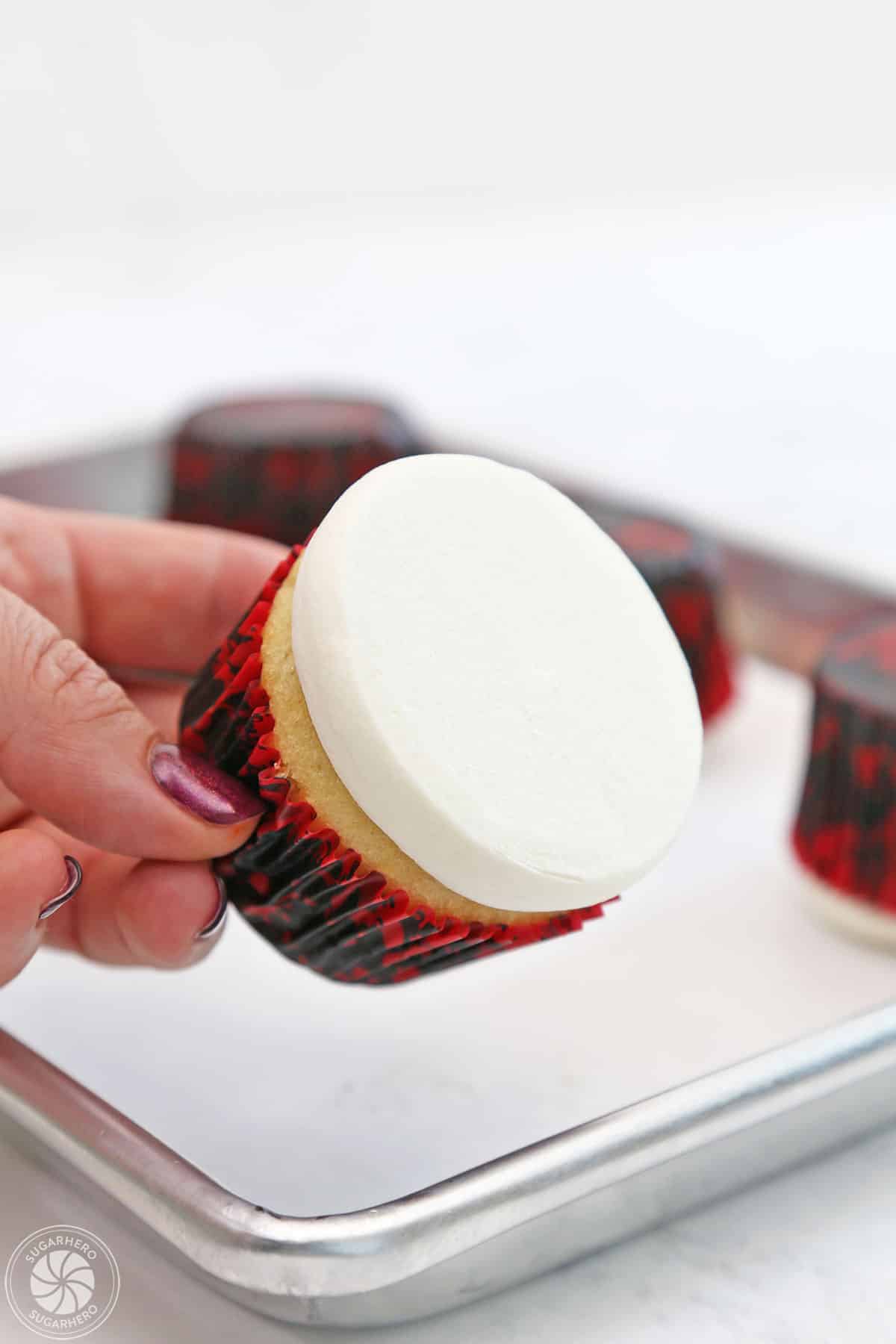
The initial stage involves frosting the prepared cupcakes. A generous dollop of buttercream is applied to the top of each cupcake. To create a smooth, flat surface suitable for decorating, the frosted cupcake is gently pressed onto a piece of parchment paper. This technique ensures an even base, essential for the subsequent application of fondant features. The flattened frosting layer acts as an adhesive and a stable platform for the decorative elements.
Step 2: Crafting the Vampire’s Hair
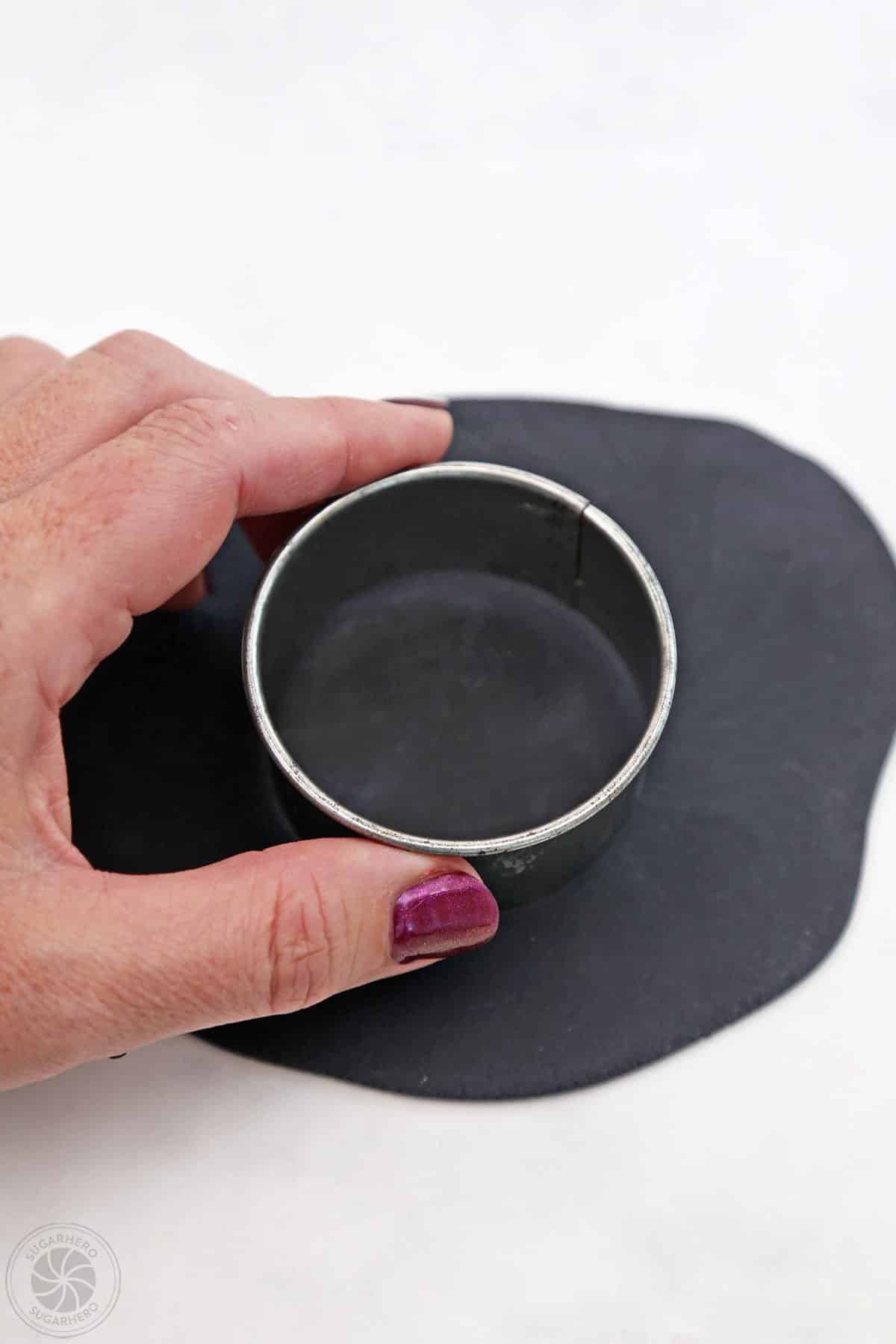
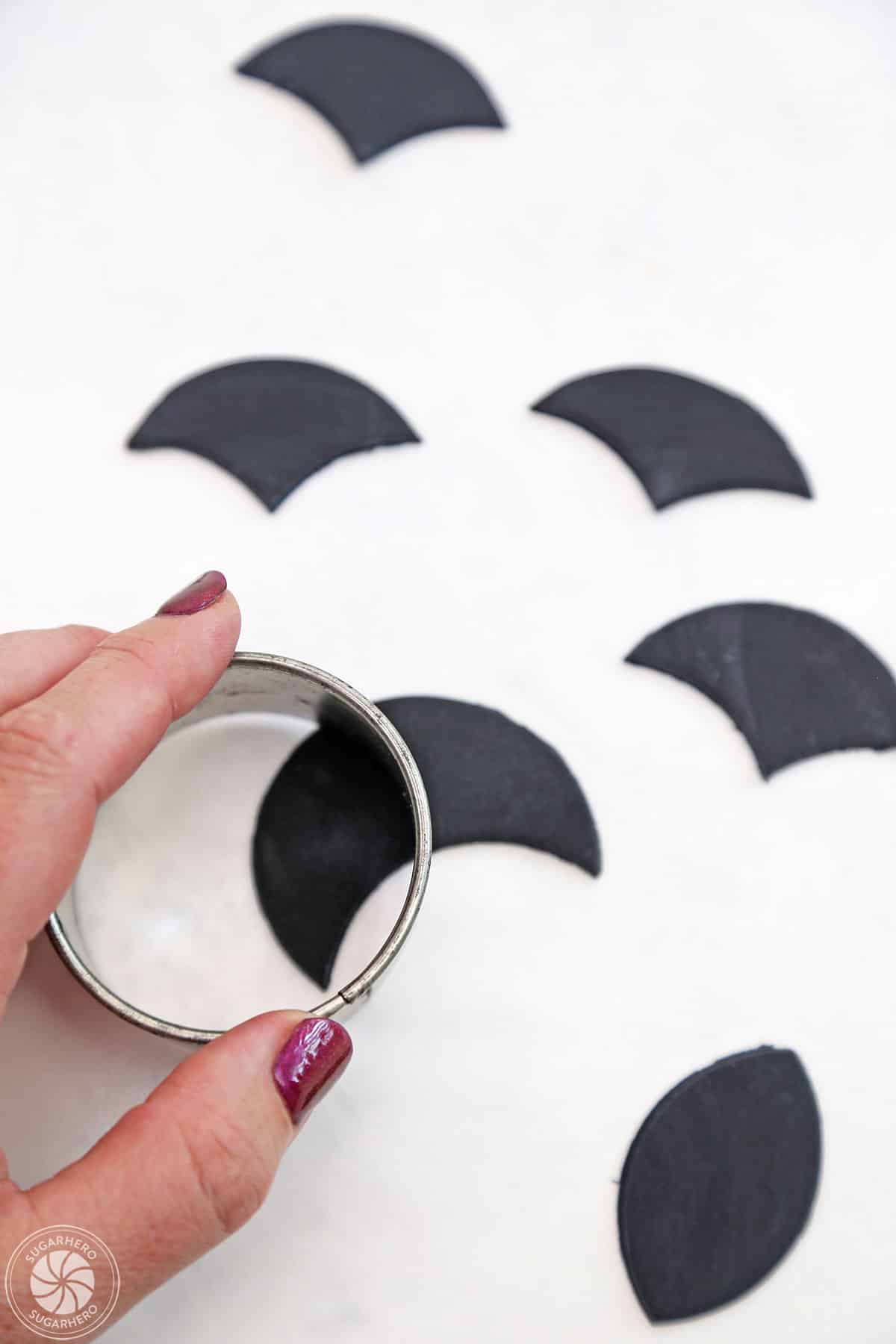
The distinctive hairstyle of the vampire is ingeniously created using black fondant. The fondant is first rolled out to a uniform thickness. A circular cutter, approximately the size of the cupcake’s top, is then used to create the base shape of the vampire’s head. This fondant circle is then carefully placed atop the flattened buttercream. For the hair, thin strands of black fondant are artfully arranged around the perimeter of the fondant circle, mimicking a classic vampire hairstyle. This layer provides the dark, lustrous hair that frames the vampire’s face.
Step 3: Fashioning the Fangs
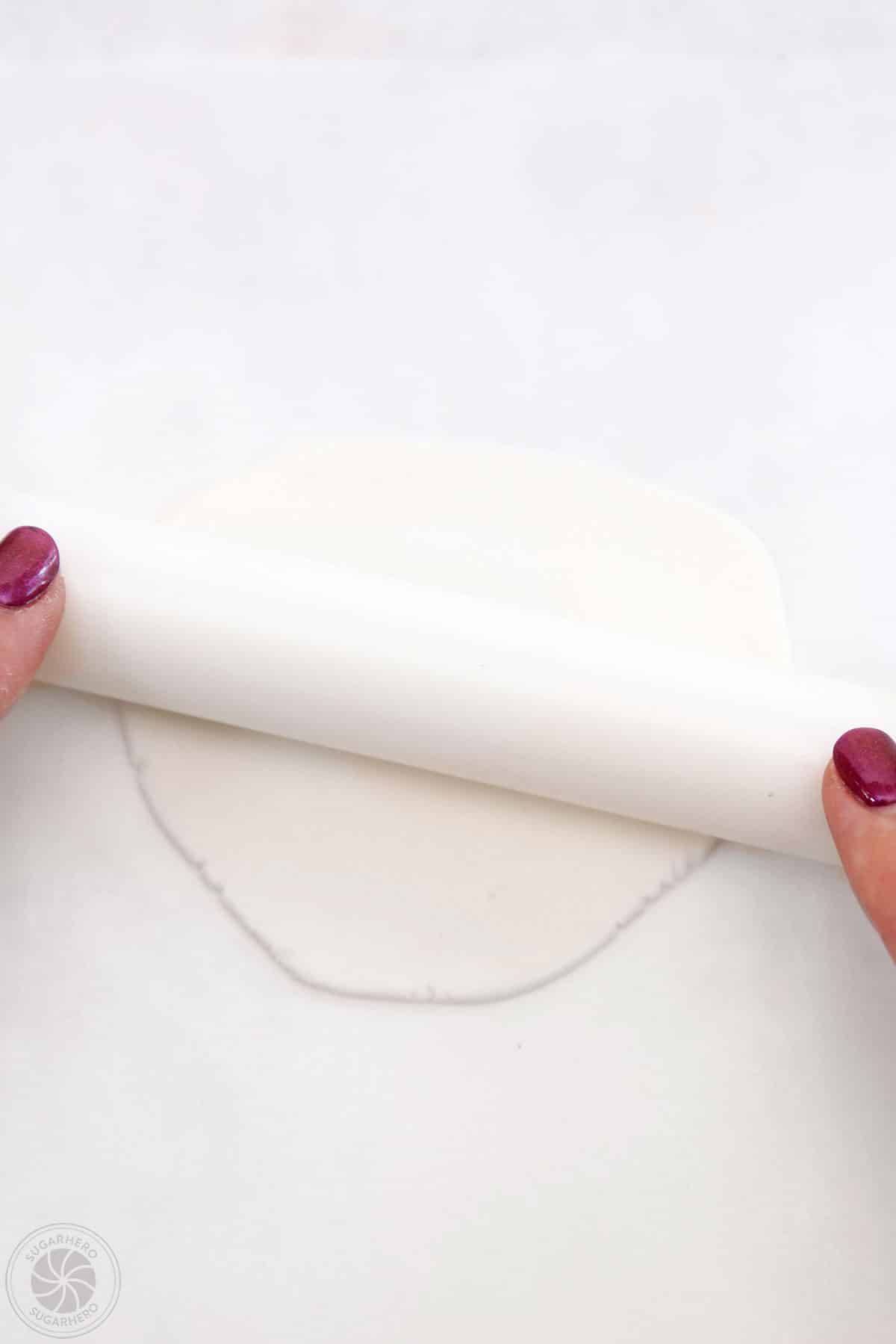
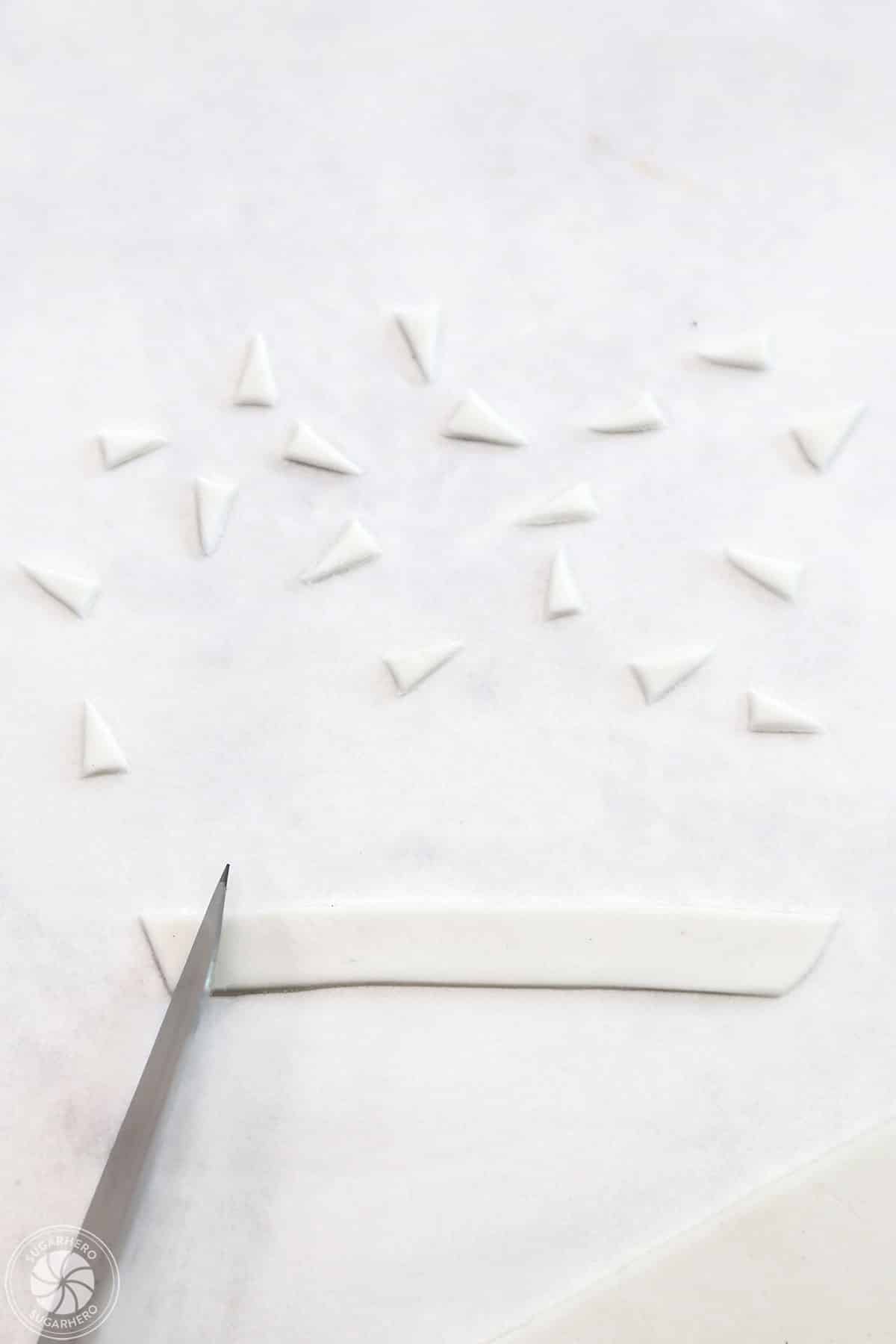
The iconic vampire fangs are a crucial element of the design. White fondant is rolled out and then carefully cut into small, triangular shapes. To enhance the spooky realism, these fondant triangles can be lightly dipped in red food coloring, creating the illusion of dripping blood. These "bloody" fangs are then strategically placed at the bottom edge of the fondant head, peeking out as if ready to sink into their next victim.
Step 4: Assembling the Vampire’s Face
With the hair and fangs in place, the focus shifts to completing the vampire’s facial features. Small candy eyeballs, or alternative candies used for pupils, are pressed into the fondant to create the eyes. For the nose, a small piece of candy or a carefully shaped piece of fondant can be used. Finally, a thin line of red frosting is piped below the eyes to represent a sinister smile, completing the transformation of the cupcake into a recognizable vampire character. The combination of these elements creates a charming and slightly menacing visage, perfectly embodying the Halloween spirit.
Tips for Success and Storage
To ensure the best results, several practical tips and considerations are provided.
Adjusting Buttercream Consistency
The texture of buttercream can be influenced by various environmental factors, including the brand and temperature of the butter, as well as the ambient kitchen temperature. Bakers are encouraged to be flexible and adjust the consistency as needed. If the frosting is too stiff, a small amount of milk or water can be added to loosen it. Conversely, if it is too thin, incorporating more powdered sugar gradually will achieve the desired thickness. This adaptability ensures a workable frosting that can be easily piped and shaped.
Alternatives to Piping Bags
For those who may not have specialized piping bags and tips, a practical alternative is to use resealable plastic bags. By cutting a small corner off the bag, a makeshift piping tool can be created, allowing for the application of frosting with reasonable precision. This readily available solution makes the decorating process accessible to a wider audience.
Make-Ahead Strategies
To facilitate preparation for Halloween parties, the Vampire Cupcakes can be partially made in advance. The buttercream frosting can be prepared up to a week ahead of time. It should be stored in an airtight container with plastic wrap pressed directly onto its surface to prevent crusting. Before use, the frosting should be brought to room temperature and then whipped on medium speed until it regains its light and creamy texture. Similarly, baked and cooled cupcakes can be frozen in airtight containers. They should be thawed at room temperature before decoration to maintain their optimal texture.
Storage Information
Once decorated, the Vampire Cupcakes can be stored in an airtight container at room temperature for two to three days. For longer storage, they can be kept in the refrigerator for up to a week. It is advisable to allow refrigerated cupcakes to return to room temperature before serving to ensure the best taste and texture.
Broader Implications and Culinary Trends
The popularity of intricately decorated, themed treats like Vampire Cupcakes highlights several significant trends in the modern food landscape. Firstly, it underscores the increasing importance of visual appeal in food consumption, driven in part by social media platforms. Recipes that are visually striking are more likely to be shared, generating buzz and influencing purchasing decisions. Secondly, it reflects a growing consumer interest in hands-on culinary activities and the desire for unique, personalized experiences. The ability to recreate such themed desserts at home allows individuals to participate actively in the festive spirit of holidays like Halloween.
Furthermore, the success of these types of recipes encourages innovation within the baking industry. Bakeries and home-based businesses are increasingly focusing on creating visually impressive and thematically aligned products to meet consumer demand. This has led to advancements in decorating techniques, the development of specialized tools and ingredients, and a greater emphasis on the "experience" of food, beyond mere sustenance. The Vampire Cupcake, therefore, is not just a confection; it is a symbol of a broader cultural shift towards celebratory, experiential food consumption, particularly during key cultural moments like Halloween. The market for such items is substantial, with seasonal treats often experiencing significant sales spikes, demonstrating a clear economic incentive for continued creativity in this area. The ability to adapt popular cultural figures into edible art forms ensures their enduring appeal and continued relevance in the marketplace.