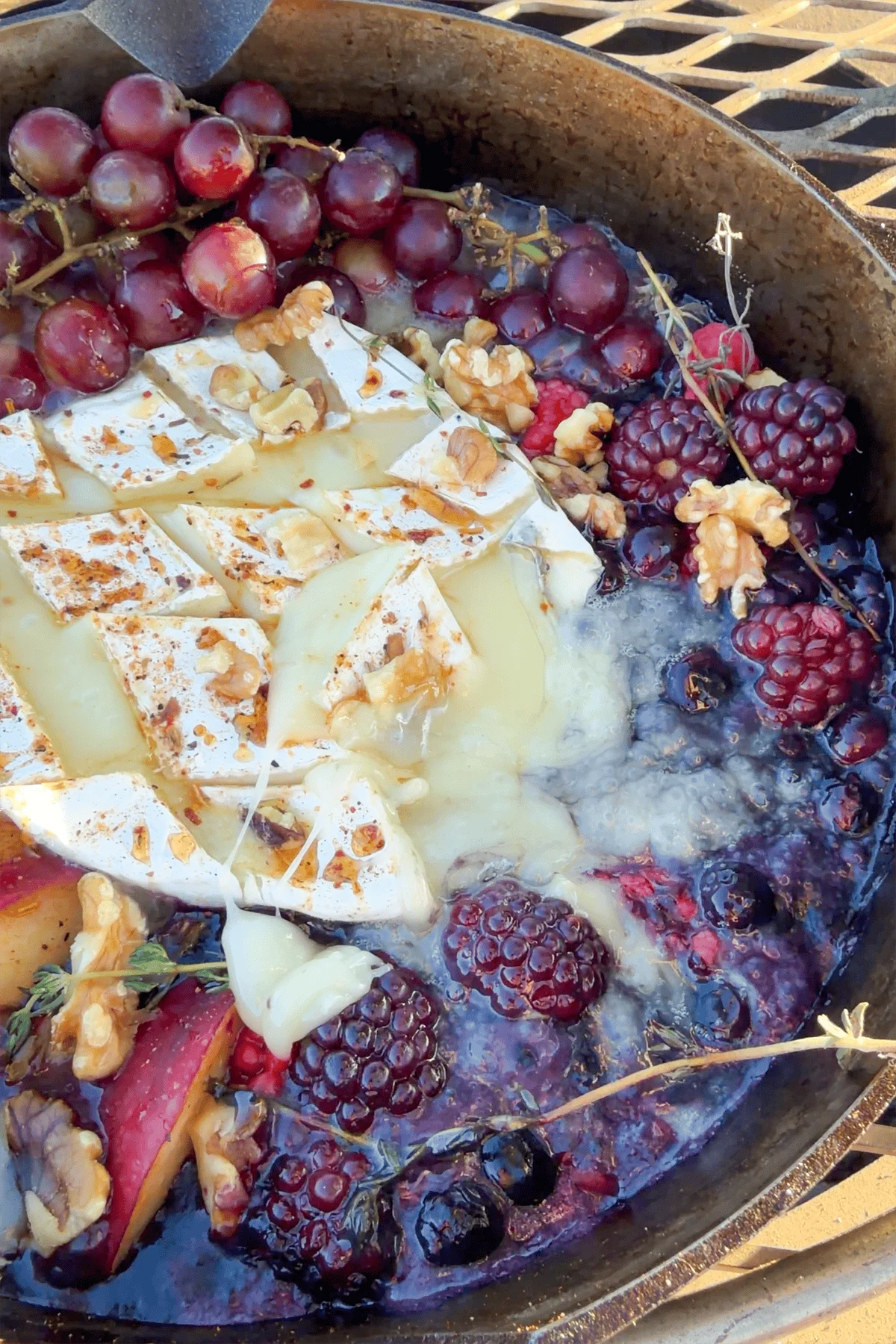
For those who have yet to experience the alchemy of melting a whole wheel of brie over a live fire, a truly accessible yet remarkably impressive outdoor culinary adventure awaits. The campfire brie dip, a dish that comes together in under 20 minutes within the sturdy confines of a cast iron skillet, offers a harmonious blend of gooey cheese, caramelized fruit, a whisper of hot honey, and perfectly grilled bread for dipping. It’s a dish that artfully projects a level of effort far exceeding its actual preparation, making it an ideal appetizer for gatherings and a reliable showstopper for any outdoor cook.
This particular recipe has evolved through a process of refinement, with initial missteps leading to a perfected method that has become a go-to for its creator whenever a fire is lit and a conversation-stopping dish is required. The core concept revolves around the primal appeal of live-fire cooking, where minimal preparation meets the transformative power of heat and cast iron. While a crackling campfire offers an unparalleled ambiance, the technique is equally effective on a charcoal grill, proving that the essence of this dish lies in its rustic simplicity and communal nature.
At a Glance: Mastering the Campfire Brie Dip
Before igniting the coals, understanding the fundamental elements of this recipe is key. The dish hinges on the careful selection of ingredients and a precise, yet straightforward, cooking process.
- The Star Ingredient: A whole wheel of brie cheese, typically ranging from 8 to 16 ounces, forms the creamy heart of the dip. The rind is intentionally left intact, serving as a natural, edible vessel that contains the molten cheese as it heats.
- The Supporting Cast: Complementary ingredients are crucial for building flavor and texture. These often include seasonal fruits, a drizzle of hot honey for a sweet and spicy kick, aromatic herbs, and crunchy nuts.
- The Vessel: A cast iron skillet is indispensable. Its ability to retain and distribute heat evenly is critical for achieving the perfect melt without scorching.
- The Heat Source: Medium, steady heat from charcoal or well-established campfire embers is ideal. Excessive heat can lead to a burnt exterior before the cheese is adequately melted.
- The Accompaniment: Crusty bread, such as baguette slices, lightly grilled or toasted, provides the perfect vehicle for scooping up the molten cheese.
What Exactly Is Campfire Brie Dip?

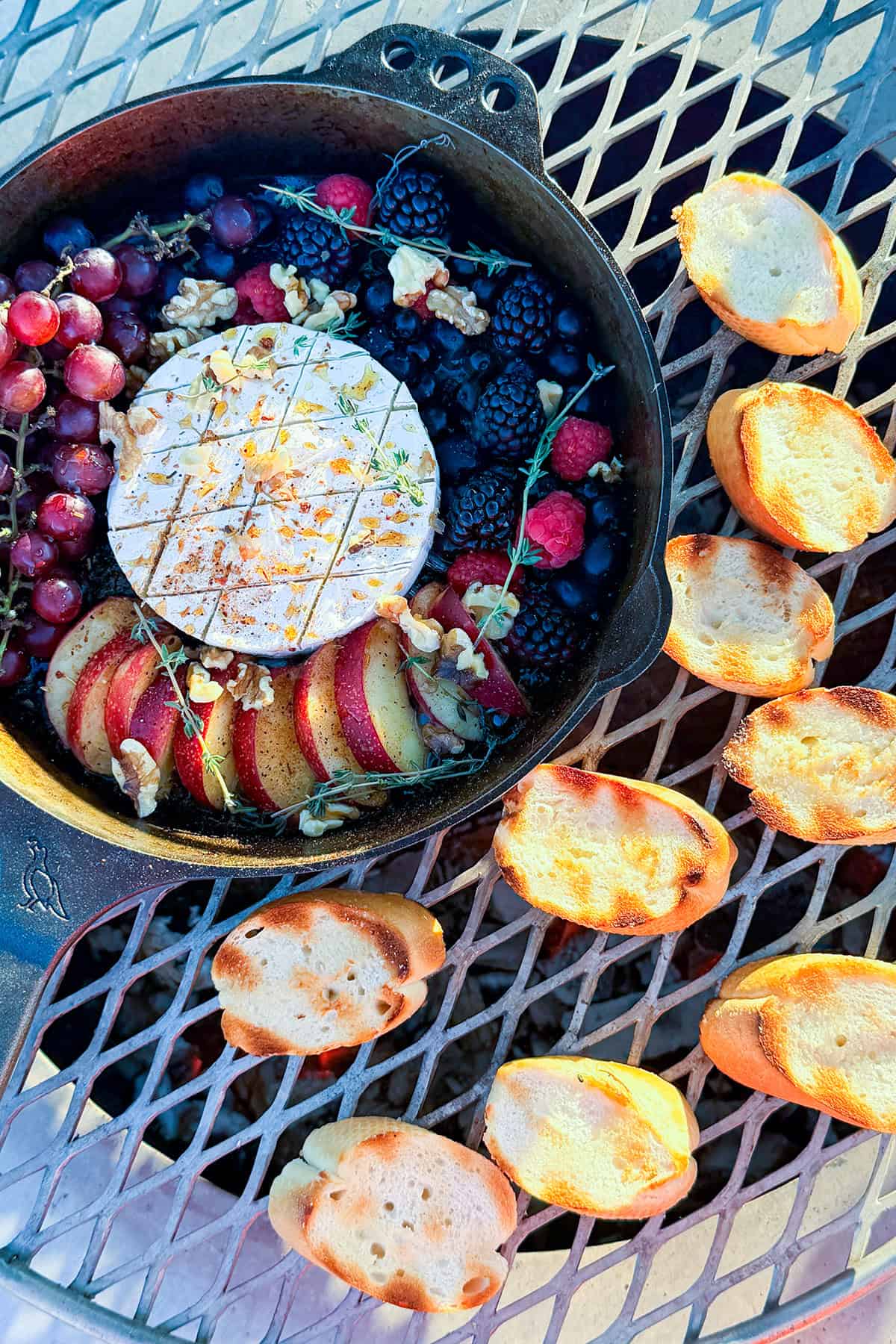
Campfire brie dip is a sophisticated yet unpretentious appetizer that centers on a whole wheel of brie cheese, rind and all, gently melted in a cast iron skillet over an open flame or hot coals. The natural integrity of the brie rind acts as a charming container, preventing the cheese from becoming a liquid puddle while its interior transforms into a warm, luscious, and irresistible dip. Surrounding the brie, fruits are arranged to soften and caramelize, while a drizzle of hot honey adds a touch of sweetness and heat. Fresh herbs and nuts are scattered across the top, infusing the dish with aromatic complexity and textural contrast.
This dish is distinct from fondue, which requires constant stirring and often a double boiler, and also from baked brie en croute, which involves encasing the cheese in pastry. Campfire brie dip stands apart in its direct, elemental preparation. It is rustic, kissed by the flames, and inherently designed for sharing, served directly from the skillet. Its genesis lies in the principles of live-fire cooking, where the beauty of simplicity and the efficacy of durable cookware like cast iron take center stage. The experience of preparing and consuming this dish outdoors imbues it with an intangible quality, enhancing its already delightful flavors.
A Deeper Dive into the Ingredients and Preparation
The beauty of the campfire brie dip lies in its adaptability and the opportunity for personalization. While a foundational recipe exists, the choice of fruits, herbs, and nuts can be tailored to seasonal availability and personal preference.
Key Ingredients:
- Brie Cheese: Opt for a good quality brie, preferably one with a bloomy rind. The size of the wheel will influence cooking time and serving capacity.
- Fruits: Berries such as blueberries, raspberries, and blackberries are excellent choices as they cook down quickly and their juices meld beautifully with the cheese. Sliced stone fruits like peaches and plums are delightful in warmer months. Grapes, removed from their stems, offer a burst of sweetness. It’s advisable to avoid overly watery fruits or citrus, which can dilute the dip’s consistency.
- Sweetener: Hot honey is a popular choice for its dual sweet and spicy notes. A drizzle of regular honey, maple syrup, or agave nectar can also be used.
- Seasoning: A complementary spice rub or a simple blend of salt, pepper, and herbs can elevate the brie’s flavor profile. A savory rub adds a welcome counterpoint to the cheese’s richness.
- Herbs: Fresh herbs like thyme, rosemary, or sage, with their leaves stripped from the woody stems, add aromatic depth.
- Nuts: Toasted walnuts, pecans, or almonds provide a satisfying crunch.
The Art of Preparation: A Step-by-Step Guide
The process for creating this campfire masterpiece is designed for efficiency and minimal stress, allowing the cook to focus on enjoying the outdoor experience.
Step 1: Preparing the Heat Source
Begin by lighting your charcoal or preparing your campfire. The goal is to achieve medium, consistent heat. This means allowing charcoal to ash over or ensuring campfire embers are glowing steadily, not producing fierce flames. A heat that is too intense can scorch the bottom of the skillet before the cheese has had a chance to melt thoroughly, a common pitfall for novice outdoor cooks.
Step 2: Preparing the Brie
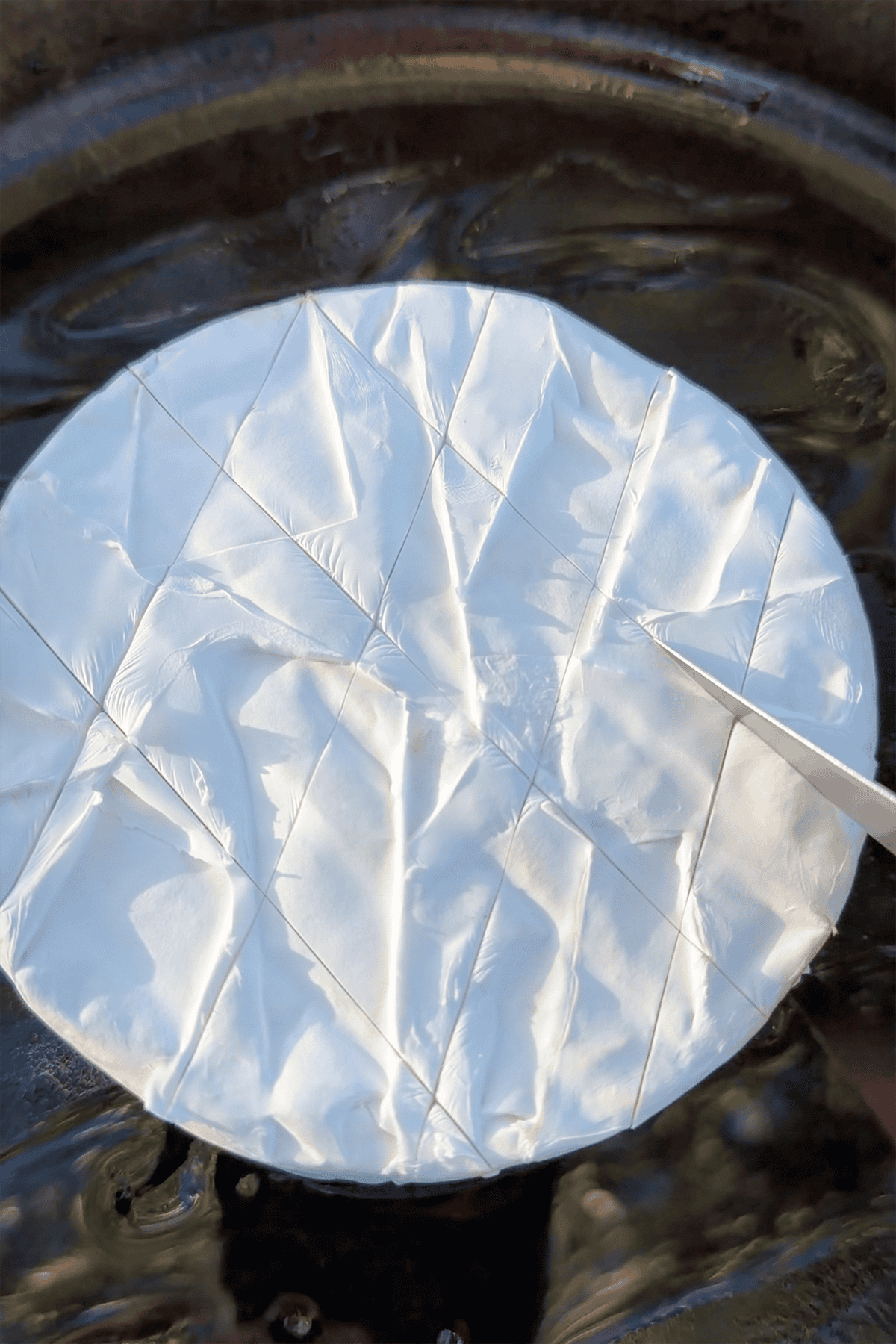
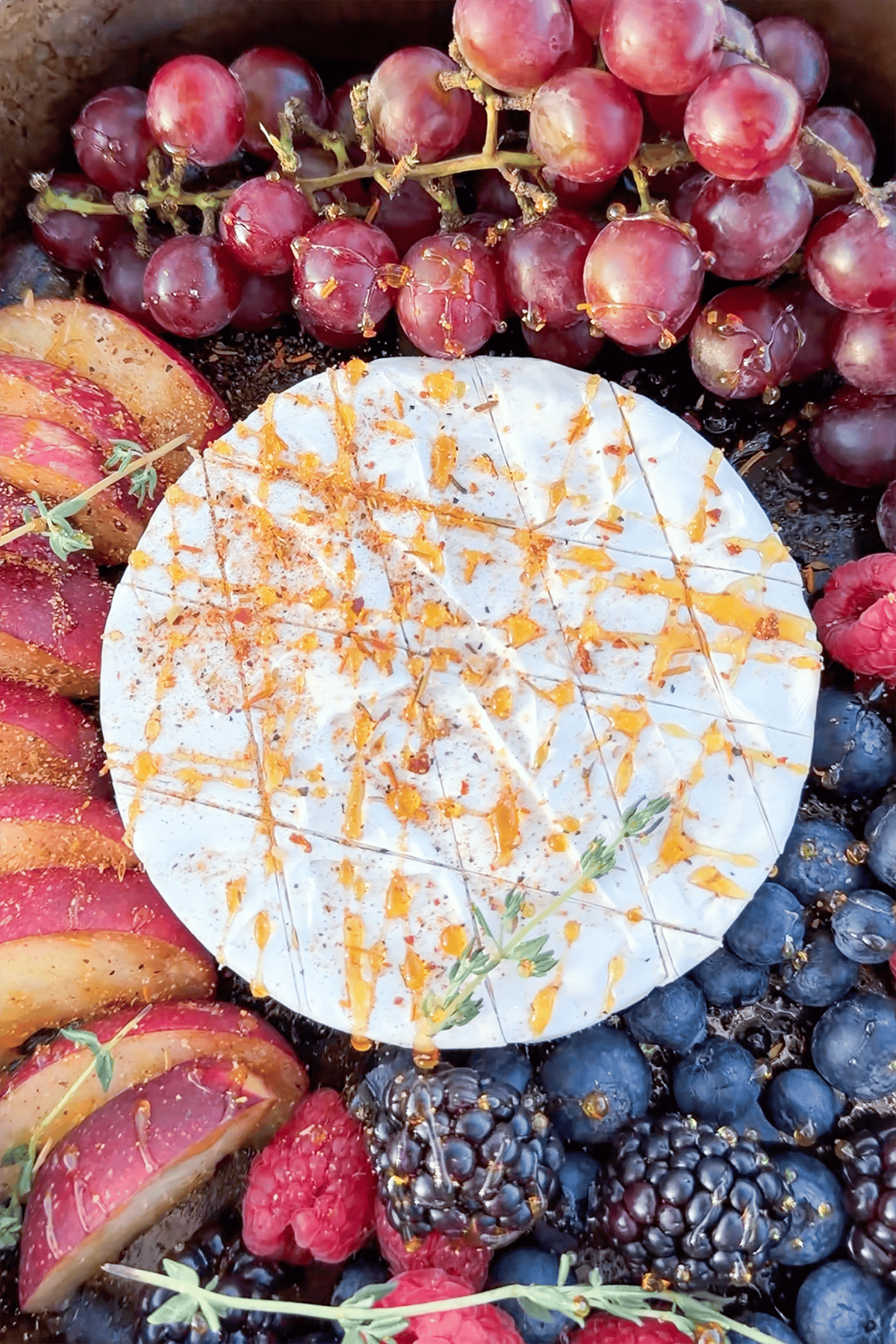
Lightly coat the inside of your cast iron skillet with olive oil. Place the entire wheel of brie in the center of the skillet. Using a sharp knife, score the top rind of the brie in a diamond pattern. It is crucial to cut deep enough to penetrate the rind, not merely scratch its surface. This scoring allows the cheese to expand and ooze outwards as it heats. Overly shallow scores will prevent the cheese from achieving its signature molten state.
Step 3: Assembling the Skillet
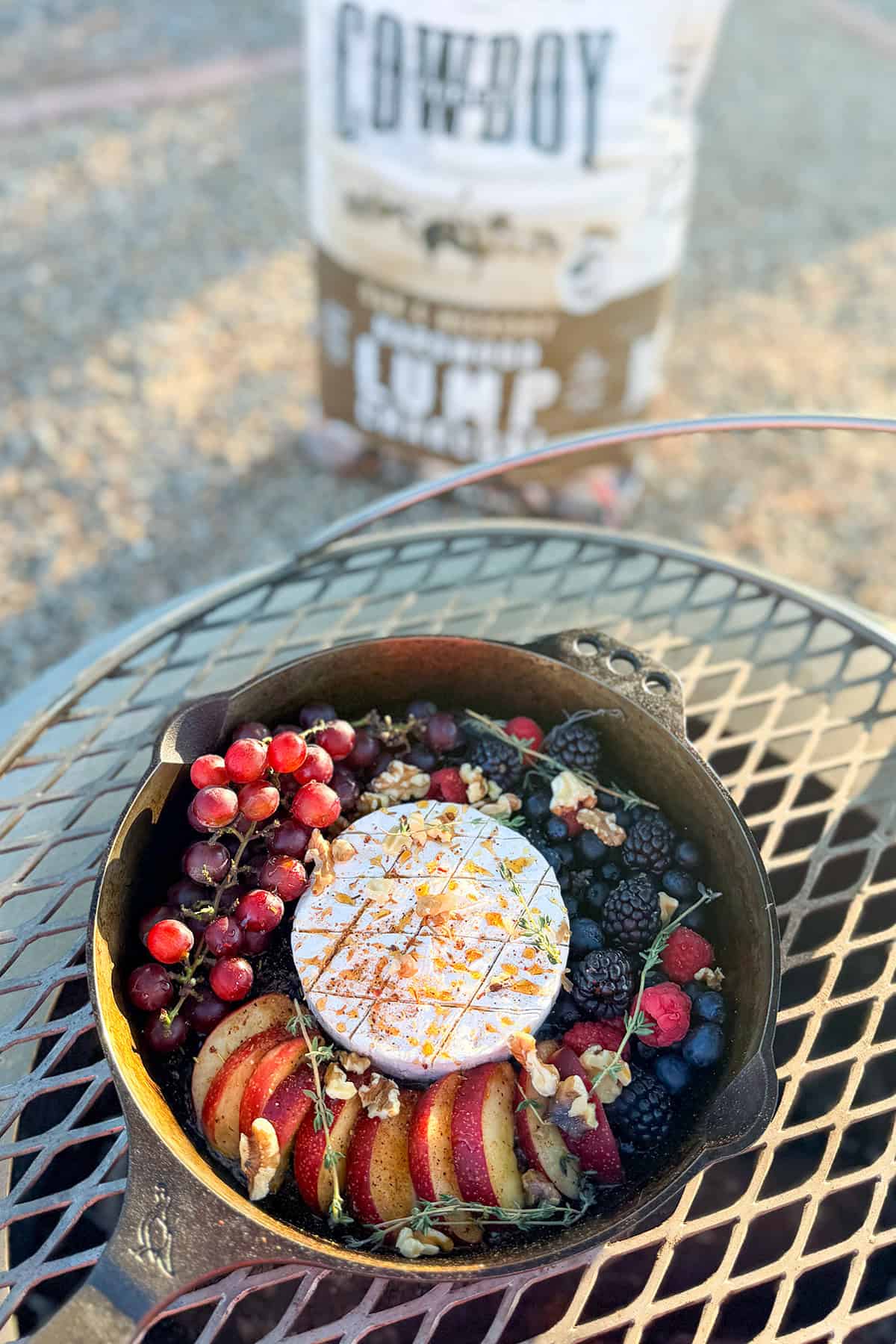
Arrange your chosen fruits around the brie in the skillet. If using grapes, ensure each one is detached from the vine; while visually appealing, grapes on the vine can impede dipping. Drizzle hot honey generously over the brie and fruits. Follow with a liberal sprinkling of your chosen rub or seasoning. This savory layer is essential to complement the mild richness of the brie. Finally, scatter the de-stemmed herb leaves and nuts over the entire concoction.
Step 4: The Transformative Heat
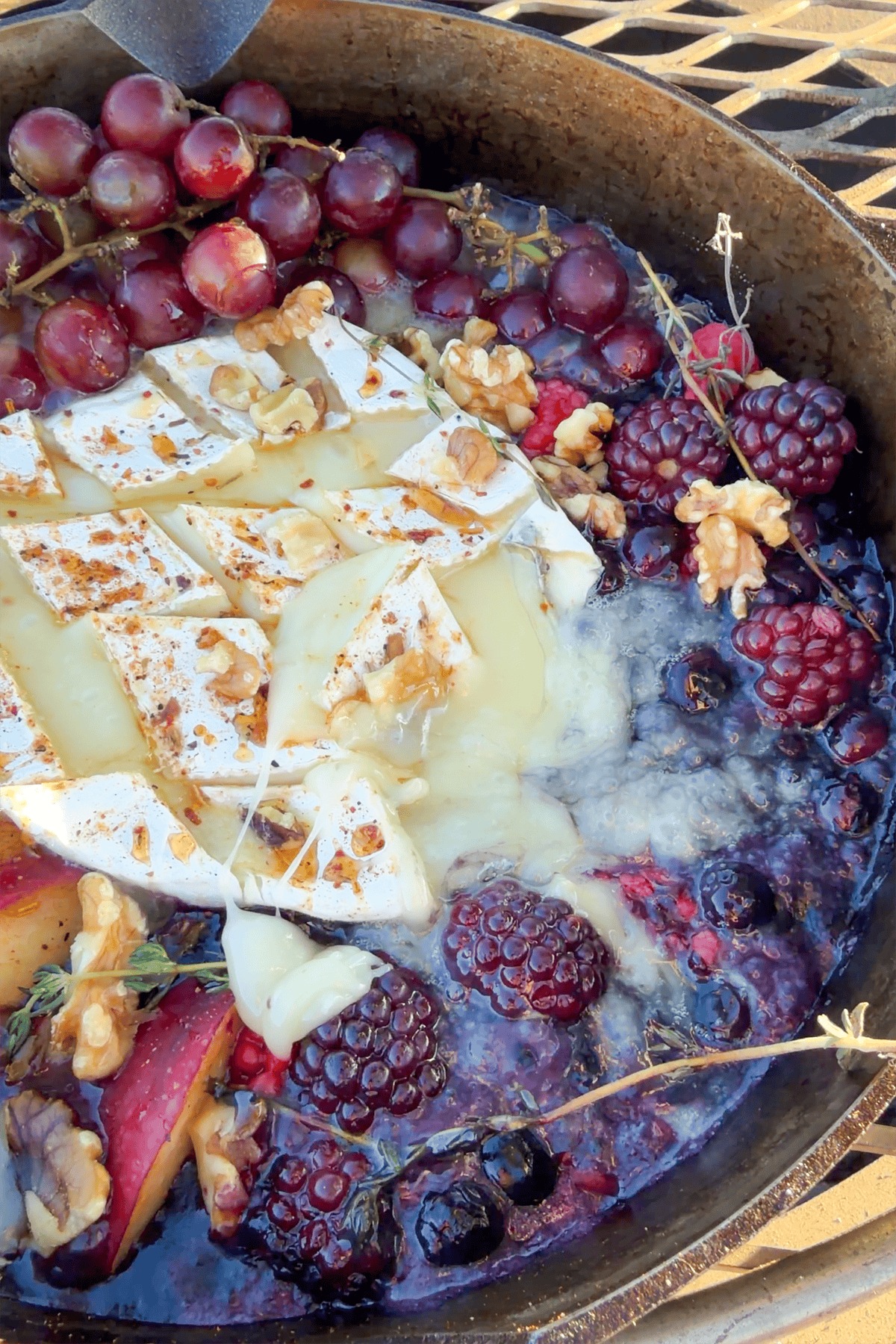
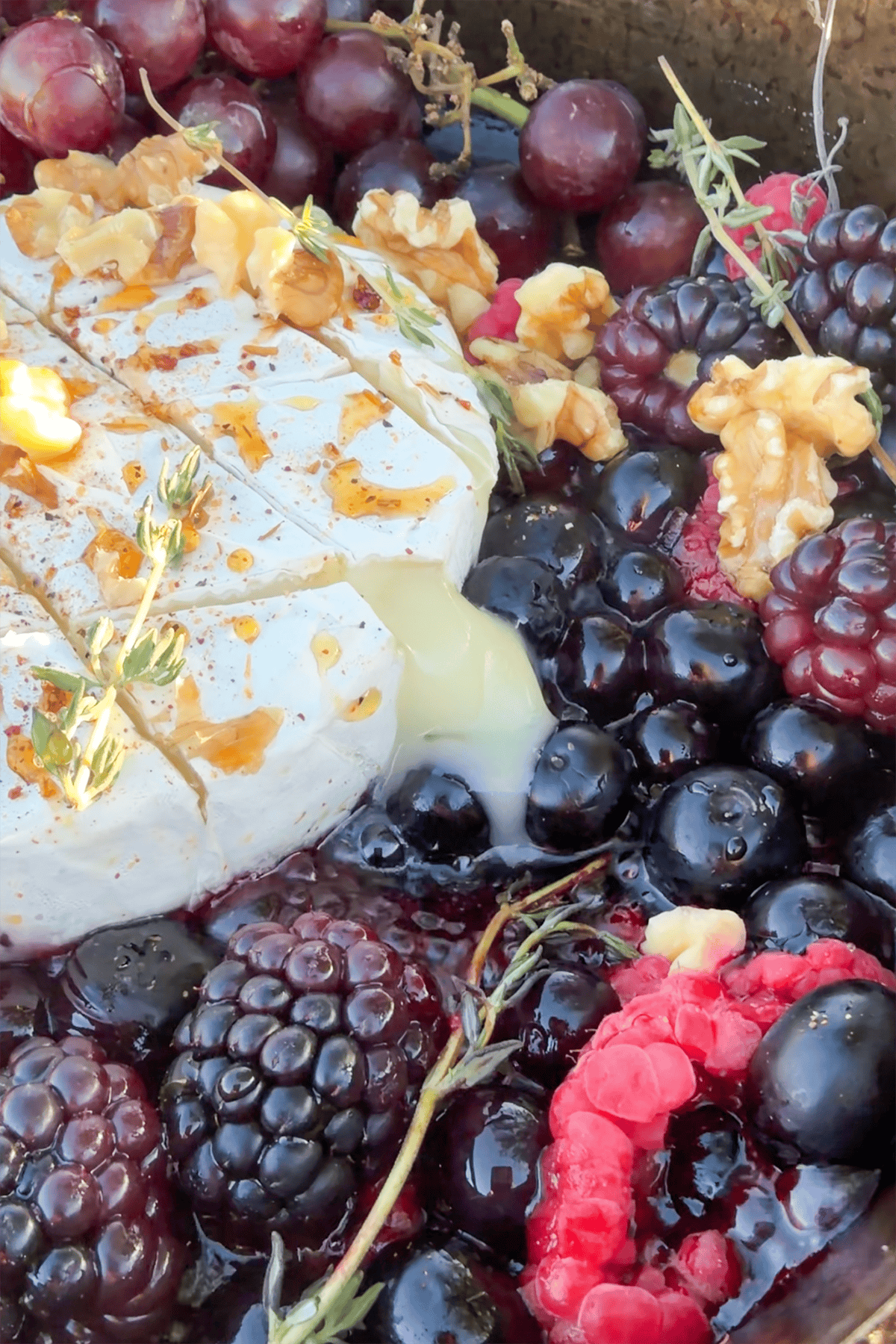
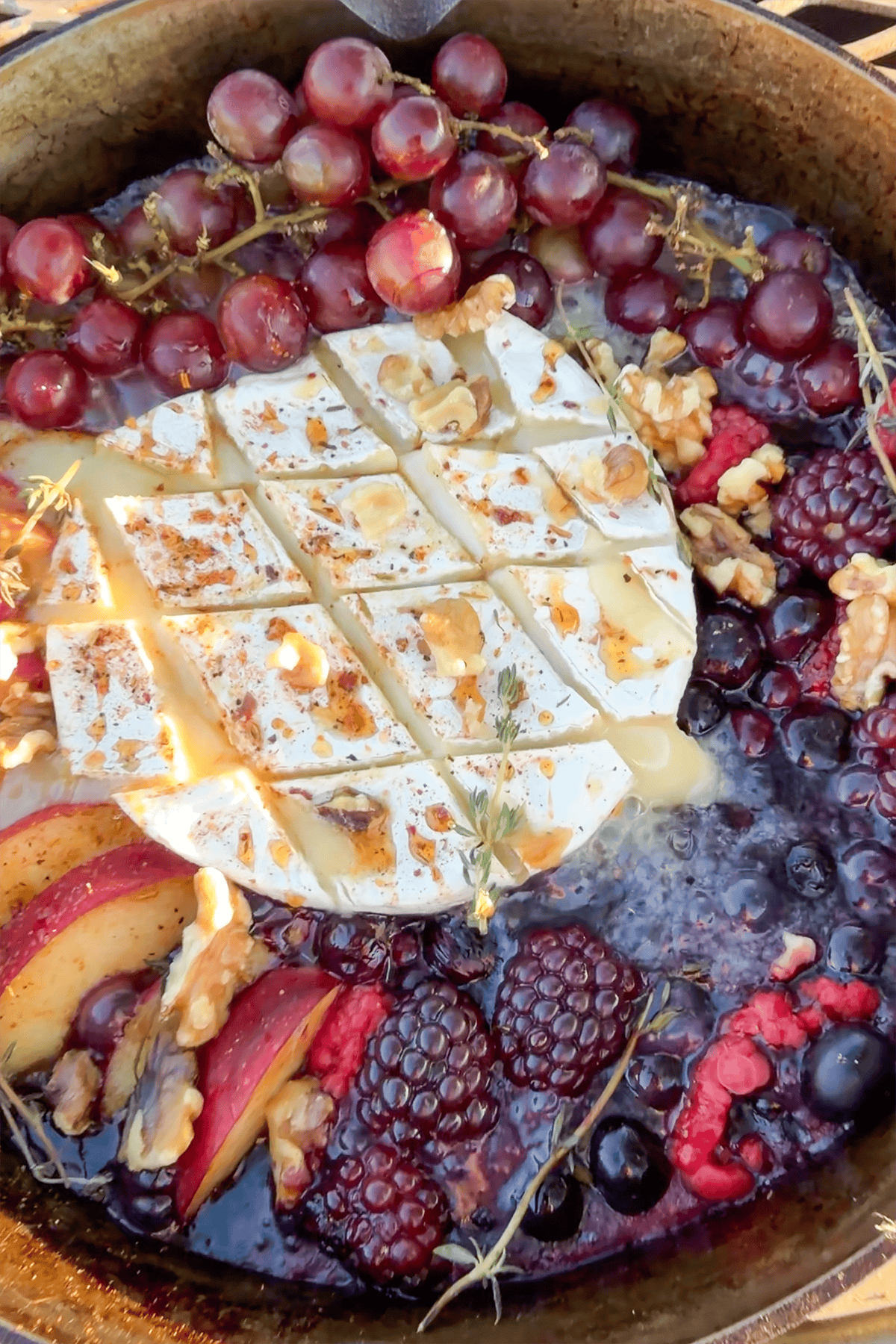
Place the assembled skillet directly onto the grill grates over the medium heat. There is no need to cover the skillet. The direct heat will work its magic, and you will begin to observe the rind starting to crack along the scored lines. As the diamonds of the rind pull apart, the cheese will become glossy and molten, and the fruits will begin to sizzle around the edges. This stage typically takes between 12 to 15 minutes, depending on the heat intensity.
Step 5: Grilling the Bread
While the brie is melting, prepare your dippers. Brush slices of baguette with olive oil on both sides. Place them directly on the grill grates and cook for approximately 30 to 60 seconds per side, until they achieve a golden-brown hue. A pinch of flaky sea salt applied immediately after grilling enhances their flavor.
Serving and Enjoyment
The campfire brie dip is meant to be enjoyed immediately. Present the hot skillet directly to the table. Guests can then spoon the molten cheese and warm fruits onto their grilled bread slices or dip the bread directly into the skillet. It is important to note that this dish is best consumed fresh. As the cheese cools, it will begin to firm up, losing the luxurious, flowing consistency that defines its appeal. While leftovers can be refrigerated and gently reheated in a microwave, they will not quite replicate the sublime experience of the freshly prepared dip.
Lessons Learned: Avoiding Common Pitfalls
The journey to perfecting this recipe involved learning from initial mistakes, which often lead to the most valuable insights:
- The Grape Dilemma: Leaving grapes on the vine, while aesthetically pleasing, creates a practical challenge for diners who must then dislodge individual grapes before dipping. Removing them beforehand streamlines the eating process.
- The Score of Confidence: Hesitation when scoring the brie rind can lead to insufficient penetration. The goal is to break through the rind to allow for proper melting. If the rind doesn’t separate during cooking, a confident revisit with the knife is warranted.
- The Herb Stem Folly: While herb stems might look attractive, they become cumbersome and detract from the smooth scooping of melted cheese. Stripping the leaves from the stems is a small but significant improvement.
Storage and Reheating
The optimal way to enjoy campfire brie dip is undoubtedly fresh off the grill. However, should there be any remaining, it can be stored in an airtight container in the refrigerator for up to two days. Reheating is best done in a microwave until the cheese has remelted. While the texture may not be identical to its first iteration, it remains a delicious option, perfect for spreading on toast or incorporating into breakfast sandwiches.
Frequently Asked Questions
-
Can Campfire Brie Dip Be Made in the Oven?
Indeed, the oven provides a viable alternative if a grill or campfire is unavailable. Preheat your oven to 375°F (190°C). Assemble the brie and accompaniments in the cast iron skillet as described. Bake for 15 to 18 minutes, or until the rind cracks and the cheese is visibly melted and gooey. For the bread, instead of grilling, broil oiled baguette slices for 1 to 2 minutes per side until toasted. -
What Fruits Are Best Suited for Campfire Brie Dip?
A wide array of fresh fruits that can withstand moderate heat work exceptionally well. Berries, including blueberries, raspberries, and blackberries, are prime choices due to their quick softening and the way their juices integrate into the melted cheese. Sliced peaches are a summer delight, and grapes (removed from the vine) offer a sweet counterpoint. It is generally advised to avoid fruits with very high water content or citrus, which could render the dip too soupy.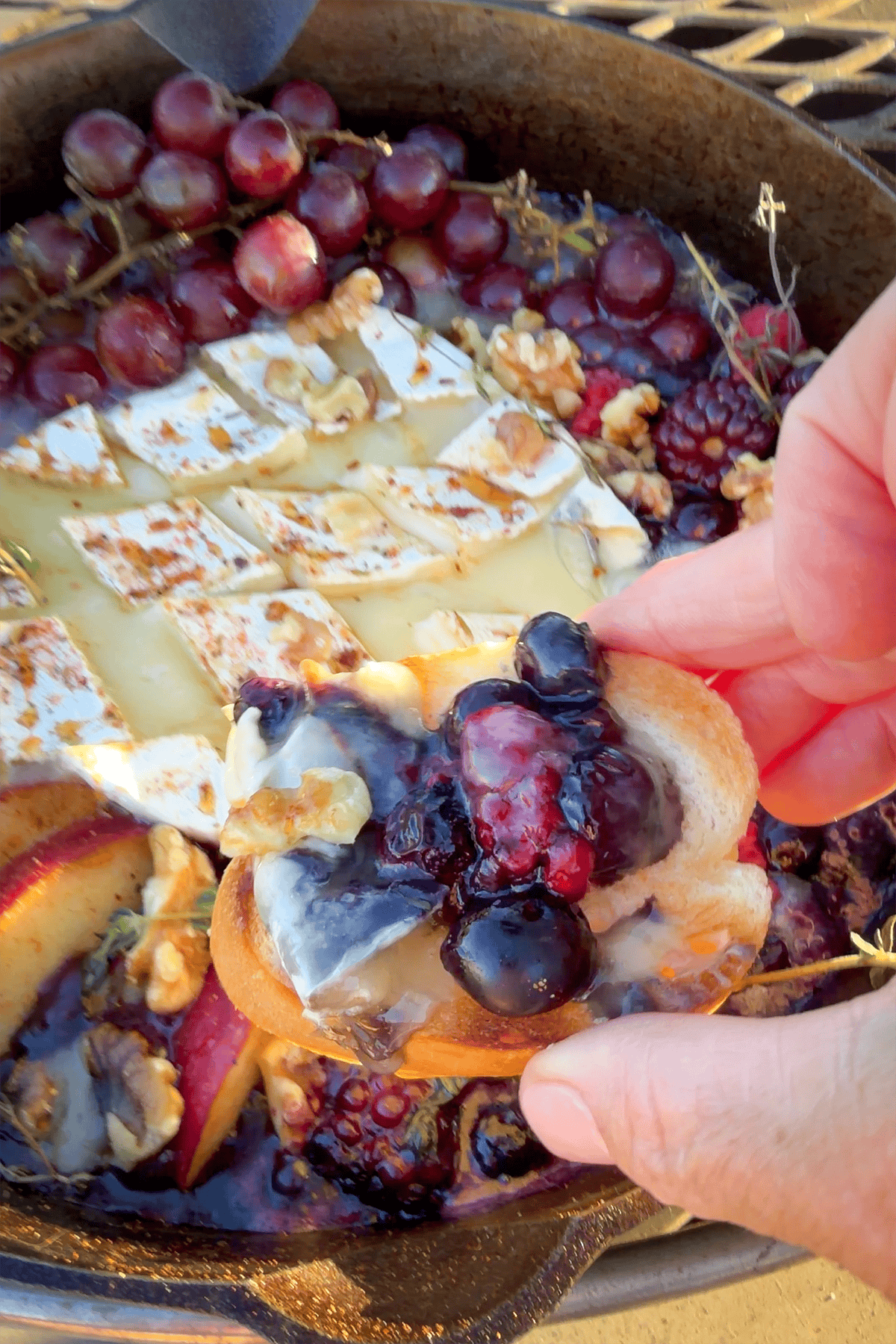
-
Is the Rind of Brie Edible?
The rind of brie cheese is technically edible, though not always consumed by preference. As the cheese melts in the skillet, the rind softens considerably, and most individuals find they eat through it without noticing its texture. If the texture is not to your liking, it can be gently pushed aside while scooping. Crucially, the rind should not be removed before cooking, as it is essential for maintaining the structural integrity of the melting cheese.
The campfire brie dip exemplifies how simple ingredients, when treated with respect and exposed to the primal element of fire, can create an extraordinary culinary experience. It is a testament to the power of outdoor cooking to bring people together, fostering shared moments of delicious discovery.