The world of culinary arts is constantly evolving, with bakers and confectioners seeking innovative ways to elevate their creations. Among the most captivating techniques gaining traction is the creation of edible sugar glass. This versatile ingredient, offering a crystalline sheen and satisfying crunch, has become a sought-after element for adding dramatic flair and visual intrigue to a wide array of desserts. From the whimsical windows of gingerbread houses to the edgy aesthetics of avant-garde pastries, edible sugar glass provides a unique canvas for creativity. This article delves into the intricacies of mastering this technique, exploring its applications, the science behind its creation, and the best practices for achieving flawless results.
The Allure of Edible Sugar Glass
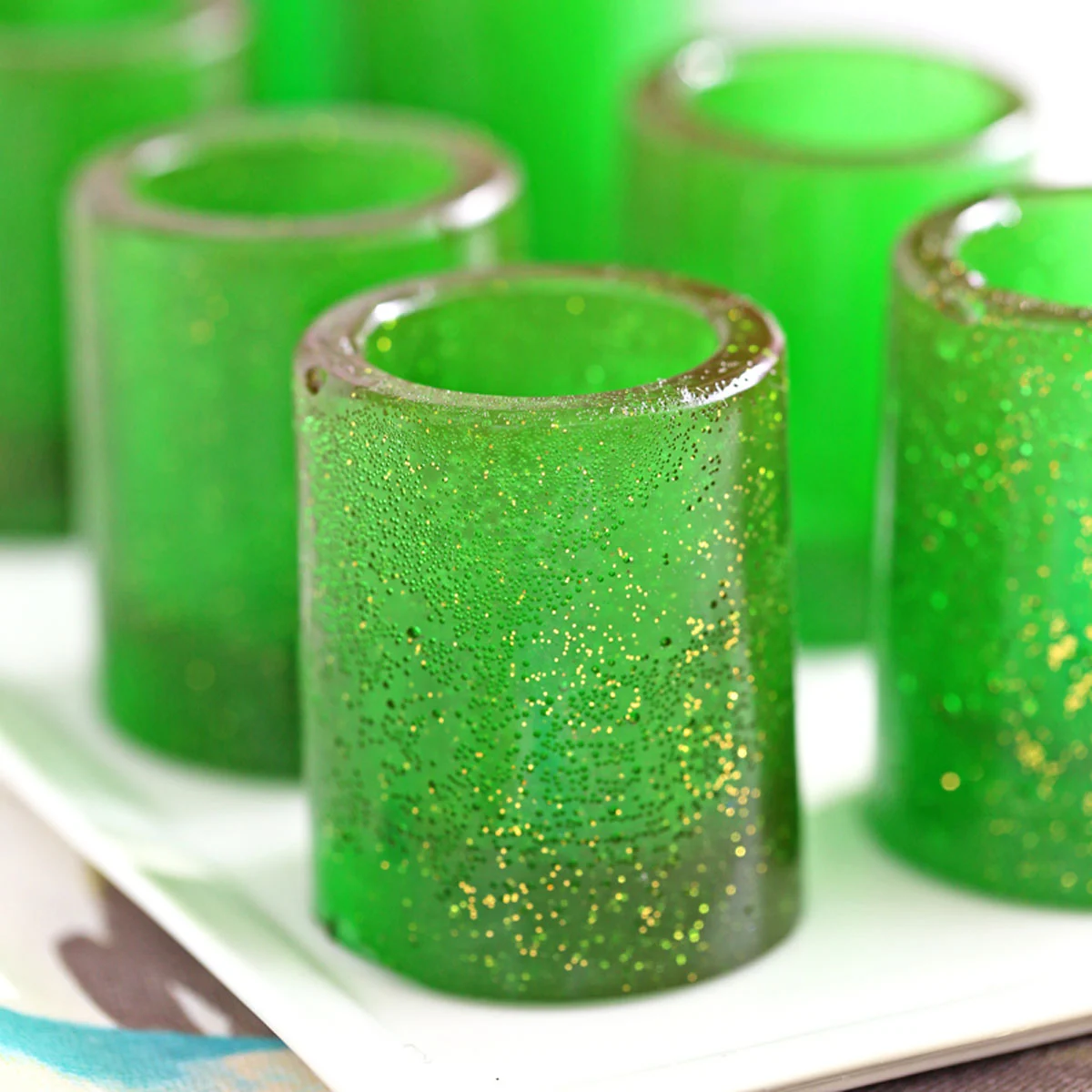
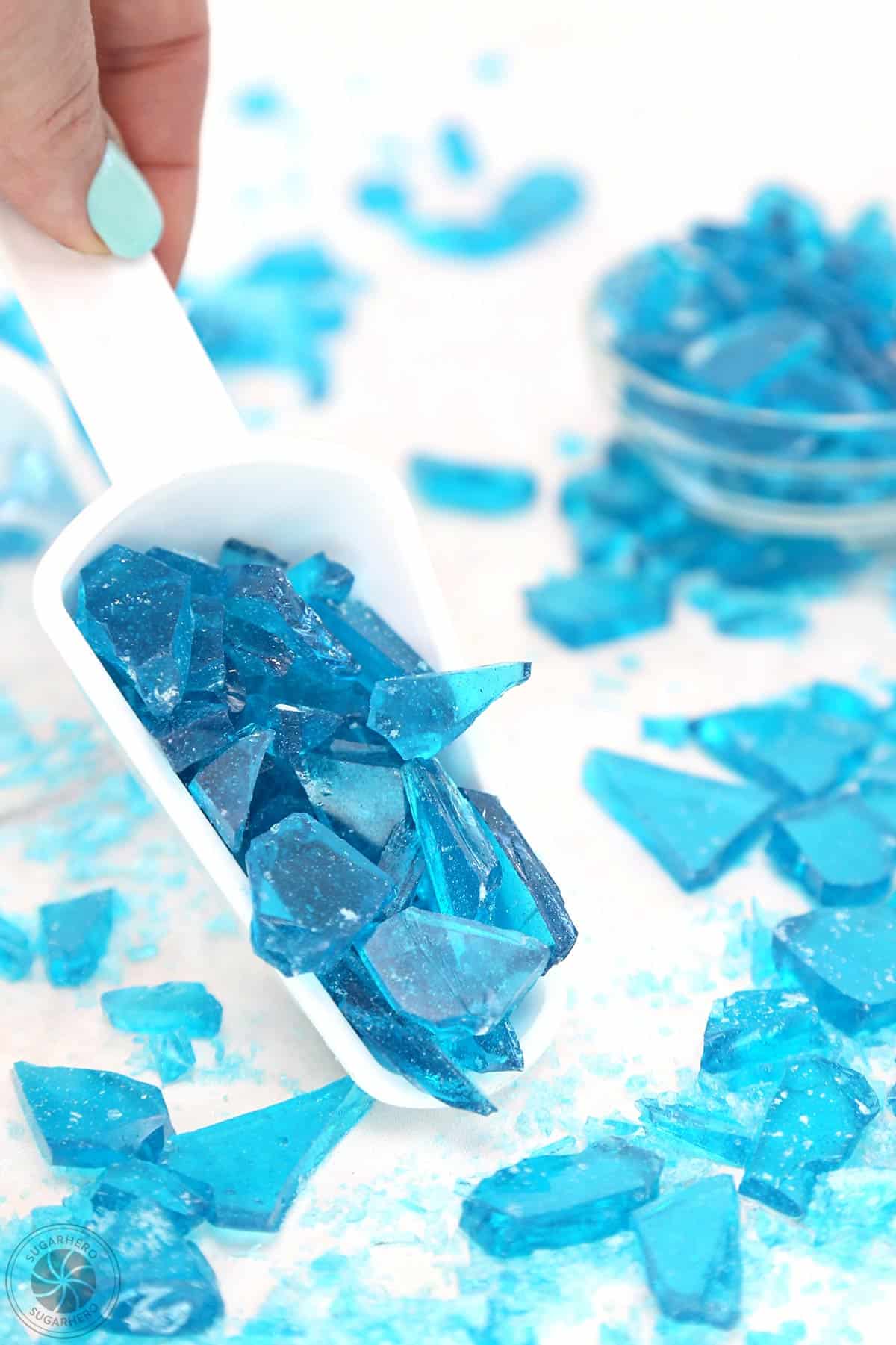
The visual appeal of edible sugar glass is undeniable. Its transparent, jewel-like quality can transform ordinary desserts into extraordinary works of art. Chefs and home bakers alike are drawn to its ability to mimic real glass, offering a safe and delicious alternative for decorative elements. The applications are as varied as the imaginations of those who wield it. Imagine a meticulously crafted gingerbread village, its windows shimmering with translucent candy panes, or a dramatic Halloween cake adorned with jagged shards of amber-colored sugar, evoking a sense of gothic allure. For enthusiasts of popular culture, it can even be used to replicate the iconic rock candy formations inspired by media phenomena. The beauty of this confectionary medium lies in its adaptability; it can be tinted with a spectrum of food colorings and infused with an array of flavors, allowing for endless creative expression.
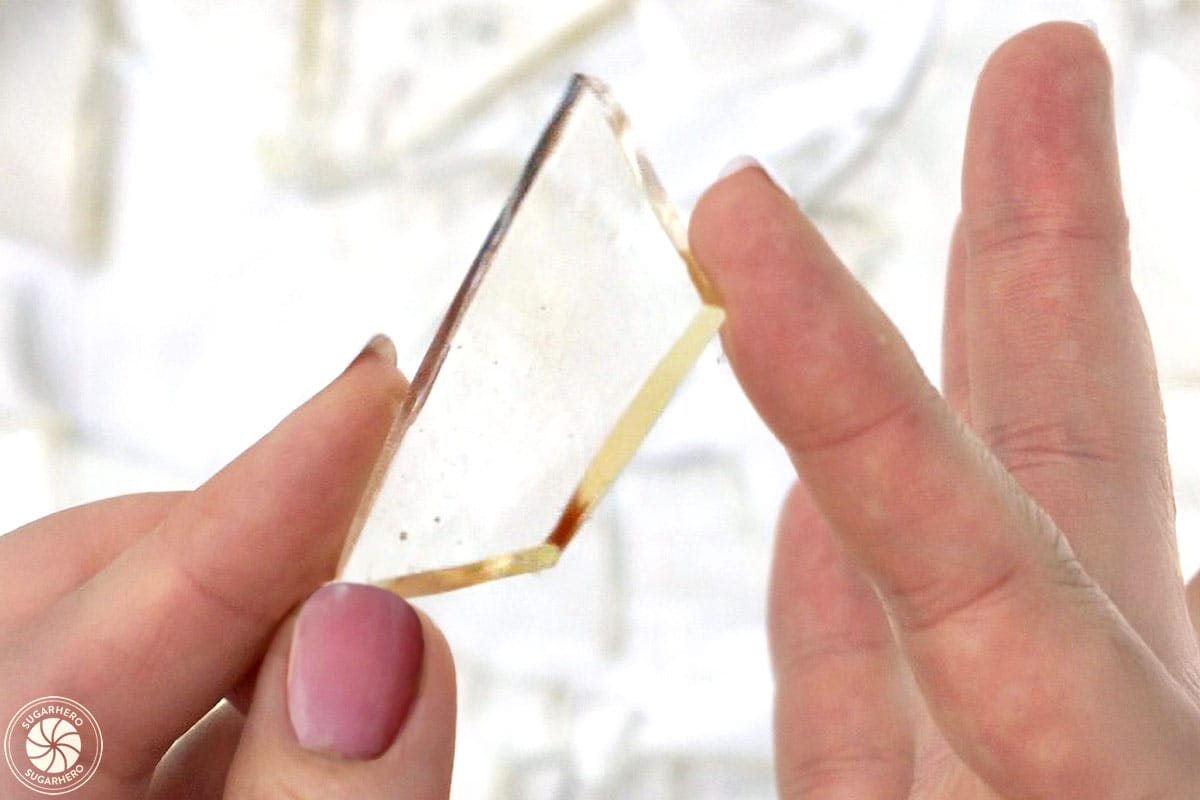
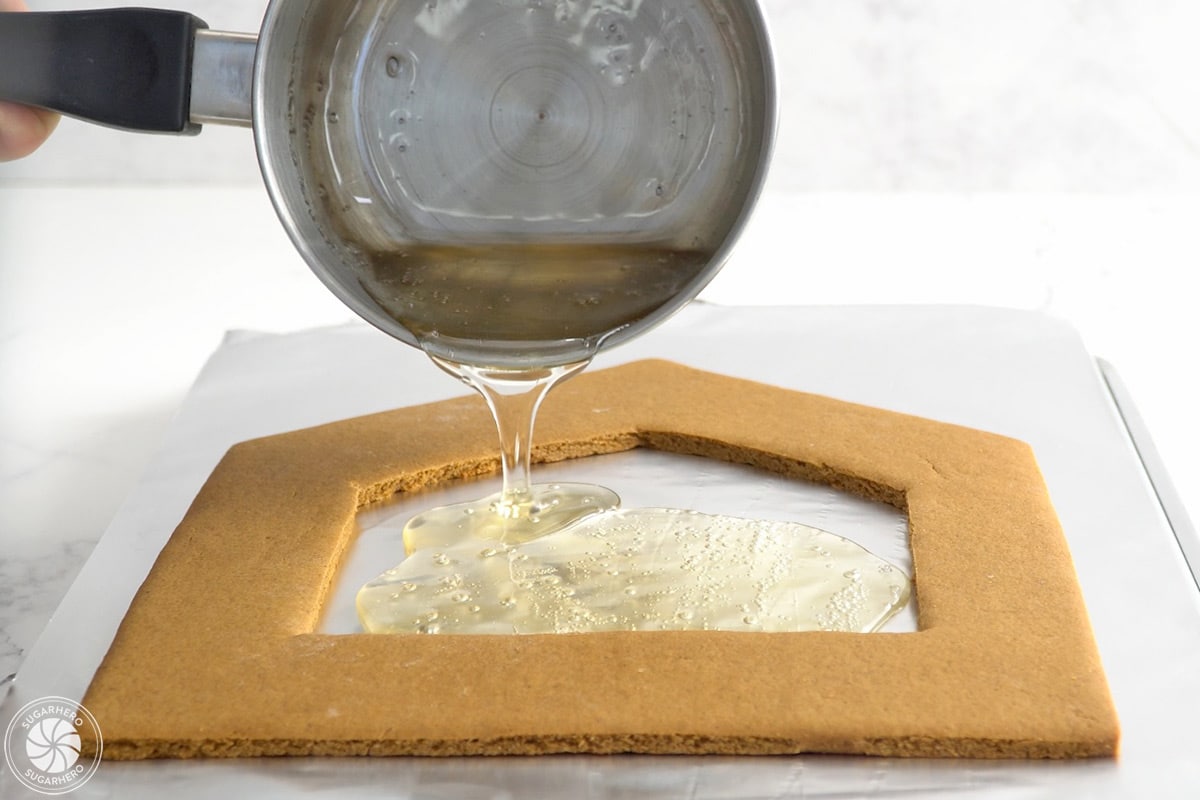
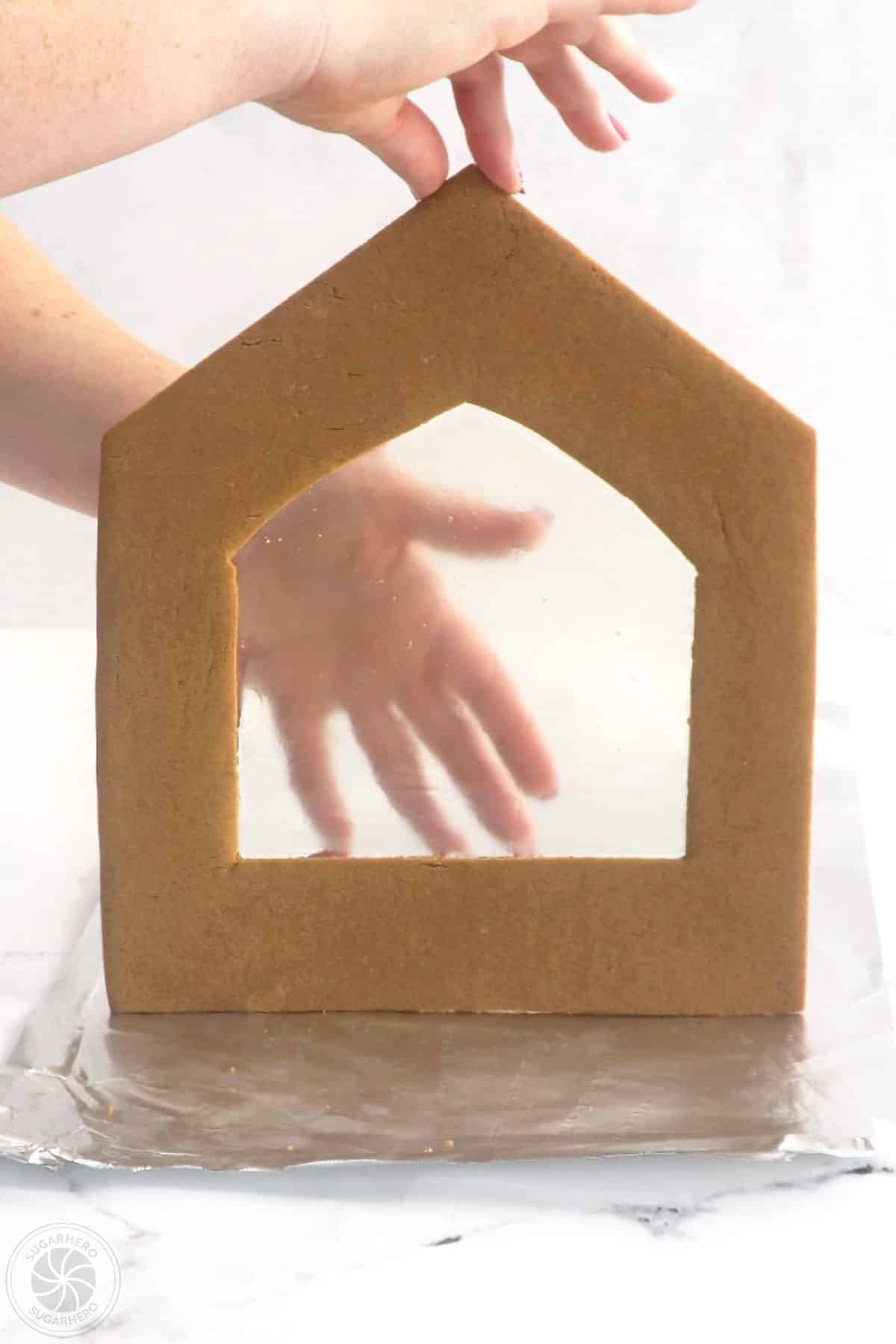
Beyond its aesthetic contributions, the textural element of sugar glass adds another layer of sensory experience to desserts. Its crisp, brittle nature provides a delightful contrast to softer components, creating a dynamic mouthfeel. The ability to shape this sugar medium further expands its utility. It can be poured onto flat surfaces and broken into irregular pieces for a shattered glass effect, molded into specific shapes for intricate designs, or even poured directly into pre-cut openings in cookies or gingerbread panels to create functional and visually appealing windows. This inherent versatility makes edible sugar glass a prized technique in the confectioner’s repertoire.
The Science and Craft of Creating Flawless Sugar Glass
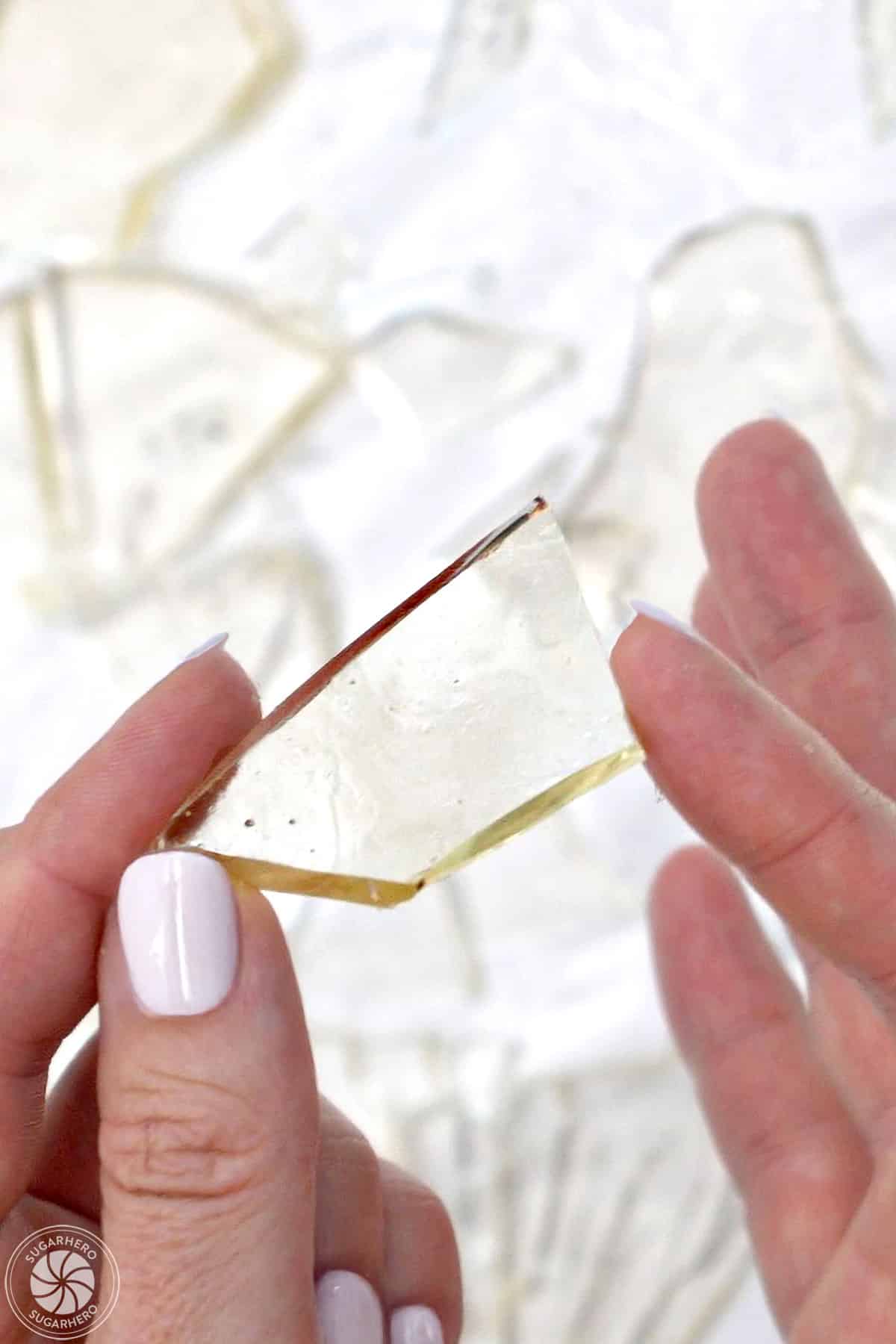
The creation of edible sugar glass, while seemingly complex, is fundamentally rooted in the principles of sugar crystallization and temperature control. At its core, it involves heating a sugar solution to a specific temperature, known as the "hard crack stage," which is typically around 300-310°F (149-154°C). At this temperature, the water content in the sugar syrup has evaporated to such an extent that the resulting structure is hard and brittle, preventing the formation of sugar crystals.
Achieving this precise temperature is paramount. A reliable candy thermometer is an indispensable tool in this process. The inclusion of corn syrup in many recipes is not merely for sweetness; it acts as an invert sugar, disrupting the natural tendency of sucrose (table sugar) to crystallize. By interfering with the formation of sucrose crystals, corn syrup helps maintain the amorphous, glassy structure of the final product.
Key Components for Success:
To embark on the journey of creating edible sugar glass, a foundational understanding of the necessary ingredients and equipment is essential. The simplicity of the ingredient list belies the precision required in their application.
Essential Ingredients:
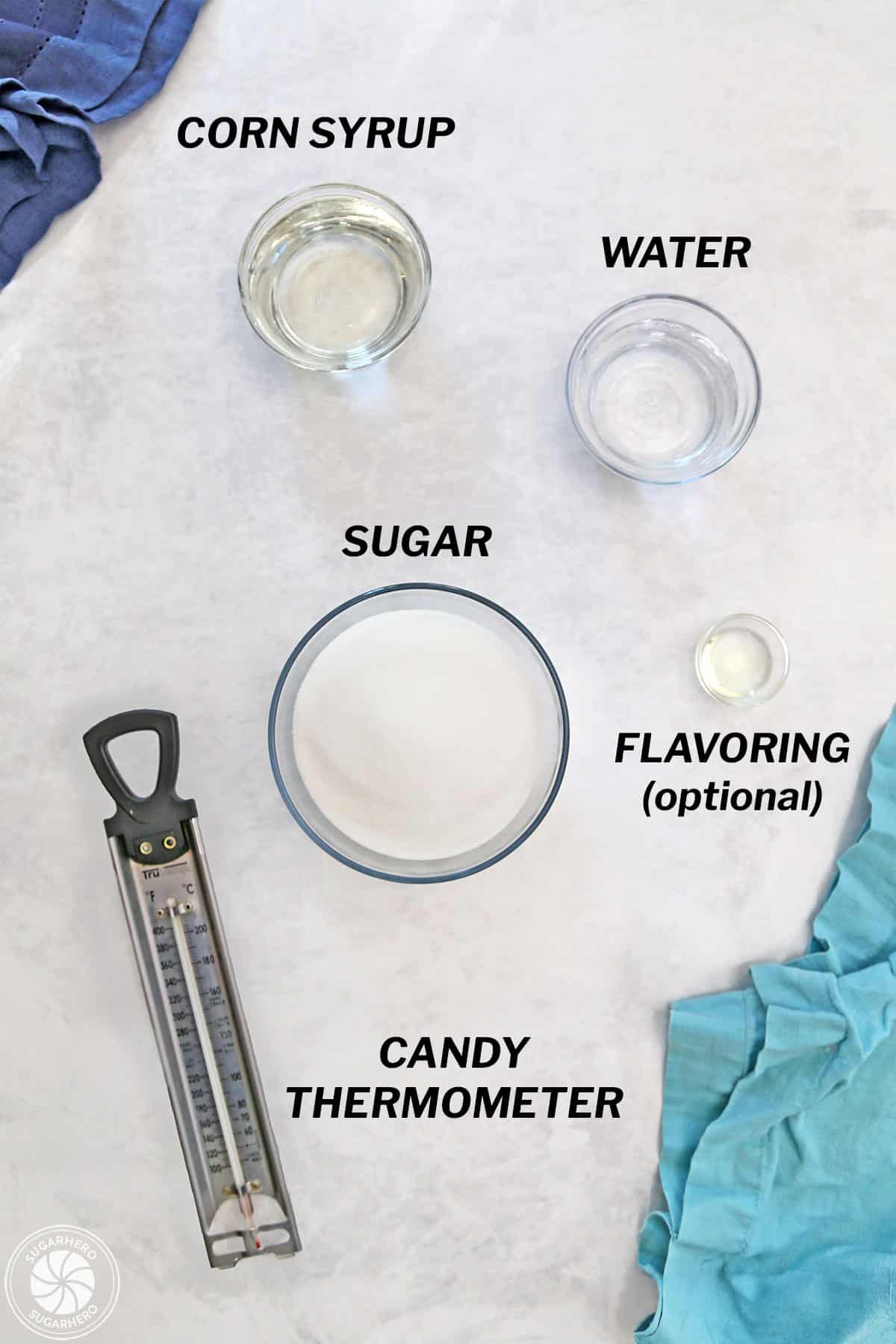
- Granulated Sugar: The primary building block of sugar glass, providing the bulk and sweetness. Using high-quality, fine granulated sugar is recommended for smoother dissolution.
- Corn Syrup: As mentioned, corn syrup is crucial for preventing crystallization, ensuring a clear and glassy texture. Light corn syrup is typically used for its neutral flavor and color.
- Water: Acts as the solvent for the sugar and corn syrup, facilitating the heating and evaporation process.
- Flavoring Extracts (Optional): A few drops of clear flavoring extracts, such as vanilla, peppermint, or fruit flavors, can be added once the syrup has reached the correct temperature to impart subtle or pronounced taste profiles.
- Food Coloring (Optional): For visual appeal, gel or liquid food colorings can be incorporated. It is important to use colorings that are heat-stable and do not interfere with the sugar’s structure.
Crucial Equipment:
- Heavy-Bottomed Saucepan: A heavy-bottomed pan distributes heat evenly, preventing scorching and ensuring consistent cooking. Stainless steel or copper are excellent choices.
- Candy Thermometer: Absolutely vital for accurately measuring the temperature of the sugar syrup. Digital or dial candy thermometers are reliable options. It’s advisable to calibrate your thermometer periodically to ensure accuracy.
- Heat-Resistant Spatula or Wooden Spoon: Used for initial stirring and for scraping down the sides of the pan.
- Silicone Baking Mat or Parchment Paper: A non-stick surface is necessary for pouring and cooling the hot sugar mixture. Silicone mats are particularly effective for their heat resistance and flexibility.
- Small Bowl with Water and Pastry Brush: This is used to wash down the sides of the saucepan during cooking, preventing sugar crystals from forming on the interior walls.
- Heat-Resistant Gloves: Handling molten sugar requires extreme caution due to its high temperature. Gloves provide an essential layer of protection.
The Process: A Step-by-Step Guide to Edible Sugar Glass
Mastering the art of edible sugar glass involves meticulous attention to detail at each stage of the process. While the ingredients are few, the execution demands precision.
-
Preparation is Key: Begin by preparing your workspace. Lay out a silicone baking mat or parchment paper on a clean, flat surface. Have your flavoring and coloring agents ready for immediate addition. Ensure your candy thermometer is securely clipped to the side of the saucepan, ensuring the tip is submerged in the syrup but not touching the bottom of the pan.
-
Combining the Ingredients: In the heavy-bottomed saucepan, combine the granulated sugar, corn syrup, and water. Stir gently over medium heat until the sugar has completely dissolved. This initial stirring is crucial for ensuring all sugar granules are suspended in the liquid.
-
Reaching the Hard Crack Stage: Once the sugar is dissolved, increase the heat to medium-high. Bring the mixture to a boil. At this point, resist the urge to stir. Stirring can introduce sugar crystals, leading to a cloudy or crystallized final product. Instead, use a pastry brush dipped in water to gently wash down any sugar crystals that may form on the sides of the saucepan. This prevents them from falling back into the boiling syrup and initiating crystallization.
-
Monitoring the Temperature: Carefully monitor the temperature using the candy thermometer. The syrup needs to reach the hard crack stage, typically between 300-310°F (149-154°C). The exact temperature may vary slightly based on altitude and humidity. Aim for the higher end of this range for a truly brittle glass. The syrup will begin to thicken and take on a pale golden hue as it approaches this temperature.
-
Adding Color and Flavor: Once the syrup reaches the desired temperature, immediately remove the saucepan from the heat. This is the critical moment to add any desired food coloring and flavoring extracts. Stir gently and quickly to incorporate them evenly. Be cautious, as the hot syrup will bubble and steam upon the addition of liquids.
-
Pouring the Sugar Glass: Carefully and swiftly pour the hot sugar mixture onto your prepared silicone mat or parchment paper. Work quickly, as the sugar will begin to cool and set. You can tilt the mat or pan to spread the sugar into a thin, even layer. For specific shapes, you can pour the sugar into pre-greased molds at this stage.
-
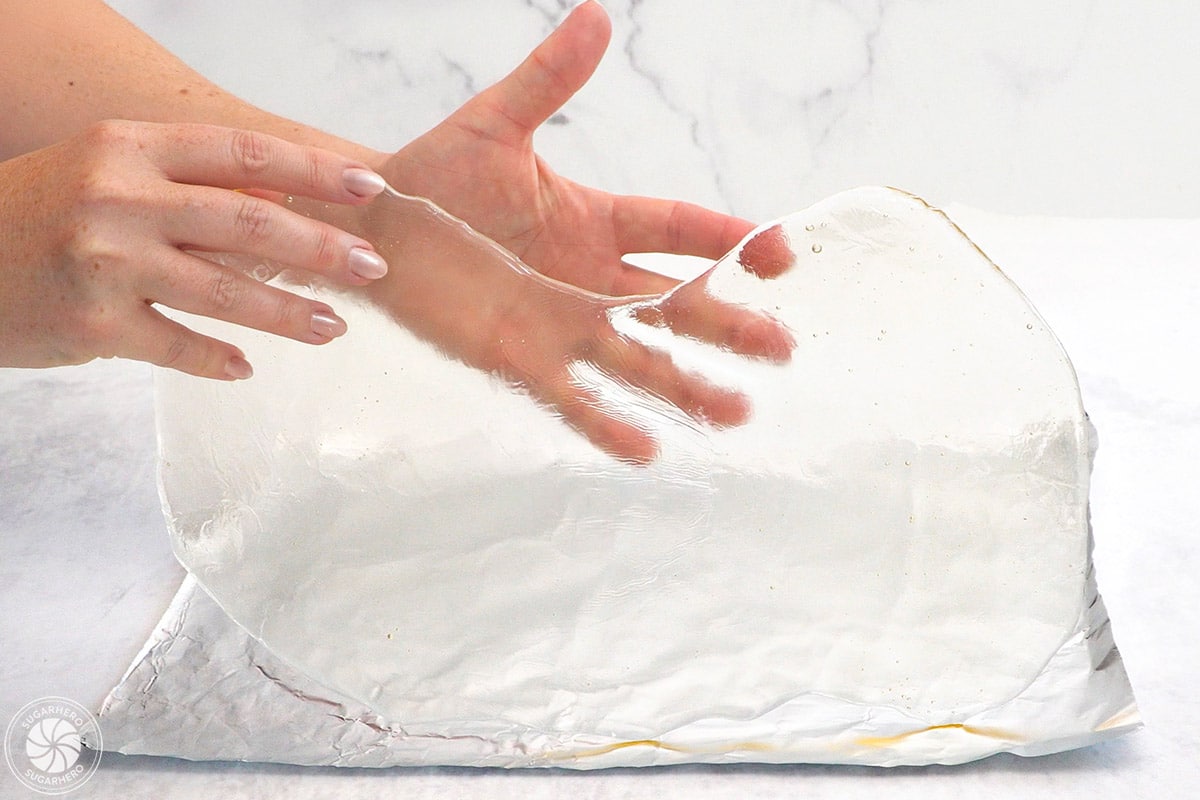
Cooling and Setting: Allow the sugar glass to cool completely at room temperature. This can take anywhere from 30 minutes to a couple of hours, depending on the thickness of the poured layer and ambient temperature. Do not attempt to move or break the sugar while it is still warm, as it will be soft and pliable.
-
Breaking and Shaping: Once fully hardened, the sugar glass can be broken into desired pieces. This can be done by gently tapping larger pieces with a mallet or the back of a heavy spoon. For cleaner breaks, you can score the sugar while it’s still slightly warm but set. Be mindful of sharp edges.
Troubleshooting Common Issues
Even with careful preparation, challenges can arise in candy making. Understanding potential pitfalls and their solutions can significantly improve your success rate.
- Sticky Candy: The most common culprit for sticky sugar glass is high humidity. Sugar is hygroscopic, meaning it readily absorbs moisture from the air. If your candy becomes sticky after cooling or storage, it’s likely due to moisture in the environment.
- Solution: Avoid making sugar glass on humid or rainy days. Store the finished product in an airtight container at room temperature, ideally with silica gel packets to absorb any residual moisture.
- Candy Not Hardening: If the sugar glass remains soft or pliable, it indicates that it was not cooked to a high enough temperature.
- Solution: Ensure your candy thermometer is accurate and calibrated. Re-read the recipe and confirm you have reached the hard crack stage. If using a thermometer, double-check its accuracy by boiling it in water (it should read 212°F or 100°C at sea level).
- Opaque or Crumbly Texture: This is a clear sign of crystallization. Sugar crystals have formed within the syrup, disrupting the smooth, glassy structure.
- Solution: Avoid stirring the sugar syrup once it reaches a boil. Use a wet pastry brush to meticulously wash down the sides of the pan, removing any stray sugar crystals. Ensure all utensils and the pan itself are clean and free from any residual sugar crystals before starting. The corn syrup in the recipe is a key agent in preventing crystallization; substituting it may lead to more frequent issues.
- Scorched Sugar: If the sugar develops dark brown, burnt spots, the heat was too high or uneven.
- Solution: Use a heavy-bottomed saucepan for even heat distribution. Monitor the heat closely and adjust as needed. If scorching occurs, it’s best to discard the batch and start anew, as the burnt flavor cannot be removed.
Broader Impact and Culinary Implications
The popularity of edible sugar glass reflects a broader trend in the culinary world towards enhanced visual presentation and interactive dining experiences. As consumers become more sophisticated in their palates and expectations, chefs are pushed to innovate beyond mere taste. The meticulous craftsmanship involved in creating sugar glass aligns with the growing appreciation for artisanal techniques and the "maker" movement.
The ability to personalize and customize desserts with such striking visual elements democratizes high-end pastry aesthetics. While once confined to professional patisseries, recipes and tutorials for sugar glass are now widely accessible, empowering home bakers to experiment and achieve professional-looking results. This accessibility fosters creativity and can inspire new dessert trends.
Furthermore, the use of edible materials for decorative purposes aligns with a growing emphasis on sustainability and reducing waste in the food industry. By creating decorations that are fully consumable, the need for non-edible embellishments is minimized. The versatility of sugar glass also means it can be adapted for various dietary needs by using alternative sweeteners or flavorings, though this may require adjustments to cooking times and temperatures.
Future Directions and Innovations
The evolution of sugar glass is ongoing. Innovations in food science and culinary technology continue to explore new possibilities. Research into alternative stabilizers and emulsifiers could lead to even more robust and user-friendly sugar glass formulations. The development of specialized molds and tools further enhances the potential for intricate designs and complex structures. As the demand for visually stunning and texturally engaging desserts continues to grow, edible sugar glass is poised to remain a captivating and essential technique in the modern confectioner’s toolkit, pushing the boundaries of what is possible in the realm of edible art.