
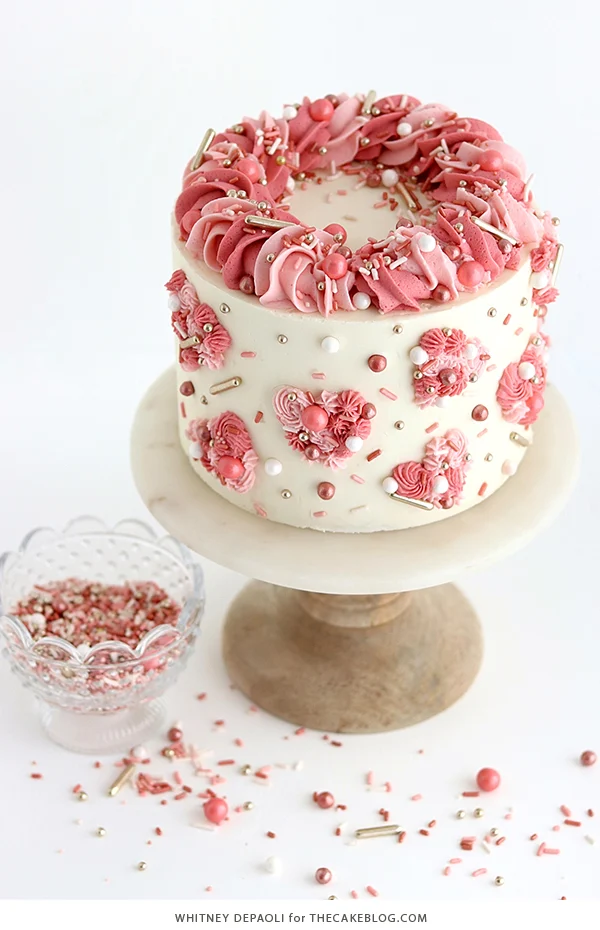
A new tutorial by contributor Whitney DePaoli for TheCakeBlog.com introduces a contemporary twist on traditional Valentine’s Day cake decorating, focusing on a technique that imbues buttercream hearts with rich texture and vibrant color. This innovative method, inspired by Instagram baker @frostedfujicakes, reimagines classic Valentine’s motifs into a visually striking and adaptable design, perfect for celebrating love in its many forms.
Embracing Tradition with a Modern Flair
Valentine’s Day, a globally recognized occasion dedicated to expressing affection, has long been synonymous with heart shapes and a palette dominated by shades of pink and red. This year, however, decorators are increasingly seeking to infuse these familiar symbols with a fresh aesthetic. Whitney DePaoli’s tutorial addresses this trend by offering a detailed guide to creating a "Piped Hearts Valentine’s Cake," a design that leverages intricate buttercream piping and carefully selected sprinkles to achieve a sophisticated and textured finish.
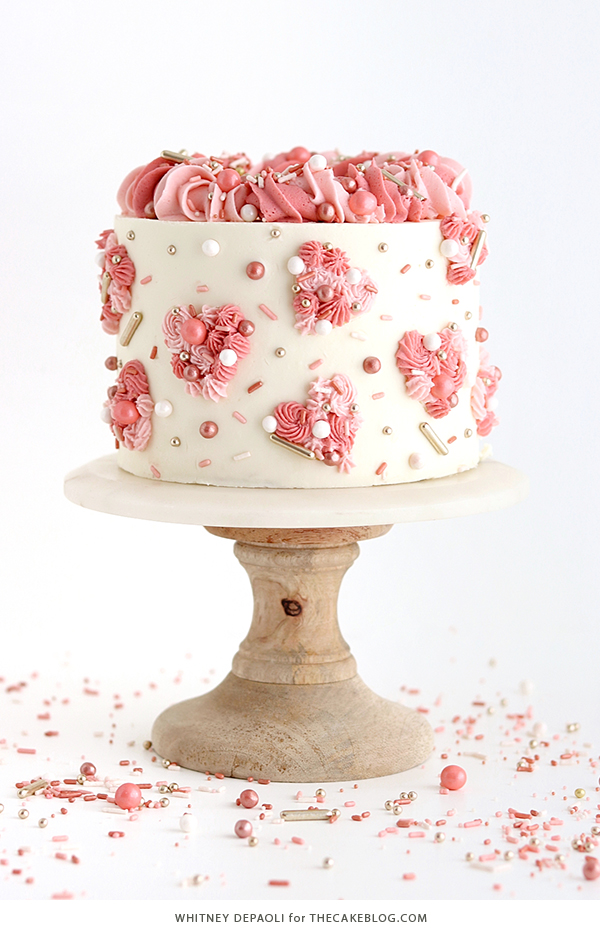
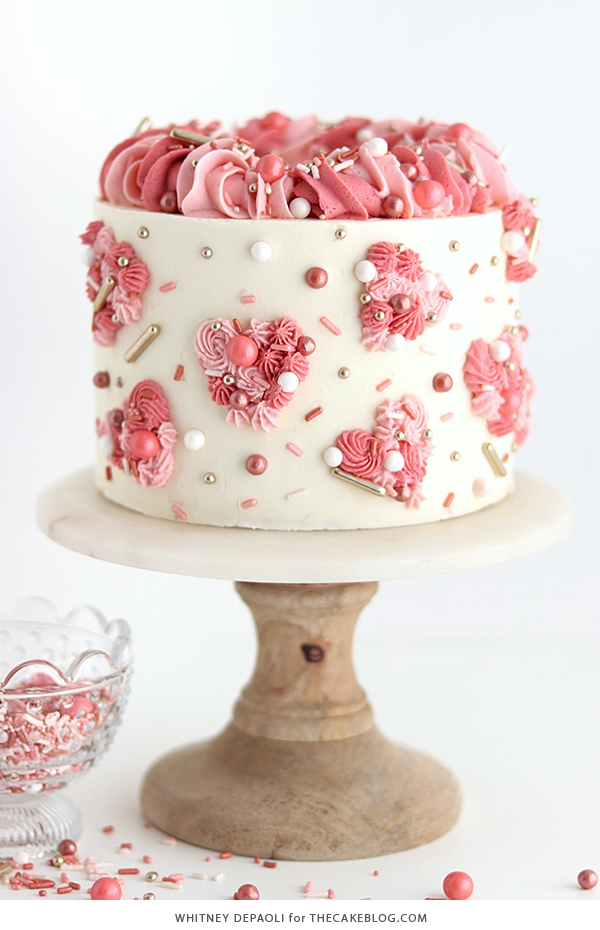
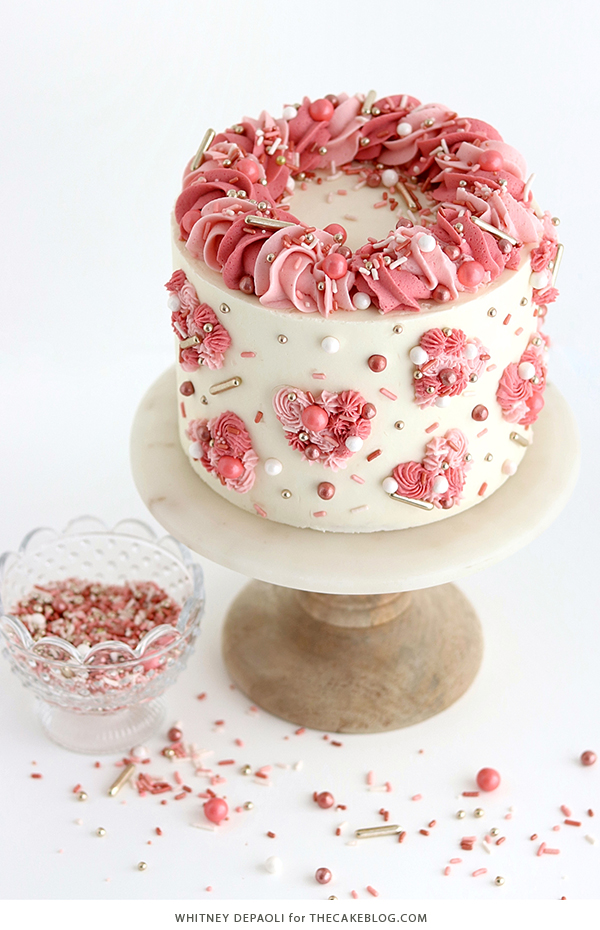
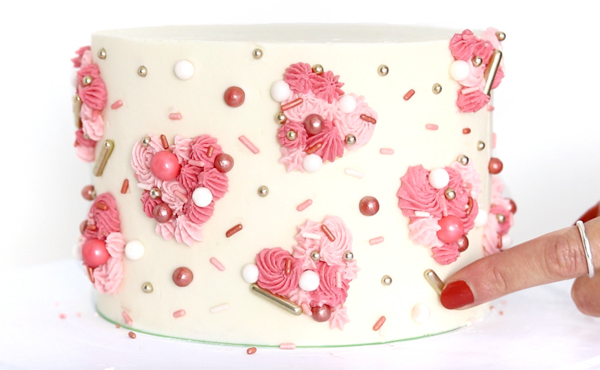
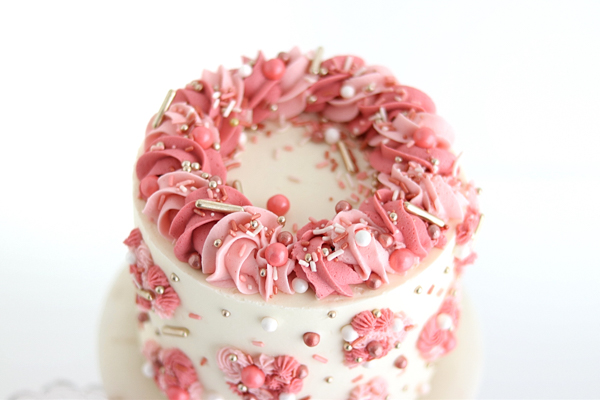
The technique involves imprinting subtle heart shapes onto a chilled, frosted cake. These imprints then serve as canvases for meticulously piped buttercream designs, such as rosettes and stars, which add depth and dimension. The final flourish comes from an artful application of sprinkles, chosen to complement the buttercream hues and further enhance the textural complexity of the cake. DePaoli’s personal creation features a rose gold color scheme, showcasing how a modern palette can elevate traditional Valentine’s imagery.
"Whether you want to make a cake for your honey (or Galentine!) or simply want to get creative with a Valentine’s Day themed cake, this one is so easy to whip up and totally eye-catching," DePaoli notes in her tutorial, highlighting the design’s accessibility and visual impact.
The Art of Buttercream: Versatility and Technique
The foundation of this decorative technique lies in the choice of buttercream. DePaoli emphasizes that the method is compatible with any type of buttercream that can be tinted and piped effectively. Her own preference, American buttercream, is featured in the tutorial, a choice favored for its stability and ease of use. The adaptability of the design extends to its color scheme; while DePaoli opted for a harmonious rose gold, she encourages decorators to explore any color combination that resonates with them, moving beyond the conventional Valentine’s Day hues. This flexibility allows for personalization, whether for romantic gestures, friendly celebrations, or simply for creative expression.
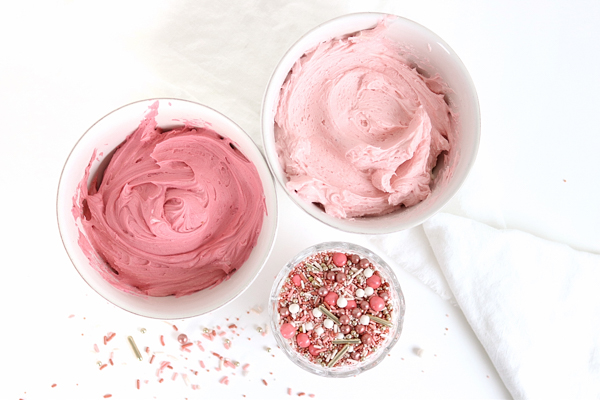
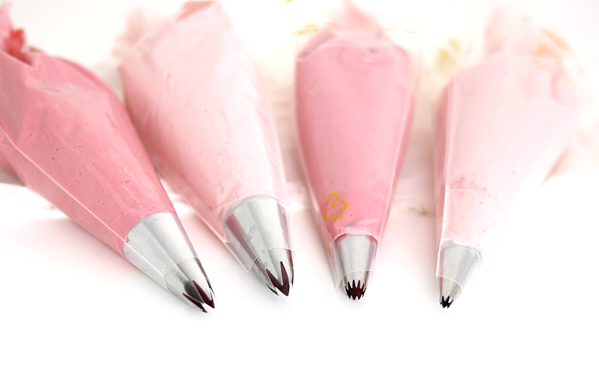
The tutorial meticulously outlines the preparation process, which begins with dividing the buttercream into separate bowls for tinting. DePaoli used Americolor Dusty Rose to achieve her desired pink tones, demonstrating the importance of high-quality food coloring gels for achieving rich and consistent hues. The subsequent steps involve carefully filling piping bags fitted with specific tips. For instance, a piping tip 1M is recommended for creating rosettes, while tips 199 and 21 can be used for other textural elements within the hearts. The distribution of tinted buttercream across these bags is crucial for achieving the layered and varied look of the final design.
A Step-by-Step Guide to Textured Heart Designs
The core of the tutorial unfolds with a clear, chronological breakdown of the decorating process.
Preparing the Buttercream and Piping Bags
The initial stage involves dividing the prepared buttercream into distinct portions for coloring. DePaoli suggests using food coloring gels to achieve vibrant and nuanced shades. For the rose gold theme, she employed Americolor Dusty Rose. Following the tinting process, the buttercream is prepared for piping. This involves fitting four piping bags: two with tip 1M, one with tip 199, and one with tip 21. The tinted buttercream is then strategically placed into these bags, with half of the first color going into a 1M-fitted bag and another half into a 199-fitted bag. The remaining buttercream is divided equally among the other two bags. This careful division ensures a balanced application of colors and textures. The tutorial also notes that for a monotone design, fewer piping bags will be necessary.
Imprinting the Heart Shapes
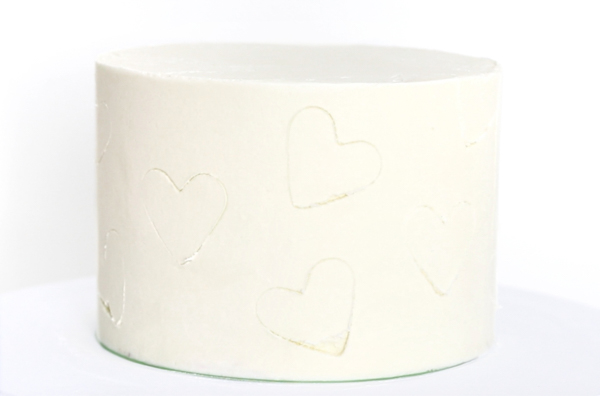
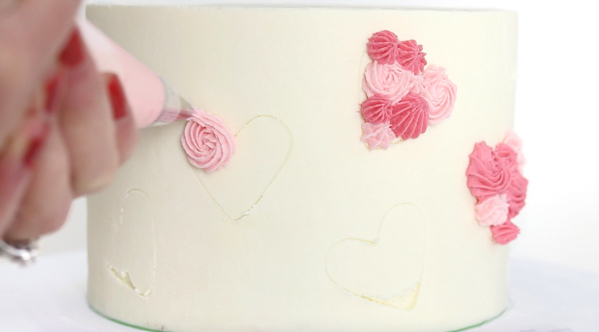
With the buttercream prepared and the cake chilled and frosted, the next step is to create the foundational imprints. A heart-shaped cookie cutter is used to gently press into the cake’s surface, creating subtle indentations. DePaoli advises spacing these heart imprints at least two inches apart to avoid a cluttered appearance and to allow ample space for subsequent piping. This technique ensures that each heart serves as a distinct decorative element, contributing to the overall visual rhythm of the cake. The precise depth of the imprint is key, providing just enough definition for the piping to adhere to without compromising the cake’s frosting integrity.
Filling the Hearts with Buttercream Piping
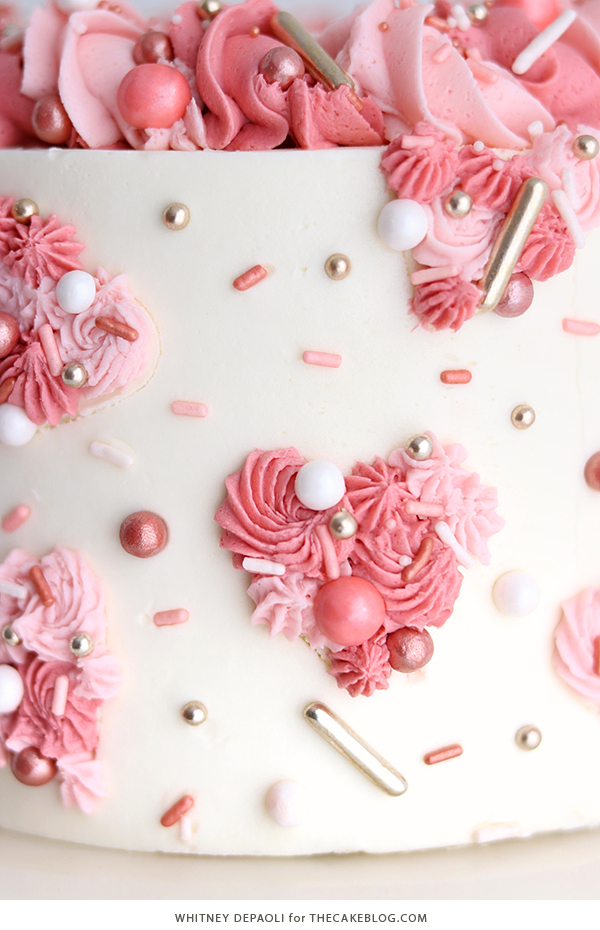
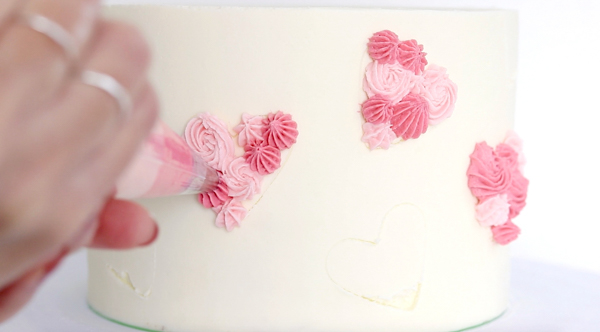
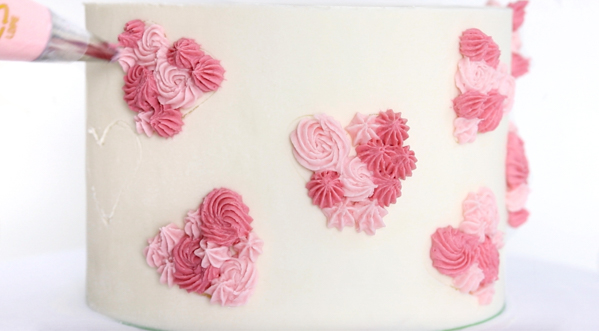
Once the heart imprints are established, the decorator begins the intricate process of filling them with buttercream. Using the prepared piping bags, small rosettes and stars are piped within each heart’s boundary. The goal is to fill as much of the imprinted area as possible, creating a sense of depth and texture. DePaoli acknowledges that the initial piped shapes may not appear perfectly heart-like, reassuring decorators that the subsequent addition of sprinkles will unify the design and enhance the overall aesthetic. This stage requires a steady hand and attention to detail, as the size and placement of each piped element contribute to the final composition.
Enhancing Texture with Sprinkles
The addition of sprinkles marks a pivotal moment in the cake’s transformation. Sprinkles are meticulously placed within each piped heart to fill any remaining gaps and further amplify the texture. DePaoli highlights how the chosen sprinkles not only enhance the buttercream colors but also contribute significantly to the overall visual appeal. Beyond the imprinted hearts, sprinkles are also applied to the spaces surrounding them, creating a cohesive and richly decorated surface.
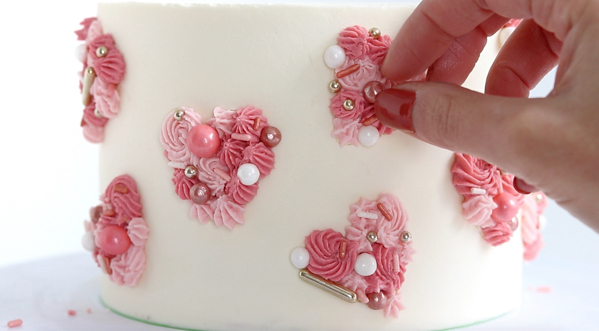
A practical tip offered by DePaoli for precise sprinkle placement involves dampening a fingertip with a paper towel. This slight moisture allows sprinkles to adhere to the finger, facilitating their easy transfer to the cake. For those who prefer an alternative, tweezers are suggested as an effective tool for detailed sprinkle application. While this process can be time-consuming, the tutorial emphasizes that the rewarding visual outcome justifies the effort.
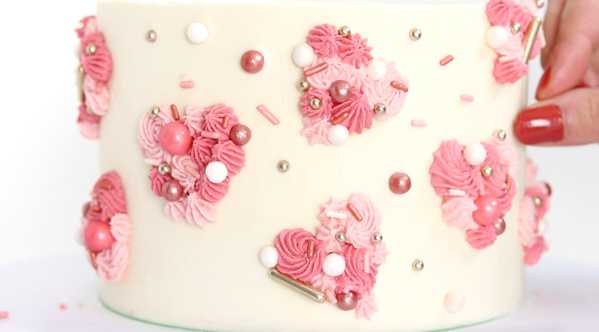
A notable point of consideration regarding edible decorations is also addressed: the use of gold and silver dragees. While generally considered safe for cake decoration, they have not received FDA approval for consumption. Therefore, it is advisable to inform guests that these specific elements should not be eaten, ensuring both aesthetic appeal and adherence to food safety guidelines.
Crafting the Rosette Rope Border
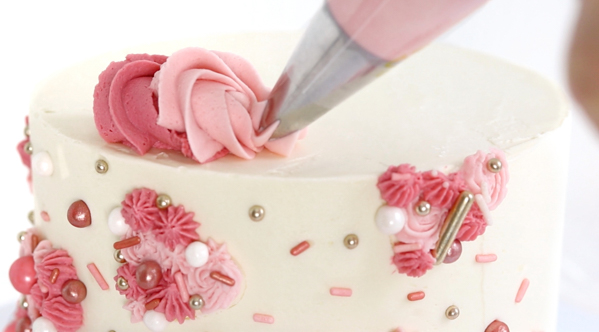
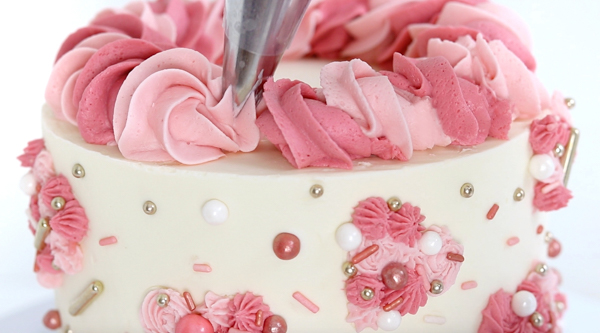
The final decorative element is a sophisticated rosette rope border that encircles the top edge of the cake. This is achieved using the piping bag fitted with tip 1M. The tip is positioned approximately an inch from the cake’s edge at a 45-degree angle, and rosettes are piped counter-clockwise. Alternating colors are used to create a dynamic and visually appealing band. This border not only provides a polished finish but also serves to visually tie together the entire design. The tutorial suggests adding a final scattering of sprinkles to this border, further integrating it with the overall theme and enhancing its textural richness.
Broader Implications and Future Trends in Cake Decorating
Whitney DePaoli’s "Piped Hearts Valentine’s Cake" tutorial arrives at a time when the cake decorating community is continually exploring innovative ways to express creativity. The increasing popularity of techniques that emphasize texture, color layering, and personalized aesthetics reflects a broader shift in consumer preferences. Beyond traditional celebrations, such as Valentine’s Day, this adaptable design could be reinterpreted for numerous occasions, from birthdays to anniversaries, by simply adjusting the color palette and sprinkle selection.
The tutorial’s emphasis on inspiration from social media platforms like Instagram underscores the significant role these platforms play in disseminating trends and techniques within the culinary arts. The collaborative spirit, where decorators draw inspiration from one another, fosters a dynamic environment of continuous innovation. The accessibility of such detailed tutorials democratizes advanced decorating techniques, empowering home bakers and professional decorators alike to achieve sophisticated results.
The analysis of this trend suggests a growing appreciation for cakes that are not only delicious but also serve as edible works of art. The "Piped Hearts Valentine’s Cake" exemplifies this by combining traditional symbolism with modern execution, demonstrating that even time-honored themes can be reinvented to resonate with contemporary tastes. As the demand for personalized and visually engaging desserts continues to rise, techniques like those presented in DePaoli’s tutorial are poised to remain at the forefront of cake decorating trends. The ability to customize color palettes and incorporate unique embellishments ensures that each creation can be a distinct reflection of the baker’s artistry and the celebrant’s personality, making such designs a valuable addition to any baker’s repertoire.


