
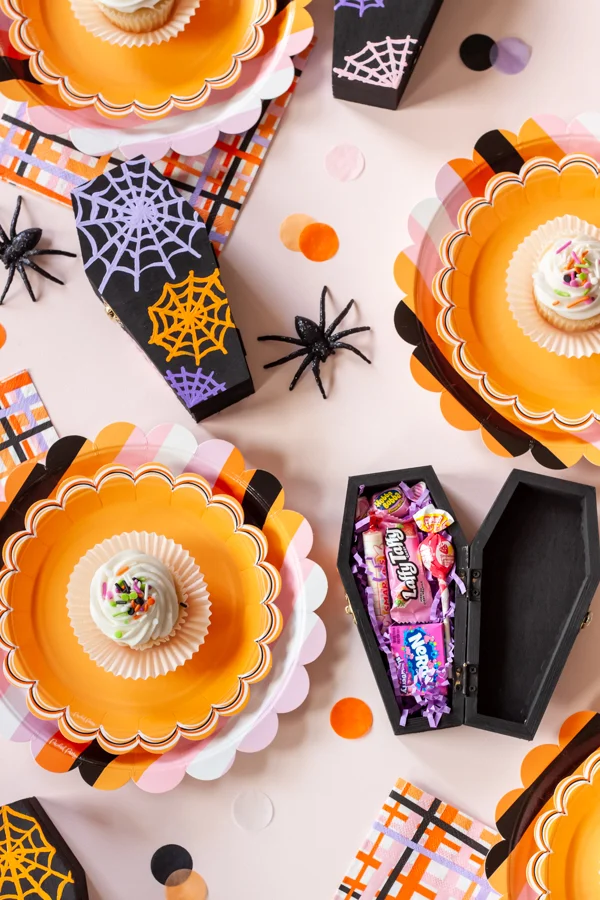
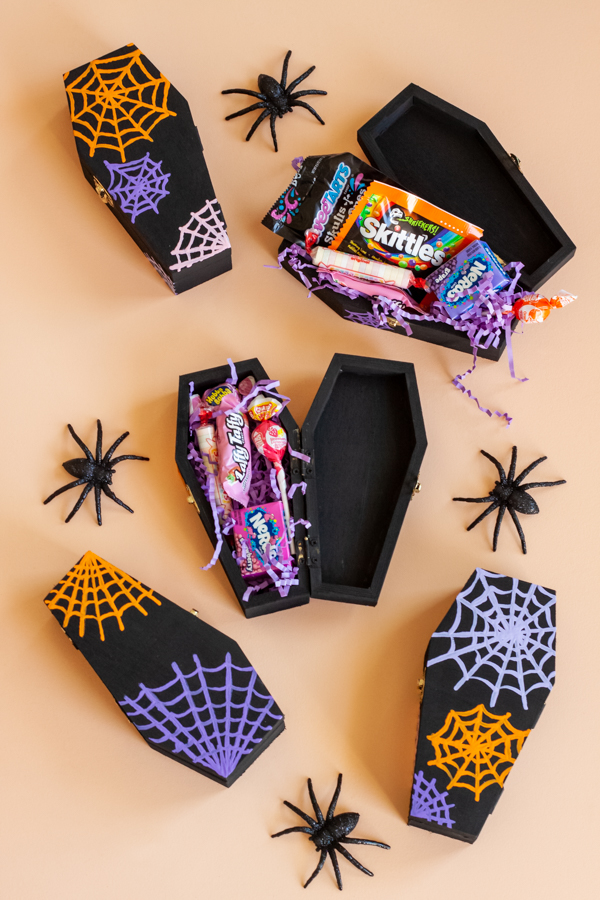
The arrival of the autumn season has historically signaled a shift in consumer behavior, characterized by an increased demand for thematic home aesthetics, communal gatherings, and "do-it-yourself" (DIY) projects. As the Halloween season approaches, a growing number of households are moving beyond mass-produced decorations in favor of personalized, handcrafted items that serve both functional and aesthetic purposes. A prominent example of this trend is the "Candy Coffin" project—a versatile craft that integrates party planning, child-friendly activity, and bespoke gift-giving. By utilizing accessible materials such as six-inch unfinished wooden coffin boxes, acrylic paints, and alphabet stickers, consumers are transforming affordable retail goods into sophisticated table settings and party favors. This shift reflects a broader movement within the multi-billion-dollar seasonal decor industry toward experiential retail and home-based creativity.
The Evolution of Seasonal Crafting: A Case Study in Miniature Decor
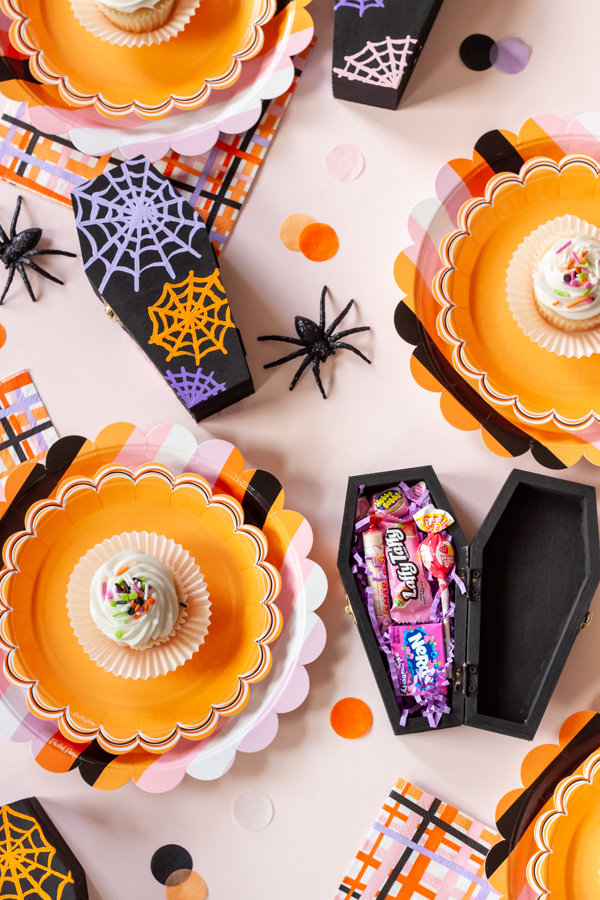
The transition from late September to October, often referred to as "spooky season" in contemporary parlance, is marked by specific cultural markers: pumpkin spice flavors, outdoor bonfires, and a heightened focus on gothic or whimsical home styling. Within this context, the "Candy Coffin" project has emerged as a multifunctional solution for modern hosts. These items serve a "double duty" role: they act as decorative place cards during a dinner or party and transition into personalized favors that guests may take home.
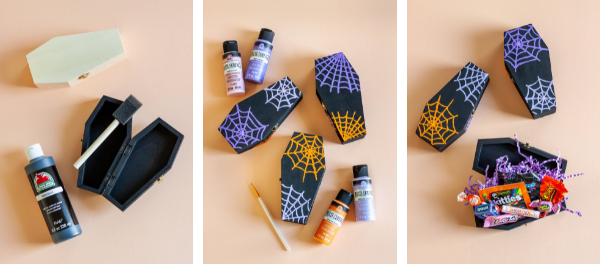
The methodology for creating these items is rooted in simplicity, ensuring that children can participate in the production process. The project typically involves a three-stage chronology that begins with the preparation of the raw material and ends with the personalization of the final product.
The Production Chronology: From Raw Material to Finished Favor
The execution of the Candy Coffin project follows a structured timeline designed to accommodate the drying times of acrylic mediums while maximizing the creative input of the participants.
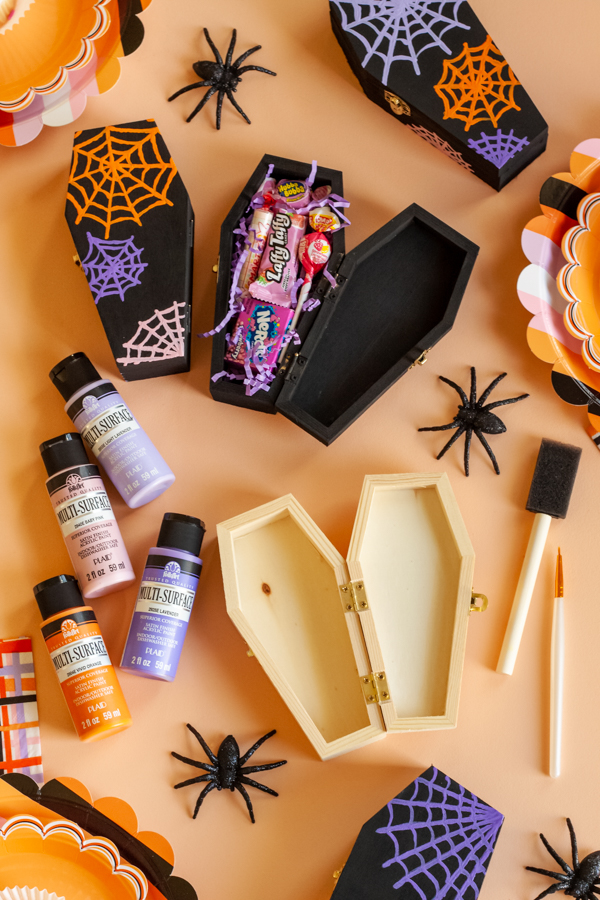
- Preparation and Base Coating: The process begins with the procurement of unfinished wooden coffin boxes, typically sourced in six-inch dimensions to accommodate standard confectionery items. Using foam sponge brushes, a base layer of black acrylic craft paint is applied to the entire exterior. This stage is critical as it provides the "negative space" required for the subsequent design work. Experts suggest allowing a full drying cycle to ensure that the secondary layers of paint do not smudge or mix with the base.
- Geometric Design and Detail Work: Once the base is set, a finer-tipped paintbrush is utilized to apply contrasting colors. The "creepy cobweb" aesthetic is achieved through a specific geometric sequence. Artists paint "spokes" originating from a central point on the lid, extending toward the edges. This is followed by the application of "scallops"—small, curved lines—connecting the spokes in concentric circles. This repetitive pattern mimics the natural architecture of an orb-weaver spider’s web.
- Personalization and Integration: The final phase involves the interior of the coffin. To elevate the item from a mere decoration to a functional place card, users apply alphabet stickers to the inside of the lid. This allows the host to assign seating at a table. Finally, the coffins are filled with a variety of seasonal treats, such as chocolate eggs, candy corn, or lollipops, and placed at individual settings.
Market Analysis: The Economic Impact of Halloween Crafting
The popularity of projects like the Candy Coffin is supported by significant data regarding consumer spending habits during the autumn months. According to the National Retail Federation (NRF), Halloween spending in the United States has consistently reached record highs, with total expenditures often exceeding $10 billion annually. A substantial portion of this spending—approximately $3.4 billion—is dedicated specifically to decorations.
Market analysts observe that the DIY segment of the decoration market is growing because it offers a perceived value-add: the "experience economy." Consumers are no longer satisfied with simply purchasing an item; they seek the psychological satisfaction of creating it. Retailers like Walmart have recognized this shift, strategically positioning unfinished craft items alongside premium candies and party supplies to capture the "all-in-one" shopper. By sponsoring content that provides step-by-step instructions, these retailers bridge the gap between raw inventory and a finished lifestyle aesthetic.
Supporting Data on Consumer Preferences
- Customization: A survey of holiday shoppers indicated that 65% of respondents prefer decorations that can be personalized or modified to fit their specific home color palette.
- Child Engagement: Crafting remains a primary method for parents to engage children in screen-free activities. The "Candy Coffin" project is noted for its ability to develop fine motor skills through the painting of "spokes" and "scallops."
- Sustainability and Longevity: Unlike plastic, single-use decorations, wooden crafts are often kept as keepsakes, aligning with a growing consumer interest in reducing seasonal waste.
Industry Responses and Expert Perspectives
The DIY movement has drawn reactions from both retail giants and child development experts. Retailers have responded by expanding their "unpainted" or "raw" aisles, offering a wider array of wooden shapes, from pumpkins to coffins. A spokesperson for the retail sector noted that providing "inspiration-led" shopping experiences—where a customer sees a finished project online and can buy all necessary components in a single location—is the current gold standard for seasonal marketing.
From an educational perspective, the inclusion of children in party planning and decor creation is viewed as a positive developmental exercise. Psychologists suggest that involving children in the "labor of the holiday" helps them build a sense of agency and contribution to the family unit. The use of specific tools, such as skinny paintbrushes for web designs and alphabet stickers for name-marking, encourages focus and sequence-following.
Broader Implications for Home Entertainment
The rise of personalized favors like the Candy Coffin suggests a shift in how social gatherings are structured. The "place card" element indicates a move toward more formal, organized home entertaining, even within the context of a casual Halloween party. By designating a specific spot for each guest, hosts are creating a "curated experience" that rivals professional event planning.
Furthermore, the choice of fillings—ranging from Kinder eggs to Dum Dums lollipops—reflects the diverse demographic of the modern Halloween celebration. While traditionally viewed as a holiday for children, the sophistication of the "cobweb" design and the use of monochromatic black paint suggest that these crafts are equally intended for adult-oriented "tablescapes."
Conclusion: The Future of Seasonal Sentimentality
The Candy Coffin project is more than a simple craft; it is a microcosm of current consumer trends that value personalization, affordability, and family involvement. As retailers continue to provide the raw materials and the digital blueprints for these projects, the boundary between the consumer and the creator continues to blur.
In the coming years, it is expected that "hybrid" decorations—those that are partially manufactured but require "finishing touches" from the buyer—will dominate the market. This allows for a professional-looking result while maintaining the emotional resonance of a handmade item. For the modern household, the "creepy cobweb vibe" is not just a seasonal look; it is a reflection of a deeper desire to manufacture memories through the tactile act of creation. As long as fall calls for pumpkin spice and bonfires, the demand for creative, hands-on ways to celebrate will remain a cornerstone of the autumnal economy.


