
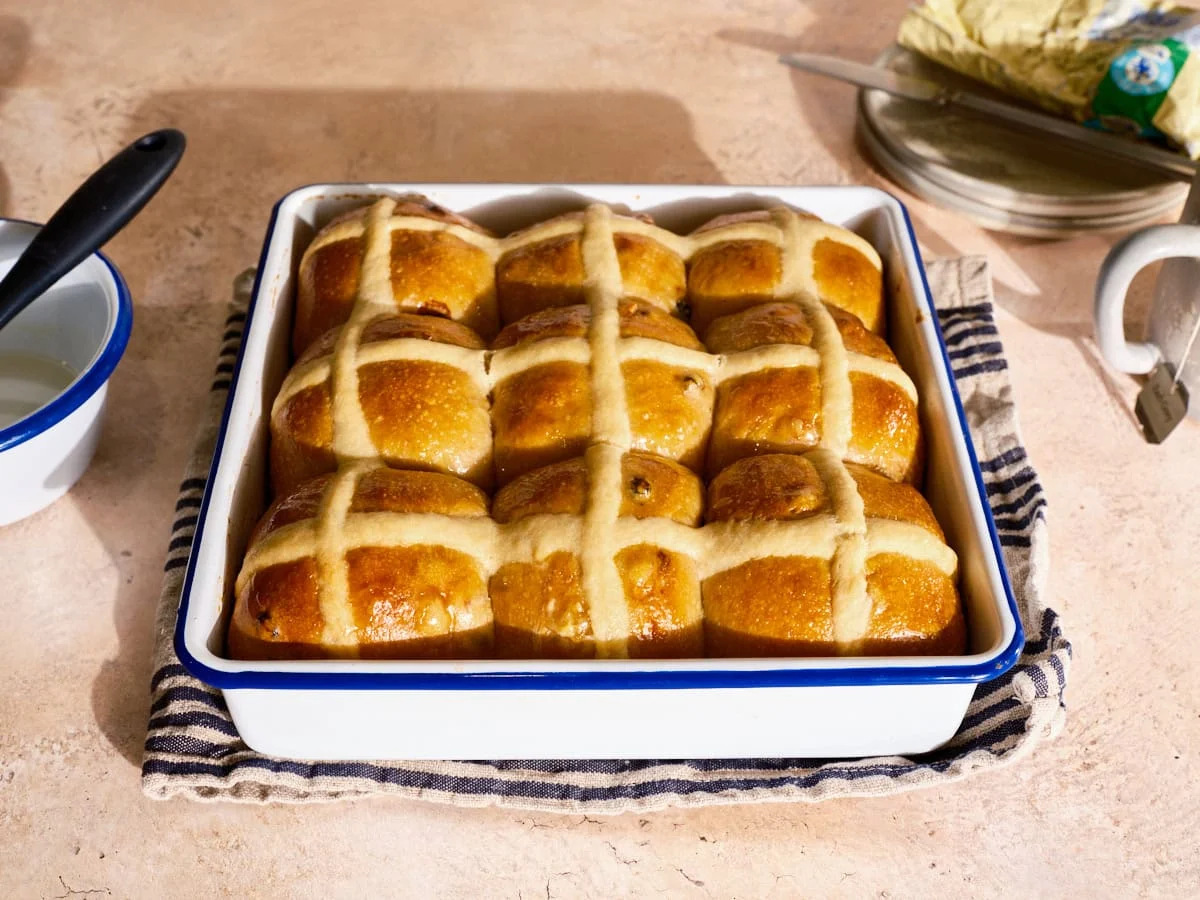
As spring approaches and the traditional Easter season beckons, culinary publication "The Perfect Loaf" has unveiled an enriched sourdough hot cross bun recipe, signaling a significant evolution in traditional seasonal baking. This updated formula integrates the acclaimed tangzhong method, a cooked flour paste known for its ability to dramatically enhance the softness and tenderness of baked goods, promising a distinctly pillowy texture and extended freshness that sets it apart from conventional preparations. This development reflects a growing trend in artisanal baking, where time-honored recipes are reimagined through modern techniques and a deeper understanding of dough science.
The Fusion of Tradition and Innovation: Tangzhong Meets Sourdough
The newly introduced recipe, an adaptation from "The Perfect Loaf" cookbook, represents a sophisticated blend of traditional flavors and innovative methodology. Hot cross buns, historically consumed on Good Friday, are characterized by their warm spices, citrus zest, and a medley of plump dried fruits, all encased in a rich, enriched dough. The foundational recipe already elevated these elements through the nuanced flavor profile of sourdough. However, the integration of tangzhong marks a pivotal enhancement. Tangzhong, a technique originating from East Asian baking, involves cooking a small portion of flour and liquid (typically milk or water) into a paste before incorporating it into the main dough. This process gelatinizes the starches in the flour, allowing them to absorb and retain a significantly greater amount of moisture. The result is a dough that yields an exceptionally soft, tender crumb, with a notable "pull-apart" quality, and crucially, maintains its freshness for a longer duration than buns made without this technique. This scientific approach to moisture management addresses a common challenge in enriched doughs, which can sometimes dry out quickly due to their higher fat and sugar content.
The author of "The Perfect Loaf" highlights that while commercial yeast offers speed, sourdough culture (specifically a sweet levain in this context) imbues the buns with a more complex, rounded flavor. The gentle acidity derived from the natural fermentation process beautifully counterpoints the sweetness of the sugar, fruit, and subsequent glaze, creating a multi-layered sensory experience. This subtle tang, often absent in commercial yeast versions, elevates the overall profile, bridging the gap between a simple sweet treat and a sophisticated artisanal bake.
Historical Context and Cultural Significance of Hot Cross Buns
Hot cross buns carry a rich history, believed to date back to the 12th century when an Anglican monk marked buns with a cross in honor of Good Friday. Over centuries, they became deeply intertwined with Easter traditions, symbolizing the crucifixion with their distinctive cross marking. Traditionally, the buns were made with a yeasted, enriched dough, incorporating spices like cinnamon, nutmeg, and allspice, alongside dried currants, raisins, and candied peel. The cross itself was often made from shortcrust pastry, or later, a simple flour-and-water paste, piped onto the buns before baking. The consumption of hot cross buns on Good Friday is a widespread custom in many Christian countries, signifying the end of Lent and the anticipation of Easter Sunday.
"The Perfect Loaf"’s recipe respects this heritage by maintaining the core flavor profile – the warm spices, vibrant citrus zests of lemon and orange, and the choice of plump Thompson raisins or candied orange peel, and dried currants or even chocolate chips for a modern twist. The deliberate choice to use sourdough, while requiring more patience, pays homage to ancient baking practices that predate commercial yeast, further connecting the buns to a timeless culinary tradition.
The Sourdough Renaissance and its Culinary Impact
The past decade has witnessed a significant resurgence in sourdough baking, particularly among home bakers. Driven by an interest in natural fermentation, gut health benefits, and the desire for deeper, more complex flavors, sourdough has moved from niche artisanal bakeries into mainstream home kitchens. The process, involving a "starter" of fermented flour and water, offers unique advantages: improved digestibility, a longer shelf life for baked goods due to the acidity, and an unparalleled depth of flavor.
In the context of hot cross buns, sourdough offers a distinct advantage over commercial yeast. While commercial yeast ensures a rapid rise and consistent results, it often lacks the nuanced flavor development that sourdough provides. The slow fermentation of sourdough allows for the breakdown of complex carbohydrates and the production of aromatic compounds, resulting in a richer, more evolved taste. The sweet levain used in this recipe is specifically cultivated to minimize overt sourness, ensuring that the natural tang complements rather than overwhelms the delicate balance of spices and sweetness. This attention to detail underscores the artisanal philosophy embraced by "The Perfect Loaf."
A Meticulous Baking Schedule for Optimal Results
The recipe outlines a detailed baking schedule, emphasizing that while the dough is "slow to ferment" due to its rich composition of milk, egg, butter, and sugar, the results are profoundly rewarding. The process typically spans two days, with the levain and an optional fruit soaker prepared overnight. The main dough mixing, bulk fermentation, shaping, and final proofing occur on the second day, culminating in a direct bake.
For those planning to serve these buns for Easter morning, a flexible overnight option is provided: the dough can be taken halfway through proofing, refrigerated overnight, and then finished proofing for an hour or two on Easter morning before baking. This strategic scheduling allows for the development of flavor and texture without demanding an early start on the holiday itself, making artisanal baking more accessible for busy individuals.
The recipe’s precision extends to baker’s percentages, dough temperature control, and specific mixing instructions, including guidance for stand mixers and spiral mixers. This meticulous approach ensures consistent results, even for intricate, enriched doughs. The windowpane test, a common technique to assess gluten development, is recommended, ensuring the dough achieves optimal strength and elasticity before the addition of butter and inclusions.
Implications for Home Bakers and Culinary Trends
The introduction of this refined sourdough hot cross bun recipe by "The Perfect Loaf" is not merely an update; it represents a convergence of culinary trends and a commitment to elevating home baking. By combining the natural leavening of sourdough with the moisture-retaining power of tangzhong, the recipe pushes the boundaries of what home bakers can achieve. It encourages experimentation, patience, and a deeper engagement with the science and art of baking.
This innovation is likely to inspire other bakers to explore similar hybrid techniques, applying tangzhong to other sourdough-enriched doughs such as brioche, challah, or cinnamon rolls. The emphasis on texture—the "pillowy, pull-apart" quality—is a highly sought-after characteristic in modern baking, and this recipe provides a robust framework for achieving it.
Furthermore, the publication’s detailed methodology and clear instructions make a complex recipe approachable, empowering bakers of varying skill levels to tackle a traditionally challenging bake. It reinforces the idea that artisanal quality is achievable in a home kitchen with the right techniques and a dedication to process. As consumers increasingly prioritize quality ingredients and bespoke culinary experiences, such recipes cater to a discerning audience eager to explore the nuances of flavor and texture.
In conclusion, "The Perfect Loaf"’s updated sourdough hot cross bun recipe stands as a testament to ongoing culinary innovation. By harmoniously blending the timeless appeal of hot cross buns with the profound flavors of sourdough and the scientific elegance of the tangzhong method, it offers a superior baked good that is both deeply traditional and refreshingly modern. This development not only enriches the seasonal table but also inspires a new generation of home bakers to explore the boundless possibilities within the world of natural leavening and dough enrichment.


