

The United States is currently facing a silent crisis of inefficiency within its domestic food supply chain, characterized by a staggering rate of waste that impacts both the national economy and the environment. Recent data from the Environmental Protection Agency (EPA) and the United States Department of Agriculture (USDA) indicates that approximately 40 percent of the food supply in the U.S. is never consumed. For the average American household, this systemic inefficiency translates into a direct financial loss of approximately $2,913 per year. Beyond the immediate economic consequences, the decomposition of organic matter in landfills is a primary contributor to methane emissions, a greenhouse gas significantly more potent than carbon dioxide in the short term.
Experts in food science and environmental sustainability argue that a significant portion of this waste is preventable through the adoption of rigorous food storage protocols. The transition away from traditional plastic-based storage methods toward more scientifically sound, breathable, and non-toxic alternatives is increasingly viewed as a critical step in mitigating this crisis.
The Economic and Environmental Context of Food Loss
The trajectory of food waste in the United States has reached a critical inflection point. According to the EPA’s 2023 reports, food is the single most common material placed in municipal landfills, accounting for 24 percent of tiered waste. When food is wasted, the resources used to produce it—including water, energy, labor, and land—are also squandered. The USDA estimates that the energy required to produce food that is ultimately lost could power millions of homes annually.
From a consumer perspective, the $2,913 annual loss is particularly acute during periods of high food inflation. Analysts suggest that by optimizing storage and extending the shelf life of produce by even 25 percent, households could recoup hundreds of dollars in lost purchasing power. Furthermore, the reliance on single-use plastics for food preservation has introduced a secondary environmental and health concern. Traditional plastics often contain endocrine disruptors such as Bisphenol A (BPA) and phthalates, which can leach into food items, particularly when subjected to temperature fluctuations or prolonged contact with acidic produce.
The Science of Produce Preservation
Effective food management begins with an understanding of the biological processes of decay. Most fruits and vegetables continue to "breathe" after harvest. Plastic bags and airtight containers often trap moisture and ethylene gas—a ripening agent produced by many fruits—which accelerates the decomposition process. This leads to the premature softening of fruit and the "slimming" of leafy greens.
To counteract these processes, food scientists recommend a tiered approach to storage based on the specific respiration rates of the produce.
Optimal Storage Protocols for Common Produce
- Leafy Greens and Herbs: These items require a balance of moisture and air circulation. Storing them in breathable cotton bags or wrapping them in damp cloth towels allows for transpiration without the accumulation of stagnant water.
- Berries: Strawberries, raspberries, and blueberries are highly susceptible to mold. They should remain dry until immediately before consumption. Experts suggest removing them from plastic clamshells and placing them in glass containers lined with a paper or cloth towel to absorb excess moisture.
- Root Vegetables: Potatoes, onions, and garlic thrive in cool, dark, and well-ventilated environments. Storing these items in the refrigerator is often counterproductive, as the cold can convert starches to sugars, altering texture and flavor. However, they should be kept separate, as onions can cause potatoes to sprout prematurely.
- Ethylene Producers vs. Ethylene Sensitive: Understanding the "gas" relationship is vital. Apples, bananas, and avocados produce high levels of ethylene and should be stored away from ethylene-sensitive items like broccoli, carrots, and leafy greens to prevent accelerated spoilage.
Material Innovation: Moving Beyond Plastic
The shift toward plastic-free storage is supported by both health advocates and environmental scientists. Borosilicate glass, medical-grade silicone, and organic textiles are emerging as the gold standard for home food preservation.
Advanced Textile Solutions
Products such as unbleached, unseeded cotton bags—often referred to as "swag bags"—utilize a multi-layered design to regulate moisture. By dampening the outer layer, a microclimate is created that keeps produce hydrated while allowing it to breathe. Clinical observations suggest these textiles can keep vegetables crisp for up to two weeks, a significant improvement over the three-to-five-day window provided by plastic.
Silicone and Borosilicate Glass
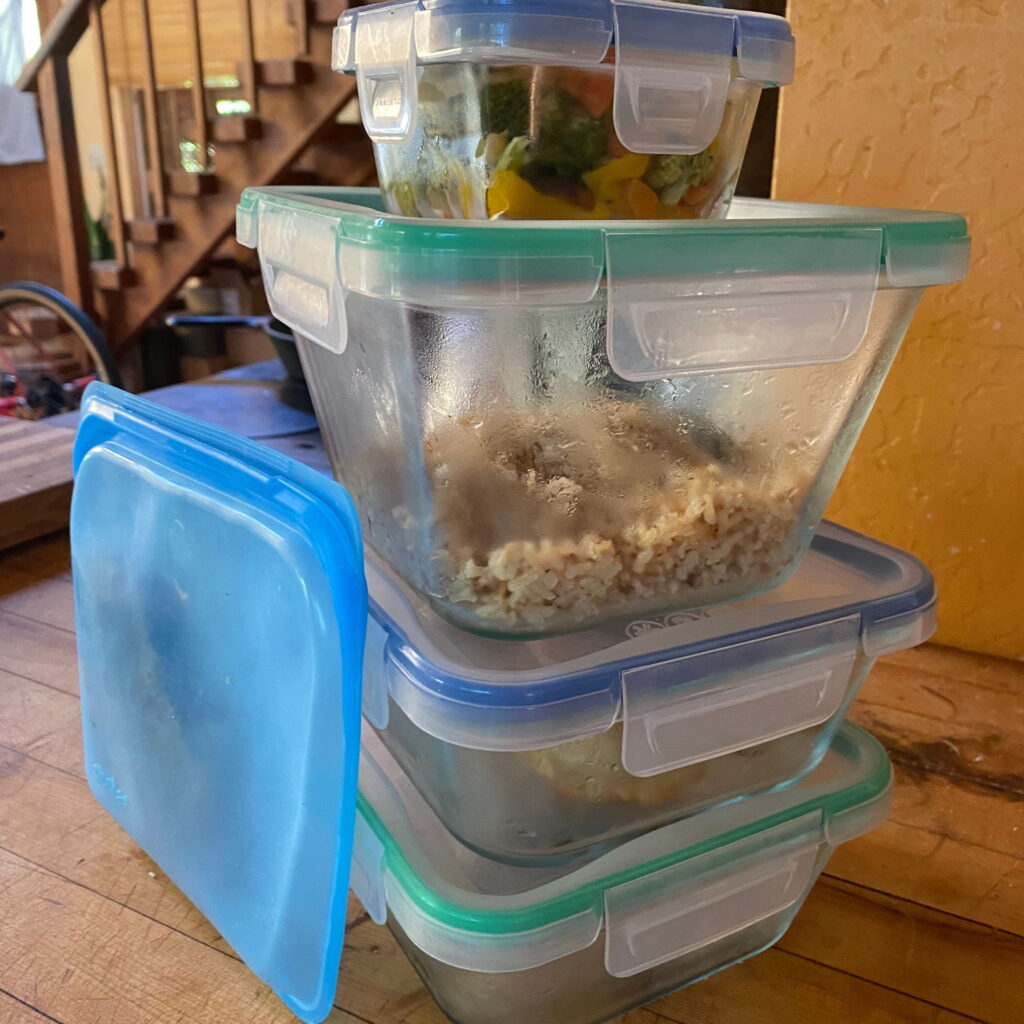
High-quality silicone bags offer a non-porous alternative that is both freezer and oven-safe. Unlike plastic, silicone does not degrade into microplastics over time. Similarly, borosilicate glass is preferred for its thermal shock resistance. The use of glass "snapware" with airtight seals is recommended for prepared meals and chopped produce, as it prevents oxidation without the risk of chemical leaching.
Sustainable Wraps
Beeswax wraps—made from organic cotton infused with beeswax, resin, and plant oils—have become a viable replacement for plastic film. These wraps are naturally antimicrobial and provide a breathable seal for cheeses, bread, and halved produce.
Strategic Refrigerator Organization and Thermal Zones
A common mistake in household food management is the improper utilization of refrigerator "micro-climates." Modern refrigerators are designed with specific temperature zones that, if used correctly, can significantly extend the life of perishables.
The Thermal Map of the Modern Refrigerator
- The Door: This is the warmest area of the unit due to frequent opening. It should be reserved for stable items such as condiments, fermented sauces, and pasteurized juices. Perishables like milk and eggs should never be stored in the door.
- The Upper Shelves: These shelves maintain the most consistent temperature. They are ideal for "ready-to-eat" items, including leftovers and pre-cooked meals.
- The Lower Shelves: As the coldest part of the refrigerator, the bottom shelves are intended for raw proteins—meat and fish—and dairy products. Storing raw meat at the lowest point also prevents cross-contamination from potential leaks.
- Crisper Drawers: These drawers are designed to manage humidity. High-humidity settings (closed vents) are necessary for thin-skinned vegetables and greens that wilt easily. Low-humidity settings (open vents) are designed for fruits that emit ethylene gas, allowing the gas to escape and preventing the fruit from rotting.
Broader Implications: Food Security and Municipal Waste
The implications of improved household food storage extend far beyond the individual kitchen. On a macro level, reducing household waste eases the pressure on the global food supply chain. As the global population continues to rise, the ability to preserve and consume the food already produced is considered a primary pillar of food security.
From a municipal perspective, the reduction of organic waste can lead to significant cost savings for local governments. Landfill "tipping fees" and the logistical costs of waste collection are driven by volume and weight. Since food waste is heavy and moisture-rich, it is expensive to transport and process. Environmental analysts argue that if urban centers could reduce food waste by 20 percent, the savings could be redirected toward infrastructure or public education.
Analysis of Consumer Behavior and Long-term Sustainability
The transition to a zero-waste or low-waste food system requires a shift in consumer psychology. The "Use It Up" basket—a designated area in the refrigerator for items nearing their expiration—is a simple yet effective behavioral nudge that has seen success in pilot programs aimed at reducing domestic waste.
Furthermore, the integration of meal planning with advanced storage techniques creates a "closed-loop" system at the household level. By purchasing only what is needed and storing it in a manner that maximizes longevity, consumers can insulate themselves from market volatility while contributing to national sustainability goals.
The data is clear: the current model of food consumption and disposal in the United States is unsustainable. However, through the application of scientific storage principles, the adoption of non-toxic materials, and a disciplined approach to refrigerator management, the "40 percent waste" statistic can be systematically dismantled. This transition represents not only an environmental necessity but a significant economic opportunity for the American public.


