
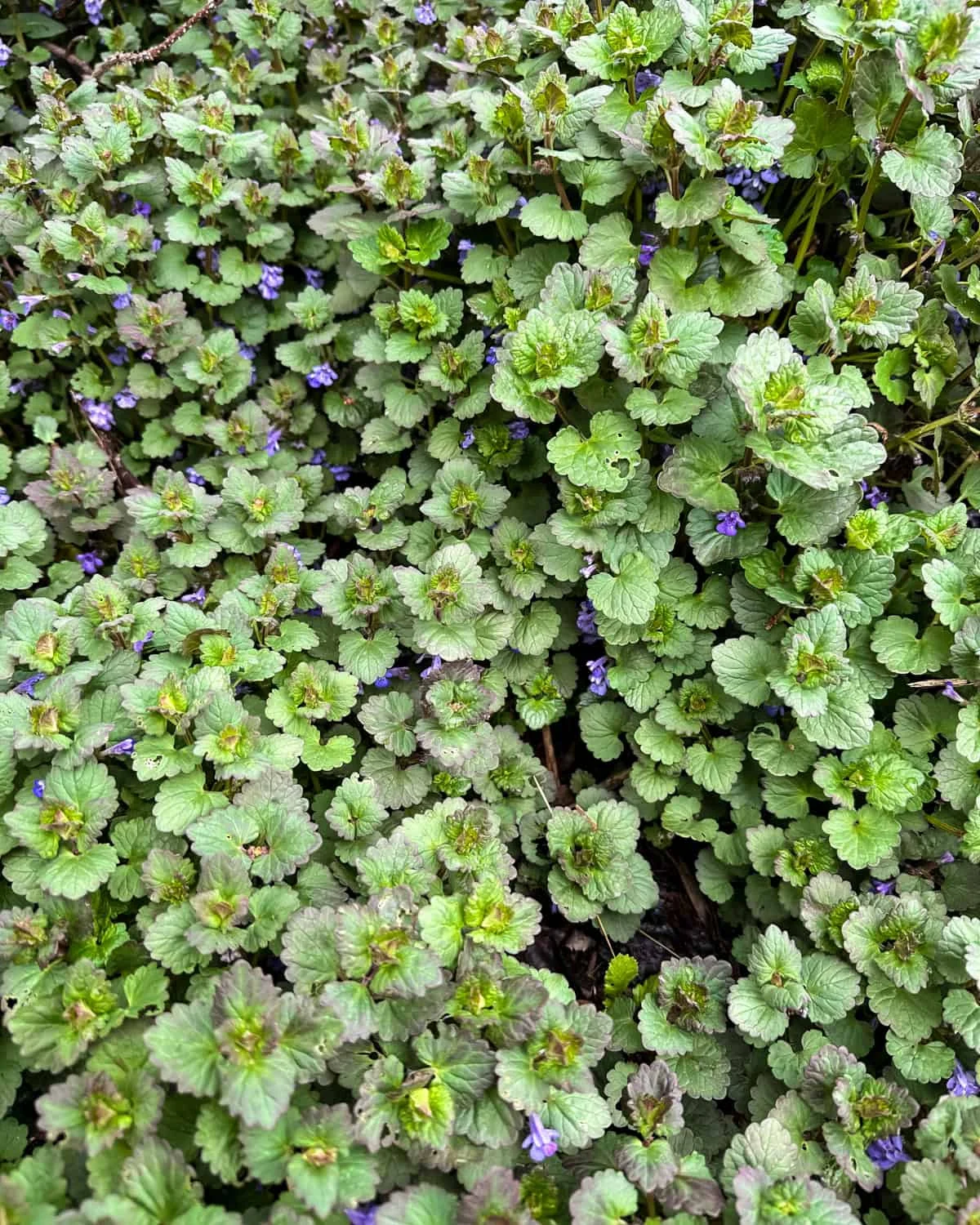
Glechoma hederacea, a perennial evergreen herb commonly known as ground ivy or creeping Charlie, has re-emerged in the public consciousness as a significant subject of interest for botanists, herbalists, and sustainable gardeners alike. While often dismissed by homeowners as a persistent and invasive lawn weed, this member of the Lamiaceae (mint) family possesses a complex history and a robust profile of medicinal and culinary applications. Characterized by its low-growing, creeping habit and its ability to form dense mats of scalloped, kidney-shaped leaves, ground ivy is one of the first wild plants to signal the arrival of spring. As ecological trends shift toward biodiversity and the preservation of native and naturalized species, the narrative surrounding ground ivy is transitioning from one of eradication to one of appreciation for its multifaceted utility.
Botanical Characteristics and Identification Standards
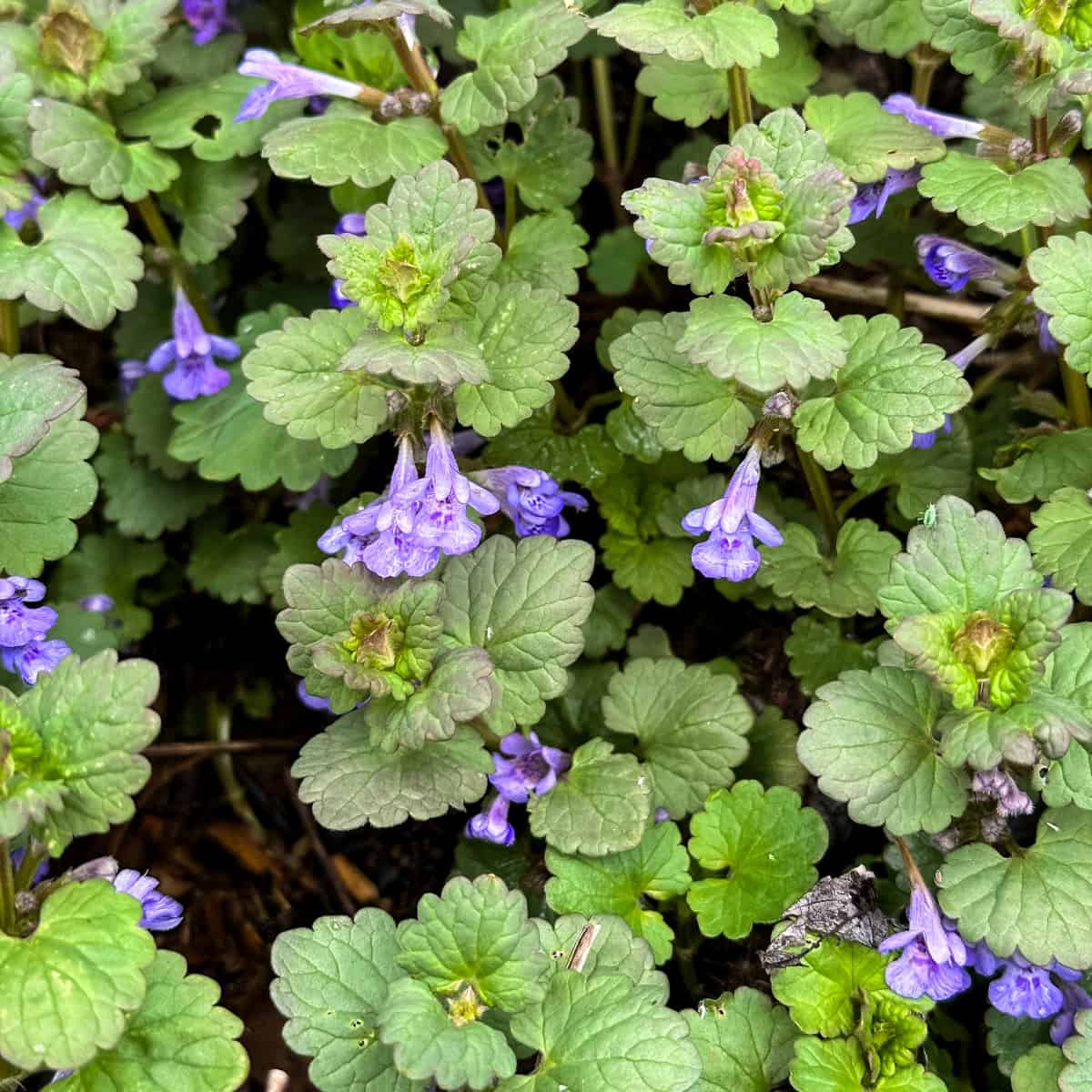
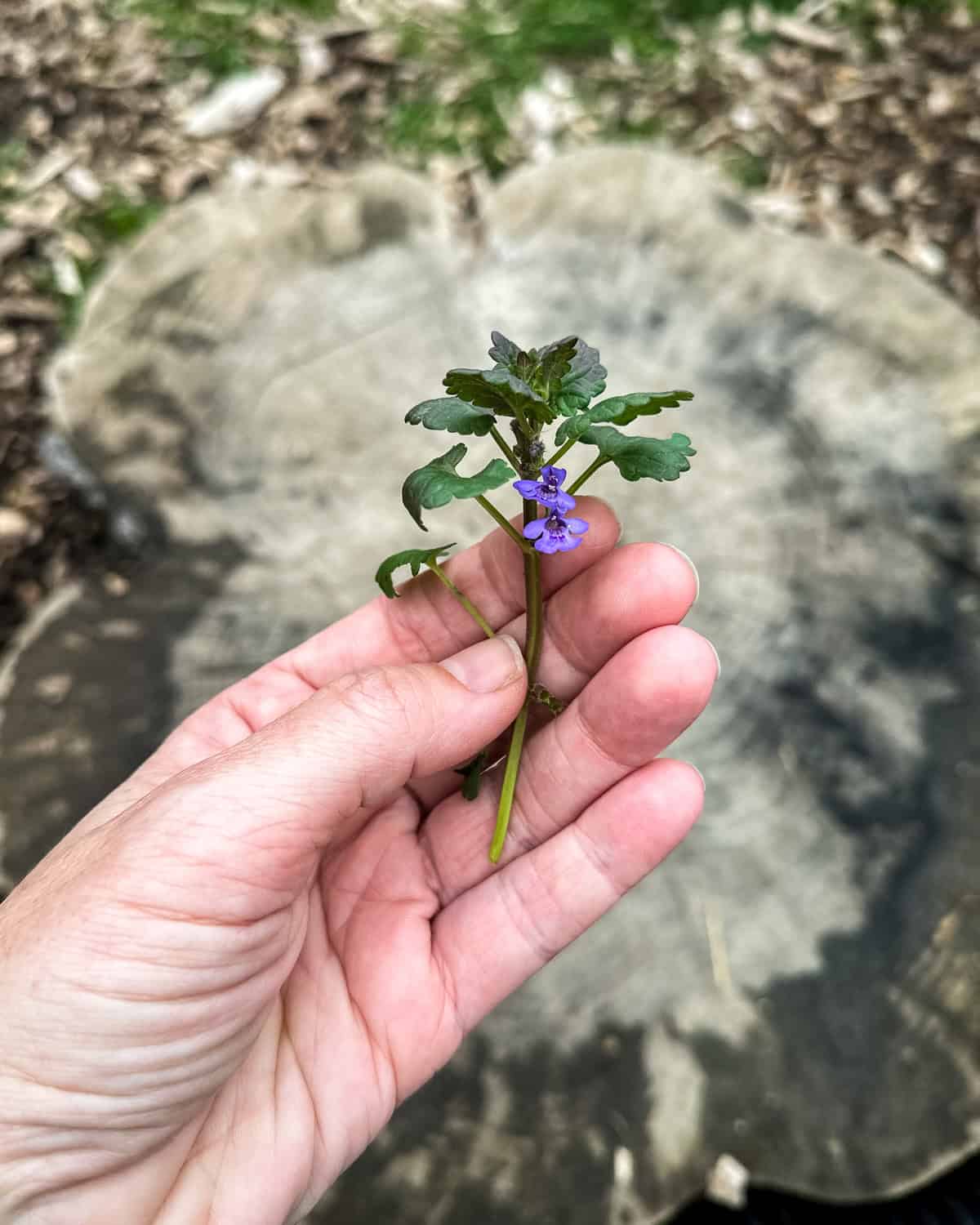
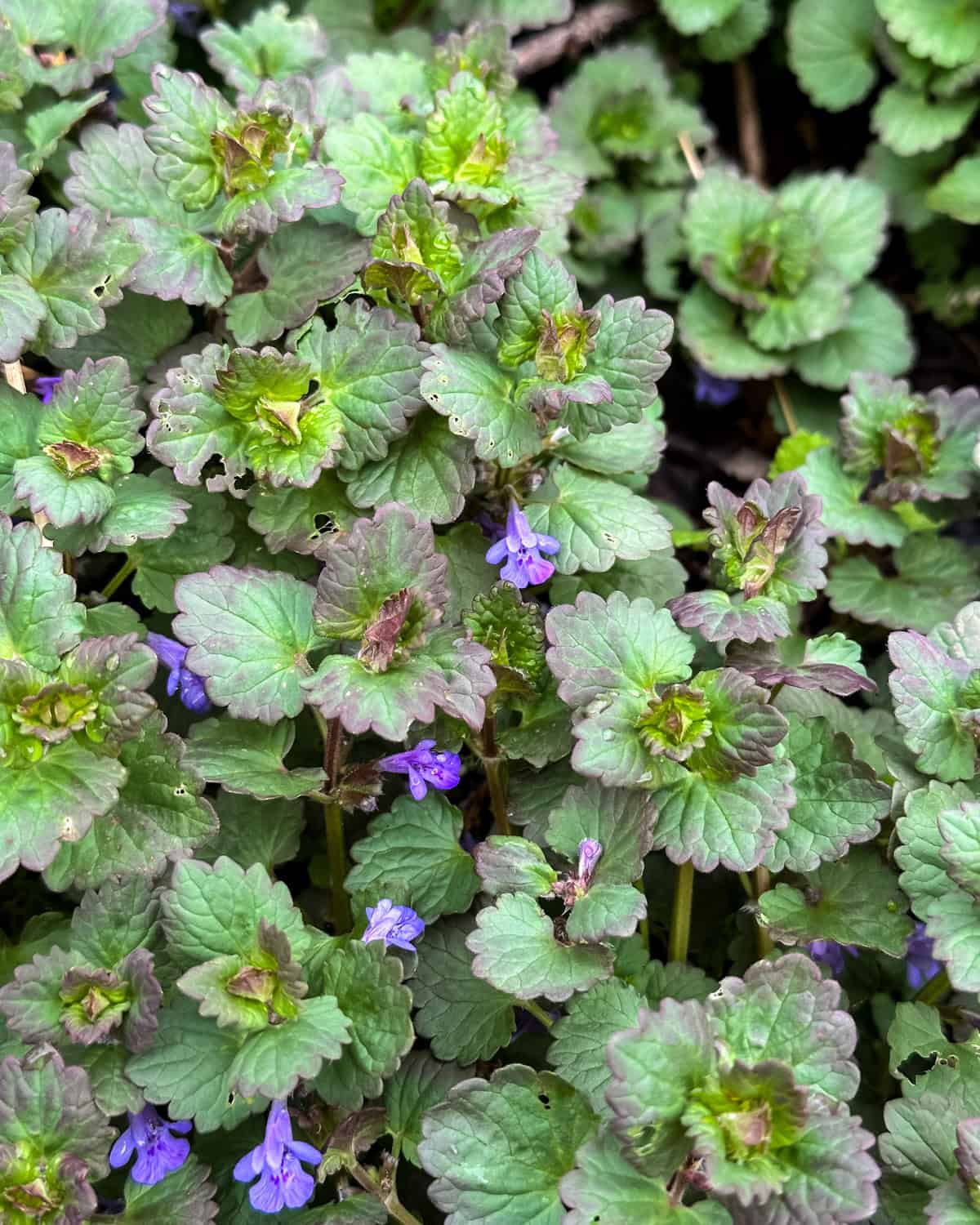
Identifying Glechoma hederacea requires a focus on several distinct morphological features that separate it from other early spring greens. The plant is a stoloniferous perennial, meaning it spreads via horizontal stems—runners—that take root at the nodes. This allows a single plant to colonize large areas rapidly, often outcompeting traditional turf grasses in shaded or damp environments. The leaves are typically dark green, though they can take on a reddish-purple hue in colder temperatures or high-sun exposure. They are oppositely arranged on square stems, a hallmark of the mint family, and possess a distinctively pungent, earthy-mint aroma when crushed.
The flowering period typically occurs between March and July, depending on the latitude. The blossoms are small, funnel-shaped, and usually a vibrant shade of bluish-purple with darker violet spots on the lower lip. These flowers are arranged in clusters of three to seven in the leaf axils. Foragers and botanists emphasize the importance of distinguishing ground ivy from its common look-alikes: henbit (Lamium amplexicaule) and purple dead nettle (Lamium purpureum). While all three are edible and share similar flowering times, ground ivy is distinguished by its creeping, prostrate growth habit and its perennial nature, whereas henbit and purple dead nettle are winter annuals that grow more upright.

Historical Context and the Evolution of Utility
The history of ground ivy is deeply rooted in European folklore and early industrial practices. Before the widespread adoption of hops (Humulus lupulus) in the 16th century, ground ivy was the primary clarifying and bittering agent used in the brewing of ale. This historical use earned it the nickname "alehoof." The plant contains bitter resins and essential oils that not only contributed to the flavor profile of the beverage but also acted as a preservative, preventing the ale from spoiling during the fermentation process.
Beyond the brewhouse, ground ivy was a staple in the "physic gardens" of the Middle Ages. It was brought to North America by European settlers who valued it as a reliable ground cover and a medicinal resource. Over the centuries, however, the plant’s aggressive growth led to its classification as a noxious weed in various agricultural contexts. By the mid-20th century, with the rise of the "perfect lawn" aesthetic, ground ivy became a primary target for broadleaf herbicides. Today, the pendulum is swinging back as the "no-mow" movement and the rise of foraging culture encourage a re-evaluation of the plant’s role in the domestic landscape.
Nutritional Profile and Biochemical Composition
Modern nutritional analysis confirms that ground ivy is more than just a resilient weed; it is a nutrient-dense wild green. It is particularly high in Vitamin C, iron, and potassium, making it a valuable addition to the diet at a time of year when fresh produce was historically scarce. The plant’s chemical composition includes a variety of bioactive compounds, such as terpenoids (including glechomafuran and glechomanolide), flavonoids (such as quercetin and apigenin), and phenolic acids (notably rosmarinic acid).
These compounds contribute to the plant’s significant antioxidant and antimicrobial properties. Research published in various ethnopharmacological journals indicates that the volatile oils in ground ivy exhibit inhibitory effects against several strains of bacteria and fungi. This biochemical profile supports the traditional use of the plant in treating inflammatory conditions and highlights its potential as a source for natural preservatives in the food industry.

Pharmacological Applications and Traditional Herbalism
In the realm of traditional herbal medicine, ground ivy is categorized as an alterative, diuretic, and expectorant. Its primary application has historically been the treatment of respiratory ailments. Herbalists frequently prescribe ground ivy infusions to address chronic bronchial catarrh, asthma, and coughs. The plant’s expectorant qualities help to thin and expel mucus from the lungs and sinuses, making it a common ingredient in remedies for "glue ear" and seasonal allergies.
Furthermore, ground ivy has a long-standing reputation as a treatment for digestive and urinary tract issues. As a mild diuretic, it assists in flushing toxins from the kidneys and bladder. Some historical texts also suggest its use in treating lead poisoning, a practice that stems from the plant’s supposed ability to bind with heavy metals, though modern scientific validation for this specific use remains limited. Topically, poultices made from crushed ground ivy leaves have been used to soothe minor skin irritations, bruises, and slow-healing wounds, leveraging its antimicrobial and anti-inflammatory properties.

Culinary Integration and Modern Foraging Practices
As the "farm-to-table" movement expands to include "forest-to-table" concepts, ground ivy is finding its way into high-end culinary preparations and home kitchens. Its flavor is often described as a complex blend of mint, sage, and black pepper, with a slightly bitter finish. Because the bitterness increases as the plant matures and the weather warms, early spring is considered the optimal harvest window.
Culinary experts recommend using ground ivy as a flavoring herb rather than a bulk green. It can be finely chopped and added to wild salads, blended into compound butters, or used to infuse vinegars and spirits. A notable contemporary application is the infusion of ground ivy into vodka or gin, which provides an earthy, botanical base for cocktails like the Bloody Mary. In savory cooking, it pairs exceptionally well with fatty meats and root vegetables, where its bitterness cuts through the richness of the dish.
Ecological Impact and Management Strategies
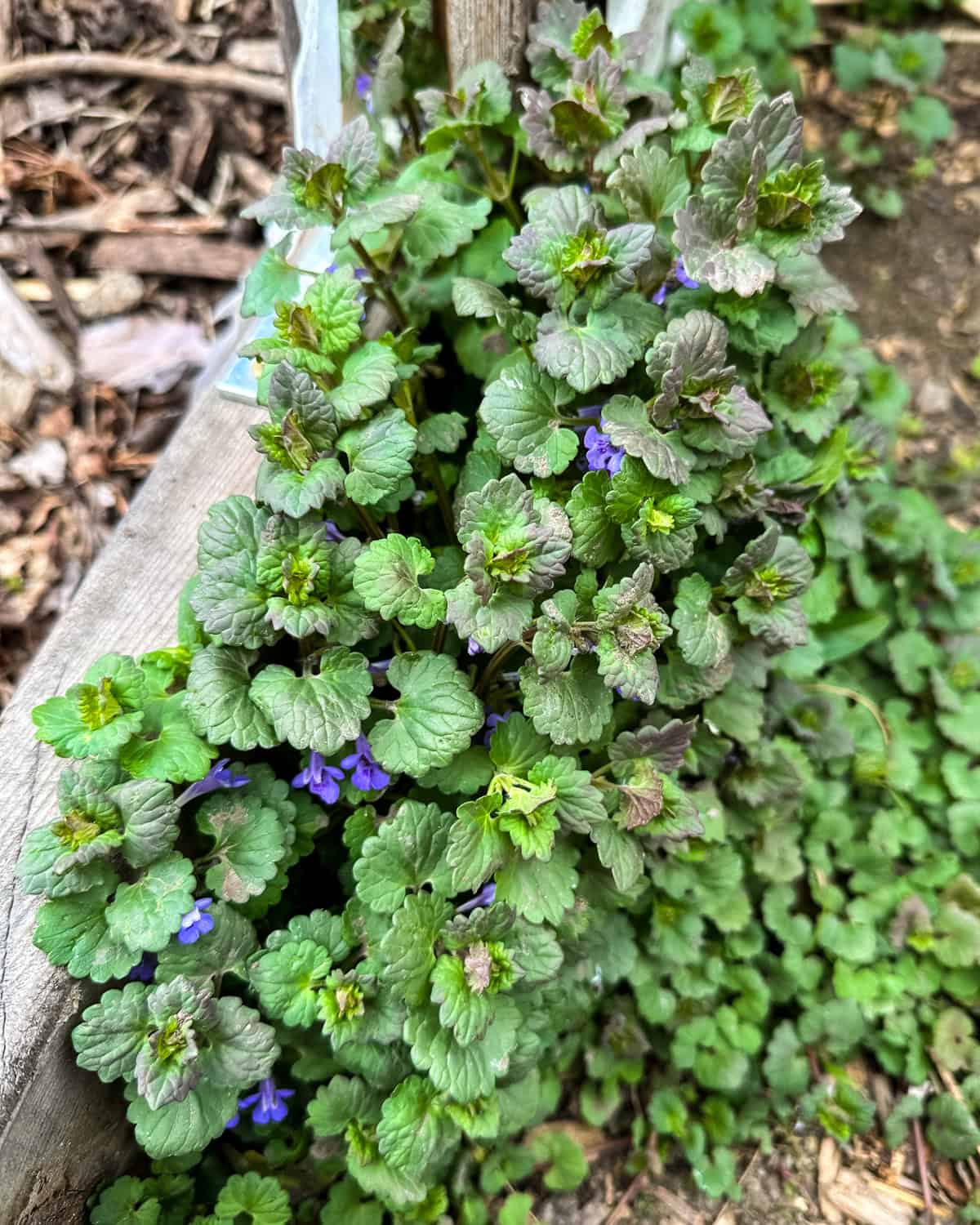
From an ecological perspective, ground ivy plays a nuanced role in the environment. As an early-blooming species, it provides a critical nectar source for long-tongued bees and other pollinators at a time when few other flowers are in bloom. Its dense mats of foliage offer effective erosion control and help to retain soil moisture in shaded areas where traditional grass might fail to take hold.
However, its aggressive nature remains a point of contention for those seeking to maintain native plant diversity. Agricultural experts note that creeping Charlie can be difficult to manage because it spreads via both seeds and creeping stems. Manual removal is often labor-intensive, as any fragment of the stem left in the soil can regenerate into a new plant. In recent years, there has been a growing movement toward "integrated pest management," which suggests accepting ground ivy as a permanent component of a biodiverse lawn rather than resorting to heavy chemical interventions. This approach aligns with broader environmental goals of reducing herbicide runoff and supporting local pollinator populations.
Broader Implications for Sustainable Living
The rehabilitation of ground ivy’s reputation reflects a broader shift in how society views the "natural" world. The distinction between a "flower" and a "weed" is increasingly recognized as a subjective cultural construct. By identifying the inherent value in plants like Glechoma hederacea, individuals can move toward a more sustainable and self-reliant lifestyle. Foraging for wild greens reduces the carbon footprint associated with commercial agriculture and fosters a deeper connection to the local ecosystem.
As climate change alters growing seasons and traditional agricultural patterns, the resilience of "weeds" like ground ivy may become an asset. These plants are adapted to thrive in disturbed soils and fluctuating weather conditions, providing a consistent source of nutrition and medicine. The ongoing study of ground ivy serves as a reminder that the solutions to many modern health and ecological challenges may be growing unnoticed in the average backyard.
Conclusion and Future Outlook
Ground ivy, or creeping Charlie, stands as a testament to the endurance and utility of the natural world. Whether viewed as a historical brewing essential, a potent herbal remedy, a culinary curiosity, or a resilient ground cover, its presence in the landscape is undeniably significant. As scientific research continues to explore the pharmacological potential of its chemical constituents, and as the public continues to embrace foraging as a viable means of food procurement, ground ivy is likely to remain a focal point of botanical and ecological discussion. The transition from viewing this plant as a nuisance to recognizing it as a resource is a hallmark of the modern environmental movement, emphasizing the importance of biodiversity and the untapped potential of the wild flora that surrounds us.


