
The Chemical Landscape: Understanding Phthalates and Endocrine Disruption
Phthalates, a family of synthetic chemicals used primarily as plasticizers, are added to polyvinyl chloride (PVC) to enhance flexibility, transparency, and durability. Because they are not chemically bonded to the plastic matrix, these substances can easily leach into the environment or be absorbed through the skin and ingestion. In the context of childcare, phthalates are frequently found in soft plastic teethers, inflatable toys, and the waterproof linings of various baby products.
The primary concern regarding phthalate exposure is their role as endocrine disruptors. The endocrine system regulates nearly every biological process in the body, including metabolism, growth, and reproductive development. Research published in various medical journals, including a notable study cited in Healthcare, indicates that phthalate exposure in children can adversely affect reproductive hormone levels, thyroid function, and even neurodevelopment. Because infants have a higher metabolic rate and are in a critical window of physiological growth, their bodies are significantly more sensitive to these chemical interferences than adults. Furthermore, common infant behaviors—such as crawling on synthetic carpets and the habitual "mouthing" of objects—increase their cumulative exposure to the dust and residues associated with plastic degradation.
The Evolution of the Diapering Industry: From Natural Fibers to Synthetic Dominance
The history of infant hygiene has seen a dramatic shift from traditional cloth diapers to the high-tech disposable versions that dominate the global market today. The introduction of the first mass-market disposable diaper in the mid-20th century revolutionized parenting, offering a solution to the labor-intensive process of laundering cloth. However, this convenience came at the cost of material purity. Modern disposable diapers are complex engineering feats, typically composed of a polyethylene or polypropylene outer shell, a core of wood pulp and super-absorbent polymers (SAP), and a synthetic topsheet.
For many parents, the choice between cloth and disposable diapers is fraught with logistical and financial considerations. While reusable cloth diapers are often cited as the gold standard for reducing plastic exposure, they require a significant upfront investment and access to reliable laundry facilities. Furthermore, many commercial childcare centers refuse to accept cloth diapers due to hygiene regulations and storage constraints.
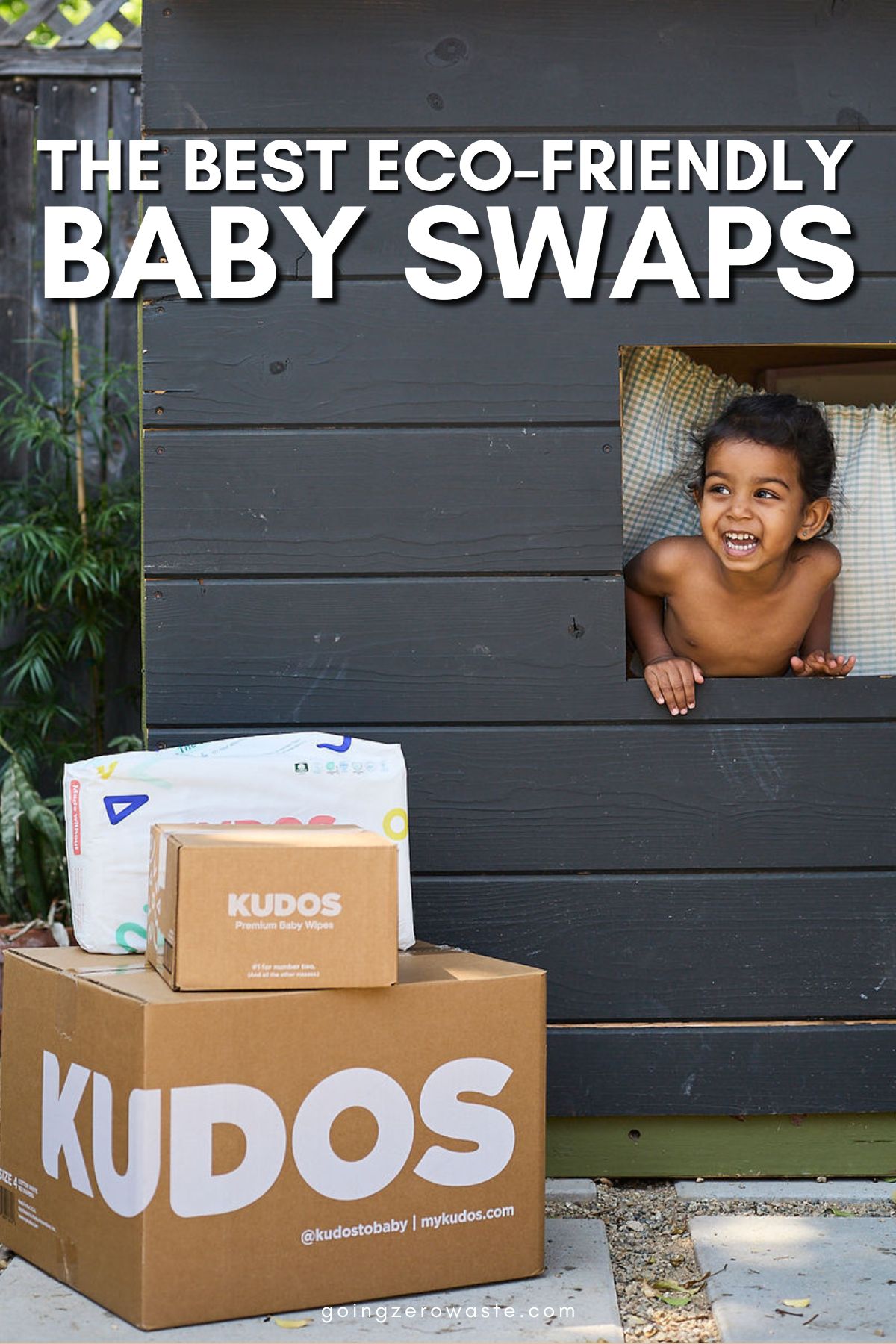
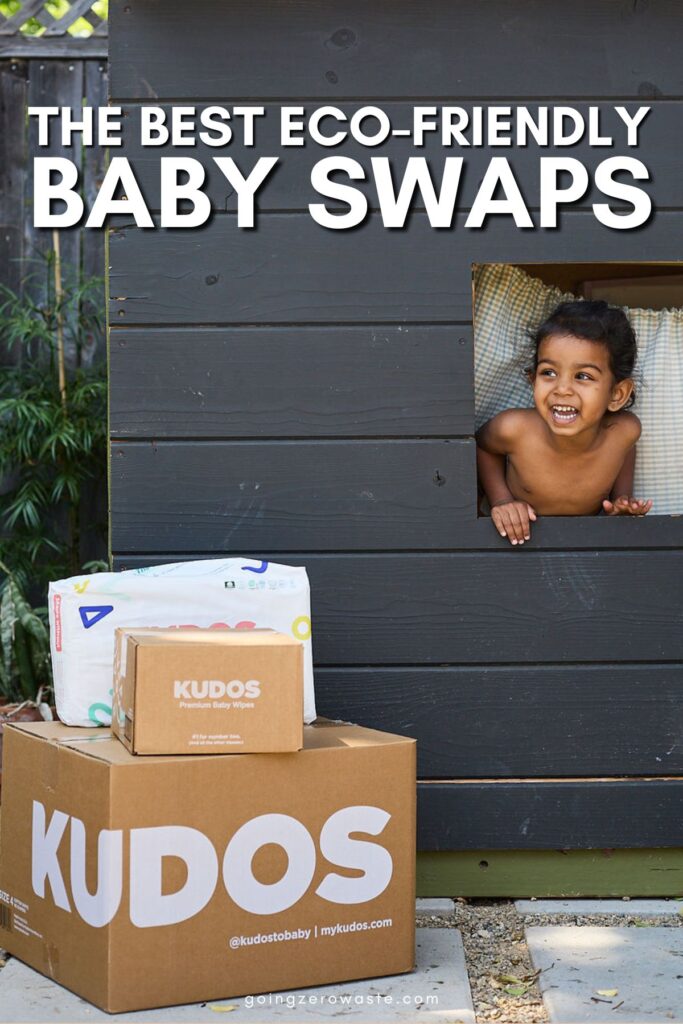
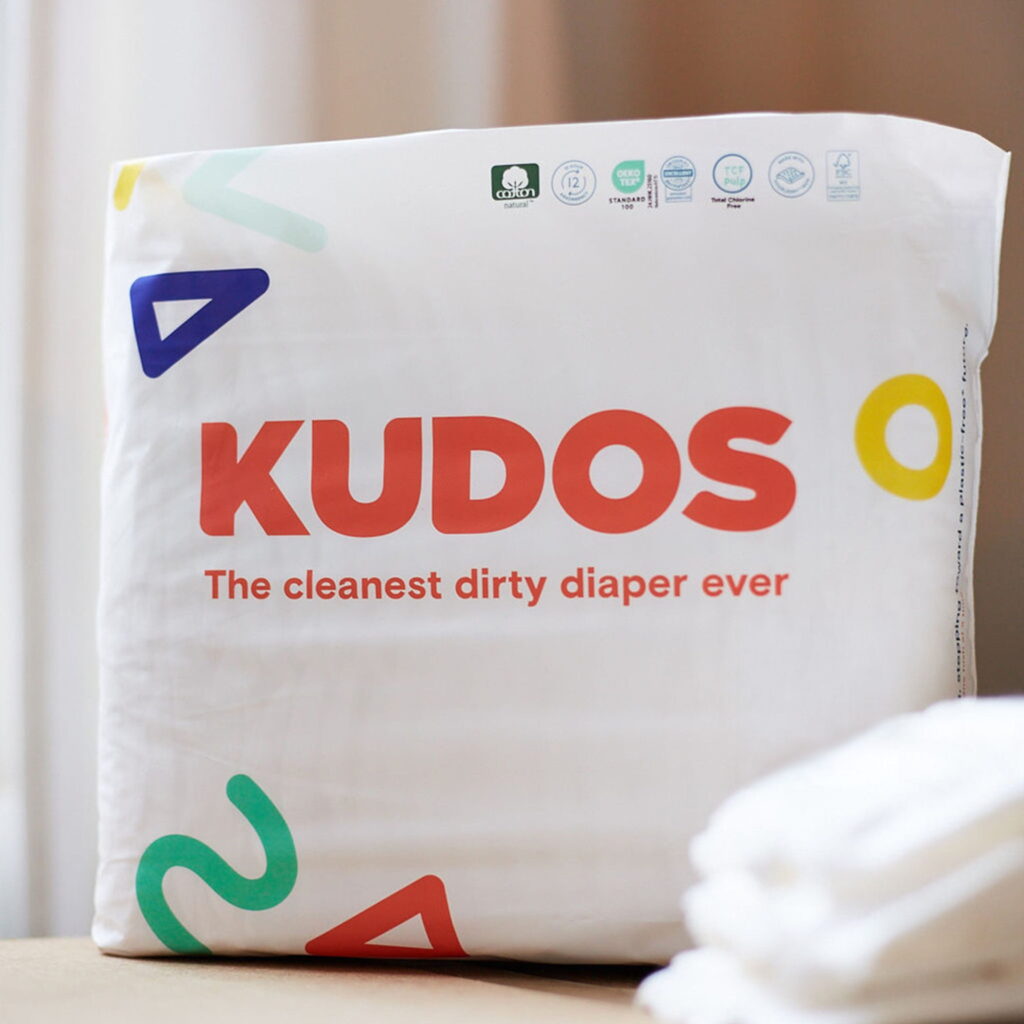
In response to these challenges, a new category of "hybrid" or "clean" disposables has emerged. Brands such as Kudos have sought to bridge the gap by replacing the traditional plastic topsheet—the layer in direct contact with the infant’s skin—with 100% natural cotton. While these products still utilize plastic components for waterproofing and fastening, the use of a natural fiber liner represents a significant shift in reducing the chemical load on sensitive areas. This innovation, led by engineers from institutions like MIT, reflects a broader industry trend toward material transparency and the elimination of parabens, fragrances, and phthalates in hygiene products.
The Impact of Certifications and Material Standards
As the market for baby products becomes increasingly saturated with "greenwashed" marketing, independent certifications have become essential tools for consumer safety. Three primary standards currently guide the production of higher-quality infant goods:
- OEKO-TEX STANDARD 100: This global certification ensures that every component of a product, from the fabric to the thread and buttons, has been tested for harmful substances. It is particularly relevant for textiles and diapers, providing a guarantee that the product is harmless to human health.
- FSC (Forest Stewardship Council): This certification pertains to the wood pulp used in diaper cores and paper products. It ensures that the materials are sourced from responsibly managed forests that provide environmental, social, and economic benefits.
- TCF (Totally Chlorine Free): Traditional bleaching processes for wood pulp often use elemental chlorine, which can leave behind trace amounts of dioxins—potent environmental pollutants. TCF products utilize oxygen, ozone, or hydrogen peroxide, eliminating the risk of dioxin contamination.
Nutritional Safety: Mitigating Microplastic Leaching in Feeding Routines
One of the most significant recent developments in infant health research concerns the use of plastic baby bottles. A 2020 study published in Nature Food revealed that polypropylene baby bottles can release millions of microplastic particles per liter when subjected to heat and agitation. Given that many parents use boiling water to sterilize bottles or microwaves to warm formula, the potential for ingestion is substantial. The study estimated that bottle-fed infants could be consuming an average of 1.5 million microplastic particles daily.
To mitigate this risk, health experts recommend several procedural changes:
- Transition to Glass or Silicone: Glass bottles are chemically inert and do not leach microplastics, even at high temperatures. High-quality food-grade silicone is another alternative that offers durability without the risks associated with traditional plastics.
- Alternative Heating Methods: If plastic bottles must be used, formula or breastmilk should be heated in a glass container and allowed to cool to room temperature before being transferred to the plastic bottle.
- Avoiding Microwaves: Microwaving plastic containers can create localized "hot spots" that accelerate the breakdown of the plastic polymer, significantly increasing the rate of microplastic shedding.
The Synthetic Textile Crisis and Infant Apparel
The prevalence of synthetic fibers in infant clothing—such as polyester, nylon, and acrylic—presents another avenue for plastic exposure. These materials are essentially plastic filaments woven into fabric. Beyond the potential for skin irritation, synthetic textiles are a major source of microplastic fibers, which are released both during wear and through the laundering process.
Journalistic investigations into the global textile supply chain have highlighted the importance of opting for natural fibers like organic cotton, hemp, and wool. These materials are breathable, hypoallergenic, and biodegradable. However, the high cost of organic apparel remains a barrier for many families. To address this, experts suggest a "pre-loved" approach, utilizing thrift stores and clothing swaps. Because older clothes have been washed multiple times, they are less likely to contain the residual finishes and chemical treatments often found in new garments. Furthermore, parents are advised to look for the Global Organic Textile Standard (GOTS) label, which provides the highest level of assurance regarding the organic status of textiles.
Broader Implications and Public Health Policy
The challenge of reducing plastic exposure in infancy is not merely a matter of individual consumer choice; it is a systemic issue involving manufacturing regulations and environmental policy. While the European Union has implemented strict bans on certain phthalates in toys and childcare articles, the United States has historically been slower to adopt comprehensive federal bans, often relying on state-level legislation or voluntary industry pull-backs.

The long-term implications of early-life plastic exposure are still being studied, but the preliminary data suggests a correlation with rising rates of metabolic disorders, developmental delays, and endocrine-related health issues. As the scientific community continues to refine its understanding of the "exposome"—the measure of all the exposures of an individual in a lifetime and how those exposures relate to health—the emphasis on the first 1,000 days of life has never been greater.
Conclusion: A Pragmatic Approach to Risk Reduction
Reducing plastic exposure in an era of synthetic ubiquity is an arduous task for new parents. The objective is not necessarily the total elimination of plastic—which is virtually impossible in the modern world—but rather the strategic reduction of exposure in areas where it matters most. By prioritizing natural materials for items that involve ingestion (bottles and teethers) or prolonged skin contact (diapers and clothing), parents can significantly lower the chemical burden on their children.
The shift toward safer alternatives, supported by brands like Kudos and certified by organizations like OEKO-TEX, represents a critical step toward a healthier future. As consumer demand for transparency grows, the childcare industry is likely to see further innovations that prioritize biological safety over manufacturing convenience, ensuring that the next generation is raised in an environment that supports, rather than hinders, their natural development.


