
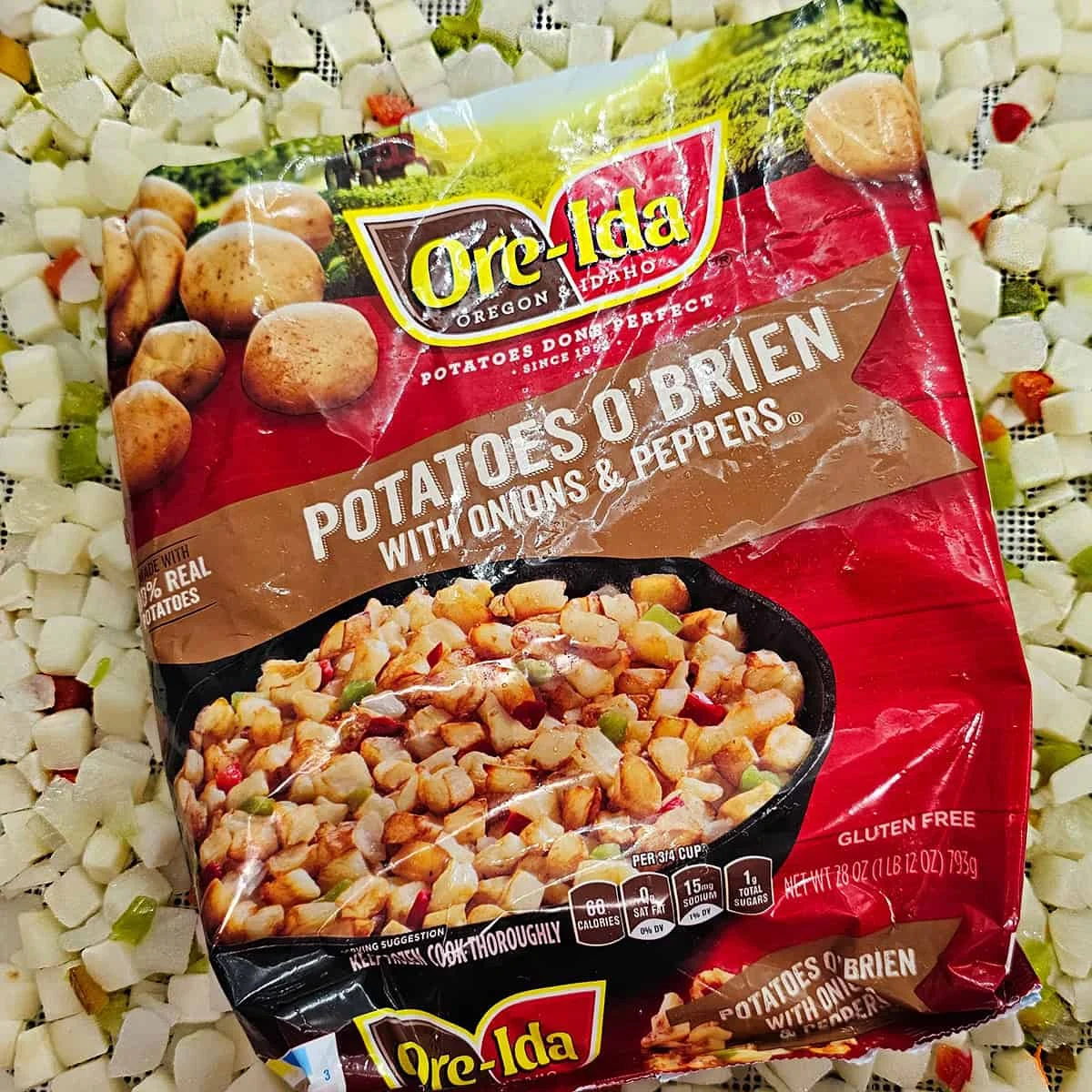
The practice of transforming frozen convenience foods into shelf-stable pantry staples represents a significant shift in modern domestic food management, driven by a dual desire for space optimization and long-term food security. Dehydrating pre-processed frozen potatoes, such as the popular Potatoes O’Brien blend—which typically consists of diced potatoes, onions, and bell peppers—offers a streamlined approach to food preservation. This methodology leverages industrial pre-processing, such as professional blanching and uniform dicing, to reduce the labor-intensive steps usually associated with home dehydration. By removing the moisture from these products, households can effectively transfer bulk inventory from energy-dependent freezers to ambient temperature storage, thereby mitigating the risks associated with power outages and maximizing available freezer volume for perishable items that cannot be easily dried.
The Technical Foundation of Home Dehydration
Dehydration is one of the oldest methods of food preservation, functioning by reducing the water activity ($A_w$) of food to a level where microbial growth and enzymatic reactions are inhibited. In the context of frozen potatoes, the process is significantly simplified. Most commercial frozen potato products are blanched during the manufacturing process. Blanching is a critical thermal treatment that inactivates enzymes like polyphenol oxidase, which otherwise causes browning and flavor degradation during storage. Because these products are already blanched, diced, and flash-frozen, they are essentially "ready to dry," eliminating the need for peeling, chopping, and the precise timing of a home blanching cycle.
The methodology for dehydrating frozen Potatoes O’Brien involves a systematic approach to moisture removal. The process begins with the direct application of the frozen product onto dehydrator trays. Unlike fresh produce, which may require intricate preparation, frozen potatoes do not necessitate thawing; in fact, processing them while frozen can prevent the potatoes from becoming gummy. The standard operating temperature for root vegetables and starch-heavy products is 125°F (52°C). This temperature is sufficient to facilitate evaporation without "case hardening," a phenomenon where the exterior of the food dries too quickly, trapping moisture inside and leading to internal spoilage.
Chronology of the Dehydration Cycle
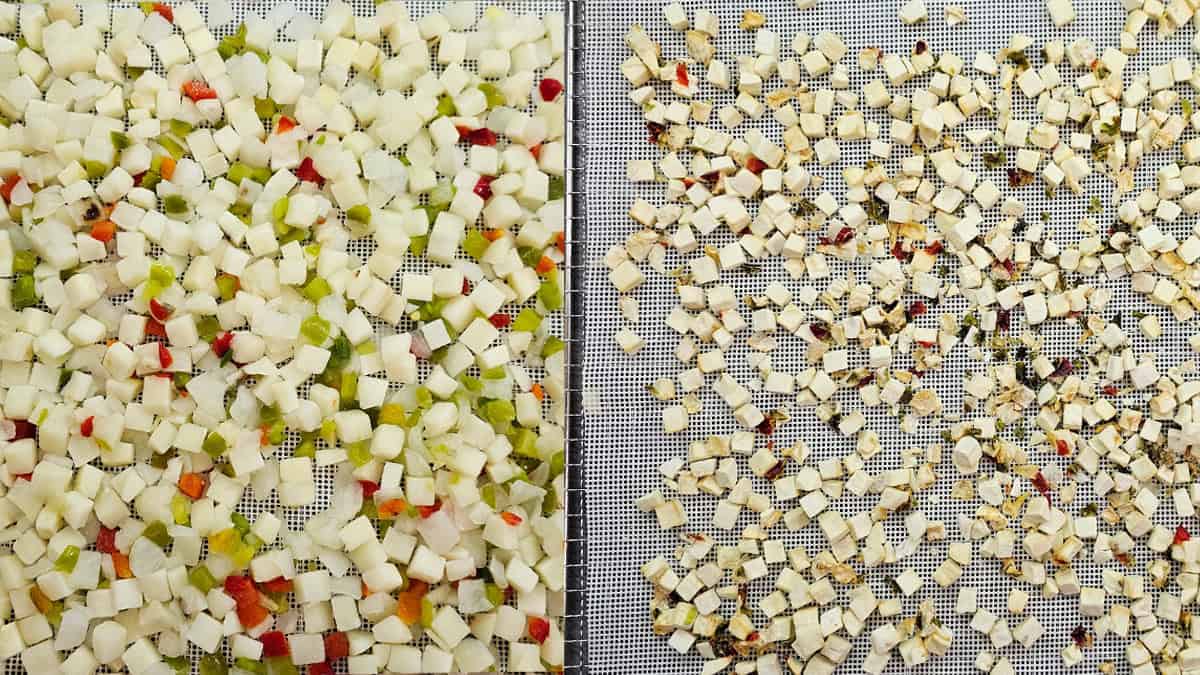
The transition of a bag of frozen potatoes to a shelf-stable state follows a specific chronological sequence. Upon placing the frozen dice on the mesh screens of a dehydrator, the initial two hours are characterized by the sublimation and evaporation of surface ice crystals. As the internal temperature of the potato pieces rises to meet the ambient air of the dehydrator, the primary drying phase begins. This phase typically lasts between 8 to 12 hours, depending on the relative humidity of the environment and the specific density of the potato cubes.
Once the potatoes have reached a state of "leathery" or "brittle" dryness, they enter the conditioning phase. This involves placing the cooled, dried potatoes in a glass jar for 7 to 10 days, shaking daily to check for any signs of moisture condensation. If moisture appears, the product must return to the dehydrator. If the product remains dry, it is considered shelf-stable. The final stage is long-term storage, often involving vacuum sealing or the use of oxygen absorbers to extend the shelf life from months to years.
Supporting Data on Energy and Space Efficiency
The economic implications of shifting from frozen to dehydrated storage are measurable. According to data from the U.S. Department of Energy, a standard upright freezer consumes approximately 300 to 600 kWh per year. In regions with high electricity costs, the cumulative expense of maintaining a large freezer inventory is substantial. Furthermore, frozen foods are susceptible to "freezer burn," a sublimation process that degrades texture and flavor over 6 to 12 months.
In contrast, dehydrated potatoes occupy approximately 20% to 25% of the original volume of the frozen product. This volumetric reduction allows for the storage of several kilograms of potato products within a single one-quart glass jar. From a food security perspective, this provides a significant advantage: a pantry stocked with dehydrated goods remains viable regardless of the operational status of the power grid, whereas a freezer inventory begins to compromise within 24 to 48 hours of a power failure.
Comparative Analysis: Suitable vs. Unsuitable Potato Products
Not all frozen potato products are candidates for home dehydration. A technical analysis of food composition reveals why certain varieties are preferred over others.
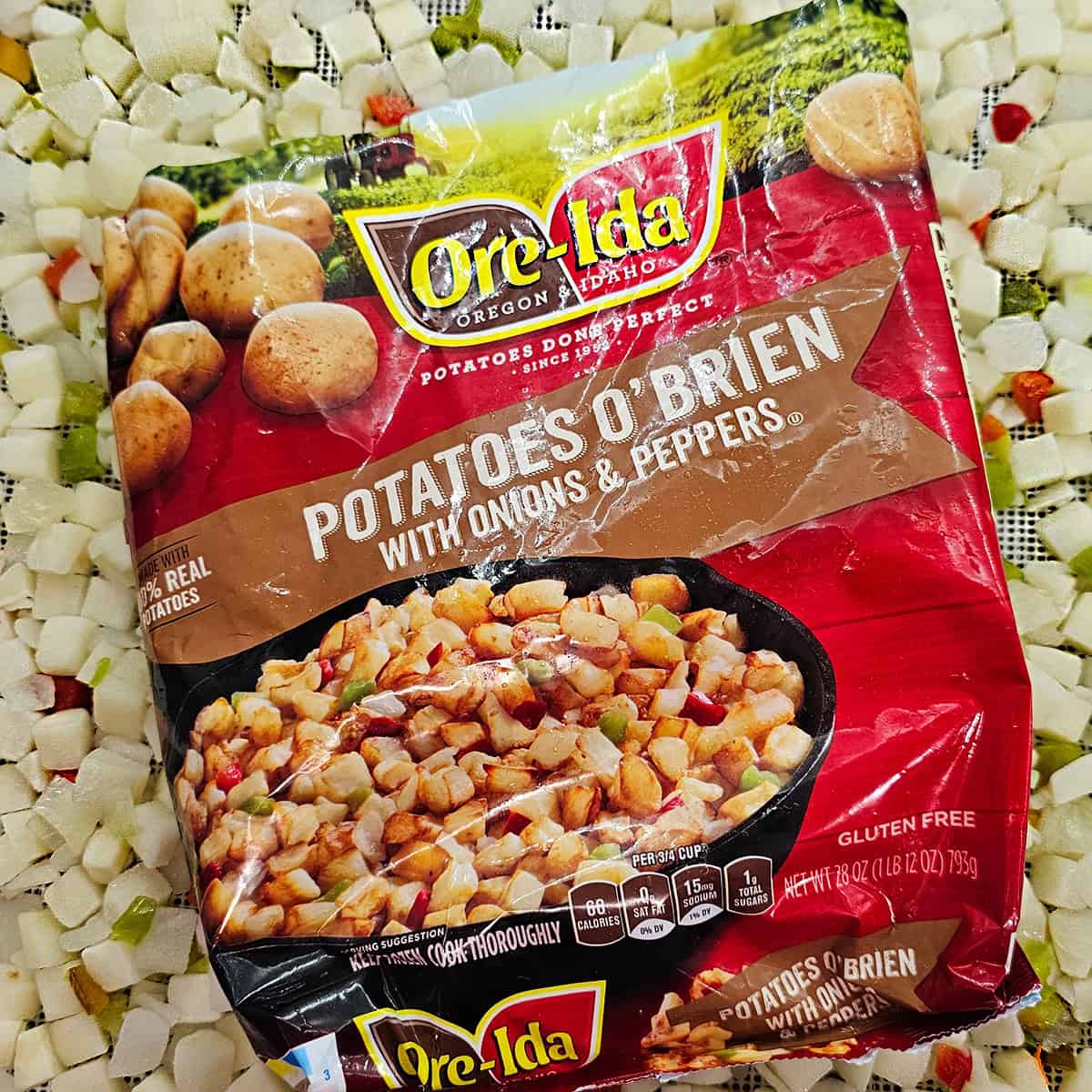
- Potatoes O’Brien and Diced Hash Browns: These are ideal because they generally lack added fats or oils. The ingredients are usually limited to potatoes and aromatics (peppers and onions). The absence of lipids is crucial, as fats do not dehydrate and can become rancid even in a dry environment, severely shortening the shelf life of the product.
- French Fries and Seasoned Wedges: Most frozen fries are pre-fried or coated in oil to ensure a crisp texture when baked. These are unsuitable for dehydration because the oil content will eventually oxidize, creating off-flavors and potential health risks.
- Mashed Potatoes: While possible to dehydrate, frozen mashed potatoes often contain dairy (milk or butter), which introduces complex safety variables regarding shelf-stability at room temperature.
Expert Perspectives and Safety Standards
While the United States Department of Agriculture (USDA) focuses primarily on canning safety, the National Center for Home Food Preservation (NCHFP) provides guidelines that support the safety of dehydration when performed correctly. Food safety experts emphasize that the final moisture content of dehydrated vegetables should be around 10% or less. For potatoes, the "snap test"—where a cooled piece breaks cleanly rather than bending—is the standard field test for adequate dryness.
Logistically, the use of frozen products as a starting point is often recommended by home preservation advocates because it minimizes the "danger zone" (40°F to 140°F) exposure. Since the potatoes start at 0°F and are quickly brought to 125°F in a controlled airflow environment, the window for bacterial proliferation is significantly narrowed compared to processing fresh potatoes at room temperature over several hours.
Broader Impact on Food Waste and Supply Chain Resilience
The enrichment of the home pantry through dehydration has broader implications for the global food supply chain. Domestic food waste is a significant contributor to environmental strain; by "rescuing" frozen items that might otherwise be forgotten and succumb to freezer burn, consumers contribute to a more circular and less wasteful food economy.
Moreover, the ability to store caloric staples like potatoes in a lightweight, shelf-stable form enhances household resilience against supply chain disruptions. During the COVID-19 pandemic and subsequent inflationary periods, the volatility of fresh produce prices highlighted the value of having a "working pantry." Dehydrated Potatoes O’Brien can be rehydrated in approximately 15 to 20 minutes using boiling water, making them a functional equivalent to fresh produce in recipes such as soups, stews, casseroles, and breakfast hashes.
Rehydration and Culinary Integration
The utility of a dehydrated product is ultimately defined by its performance upon rehydration. For Potatoes O’Brien, the process involves a 1:2 ratio of dried product to water. The porous structure created during the dehydration process allows the cells to absorb water relatively quickly.
In culinary applications, the dehydrated dice are versatile. In liquid-heavy dishes like Shepherd’s Pie or vegetable soups, the potatoes can be added directly to the pot, where they simmer and reabsorb the seasoned broth, enhancing the overall flavor profile of the dish. For applications requiring a crisp texture, such as skillet hash browns, the potatoes must be fully rehydrated and then patted dry before being introduced to a hot, oiled pan. This ensures that the Maillard reaction (browning) occurs effectively without the interference of excess surface moisture.
Conclusion: The Future of Home Food Preservation
The integration of dehydrated frozen potatoes into the modern kitchen is more than a simple storage "hack"; it is a sophisticated application of food science that addresses contemporary challenges in energy use, space management, and disaster preparedness. As households continue to seek ways to balance convenience with self-sufficiency, the role of the dehydrator as a bridge between the freezer and the pantry is likely to expand. By understanding the technical requirements and the strategic benefits of this process, consumers can ensure a robust, versatile, and long-lasting food supply that remains resilient in the face of changing economic and environmental conditions.


