
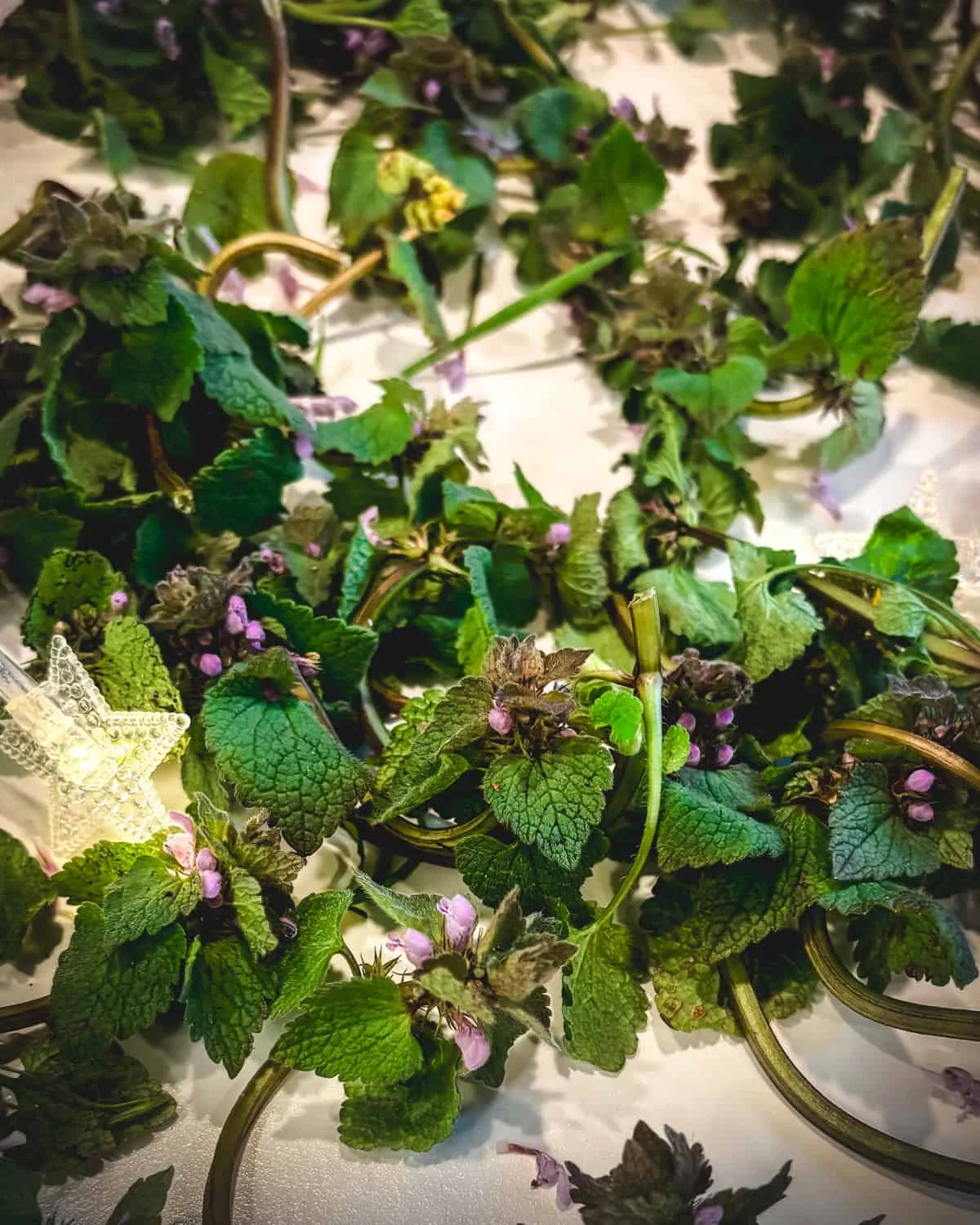
The emergence of spring across the temperate regions of the Northern Hemisphere brings with it a resurgence of botanical life, much of which is often dismissed as mere garden weeds. Among the most prevalent of these early-season plants is Lamium purpureum, commonly known as purple dead nettle. While frequently targeted by herbicide applications in suburban landscapes, this member of the Lamiaceae (mint) family is increasingly recognized by botanical researchers and herbal practitioners for its significant nutritional and therapeutic properties. Recent shifts in consumer interest toward "clean beauty" and sustainable, self-sufficient healthcare have revitalized interest in traditional preparations, specifically the creation of soothing topical salves derived from foraged flora.
Botanical Profile and Identification of Lamium Purpureum
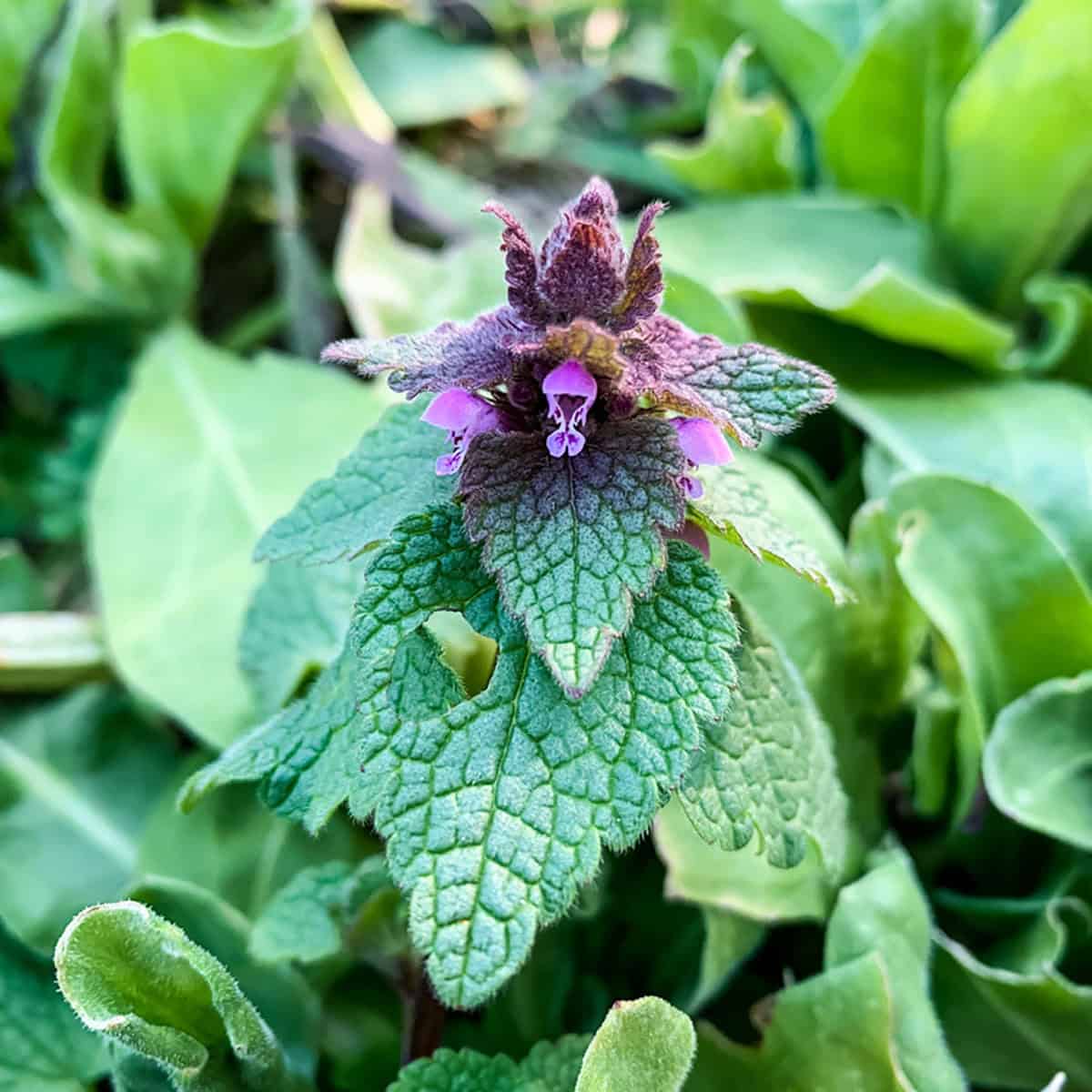
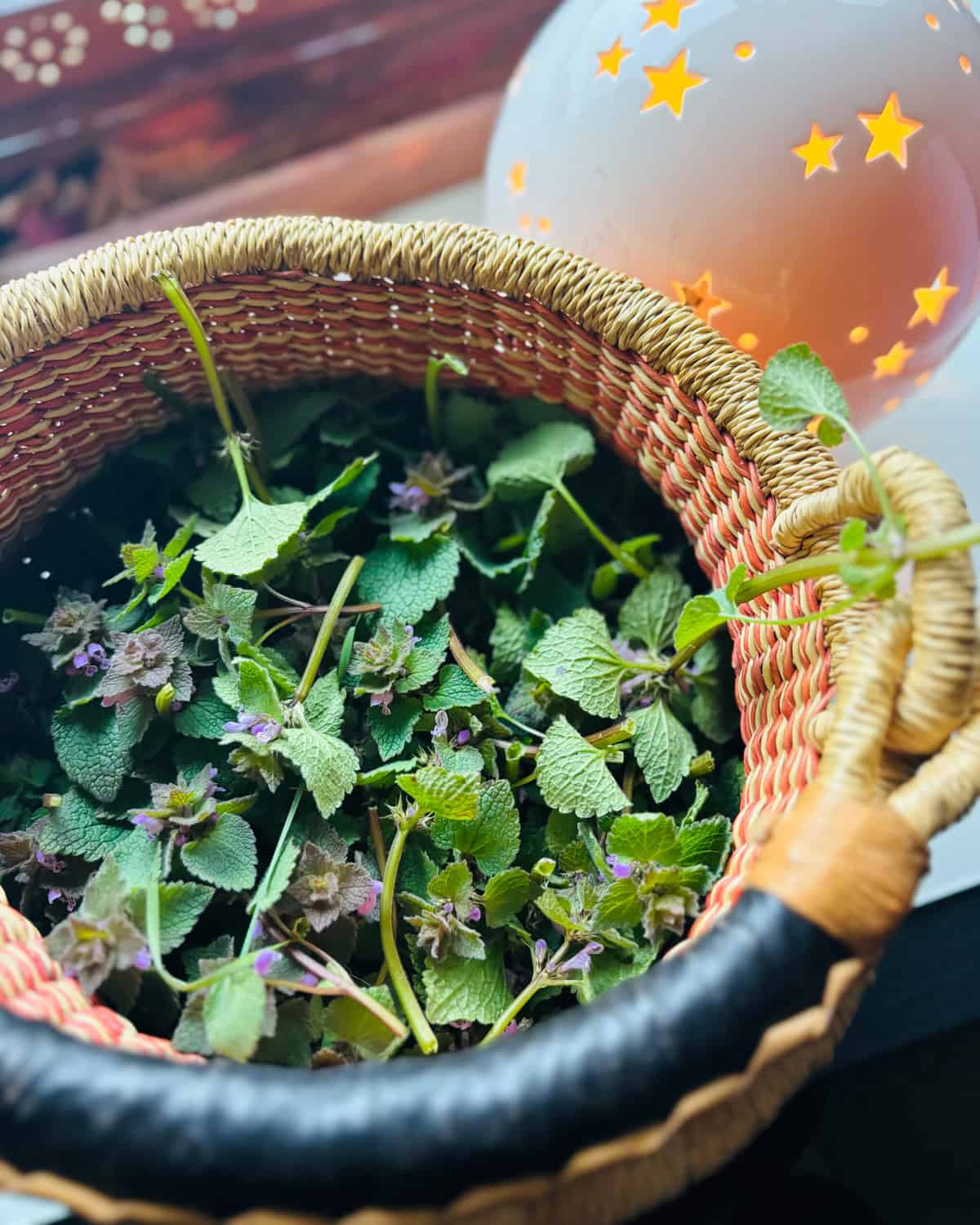
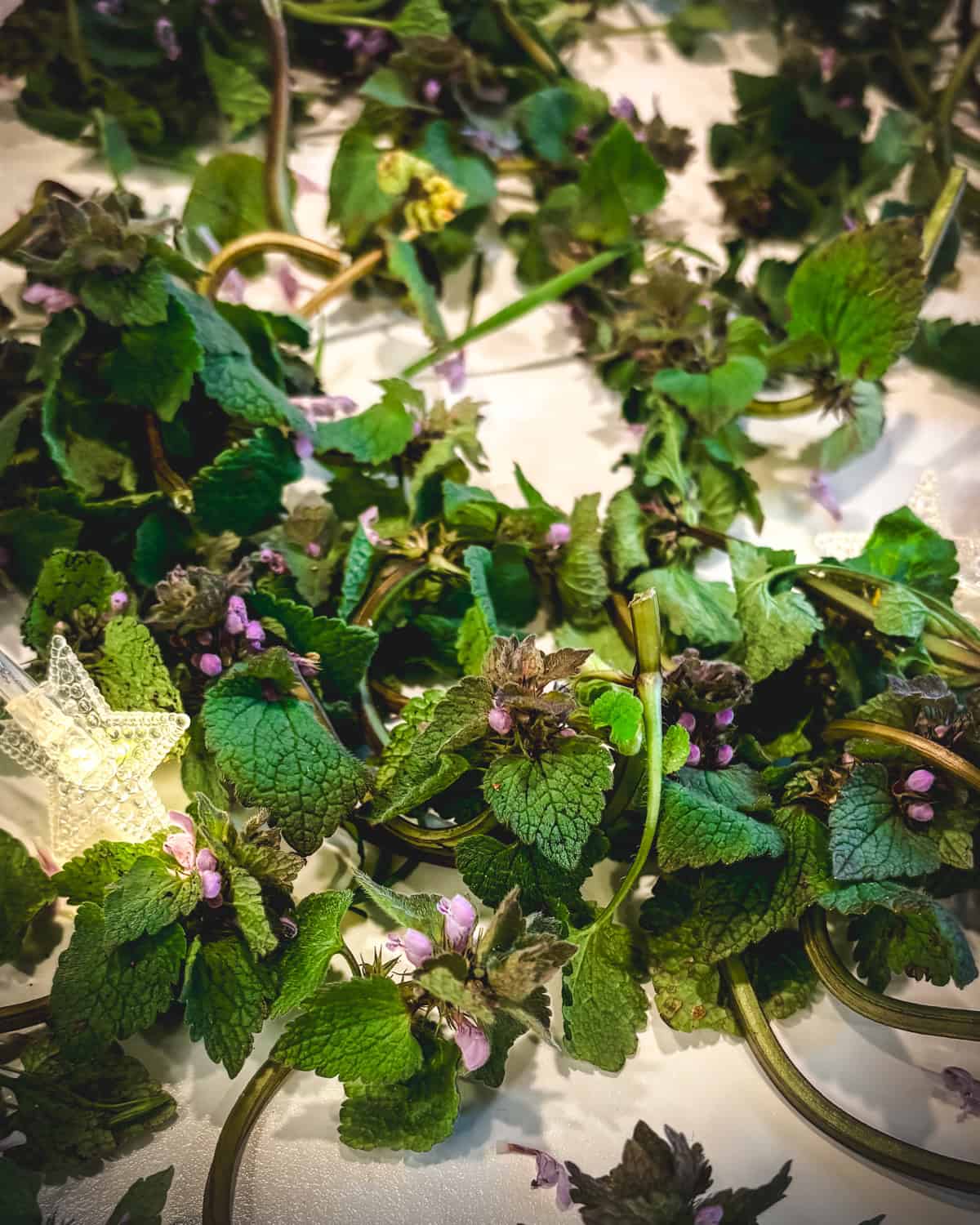
Purple dead nettle is an herbaceous flowering plant native to Europe and Asia but has become naturalized throughout North America, where it thrives in disturbed soils, gardens, and meadows. It is characterized by its square stems—a hallmark of the mint family—and its heart-shaped, downy leaves. The upper leaves typically exhibit a distinct reddish-purple hue, which serves as a natural sunscreen for the plant during the cool, bright days of early spring.
From a foraging perspective, Lamium purpureum is considered an ideal "entry-level" plant for beginning herbalists. It lacks toxic look-alikes, making the risk of misidentification exceptionally low. While it bears a superficial resemblance to henbit (Lamium amplexicaule), both plants are edible and medicinal, ensuring that even a minor identification error remains safe for the user. The "dead" in its name refers to the fact that, unlike stinging nettles, this species does not possess trichomes (stinging hairs) and is entirely gentle to the touch.
Phytochemical Analysis and Medicinal Properties
The therapeutic utility of purple dead nettle is supported by its complex phytochemical profile. Scientific studies published in journals such as Molecules and through the Multidisciplinary Digital Publishing Institute (MDPI) have identified several bioactive compounds within the genus Lamium. These include flavonoids, phenolic acids, iridoids, and terpenoids.
In a clinical context, these constituents contribute to the plant’s documented anti-inflammatory, antibacterial, and antifungal activities. Traditionally, the plant has been utilized as an astringent and a vulnerary (a wound-healing agent). When applied topically via a salve, these properties help to mitigate the inflammatory response in skin tissue, making it an effective treatment for minor abrasions, insect bites, and localized rashes. Furthermore, the presence of antioxidants helps to protect skin cells from oxidative stress, supporting the overall integrity of the dermal barrier.
The Chronology of Salve Production: From Harvest to Application
The transition of purple dead nettle from a wild plant to a refined topical treatment follows a specific chronological sequence designed to preserve the integrity of its volatile oils and bioactive compounds.
Phase I: Sustainable Harvesting
The window for harvesting purple dead nettle is relatively brief, peaking in mid-to-late spring. Practitioners are advised to harvest the plant in the mid-morning after the dew has evaporated but before the sun reaches its zenith. This ensures the highest concentration of essential oils. Ethical foraging guidelines dictate that only the top third of the plant should be taken, leaving the root system intact and ensuring enough remains for local pollinators, for whom the plant is a vital early-season food source.
Phase II: Desiccation and Preparation
Moisture is the primary catalyst for bacterial growth in herbal oils. Therefore, the harvested plant material must undergo a drying process. The plants are typically spread in a single layer on drying racks in a well-ventilated area away from direct sunlight. This process usually takes two to three days. For those operating on a faster timeline, a "wilt-drying" method may be used, where the plant is allowed to lose approximately 50% of its moisture content before being introduced to a carrier oil.
Phase III: The Infusion Process
The infusion of the plant’s properties into a carrier oil—such as extra virgin olive oil, sweet almond oil, or coconut oil—can be achieved through two primary methods:
- The Solar/Cold Method: The dried herbs are submerged in oil within a sealed glass jar and placed in a cool, dark environment for four to six weeks. This slow extraction is favored for preserving the most delicate compounds.
- The Quick-Heat Method: For immediate use, the herbs and oil are placed in a double boiler and subjected to low heat (between 100°F and 120°F) for several hours. This accelerates the transfer of phytochemicals into the lipid medium.
Phase IV: Formulation and Setting
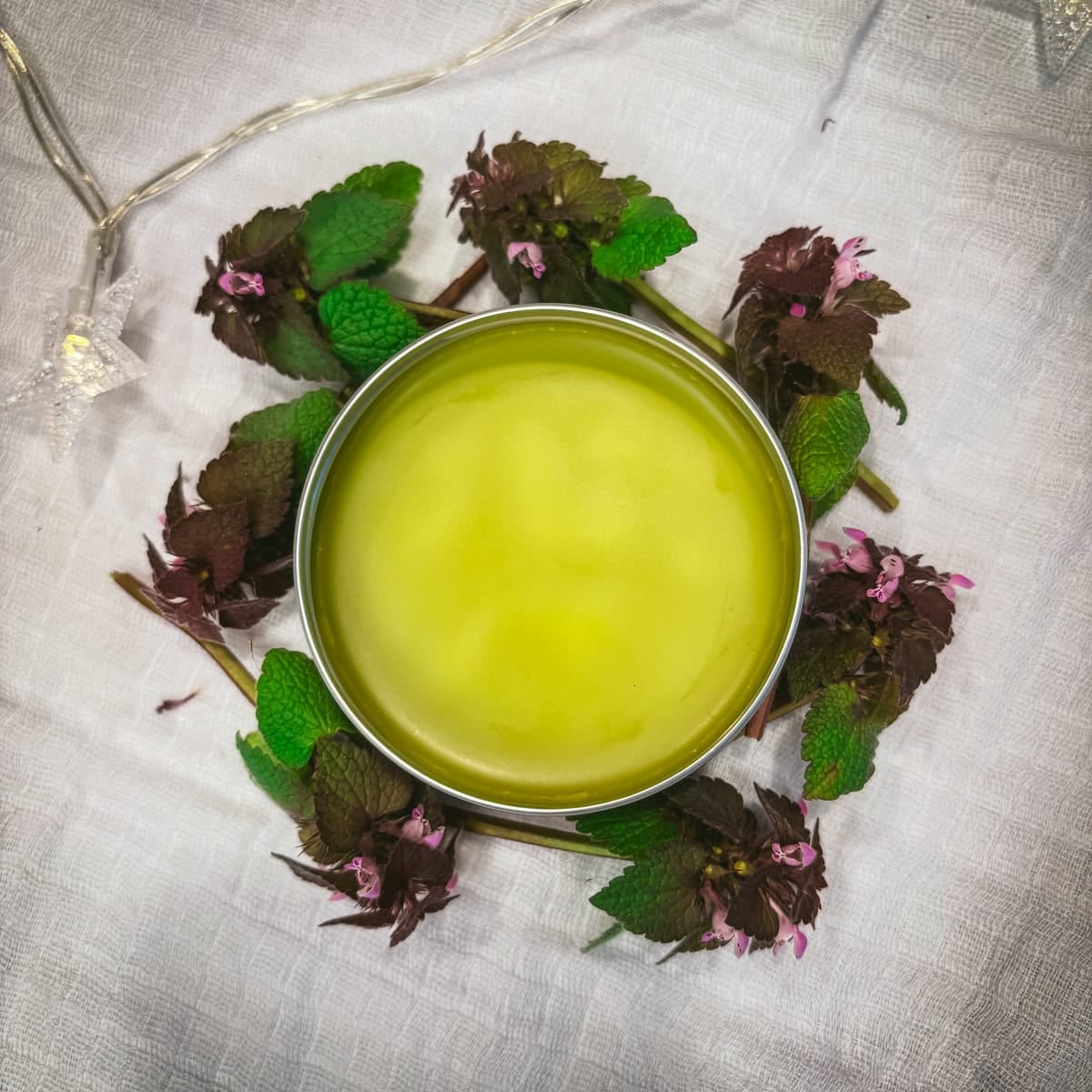
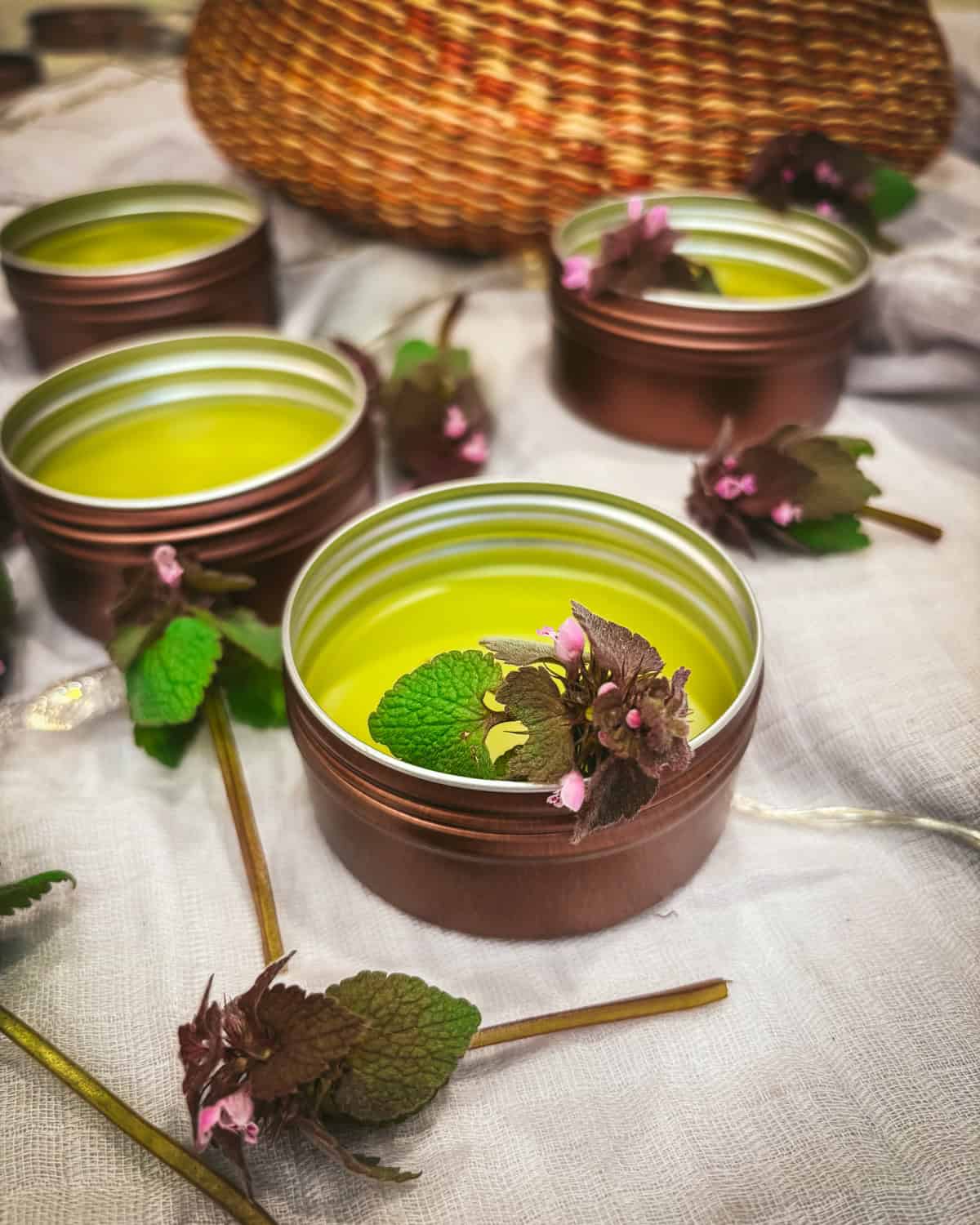
Once the oil is strained of all plant matter, it is combined with a hardening agent, typically beeswax pastilles. The standard ratio for a functional salve is approximately one ounce of beeswax per cup of infused oil. This mixture is melted together, optionally enhanced with essential oils such as lavender or peppermint for added antimicrobial synergy and scent, and poured into sterile tins. The final product requires several hours to reach its solid, silky consistency.
Comparative Analysis: Purple Dead Nettle vs. Industrial Skincare
The rise of artisanal herbal salves represents a broader critique of the commercial skincare industry. Conventional topical treatments for minor skin irritations often contain petroleum-based jellies, synthetic fragrances, and paraben preservatives. In contrast, a purple dead nettle salve offers a transparent ingredient list with bio-available nutrients.

Analytical comparisons show that while industrial hydrocortisone creams provide rapid suppression of inflammation, they can lead to skin thinning with prolonged use. Herbal alternatives like Lamium purpureum work more slowly but support the skin’s natural regenerative processes without the risk of systemic side effects. This makes the salve particularly suitable for individuals with sensitive skin or those seeking "slow medicine" approaches.
Socio-Economic and Environmental Implications
The democratization of herbal knowledge through the use of common "weeds" has significant implications for household economics and environmental sustainability. By utilizing plants that are naturally abundant and require zero agricultural inputs (water, fertilizer, or pesticides), individuals can produce high-quality skincare at a fraction of the cost of retail products.

Furthermore, the shift from viewing purple dead nettle as a nuisance to a resource encourages the reduction of herbicide use in residential areas. This has a cascading positive effect on local biodiversity, particularly for ground-nesting bees and other early-spring insects that rely on Lamium species for forage. The "backyard herbalism" movement, therefore, serves as both a health initiative and an ecological conservation strategy.
Safety Protocols and Professional Recommendations
While purple dead nettle is generally regarded as safe (GRAS), professional herbalists emphasize the importance of safety protocols. Users are encouraged to perform a "patch test" by applying a small amount of the salve to the inner wrist to ensure no allergic reaction occurs. Additionally, foragers must be certain that the area from which they harvest has not been treated with chemical fertilizers or pesticides, as the plant can absorb these toxins.
Medical professionals note that while herbal salves are excellent for minor irritations, they should not replace professional medical intervention for deep puncture wounds, infected sores, or severe allergic reactions. The integration of traditional knowledge with modern safety standards remains the cornerstone of responsible home-based herbalism.
Final Assessment of Topical Utility
Purple dead nettle salve stands as a testament to the hidden value of the natural world. Its transition from a misunderstood garden weed to a staple of the natural medicine cabinet reflects a growing sophisticated understanding of botany and chemistry among the general public. As research continues to validate the traditional uses of the Lamium genus, it is likely that purple dead nettle will move from the fringes of folk medicine into a more prominent role in holistic dermatological care. For the beginning herbalist, the plant provides an accessible, low-risk, and highly rewarding introduction to the art and science of plant-based healing.


