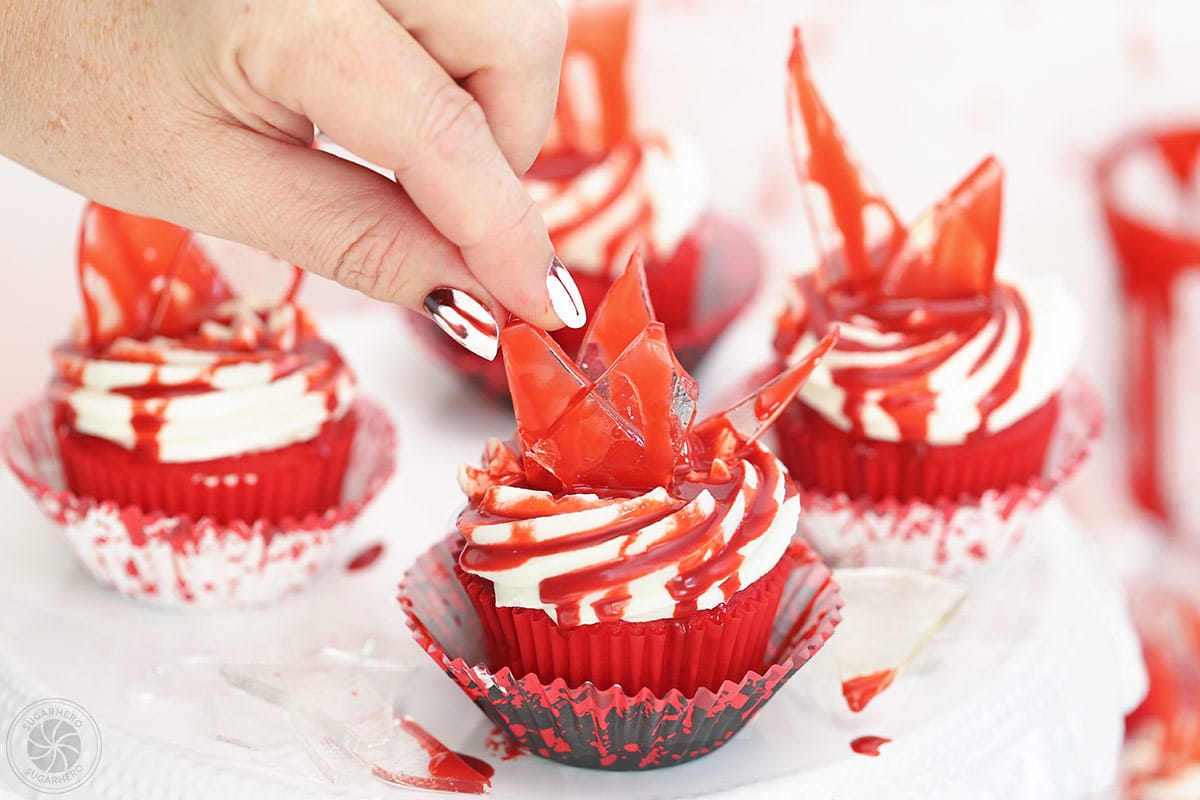
These Bloody Glass Cupcakes, with their unsettling aesthetic and heavenly taste, are emerging as a captivating centerpiece for Halloween celebrations. The unique confection marries the moist, rich flavor of red velvet cake with a smooth vanilla buttercream, creating a delightful contrast to their visually striking appearance. The true drama, however, is introduced through the addition of jagged shards of homemade candy glass, designed to mimic broken glass, and a final, evocative drizzle of edible "blood." While the visual presentation leans towards the macabre, the underlying flavors offer a comforting and universally loved dessert experience. This duality positions them as a perfect choice for themed adult gatherings or for those who prefer their Halloween treats to be more chilling than conventionally cute.
A Deeper Dive into the Bloody Glass Cupcake Phenomenon
The appeal of the Bloody Glass Cupcake lies in its masterful execution of thematic storytelling through food. The choice of red velvet as the cake base is particularly strategic. Its deep red hue inherently evokes a sense of richness and, in the context of Halloween, a subtle connection to blood, without being overtly graphic in its natural state. This makes it an ideal canvas for the more dramatic embellishments. The vanilla buttercream provides a classic, palate-cleansing sweetness that balances the intensity of the red velvet and the visual shock of the glass shards and blood.
The "broken glass" element, crafted from edible candy, represents a significant culinary and artistic achievement. The creation of brittle, translucent sugar shards requires precise temperature control and careful handling. This element transforms a standard cupcake into a miniature work of art, capable of sparking conversation and awe. The edible "blood" topping, typically made from corn syrup and red food coloring, adds the final, chilling touch, completing the narrative of a dessert that is as much about visual storytelling as it is about taste.
The Rise of Thematic Desserts in Seasonal Celebrations
The popularity of the Bloody Glass Cupcake can be understood within the broader trend of increasingly elaborate and thematic dessert presentations for holidays, particularly Halloween. In recent years, there has been a discernible shift from simple, store-bought treats to artisanal, homemade creations that reflect a deeper engagement with seasonal themes. Data from various culinary platforms and social media analytics indicates a significant surge in searches and engagement for "Halloween desserts," "spooky recipes," and "themed cupcakes" in the months leading up to October 31st.
This trend is fueled by several factors:
- Social Media Influence: Platforms like Instagram, Pinterest, and TikTok have become powerful engines for culinary inspiration. Visually striking desserts, like the Bloody Glass Cupcake, are highly shareable, leading to viral popularity and widespread adoption. Home bakers and professional chefs alike are leveraging these platforms to showcase their creativity.
- Desire for Unique Experiences: Consumers are increasingly seeking experiences that go beyond the ordinary. Elaborate themed desserts contribute to the overall festive atmosphere of an event, making it more memorable and engaging for guests.
- The "DIY" Movement: A growing interest in home cooking and baking, amplified by accessibility to online tutorials and recipes, empowers individuals to tackle more ambitious culinary projects. Recipes that offer a step-by-step guide, like the one for Bloody Glass Cupcakes, become highly sought after.
- The "Instagrammable" Factor: The visual appeal of food is paramount in the digital age. Desserts that are aesthetically pleasing and unique are more likely to be photographed, shared, and admired, thus driving demand.
The Bloody Glass Cupcake exemplifies these trends by offering a dessert that is both visually arresting and delicious, catering to a desire for creative expression and memorable culinary moments.
Crafting the Chilling Creation: Ingredients and Process
The creation of these striking cupcakes involves several key components, each contributing to the overall effect. The foundation of the dessert is the red velvet cupcake, a classic choice for its deep color and subtle cocoa notes. The recipe typically calls for standard baking ingredients such as flour, sugar, eggs, butter, buttermilk, cocoa powder, and red food coloring, along with leavening agents. The moist texture is often attributed to the reaction between buttermilk, baking soda, and vinegar, a characteristic of traditional red velvet recipes.
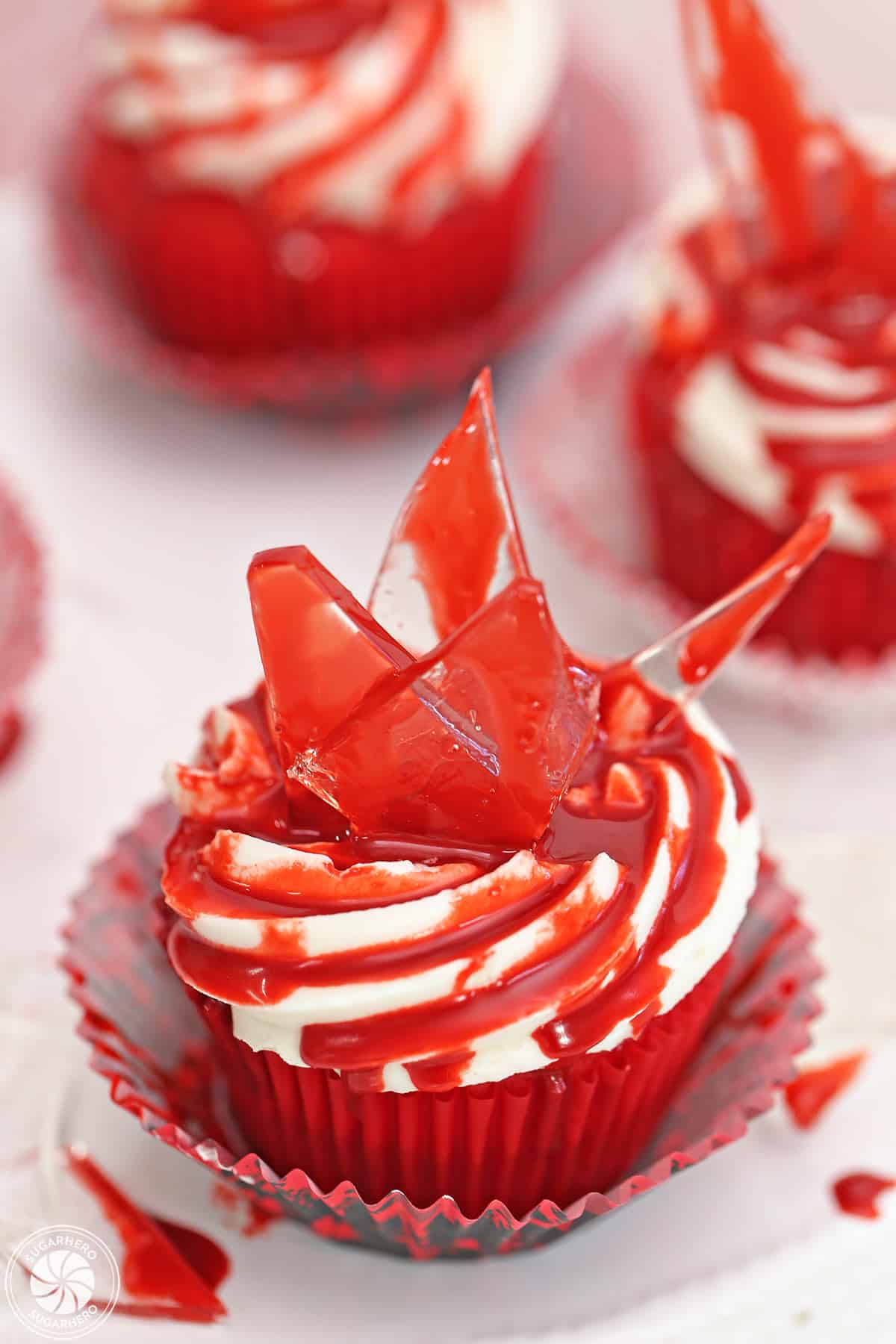
Complementing the cake is a smooth vanilla buttercream frosting. This is generally prepared using softened butter, powdered sugar, vanilla extract, and a small amount of milk or cream to achieve the desired consistency. The pale, creamy color of the vanilla frosting provides a stark contrast to the deep red of the cake, serving as a neutral backdrop for the more dramatic toppings.
The most distinctive element, the "bloody glass," requires a specific approach to candy making. Edible sugar glass is typically made by boiling sugar, corn syrup, and water to a specific temperature, often the hard crack stage (around 300-310°F or 150-154°C). Once the mixture reaches the correct temperature, it is poured onto a silicone mat or parchment-lined baking sheet and allowed to cool and harden. For the "broken glass" effect, the hardened sugar sheet is then carefully broken into sharp, irregular shards. The addition of red food coloring to the sugar mixture can also contribute to the "bloody" appearance of the glass itself, or the shards can be drizzled with a separate "blood" sauce.
The "blood" topping is usually a simple concoction of corn syrup, red food coloring, and sometimes a touch of clear piping gel for added viscosity and shine, designed to mimic the appearance of fresh blood.
A Timeline of Preparation and Presentation
The process of creating Bloody Glass Cupcakes can be broken down into several distinct stages, allowing for efficient preparation and optimal presentation.
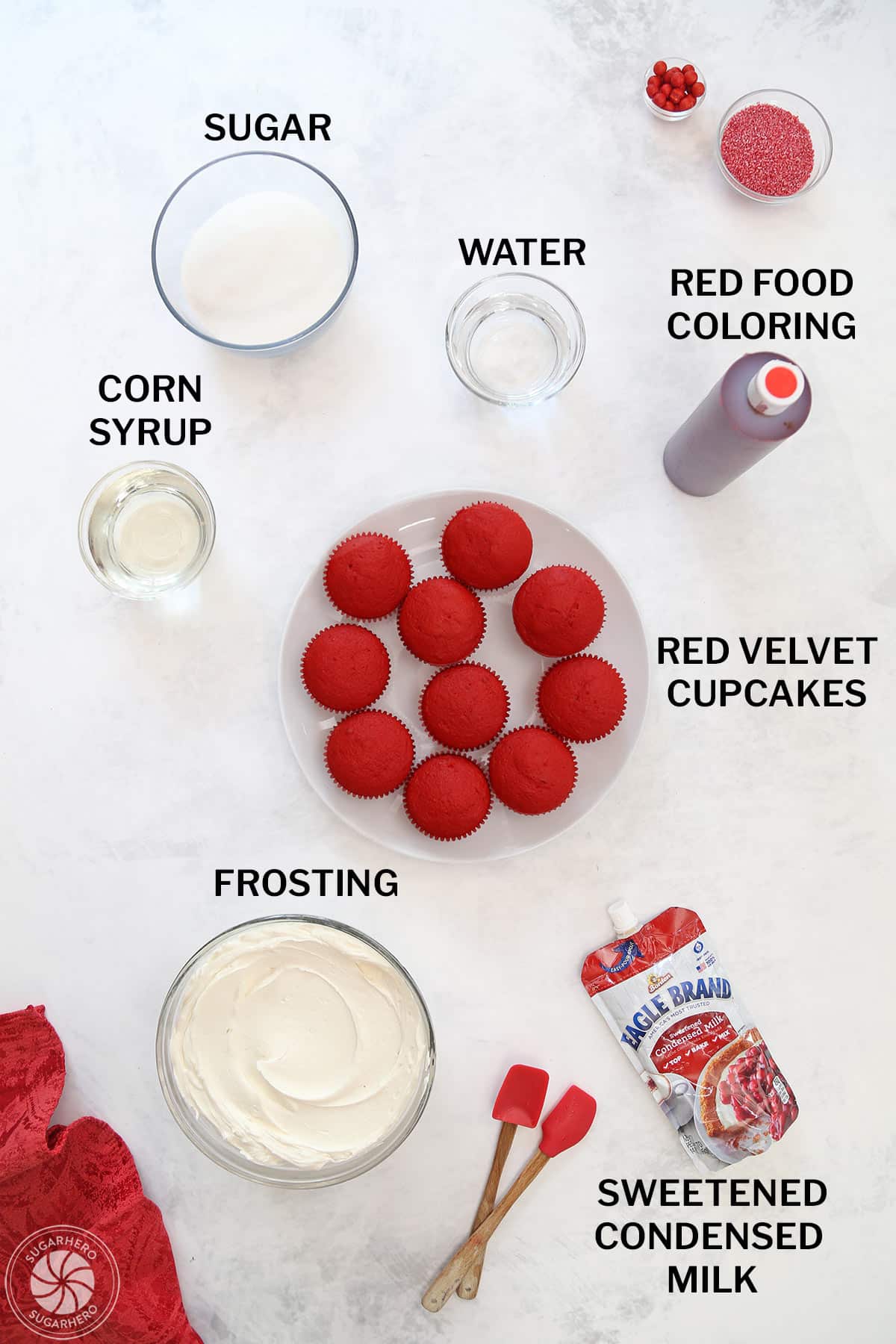
- Cupcake Baking: The red velvet cupcakes are typically baked in advance. This allows them to cool completely, ensuring they are stable for frosting and decoration. Many recipes suggest preparing the batter the day before and refrigerating it, as this can sometimes enhance the red velvet flavor.
- Candy Glass Preparation: The edible sugar glass is best made a day or two in advance. This allows ample time for cooling and breaking, and also provides a buffer against potential issues with humidity affecting the candy’s texture. Storing the shards in an airtight container in a dry location is crucial.
- Frosting Preparation: The vanilla buttercream can also be prepared ahead of time. It can be stored in an airtight container at room temperature for a few days, or refrigerated for longer storage. Prior to use, it needs to be brought back to room temperature and re-whipped to restore its light and creamy texture.
- "Blood" Sauce Creation: This is typically made on the day of assembly or shortly before serving to maintain its fresh, glistening appearance.
- Assembly: The cooled cupcakes are frosted with the vanilla buttercream, often in a swirling pattern. The edible glass shards are then carefully inserted into the frosting, creating a jagged, dangerous effect. Finally, the edible "blood" is drizzled over the frosting and glass shards, completing the gruesome aesthetic.
This phased approach ensures that each component is prepared optimally and assembled with care, resulting in a visually stunning and delicious end product.
Expert Insights and Culinary Analysis
From a culinary perspective, the Bloody Glass Cupcake is a testament to the power of presentation in enhancing the perception of taste. The visual cues of "blood" and "broken glass" trigger a psychological response that can heighten the sensory experience. This is a common tactic in themed dining, where the narrative surrounding the food plays as significant a role as the ingredients themselves.
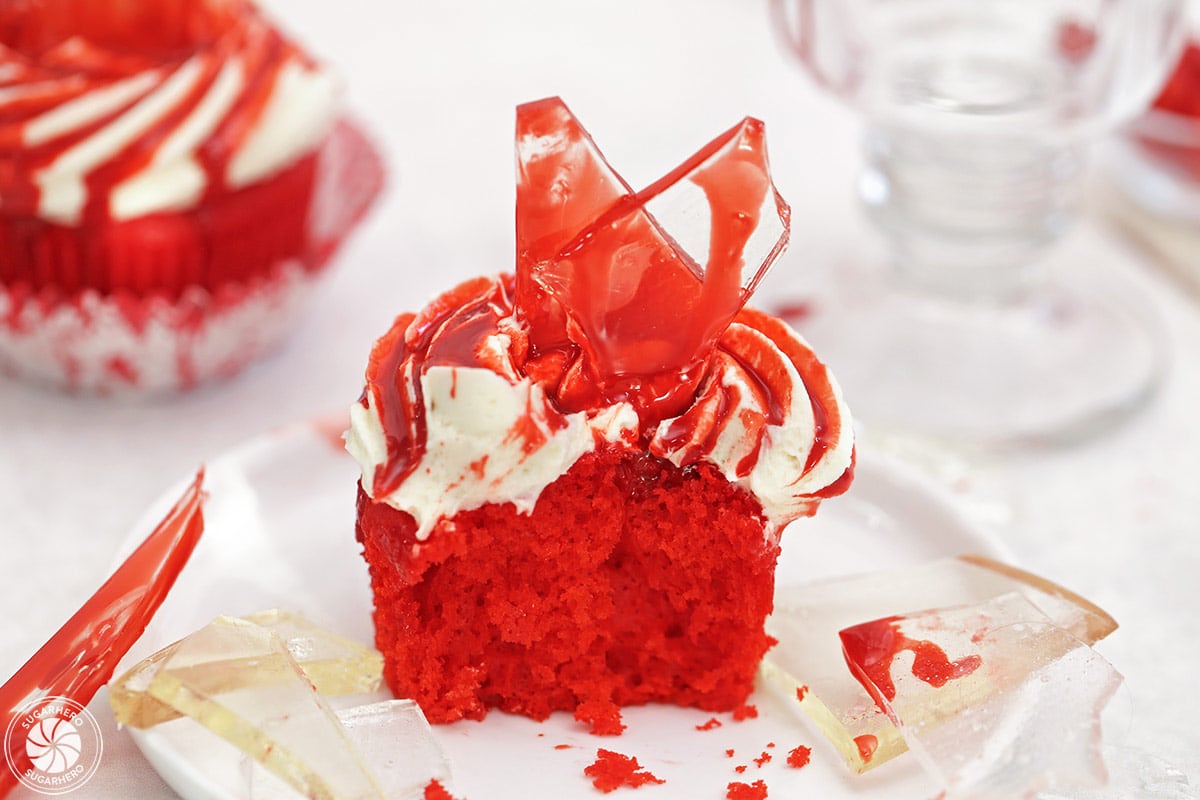
Chefs and food stylists often employ strategies to amplify these effects. The use of a high-gloss corn syrup for the "blood" creates a realistic sheen, while the sharp angles of the candy glass shards add a sense of danger and fragility. The contrast between the soft, yielding texture of the cake and frosting, and the hard, brittle nature of the sugar glass, provides an interesting textural interplay that further engages the palate.
The success of this dessert also highlights the growing sophistication of home bakers. The inclusion of techniques like making homemade candy glass, which might have once been considered the domain of professional patisseries, is now accessible to the average home cook thanks to detailed recipes and online resources. This democratization of advanced baking techniques has led to an explosion of creativity in home kitchens.
Broader Implications and Future Trends
The enduring popularity of visually striking and thematically appropriate desserts like the Bloody Glass Cupcake suggests a continuing trend towards experiential dining. As consumers become more discerning and seek out unique culinary experiences, the demand for desserts that tell a story or evoke a specific mood is likely to increase.
We can anticipate further innovation in this space, with bakers pushing the boundaries of both flavor and aesthetics. Potential future trends might include:
- More complex edible "materials": Beyond sugar glass, bakers might explore other brittle or translucent edible materials to create even more intricate and realistic effects.
- Interactive dessert elements: Desserts that involve an element of audience participation, such as edible "exploding" elements or build-your-own components, could gain traction.
- Integration of advanced techniques: Home bakers may increasingly incorporate techniques like isomalt sculpting or molecular gastronomy for more avant-garde presentations.
- Focus on ethical and sustainable ingredients: As consumer awareness grows, there may be a greater emphasis on using natural food colorings and ethically sourced ingredients in these visually driven desserts.
The Bloody Glass Cupcake, while currently a celebrated Halloween treat, represents a larger movement in dessert artistry. It underscores the idea that food can be a powerful medium for storytelling, creativity, and memorable celebration. Its success serves as an indicator of evolving consumer preferences and the exciting future of culinary innovation.