
The global personal care industry is currently undergoing a transformative shift as consumers increasingly prioritize dermatological safety and environmental sustainability over traditional brand loyalty. As of March 2026, the demand for non-toxic skincare has moved from a niche market segment to a primary driver of industry innovation, fueled by growing scientific evidence regarding the systemic absorption of topical ingredients. With the skin serving as the human body’s largest organ and its primary defense against environmental pathogens, the chemical composition of daily-use products like body lotion has become a focal point for public health advocates and regulatory bodies alike. Recent data suggests that the average adult applies approximately 12 personal care products daily, potentially exposing themselves to upwards of 168 unique chemicals. This high cumulative exposure has catalyzed a movement toward "clean beauty," where transparency in labeling and the exclusion of endocrine-disrupting compounds are the new baseline for consumer trust.
The Evolution of Cosmetic Regulation and Ingredient Safety
The journey toward non-toxic skincare is rooted in a decades-long struggle for more stringent oversight. For over eighty years, the cosmetic industry in the United States operated under the Federal Food, Drug, and Cosmetic Act of 1938, which provided the Food and Drug Administration (FDA) with limited authority over cosmetic ingredients. This regulatory gap allowed for the widespread use of various synthetic compounds that have since come under scrutiny. The landscape began to change significantly with the passage of the Modernization of Cosmetics Regulation Act (MoCRA) in late 2022, which granted the FDA expanded authority to ensure the safety of cosmetic products, including mandatory adverse event reporting and facility registration.
By 2026, the implementation of MoCRA has led to a more rigorous screening process for ingredients that were once considered industry standards. Scientific research has highlighted several "red flag" ingredients that consumers are now advised to avoid. Parabens, for instance, have been used as preservatives since the 1920s but are now widely recognized as xenoestrogens—chemicals that mimic the hormone estrogen and have been detected in human breast tissue. Similarly, phthalates, often hidden under the generic label of "fragrance" or "parfum," are linked to reproductive toxicity and developmental issues. The shift toward non-toxic lotions is not merely a lifestyle choice but a response to a growing body of toxicological data indicating that what is applied to the skin can eventually be measured in the bloodstream.
Critical Ingredients Under Scientific Scrutiny
To understand the necessity of non-toxic alternatives, one must examine the specific risks associated with conventional lotion components. The "Big Four" offenders identified by dermatologists and environmental scientists include parabens, phthalates, synthetic fragrances, and mineral oils.
- Parabens (Methyl-, Ethyl-, Propyl-, Butyl-): These preservatives are effective at preventing microbial growth but are known endocrine disruptors. Studies have shown they can interfere with the production and regulation of hormones, potentially leading to increased risks of certain cancers and reproductive complications.
- Phthalates: Often used to make fragrances last longer or to increase the flexibility of plastics, these chemicals are frequently not disclosed on ingredient lists due to "trade secret" protections for fragrance formulas. They are associated with hormonal imbalances and have been restricted in various jurisdictions, including the European Union.
- Synthetic Fragrance: A single "fragrance" listing can represent a cocktail of dozens or even hundreds of undisclosed chemicals. These are among the top allergens in skincare, frequently causing contact dermatitis, respiratory irritation, and headaches.
- Mineral Oil and Petrolatum: While effective at locking in moisture, these petroleum-derived ingredients are non-renewable and can be contaminated with polycyclic aromatic hydrocarbons (PAHs), which are potential carcinogens. Furthermore, they create an occlusive barrier that can trap toxins and bacteria in the skin.
In contrast, non-toxic lotions utilize bio-compatible ingredients such as aloe vera for hydration, jojoba oil for sebum regulation, and cocoa or shea butter for deep nourishment. These plant-based alternatives provide the necessary lipids and antioxidants to support the skin’s natural barrier without the metabolic cost of processing synthetic toxins.

The Role of Third-Party Certifications and Data Transparency
In the absence of a universal "non-toxic" definition, third-party organizations have stepped in to provide consumers with data-driven safety ratings. The Environmental Working Group’s (EWG) Skin Deep database has become a primary resource, indexing over 100,000 products and scoring them on a hazard scale of 1 to 10. Products that achieve "EWG Verified" status must meet the organization’s strictest standards for health and transparency.
Another gold standard is the "MADE SAFE" certification, which signifies that a product has been screened for thousands of known toxins, including carcinogens, endocrine disruptors, and ecosystem toxicants. These certifications serve as a vital tool for consumers to bypass "greenwashing"—a marketing tactic where products are portrayed as natural or eco-friendly through visual cues despite containing harmful synthetic ingredients.
Environmental Implications and the Plastic Crisis
The transition to non-toxic lotion is inextricably linked to the broader environmental movement, specifically the reduction of plastic pollution. Recent studies have detected microplastics in human blood, feces, and even placental tissue, raising alarms about the long-term health effects of plastic degradation. The personal care industry is a significant contributor to this crisis, generating billions of units of single-use plastic packaging annually.
Furthermore, many conventional skincare products contain Endocrine Disrupting Chemicals (EDCs) that leach from plastic containers into the product itself, especially when stored in warm environments. Leading non-toxic brands are now prioritizing the "circular economy" by utilizing glass, aluminum, or compostable packaging, and offering refillable programs that minimize the carbon footprint of the product’s lifecycle.
Market Leaders in the Non-Toxic Lotion Sector
The following eight brands have been identified as leaders in the 2026 skincare market for their commitment to ingredient purity and sustainable business practices. These companies represent the vanguard of a movement that treats skincare as a component of holistic health.
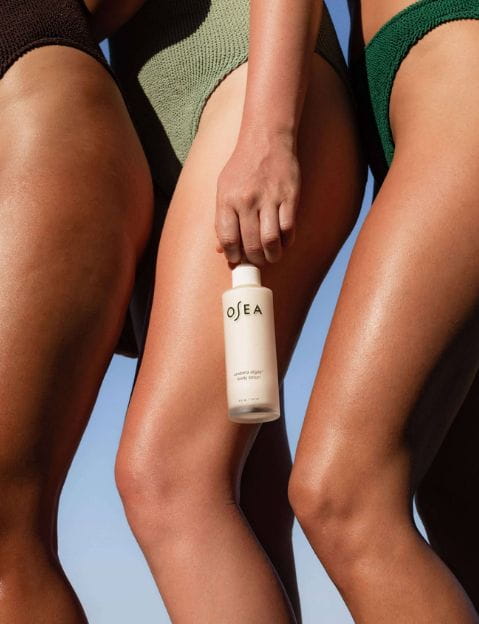
1. Osea: Marine-Based Purity
Founded in 1996, Osea was one of the first brands to sign the Compact for Safe Cosmetics. Their lotions utilize bio-available seaweed, which is rich in vitamins and minerals. By sourcing ingredients from the ocean and using recyclable glass packaging, Osea bridges the gap between luxury skincare and environmental stewardship.
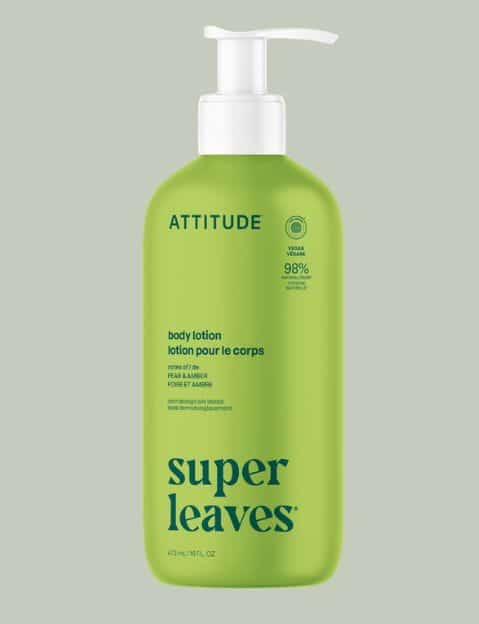
2. Attitude: Accessibility and Certification
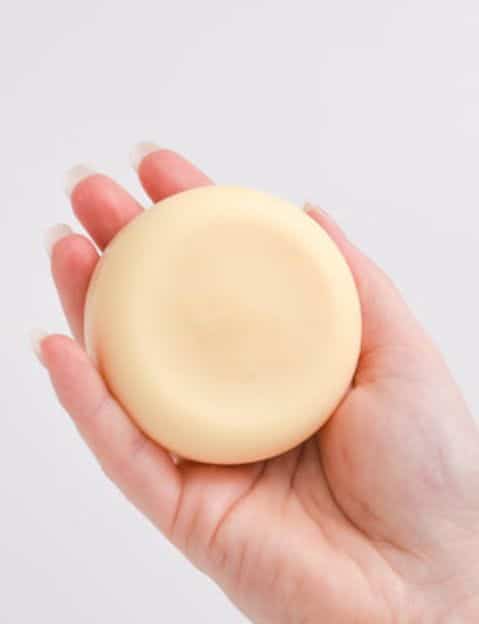
Based in Canada, Attitude has made non-toxic skincare accessible to a wider demographic. Their products are EWG Verified and ECOLOGO certified, ensuring that they are biodegradable and minimally impactful on aquatic life. Their "leaves bar" line represents a major innovation in plastic-free, solid body care.
3. Ecoroots: The Zero-Waste Standard
Ecoroots focuses on the intersection of skincare and waste reduction. Their lotions are often packaged in glass jars with metal lids, eliminating plastic entirely. They emphasize small-batch production and organic, vegan ingredients, catering to the most environmentally conscious consumers.
4. Public Goods: Minimalist Efficiency
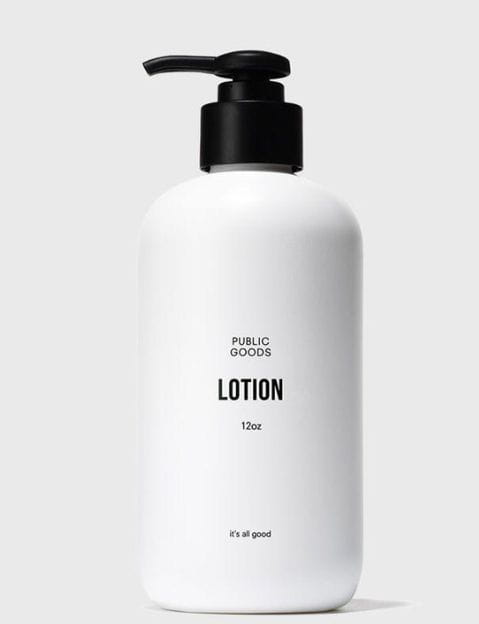
Public Goods operates on a membership model that prioritizes simplicity and affordability. Their lotion formulas are streamlined, omitting all parabens and synthetic fragrances. They utilize bioplastics derived from sugarcane for their bottles, providing a lower-carbon alternative to traditional petroleum-based plastics.
5. Plaine Products: The Refill Revolution
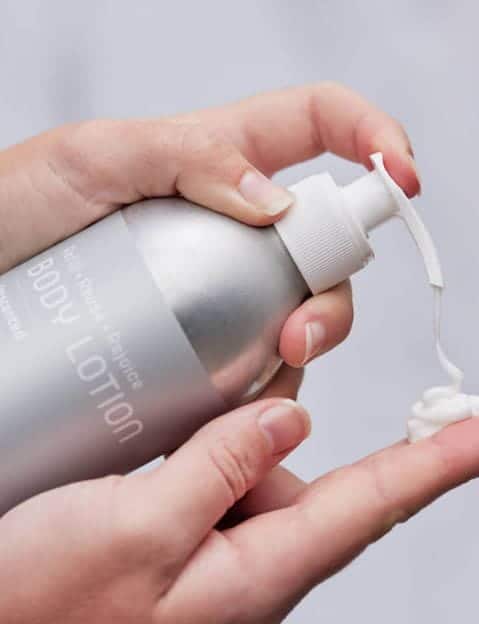
Plaine Products has pioneered a closed-loop system for personal care. Customers receive lotion in aluminum bottles and, upon finishing the product, return the empty container to be cleaned and refilled. This model significantly reduces the demand for virgin materials and eliminates waste.
6. The Good Fill: Community Refill Solutions
Originally a brick-and-mortar refill shop, The Good Fill has expanded into a national provider of bulk skincare. They offer unscented, hypoallergenic lotions that are ideal for sensitive skin, focusing on high-quality, plant-based ingredients that can be purchased in bulk to reduce packaging frequency.
7. Meow Meow Tweet: Ethical Innovation
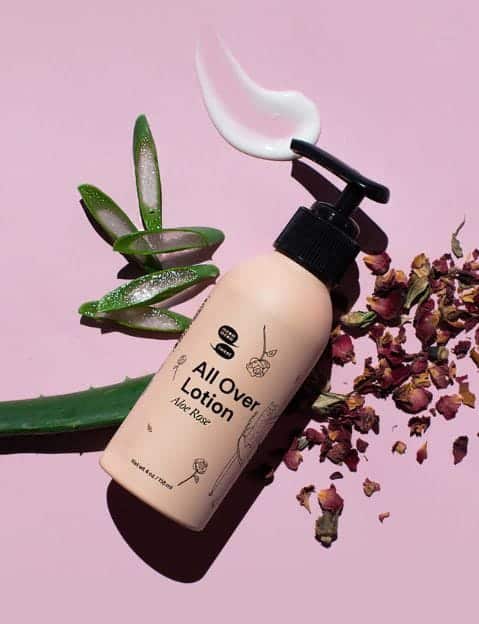
This brand is known for its commitment to veganism and social justice. Their aloe rose lotion uses organic plant oils and is packaged in glass or aluminum. Meow Meow Tweet is a leader in transparency, providing detailed information on the sourcing and ethical implications of every ingredient used.

8. Upcircle: Upcycled Skincare
Upcircle represents a unique niche in the industry by using "upcycled" ingredients that would otherwise go to waste, such as discarded coffee grounds or fruit stones. Their lotions are rich in antioxidants and demonstrate how the beauty industry can contribute to a more sustainable, resource-efficient economy.
Industry Impact and Future Projections
The shift toward non-toxic and zero-waste lotions is more than a passing trend; it is an economic reality. Market analysts project that the organic and natural skincare market will reach a valuation of nearly $22 billion by 2030, growing at a compound annual growth rate (CAGR) of approximately 8%. This growth is driven by a demographic of "conscious consumers" who view their purchasing power as a tool for corporate accountability.
As we move further into the decade, it is expected that more jurisdictions will follow the lead of the European Union and California in banning specific harmful chemicals from personal care products. This regulatory pressure, combined with consumer demand for transparency, is forcing legacy brands to reformulate their products or risk obsolescence. The rise of these eight non-toxic lotion options serves as a blueprint for the future of the industry—one where the health of the consumer and the health of the planet are no longer viewed as competing interests.
The implications of this shift extend beyond individual wellness. By reducing the chemical load in our water systems (via product runoff) and decreasing plastic production, the non-toxic skincare movement plays a critical role in mitigating the global environmental crisis. As the public becomes more educated on the science of dermal absorption and the long-term effects of synthetic toxins, the standard for "smooth skin" will continue to evolve from a purely aesthetic goal to a holistic indicator of health and sustainability.