
The global resurgence of interest in botanical medicine and holistic wellness has transformed herbalism from a niche hobby into a significant sector of the multi-billion-dollar wellness industry. As the holiday season approaches, the demand for specialized apothecary tools, organic raw materials, and educational resources has reached unprecedented levels, reflecting a broader societal shift toward self-sufficiency and natural health. This guide provides a comprehensive analysis of the essential components required for both aspiring and seasoned herbalists, emphasizing quality, sustainability, and the technical requirements of the craft.

Market Trends and the Growth of Botanical Wellness
The surge in demand for herbalist supplies is corroborated by recent market data. According to the American Botanical Council’s (ABC) 2023 Herb Market Report, retail sales of herbal supplements in the United States surpassed $12 billion for the second consecutive year. This growth is driven by a consumer base increasingly interested in "functional" gifts—items that provide long-term utility in health maintenance and DIY production.
Industry analysts observe that the "green economy" has moved into the mainstream gift-giving market. Consumers are no longer looking for ephemeral luxury items; instead, they are prioritizing "ancestral skills" and tools that facilitate the creation of home-based apothecaries. This trend is particularly visible during the fourth quarter, where suppliers of bulk organic herbs and laboratory-grade equipment report a significant uptick in volume.
The Evolution of Modern Herbalism: A Brief Chronology
To understand the current market for herbal gifts, one must examine the timeline of herbalism’s resurgence in the West:
- 1970s – The Back-to-the-Land Movement: A foundational period where interest in foraging and botanical remedies was revived as part of a counter-cultural rejection of industrialization.
- 1990s – The Standardization Era: The Dietary Supplement Health and Education Act (DSHEA) of 1994 provided a regulatory framework in the U.S., allowing for the commercial expansion of herbal products.
- 2010s – The Digital Education Boom: The emergence of structured online platforms, such as The Herbal Academy, democratized access to botanical knowledge that was previously passed down through limited apprenticeships.
- 2020–Present – The Self-Sufficiency Surge: The global pandemic accelerated interest in home-based wellness, immunity-boosting botanicals, and the desire to manage minor ailments through domestic preparations.
This chronology highlights why the modern herbalist requires a blend of traditional materials and contemporary precision tools.
Apothecary Foundations: Bulk Herbs and Raw Materials
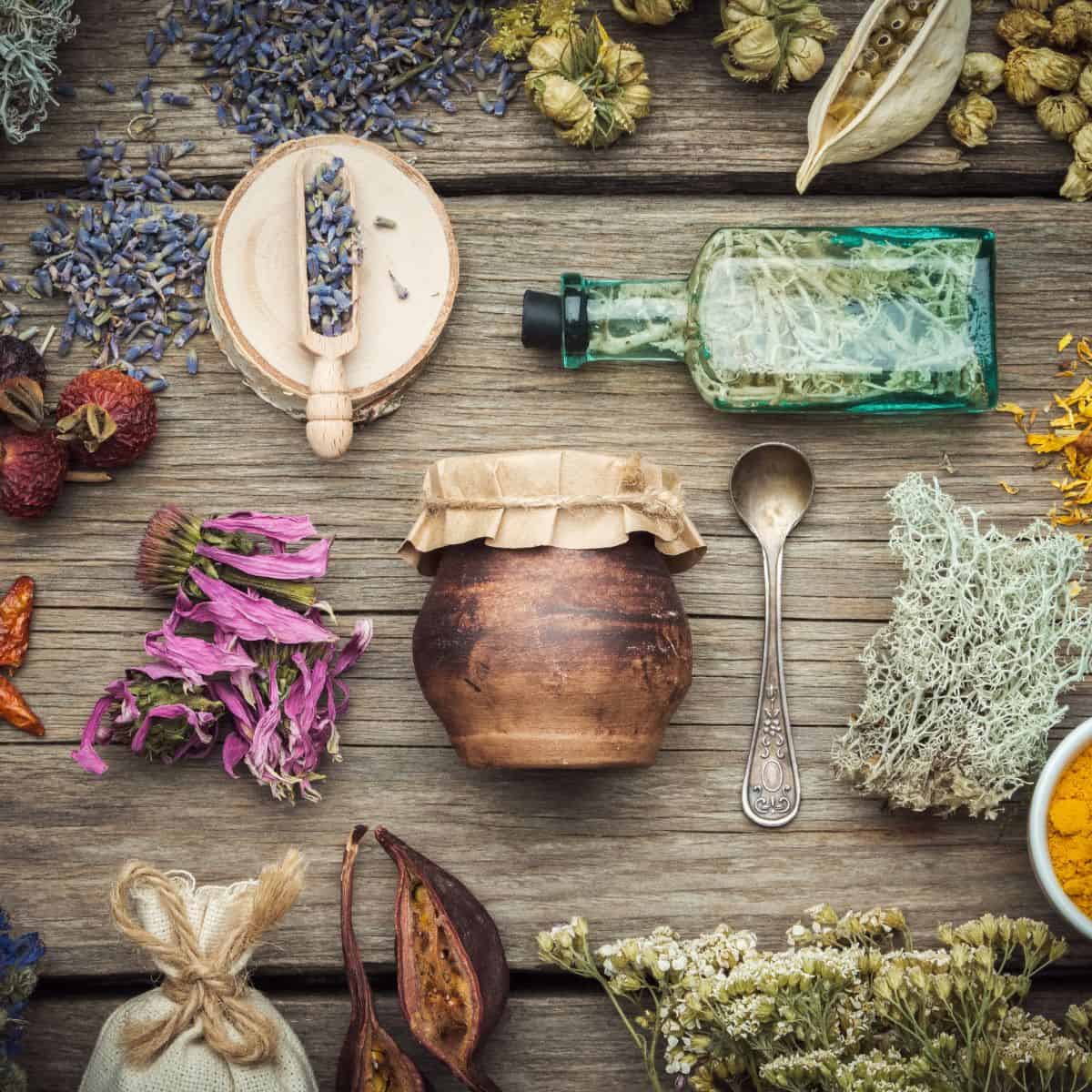
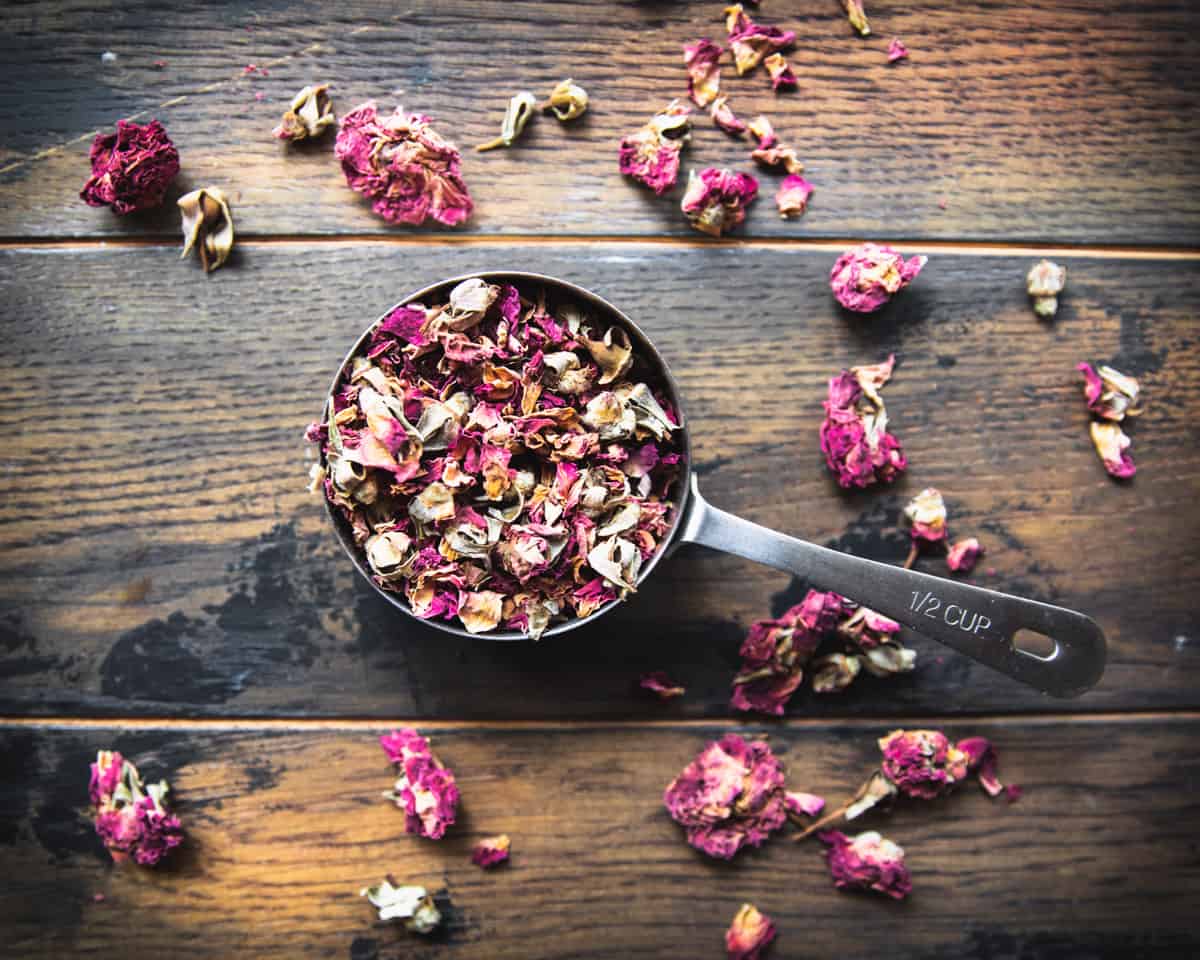
The cornerstone of any herbal practice is the acquisition of high-quality, ethically sourced plant material. For the gift-giver, the focus must remain on organic certification and sustainable harvesting practices. Industry leaders such as Mountain Rose Herbs have set the standard for bulk botanical distribution, emphasizing the importance of "apothecary-grade" roses, calendula, and elderberries.
Key botanical categories for holiday gifting include:
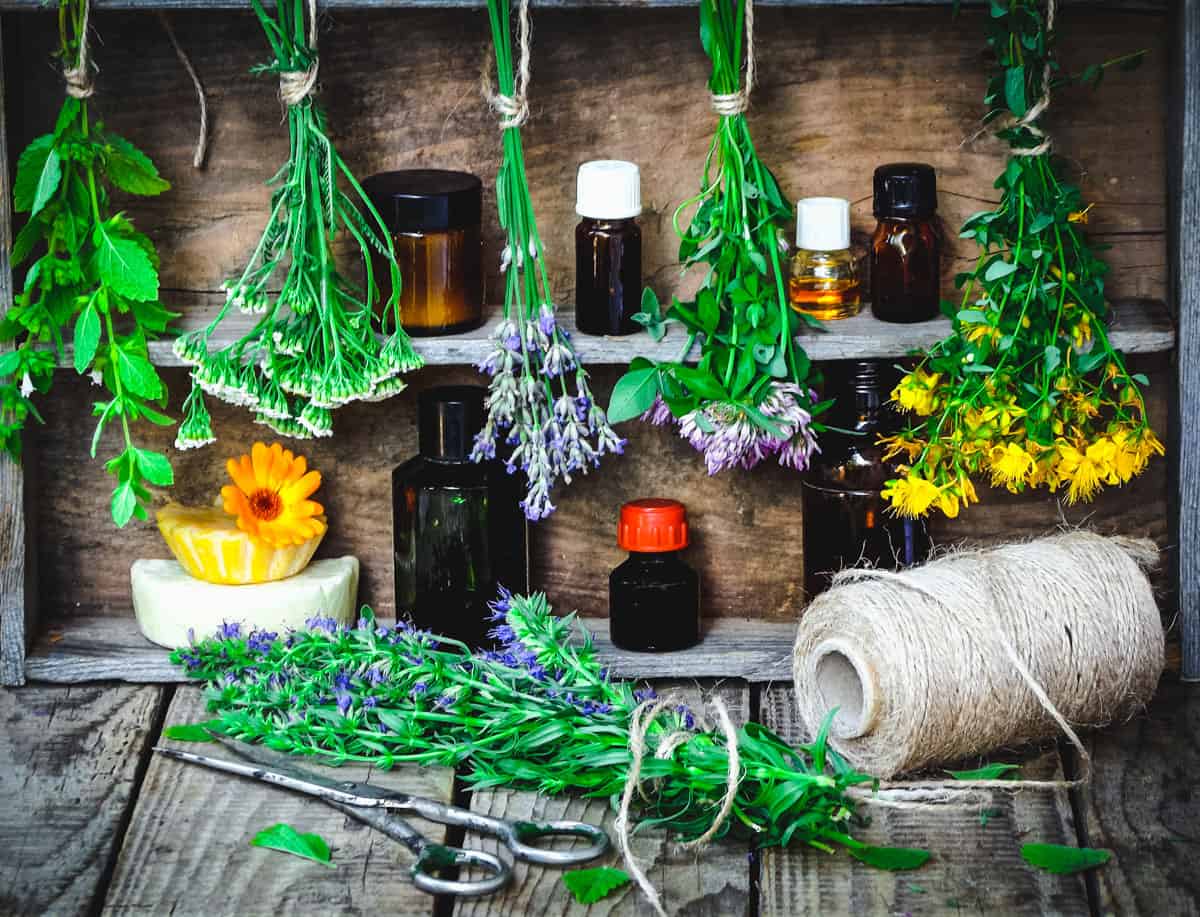
- Nervines: Herbs such as Lemon Balm and Skullcap, which are used to support the nervous system.
- Immune Modulators: Elderberry, Echinacea, and Astragalus, which remain high-demand items during the winter season.
- Topicals: Calendula and Comfrey, essential for the production of salves and balms.
Experts suggest that when gifting raw herbs, providing them in a "kit" format—organized by therapeutic intent, such as "Digestive Support" or "Sleep Hygiene"—adds significant value for the recipient.
Technical Equipment and Laboratory Essentials
As practitioners move from basic tea brewing to the production of tinctures, oxymels, and hydrosols, the need for specialized equipment becomes paramount. The modern herbalist’s workspace is a hybrid of a kitchen and a laboratory, requiring materials that can withstand various pH levels and temperatures.
Storage and Infusion Vessels
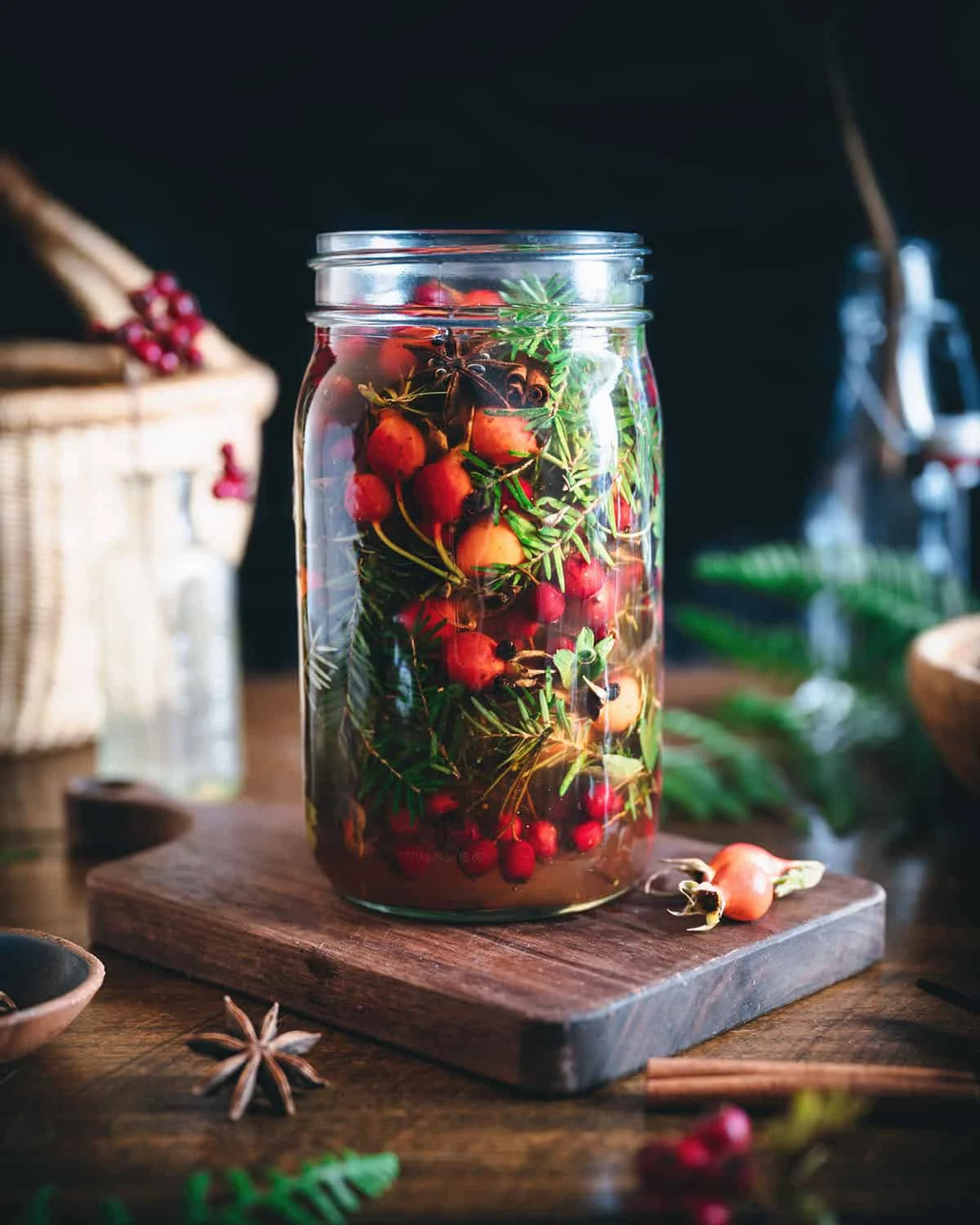
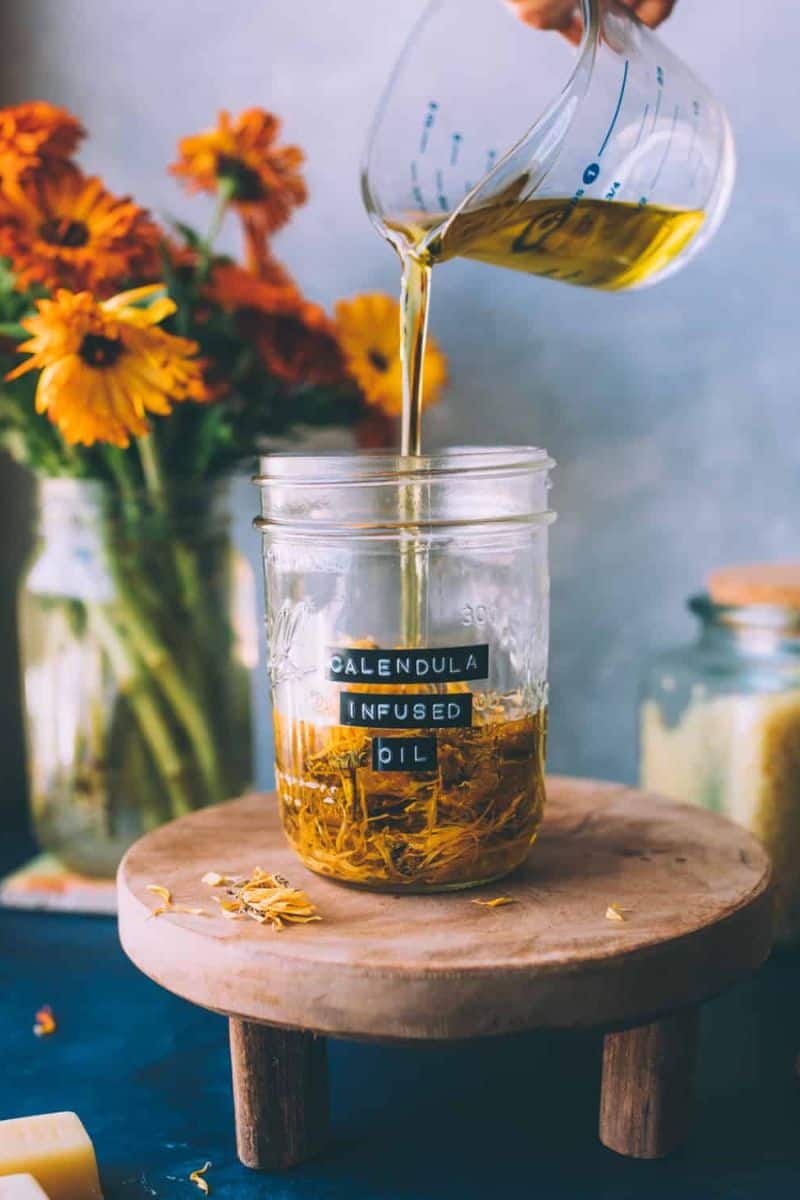
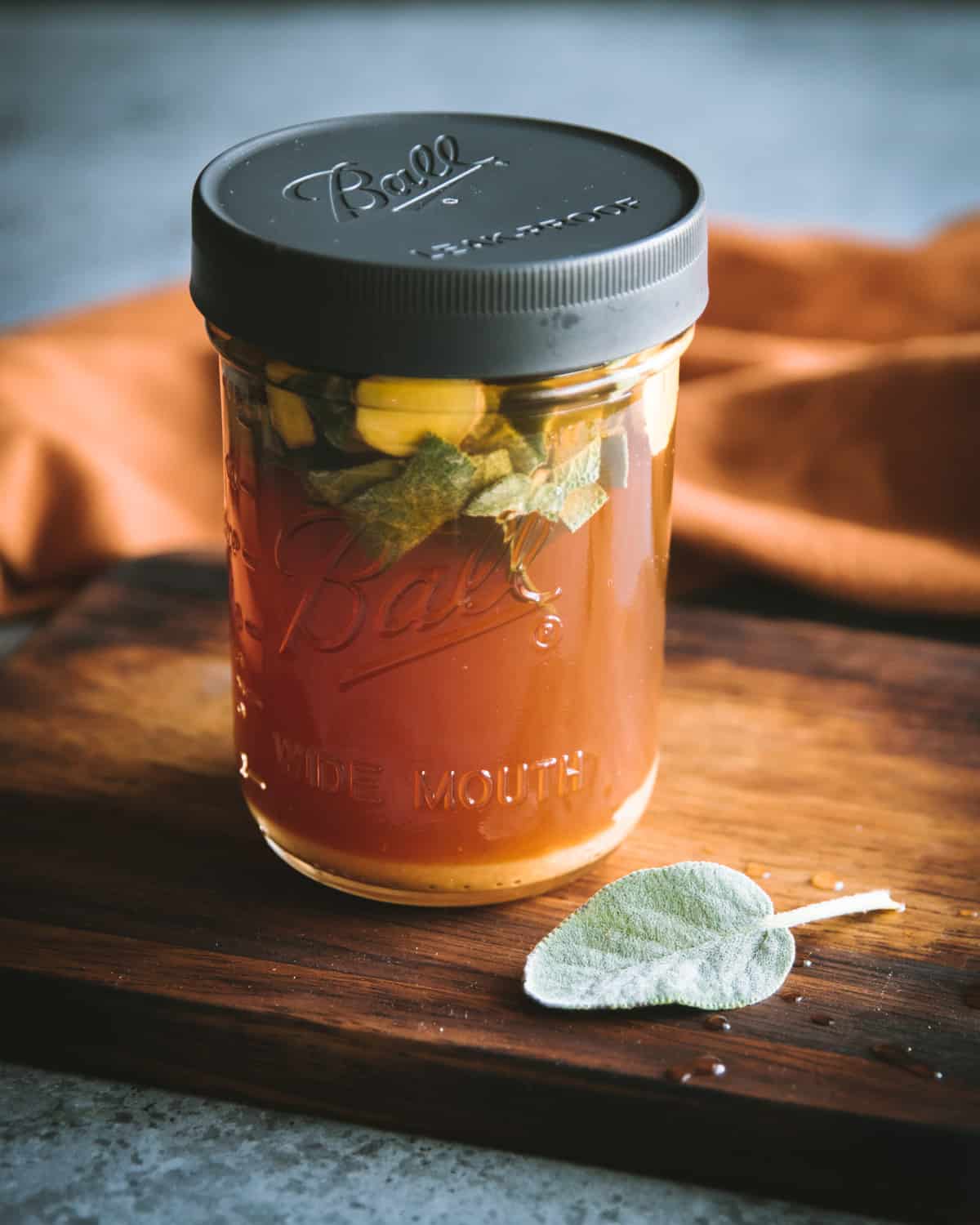
Glass remains the gold standard for herbal storage due to its non-reactive nature. Borosilicate glass jars, particularly those with leak-proof seals, are essential for the long-term maceration of tinctures and vinegar-based oxymels. Analysts note that the "Ball Leak Proof Storage Lid" has become a staple in the industry, solving the common issue of corrosion associated with traditional metal canning lids when used with acidic infusions.
Precision Tools
The transition from "folk method" (measuring by eye) to the "standardized method" (measuring by weight) marks a turning point in an herbalist’s journey. High-precision digital scales, stainless steel fine-mesh strainers, and nesting funnels are not merely accessories but critical infrastructure for ensuring the potency and safety of homemade remedies.
Educational Resources and Intellectual Capital
The most enduring gift in the herbalist community is education. The complexity of botanical chemistry and the nuances of drug-herb interactions necessitate rigorous study. Gift-giving in this category has shifted from simple recipe books to comprehensive online curriculum enrollments.
The Herbal Academy has emerged as a primary institutional player, offering courses that range from introductory levels to advanced clinical paths. Furthermore, the publication of "Healing Herbal Infusions" and other contemporary texts provides a bridge between traditional wisdom and modern safety standards. These resources are viewed as essential intellectual assets that empower the practitioner to move beyond "DIY" and toward professional-grade competency.
The "Slow Beauty" Movement: Skincare and Topicals
A significant subset of herbalism involves the creation of botanical skincare. This sector, often referred to as the "Slow Beauty" movement, emphasizes the use of whole-plant infusions over synthetic isolates. Gifts in this category include carrier oils (such as organic jojoba or sweet almond oil), cosmetic-grade beeswax, and essential oils.
Industry experts at "Homestead and Chill" and "MadeOn Skin Care" emphasize that for those who do not wish to manufacture their own products, purchasing from small-scale artisans who prioritize herb-infused bases is the preferred alternative. This supports a decentralized economy of "herbal entrepreneurs" who maintain higher quality standards than mass-market "natural" brands.
Broader Economic and Environmental Implications
The rise of the herbalist gift market carries significant implications for environmental conservation and global trade. As more consumers seek out wild-harvested plants like White Sage or Arnica, the industry has faced pressure to address "over-harvesting."
Statements from Industry Watchdogs
Representatives from United Plant Savers (UpS), a non-profit dedicated to protecting native medicinal plants, have issued statements urging consumers to prioritize "cultivated" over "wild-harvested" botanicals. "The gift of herbalism should not come at the cost of the ecosystem," noted an industry spokesperson during a recent sustainability summit. This has led to a rise in "conservation-minded" gifts, such as seeds for "at-risk" species, allowing herbalists to grow their own medicine rather than relying on wild populations.

Economic Impact on Small-Scale Farming
The demand for organic herbs has created a lucrative niche for small-scale permaculture farmers. By bypassing traditional commodity markets and selling directly to the herbalist community, these farmers can command higher prices for "hand-harvested" and "shade-dried" products. This decentralized supply chain is a key driver of the "buy local" movement within the holiday economy.
Conclusion: The Functional Future of Gift-Giving
The transition of herbalism from the fringes of society to a central pillar of the wellness market reflects a deeper consumer desire for agency and sustainability. A gift for an herbalist is, at its core, an investment in the recipient’s health and their ability to provide for their community.
Whether through the provision of raw organic botanicals, high-precision laboratory equipment, or formal education, these gifts facilitate a return to botanical literacy. As the holiday season progresses, the trend toward functional, sustainable, and educational gifts is expected to continue its upward trajectory, cementing the herbalist’s apothecary as a permanent fixture in the modern home. The shift is not merely a seasonal trend but a fundamental realignment of consumer values toward the "green economy" and the preservation of traditional botanical knowledge.


