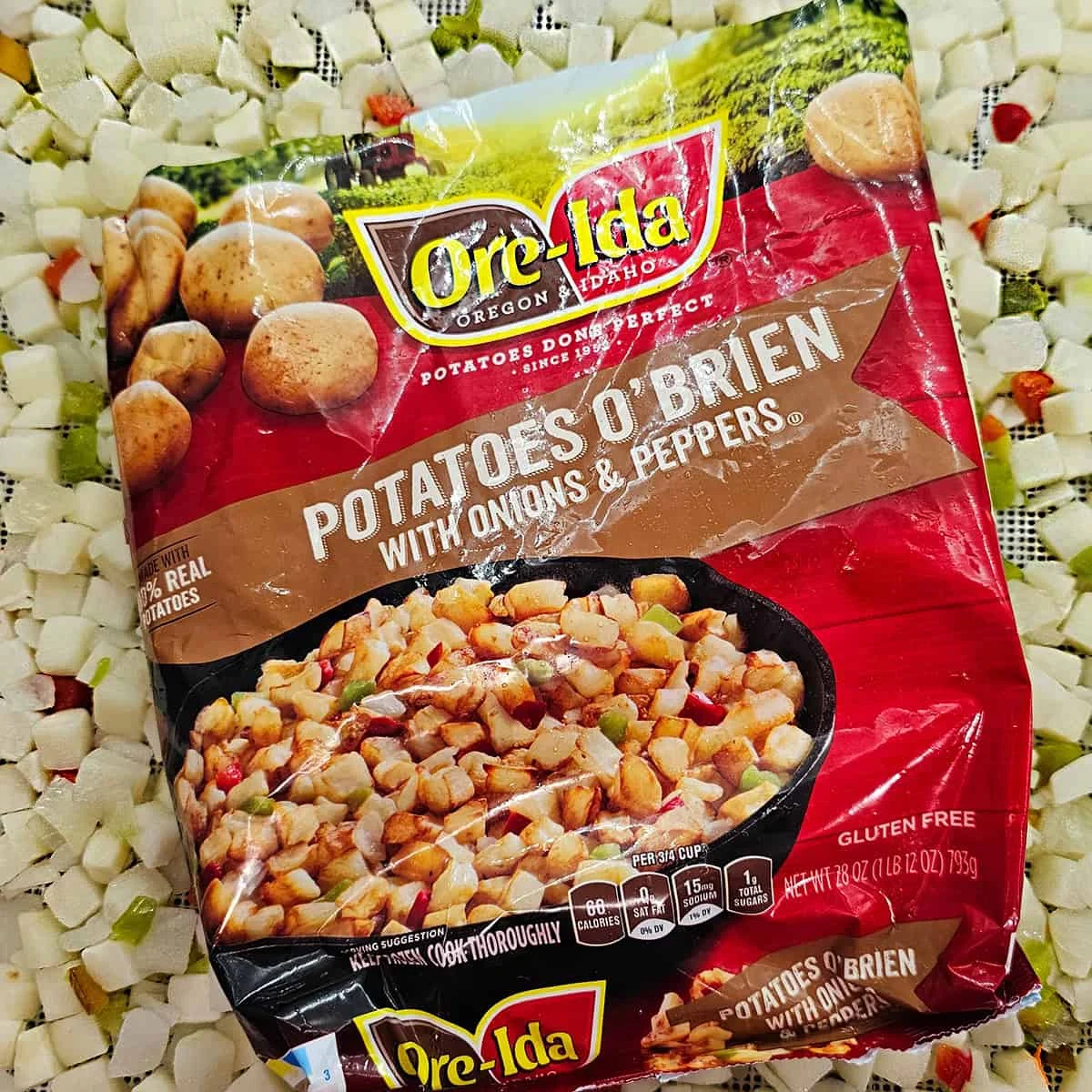
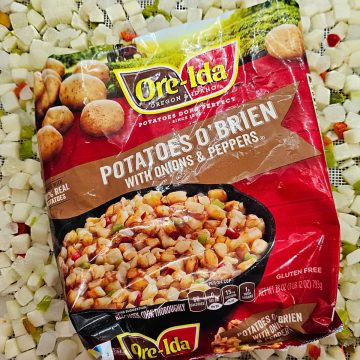
The landscape of home food preservation is undergoing a significant shift as households increasingly prioritize shelf-stability and freezer efficiency in response to rising energy costs and supply chain fluctuations. One of the most effective strategies emerging in this sector is the dehydration of pre-processed frozen vegetables, specifically Potatoes O’Brien—a blend of diced potatoes, onions, and bell peppers. By converting these frozen staples into a shelf-stable format, consumers can significantly reduce their reliance on mechanical refrigeration while ensuring a long-term food supply that is nearly ready for immediate culinary use.
The Strategic Shift in Food Preservation
The practice of dehydrating frozen foods, often referred to as "pantry loading," leverages the industrial processing already applied to commercial frozen goods. Potatoes O’Brien are particularly suited for this method because they have been pre-cleaned, diced, and, most importantly, blanched. Blanching is a critical step in potato preservation that deactivates enzymes responsible for browning and texture degradation. When home cooks attempt to dehydrate raw potatoes, they often face the challenge of rapid oxidation; however, the frozen variety bypasses this hurdle, offering a streamlined path to a successful finished product.
The primary motivation for this transition is the optimization of freezer space. Modern food security experts note that freezers are high-energy-consumption appliances and are vulnerable to power outages. By moving bulk items like potatoes to the pantry shelf in airtight containers, households can reserve limited freezer volume for high-moisture items that cannot be easily dehydrated, such as meats or dairy products.
Technical Procedure: From Freezer to Pantry
The process of dehydrating Potatoes O’Brien is characterized by its simplicity, requiring no thawing and minimal preparation. The methodology follows a standardized industrial approach adapted for home use:
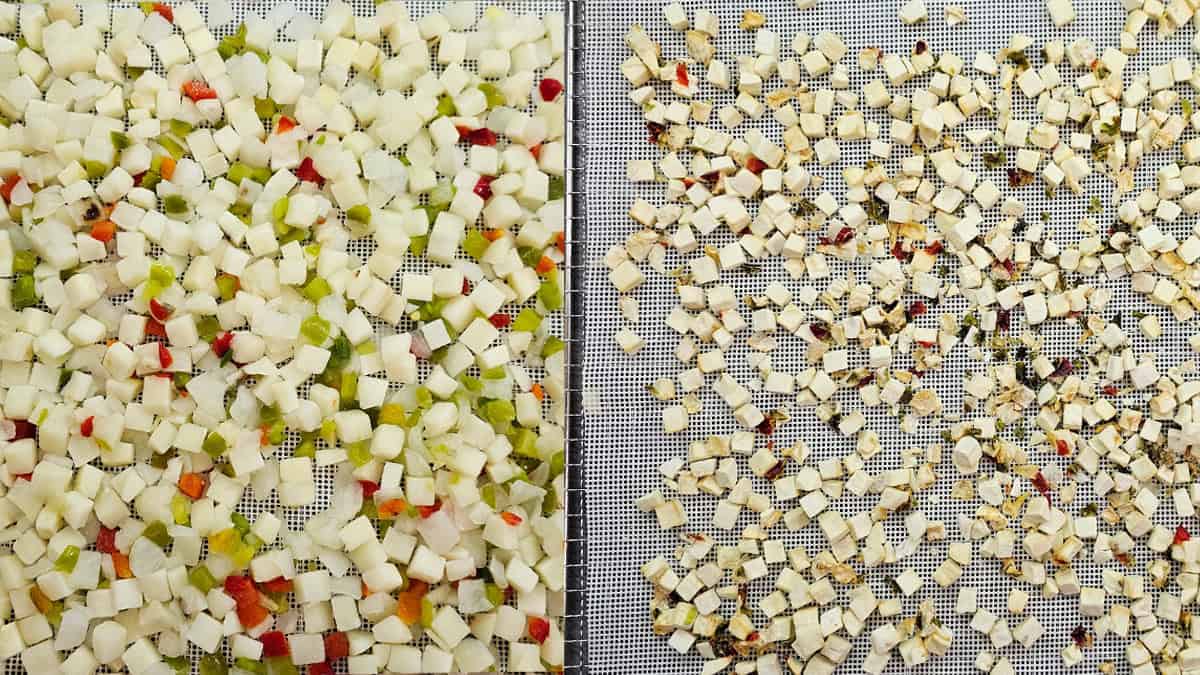
- Preparation and Loading: The frozen potato blend is spread directly onto dehydrator trays. It is essential to use mesh tray liners to prevent the smaller pieces of onion and pepper from falling through the grates as they shrink during the drying process.
- Temperature Regulation: The dehydrator is typically set to 125°F (52°C). This temperature is high enough to inhibit microbial growth but low enough to prevent "case hardening," a condition where the exterior of the food dries too quickly, trapping moisture inside and leading to eventual spoilage.
- Duration and Monitoring: The dehydration cycle generally lasts between 8 and 12 hours, depending on the ambient humidity and the specific moisture content of the brand used.
- The "Snap Test": A successful dehydration is confirmed when the potato pieces are translucent and brittle. If a piece bends instead of snapping, residual moisture remains, necessitating further drying time.
- Conditioning: After drying, the potatoes should be "conditioned" by placing them in a clear jar for several days. If any condensation appears on the glass, the batch must be returned to the dehydrator.
Comparative Data: Frozen vs. Dehydrated Storage
The physical transformation of the potato during this process is substantial. A standard 28-ounce bag of frozen Potatoes O’Brien occupies approximately 115 cubic inches of freezer space. Once dehydrated, that same volume of food shrinks by nearly 70%, fitting comfortably into a single quart-sized mason jar.
| Metric | Frozen State | Dehydrated State |
|---|---|---|
| Storage Temperature | 0°F (-18°C) | 50°F – 70°F (10°C – 21°C) |
| Shelf Life | 6–12 months (quality declines) | 5–10 years (if vacuum sealed) |
| Energy Requirement | Constant electrical draw | None (Passive storage) |
| Weight | 100% | ~15–20% of original weight |
From a nutritional standpoint, dehydration is one of the gentlest forms of preservation. While some heat-sensitive vitamins like Vitamin C may see a moderate reduction, the caloric density, fiber, and mineral content of the potatoes, peppers, and onions remain largely intact.
Historical Context and Industrial Evolution
The dehydration of potatoes is not a modern invention but an evolution of ancient techniques. The Incas of Peru developed chuño, a freeze-dried potato product, by exposing tubers to freezing night temperatures and hot daytime sun in the Andes. In the mid-20th century, the industrialization of food led to the development of the "instant" potato flakes and diced potatoes used in military rations during World War II.
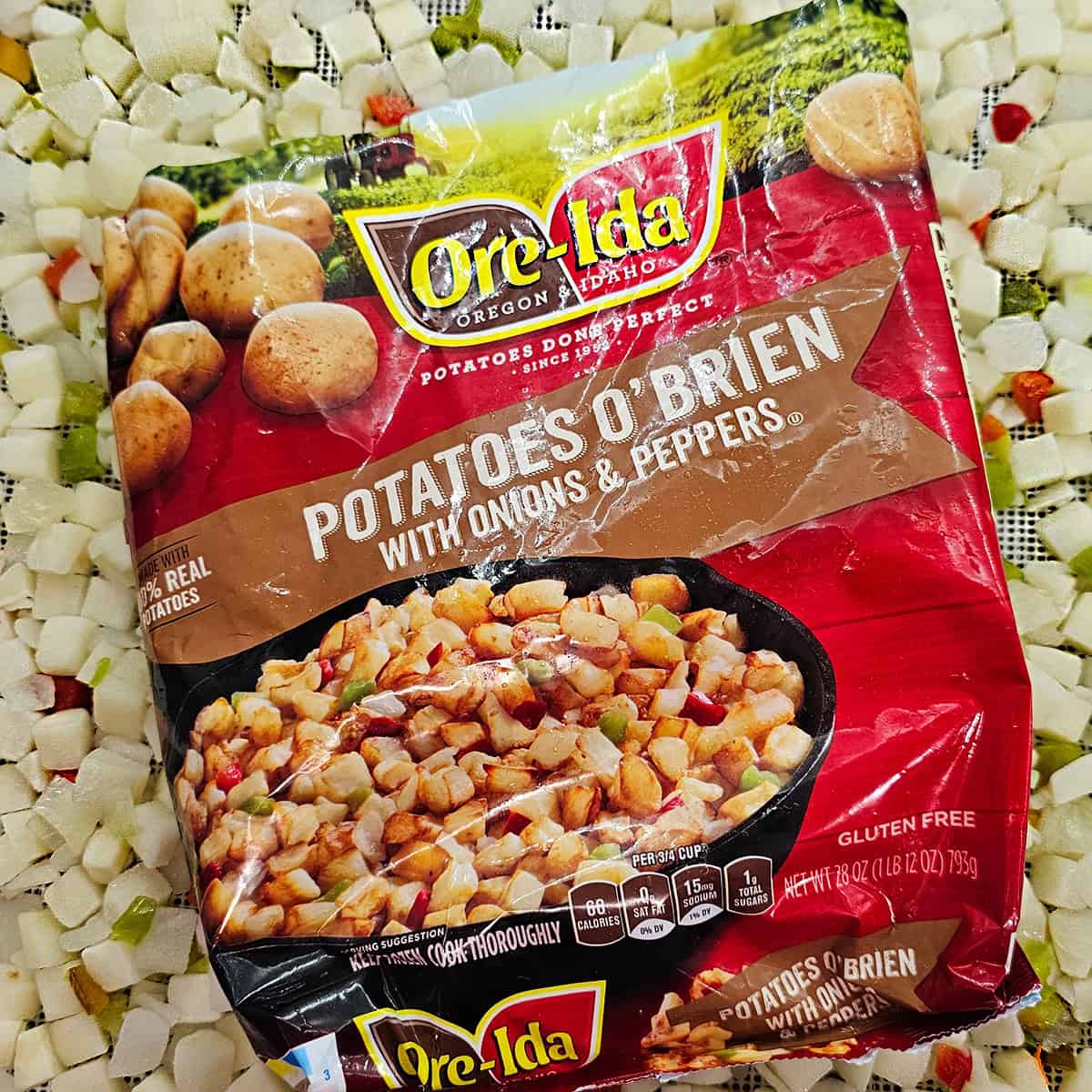
Today’s home dehydration movement represents a democratization of this industrial technology. Experts like Darcy Baldwin, creator of The Purposeful Pantry, have spearheaded the movement to bring these techniques into the domestic kitchen. By applying these methods to frozen goods, consumers are essentially finishing a process started by commercial processors, creating a hybrid form of preservation that combines modern convenience with traditional self-sufficiency.
Economic and Logistical Implications
The economic benefits of dehydrating frozen potatoes extend beyond simple energy savings. By purchasing frozen potatoes in bulk during sales and dehydrating them for the pantry, consumers can hedge against seasonal price spikes and inflation. Furthermore, the reduction in weight makes these potatoes an ideal component for lightweight emergency kits, backpacking meals, and "just-add-water" jar meals.
However, food safety experts warn that not all frozen potato products are candidates for dehydration. Products with high fat or oil content, such as pre-fried french fries, tater tots, or seasoned wedges, should be avoided. The oils used in these products do not dehydrate; instead, they remain in the food and can turn rancid within weeks when stored at room temperature, posing a risk of foodborne illness and off-flavors.
Rehydration and Culinary Integration
The utility of dehydrated Potatoes O’Brien is found in their versatility. Rehydration occurs through the process of osmosis, where the dried cells absorb hot liquid to return to their near-original state.
- Direct Incorporation: In high-moisture dishes such as soups, stews, and chowders, the dried potatoes can be added directly to the pot. They typically require 20 to 30 minutes of simmering to reach the desired texture.
- Controlled Rehydration: For dishes like breakfast hash or casseroles, the potatoes should be soaked in boiling water for approximately 15 to 20 minutes, then drained and patted dry. This allows the exterior to crisp when fried in a skillet.
- Yield Ratios: Generally, one part dehydrated potatoes requires two parts water for full reconstitution.
Institutional Responses and Market Trends
The rise in home dehydration reflects a broader consumer trend toward "active" food storage. Unlike "passive" storage—simply buying canned goods—active storage involves processing and rotating ingredients to create a customized food supply. Market analysts observe that the sales of home dehydrators and vacuum sealers have seen a steady increase since 2020, as households seek to mitigate the risks of "just-in-time" grocery delivery systems.
While major food manufacturers have not yet shifted their marketing to encourage home dehydration of their frozen products, the community of "preservers" continues to grow via digital platforms. Educational resources provided by figures such as Baldwin offer a roadmap for consumers to take control of their food supply chains.
Conclusion: The Future of the Purposeful Pantry
The dehydration of Potatoes O’Brien is a microcosm of a larger movement toward resilience and efficiency in the modern home. By understanding the science of moisture removal and the benefits of pre-processed frozen goods, individuals can create a robust, shelf-stable pantry that is both economically sound and culinarily diverse. As energy costs continue to be a factor in household management, the transition from "cold storage" to "dry storage" is likely to become a standard practice in the domestic economy. This method not only preserves the harvest of the industrial food system but also empowers the consumer to maintain a high-quality diet regardless of the stability of the electrical grid or the availability of freezer space.