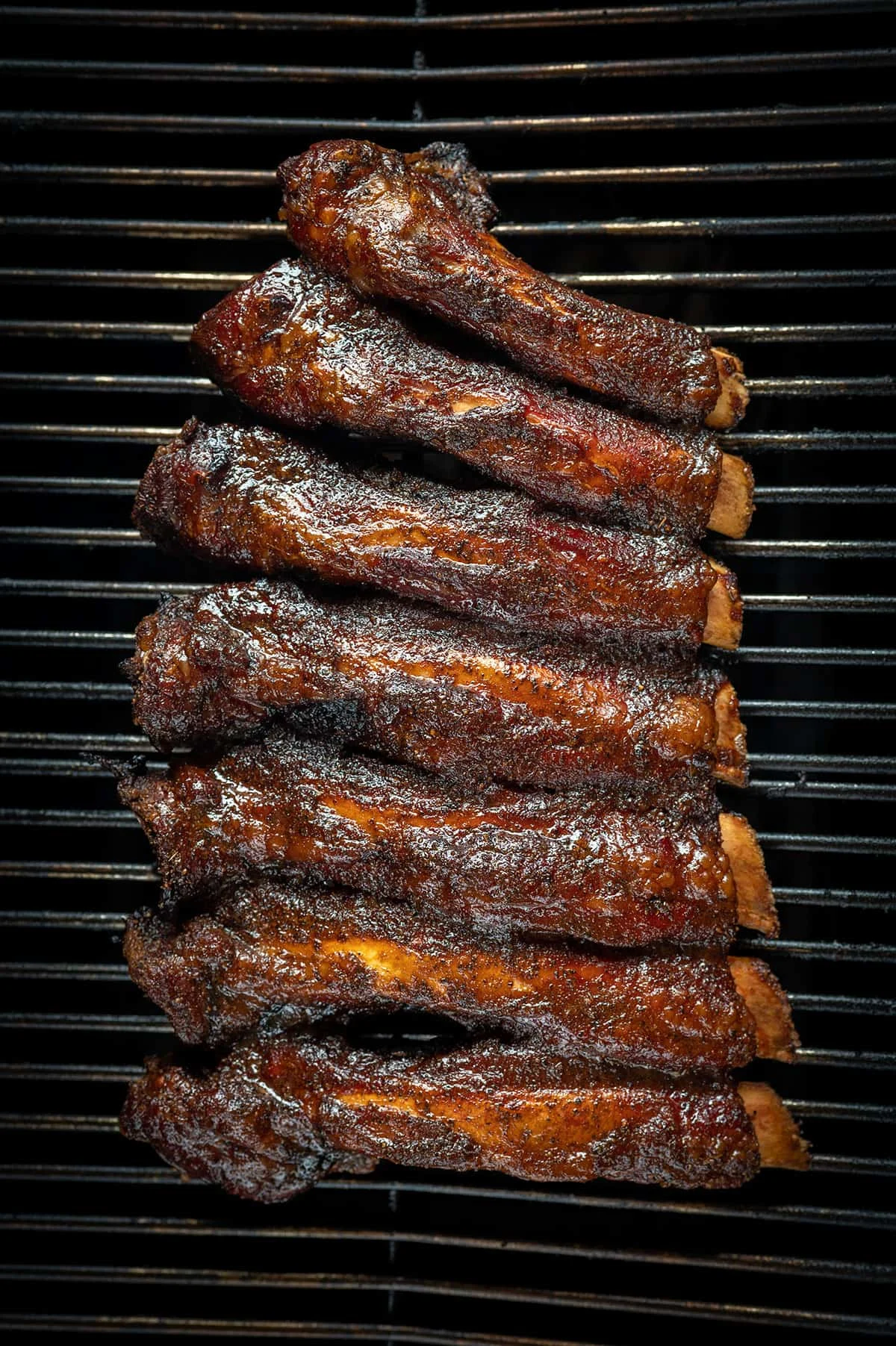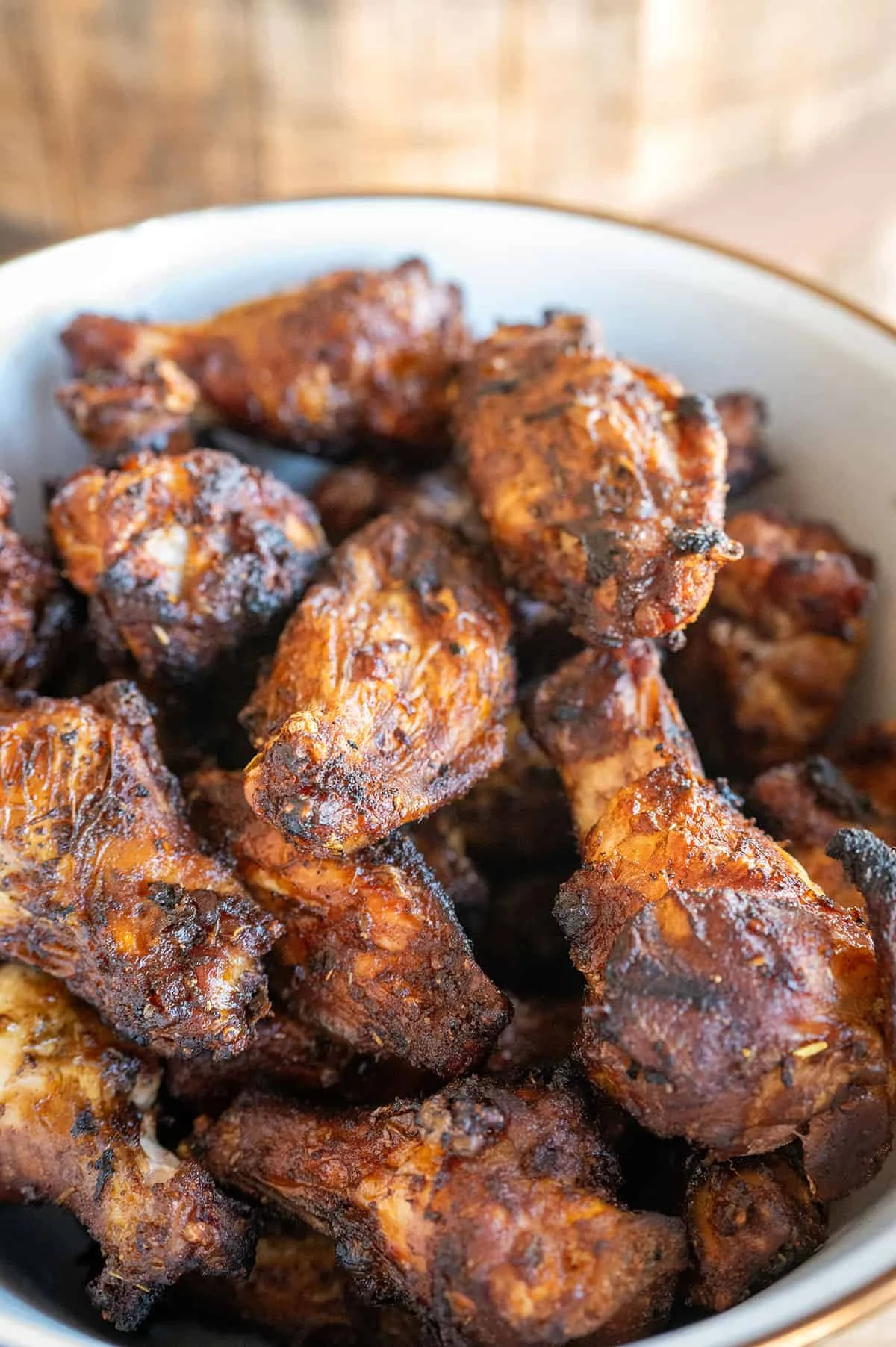
The art of perfectly cooked chicken wings on a drum smoker involves a precise balance of high heat and time, resulting in an exterior that is delightfully crispy, a succulent interior, and a profound smoky depth of flavor. This technique, particularly effective on drum smokers such as Hunsaker or Gateway models, elevates the humble chicken wing to a culinary masterpiece, whether served in its pure, unadorned state or coated in a signature sauce. The secret lies in a hot and fast cooking approach, typically between 375-400°F, a temperature range that effectively renders the chicken skin to its optimal crispiness while ensuring the meat remains incredibly tender and juicy.
The Science Behind Drum Smoker Wings
The unique design of drum smokers, often a repurposed 55-gallon steel drum, creates a specific cooking environment. Their vertical configuration, coupled with a heat source at the bottom and a grate positioned higher up, facilitates intense, direct heat circulation. This design is crucial for achieving the desired crispy skin on chicken wings. Unlike traditional offset smokers where wings might be subjected to gentler, indirect heat over longer periods, drum smokers are engineered for higher temperatures and faster cooking times. This intensity is what allows the fat within the chicken skin to render quickly, creating that sought-after crunch.
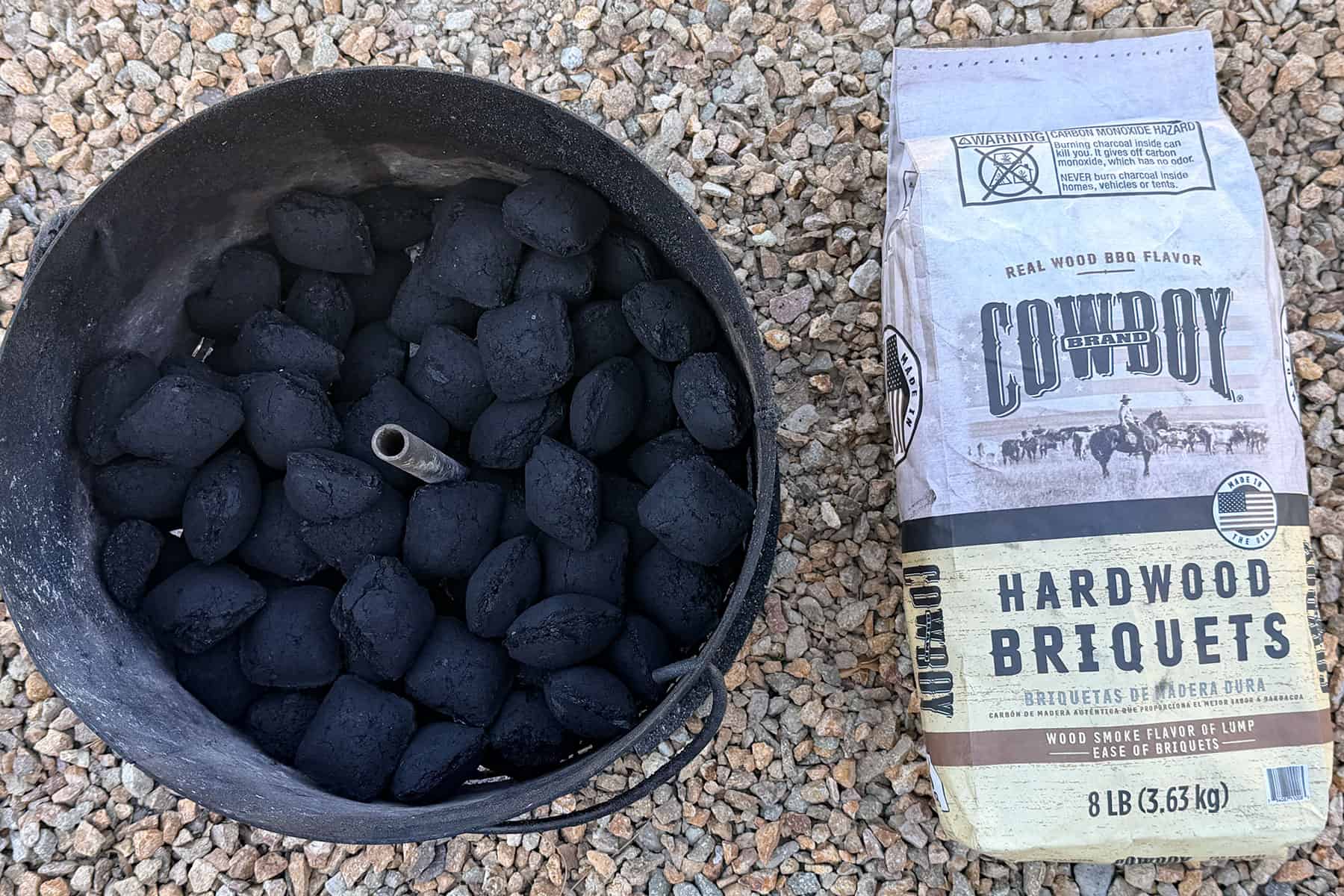
The optimal temperature range of 375-400°F is critical. At lower temperatures, the skin may not render sufficiently, leading to a rubbery or chewy texture, a common pitfall when smoking wings. Conversely, excessively high temperatures without careful management could lead to burnt exteriors before the interior is cooked through. The drum smoker’s ability to maintain this specific, higher temperature band is what sets it apart for wing preparation. This method also imbues the wings with a distinct smoky character, a hallmark of any well-executed barbecue. The type of charcoal used can also influence the flavor profile; many pitmasters opt for hardwood briquets, such as Cowboy Hardwood Briquets, for their consistent burn and clean smoke.

A Step-by-Step Guide to Drum Smoker Wings
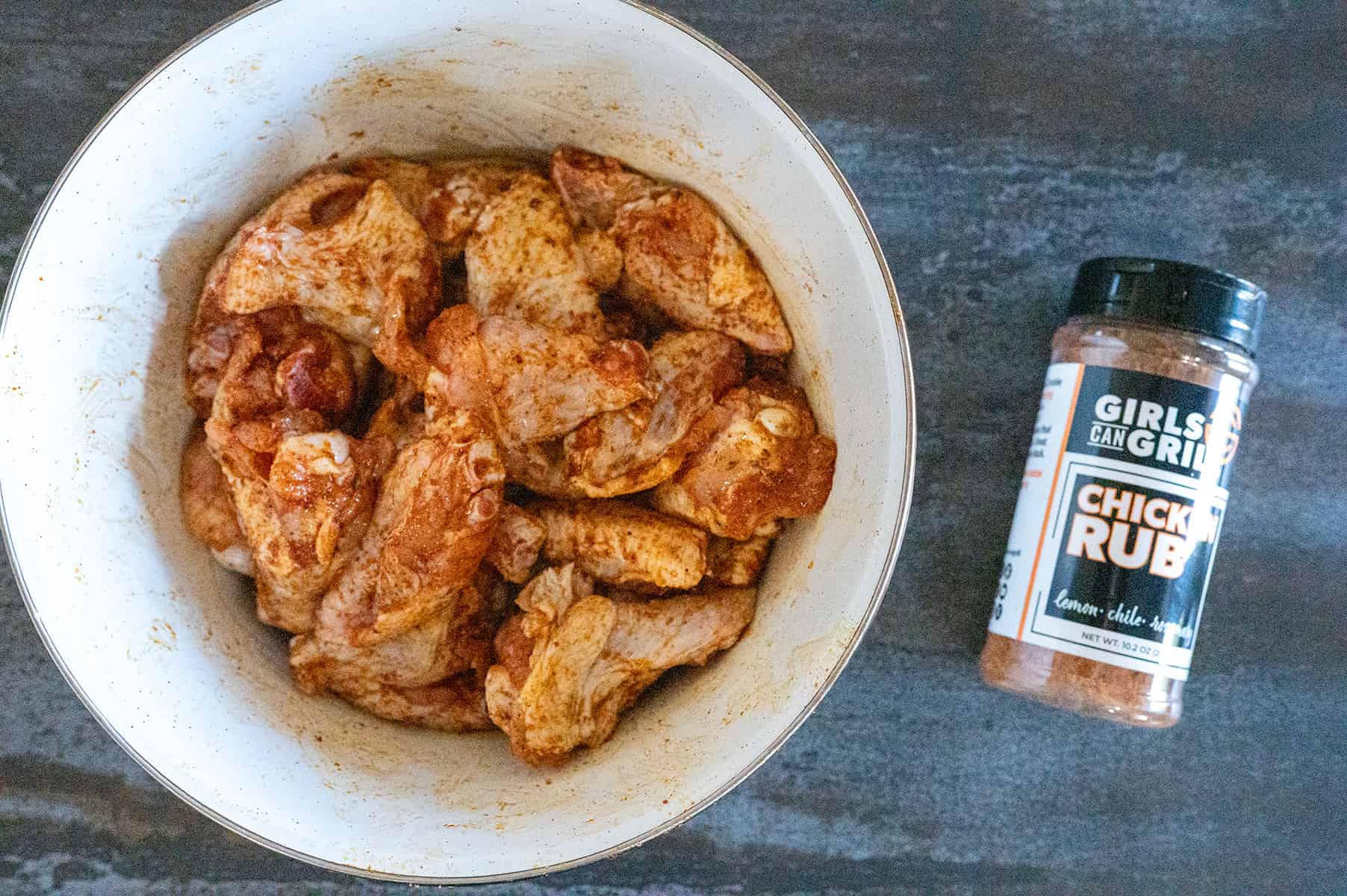
The process begins with careful preparation of the chicken wings. Approximately two teaspoons of oil and one tablespoon of seasoning are recommended per pound of wings. This ensures even coating and flavor distribution. The wings are then placed in a large bowl, drizzled with oil, and thoroughly seasoned with a preferred rub. For optimal flavor development, they are chilled in the refrigerator while the smoker reaches the target temperature.
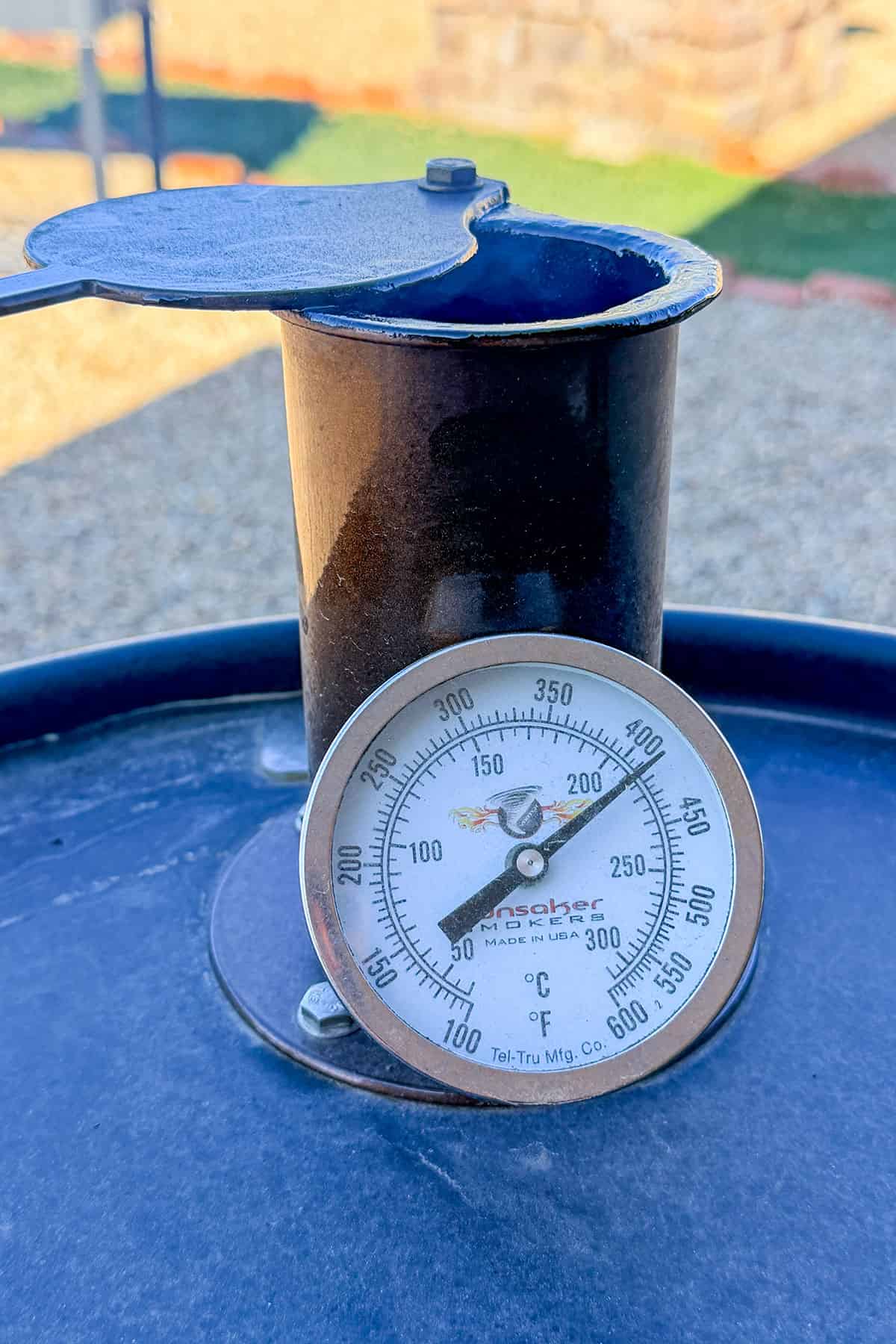
Preheating the drum smoker is a crucial step. For those utilizing a Hunsaker Smoker, it is advised to forgo the Vortex accessory, as the goal is to achieve maximum heat. An 8-pound bag of charcoal is typically sufficient to start. The charcoal is loaded into the smoker’s basket, ignited with a couple of fire starters, and then placed within the smoker. All vents, both top and bottom (or side, depending on the model), are opened completely to allow for rapid heat buildup. On a Hunsaker, the bottom vent should be fully open. The objective is to reach and stabilize the temperature between 375-400°F. As the temperature climbs, the top exhaust vent is gradually closed to regulate and maintain the desired heat level.
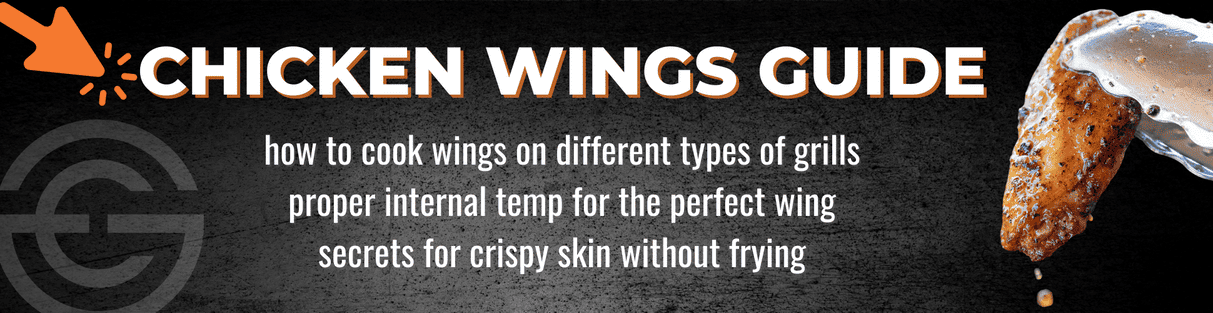
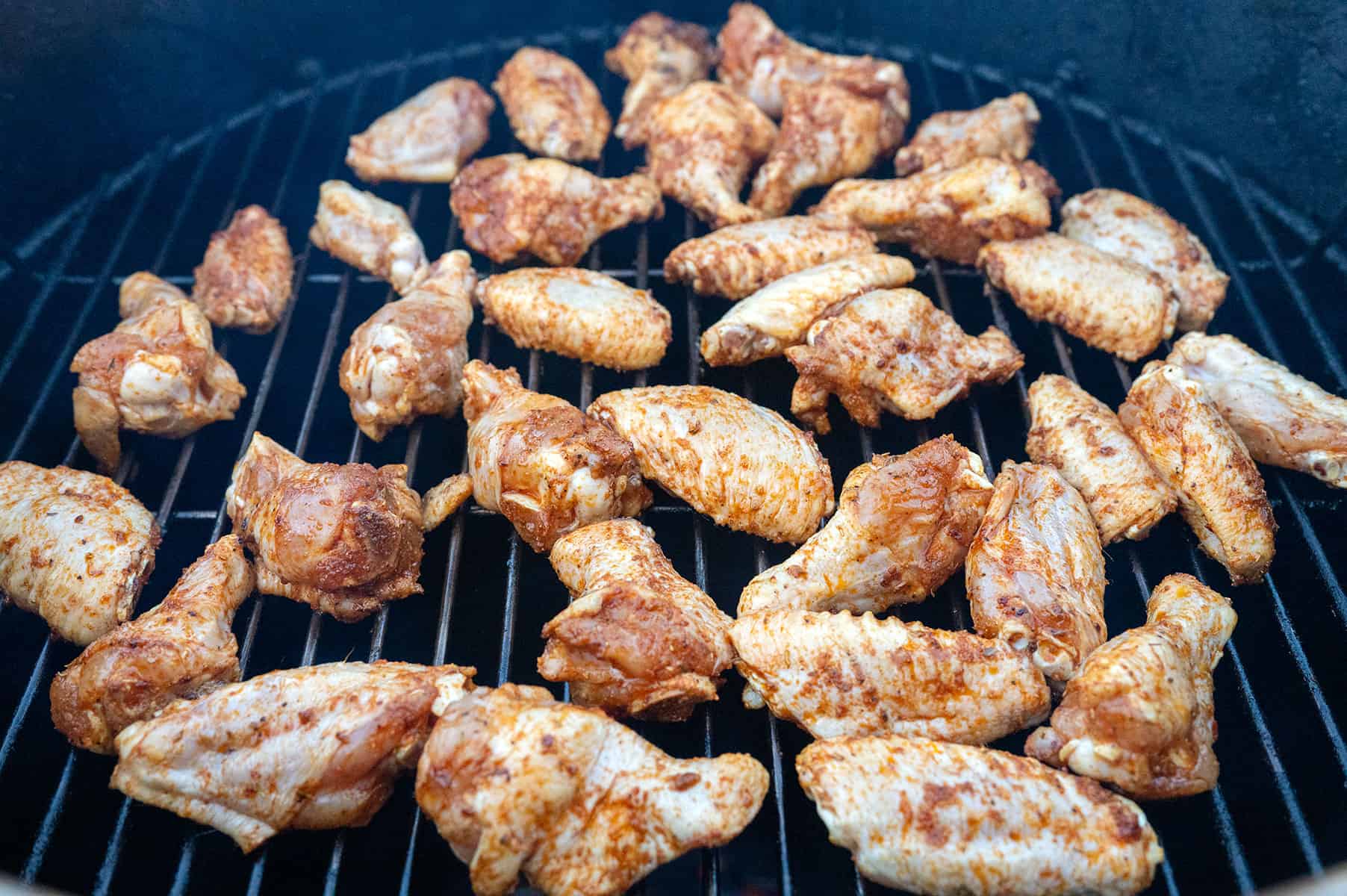
Once the smoker is preheated and emitting clean smoke, the seasoned wings are placed directly onto the grill grate in a single layer. This initial smoking phase typically lasts for about 20 minutes. It is important to note that the grill temperature may dip slightly upon the addition of the cold wings, but it should quickly recover.
After the initial 20 minutes, the wings are flipped. This step should be executed quickly to minimize heat loss from the smoker. Leaving the lid open for extended periods can cause temperature fluctuations, which can compromise the cooking process. Following the flip, the wings continue to cook for an additional 10-20 minutes. The ideal internal temperature for perfectly cooked wings, according to culinary standards for poultry, is generally around 165°F. However, for drum smoker wings, aiming for an internal temperature of 195-205°F is often preferred by enthusiasts seeking exceptionally tender meat and fully rendered, crispy skin. This higher internal temperature indicates that the connective tissues have broken down, contributing to a more succulent texture.
Serving and Storage Recommendations
Upon removal from the smoker, the wings begin their final crisping process as they cool slightly. At this stage, they are ready to be served in their natural, unadorned state, allowing the smoky flavor and crispy skin to be the stars. Alternatively, they can be tossed in a variety of sauces, such as classic buffalo or barbecue, to suit individual preferences.
For an optimal serving experience, the wings are best presented on a platter alongside traditional accompaniments like carrot sticks, celery, and a selection of dipping sauces, including ranch and blue cheese dressing. If sauced wings are served, offering an extra side of the chosen sauce is a thoughtful touch for those who desire more.
While chicken wings are at their peak crispiness when enjoyed immediately after cooking, leftovers can be stored in an airtight container in the refrigerator for 3-4 days. Reheating can be done in a microwave or, for better results in restoring crispiness, in an air fryer. Freezing cooked chicken wings is also an option, with a shelf life of up to 4 months, though it is generally acknowledged that their texture and crispness may diminish upon reheating after freezing.
Nutritional Considerations and Broader Context
The nutritional profile of chicken wings can vary significantly based on preparation methods and added sauces. A typical serving of plain, smoked chicken wings (approximately 3 ounces) can contain around 154 calories, 1 gram of carbohydrates, 11 grams of protein, and 12 grams of fat, including about 3 grams of saturated fat. These figures serve as approximations, and actual values will depend on factors like the specific cut of the wing (drumette, flat, wingtip), the amount of oil and seasoning used, and any sauces or glazes applied. The provided nutritional data for this recipe estimates 154 kcal, 1g carbohydrates, 11g protein, and 12g fat per serving.

The popularity of chicken wings as a culinary staple, particularly in the context of barbecuing and tailgating, is well-established. Their adaptability and widespread appeal have led to numerous cooking techniques and variations. The drum smoker method represents a specialized approach that leverages the unique properties of this cooking vessel to achieve superior results for a specific dish. Brands like Hunsaker and Gateway have become synonymous with high-performance drum smokers, catering to a growing community of barbecue enthusiasts who seek to master various cooking styles.
The inclusion of images showcasing seasoned wings, the charcoal setup, smoker vent adjustments, and the wings in various stages of cooking visually guides the reader through the process. These visual aids are crucial for home cooks, offering tangible representations of the steps involved. Furthermore, the inclusion of a "GCG Pro Pitmaster Tips" section, while not elaborated in the provided text, suggests an intent to offer advanced insights and best practices from experienced practitioners.
Frequently Asked Questions
Addressing common queries can further enhance the understanding and execution of this recipe. Key questions often revolve around the optimal temperature and cooking time for drum smoker wings. Pitmasters generally agree that a temperature range of 375-400°F is ideal to ensure the chicken skin fully renders, preventing a chewy texture. The total cooking time typically falls between 30-40 minutes to achieve both juicy meat and crispy skin.
Another frequent question concerns the possibility of smoking frozen wings. While it is feasible, it is generally recommended to thaw the wings overnight in the refrigerator prior to smoking. Patting them thoroughly dry to remove excess moisture is essential. Some cooks also suggest a light dusting of baking powder, which can aid in drawing out more moisture and contribute to crispier skin.
The practice of smoking chicken wings on a drum smoker has become a celebrated method among barbecue aficionados. The combination of high heat, efficient smoke circulation, and the inherent flavor imparted by the drum smoker’s design allows for an exceptional culinary outcome. By adhering to the recommended temperature, time, and preparation techniques, home cooks can consistently produce chicken wings that are a testament to the art of modern barbecue.