
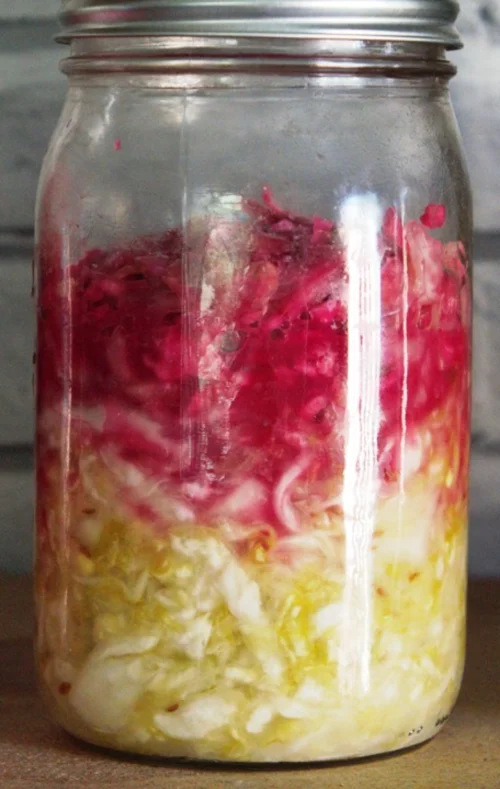
The intricate world of microbial activity, fundamental to the process of fermentation, operates within precise environmental parameters, with temperature emerging as a paramount factor governing both the efficiency and safety of producing fermented foods and beverages. Most of the beneficial microbes engaged in these transformative processes, much like humans, exhibit a distinct preference for ambient room temperatures, typically thriving within a specific range that facilitates their metabolic functions. However, deviations from this optimal thermal zone can significantly impact the speed and success of fermentation, posing challenges for both novice and experienced practitioners.
When ambient temperatures fall below approximately 68°F (20°C), particularly during colder months in residential settings, the metabolic rates of these essential microorganisms decelerate considerably. This reduction in activity can lead to ferments taking an unusually long time to achieve their desired transformation, or in some instances, failing to progress altogether. Conversely, excessively high temperatures can accelerate fermentation too rapidly, potentially leading to off-flavors, undesirable microbial growth, or even spoilage. The delicate balance required highlights the need for precise temperature management, a practice that has evolved from ancient, intuitive methods to sophisticated modern solutions.
The Science of Fermentation and Temperature Dynamics
At its core, fermentation is a metabolic process where microorganisms, such as bacteria, yeasts, or molds, convert carbohydrates into alcohol, gases, or organic acids. This biochemical transformation is heavily reliant on enzymes produced by these microbes. Temperature plays a critical role in regulating enzyme activity; each enzyme possesses an optimal temperature range where its catalytic efficiency is maximized. Outside this range, enzyme activity diminishes, leading to slower reactions or, at extreme temperatures, enzyme denaturation and irreversible loss of function.
For lactic acid fermentation, common in foods like sauerkraut and kimchi, a moderate temperature range is crucial for the proliferation of beneficial lactic acid bacteria (LAB). These bacteria produce lactic acid, which lowers the pH of the food, creating an acidic environment that inhibits the growth of spoilage organisms and pathogens, while simultaneously contributing to the characteristic tangy flavor and preserving qualities. If temperatures are too low, LAB activity slows, allowing undesirable microbes to potentially gain a foothold. If temperatures are too high, other bacteria that produce less desirable byproducts or even spoilage organisms might outcompete the beneficial LAB, leading to an inferior or unsafe product.
Similarly, yeast-driven fermentations, such as in kombucha or water kefir, rely on specific temperature ranges for optimal yeast activity, which involves converting sugars into ethanol and carbon dioxide. Too cold, and the yeast becomes sluggish; too hot, and it can produce unwanted esters or fusel alcohols, impacting flavor and potentially leading to off-notes. Understanding these microbial preferences and their physiological responses to temperature is the bedrock of successful fermentation.
A Historical Perspective: Ancestral Ingenuity in Preservation
Long before the advent of artificial intelligence, sophisticated refrigeration units, or rapid delivery services, human societies developed ingenious methods for food preservation, primarily driven by necessity. Our ancestors, far from lacking ingenuity, demonstrated remarkable adaptability and a profound understanding of their environment. They recognized the transformative power of fermentation and, critically, the role of consistent, cool temperatures in managing these processes.
Basements, cellars, and root cellars became indispensable architectural features in many cultures worldwide. These subterranean or semi-subterranean structures capitalized on the stable "earth temperature," which typically hovers around 55°F (13°C) throughout the year, regardless of external seasonal fluctuations. This natural climate control offered an ideal environment for slow, extended fermentation. In these cool, dark spaces, vegetables could ferment over several months, sometimes throughout the entire winter and into spring, developing complex flavors and superior textures that rapid fermentation often cannot achieve. This method was not merely about preservation; it was about enhancing nutritional value, digestibility, and creating distinct culinary profiles.
For instance, ancient Roman garum, a fermented fish sauce, was often aged in large vessels in relatively cool environments. In East Asia, the tradition of fermenting vegetables like kimchi dates back centuries, with traditional methods involving burying earthenware pots (onggi) in the ground to maintain a stable, cool temperature, mimicking the conditions of a root cellar. European traditions of sauerkraut and pickled vegetables also relied on cool storage to ensure a long, controlled fermentation period. These practices underscore a deep-seated, experiential knowledge of microbial ecology long before the science was formally understood, demonstrating a profound ancestral wisdom in harnessing natural environmental conditions for food security and culinary excellence.
The Modern Fermentation Renaissance and its Challenges
The widespread adoption of mechanical refrigeration in the 20th century fundamentally altered food preservation practices, shifting many away from traditional fermentation methods. For a period, home fermentation became less common, as refrigeration offered a convenient and seemingly effortless way to extend food shelf life. However, the last few decades have witnessed a significant resurgence of interest in fermented foods, driven by a growing awareness of their potential health benefits—particularly their probiotic value—and a renewed appreciation for their unique flavors and cultural heritage.
This modern fermentation renaissance, however, brings its own set of challenges. Contemporary homes often lack the natural, consistent cool temperatures of traditional cellars. Indoor heating and cooling systems create fluctuating environments, making it difficult for home fermenters to maintain the specific temperature ranges required for optimal microbial activity. This inconsistency can lead to unpredictable fermentation outcomes, frustration, and even spoilage, hindering enthusiasts from successfully engaging in this ancient practice. Many home fermenters struggle with stalled ferments during winter or overly rapid, sometimes undesirable, fermentations during summer heatwaves.
Precision in Practice: Ideal Temperature Ranges for Common Ferments
Achieving consistent and high-quality fermented products necessitates adherence to specific temperature guidelines tailored to the particular microbial cultures involved. The following table illustrates the ideal fermentation temperature ranges for several popular ferments, underscoring the diversity of microbial preferences:
| Ferment | Ideal Fermentation Temperature Range (°F) | Ideal Fermentation Temperature Range (°C) | Notes |
|---|---|---|---|
| Brined Vegetables (sauerkraut, kimchi, pickles) | 55 to 80 | 13 to 27 | Optimal for lactic acid bacteria. |
| Kefir (dairy) | 72 to 76 | 22 to 24 | Supports a diverse kefir grain microbiome. |
| Koji | 86 to 91 | 30 to 33 | Requires high humidity (75%) for mold growth. |
| Kombucha (primary fermentation) | 68 to 80 | 20 to 27 | Balances yeast and bacteria activity. |
| Kombucha (secondary fermentation) | 76 to 80 | 24 to 27 | Encourages carbonation and flavor infusion. |
| Tempeh | 85 to 91 | 30 to 33 | Requires high humidity (75%) for fungal growth. |
| Water Kefir (tibicos) | 68 to 78 | 20 to 25 | Supports a specific yeast and bacteria culture. |
| Yogurt (Bulgarian) | 110 | 43 | Thermophilic culture requires high, consistent heat. |
Deviating from these ranges can have significant consequences. For brined vegetables, temperatures below 55°F will drastically slow fermentation, potentially leading to mushy textures or an imbalance of microbial activity. Above 80°F, fermentation can become too rapid, producing less complex flavors and increasing the risk of spoilage from undesirable organisms. Koji and tempeh, which rely on specific molds (Aspergillus oryzae and Rhizopus oligosporus, respectively), demand even higher temperatures and carefully controlled humidity to ensure the mold grows vigorously and uniformly, preventing contamination by other fungi. Yogurt, made with thermophilic bacteria, requires sustained high temperatures to thrive, resulting in its characteristic thick, tangy consistency.
The "Pause Button": Refrigeration as a Preservation Tool
While cool temperatures can impede active fermentation, refrigeration plays a crucial role once a ferment has reached its desired state. The refrigerator acts as a "pause button" or "super-slow-mo button" for finished ferments. At these colder temperatures, typically below 40°F (4°C), the metabolic activity of the microbes slows down significantly, though they are not killed off. This deceleration effectively halts the fermentation process, preserving the texture, flavor, and, critically, the probiotic value of the fermented food or beverage.
This preservation method extends the shelf life of fermented products, allowing them to be enjoyed over a longer period without becoming overly sour or developing off-flavors due to continued microbial activity. The live and active cultures remain viable, ready to contribute to gut health upon consumption, albeit in a dormant state. This distinction—slowing activity versus killing—is vital for maintaining the health benefits associated with live fermented foods.
Innovative Solutions for the Home Fermenter: The Seedling Mat
Recognizing the challenge of maintaining optimal fermentation temperatures in modern homes, particularly during colder seasons, experienced fermenters have sought practical and accessible solutions. One such innovative and highly effective device is a seedling mat, typically used by gardeners to aid seed germination. These mats are designed to provide gentle, consistent heat, raising the temperature of items placed upon them by approximately 10°F (5.5°C).
This simple device meets several ideal criteria for the home fermenter: it is inexpensive, durable, easy to clean, and multi-purpose, allowing it to serve both horticultural and culinary needs. By placing fermentation vessels on a seedling mat, home fermenters can elevate the ambient temperature of their ferments into the desired range, ensuring consistent microbial activity even when indoor temperatures drop below 68°F (20°C). This simple intervention can transform frustratingly slow or stalled ferments into vibrant, active processes, significantly improving the success rate and enjoyment of home fermentation.
Other modern aids include insulated boxes, simple thermostats connected to heating elements, or even dedicated fermentation chambers. However, the seedling mat stands out for its simplicity and cost-effectiveness, making it an ideal entry-level solution for many. The adaptability of such a common gardening tool to the specialized needs of fermentation highlights the creative problem-solving inherent in the home fermenting community. Austin Durant, founder of Fermenters Club and author of "Fearless Fermenting," has championed such practical tools, drawing from his 14 years of experience in the field to empower others in their fermentation journeys. His participation in events like Sandor Katz’s Fermentation Residency, where large-scale, traditional methods like fermenting "kraut-chi" in reused barrels are practiced, bridges the gap between ancient techniques and modern accessibility.
Broader Implications: Food Safety, Health, and Sustainability
The meticulous control of temperature in fermentation extends beyond mere convenience or flavor development; it has significant implications for food safety, public health, and environmental sustainability.
Food Safety: Maintaining the correct temperature ensures that beneficial microbes rapidly establish dominance, producing acids or alcohols that inhibit the growth of pathogenic bacteria. Deviations can create conditions where harmful microorganisms might proliferate, rendering the fermented product unsafe for consumption. This makes temperature control a critical element in preventing foodborne illnesses associated with improperly fermented foods.
Nutritional Value and Health: Fermented foods are celebrated for their enhanced nutritional profiles, including increased vitamin content, improved digestibility, and, notably, their probiotic benefits. The viable microorganisms present in correctly fermented foods contribute to a healthy gut microbiome, which is linked to numerous aspects of human health, from digestion and immunity to mental well-being. By preserving these live cultures through proper temperature management and cold storage, fermenters ensure the maximum probiotic value is retained until consumption.
Sustainability: Home fermentation contributes to sustainable living by extending the shelf life of perishable produce, thereby reducing food waste. It also promotes local food systems and reduces reliance on industrially processed foods, which often have a larger carbon footprint. The ability to preserve harvests through fermentation, especially in methods echoing ancestral root cellaring, is a testament to resourcefulness and environmental consciousness.
Cultural Preservation: The revival of fermentation practices also represents a cultural preservation effort, reconnecting individuals with ancient foodways and culinary traditions. It fosters a deeper appreciation for the intricate relationship between humans, microbes, and the environment.
In conclusion, temperature is not merely a variable but a critical conductor in the symphony of fermentation. From the enduring wisdom of our ancestors who utilized the earth’s stable temperatures in cellars, to modern home fermenters leveraging simple tools like seedling mats, the mastery of thermal conditions remains central to producing safe, delicious, and healthful fermented foods. As the interest in fermentation continues to grow, so too does the understanding of how precise environmental control can unlock the full potential of these living foods, blending ancient traditions with contemporary scientific insight and practical innovation.


