
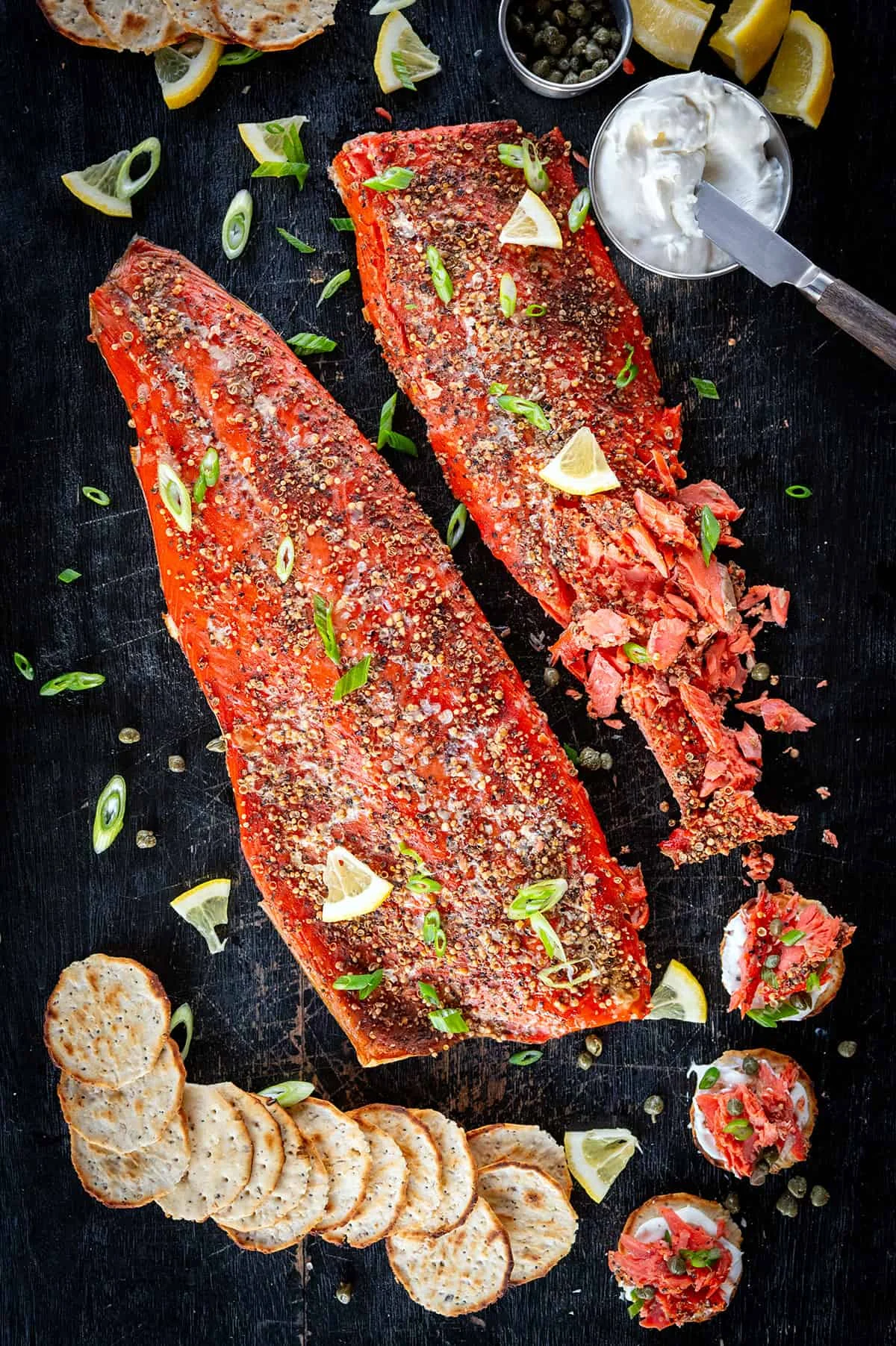
The culinary world is constantly evolving, with innovative techniques and flavor combinations emerging to delight palates and push the boundaries of traditional cooking. One such advancement that is capturing the attention of home cooks and seasoned chefs alike is the art of transforming the humble sockeye salmon into a delicacy reminiscent of classic pastrami. This sophisticated preparation method, involving a meticulous brine, a robust seasoning, and a final touch of smoke, elevates salmon from its familiar forms to a sophisticated, deli-style offering. This article delves into the intricate process of creating sockeye salmon pastrami, exploring its origins, the science behind its unique flavor profile, and its growing popularity in contemporary cuisine.
The Genesis of Salmon Pastrami
While the term "pastrami" is historically associated with cured and smoked beef brisket, the adaptation of this technique to fish, particularly salmon, represents a fascinating evolution in food preservation and flavor development. The core principles of pastrami – curing for preservation and flavor enhancement, followed by smoking for depth and aroma – are applied here with a distinctly piscine twist. The use of sockeye salmon is particularly noteworthy. Known for its vibrant color, firm texture, and rich, distinct flavor, sockeye salmon provides an ideal canvas for the intense flavors of a pastrami brine and rub. Unlike traditional lox, which is typically cured with salt and sometimes sugar but rarely smoked heavily, salmon pastrami embraces the bold, peppery crust and smoky undertones characteristic of its beef counterpart. This distinction is crucial for understanding the unique appeal of this dish.
The Art of the Brine: A Foundation for Flavor
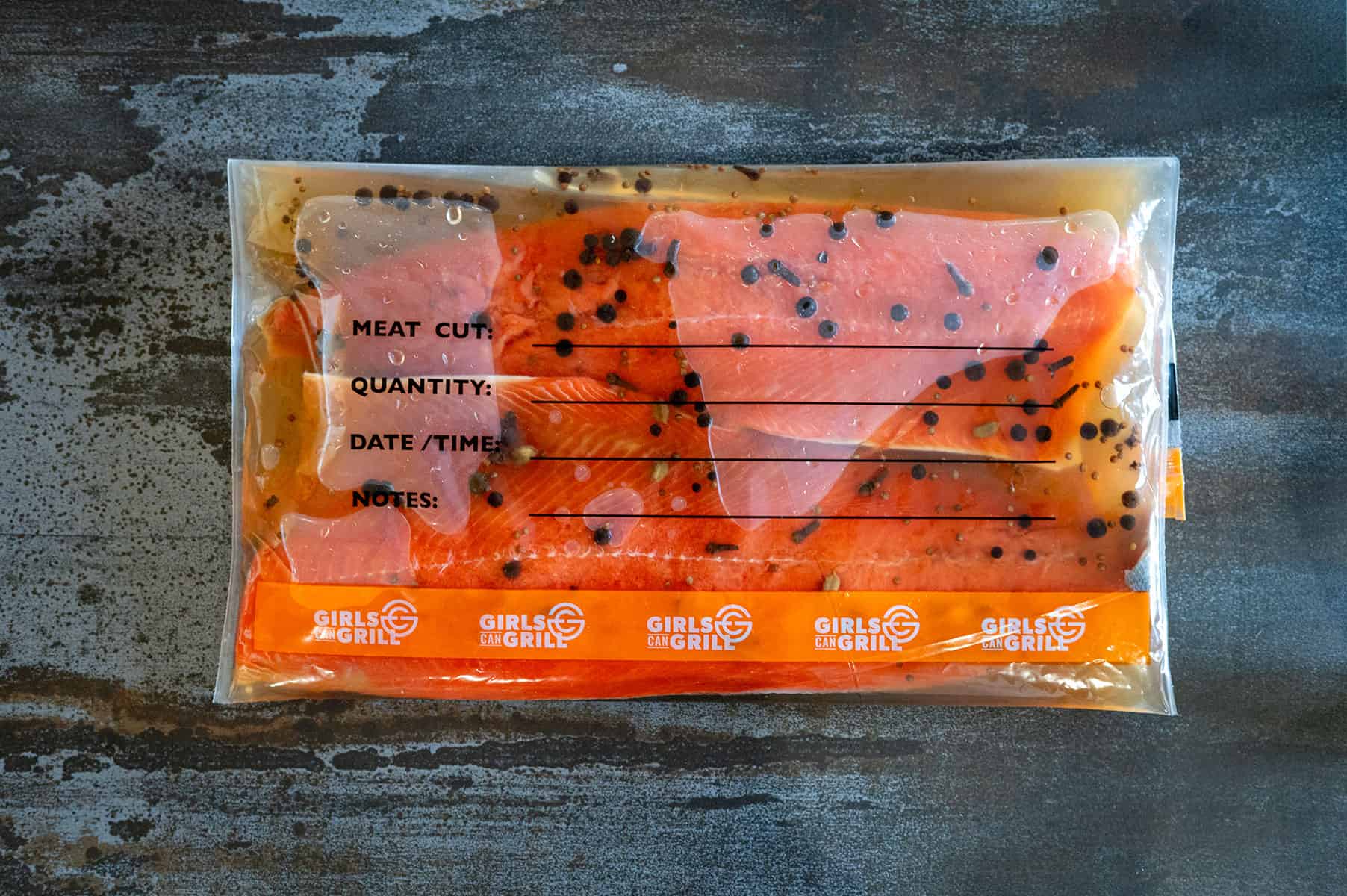
The journey to perfect salmon pastrami begins with the brine. This is not a simple salt-water solution; rather, it’s a carefully formulated mixture designed to penetrate the salmon, tenderize its flesh, and imbue it with a complex array of flavors. The brine typically involves a balance of salt, sugar, and a medley of spices, which may include black peppercorns, coriander seeds, mustard seeds, and sometimes aromatic elements like bay leaves or juniper berries. The precise composition of the brine is often a closely guarded secret among culinary artisans, contributing to the unique character of each preparation.

The brining process is a critical step that requires patience and precision. Sockeye salmon fillets are submerged in the cooled brine and allowed to cure for a significant period, often around 48 hours. During this time, the salt draws out moisture from the fish, concentrating its natural flavors while also inhibiting bacterial growth, a cornerstone of traditional curing methods. Simultaneously, the salt and sugar work to tenderize the protein structure, resulting in a more succulent final product. The spices in the brine also begin to infuse the fish, laying the groundwork for the more robust seasoning that follows. This two-day marination period is a testament to the adage that great things come to those who wait, transforming a fresh fillet into something far more profound.
The Pastrami Rub: Building the Iconic Crust
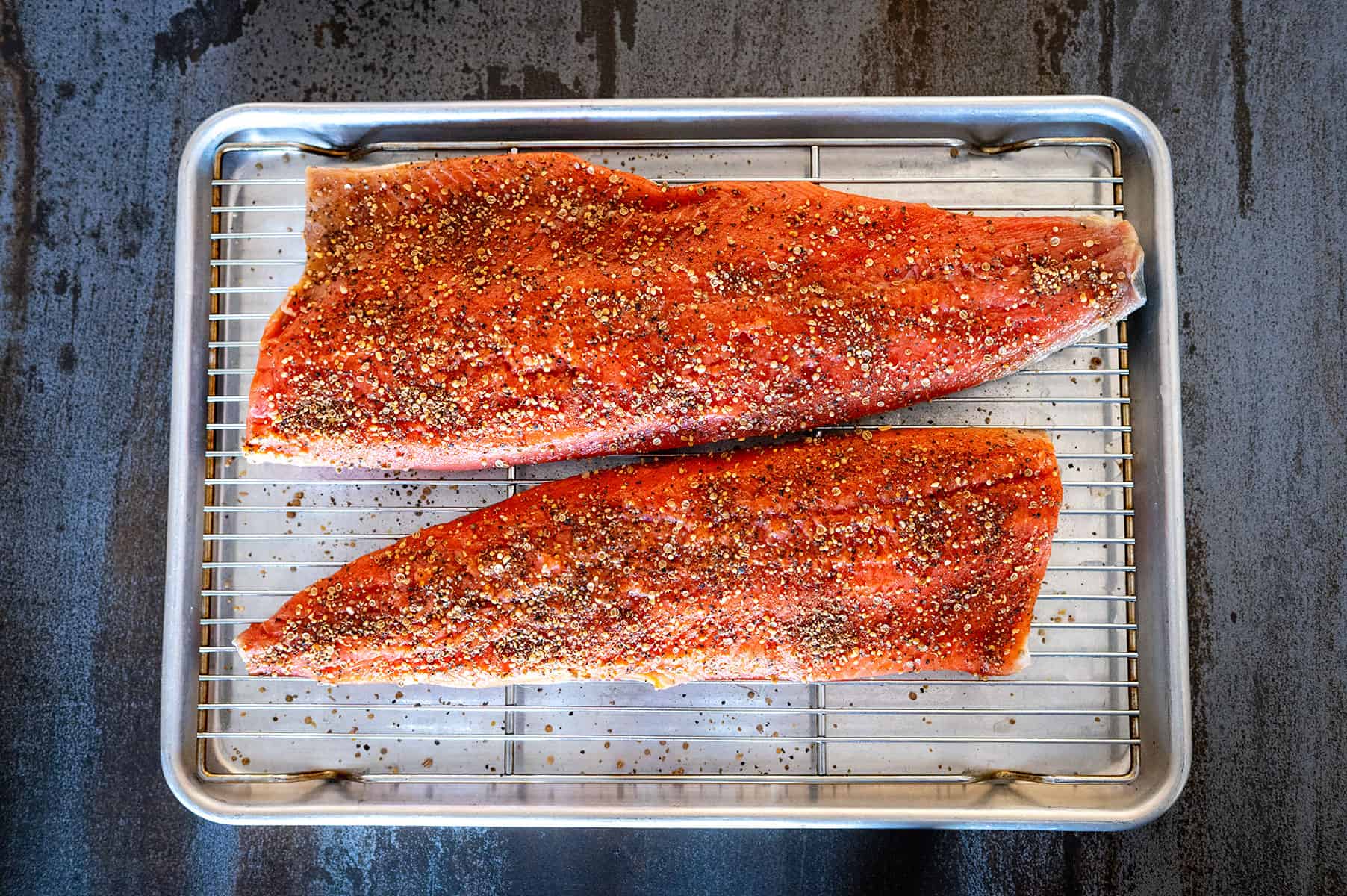
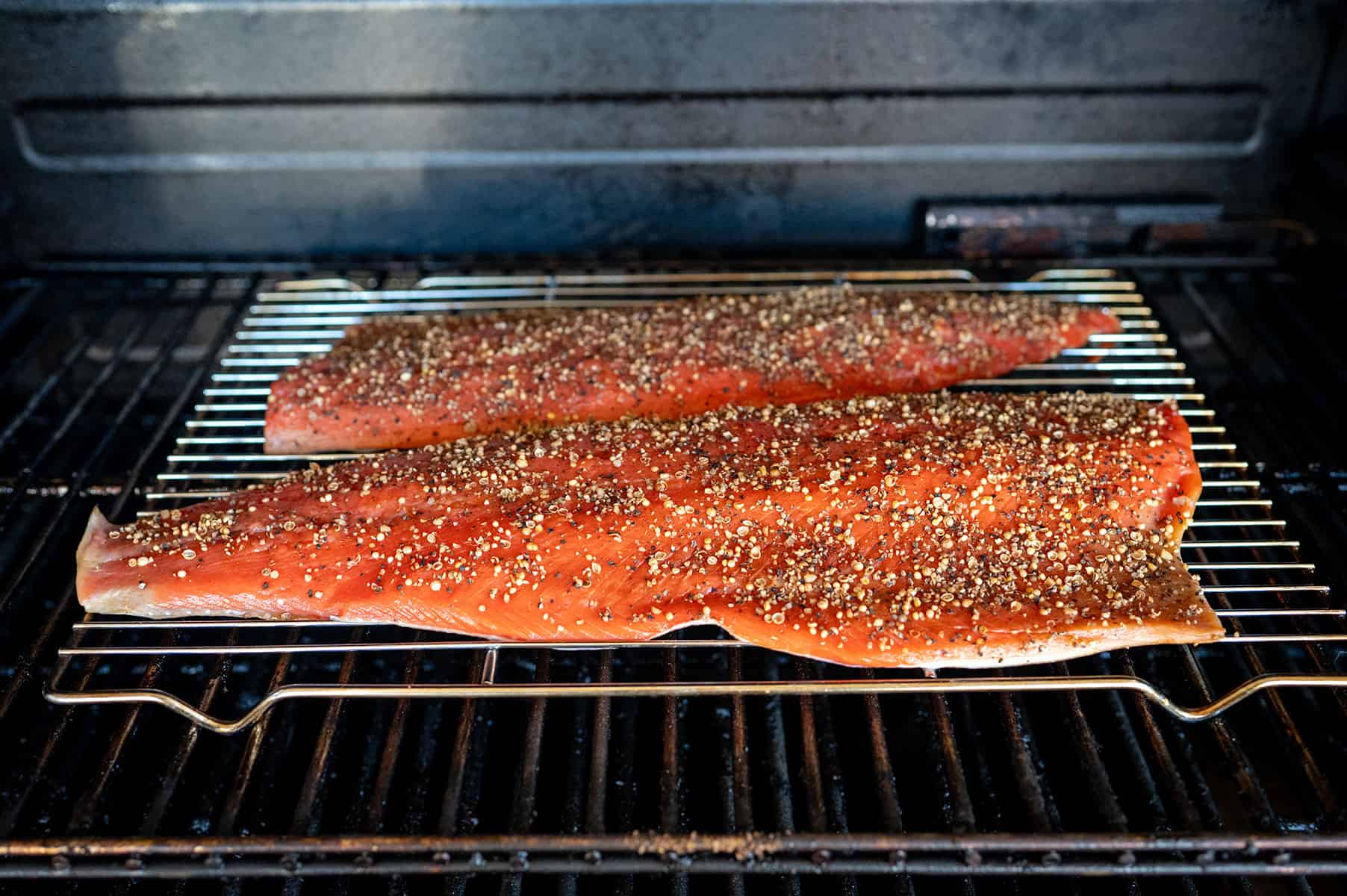
Following the brining process, the salmon undergoes a crucial "dry brine" or seasoning phase. After being gently rinsed to remove excess brine, the fillets are patted dry. A light coating of oil is often applied to the skin side, and the fish is placed on a rack, skin-down, allowing for air circulation. The star of this stage is the pastrami rub. This is where the characteristic bold, peppery flavor of pastrami truly emerges. A typical rub for salmon pastrami will echo the spices found in traditional beef pastrami, featuring generous amounts of coarsely ground black pepper and coriander. Mustard seeds, paprika, and sometimes a touch of sugar or other spices are also common components. This rub is liberally applied to the exposed, flesh side of the salmon.
The dry brining period, typically lasting several hours or even overnight in the refrigerator, uncovered, serves a dual purpose. It allows the salt remaining on the surface from the initial brine to further cure the outer layer of the fish, creating a pellicle – a slightly tacky surface that helps the smoke adhere better during the smoking process. This also allows the spices in the rub to meld with the salmon’s natural oils and moisture, forming the signature pastrami crust. The uncovered refrigeration helps to dry out this surface, ensuring an even smoke penetration and a more pronounced crust formation.
The Art of Smoking: Infusing Depth and Aroma
The final stage of preparation involves smoking. This is where the salmon pastrami truly comes into its own, developing a complex smoky aroma and a depth of flavor that distinguishes it from other cured salmon preparations. The smoking process is typically carried out at a relatively low temperature, often around 225°F (107°C). This lower temperature is crucial for gently cooking the salmon while allowing it to absorb the smoke flavor without becoming dry or overcooked.
Wood types commonly used for smoking salmon pastrami include fruitwoods like apple or cherry, or milder hardwoods like alder, which impart a delicate smoky flavor that complements, rather than overwhelms, the fish. The salmon is placed on the smoker over indirect heat to ensure even cooking and prevent direct exposure to the flame. The smoking process is carefully monitored, with the internal temperature of the salmon being the key indicator of doneness. The goal is typically to reach an internal temperature of around 140°F (60°C). This temperature ensures that the salmon is cooked through, flaky, and succulent, while still retaining its delicate texture. The entire smoking process usually takes between 50 to 60 minutes, depending on the thickness of the fillets and the efficiency of the smoker.
Serving and Presentation: A Versatile Delicacy
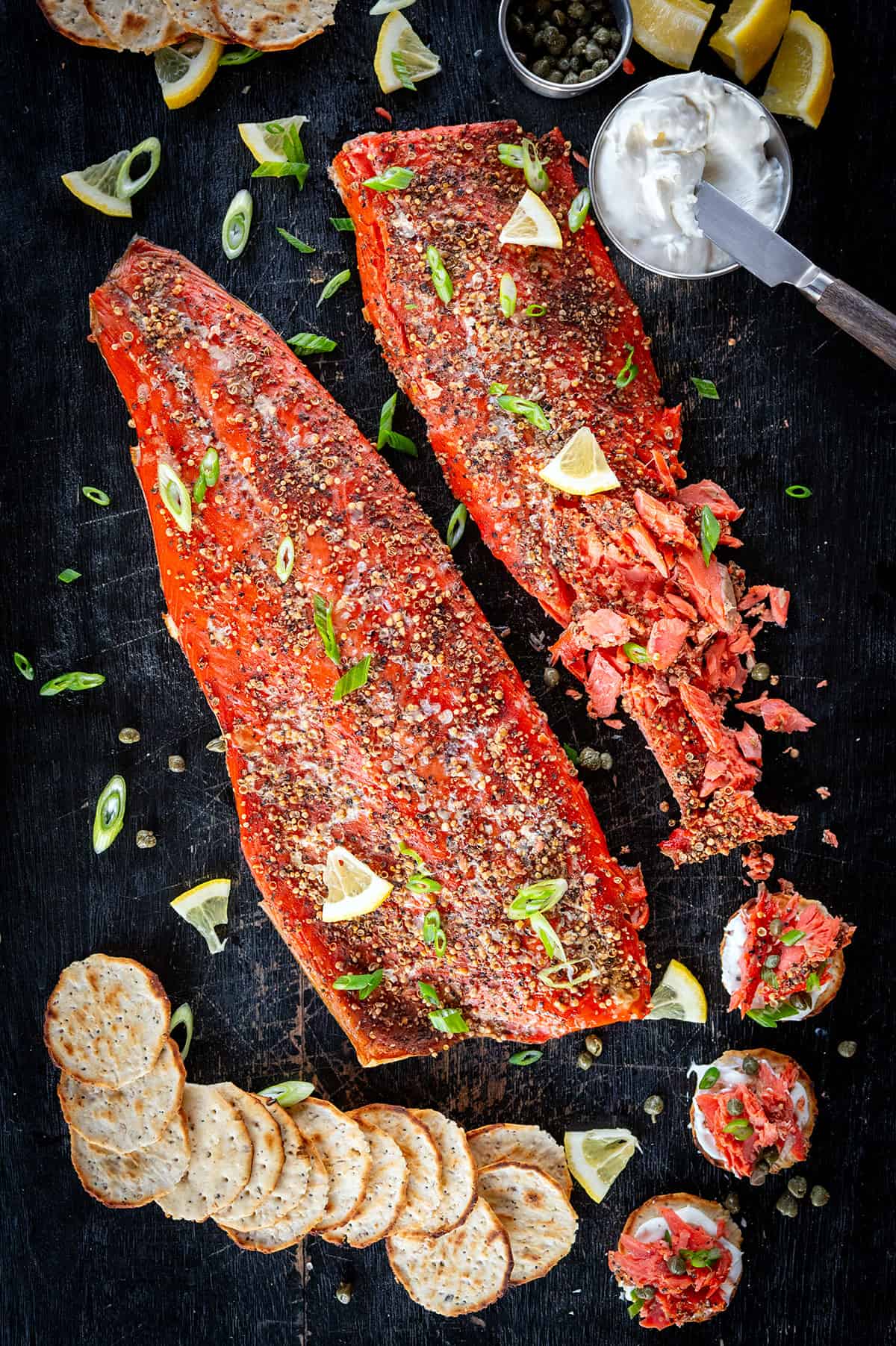
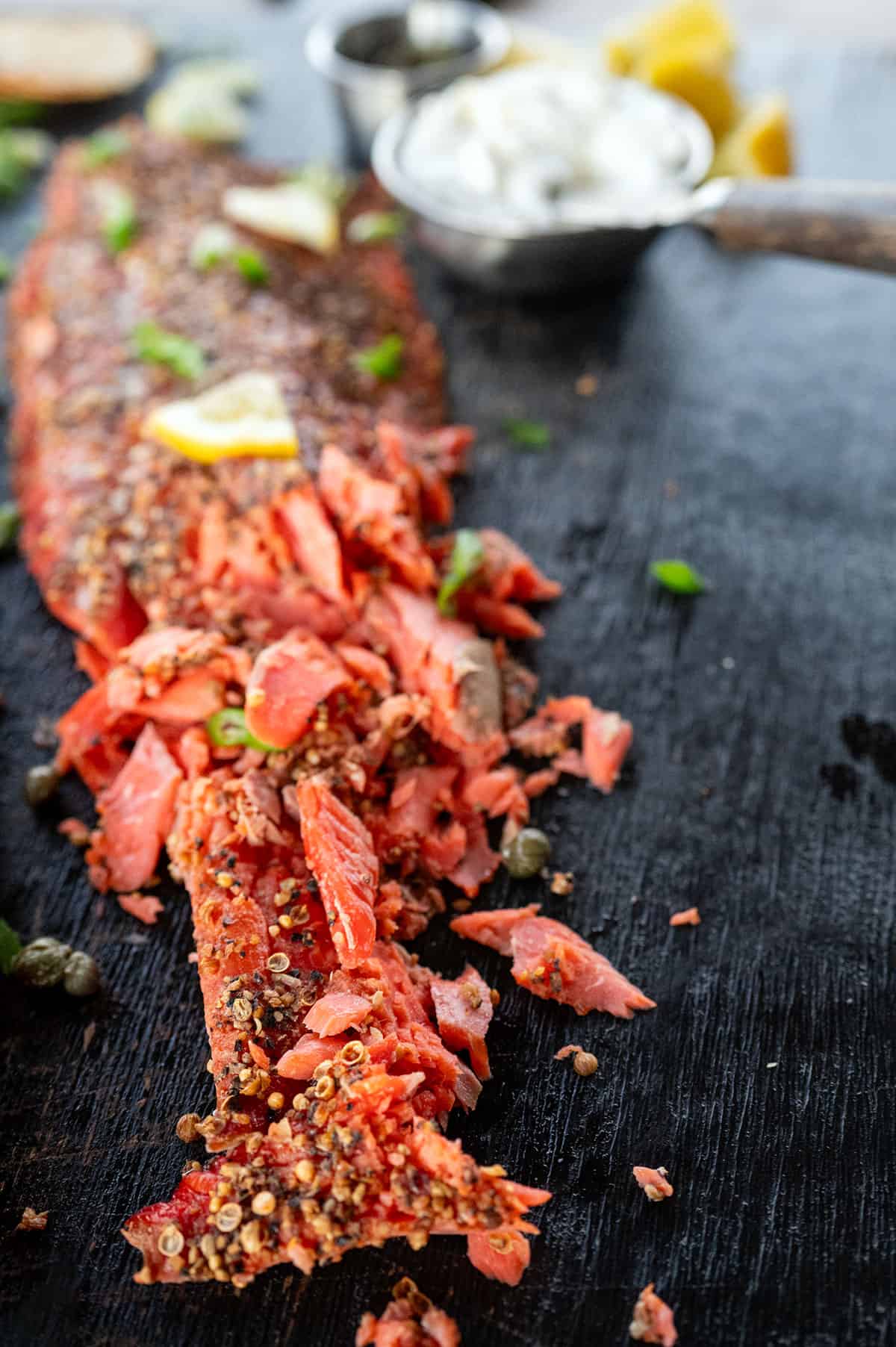
Once removed from the smoker and allowed to rest for a brief period (5-10 minutes), the salmon pastrami is ready to be served. Its versatility is one of its most appealing attributes. It can be presented as a centerpiece entrée, sliced into thick, satisfying portions. Alternatively, it can be flaked or shredded to create exquisite appetizers.
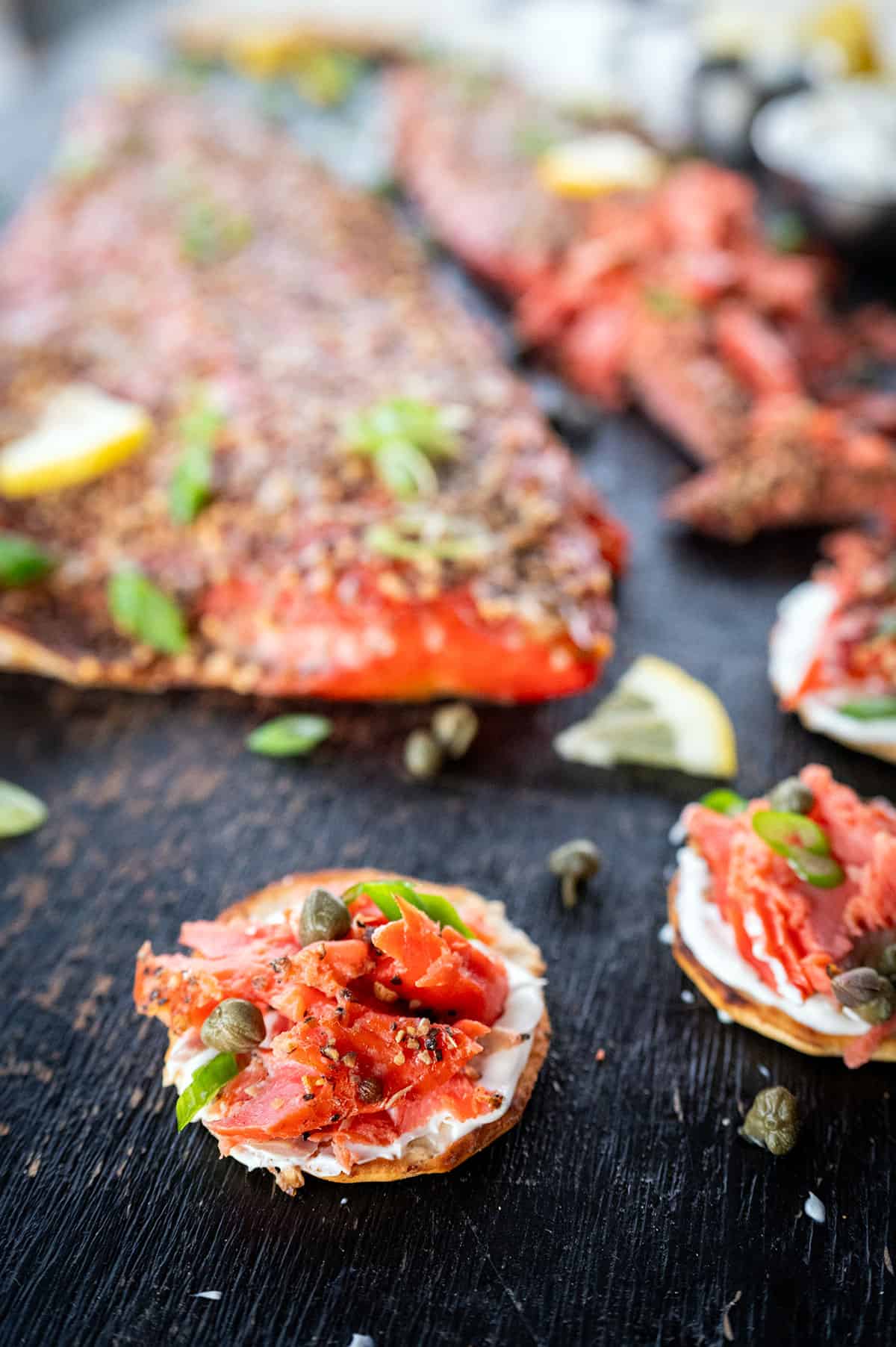
The shredded salmon pastrami is particularly well-suited for a variety of accompaniments. A classic pairing involves serving it on crackers or toasted bagels, often with a generous smear of cream cheese. The richness of the cream cheese provides a creamy counterpoint to the peppery, smoky salmon. Garnishes such as thinly sliced lemon, fresh green onions, or fragrant fresh herbs add brightness and a touch of visual appeal. Capers, with their briny, pungent flavor, further enhance the deli-style experience. This combination of textures and flavors makes for an elegant and sophisticated appetizer, perfect for gatherings and special occasions.
Nutritional Profile and Considerations
From a nutritional standpoint, salmon pastrami offers a rich source of protein and beneficial omega-3 fatty acids, characteristic of salmon. While the brining and curing process does involve salt, the overall sodium content can be managed through careful preparation and rinsing. The nutritional information for a typical serving (approximately 2 ounces) of salmon pastrami often shows around 160-170 calories, with a significant protein content (around 20-22 grams) and a moderate amount of healthy fats (around 7-8 grams). It’s important to note that the exact nutritional values can vary depending on the specific brine and rub recipes used, as well as the fattiness of the sockeye salmon itself.
Frequently Asked Questions and Expert Insights
For those embarking on this culinary adventure, several common questions arise. Regarding the spices in the pastrami rub, many recipes, including those from prominent culinary figures, feature a salt-free blend that emphasizes black pepper, coriander, mustard seeds, sugar, and paprika, often alongside garlic. The fundamental definition of pastrami-cured salmon remains consistent: a filet of fresh salmon that has undergone brining, seasoning, and smoking to achieve a deli-style flavor and texture.
A frequent concern is the potential saltiness. Pastrami, by its very nature, is a cured product and thus has an elevated salt level. The critical step to mitigate excessive saltiness is thorough rinsing after the brine. While a two-day brine is often considered optimal for flavor development, individuals sensitive to salt can reduce the brining time to one day. Expert pitmasters often advise on the importance of a proper pellicle formation during the dry brining stage for optimal smoke adhesion and flavor.
Storage and Longevity
Proper storage is essential to maintain the quality and safety of homemade salmon pastrami. Leftovers should be stored in an airtight container in the refrigerator and are typically best consumed within 4 to 5 days. Freezing is also an option, although it may result in a slight alteration of the texture upon thawing.
Broader Implications and Culinary Trends
The rise of salmon pastrami reflects a broader trend in modern cuisine: the fusion of traditional preservation techniques with premium ingredients and contemporary flavor profiles. This approach allows for the creation of familiar yet novel dishes, appealing to a diverse range of palates. The meticulous, multi-step process of making salmon pastrami also speaks to a growing appreciation for artisanal food preparation and the satisfaction derived from creating complex flavors from scratch. As culinary enthusiasts continue to seek out unique and high-quality food experiences, techniques like those used in salmon pastrami are poised to remain a significant and exciting aspect of the gastronomic landscape. The ability to replicate the savory depth of traditional pastrami in a lighter, fish-based format offers a compelling alternative for those seeking bold flavors with a seafood focus.


