
The landscape of Mother’s Day celebrations has undergone a significant transformation over the last decade, shifting from traditional gift-giving toward a more holistic focus on wellness, rest, and personalized experiences. In a recent strategic initiative, sleep technology leader Purple has collaborated with lifestyle influencers to promote a vision of Mother’s Day centered on "restful time at home and simple, everyday luxuries." This movement reflects broader consumer trends where the "gift of sleep" is increasingly prioritized over ephemeral items. By integrating high-tech sleep products with personalized DIY elements, such as daisy-inspired customizations, the modern approach to the holiday emphasizes the psychological and physiological benefits of domestic tranquility.
The Evolution of Mother’s Day Gifting and the Rise of the Sleep Economy
Historically, Mother’s Day spending was dominated by floral arrangements, greeting cards, and brunch reservations. However, data from the National Retail Federation (NRF) indicates a steady climb in spending on "experience gifts" and home-based wellness products. In 2021, the year this specific collaboration gained traction, total Mother’s Day spending in the United States reached an estimated $28.1 billion. A notable portion of this expenditure was directed toward home goods and electronics, as consumers sought to improve the living environments of their families during a period of increased domesticity.

The "Sleep Economy"—a market encompassing mattresses, bedding, sleep apps, and pajamas—has become a multi-billion dollar industry. Brands like Purple have capitalized on this by positioning sleep not merely as a biological necessity but as a luxury lifestyle choice. This strategic shift is particularly resonant for Mother’s Day, as maternal sleep deprivation remains a significant public health concern. Studies have shown that mothers of all ages often report lower sleep quality than non-parents, making products that facilitate "extra Zs" a highly valued commodity.
Chronology of Modern Holiday Marketing Strategies
The timeline of Mother’s Day marketing has moved through several distinct phases:
- The Traditional Era (Pre-2000s): Focus on jewelry and flowers as standard tokens of appreciation.
- The Experience Era (2000s–2015): Shift toward spa days and luxury dining.
- The Wellness and Home Integration Era (2016–Present): A focus on "nesting," mental health, and functional gifts that improve daily life.
The current strategy employed by sleep brands involves a multi-layered approach: identifying a pain point (lack of rest), providing a high-quality solution (advanced bedding), and adding a layer of sentimentality (DIY and personalized touches). This chronology suggests that consumers are no longer satisfied with off-the-shelf products; they demand items that reflect a deeper understanding of the recipient’s lifestyle.
Analytical Overview of Sleep-Centric Gifting Components
The collaboration between Purple and lifestyle curators highlights three primary pillars of modern gifting: lounge-worthy apparel, environmental enhancement, and personalized craftsmanship.
Lounge-Worthy Gifting and Apparel Synergy
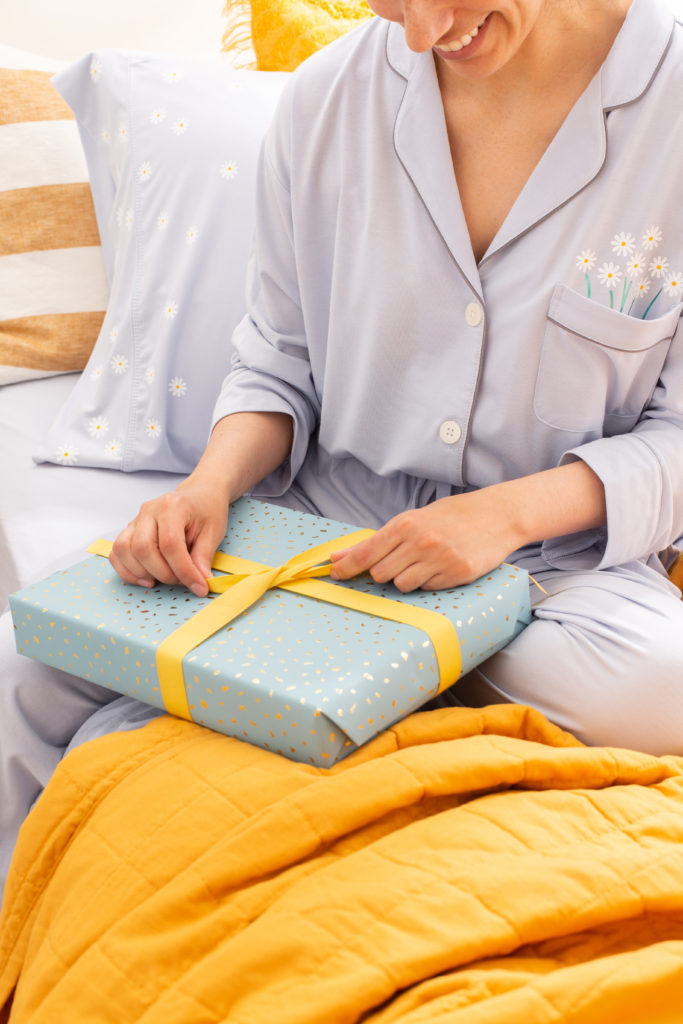
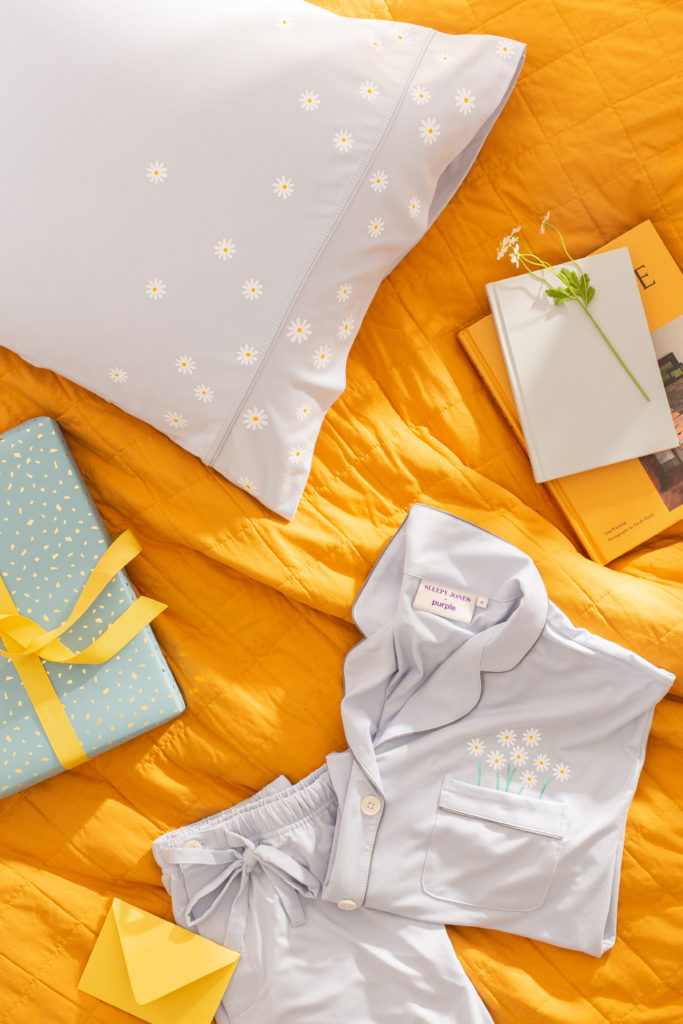
The partnership with Sleepy Jones to create pajamas in spring-ready pastels represents a strategic move into the "athleisure" and "loungewear" markets. By utilizing knit jersey materials—the same fabric used in Purple’s Soft Stretch sheets—the brand creates a tactile ecosystem. This synergy ensures that the consumer experiences consistent comfort from their clothing to their bedding. From a journalistic perspective, this represents a "vertical integration of comfort," where a brand seeks to own every touchpoint of the user’s rest cycle.
Environmental Enhancement through "Bedroom Blooms"
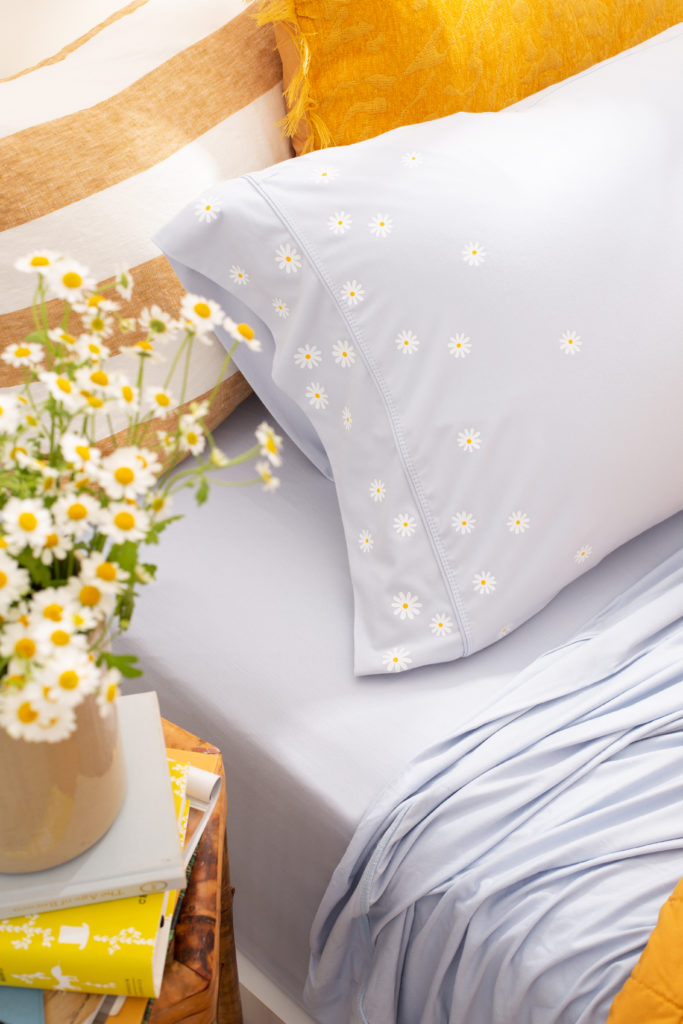
The inclusion of fresh-cut flowers in non-traditional spaces, such as the nightstand, serves a dual purpose. Beyond aesthetics, botanical elements in the bedroom have been linked to reduced cortisol levels and improved mood. By encouraging "bedroom blooms," marketers are leveraging environmental psychology to enhance the perceived value of the sleep products they accompany.
The Personalization Factor: The Daisy DIY Movement
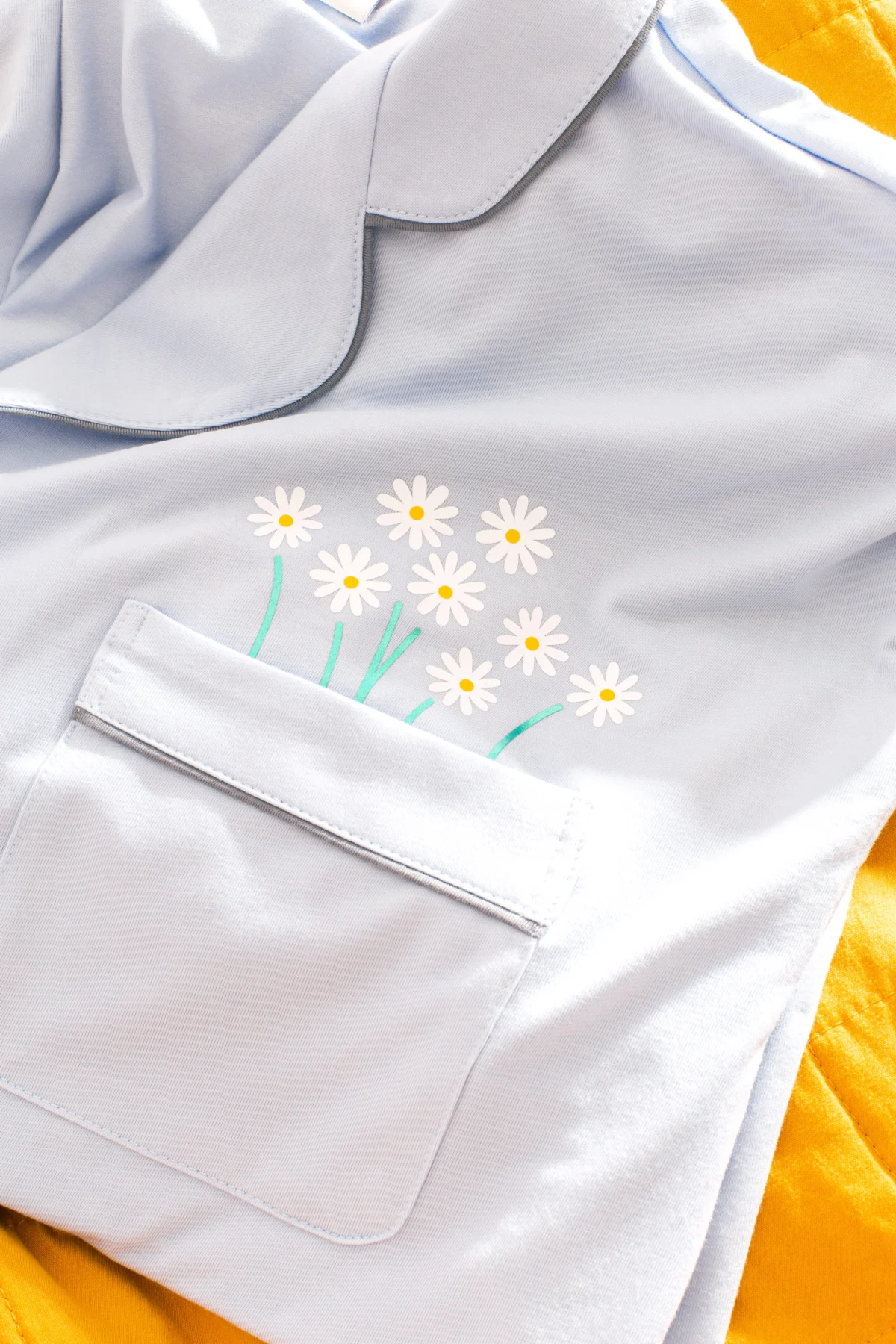
Perhaps the most significant enrichment of the traditional gift is the introduction of the "Daisy DIY." Utilizing craft cutters and iron-on vinyl, consumers are encouraged to customize mass-produced items like pajamas or pillowcases. This reflects the "IKEA effect," a cognitive bias in which consumers place a disproportionately high value on products they partially created. The choice of the daisy—a symbol of purity and new beginnings that saw a massive resurgence from 1990s fashion trends—appeals to both nostalgia and contemporary aesthetic preferences.
Supporting Data: The Psychology of Personalization and Rest
Market research indicates that personalized gifts are perceived as being 40% more "thoughtful" than standard luxury items. Furthermore, the sleep industry’s growth is supported by staggering data regarding maternal health. According to various sleep surveys, approximately 60% of mothers feel they do not get enough sleep, with a significant percentage citing "uncomfortable bedding" or "stress" as primary factors.
Purple’s Harmony Pillow and Soft Stretch sheets are engineered to address these specific pain points. The Harmony Pillow, featuring a 360-degree grid layout, is designed for pressure relief and cooling—features that are backed by material science to improve REM sleep duration. When these technical specifications are paired with the emotional resonance of a DIY project, the product transcends its utility to become a meaningful gesture of care.

Official Responses and Strategic Market Impact
Industry analysts view these types of influencer-led, DIY-heavy campaigns as essential for brand loyalty. A spokesperson for the home goods sector noted, "The goal is to move away from the transactional nature of Mother’s Day. By providing a ‘template’ for a perfect morning—complete with coffee, a made bed, and custom PJs—brands are selling a narrative, not just a mattress."
The use of promotional codes, such as the "OHD10" discount, serves as a critical data collection tool for brands. These codes allow companies to track the efficacy of specific lifestyle narratives and measure the conversion rates of DIY-focused content versus traditional advertising. The expiration of such codes (as seen with the November 4, 2021, deadline) creates a "limited-time offer" urgency that drives seasonal peaks in revenue.
Broader Implications for the Future of Domestic Celebrations
The shift toward "everyday luxuries" suggests a long-term change in how holidays are celebrated within the home. As the boundaries between work and home life have blurred, the bedroom has evolved into a sanctuary. This has led to the following implications:
- Increased Demand for Sustainable and Soft Materials: Consumers are prioritizing the "hand-feel" of fabrics, leading to a rise in jersey knits and bamboo-derived textiles.
- The Democratization of Design: DIY templates and the accessibility of craft cutters allow the average consumer to replicate high-end boutique aesthetics at a fraction of the cost.
- Wellness as a Status Symbol: Gifting a "good night’s sleep" has become a sophisticated alternative to traditional luxury goods, signaling an investment in the recipient’s long-term health.
Technical Guide to Gift Personalization: The Daisy Protocol
For those looking to implement the personalized elements of this trend, the process involves a specific technical methodology designed to ensure durability and aesthetic appeal.
- Preparation and Measurement: The process begins with the precise measurement of the garment’s pocket or the pillowcase’s surface area. This ensures the digital artwork is scaled correctly within the craft cutter’s software.
- Material Selection: The use of multi-colored iron-on vinyl (typically three shades: white for petals, yellow for centers, and green for stems) allows for a dimensional look.
- Thermal Application: Achieving a professional finish requires a multi-stage ironing process. Pre-pressing the garment removes moisture and wrinkles, providing a neutral substrate.
- Layering Technique: The stems are applied first, followed by the petals, and finally the centers. This hierarchical application prevents the "ghosting" of colors and ensures each layer adheres correctly without overheating the previous ones.
- Finishing: The use of parchment paper during the final press protects the fabric fibers from direct heat, preserving the integrity of the jersey knit.
Conclusion
The modern Mother’s Day is no longer defined by a single day of celebration but by the ongoing promotion of maternal well-being. Through strategic collaborations, brands like Purple are redefining the holiday as an opportunity to upgrade the domestic environment. By combining the rigorous science of sleep with the sentimental art of personalization, the industry is setting a new standard for how we honor caregivers. As spending on the sleep economy continues to grow, the integration of technology, comfort, and "simple luxuries" will likely remain the cornerstone of holiday marketing for years to come.


