The crisp autumn air and changing leaves signal the imminent arrival of Halloween, a season synonymous with festive gatherings, elaborate costumes, and, of course, delectable treats. This year, culinary enthusiasts and home bakers are embracing the spooky spirit with an array of themed confections. Among the most captivating are the "Vampire Cupcakes," a creation that masterfully blends the charmingly cute with the delightfully eerie. These cupcakes offer a playful yet sophisticated approach to Halloween baking, utilizing common pantry staples and readily available decorating supplies to transform ordinary cupcakes into miniature gothic masterpieces.
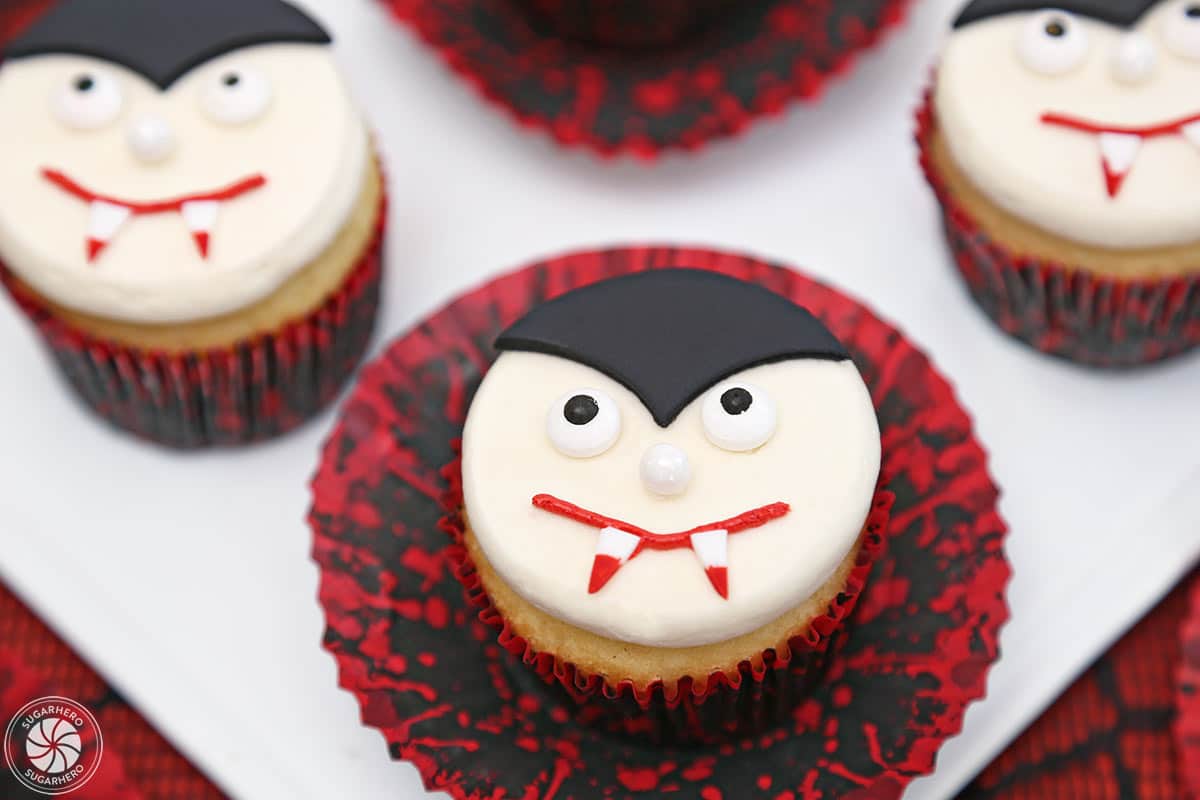
At their core, these Vampire Cupcakes are designed to be accessible, allowing bakers of all skill levels to achieve impressive results. The recipe emphasizes the transformative power of simple decorating techniques, employing buttercream frosting, fondant, and an assortment of candies to sculpt the iconic features of a vampire. This approach democratizes the art of themed baking, making it possible for anyone to create a visually striking and palate-pleasing dessert that is sure to be the centerpiece of any Halloween celebration. The underlying philosophy is that the magic lies not just in the cake itself, but in the artistry applied to its presentation, turning a simple baked good into a narrative element of the holiday.
The appeal of these Vampire Cupcakes extends beyond their aesthetic charm. They tap into a broader cultural fascination with the supernatural, particularly vampires, a motif that has permeated literature, film, and popular culture for centuries. From Bram Stoker’s iconic Count Dracula to modern interpretations in television series and novels, vampires represent a potent blend of allure, danger, and immortality. This enduring fascination provides a rich wellspring of inspiration for seasonal decorations and culinary creations, allowing for a direct and engaging connection with the holiday’s themes. The Vampire Cupcakes, therefore, are not merely desserts; they are edible embodiments of a long-standing folklore, bringing a touch of the macabre to the celebratory table.
The Art of Vampire Transformation: Ingredients and Equipment
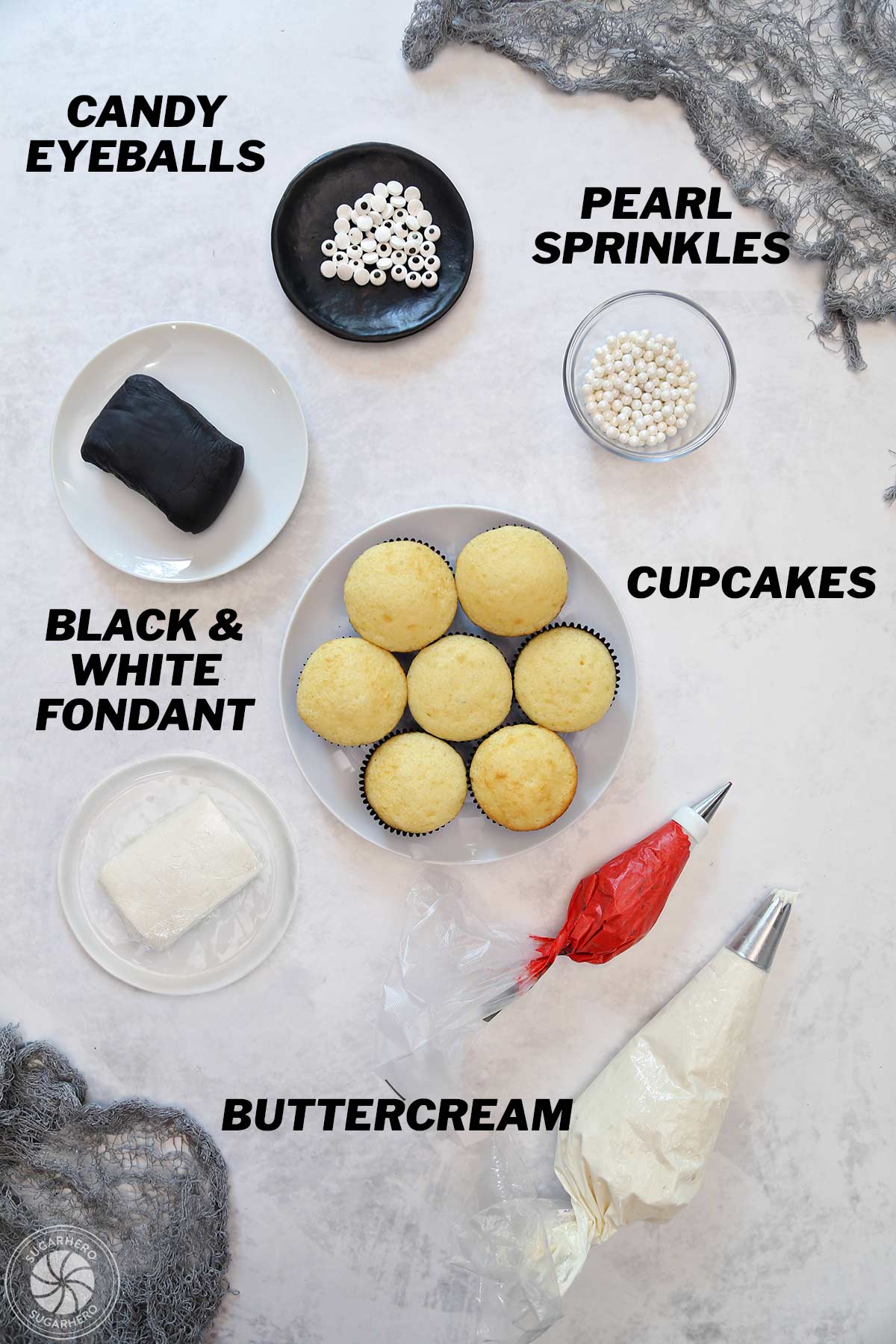
The creation of these Vampire Cupcakes hinges on a strategic selection of ingredients and tools, prioritizing both ease of use and dramatic visual impact. The foundation of any great cupcake is, of course, the cake itself. While the recipe encourages the use of a favorite cake mix as a time-saving shortcut, it also acknowledges the value of homemade recipes for those seeking a more artisanal approach. For bakers looking to elevate their cake game, a comprehensive list of cupcake recipes is often available, offering diverse flavor profiles and textures to suit individual preferences. This flexibility ensures that the Vampire Cupcakes can be tailored to any taste, from classic vanilla and chocolate to more adventurous combinations.
The frosting plays a crucial role in shaping the vampire’s visage. A stable and versatile buttercream is typically recommended, providing a smooth canvas for further decoration. The key to achieving the desired texture and consistency lies in the quality of the ingredients and the technique employed. Factors such as the brand and temperature of the butter, as well as the ambient temperature of the kitchen, can significantly influence the final outcome. Bakers are encouraged to adjust the frosting’s consistency as needed, adding small amounts of liquid like milk or water to thin it, or incorporating additional powdered sugar to thicken it, ensuring a workable medium for sculpting.
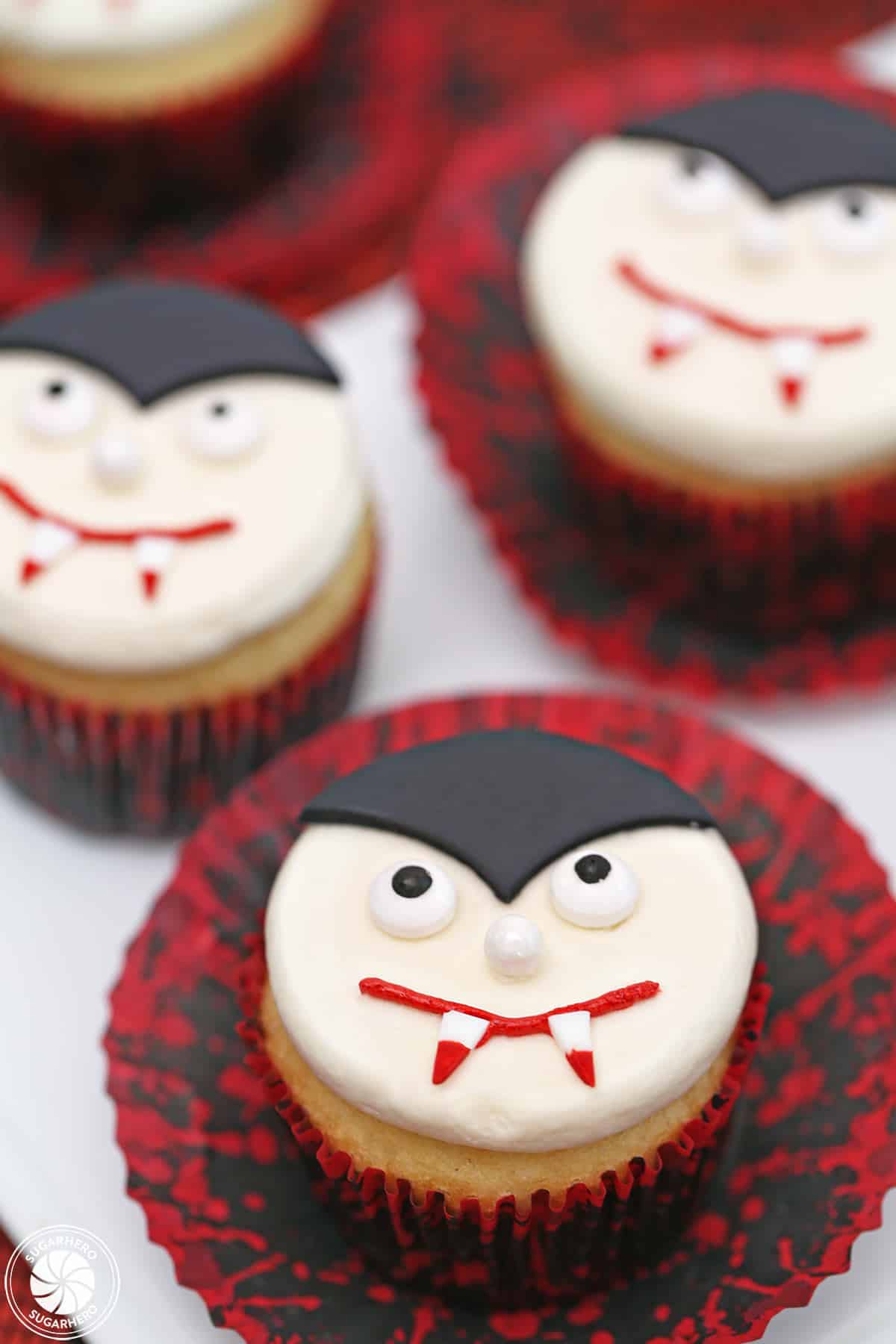
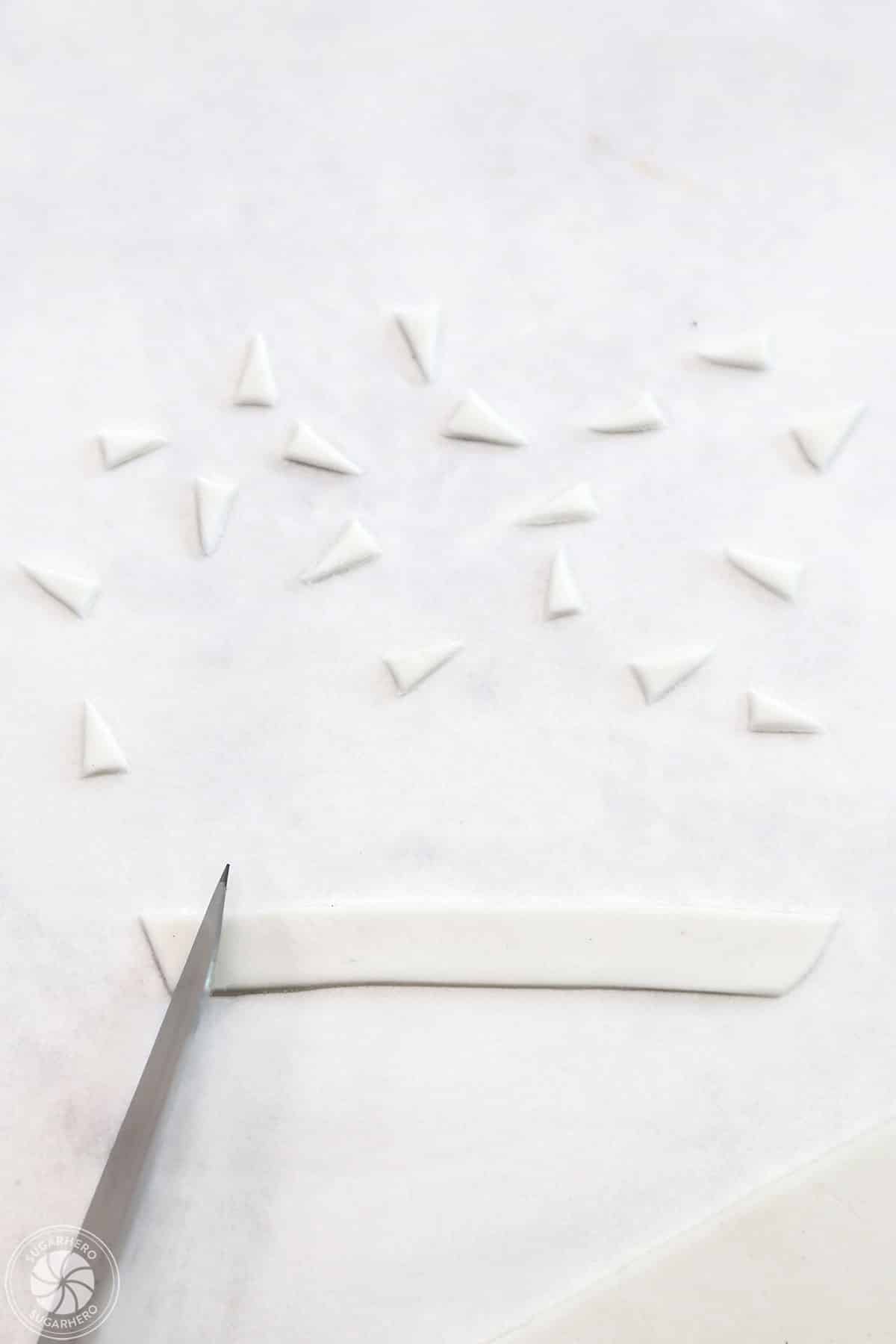
Fondant serves as another vital component, particularly for crafting the vampire’s distinctive hair and iconic fangs. Its pliability and smooth finish make it ideal for creating clean lines and sharp details. The process of working with fondant often involves rolling it out thinly and then cutting it into specific shapes. For the hair, black fondant is typically used, cut into jagged or flowing strands to mimic a vampiric mane. For the fangs, white fondant is meticulously shaped into small triangles, representing the sharp, piercing canines that are the hallmark of any self-respecting vampire.
Candy decorations are employed to add the final touches, bringing the vampire’s face to life. Small candies or edible decorations can be used to create eyes and a nose, adding personality and expression to the finished cupcake. The choice of candy can range from simple chocolate chips or edible googly eyes to more elaborate sugar pearls or custom-made fondant features.
Essential equipment for this endeavor includes standard baking tools such as mixing bowls, measuring cups and spoons, and baking sheets. For the decorating process, specialized tools can greatly enhance efficiency and precision. Piping bags and tips are invaluable for applying frosting with control, allowing for the creation of smooth surfaces and decorative swirls. If piping bags are unavailable, sturdy resealable plastic bags can serve as a functional substitute by cutting a small corner from which to pipe the frosting. Rolling pins are essential for working with fondant, and sharp knives or fondant cutters are necessary for shaping the hair and fangs. Tweezers can be surprisingly useful for precisely placing small candy details.
A Step-by-Step Guide to Creating Vampire Cupcakes
The process of transforming ordinary cupcakes into terrifyingly tasty vampire creations is a rewarding journey that unfolds in distinct stages. Each step, while seemingly simple, contributes to the overall dramatic effect of the final product.
Frosting the Canvas
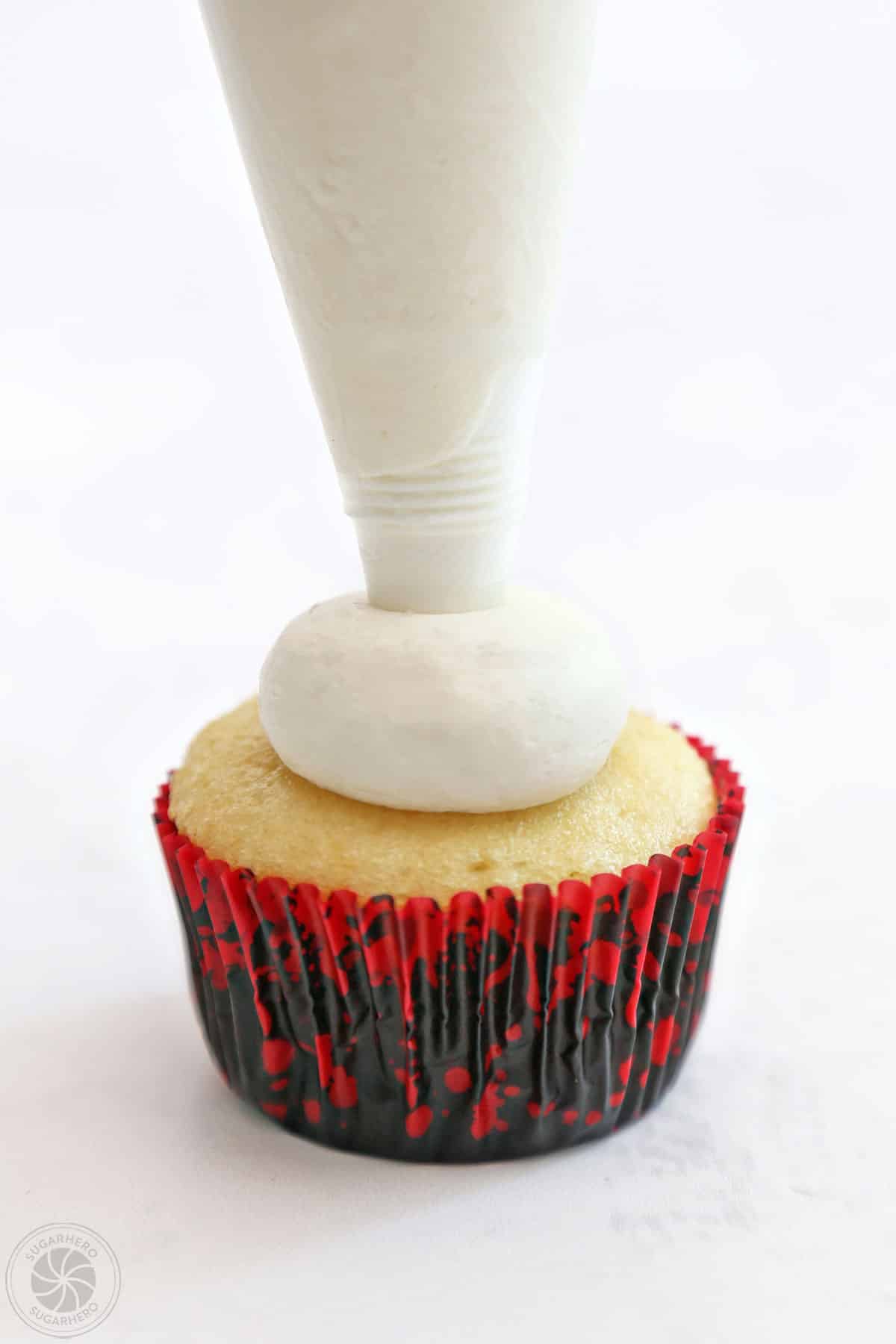
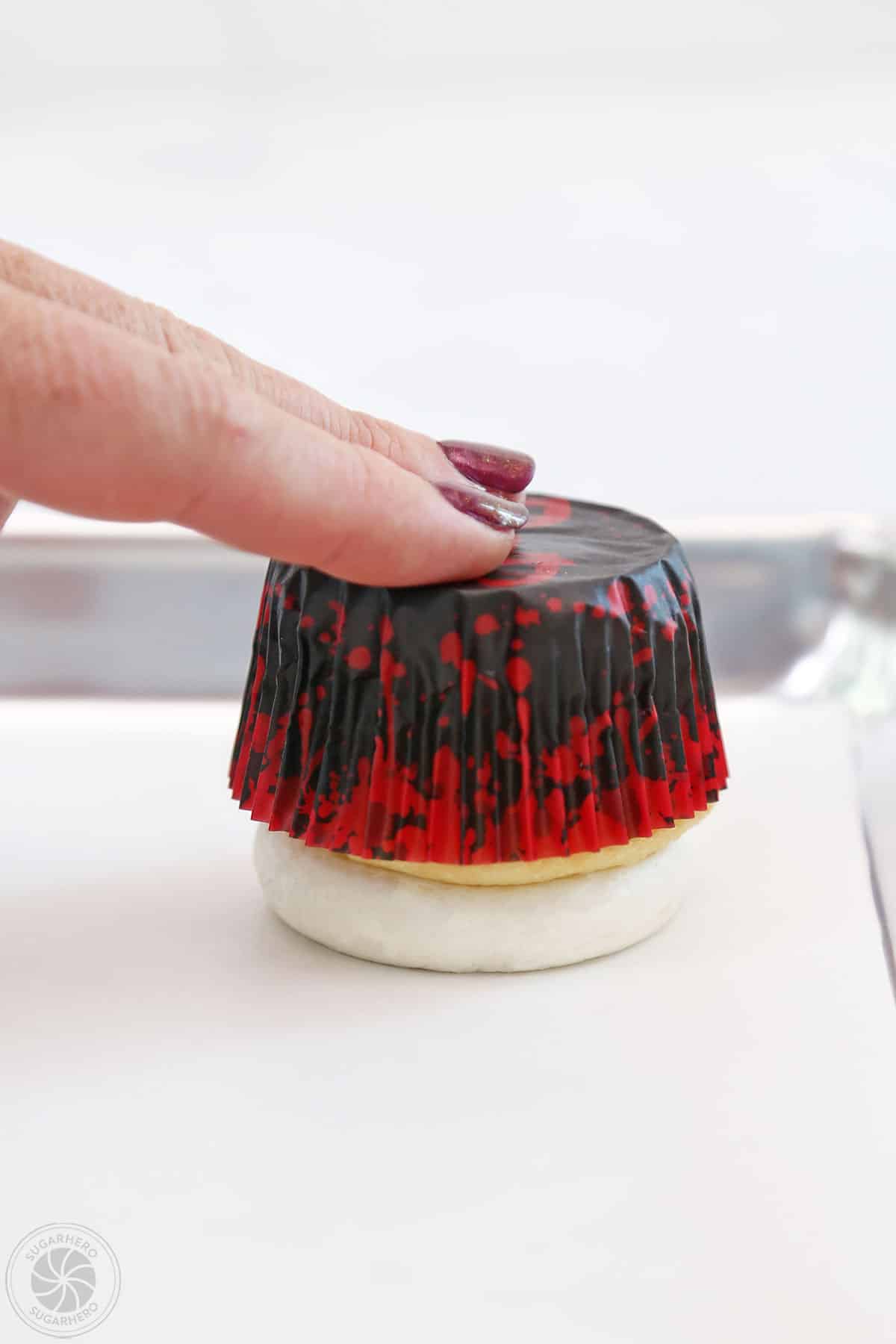
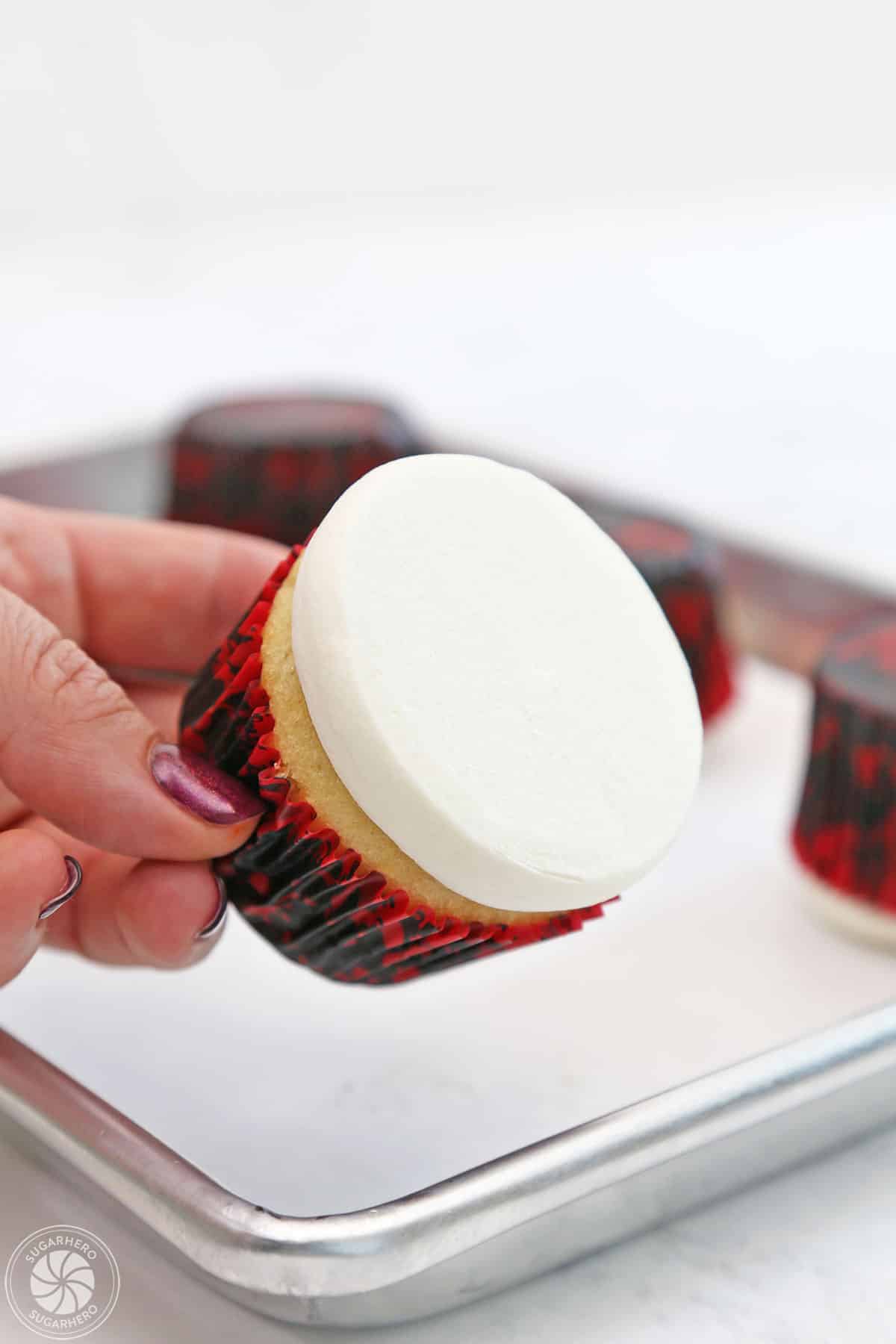
The initial step involves preparing the cupcakes for their vampiric makeover. Once baked and thoroughly cooled, the cupcakes are ready to be frosted. A generous dollop of buttercream is applied to the top of each cupcake. The goal here is to create a smooth, even surface that will serve as the base for the vampire’s features. Some methods involve piping a mound of frosting and then gently flattening it with parchment paper or a spatula, ensuring a level platform for the fondant elements. This deliberate flattening is crucial for creating a clean and defined facial structure for the vampire.
Crafting the Vampire’s Identity: Hair and Fangs
With the frosted cupcakes set aside, the focus shifts to creating the signature elements of the vampire. This typically involves working with fondant.
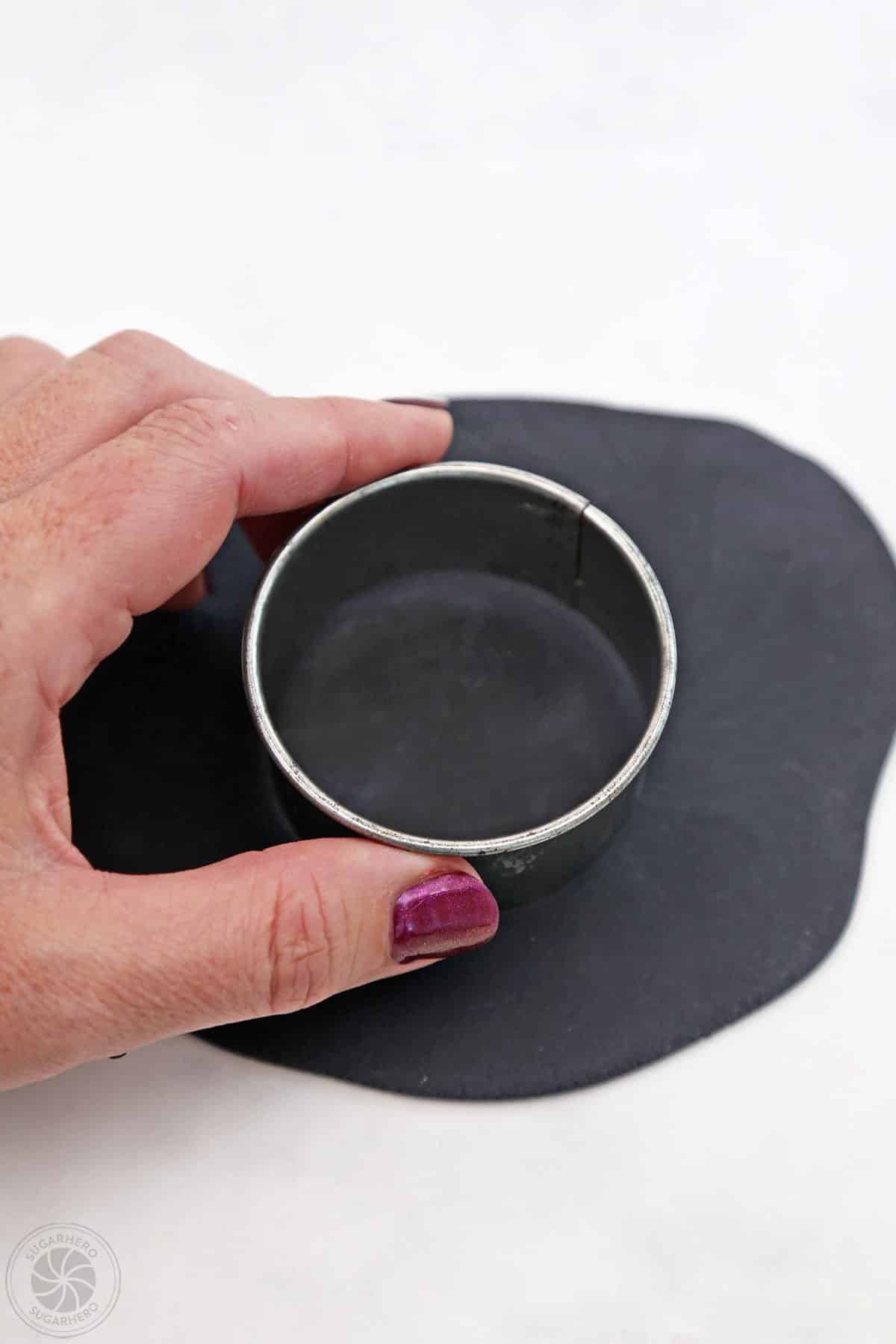
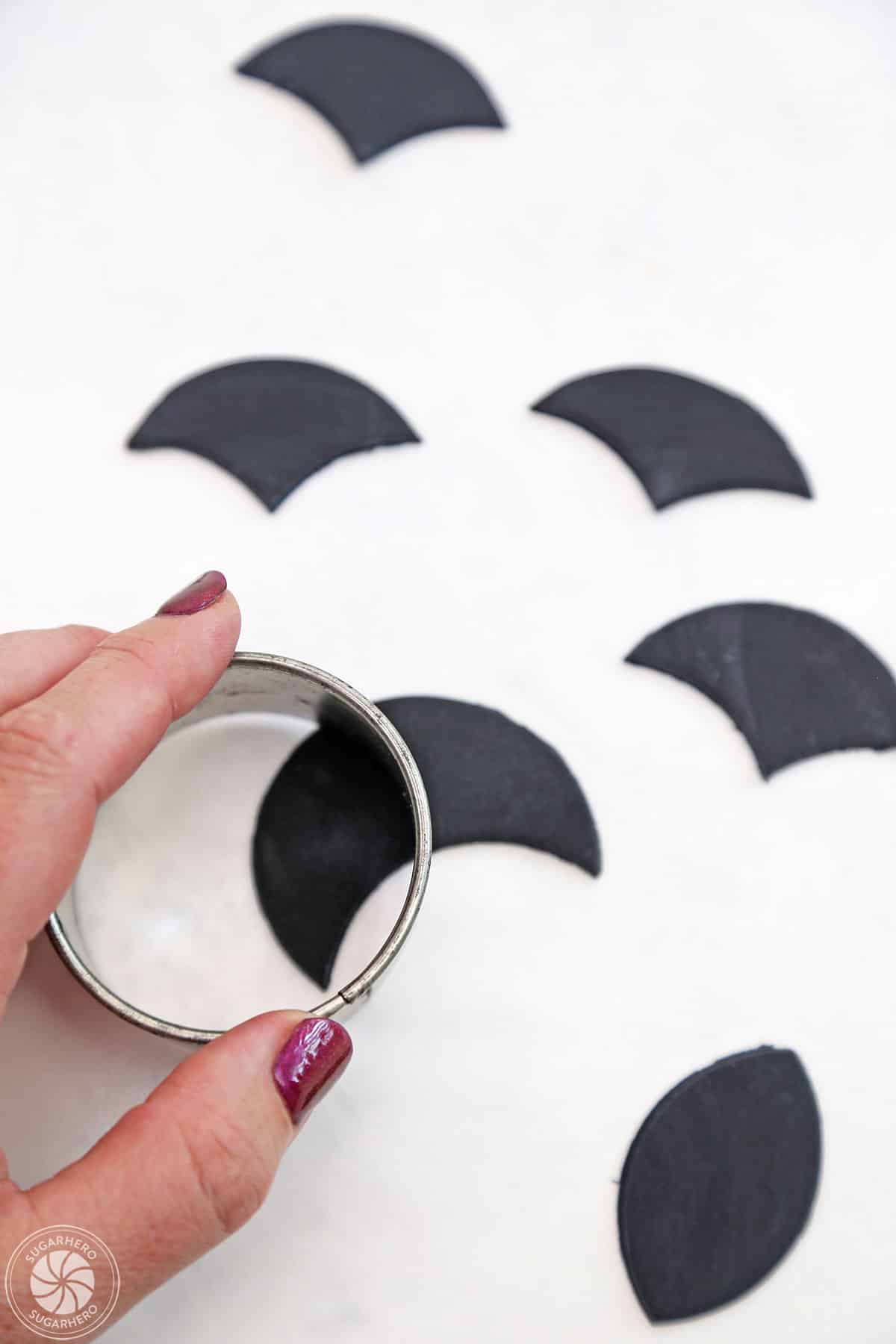
For the hair, black fondant is rolled out to a desired thickness, usually around 1/8 inch. Using a sharp knife or a pizza cutter, the fondant is then cut into irregular, jagged shapes that mimic strands of hair. These pieces can be varied in size and shape to create a more dynamic and natural-looking hairstyle.
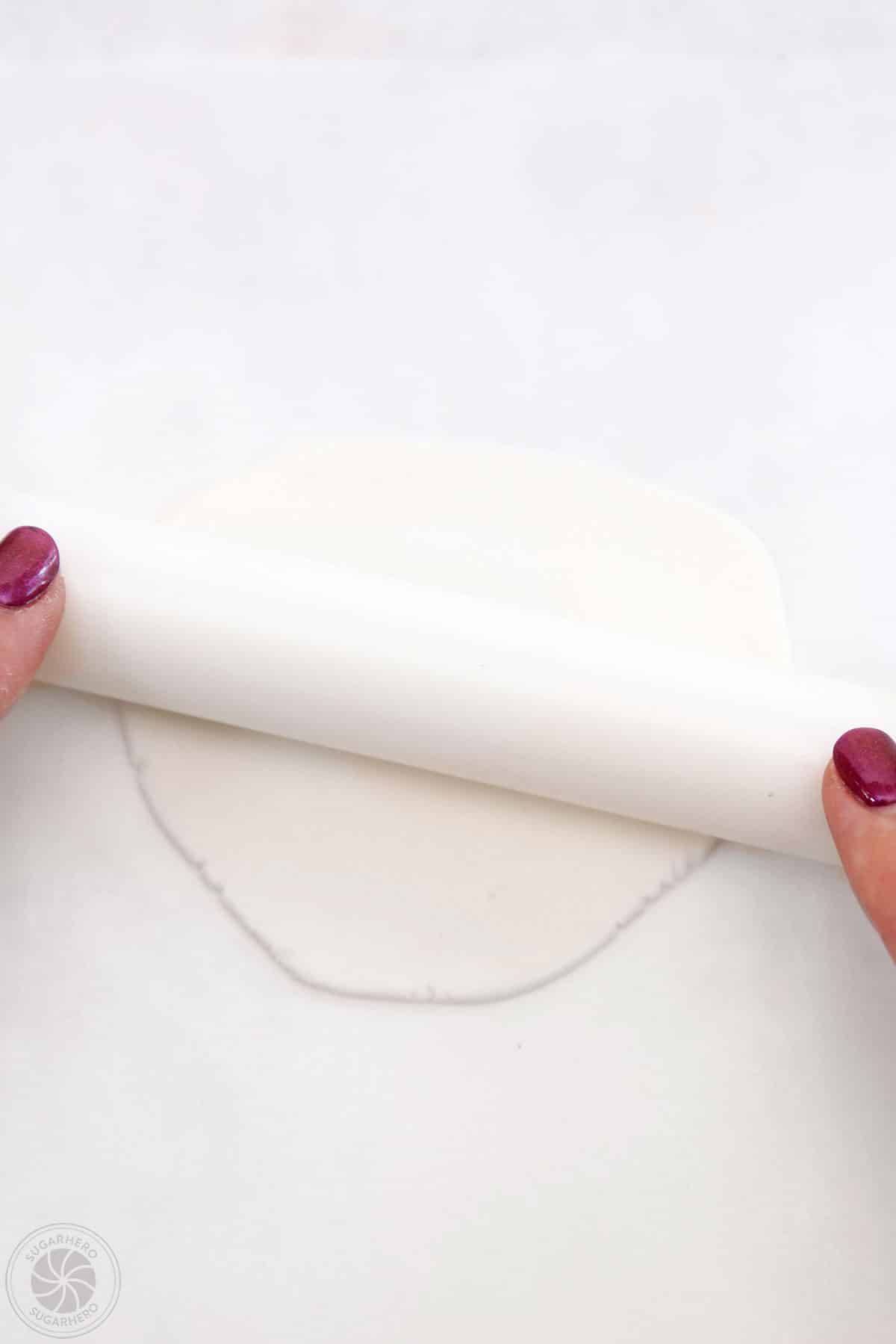
The creation of the vampire’s fangs requires a bit more precision. White fondant is rolled out and then cut into small, triangular shapes. The sharpness and size of these triangles can be adjusted to achieve the desired level of menace or playfulness. Some recipes suggest lightly tinting the edges of the fondant fangs with red food coloring to simulate a "bloody" effect, enhancing the vampiric aesthetic. This detail adds a crucial layer of visual storytelling.
Assembling the Ghoulish Grin
Once the fondant components are prepared, the assembly process begins.
The black fondant "hair" is carefully applied to the top of the frosted cupcake, typically arranged around the edge to frame the face. The placement and style of the hair can vary, allowing for individual creativity in designing each vampire’s unique look.
Next, the fondant fangs are strategically placed. They are usually positioned just below the hair, peeking out from the frosting to suggest a predatory smile. Edible glue or a tiny dab of water can be used to adhere the fondant pieces securely to the frosting.
The final decorative touches involve adding the vampire’s eyes and nose. Small candies, such as mini chocolate chips, candy eyes, or even small dots of black frosting, can be used for the eyes. A tiny piece of candy or a small fondant ball can serve as the nose. For an extra touch of macabre flair, a fine line of red frosting can be piped to represent a sinister smile, extending from the fangs.
Background and Broader Implications
The trend of elaborately decorated, themed cupcakes for holidays like Halloween is a testament to the evolving landscape of home baking and the growing desire for personalized culinary experiences. What was once a niche interest has become a mainstream phenomenon, fueled by social media platforms and the accessibility of advanced decorating techniques and ingredients. The Vampire Cupcake phenomenon is part of a larger movement that elevates baking from a practical necessity to a creative art form.
The popularity of such recipes also reflects a cultural fascination with storytelling and immersion. Holidays like Halloween provide a perfect canvas for individuals to engage with narratives and characters through edible mediums. By recreating iconic figures like vampires in cupcake form, bakers and consumers alike are participating in a playful engagement with folklore and fantasy. This trend allows for a tangible connection to the spirit of the holiday, transforming ordinary gatherings into memorable events.
From an economic perspective, the demand for specialized decorating supplies, from vibrant fondants to unique candy embellishments, has seen a significant surge. This has in turn supported businesses that cater to the baking and crafting community, creating a symbiotic relationship between home bakers and the industry. Furthermore, the shareability of these visually striking creations on platforms like Instagram and Pinterest has a powerful marketing effect, driving further interest and inspiring more elaborate designs.
The ability to easily share and replicate such recipes online has also democratized culinary trends. What might have once been exclusive to professional bakeries or specialized cookbooks is now accessible to anyone with an internet connection. This widespread dissemination of creative ideas fosters a vibrant online community of bakers who share tips, techniques, and inspiration, further fueling the cycle of innovation in themed baking. The Vampire Cupcake, therefore, is more than just a recipe; it is a cultural artifact reflecting contemporary trends in food, art, and digital connectivity.