
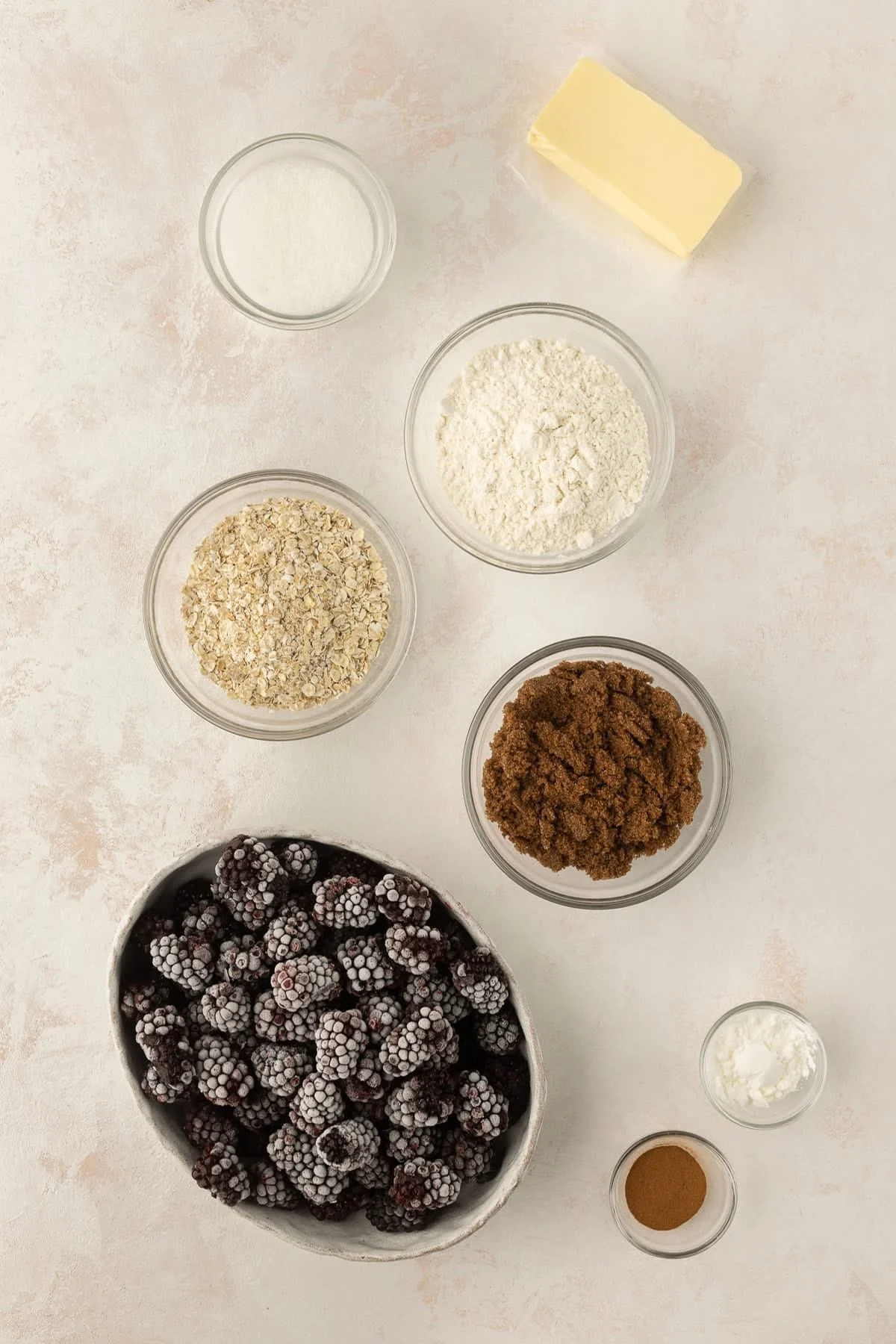
The arrival of the mid-summer blackberry harvest has triggered a significant resurgence in traditional American dessert preparation, specifically the fruit crisp, as consumers increasingly prioritize seasonal, forage-to-table ingredients. Agricultural data from the 2024-2025 growing seasons indicates a robust yield for both commercial and wild blackberry varieties across North America, fostering a renewed cultural emphasis on "slow-living" culinary practices. This shift is characterized by a move away from processed confectioneries toward recipes that utilize whole grains, unrefined sugars, and fresh produce.
The Anatomy of the Summer Blackberry Harvest
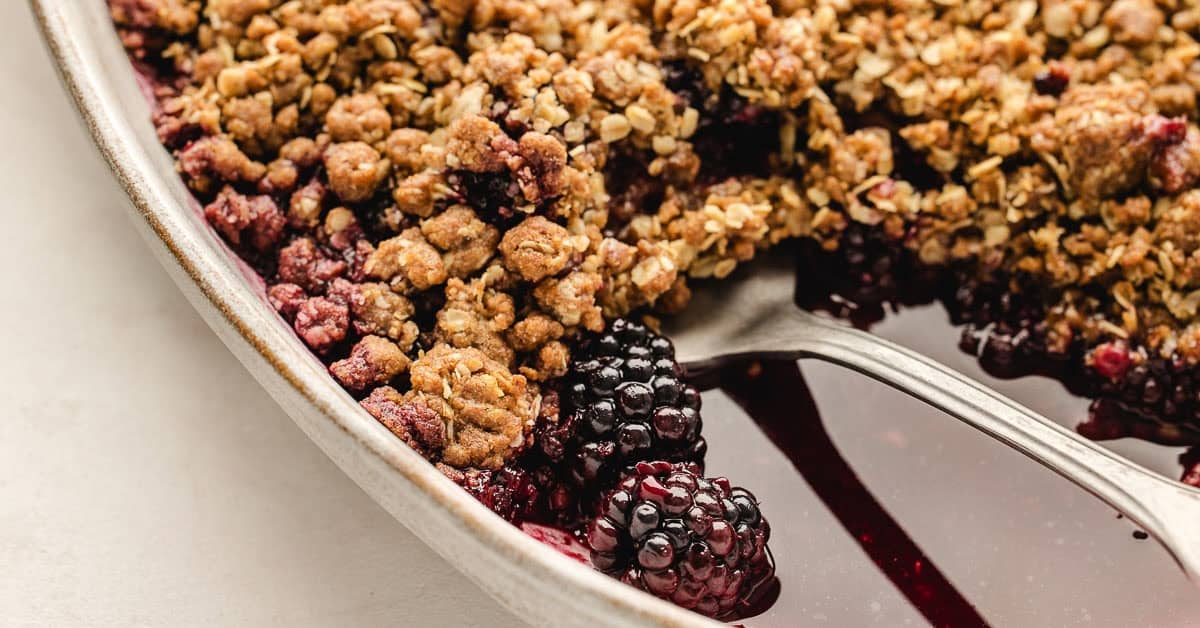
Blackberries, belonging to the genus Rubus, typically reach peak ripeness between late June and August, depending on the geographic region. In the United States, Oregon remains the leading producer of blackberries, contributing to a significant portion of the domestic market. However, the 2025 season has seen an uptick in the popularity of wild foraging, a practice that allows individuals to harvest blackberries from non-commercial landscapes.
Wild blackberries are noted for their complex flavor profile, which balances high acidity with a concentrated sweetness developed under intense summer sunlight. This duality makes them an ideal candidate for baking, as the heat of the oven breaks down the fruit’s cellular structure, releasing juices that thicken into a natural syrup. Foragers and agricultural experts note that the timing of the harvest is critical; berries must be plump and deeply colored to ensure the optimal balance of tartness and sugar content required for high-quality desserts.
A Chronology of the Fruit Crisp in American Gastronomy
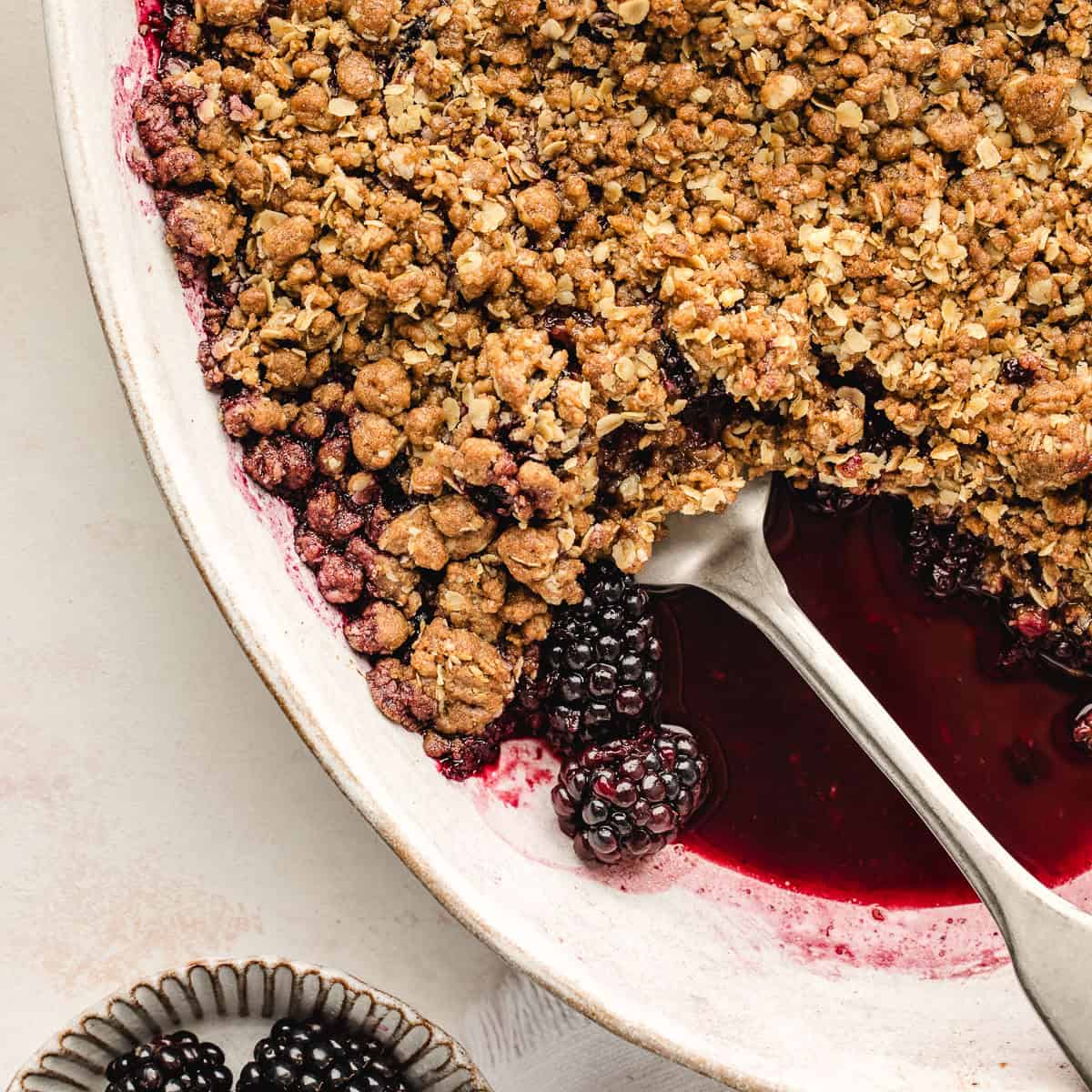
The fruit crisp, often confused with its counterparts the cobbler and the crumble, occupies a specific niche in culinary history. While the cobbler dates back to the early British American colonies—designed as a rustic version of the suet pudding—the fruit crisp is a more recent development in the American kitchen.
- Early 19th Century: Cobblers and "slumps" were the primary fruit-based desserts, utilizing biscuit dough or heavy dumplings.
- Early 20th Century: The "crisp" began to appear in American cookbooks, distinguished by its use of a streusel-like topping.
- The 1940s (World War II): The popularity of the crisp surged during the era of food rationing. Because crisps utilized oats and required less flour and butter than traditional double-crust pies, they became a patriotic and economical alternative for home bakers.
- 21st Century: The crisp has undergone a modern revival, fueled by the "Grandma-core" aesthetic and a desire for gluten-free or whole-grain alternatives to refined pastries.
In contemporary baking, the distinction remains clear: a cobbler features a biscuit or cake-like dough that "cobbles" the fruit, whereas a crisp utilizes a mixture of oats, flour, butter, and sugar to create a crunchy, textured layer that contrasts with the softened fruit beneath.
Technical Analysis of the Blackberry Crisp Recipe
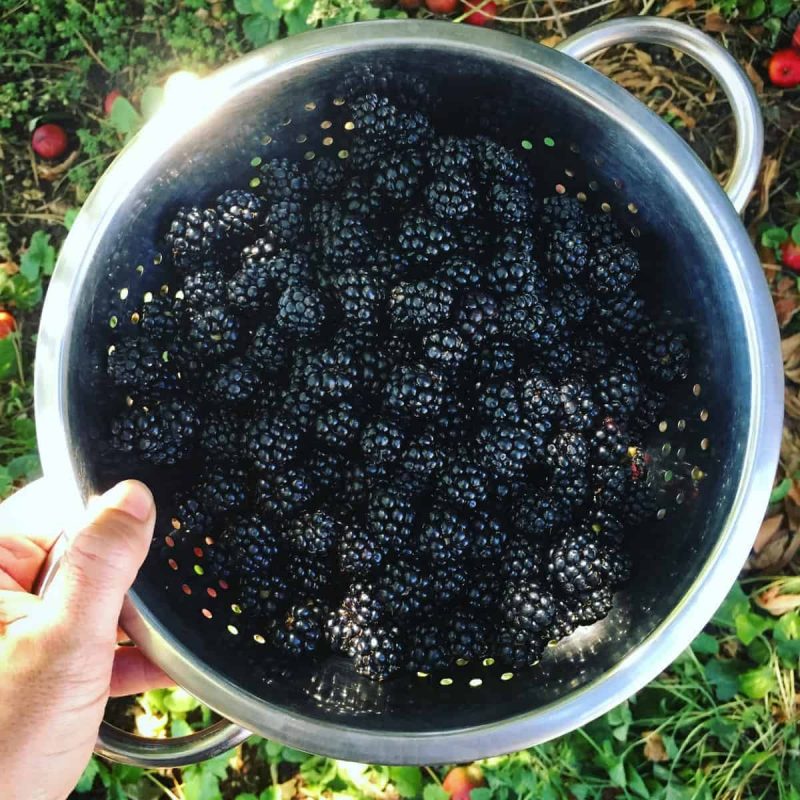
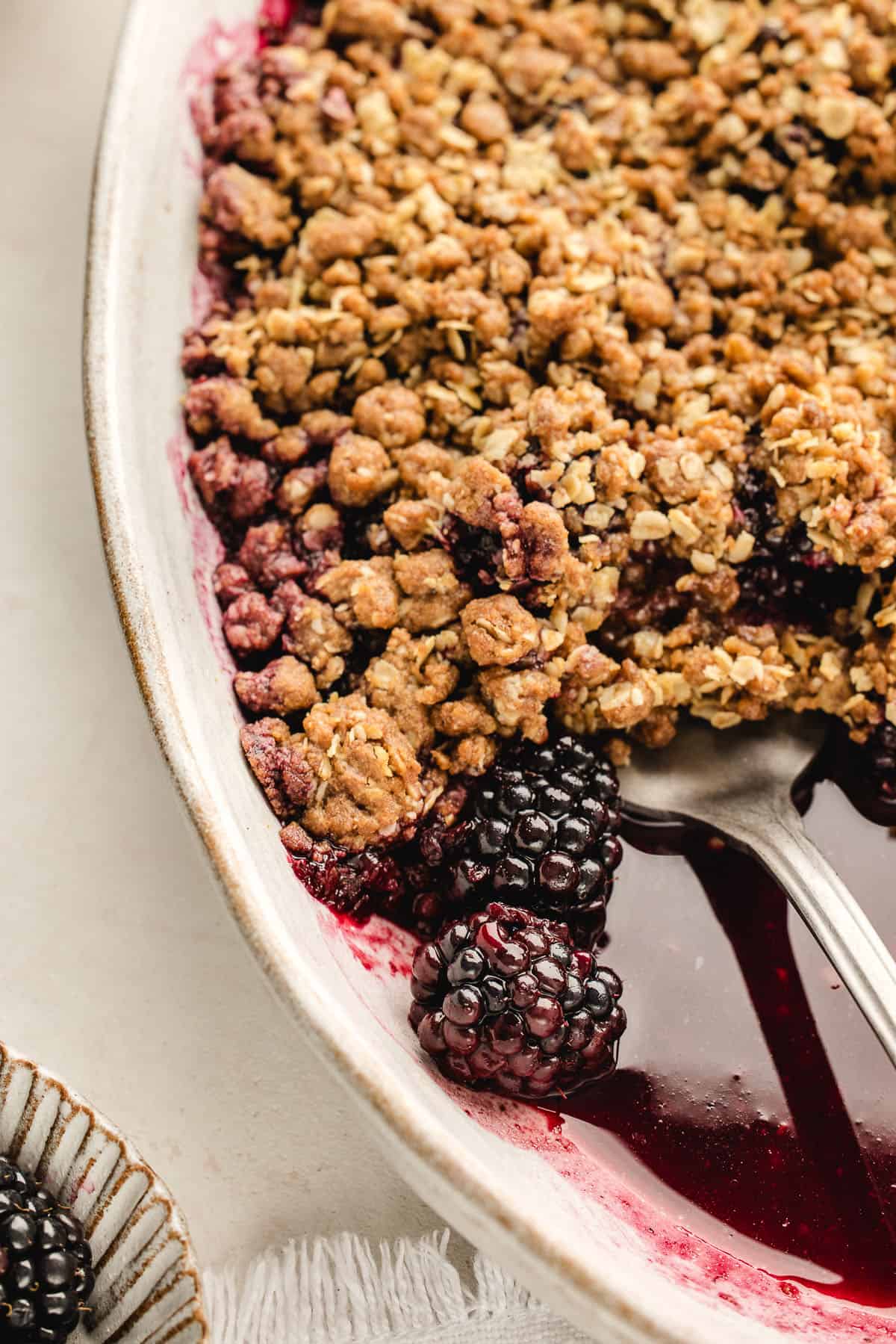
The efficacy of a blackberry crisp relies on the chemical interaction between the fruit’s moisture and the thickening agents used in the filling. Most professional recipes, including the current popular iterations, utilize either cornstarch or arrowroot powder. When these starches are heated in the presence of fruit juice, they undergo gelatinization, transforming the thin liquid into a viscous sauce that coats the berries.
The Role of the Topping
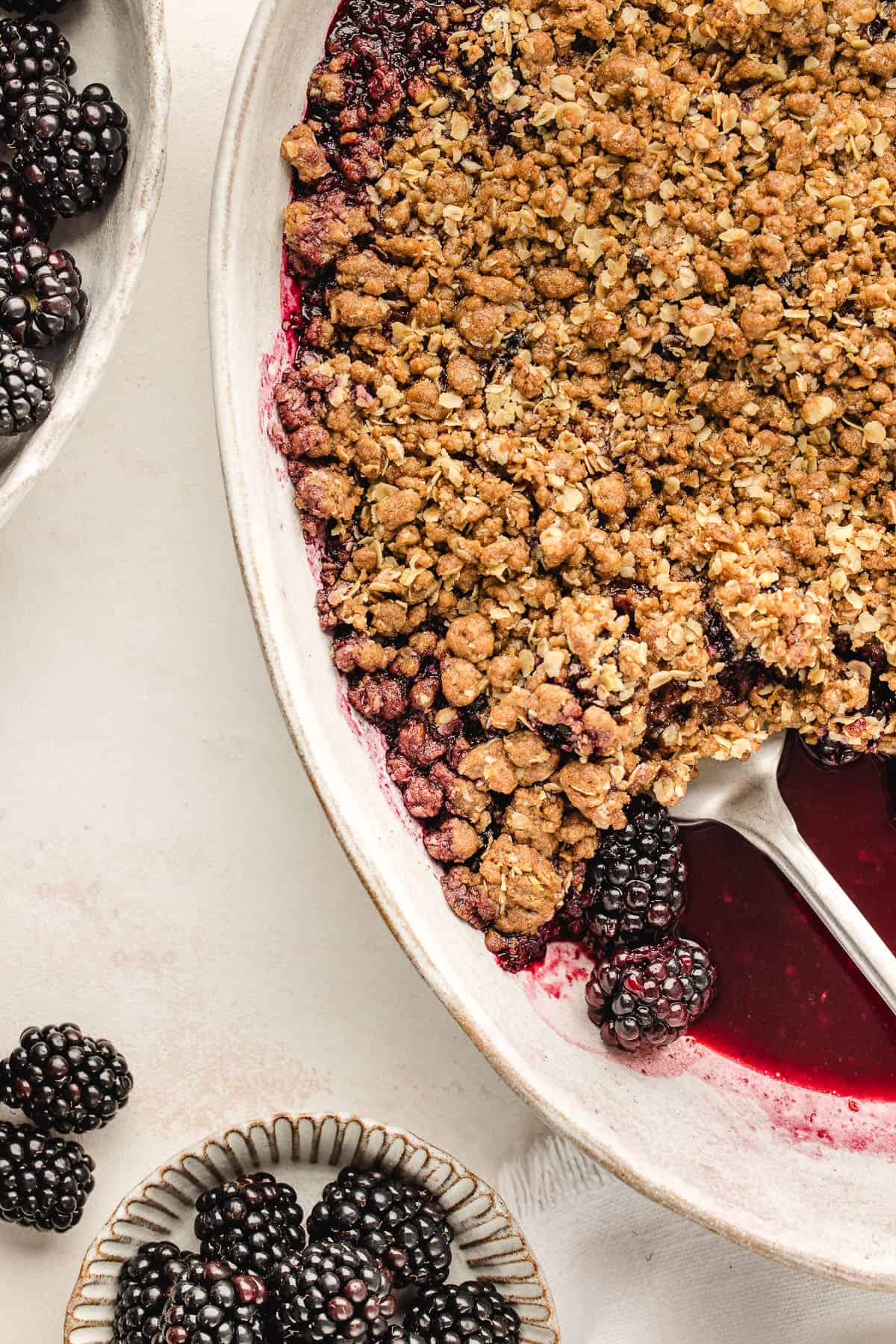
The "crisp" element is achieved through the use of old-fashioned rolled oats. Unlike quick oats, which are pre-steamed and rolled thinner, old-fashioned oats maintain their structural integrity during the 35-minute baking process. The inclusion of cold, cubed butter is essential; as the butter melts in the oven, it creates small pockets of steam that lift the flour and oat mixture, resulting in a light, crunchy texture rather than a dense, oily layer.

Temperature and Storage Dynamics
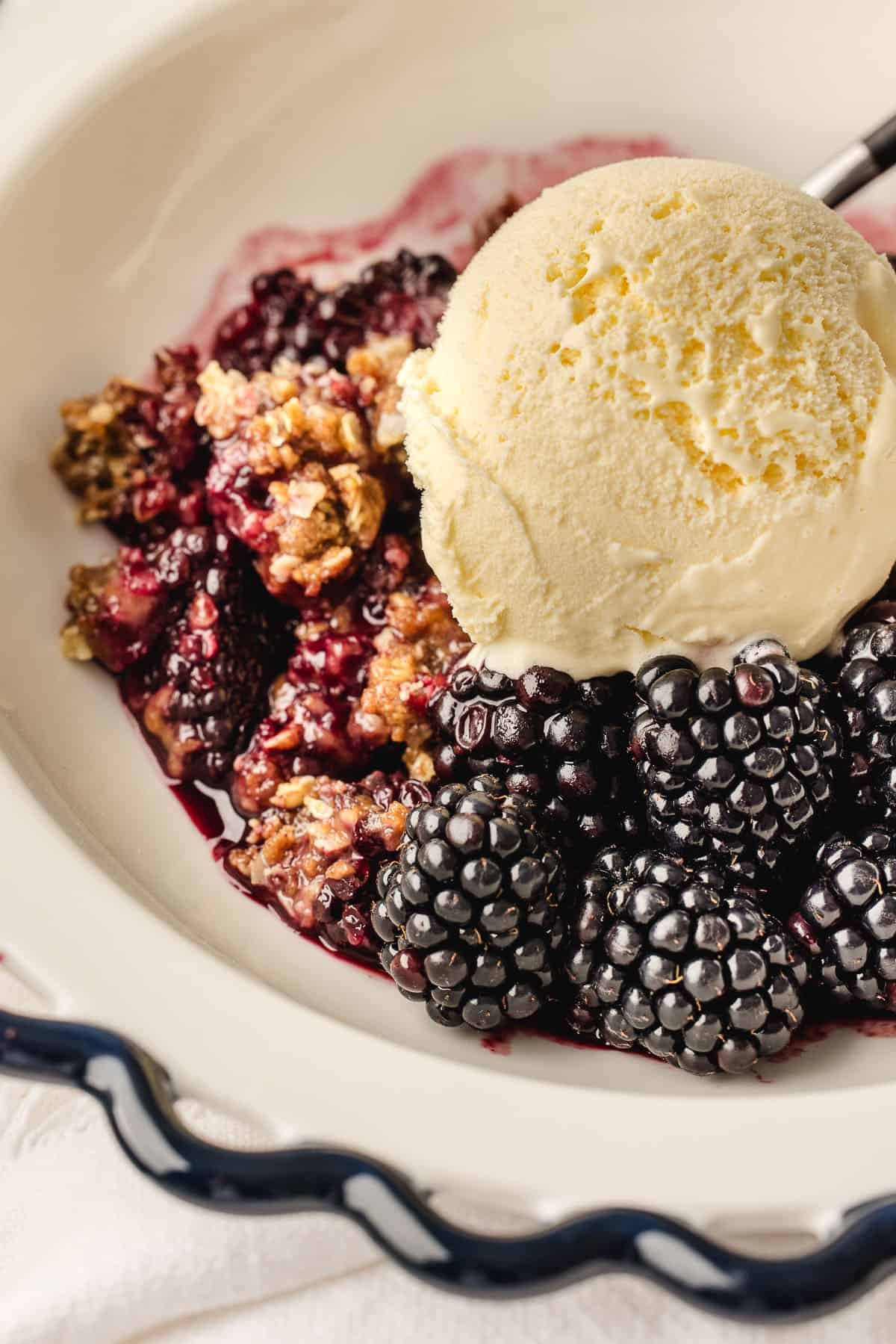
Culinary professionals emphasize that the blackberry crisp is a "dual-temperature" dessert. When served warm, the contrast between the bubbling fruit and cold vanilla ice cream provides a sensory experience highly valued in high-end and rustic dining alike. Conversely, the dessert’s high sugar and acid content allows it to remain shelf-stable in refrigeration for four to five days, during which time the oat topping softens slightly, creating a different but equally palatable texture often preferred for breakfast applications.
Economic and Health Implications of the Berry Industry
The resurgence of home-baked blackberry desserts has a direct impact on the agricultural economy. According to market research, the "pick-your-own" (PYO) farm sector has seen a 15% increase in revenue over the last two fiscal years. Consumers are increasingly willing to pay a premium for the experience of harvesting their own fruit, which they perceive as fresher and more environmentally sustainable than store-bought alternatives.

From a nutritional standpoint, blackberries are recognized as a "superfood." They are rich in:
- Vitamin C: Essential for immune function and skin health.
- Fiber: A single cup contains nearly 8 grams of dietary fiber.
- Anthocyanins: The pigments that give blackberries their dark color also act as powerful antioxidants, which have been linked to improved cognitive function and cardiovascular health.
By incorporating these berries into an oat-based crisp, bakers are able to provide a dessert that offers more nutritional value than traditional cakes or cookies, aligning with the "functional indulgence" trend currently dominating the food and beverage industry.
Expert Reactions and Cultural Significance
Culinary historians suggest that the enduring appeal of the blackberry crisp lies in its accessibility. "The crisp is the democratization of the dessert," says one food analyst. "It requires no specialized equipment, no advanced pastry skills, and can be adapted to whatever fruit is in season. It is a resilient recipe that reflects the resourcefulness of the American kitchen."
Furthermore, environmental advocates point to the blackberry crisp as a gateway to ecological awareness. Foraging for wild blackberries requires an understanding of local ecosystems, the timing of the seasons, and the importance of preserving wild spaces. This "forage-to-table" pipeline encourages a deeper connection between the consumer and the land, fostering a sense of stewardship that extends beyond the kitchen.
Broader Impact on Modern Lifestyle Trends
The popularity of the blackberry crisp is also symptomatic of a broader societal rejection of "hustle culture." The process of picking berries, preparing the topping by hand, and waiting for the dessert to bake in the oven forces a slowing of pace. This "slow energy" is a significant component of the dessert’s marketing and appeal in 2025.
As urbanization continues to increase, the nostalgia associated with "grandma-style" baking serves as a psychological anchor for many. The scent of blackberries and cinnamon, the tactile experience of rubbing butter into flour, and the communal act of sharing a warm dish are increasingly viewed as essential counter-measures to the digital saturation of modern life.
Future Outlook for Seasonal Baking
As the 2025 summer season draws to a close, the data suggests that the trend of artisanal, fruit-forward baking will continue into the autumn months, with apples and pears replacing berries in the crisp format. However, the blackberry remains the quintessential symbol of the peak summer harvest.
Agriculturalists are currently working on developing hardier blackberry cultivars that can withstand the increasingly volatile weather patterns seen in the Pacific Northwest and the American Southeast. These efforts ensure that the raw materials for this traditional dessert will remain available for future generations.
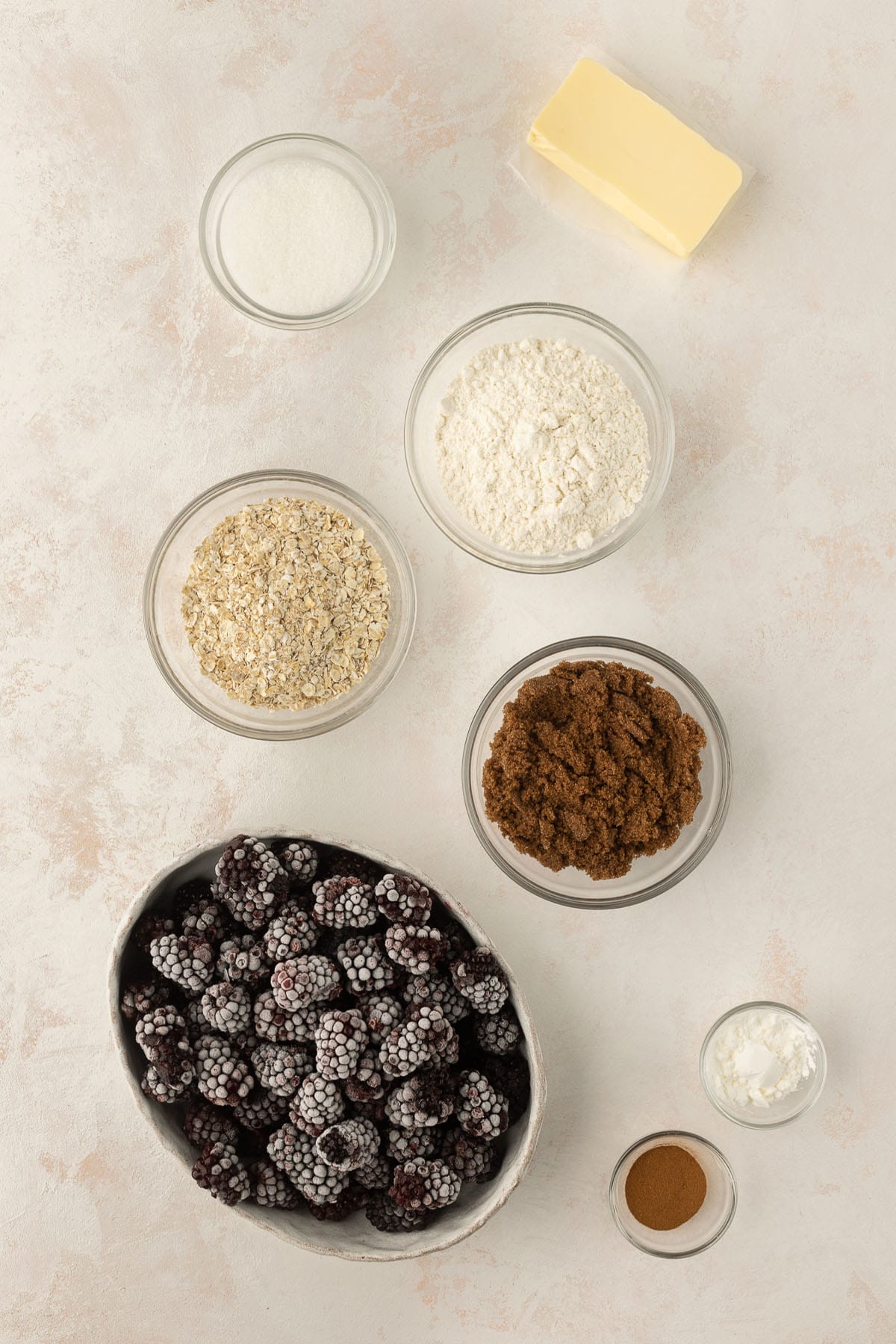
In conclusion, the blackberry crisp is more than a seasonal confection; it is a cultural artifact that bridges the gap between historical necessity and modern wellness. Its simple ingredients—blackberries, oats, butter, and sugar—belie a complex history of American resilience and a contemporary movement toward a more mindful, seasonally-aligned way of living. Whether consumed as a hot evening treat or a chilled morning meal, the blackberry crisp remains a cornerstone of the American culinary identity.


