
The Skagit Valley in Washington State recently hosted The Grain Gathering 2026, a pivotal event that brought together a diverse assembly of farmers, breeders, millers, bakers, and enthusiasts to explore the intricate journey of grain from field to loaf. Held from July 19th to 21st, the gathering, co-hosted by the Washington State University (WSU) Breadlab and the Washington State Department of Agriculture (WSDA), marked its return after an eight-year hiatus, reinforcing its commitment to the theme of "Nourishing Communities." This three-day immersive experience served not merely as a conference but as a vibrant congregation for those passionate about transforming the conventional grain system into one that prioritizes flavor, nutrition, and equitable compensation for every hand in the production chain.
A Mobile Revolution: Shortening the Farm-to-Loaf Chain
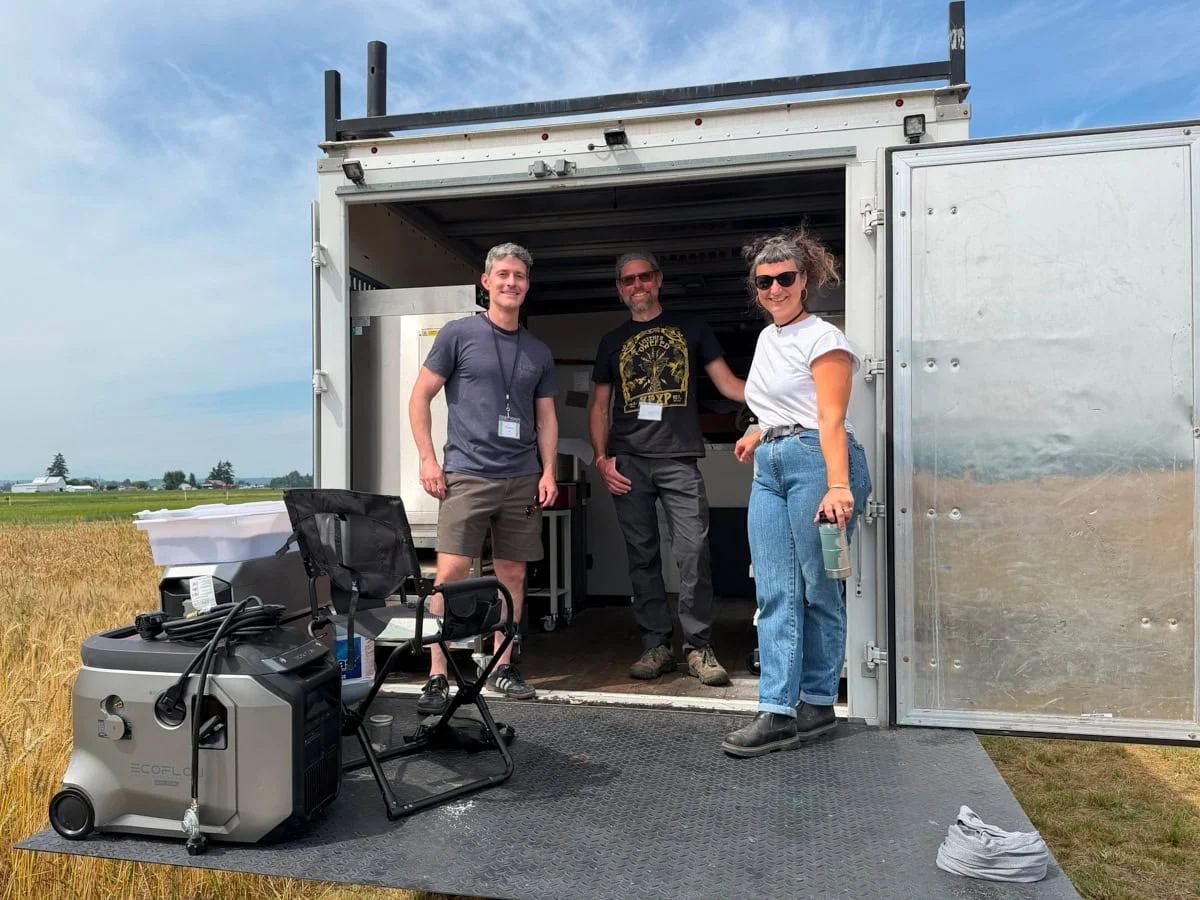
Central to the gathering’s innovative spirit was the unveiling of a groundbreaking solar-powered mobile bakery and mill, conceptualized and constructed by Marc Benoit of Reds Breads Cali. This self-contained unit, featuring a bread oven, grain mill, mixer, and workbench – all energized by a rooftop solar array – captivated attendees as a tangible embodiment of the "field-to-loaf" philosophy. The mobile setup was designed with a singular, transformative goal: to drastically shorten the supply chain, ensuring that a larger share of the bread’s cost directly benefits the farmers who cultivate the grain.
Throughout the gathering, Benoit, alongside fellow bakers Baylin Speidel of The Dusted Stone and Thomas Vroom of Fernhorn Bakery, demonstrated the unit’s capabilities. Over the course of the event, the mobile bakery produced an impressive array of baked goods, including twenty-odd loaves of sourdough country bread, three large-format focaccias, an armada of baguettes, and bialys topped with sesame and roasted vegetables. These creations utilized distinct, high-quality grains such as Moon Family Farms’ Hollis, Chimacum Confluence, and Palouse Heritage Elwha River Spelt, highlighting the unique characteristics of each variety. The efficiency of the RackMaster oven, a robust workhorse in the mobile unit, was notable, maintaining optimal temperatures even after extensive use. This practical demonstration underscored the potential for localized, direct-to-consumer grain processing and baking, creating an unbroken chain of custody where grain enters with a farmer’s name and emerges as bread directly traceable to its grower. This model offers a compelling alternative to the anonymous commodity grain system, providing farmers with a direct connection to the end product and a greater share of its economic value.
The Gathering’s Pulse: A Confluence of Expertise and Passion
The atmosphere at The Grain Gathering was one of vibrant exchange and shared enthusiasm. Unlike traditional industry conferences, the event successfully fostered an inclusive environment, welcoming everyone from seasoned professionals to "two-loafer" home bakers. Participants moved freely between in-depth talks, practical masterclasses, and informal conversations, delving into topics ranging from the technicalities of "falling numbers" in flour analysis and advanced mixing techniques to the complexities of establishing and operating community bakeries. The diversity of attendees ensured a rich tapestry of perspectives, uniting individuals from various points along the grain chain under one expansive tent.
Beyond the structured sessions, the gathering facilitated invaluable networking opportunities. Experts shared insights into wheat breeding, milling practices, and baking artistry, while passionate amateurs gained access to knowledge and connections previously reserved for industry insiders. The collective energy was palpable, driven by a shared commitment to elevating the quality, sustainability, and accessibility of grain-based foods. The WSU Breadlab’s sprawling wheat fields also served as a powerful backdrop, offering attendees a firsthand look at the agricultural foundation of their craft and fostering a deeper appreciation for the provenance of their ingredients.
Rethinking Value: Farmer Compensation in the Artisanal Bread Economy
A recurring and critical discussion point throughout the gathering revolved around the economics of bread production, specifically "Who Gets Paid for a Loaf of Bread." With artisanal sourdough loaves retailing anywhere from $6 to $12 or more, participants grappled with the tension between making bread an affordable staple and ensuring fair compensation for everyone involved in its creation. The prevailing commodity grain system, characterized by its anonymization of wheat into a single, undifferentiated element, often fails to reward farmers for their meticulous care, sustainable practices, and dedication to soil health.
The mobile mill and bakery, as showcased by Marc Benoit, presented a powerful solution to this economic imbalance. By integrating milling and baking into a single, localized operation, the farmer or baker can effectively capture the margins traditionally distributed among millers, distributors, and retailers. This direct chain of custody empowers farmers to receive proper recognition and a greater financial return for their identity-preserved grain. For instance, when a home baker sources grain directly from a farm or a small mill, or even mills it fresh at home, they are actively participating in compressing the supply chain, contributing to a more equitable economic model. This approach moves beyond simply "feeding the masses" with cheap, undifferentiated grain, advocating instead for a system that values quality, traceability, and the labor of those at the very beginning of the chain. This shift aligns with broader consumer trends favoring local, organic, and ethically sourced products, where consumers are increasingly willing to pay a premium for transparency and quality assurance.
The Science of Flavor: Wheat Breeding for Nutrition and Taste
Another fundamental concept explored at the gathering concerned the priorities in wheat breeding and its direct impact on the flavor and nutritional profile of commercially available flour. Historically, wheat varieties have been optimized for characteristics such as high yield, uniformity, disease resistance, robust baking performance, and ease of harvest. Noticeably absent from this conventional scorecard, however, have been flavor and nutrition – elements often sacrificed in the pursuit of industrial efficiency.
The WSU Breadlab stands at the forefront of a movement to rectify this oversight. Their breeding program explicitly incorporates flavor and nutrition as key metrics, alongside traditional agricultural considerations. They develop varieties like Skagit 1109, Salish Blue, and Ruth, specifically tailored to thrive in particular growing conditions rather than attempting a "one-size-fits-all" solution. Crucially, the Breadlab goes beyond mere cultivation, meticulously milling and baking candidate varieties to assess their performance and inherent qualities in a finished loaf. This rigorous process ensures that new varieties not only meet farmers’ yield and performance needs but also deliver superior taste and nutritional value.
This approach contrasts sharply with the practices that have led to the often bland and nutrient-poor qualities of generic grocery store flour. By prioritizing specific varietal characteristics, the WSU Breadlab and similar initiatives enable consumers to access flour labeled with a distinct variety name, guaranteeing unique baking characteristics and a traceable flavor profile. This signifies a profound shift from the anonymous commodity pile to a system where the flavor has a name, and so does the farmer who cultivated it, fostering a deeper connection between consumer and producer. The implications for public health are also significant, as increased access to nutrient-dense, whole grain flours can contribute to improved dietary quality.
Bridging the Divide: From Industry Talks to Home Baker Insights
The inclusive nature of The Grain Gathering was one of its most celebrated aspects. The organizers, aware of the potential for such events to become insular industry forums, deliberately structured the program to appeal to a broad audience. This meant that discussions about complex topics like "falling numbers" – a measure of starch damage in flour that indicates enzyme activity – or advanced fermentation techniques were presented in ways that resonated with both professional bakers and home enthusiasts. This cross-pollination of ideas and experiences was invaluable.
Home bakers, often operating in isolation, found a supportive community where they could "geek out" over minutiae with world-renowned experts. They gained practical insights into sourcing, milling, and baking with a deeper understanding of the entire grain ecosystem. Conversely, industry professionals benefited from the fresh perspectives and boundless curiosity of home bakers, reminding them of the fundamental joy and community-building power of bread. The shared passion for grain transcended professional boundaries, fostering a sense of collective purpose in redefining the future of bread. This exchange highlighted that the chain from breeder to farmer to miller to baker, while long and complex, benefits immensely from every link understanding and appreciating the others. For many, after years spent perfecting the final link in the baking process, meeting the individuals responsible for the preceding steps—the breeders, farmers, and millers—was a truly eye-opening and deeply moving experience.
Impact and Evolution: The Future of Grain and Baking
The ideas championed at The Grain Gathering 2026 are poised to have a lasting impact on both the artisanal baking movement and broader agricultural practices. The emphasis on fair compensation for farmers and the breeding of wheat for flavor and nutrition represent significant departures from conventional industry norms. These principles encourage a more sustainable and equitable food system, where value is distributed more fairly across the supply chain.
For consumers, this translates into access to more flavorful and nutritious bread options, with the added benefit of transparency regarding sourcing and production methods. The burgeoning interest in identity-preserved grains and home milling reflects a growing desire among consumers to connect more directly with their food and support ethical agricultural practices. This shift is not about a radical overhaul for every baker but rather an encouragement to make incremental changes. Swapping a conventional grain for an identity-preserved variety like Ruth, or experimenting with freshly milled flour sourced directly from a farmer, are accessible steps that contribute to this larger evolutionary trend.
The gathering reinforced the idea that high-quality, whole grain, and specialty flours are not just a trend but a return to fundamental principles of good food. While there is certainly a place for high-quality sifted flours, the push towards integrating more named varieties and freshly milled flour into baking practices is driven by a pursuit of optimal flavor and nutrition. The promise that, with the right grain and thoughtful practice, one might not have to choose between these two vital qualities, offers an inspiring vision for the future of baking.
Key Contributors and Collaborative Spirit
The success of The Grain Gathering was built on the contributions of numerous passionate individuals and organizations. Marc Benoit, with his visionary mobile bakery, exemplified the practical application of the gathering’s ideals. His dedication to empowering farmers and shortening the supply chain resonated deeply with attendees. The team of bakers working alongside him – Baylin Speidel, known for his masterful baking and spirited debates, and Thomas Vroom, a respected baker from Vashon Island – demonstrated the collaborative spirit inherent in the movement.
Farmers like Crystie and Keith Kisler of Chimacum Valley Grainery were recognized for their inspiring work in growing, milling, and even malting some of the region’s finest grains, consistently radiating positivity and innovation. Kevin Morse, Meech Crowley, and Jon Feldman of Cairnspring Mills were lauded for their crucial role in bringing high-quality Skagit grain to kitchens, facilitating a vital link between farm and baker. Veteran bakers like Andrew Heyn and Blair Marvin of Elmore Mountain Bread shared their extensive knowledge of milling, growing, and community building, drawing on years of experience. The presence of legendary figures such as Jeffrey Hamelman, whose seminal book has guided countless bakers, offered a profound connection to the craft’s rich heritage. Other influential voices included Andrew Ross of Wholegrain Surfer, a passionate advocate for wheat, buckwheat, and pizza; Katie Phelan, discussing wood-fired baking; Brandon Buza, a frequent collaborator in baking adventures; and Cat Cox of Country Bird Bakery, whose insights into community-focused bread making were invaluable. The support of Sandy A. and Ran C. in the bakery, along with the numerous attendees who stopped by the mobile truck, further underscored the communal nature of the event.
A Lasting Impression: Nourishing Communities Through Grain
The Grain Gathering 2026 left an indelible mark on all who attended. It defied initial expectations, proving to be far more than a specialized conference. It was a true "congregation of the grain-obsessed," united by a common purpose: to feed communities with bread that is not only delicious but also ethically produced, nutritious, and deeply connected to its origins. The experience of witnessing the entire grain chain – from the WSU Breadlab’s research fields to the mobile bakery’s oven – under one roof was profoundly moving for many, offering a rare holistic perspective.
For those inspired, the lessons learned translate into tangible actions back home. While not everyone can build a solar-powered mobile bakery, the principles of direct sourcing, supporting identity-preserved grains, and engaging in home milling become accessible steps towards a more conscious baking practice. The personal transformation often experienced by participants, moving from merely baking to understanding the full ecosystem behind their ingredients, underscores the event’s profound impact. To meet the farmers, tour their fields, and bake alongside them fundamentally changes the relationship with flour. The Grain Gathering 2026 successfully demonstrated that when the entire grain community collaborates, the outcome is not just better bread, but stronger, more nourished communities.


