
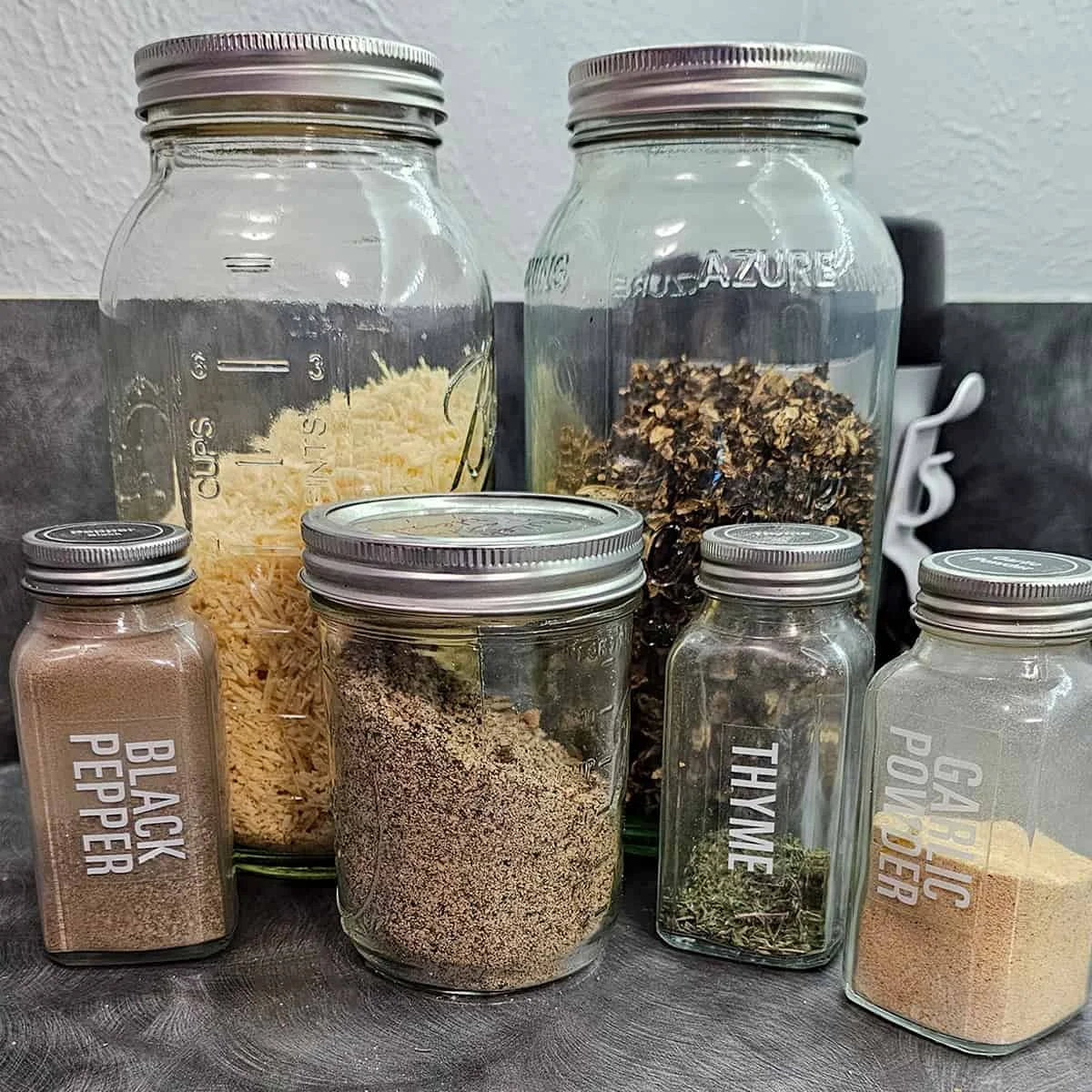
The intersection of food preservation and gourmet flavoring has reached a new milestone as home culinary enthusiasts increasingly pivot toward self-reliant spice production, epitomized by the growing popularity of the Mushroom Parmesan seasoning blend. This shift marks a significant departure from reliance on commercial, often additive-heavy condiments, moving instead toward "clean label" alternatives crafted through dehydration and freeze-drying techniques. Originally popularized by bulk food cooperatives such as Azure Standard, the combination of savory fungi and aged dairy has transitioned from a niche specialty item to a staple of the modern, sustainable pantry. This development is driven by a desire for "umami"—the fifth basic taste—which is naturally abundant in both mushrooms and Parmesan cheese, providing a complex, salty, and earthy profile that enhances a wide variety of dishes from snack foods to proteins.
The Evolution of the DIY Seasoning Movement
The trajectory of the DIY seasoning movement can be traced back to the resurgence of home food preservation during the early 2020s. As global supply chains faced unprecedented disruptions, consumers began seeking more reliable methods of food security, leading to a surge in the sales of home dehydrators and freeze-dryers. What began as a necessity for preserving seasonal harvests soon evolved into a sophisticated culinary hobby. Experts in the field, including Darcy Baldwin of The Purposeful Pantry, have been at the forefront of this transition, teaching home cooks how to transform bulk ingredients into high-value pantry assets.
The chronology of this specific blend’s rise began with the commercial success of pre-mixed umami powders in specialty markets. However, the inability of traditional retailers to maintain consistent stock levels, coupled with the rising cost of artisanal goods, prompted a "copycat" culture among home preservers. By utilizing bulk-purchased dehydrated mushrooms and shelf-stable Parmesan, creators were able to replicate—and often improve upon—commercial formulas. This democratization of gourmet flavoring allows for greater customization, such as adjusting sodium levels or experimenting with different mushroom varieties like shiitake, porcini, or lion’s mane.
The Science of Flavor: Synergistic Umami
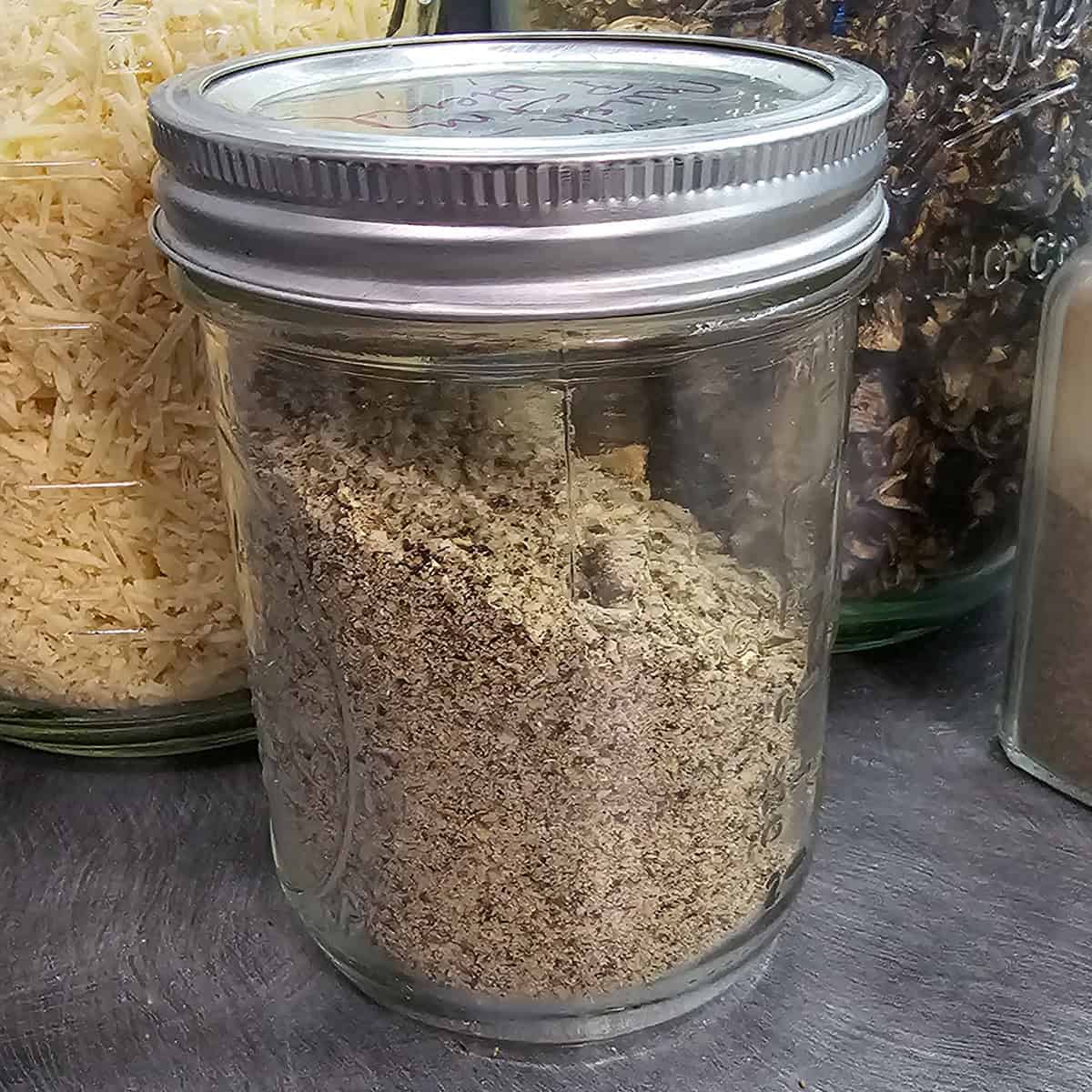
The primary appeal of the Mushroom Parmesan blend lies in the chemical synergy between its two main components. Umami, a Japanese term meaning "pleasant savory taste," is elicited by the presence of glutamate, an amino acid, and certain nucleotides. Mushrooms, particularly when dehydrated, contain high concentrations of guanylate, while Parmesan cheese is one of the densest natural sources of glutamate. When these two ingredients are combined, they create a synergistic effect where the perceived intensity of the flavor is significantly greater than the sum of its parts.
From a technical standpoint, the dehydration process is critical to this flavor profile. Removing moisture concentrates the sugars and amino acids within the fungi, resulting in a more potent aromatic profile. Similarly, using properly dried Parmesan ensures the seasoning remains shelf-stable without the need for anti-caking agents like cellulose, which are frequently found in pre-packaged grated cheeses. The addition of secondary ingredients such as garlic powder, black pepper, thyme, and dried parsley serves to round out the flavor profile, providing aromatic top notes that balance the heavy base of the mushroom and cheese.
Technical Analysis of Ingredients and Preparation
The production of a high-quality Mushroom Parmesan blend requires adherence to specific food preservation standards to ensure both flavor and safety. The foundational ingredients typically include:
- Dehydrated Mushrooms: These must be dried until they are "snap-dry" to ensure they can be pulverized into a fine powder. Any residual moisture can lead to clumping or spoilage within the seasoning mix.
- Dried Parmesan Cheese: While fresh Parmesan can be dehydrated at home, it requires low temperatures to prevent the fats from rendering and becoming rancid. Commercial-grade dehydrated Parmesan or freeze-dried versions are often preferred for their long-term stability.
- Aromatic Herbs: Thyme and parsley are standard inclusions, providing an herbaceous contrast to the salty-savory core.
- Alliums and Spices: Garlic powder and black pepper provide the necessary "bite" to the blend.
The process involves a strategic blending ratio. Data suggests that a successful umami rub often follows a ratio where the mushroom powder constitutes approximately 30-40% of the volume, with the cheese providing the bulk and the spices making up the remaining 10-20%. The resulting powder is versatile, utilized as a popcorn seasoning, a dry rub for roasted meats, or a flavor booster for soups and stews.
Nutritional Profile and Economic Impact
The nutritional implications of DIY seasoning blends are significant for health-conscious consumers. Commercial seasonings often contain high levels of sodium, maltodextrin, and artificial flavor enhancers like monosodium glutamate (MSG). By controlling the input, home cooks can manage sodium intake while still achieving a high flavor impact.
Based on nutritional estimations for a standard batch, a two-tablespoon serving of a DIY Mushroom Parmesan blend contains approximately 697 calories, 48 grams of protein, and 43 grams of fat when calculated using the concentrated values of dehydrated ingredients. However, because the blend is used as a seasoning rather than a primary food source, the actual consumption per serving is minimal. Crucially, the fiber content (approximately 5 grams per batch) and high potassium levels (775 mg) from the mushrooms offer a superior nutritional profile compared to salt-based table seasonings.
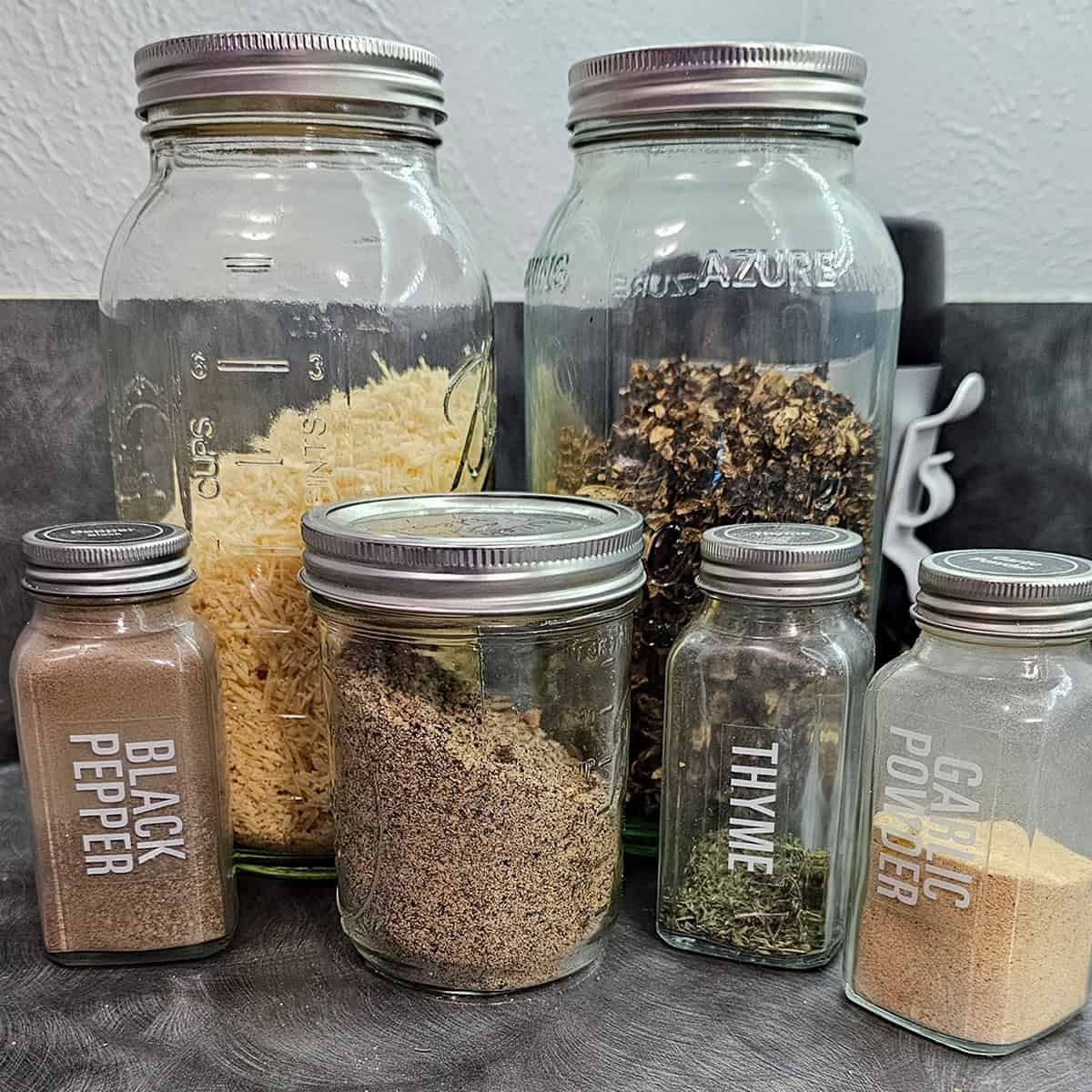
Economically, the DIY approach aligns with the "bulk-buy" philosophy championed by organizations like Azure Standard. Purchasing mushrooms in bulk and dehydrating them at home can reduce the cost per ounce of seasoning by as much as 50-60% compared to purchasing small, pre-mixed jars from luxury grocers. Furthermore, the use of reusable canning jars for storage contributes to a reduction in single-use plastic waste, addressing growing environmental concerns among the consumer base.
Market Reactions and Culinary Implications
The culinary community has responded with enthusiasm to the rise of "pantry-made" gourmet blends. Professional chefs and food scientists note that the ability to create "shelf-stable umami" is a game-changer for home kitchens. The Mushroom Parmesan blend, in particular, has been lauded for its ability to provide the "Maillard reaction" depth to dishes that are not browned or seared, such as steamed vegetables or pasta.
Market analysts observe that this trend is part of a broader "Prosumer" movement—where consumers adopt professional-grade tools and techniques to produce high-quality goods at home. This has led to a diversification of the spice aisle, as major brands are now forced to compete with the transparency and quality of home-crafted alternatives. The "Purposeful Pantry" model, as described by Darcy Baldwin, emphasizes that food preservation is not merely about storage, but about enhancing the culinary experience through the strategic use of ingredients.
Broader Impact and Future Outlook
The implications of the Mushroom Parmesan seasoning trend extend beyond the kitchen. It represents a shift toward a more intentional and educated form of consumption. As more individuals learn the mechanics of dehydration and the chemistry of flavor pairing, the reliance on industrial food processing diminishes. This contributes to a more resilient food system where households are equipped to process and store their own flavorings and nutrients.
Looking forward, the integration of medicinal mushrooms—such as Cordyceps or Reishi—into these seasoning blends is a likely next step, merging the "food as medicine" movement with artisanal flavoring. The success of the Mushroom Parmesan blend serves as a proof-of-concept for a new era of the American pantry: one that is built on the foundations of science, sustainability, and superior taste.
As food prices continue to fluctuate and interest in holistic living grows, the DIY seasoning revolution is expected to expand. The Mushroom Parmesan blend is no longer just an "odd seasoning blend" found in a catalog; it is a symbol of a sophisticated, self-reliant culinary culture that values quality and purpose in every jar. Through the efforts of educators and the curiosity of home cooks, the humble mushroom and the aged cheese have been reimagined as the ultimate tools for modern gastronomy.


