
The practice of foraging and wildcrafting, once a necessity for human survival, has undergone a significant cultural and economic resurgence in the 21st century. As global interest in sustainable living, food sovereignty, and outdoor recreation reaches record highs, the demand for specialized equipment and educational resources has created a robust niche market. This comprehensive guide examines the essential tools, logistical requirements, and pedagogical materials necessary for the modern forager, while analyzing the broader implications of this movement on environmental conservation and the outdoor retail industry.
The Resurgence of Wildcrafting: A Socio-Economic Context
In recent years, foraging—the act of gathering wild food and medicinal plants—and wildcrafting—the practice of harvesting plants from their natural habitats for food or medicinal purposes—have transitioned from fringe survivalist activities to mainstream hobbies. Market data suggests that the global edible insects and wild-harvested food market is projected to grow significantly as consumers seek organic, non-GMO, and hyper-local alternatives to industrial agriculture. This shift is driven by a desire to reduce carbon footprints and a growing awareness of the nutritional density found in wild flora.
The COVID-19 pandemic served as a major catalyst for this growth. According to data from various outdoor industry associations, participation in nature-based activities surged by nearly 20% between 2020 and 2022. Foraging provided a socially distanced method of exercise and a practical way to supplement grocery supplies during periods of supply chain instability. Consequently, the manufacturing and sale of specialized foraging gear, ranging from artisanal baskets to precision cutlery, have seen a parallel increase in demand.
Specialized Containment Systems: The Role of Aeration and Ethics
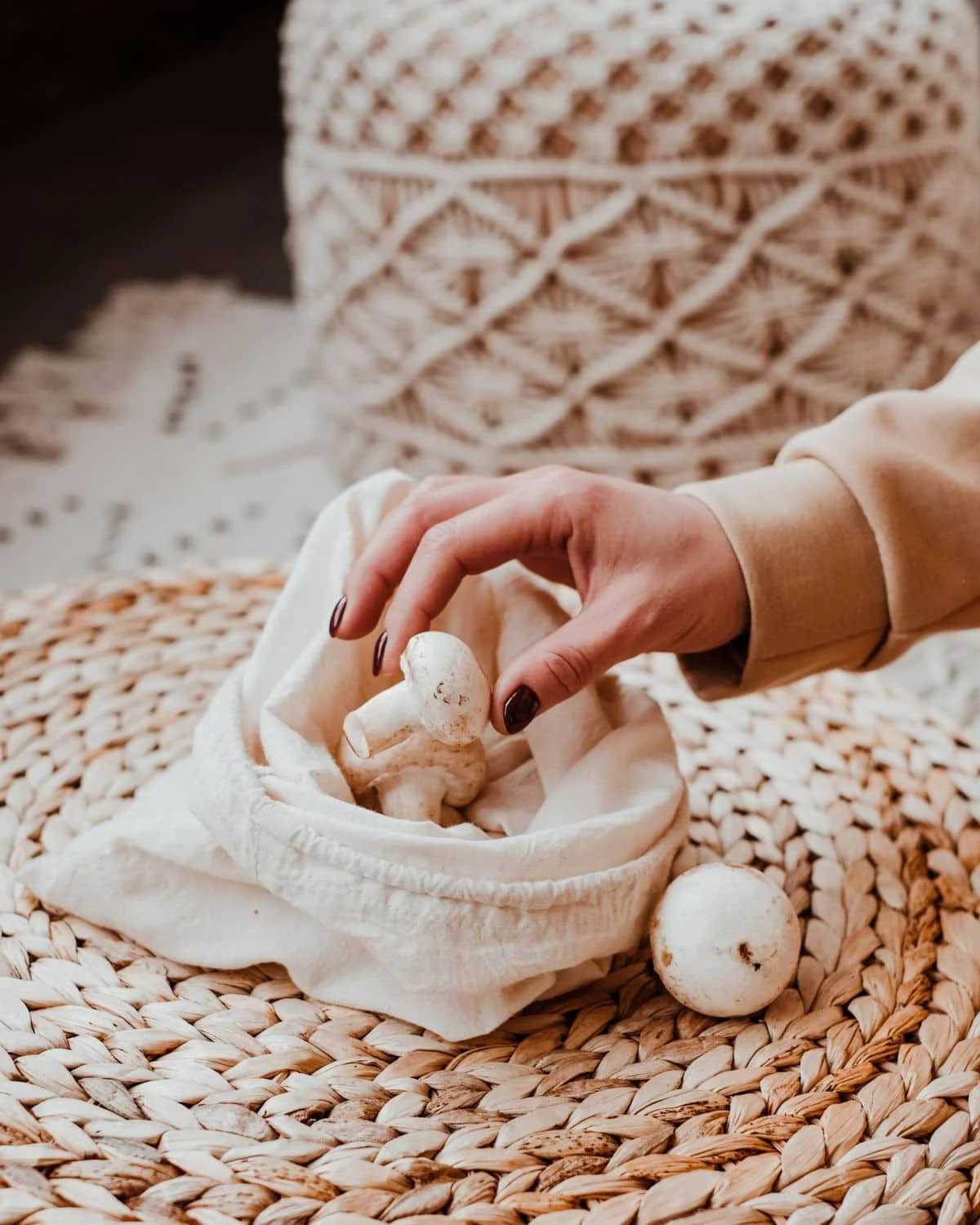
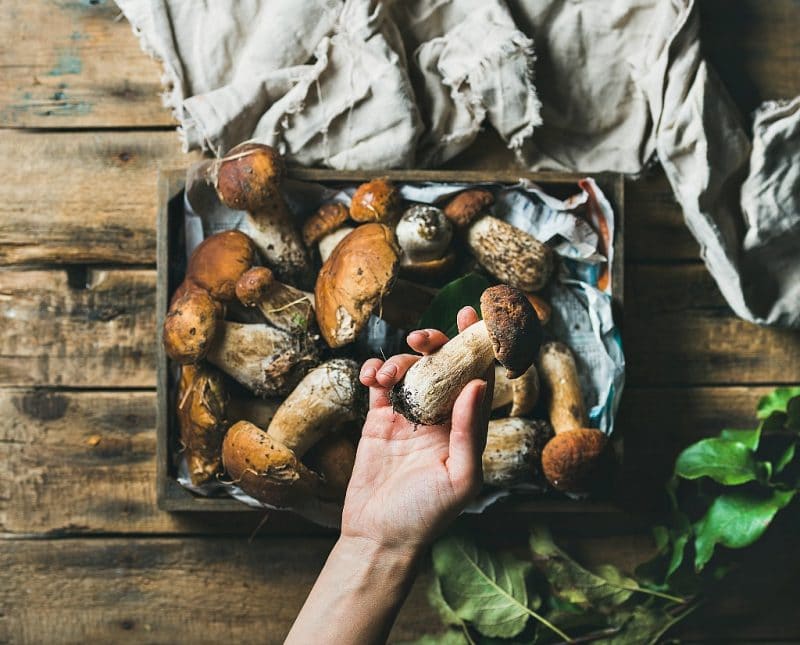
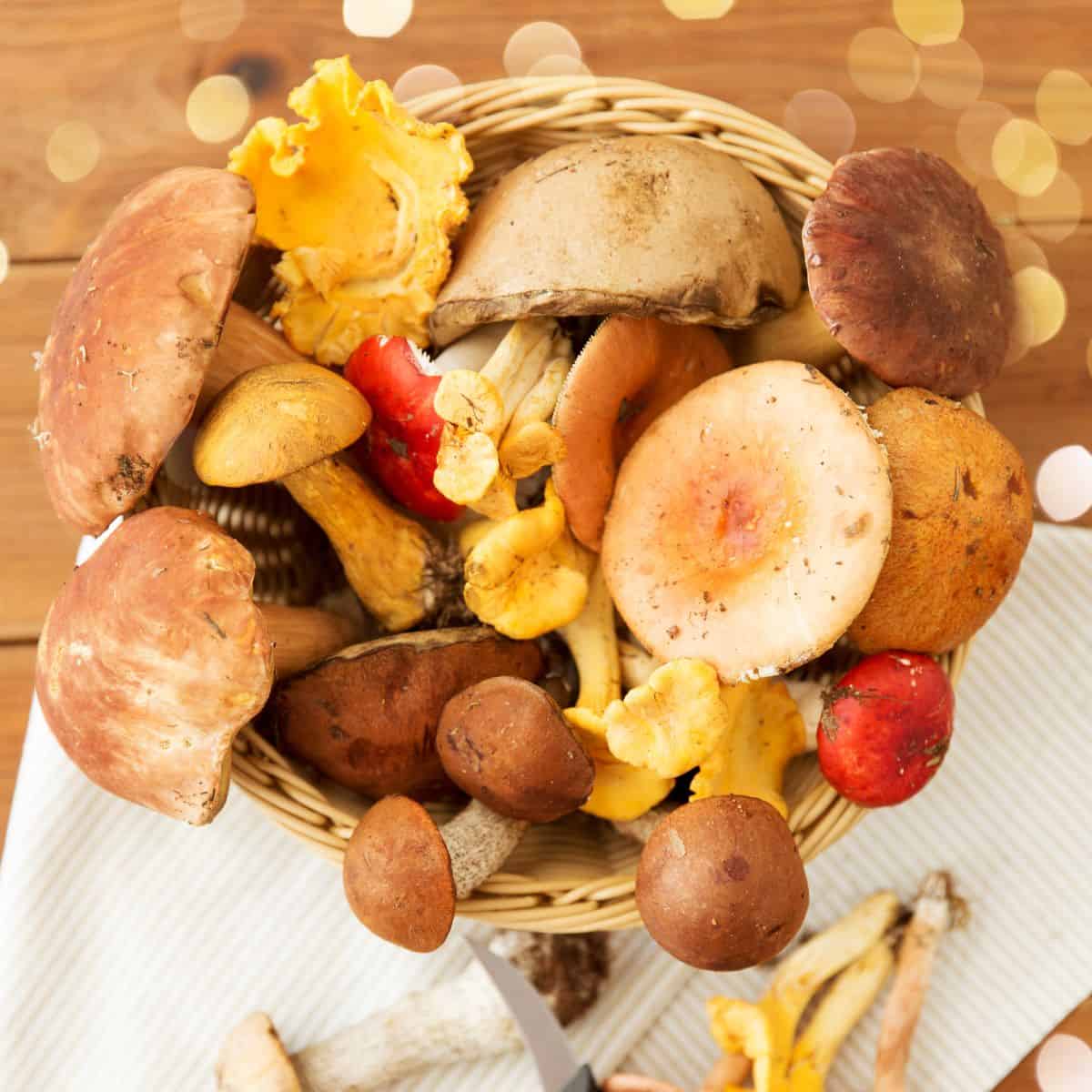
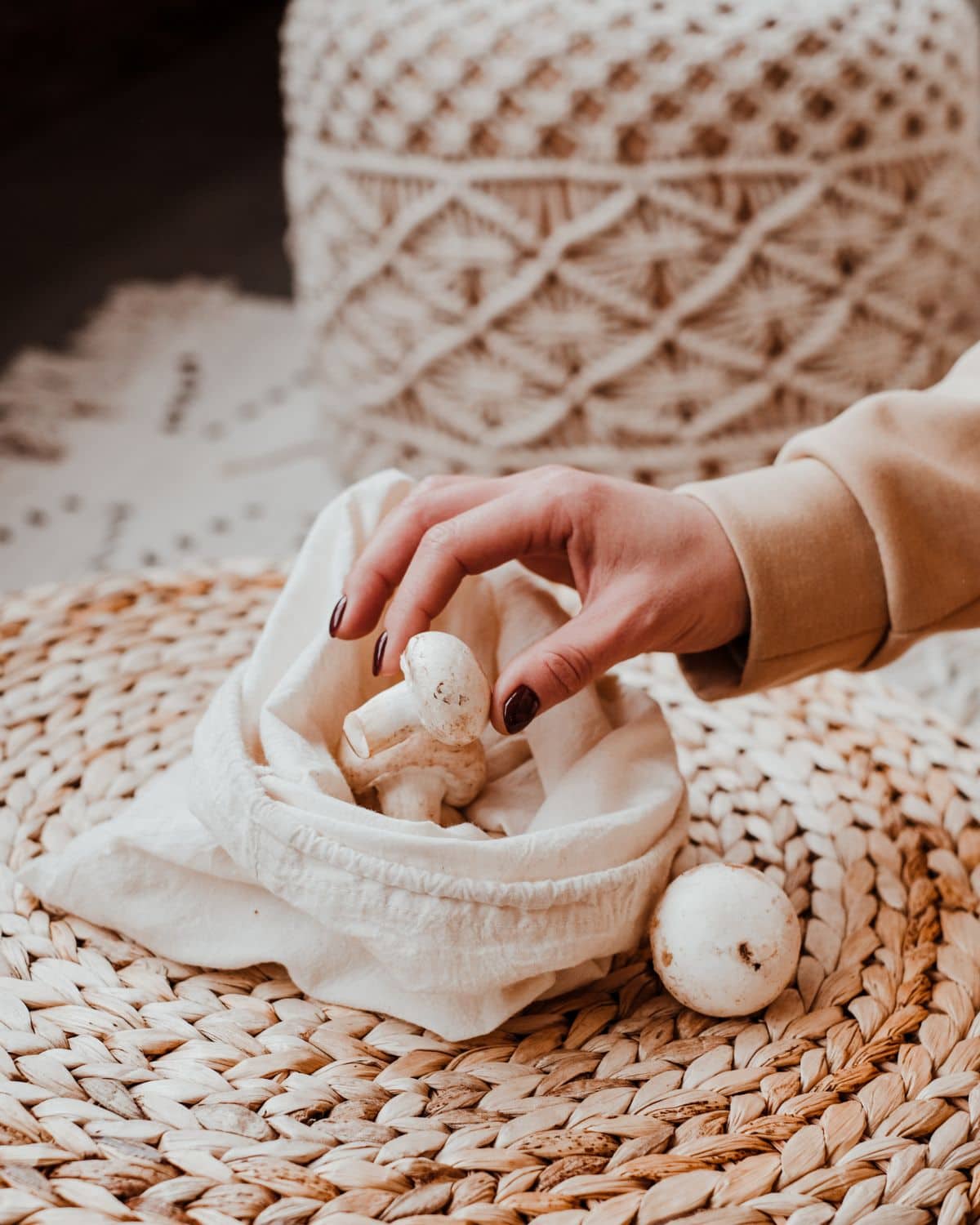
For the serious practitioner, the method of transporting harvested materials is as critical as the identification of the plants themselves. Traditional plastic bags are increasingly discouraged within the foraging community due to their lack of breathability, which can lead to the rapid decomposition of delicate fungi and greens. Instead, the industry has pivoted toward fair-trade market baskets and breathable cloth bags.
Fair-trade baskets, often hand-woven from durable natural fibers like elephant grass, serve a dual purpose. Beyond their aesthetic appeal, the woven structure allows for maximum airflow, which is essential for maintaining the integrity of wild mushrooms. Furthermore, the gaps in the weave facilitate the dispersal of spores as the forager moves through the woods, an ecological benefit that supports the regeneration of fungal colonies. These baskets are typically sourced through fair-trade cooperatives, particularly in West Africa, ensuring that the economic benefits of the foraging boom extend to global artisanal communities.
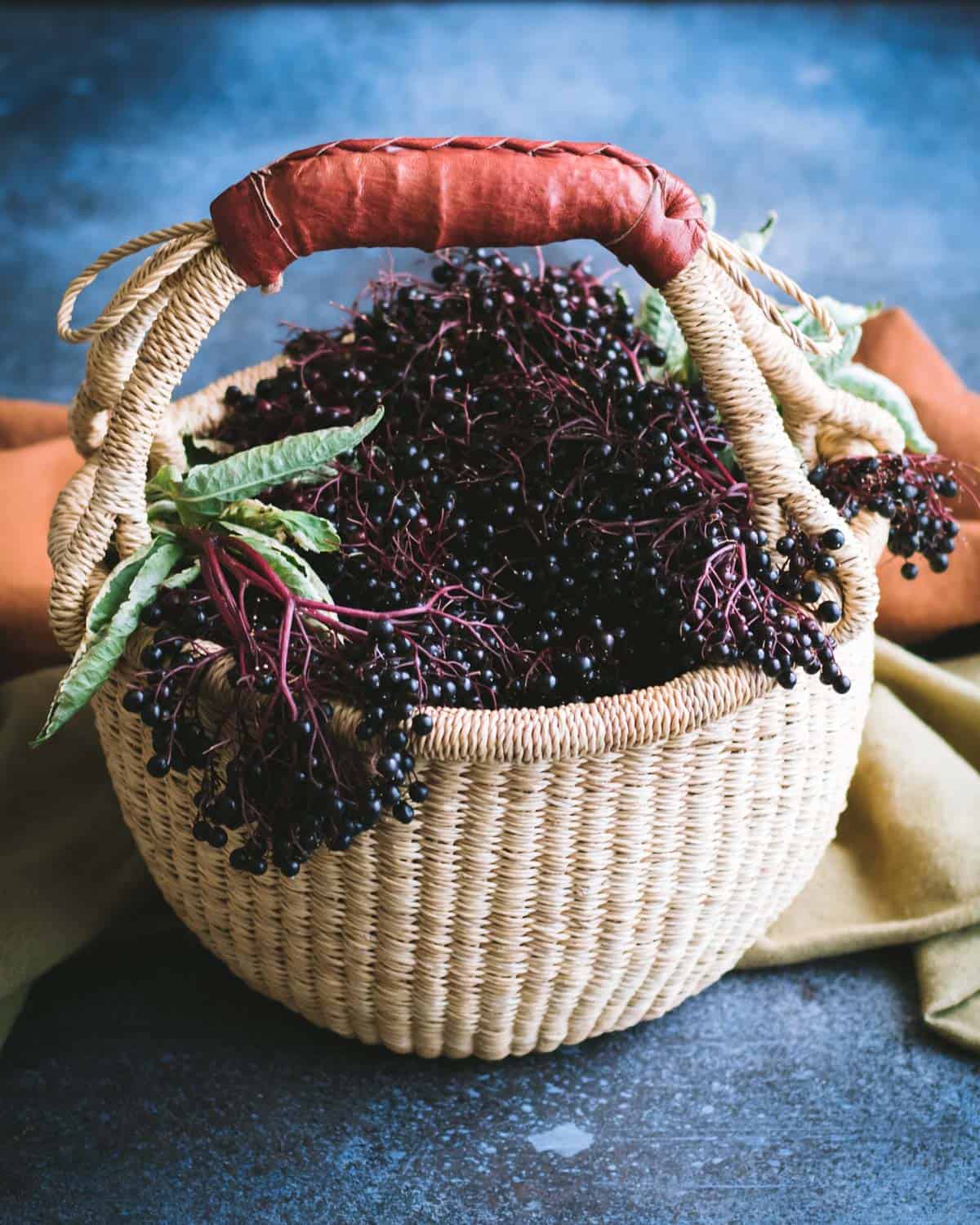
For hikers and opportunistic foragers, lightweight cloth bags have become a standard piece of equipment. These bags, often made from cotton or linen, are easily stowed in backpacks and provide a sustainable alternative to single-use plastics. The use of multiple sizes allows for the separation of different species, preventing cross-contamination and ensuring that delicate herbs are not crushed by heavier roots or tubers.
Precision Cutlery: The Mechanics of the Harvest
In the realm of wildcrafting, the choice of a knife is dictated by both functionality and the ethics of sustainability. A clean cut is often superior to pulling a plant by its roots, as it allows the root system to remain intact for future growth. Two primary styles of knives have emerged as the gold standard for the community: the specialized mushroom knife and the all-purpose fixed-blade outdoor knife.
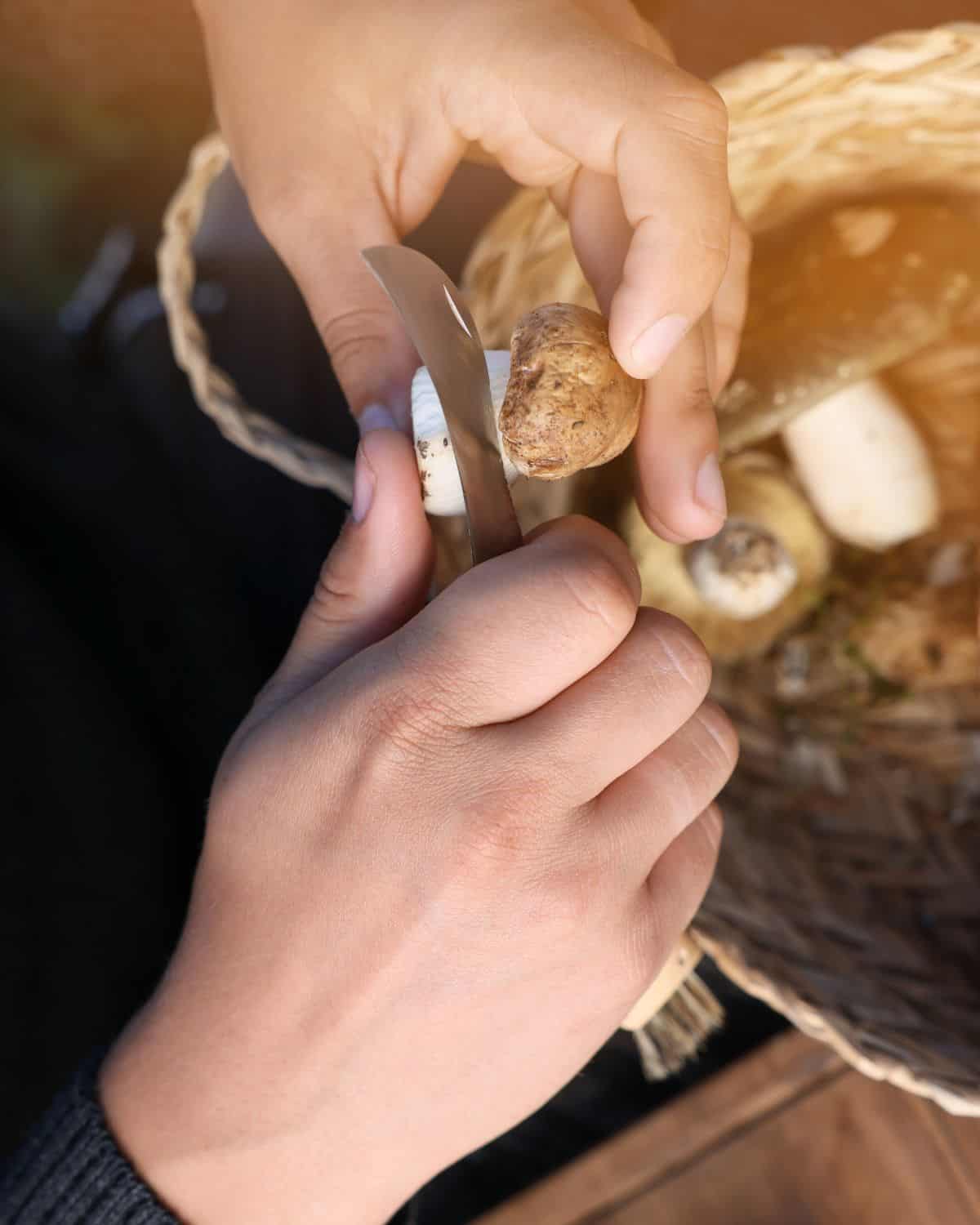
The Opinel Mushroom Knife, a product of French engineering with over a century of history, represents the pinnacle of specialized foraging tools. Its features include:
- Curved Sandvik Stainless Steel Blade: Designed to follow the contour of mushroom stems for a precise harvest.
- Serrated Spine: Used for removing debris or cleaning the cap.
- Boar Hair Brush: Integrated into the handle to allow foragers to clean dirt and insects from specimens in the field, reducing the workload during later processing.
- Virobloc Safety Ring: A locking mechanism that ensures the blade remains secure during both use and transport.
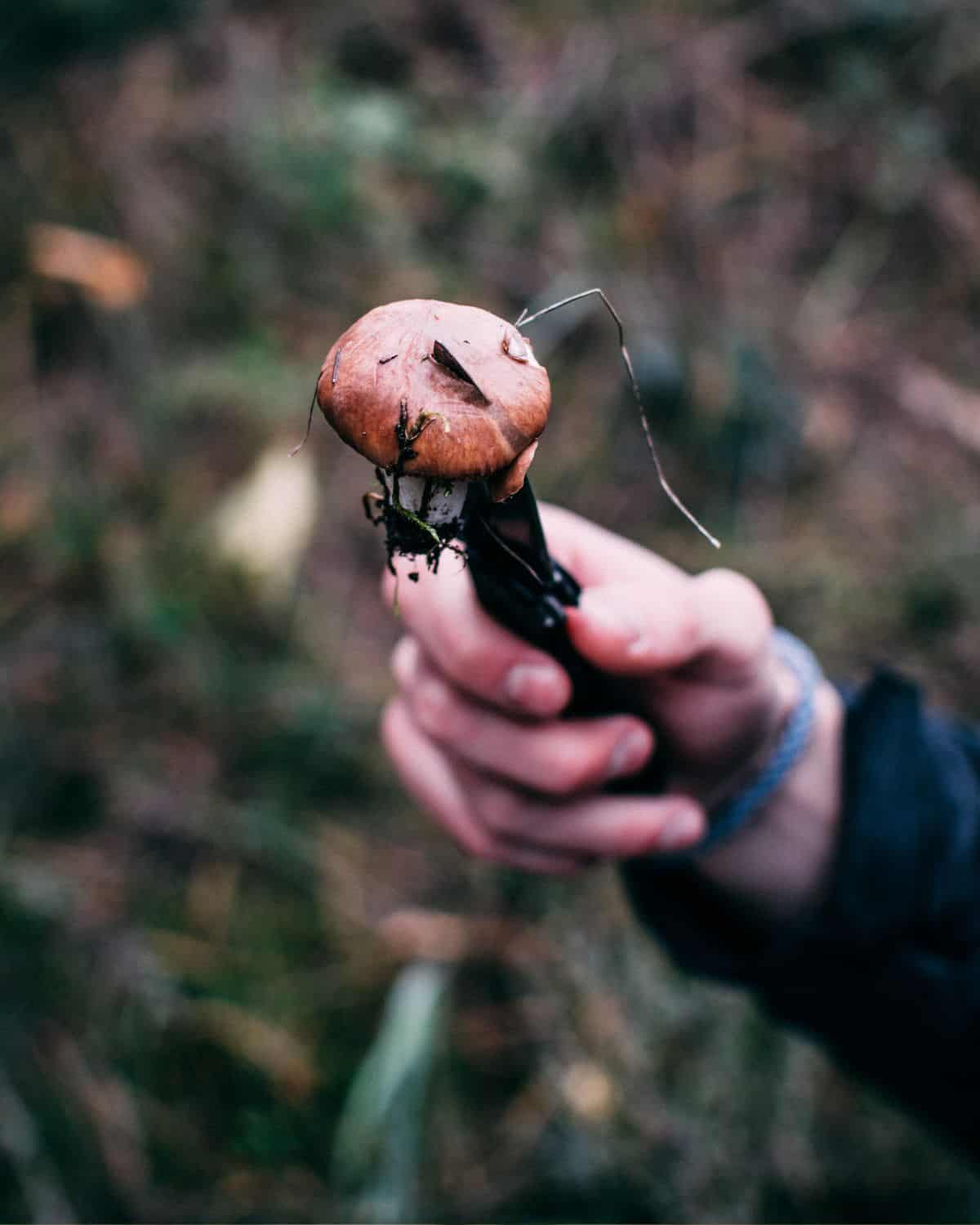
Alternatively, many practitioners favor a fixed-blade knife for general wildcrafting tasks. The Morakniv Companion, a Swedish-made tool, is frequently cited by experts for its balance of affordability and durability. Unlike folding knives, fixed blades are easier to clean—a vital consideration when dealing with sticky resins, sap, and soil. The high-quality carbon or stainless steel used in these knives ensures they can handle the rigors of cutting through tough stalks and digging for medicinal roots without losing their edge.
Domestic Cultivation and Mycology Kits
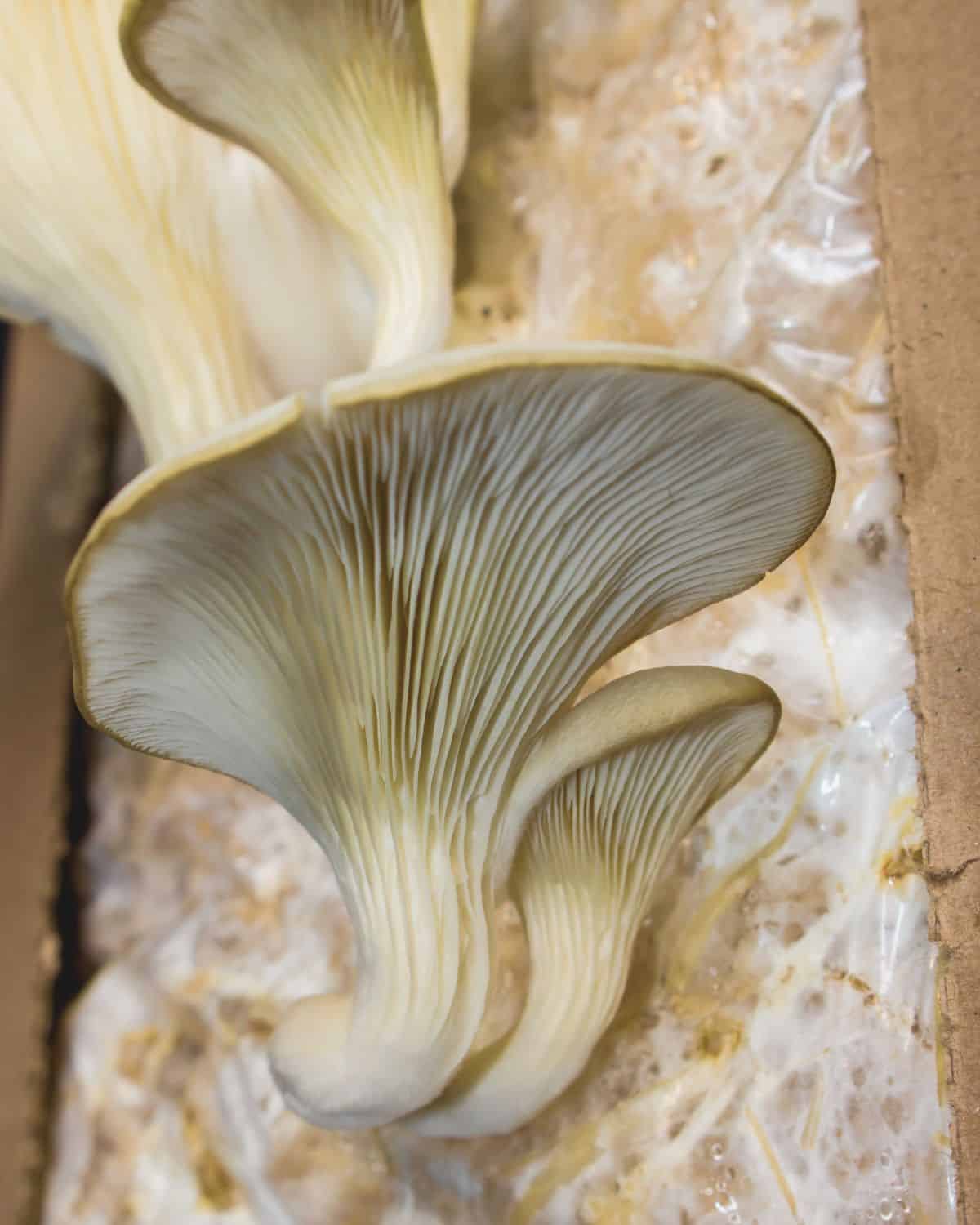
While wild foraging remains the primary goal for many, the risk of misidentification—particularly with fungi—has led to a surge in the popularity of home-grown mushroom kits. These kits serve as an entry point for those who wish to enjoy the flavors of gourmet mushrooms like Oyster or Shiitake without the risks associated with wild harvesting.
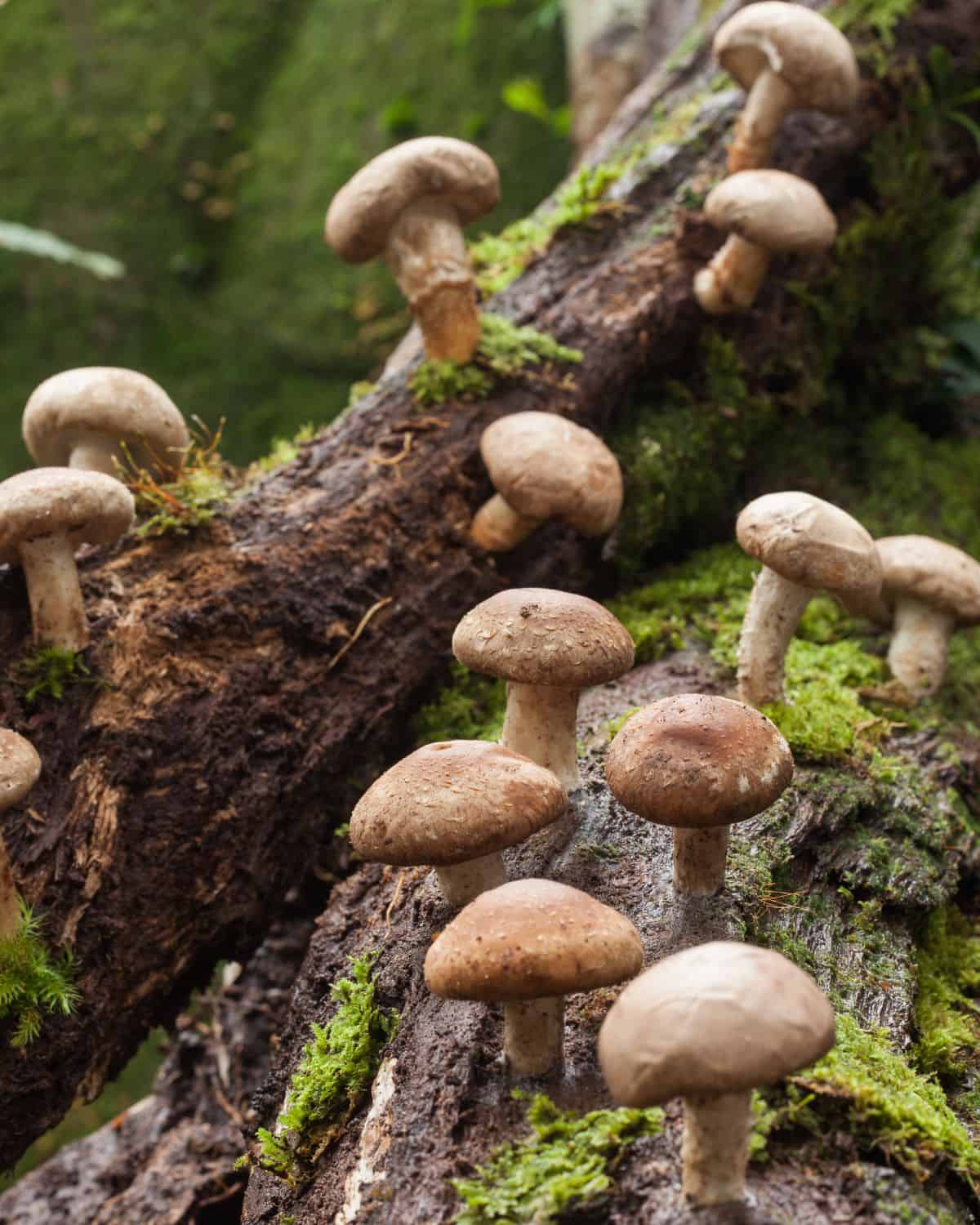
The market for "Mini Mushroom Farms" has expanded to include organic, soil-free kits that utilize recycled coffee grounds or agricultural waste as a substrate. For more advanced enthusiasts, the use of mushroom spawn plugs represents a bridge between cultivation and wildcrafting. By inoculating fallen logs with Shiitake or Reishi spawn, individuals can create a semi-wild "forest garden" that produces reliable yields for several years. This practice, known as forest farming, is increasingly recognized by agricultural departments as a viable method of non-timber forest product (NTFP) management.
The Intersection of Foraging and Modern Lifestyle Products
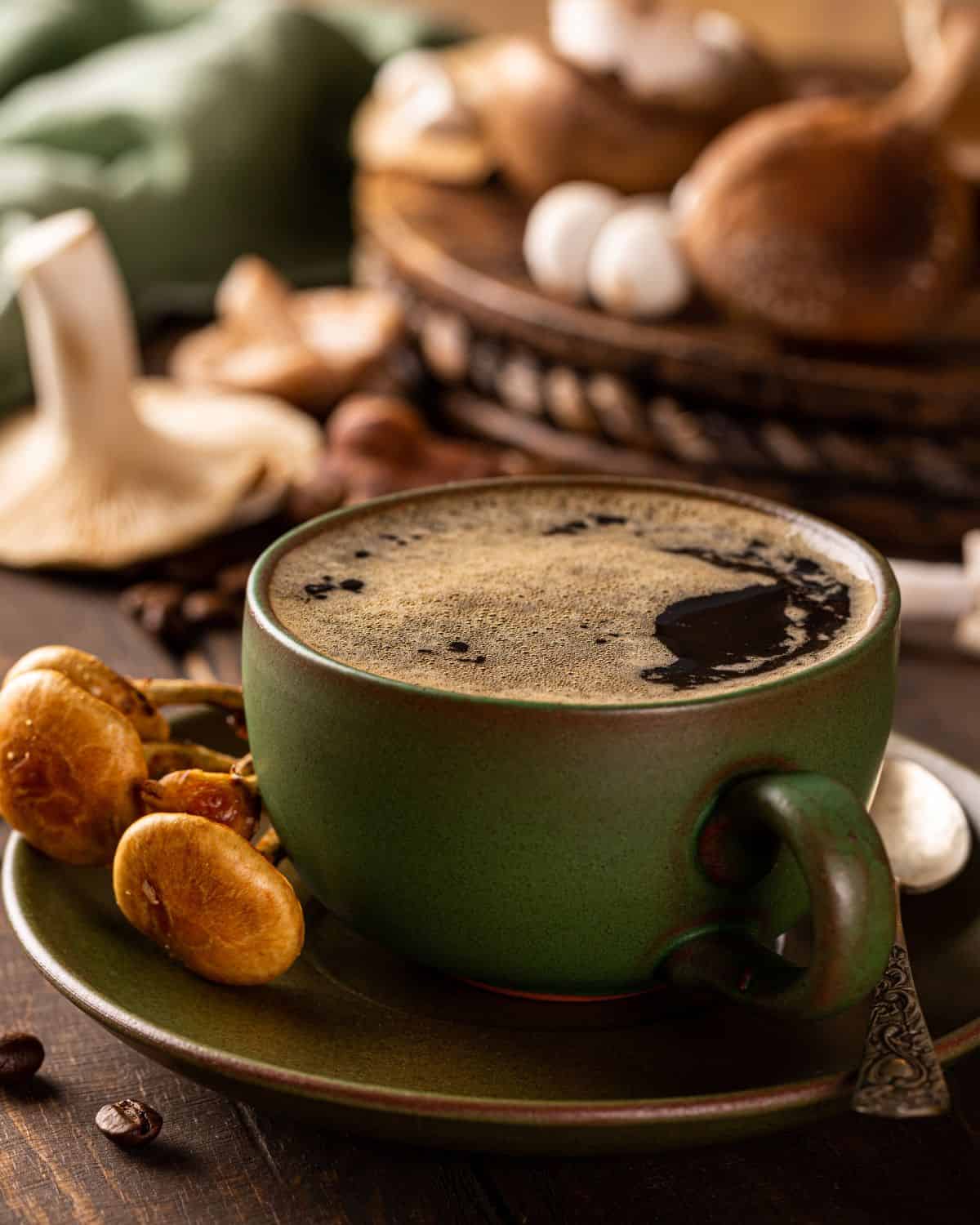
The commercialization of foraging has extended into the beverage and kitchenware industries. Functional fungi, such as Lion’s Mane, Chaga, and Cordyceps, are now being integrated into mainstream consumer goods. Mushroom-infused coffee and hot cocoa blends have gained traction due to their purported adaptogenic properties, which are said to help the body manage stress and improve cognitive function.
This trend is reflected in the domestic sphere through the rise of botanical-themed kitchenware. Mushroom-themed mugs, oven mitts, and tea towels have become popular retail items, signaling a cultural shift where foraging is not just an activity but a lifestyle identity. This "cottagecore" aesthetic has driven significant traffic to platforms like Etsy, where independent artists produce handmade foraging-themed decor, from felt ornaments to vintage-style botanical prints.
Educational Outreach and the Importance of Literature
The most critical tool in any forager’s kit is knowledge. The potential for poisoning from toxic look-alikes makes accurate identification a matter of life and death. Consequently, the publication of high-quality foraging guidebooks remains the backbone of the movement.
Prominent figures in the field, such as Samuel Thayer and David Arora, have authored texts that are considered the "bibles" of North American foraging. Thayer’s work is noted for its rigorous focus on the ethnobotanical history and nutritional profiles of common "weeds," while Arora’s Mushrooms Demystified and All That the Rain Promises and More are praised for their taxonomic accuracy and portable formats.
The educational scope has also broadened to include the next generation. Foraging for children is a growing pedagogical trend, with books like Foraging with Kids and games like Wildcraft! teaching botanical identification and ecological stewardship through play. By involving children in the harvest, parents and educators are fostering a sense of environmental responsibility and a deeper connection to the local ecosystem.
Environmental Impact and Sustainable Practices
As foraging grows in popularity, conservationists have raised concerns regarding the potential for over-harvesting. The "tragedy of the commons" is a real risk in public forests where high-demand species like ramps (wild leeks) or morel mushrooms are found. To combat this, the foraging community has established a set of ethical guidelines:
- The 1-in-20 Rule: Never harvest more than 5% of a healthy population of a particular species.
- Respect for Roots: Leave the root systems of perennial plants intact to ensure future survival.
- Positive Identification: Never consume a plant or fungus without 100% certainty of its identity.
- Legal Compliance: Adhere to local, state, and federal regulations regarding harvesting on public lands.
The growth of the foraging industry is not merely a retail trend; it is a movement toward a more resilient and ecologically aware society. By equipping individuals with the tools to interact responsibly with their environment, the wildcrafting movement encourages the protection of biodiversity. When people view a forest not just as timber, but as a source of food, medicine, and community heritage, they are more likely to advocate for its preservation.
In conclusion, the rise of foraging and wildcrafting represents a significant shift in how modern society views the natural world. From the precision of an Opinel knife to the educational value of a field guide, the tools of the trade are essential components of a broader effort to reclaim traditional knowledge. As this market continues to evolve, the focus must remain on the intersection of high-quality equipment, rigorous education, and unwavering environmental ethics.


