
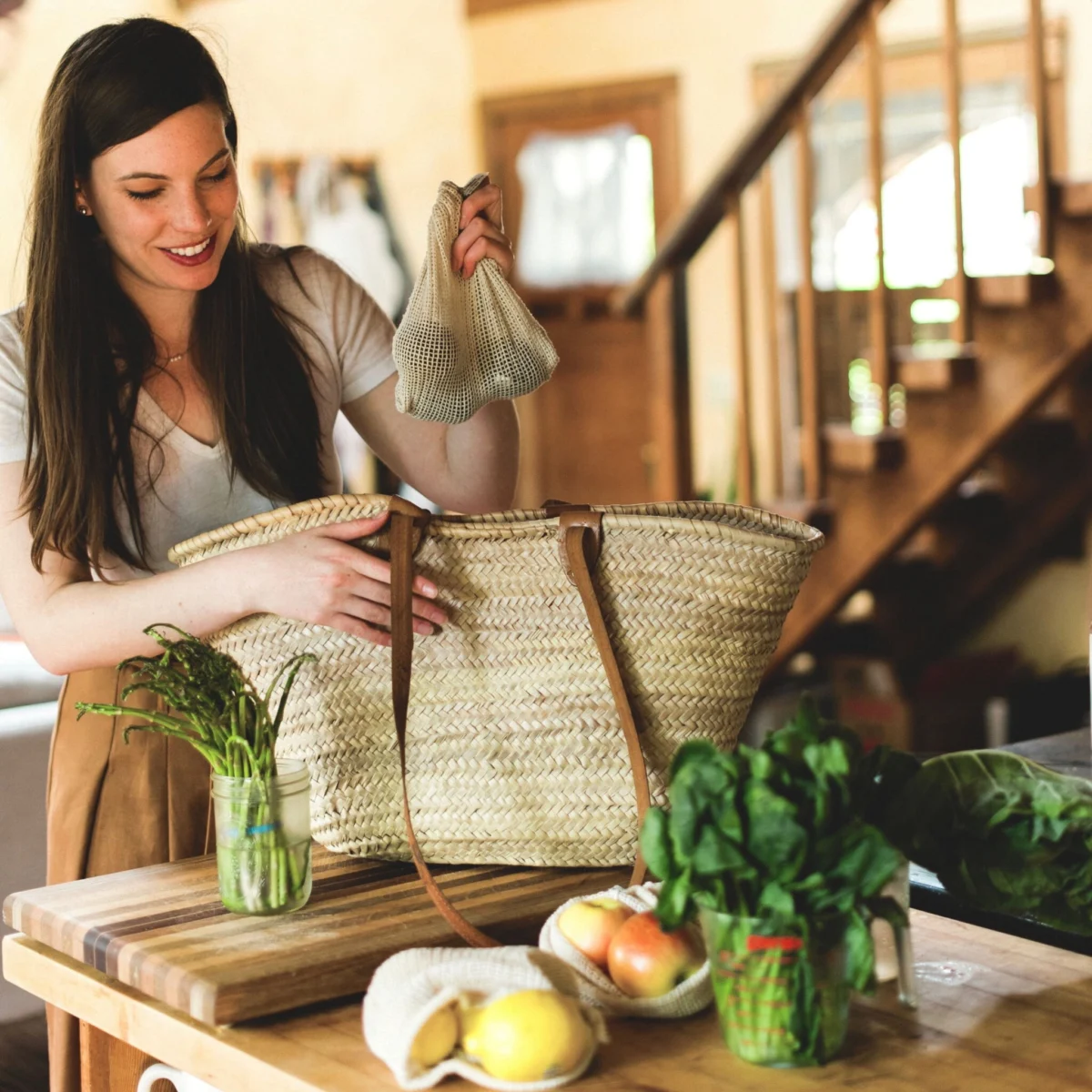
Recent data from the United States Department of Agriculture (USDA) indicates that the average American couple now allocates approximately $800 per month toward grocery expenses, a figure that translates to roughly $200 per week. This expenditure reflects a broader trend of escalating food costs that shows little sign of immediate abatement. Projections from the USDA Economic Research Service (ERS) suggest that food prices across all categories are expected to rise by an additional 3.6 percent in 2026. This forecast underscores a growing economic pressure on households to reevaluate their procurement habits and adopt more rigorous budgeting frameworks.
While the national average remains high, emerging consumer trends suggest that a "plant-forward" and "low-waste" approach can significantly reduce these costs. Financial analysts and sustainability advocates point to a model where a household of two can maintain a nutrient-dense diet for as little as $300 per month. Achieving this reduction requires a multifaceted strategy involving meticulous budget planning, strategic sourcing, and a return to in-home food processing.
The Economic Context of Rising Food Prices
To understand the necessity of grocery budgeting, one must examine the macroeconomic factors driving current price volatility. Since 2021, global supply chains have faced unprecedented disruptions ranging from fluctuating fuel costs to labor shortages in the agricultural sector. Furthermore, climate-related events have impacted crop yields for staples such as wheat, corn, and soybeans. These factors culminated in a period of high inflation that has fundamentally altered the purchasing power of the average consumer.
The USDA’s 2026 forecast of a 3.6 percent increase follows several years of above-average growth in the Consumer Price Index (CPI) for food. For many families, food represents the third-largest monthly expense after housing and transportation. Consequently, even minor percentage increases can lead to significant financial strain if not met with a corresponding adjustment in consumer behavior.
A Chronology of Consumer Adaptation
The shift toward extreme grocery budgeting is not a sudden phenomenon but rather the result of a decade-long evolution in consumer consciousness.
- 2010–2015: The Rise of Zero-Waste Philosophy. Initially popularized as an environmental movement, zero-waste living began to gain traction as a method for reducing household overhead by eliminating single-use packaging and unnecessary purchases.
- 2016–2019: Mainstreaming Bulk Procurement. Warehouse clubs and bulk-bin sections in traditional grocery stores saw increased traffic as consumers sought to lower unit prices by purchasing larger quantities of shelf-stable goods.
- 2020–2022: Pandemic-Induced Self-Sufficiency. The COVID-19 pandemic forced a global return to home cooking. Shortages of processed goods led to a resurgence in baking bread, fermenting vegetables, and preparing meals from scratch.
- 2023–Present: The "Frugal Sustainability" Era. Consumers are now merging environmental concerns with financial necessity, utilizing technology and community resources to maintain quality of life amid persistent inflation.
Strategic Budgeting and the Physical Limit Method
Financial experts emphasize that effective budgeting begins with a granular understanding of cash flow. A common recommendation for those attempting to lower their bills to the $300-per-month range is the adoption of a "physical limit" strategy. By utilizing cash rather than credit or debit cards, consumers are forced to adhere to a predetermined spending cap at the point of sale.
A structured $100-per-week budget for a family of two often breaks down into specific categories to ensure nutritional balance while preventing impulse buys. For example, a disciplined shopper might allocate $30 for fresh produce, $25 for bulk grains and legumes, $20 for dairy or plant-based alternatives, and $25 for miscellaneous staples or occasional meat purchases.
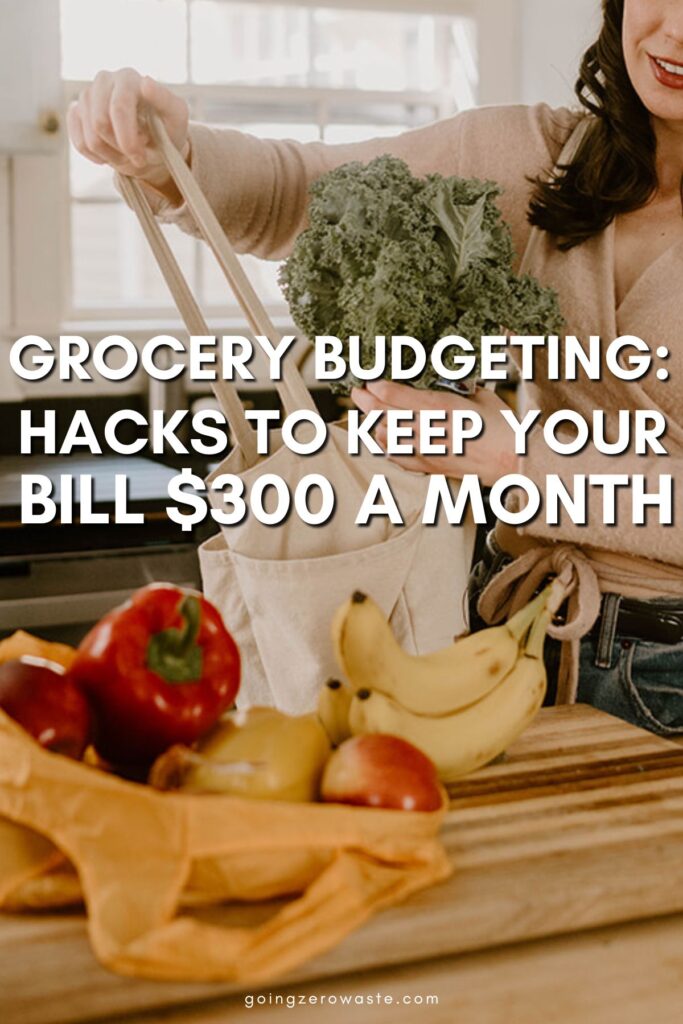
Furthermore, seasonality plays a critical role in budget fluctuations. Agricultural economists note that produce prices are significantly lower during peak harvest months. A consumer who allocates $50 for a farmer’s market in the summer may reduce that allocation to $20 in the winter, shifting those funds toward frozen or canned goods that were processed during periods of abundance.
Sourcing Strategies: Bulk Buying and Local Markets
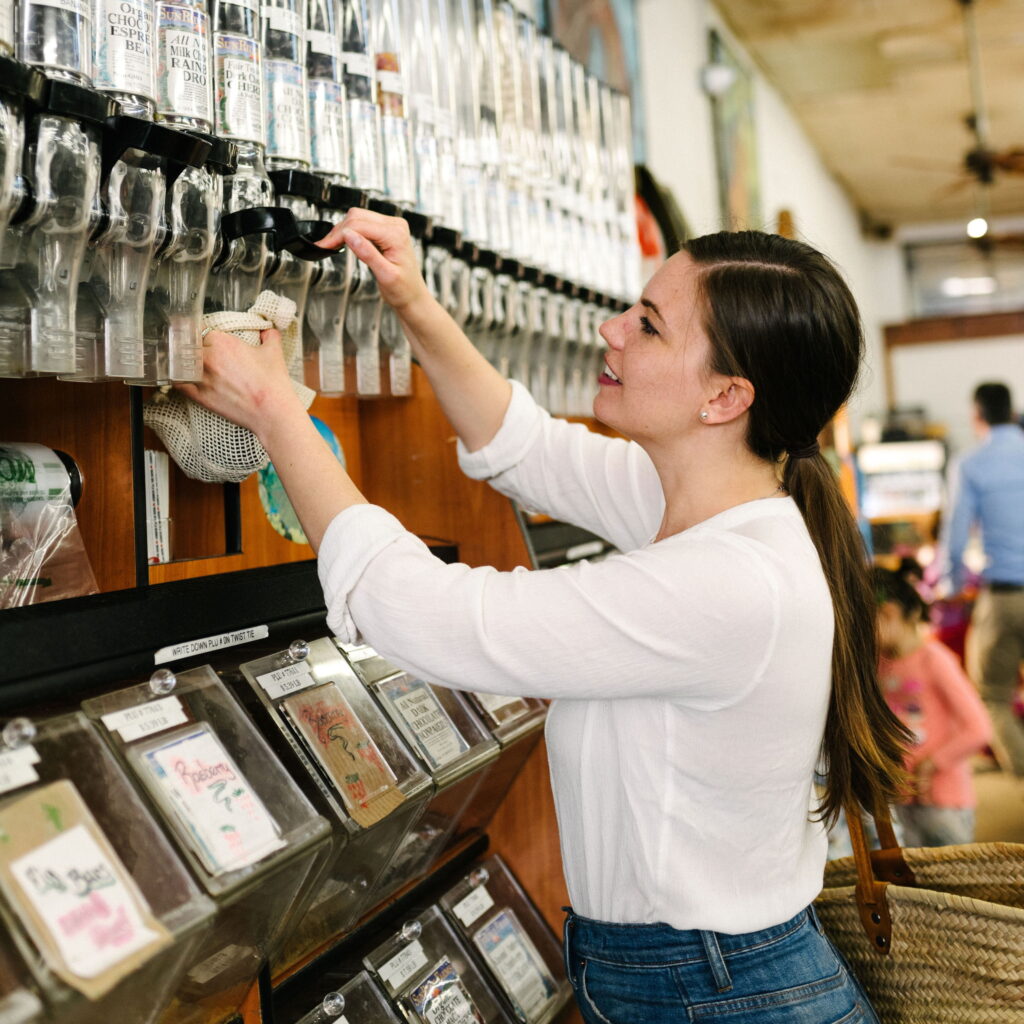
The location of purchase is often as important as the item itself. Bulk retailers such as Costco or Sam’s Club offer significant savings on staples like rice, flour, and oils. However, the true "hack" for low-cost living often lies in the transition from processed to raw ingredients.
A primary example is the price disparity between canned and dry beans. While a can of organic beans may cost between $1.50 and $2.50, a bulk bag of dry beans can reduce the per-serving cost by more than 60 percent. When prepared in large batches and frozen, dry beans offer the same convenience as canned varieties at a fraction of the price.
Local ethnic markets also serve as a vital resource for budget-conscious shoppers. These establishments frequently offer spices, grains, and specialty produce at prices significantly lower than those found in high-end supermarkets. This is often due to different supply chain models and lower marketing overhead.
The Economics of In-Home Production
One of the most substantial drains on a grocery budget is the "convenience tax"—the premium paid for labor performed by food processors. This is most evident in the bakery aisle. A standard loaf of high-quality sourdough or artisanal bread can cost upwards of $7. For a household consuming two loaves a week, the annual expenditure reaches approximately $728. Conversely, the raw ingredients for the same volume of bread cost less than $100 per year.
The rise of "Buy Nothing" groups and community exchange platforms has made the entry into home production more accessible. Many households now acquire specialized appliances—such as bread makers, slow cookers, and pressure cookers—at little to no cost through these community networks. These tools allow for the automation of food preparation, making it feasible for busy individuals to produce their own staples.
Beyond bread, other high-margin items that can be easily produced at home include:
- Vegetable Broth: Utilizing kitchen scraps such as onion skins, carrot tops, and celery ends.
- Condiments: Homemade vinegar, vanilla extract, and nut butters.
- Pantry Staples: Powdered sugar (blended granulated sugar) and oat flour (blended oats).
Technological Interventions and Surplus Redistribution
The digital landscape has introduced new tools for mitigating food costs while addressing the global issue of food waste. Apps like "Too Good To Go" have created a marketplace for surplus food, allowing consumers to purchase high-quality meals or groceries from restaurants and bakeries at a 50 to 70 percent discount.

Additionally, many traditional grocers have integrated digital couponing and "imperfect produce" sections into their mobile applications. These initiatives allow stores to move inventory that is approaching its expiration date or that fails to meet aesthetic standards, providing a budget-friendly option for shoppers who prioritize utility over appearance.
Nutritional Implications and the "Blue Zone" Influence
A transition to a lower-cost grocery budget often necessitates a shift toward a plant-forward diet. Nutritionists point out that the world’s "Blue Zones"—regions where people live significantly longer lives—subsist on diets heavy in legumes, whole grains, and seasonal vegetables. These items are coincidentally the most cost-effective staples available in the modern market.
Legumes, such as lentils and chickpeas, provide high protein and fiber content at a lower price point than animal proteins. While meat can still be a part of a $300-per-month budget, proponents of this lifestyle suggest treating it as a "flavoring" or side dish rather than the central component of every meal. When purchasing meat, buying bone-in, skin-on cuts or large bulk packs provides the best value, as the consumer is not paying for the labor of trimming and portioning.
Broader Impact and Future Implications
The move toward more intentional grocery budgeting has implications that extend beyond individual financial health. On a macro level, reduced consumer demand for highly processed, over-packaged goods can drive shifts in the food manufacturing industry toward more sustainable practices.
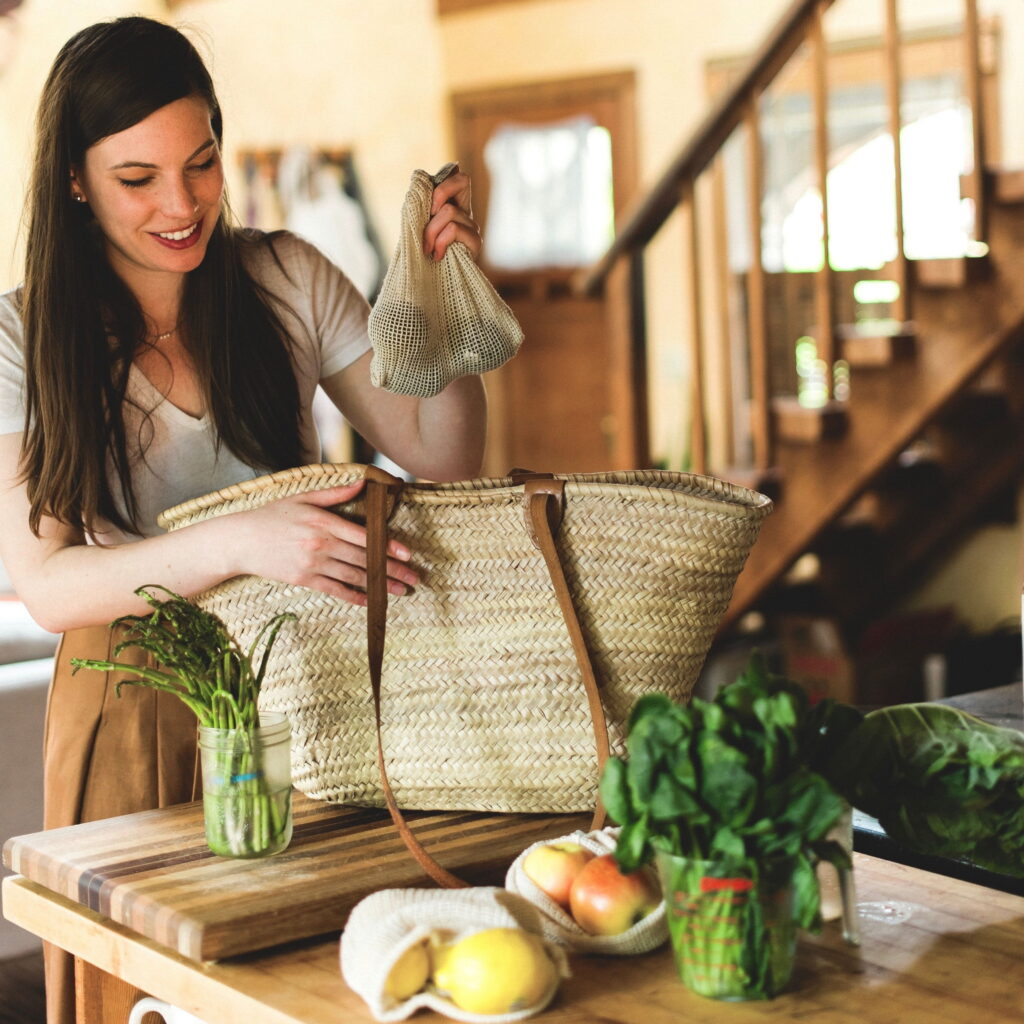
From a food security perspective, the ability of households to thrive on $300 a month despite rising prices provides a buffer against economic volatility. As the USDA continues to monitor price trends leading into 2026, the adoption of these strategies may transition from a niche lifestyle choice to a necessary survival tactic for a broader segment of the population.
In conclusion, while the average grocery bill continues to climb, the combination of strategic budgeting, bulk sourcing, and home production offers a viable path toward financial stability. By treating food procurement as a deliberate economic activity rather than a routine chore, consumers can navigate the complexities of modern food inflation while maintaining a high standard of nutrition and environmental responsibility.


