
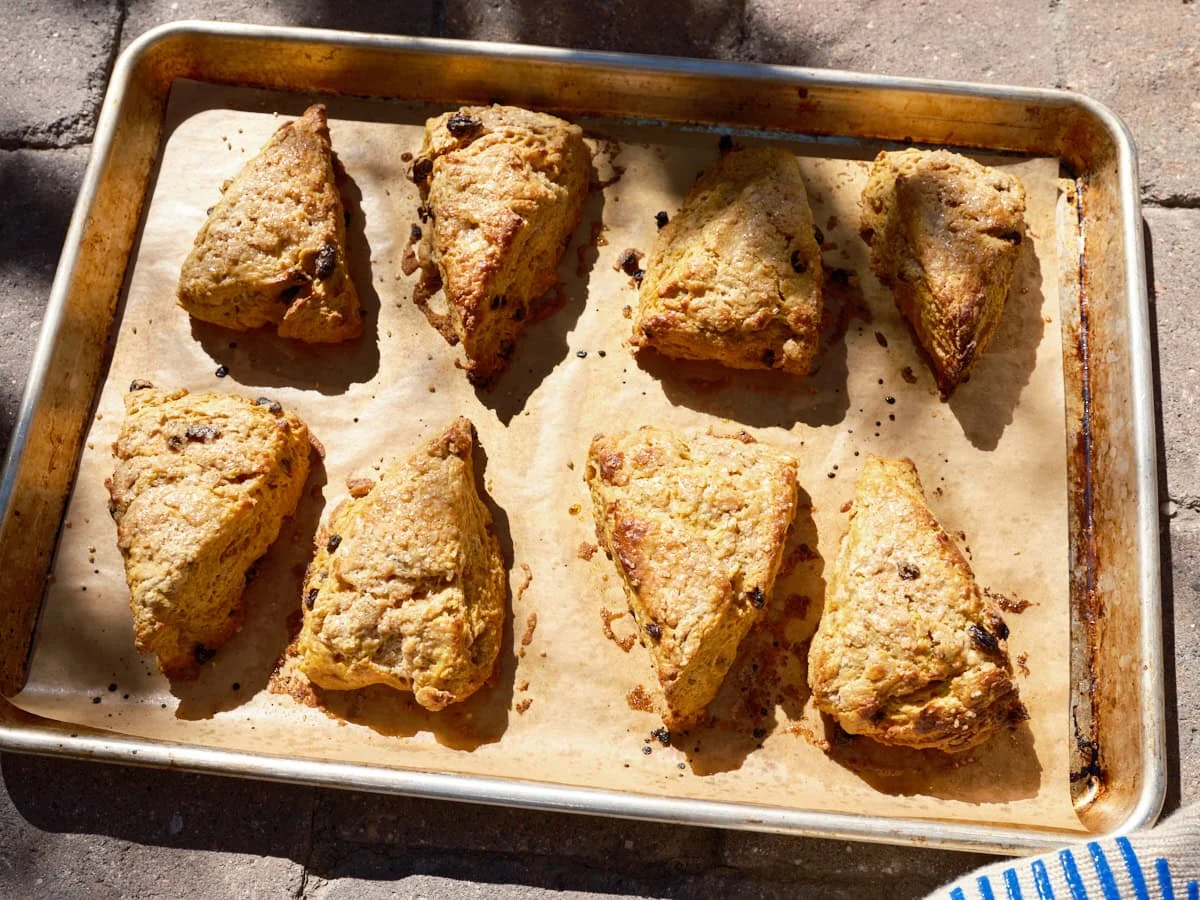
A groundbreaking recipe for sourdough pumpkin scones has emerged, promising to redefine expectations for home bakers seeking both a tender interior and a robust, craggy crust. Developed through extensive experimentation, this innovative approach incorporates specific techniques designed to achieve an exceptionally tall rise, a common challenge in scone preparation, particularly at higher altitudes. The recipe notably leverages the unique properties of sourdough starter, einkorn flour, and buttermilk, alongside strategic baking methods, to deliver a product that balances rustic charm with refined texture.
The Evolution of a Culinary Staple: Scones in Context
Scones, a beloved baked good with roots deeply embedded in Scottish culinary tradition, have long been a subject of delightful debate and diverse interpretation across the globe. Traditionally, a scone is a single-serving cake or quick bread, usually made with wheat, barley, or oatmeal and baking powder as a leavening agent. They are often lightly sweetened and served with jam and clotted cream. Across the Atlantic, American biscuits share a similar flaky, tender texture but typically lean savory, serving as a staple alongside gravies and fried chicken. This new sourdough pumpkin scone recipe intentionally blurs these lines, presenting a sweet profile that firmly places it in the scone category while incorporating the distinctive tang and rise mechanisms of sourdough. The development of this recipe reflects a growing trend among home bakers to explore traditional items through modern, often artisanal, lenses.
The Sourdough Renaissance and Seasonal Appeal
The past decade has witnessed a significant resurgence in sourdough baking, accelerated by a global interest in home-based culinary activities and a desire for natural, fermented foods. Sourdough, characterized by its natural leavening agent (a fermented culture of flour and water), offers unique flavor profiles and digestive benefits. This recipe integrates sourdough discard, a byproduct of maintaining a sourdough starter, turning what might otherwise be waste into a valuable ingredient that imparts a subtle tang and enhances the scone’s overall complexity.
Furthermore, the inclusion of pumpkin taps into a perennial seasonal favorite. Pumpkin, with its earthy sweetness and vibrant color, is a cornerstone of autumn and winter baking, widely celebrated for its versatility in both sweet and savory applications. The combination of sourdough’s depth with pumpkin’s comforting flavor creates a scone that is both novel and deeply satisfying, appealing to a broad demographic of culinary enthusiasts.
Unlocking the Secrets to a Superior Scone: Techniques for Height and Texture
A primary focus of this recipe’s development was to counteract the tendency for scones to spread and flatten during baking, especially in challenging environments such as high altitudes. The culinary experts behind this recipe have identified several key strategies for achieving a clean-cut, straight-sided, and impressively tall scone. These insights are particularly valuable for bakers residing in elevated regions, where atmospheric pressure changes can significantly impact leavening and moisture retention in baked goods.
The techniques developed emphasize precise ingredient ratios and specific handling methods that promote vertical expansion rather than lateral spread. This attention to detail transforms the baking process from a mere execution of steps into a nuanced scientific endeavor, resulting in scones that are structurally robust yet tender within.
The Role of Flour Selection: Beyond Conventional Wheat
While many scone recipes rely on all-purpose flour, this particular formulation highlights the benefits of whole-grain einkorn. Einkorn, an ancient wheat variety, is known for its delicate gluten structure and nutty flavor profile. Its inclusion lends a rustic depth to the scones, beautifully complementing the sweet pumpkin and fermented notes from the sourdough.
For bakers without access to einkorn, the recipe’s developers confirm that other whole wheat flours can be substituted effectively. Varieties such as Red Fife, Butler’s Gold, or Marquis are suggested, as their earthy characteristics align well with the intended flavor balance, ensuring the scone retains its wholesome, balanced essence. This flexibility in flour choice broadens the recipe’s accessibility while maintaining its core integrity.
Buttermilk: A Catalyst for Flakiness and Flavor
A crucial component in achieving the scone’s desired flaky and tender crumb is buttermilk. While heavy cream is often lauded for its high fat content in creating distinct layers in baked goods, buttermilk’s acidity plays a different yet equally vital role. With a significantly lower fat percentage (approximately 1-2% compared to heavy cream’s 36%), buttermilk’s acidic pH interacts with the sourdough starter, resulting in a more relaxed and extensible gluten network. This chemical interaction is especially beneficial for whole-grain flours like einkorn, whose gluten structure can be more delicate.
The relaxed gluten contributes directly to a tender, flaky crumb. Beyond its structural benefits, the tangy profile of buttermilk beautifully enhances the fermented notes from the sourdough discard and harmonizes with the earthy sweetness of pumpkin. This synergistic effect creates a scone with a complex flavor dimension that a neutral fat like heavy cream would not provide, offering a distinctive path to achieving a desirable texture. For those without buttermilk, a simple homemade substitute of milk and an acid (vinegar or lemon juice) or kefir can replicate its essential properties.
Convection Baking: The Secret to a Taller Profile
Another key innovation in this recipe involves the strategic use of convection baking. Extensive experimentation has revealed that convection ovens, which circulate hot air uniformly, are highly advantageous for nearly all forms of baking, with exceptions primarily related to steam-dependent processes like bread proofing. The intense and even heat generated by convection quickly forms a crust on the outer edges of the scone dough within the first few minutes of baking. This rapid crust formation effectively "sets" the dough, preventing it from spreading outwards and instead encouraging it to rise vertically.
The result is a significantly taller scone, free from the common issue of flat, wide spreading. For ovens lacking a convection setting, a temporary increase in baking temperature by approximately 25 degrees Fahrenheit for the initial few minutes of baking is suggested as a potential method to mimic the rapid heat transfer and crust-setting effect of convection, offering a practical workaround for a broader range of home bakers.
Recipe Adaptability and Ingredient Flexibility
The developers have also provided extensive guidance on ingredient substitutions, enhancing the recipe’s utility and appeal. For pumpkin puree, sweet potato or butternut squash puree can be used interchangeably, maintaining the desired consistency and flavor profile. Applesauce or mashed banana are also viable alternatives, though their inherent sweetness might require minor adjustments to the overall sugar content.
Regarding mix-ins, the recipe originally calls for raisins, which provide a classic sweetness and chew. However, for those with different preferences, dried cranberries offer a tart counterpoint, while fresh or frozen blueberries introduce a burst of juicy freshness, suggesting endless possibilities for customization. This adaptability ensures that bakers can personalize the scones to their taste while still benefiting from the core structural and flavor innovations.
Broader Implications for Home Baking
The introduction of this advanced sourdough pumpkin scone recipe signifies more than just a new seasonal treat; it represents a significant step forward in demystifying complex baking techniques for the home cook. By meticulously detailing the scientific principles behind each ingredient choice and baking method, the developers empower bakers to understand why certain steps are taken, fostering greater confidence and success in the kitchen.
This approach encourages a deeper engagement with the craft of baking, transforming potential frustrations into learning opportunities. The emphasis on high-altitude adjustments, in particular, addresses a long-standing challenge for a substantial segment of the baking community, making previously elusive results achievable. The recipe’s success demonstrates how traditional recipes can be refined through modern understanding and scientific rigor, pushing the boundaries of what is possible in home-based culinary endeavors.
Continuing Culinary Exploration with Pumpkin
For those with surplus pumpkin puree after preparing these innovative scones, the culinary experts suggest further explorations into sourdough pumpkin creations. Recommended follow-up recipes include a rich Pumpkin Cinnamon Sourdough bread, offering a hearty and flavorful loaf, or simpler Sourdough Pumpkin Pancakes, perfect for a festive breakfast or brunch. These suggestions underscore the versatility of pumpkin and sourdough, encouraging bakers to continue their culinary journey and minimize food waste.
The collaborative spirit behind this recipe, with acknowledgments extended to contributors like Michele for inspiration and developmental assistance over several years, highlights the communal nature of culinary innovation. This collective effort has culminated in a recipe that is not only delicious but also serves as an educational tool, inspiring bakers worldwide to achieve new heights in their kitchens.


