The burgeoning interest in artisanal food preservation and domestic brewing has transformed fermentation from a niche survivalist skill into a mainstream culinary movement, driving a significant market for specialized equipment and educational resources. As the holiday season approaches, the demand for high-quality fermentation kits, probiotic starters, and homebrewing supplies has reached a cyclical peak. This guide examines the essential tools and literature currently defining the industry, providing a comprehensive overview for those seeking to support the hobbyists and practitioners of these ancient biological arts.
The Resurgence of Domestic Fermentation and Market Trends
The global fermented foods and drinks market is projected to continue its upward trajectory, fueled by a heightened consumer focus on gut health and the microbiome. Market analysts suggest that the sector, valued at over $500 billion globally, is increasingly influenced by the "DIY" (do-it-yourself) segment. Home fermentation allows individuals to control ingredient quality, reduce sugar content, and avoid the pasteurization processes that often neutralize the beneficial bacteria found in commercial products.
This shift toward home production has created a robust secondary market for specialized hardware. What was once accomplished with simple salt and open crocks is now supported by precision-engineered airlocks, weighted systems, and laboratory-grade culture starters. For the holiday gift-giver, this means a wide array of options ranging from entry-level Mason jar conversions to professional-grade ceramic vessels and complex brewing assemblies.
Essential Infrastructure for Vegetable Fermentation
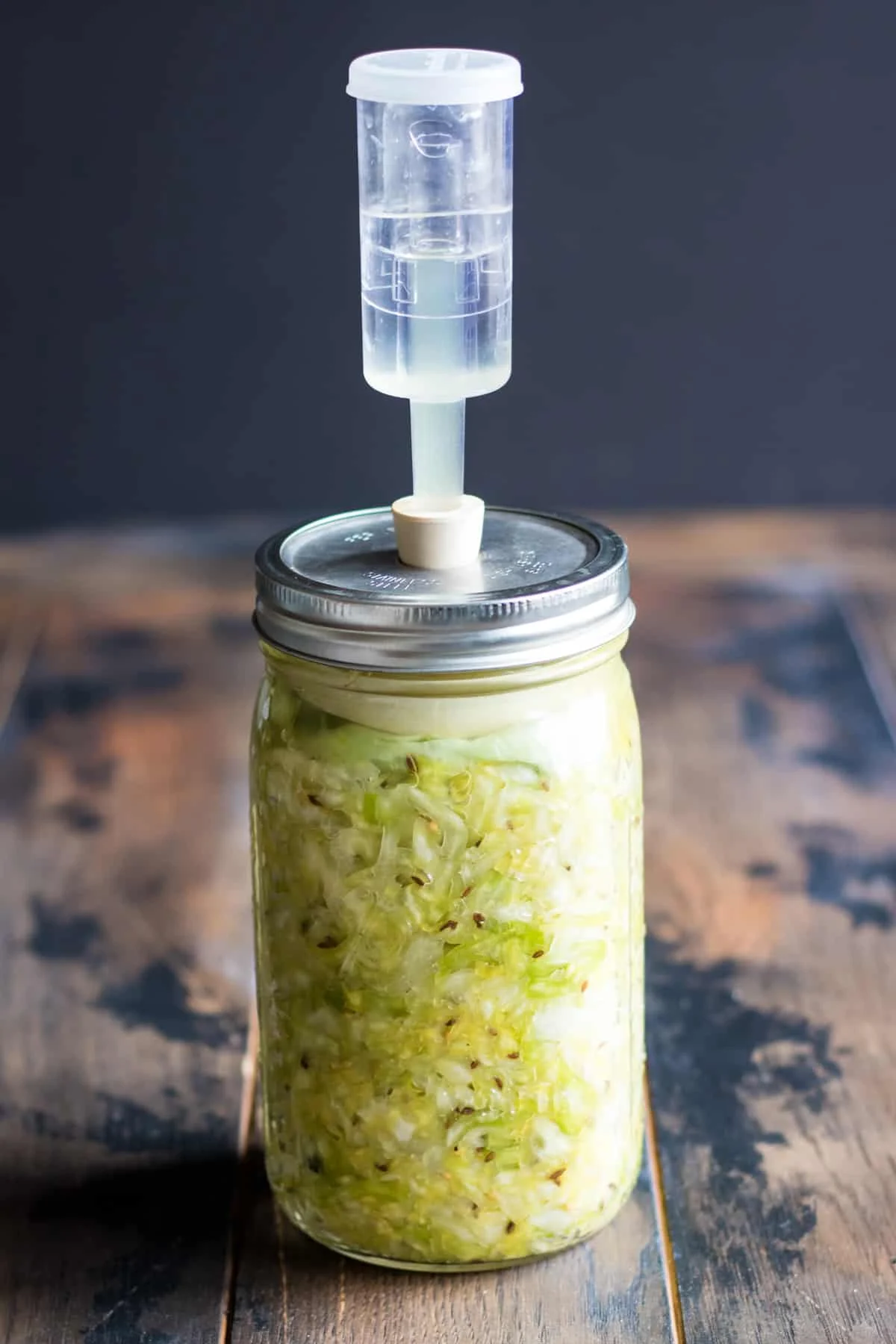
At the core of the fermentation movement is the transformation of vegetables through lacto-fermentation. While the process requires little more than salt and a vessel, modern innovations have significantly reduced the risk of batch failure due to mold or aerobic yeast contamination.
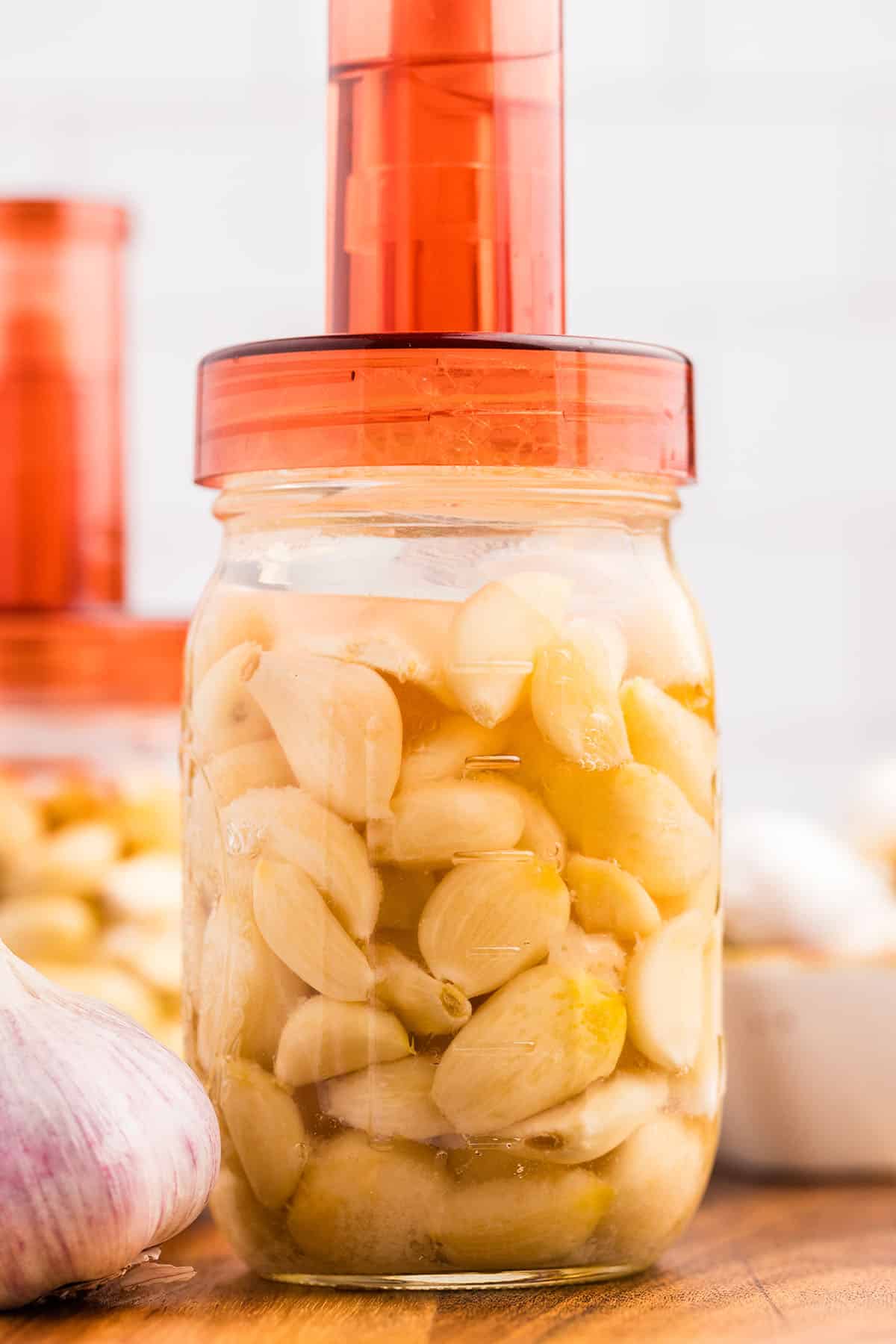
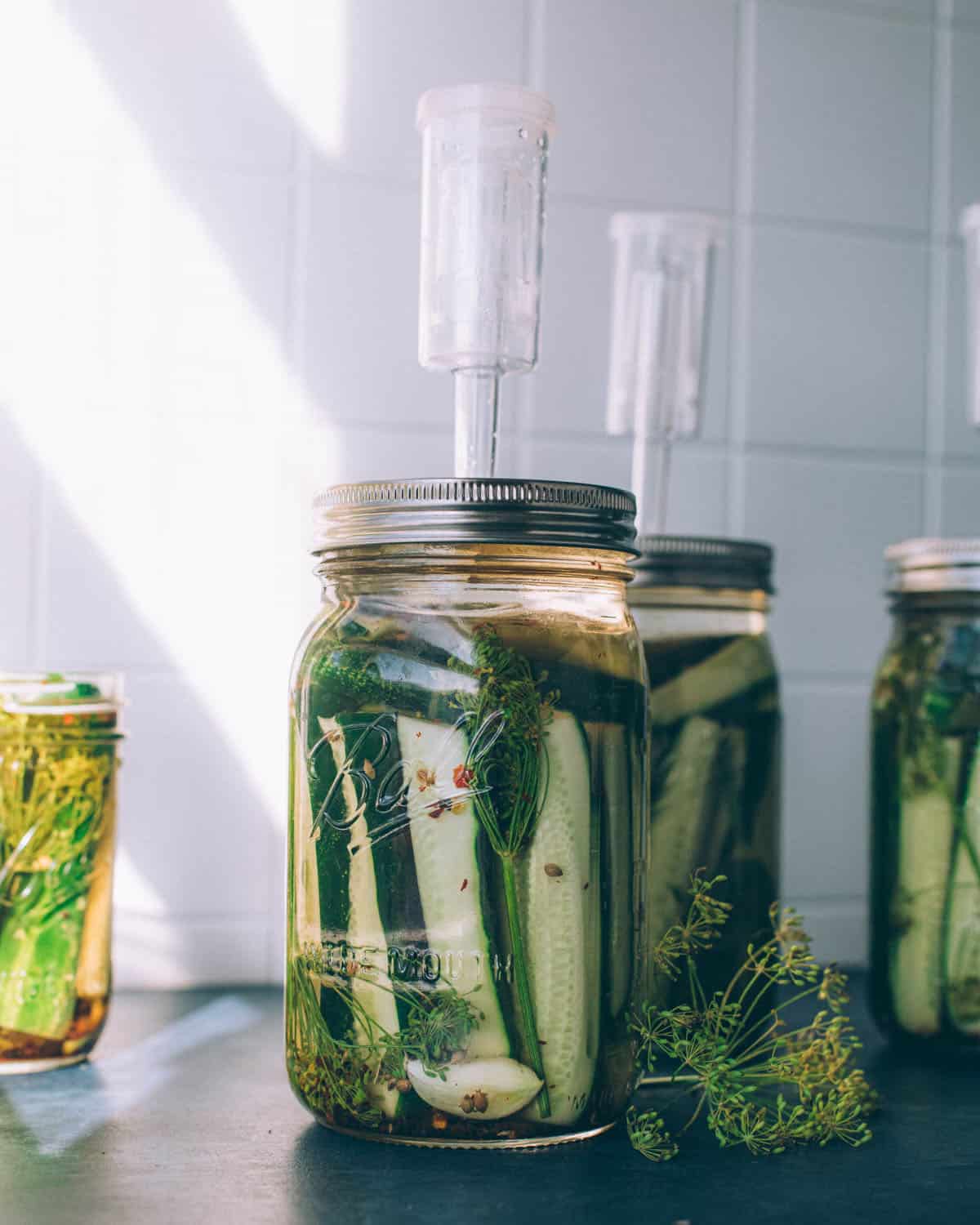
The "Easy Fermenter" kit represents a leading choice in the market, utilizing a specialized lid system that fits standard wide-mouth Mason jars. These kits typically feature integrated airlocks that allow carbon dioxide to escape while preventing oxygen from entering the vessel. Such systems are often bundled with weights—glass or ceramic discs designed to keep organic material submerged beneath the brine, an essential step in maintaining an anaerobic environment.
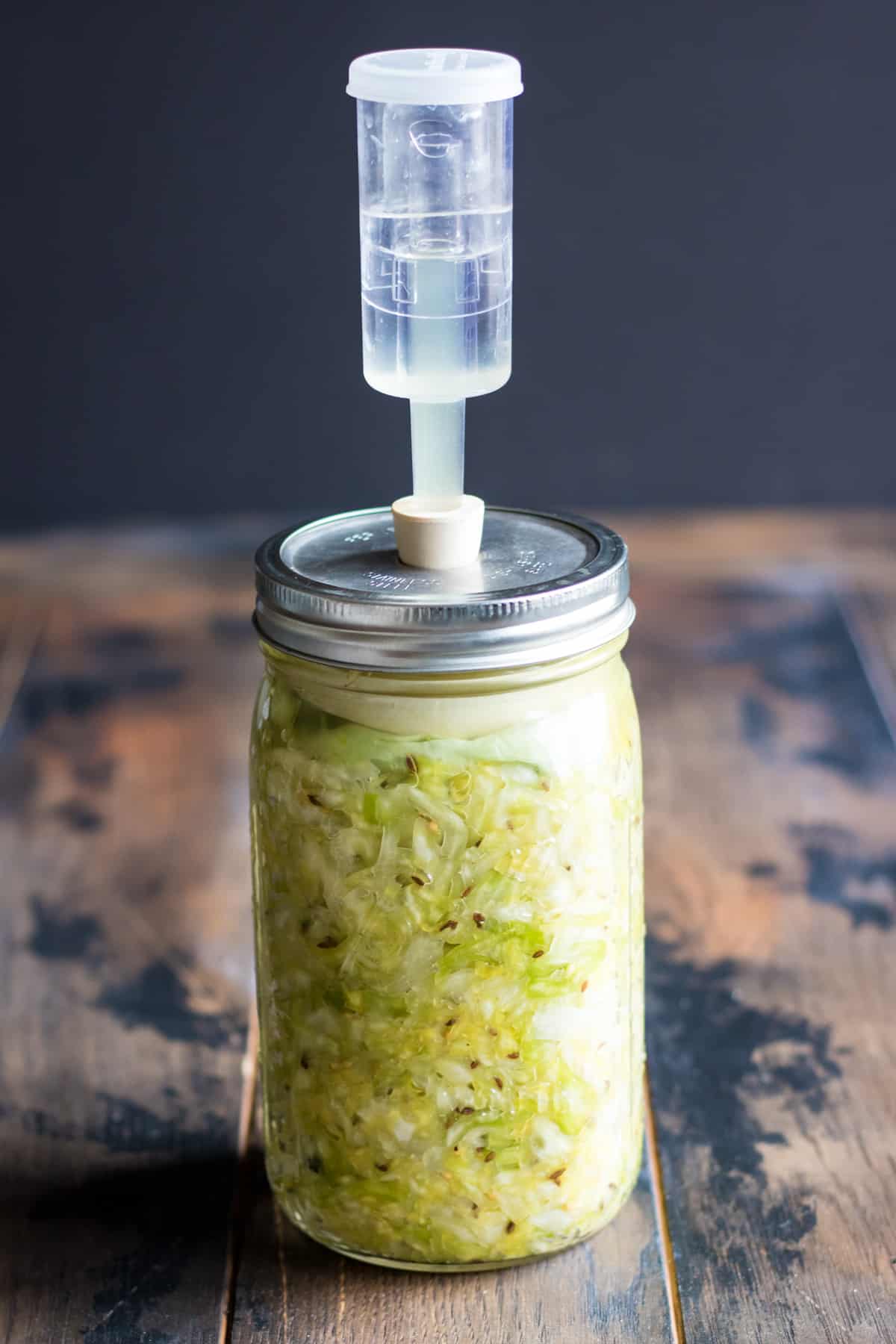
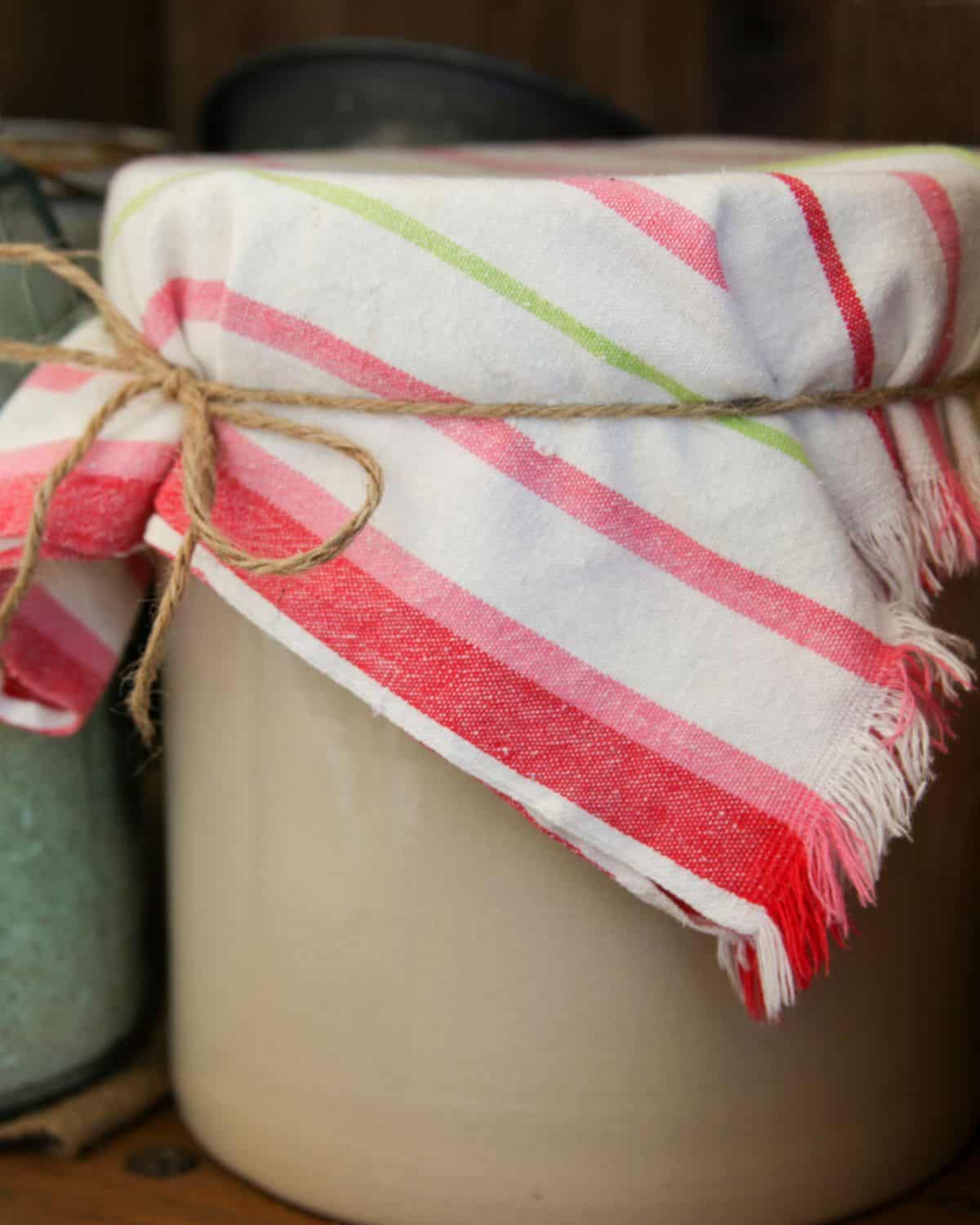
For those pursuing larger-scale production, the ceramic crock remains the industry standard. Brands like Ohio Stoneware provide heavy-duty vessels, such as the three-gallon ceramic crock, which offer superior temperature stability compared to glass. These crocks are frequently paired with "Pickle Packers"—wooden tampers used to bruise vegetables and release their natural juices—and specialized weights designed to fit the specific circumference of the stoneware.
Probiotic Beverage Production: Kombucha, Jun, and Kefir
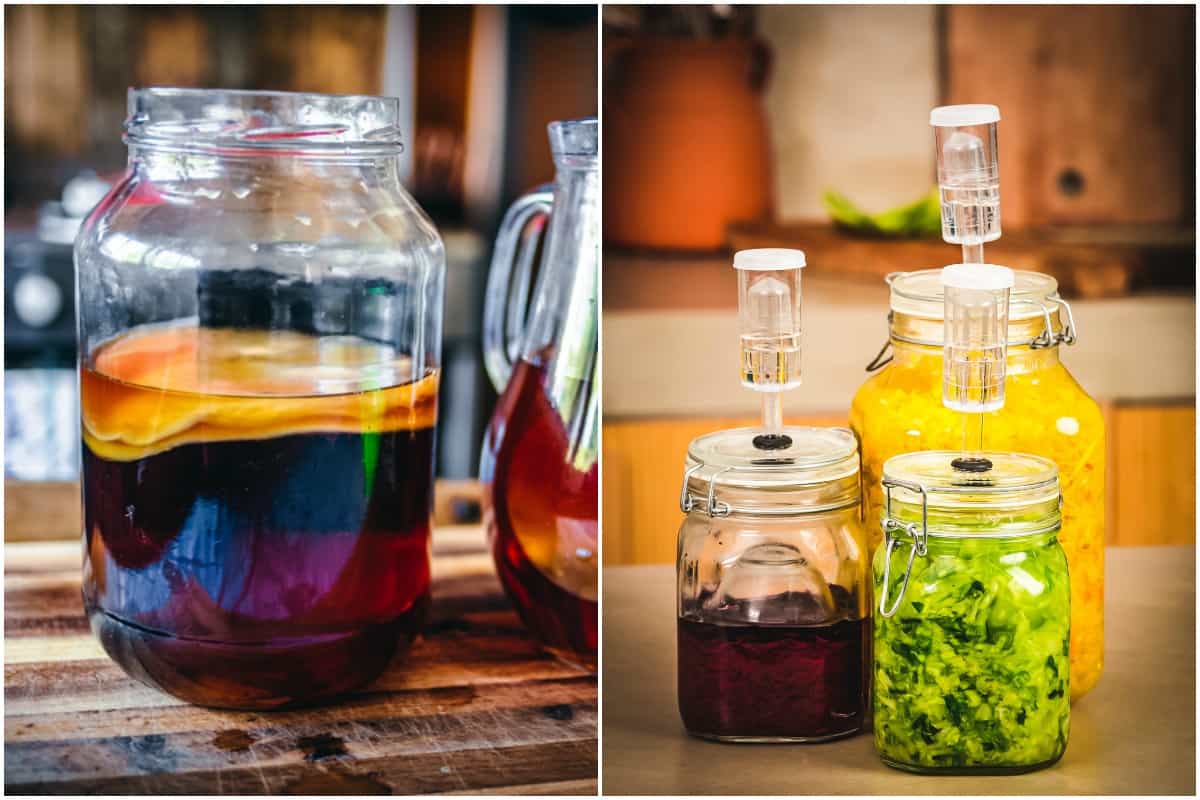
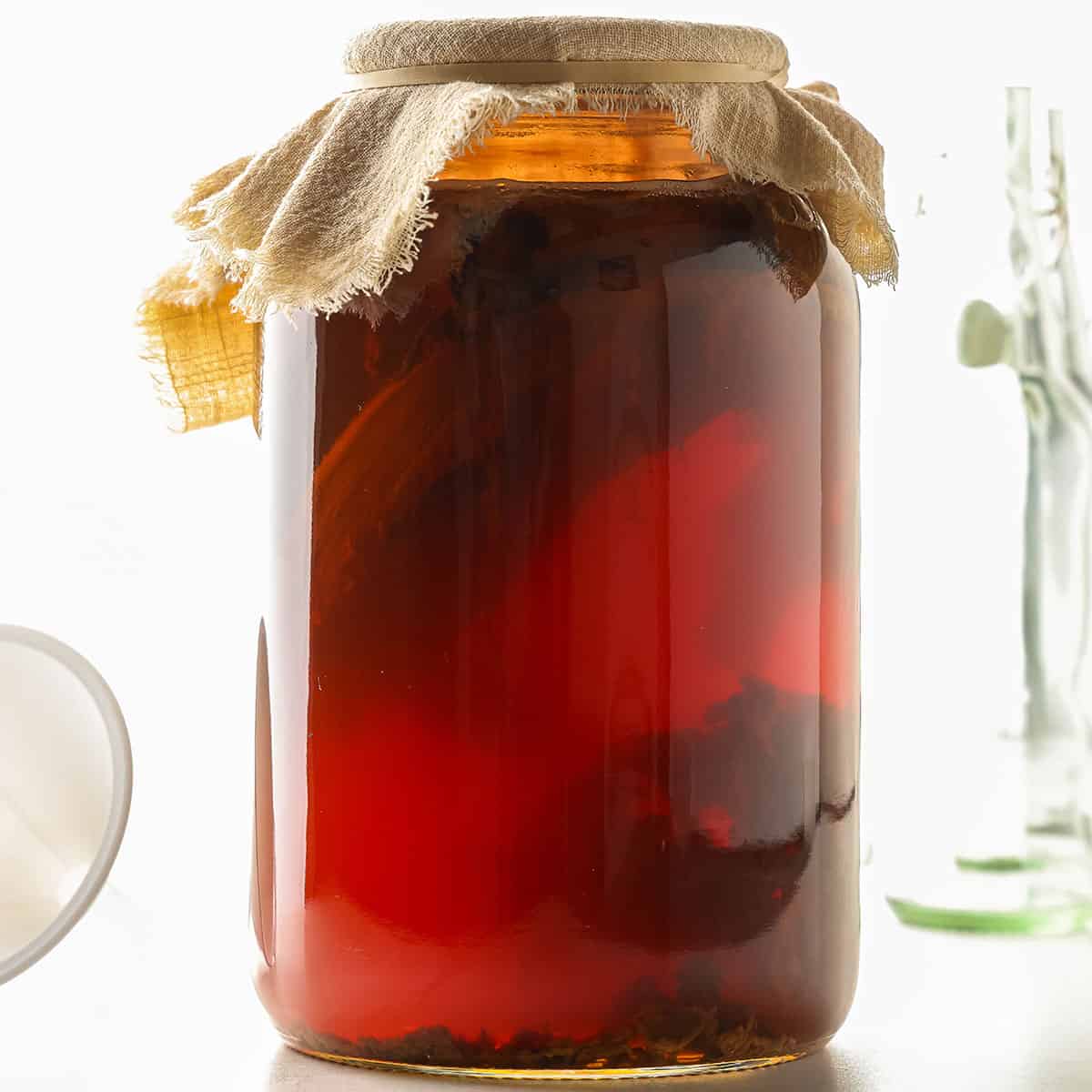
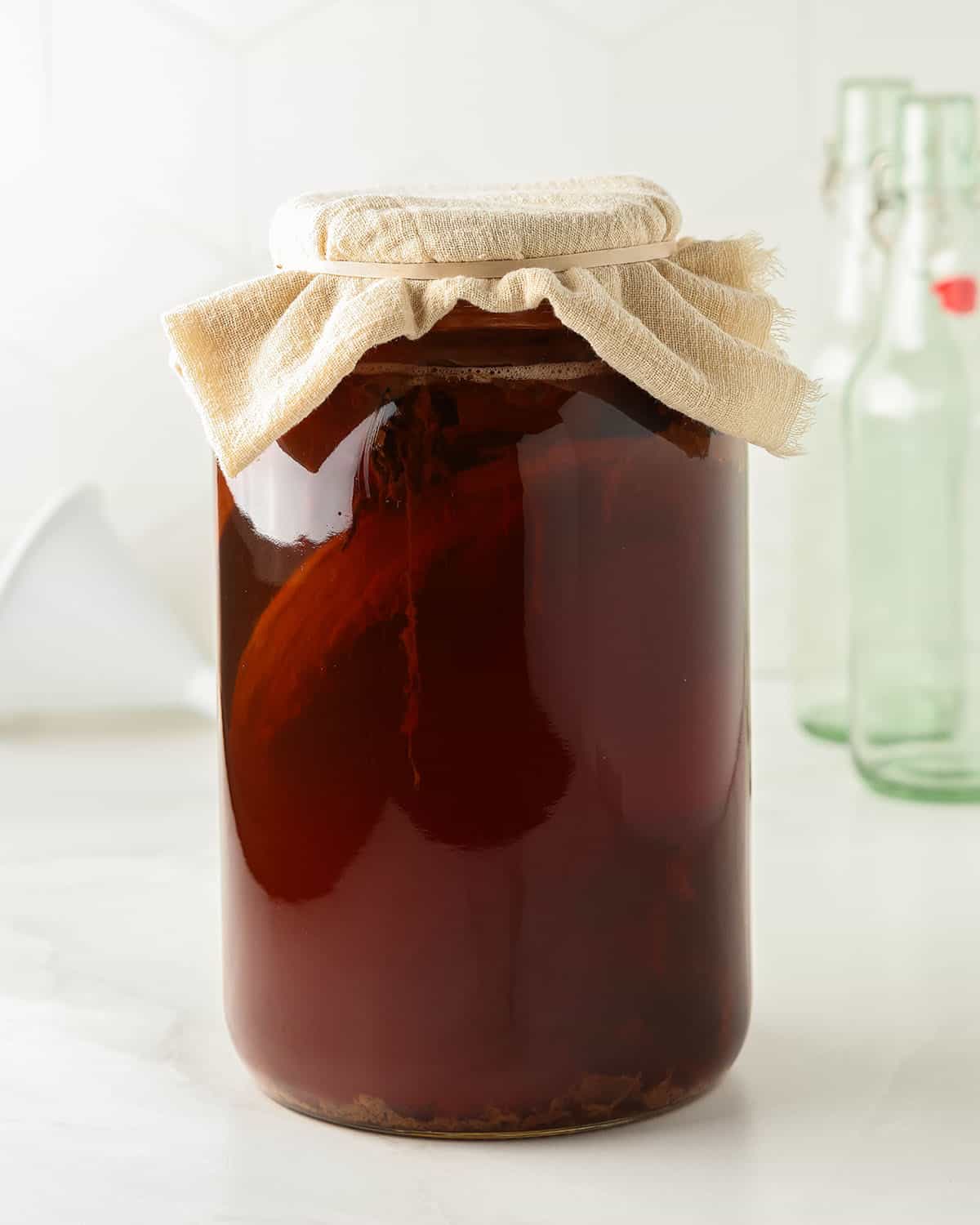
The beverage segment of home fermentation focuses heavily on symbiotic cultures of bacteria and yeast, commonly known as SCOBYs. As kombucha has transitioned from health-food stores to mainstream supermarkets, the interest in brewing "booch" at home has escalated due to the cost-efficiency of domestic production.

Key gift items in this category include one-gallon wide-mouth glass jars, which provide the necessary surface area for the SCOBY to breathe. Industry leaders such as Kombucha Kamp and Cultures for Health have standardized the distribution of live cultures, offering Jun SCOBYs (which ferment with honey rather than cane sugar) and milk or water kefir grains.
Complete starter kits have become a preferred gift option, as they remove the barrier to entry for novices. These kits typically include the vessel, the culture, organic tea or sugar, pH testing strips, and adhesive thermometers. For the experienced brewer, the gift of a "continuous brew" system—a large vessel with a spigot—allows for a perpetual harvest of kombucha without the need to restart the process every two weeks.
Homebrewing Foundations: Mead, Cider, and Beer
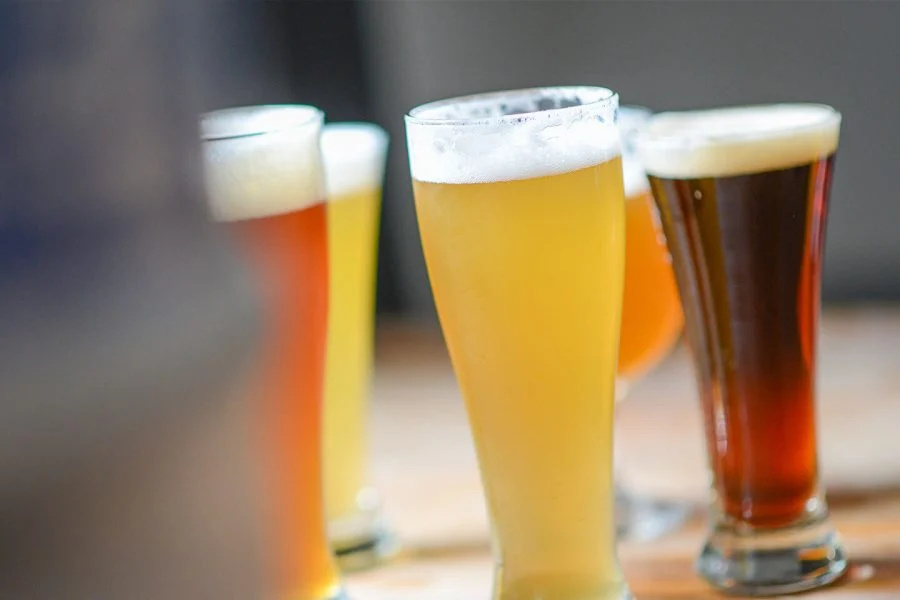
Beyond non-alcoholic probiotics, the homebrewing of mead (honey wine), hard cider, and beer represents a more technical tier of the fermentation hobby. This sector requires a greater emphasis on sanitation and yeast management.
For beginners, the one-gallon "carboy" or glass jug equipped with a S-bubble airlock is the foundational piece of equipment. In the realm of mead-making, high-quality ingredients are as important as the hardware. A three-pound container of raw, unfiltered honey paired with specialized wine or champagne yeast provides the necessary components for a successful first batch. Champagne yeast is frequently recommended by experts for its reliability and high alcohol tolerance, making it an ideal choice for those learning the craft.
In the beer segment, the complexity of the "mash" and "boil" processes often necessitates more comprehensive kits. Modern homebrew kits now include stainless steel brewing pots, siphon tubing, and pre-measured ingredient packs that allow hobbyists to replicate professional recipes—from IPAs to stouts—in a domestic kitchen setting.
Specialized Glassware and Storage Solutions
The final stage of any fermentation project is bottling and carbonation. For beverages like kombucha, water kefir, and hard cider, the "second fermentation" occurs inside a sealed bottle to build natural carbonation. This requires glassware capable of withstanding significant internal pressure.
Amber-colored flip-top bottles (Grolsch-style) are widely considered the gold standard for home use. The amber glass protects the contents from UV light, which can degrade the flavor of hops in beer or the delicate polyphenols in tea-based ferments. The flip-top mechanism provides a reliable seal without the need for a manual capping machine, though the latter remains a popular gift for those who prefer the aesthetics of traditional crown caps.
The Role of Educational Resources
Given the biological complexity of fermentation, literature remains a cornerstone of the hobby. The academic and practical study of "zymurgy" (the study of fermentation) has been popularized by several key authors whose works are considered essential for any fermenter’s library.
- Sandor Katz: Often cited as the "father of the modern fermentation revival," Katz’s "The Art of Fermentation" and "Wild Fermentation" serve as both philosophical manifestos and technical manuals. His work focuses on the cultural history of the craft and the safety of wild-culture ferments.
- Kirsten and Christopher Shockey: Authors of "Fermented Vegetables" and "Fiery Ferments," the Shockeys provide a more culinary-focused approach, offering hundreds of recipes that move beyond basic sauerkraut into complex hot sauces and fermented chutneys.
- Hannah Crum: Known as the "Kombucha Mama," her work "The Big Book of Kombucha" is the definitive guide for tea-based ferments, covering everything from flavor profiles to the medicinal properties of the beverage.
Chronology of the Fermentation Movement
The current gifting trend is the result of a decade-long resurgence in traditional foodways.
- 2010–2014: The "Probiotic Boom" saw a surge in awareness regarding gut health, leading to the initial rise in kombucha sales.
- 2015–2019: The "Artisanal Shift" occurred as consumers began seeking more complex ferments like kimchi and kefir, leading to the mass production of home fermentation lids and weights.
- 2020–Present: The global pandemic acted as a catalyst for home-based hobbies. Sourdough baking and homebrewing saw unprecedented growth as individuals sought food security and domestic engagement during lockdowns.
Broader Impact and Implications
The gift of fermentation equipment carries implications beyond mere hobbyism. It represents a shift toward sustainable living and reduced reliance on industrial food chains. Home fermentation significantly reduces packaging waste, as vessels and bottles are reused indefinitely. Furthermore, it preserves seasonal gluts of produce—such as a garden’s excess of summer cucumbers or autumn cabbage—extending the shelf life of fresh food without the need for refrigeration or energy-intensive canning.

From a health perspective, the continued popularity of these gifts aligns with a growing body of medical research suggesting that regular consumption of live-culture foods can improve immune function and mental health through the gut-brain axis. By providing the tools for fermentation, gift-givers are essentially facilitating a lifestyle change centered on biological wellness and culinary creativity.
As the industry continues to innovate, with new products like electric fermentation heaters and digital refractometers for measuring sugar content, the options for holiday gifting will likely expand. However, the core appeal remains the same: the ancient, transformative power of microbes to turn simple ingredients into complex, health-promoting delicacies.