The Evolution of the Umami Seasoning Market
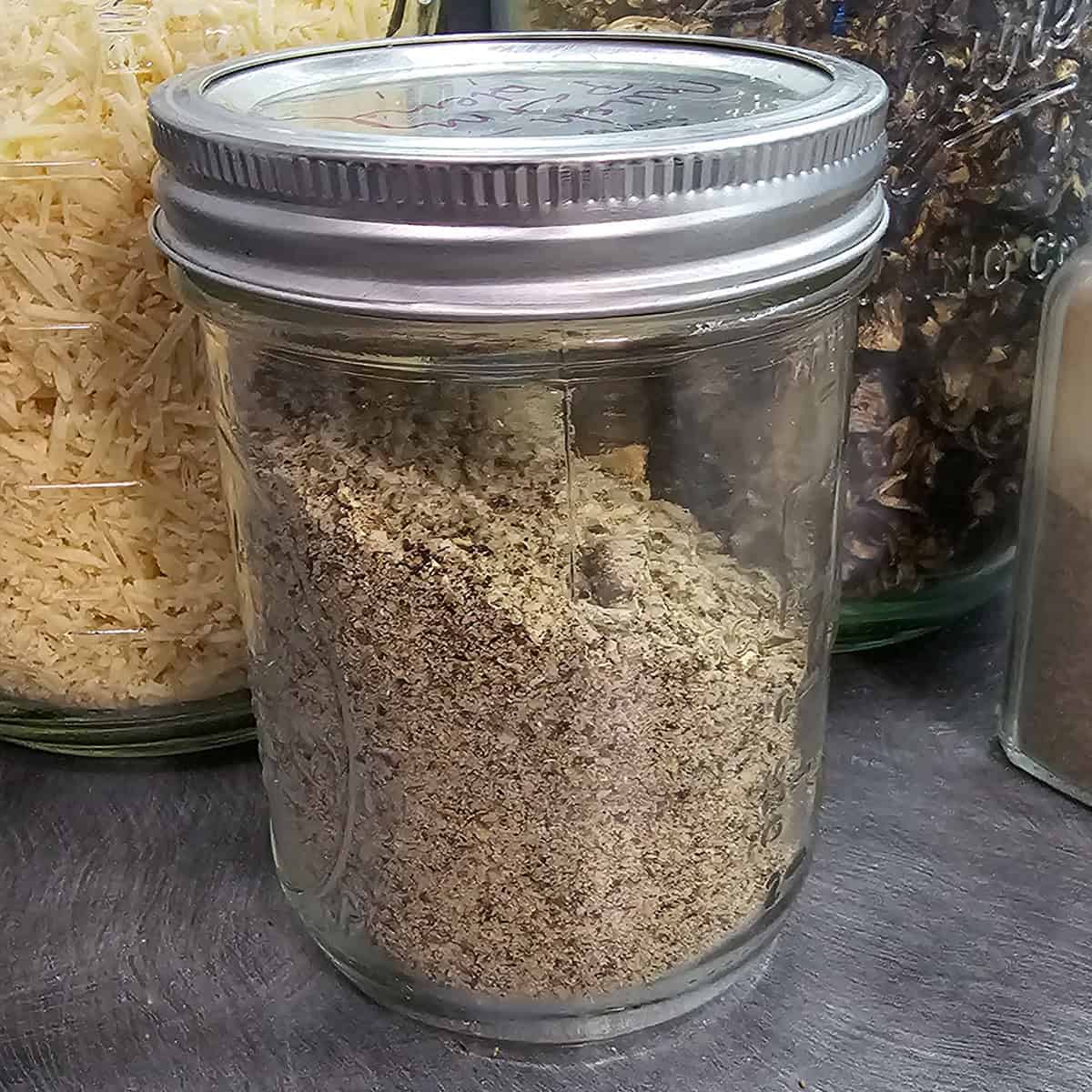
The global seasoning and spices market, valued at approximately $18 billion in 2023, has seen a significant pivot toward "umami-forward" products. Umami, the fifth basic taste, is characterized by a savory, meaty flavor profile derived primarily from glutamates and nucleotides. In professional culinary circles, the combination of mushrooms and aged cheeses is considered a "synergistic umami" pairing. When glutamate-rich parmesan cheese is combined with the guanylate-rich compounds found in dried mushrooms, the perceived intensity of the flavor is multiplied rather than simply added.
For many years, consumers relied on commercial blends, such as those sold by specialty health food cooperatives. However, supply chain fluctuations and the increasing cost of artisanal goods have prompted a "mock-up" culture. This culture involves recreating favorite commercial products at home to ensure consistent availability and to tailor flavor profiles to specific dietary needs. The transition from purchasing a pre-made mushroom parmesan blend to manufacturing it in a home kitchen represents a broader trend of "pantry sovereignty," where individuals control every aspect of their food supply, from raw ingredients to the final seasoning.
Chronology of the DIY Food Preservation Movement
The current interest in complex DIY seasonings can be traced back to several key milestones in the food preservation timeline:
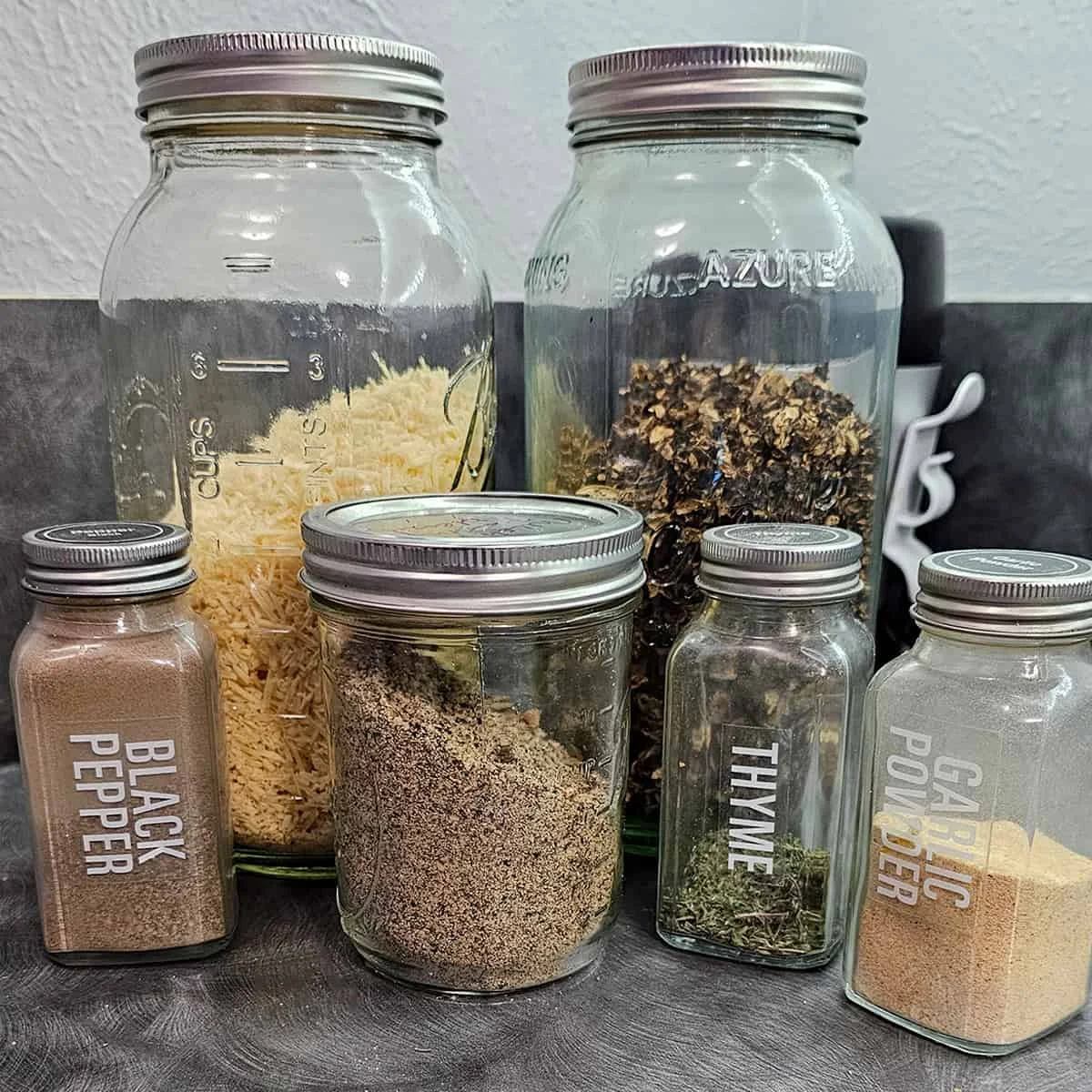
- 2010-2015: The Rise of Bulk Cooperatives: Organizations like Azure Standard and various local food co-ops gained popularity, introducing suburban and rural households to bulk purchasing. Products like mushroom powder and dried cheese became accessible to non-industrial buyers.
- 2016-2019: Technological Accessibility: The cost of high-quality home dehydrators and the introduction of consumer-grade freeze-dryers (such as those from Harvest Right) allowed home cooks to process dairy and vegetables with professional-grade results.
- 2020-2022: Pandemic-Driven Self-Reliance: Global lockdowns accelerated the adoption of food preservation techniques. The "Purposeful Pantry" philosophy, championed by educators like Darcy Baldwin, emphasized not just hoarding food, but creating high-quality, usable ingredients that improve the taste of long-term storage supplies.
- 2023-Present: Flavor Optimization: With basic preservation techniques mastered, the community has shifted toward "value-added" preservation—creating complex blends like Mushroom Parmesan Seasoning that serve multiple culinary purposes, from dry rubs to snack flavorings.
Technical Composition and Ingredient Analysis
The efficacy of a mushroom parmesan blend lies in its technical composition. The process begins with the dehydration or freeze-drying of the primary components. According to food preservation experts, mushrooms should be dehydrated at 125°F (52°C) until they are brittle, ensuring that no residual moisture remains to cause clumping or spoilage in the final powder.
The inclusion of parmesan cheese introduces a unique challenge in shelf-stable seasonings. While traditional grated parmesan found in ambient-aisle canisters contains anti-caking agents like cellulose, DIY enthusiasts often prefer to dehydrate or freeze-dry high-quality, aged parmesan to avoid additives. This results in a higher fat content, which carries the flavor of the herbs—thyme, parsley, and garlic—more effectively across the palate.
Data regarding the nutritional profile of such blends indicates a high density of minerals. A standard serving of this seasoning is rich in sodium and potassium, though home-made versions allow for the reduction of added salt, a common complaint regarding commercial "umami" powders. For instance, while a commercial blend might use salt as its primary volume filler, a DIY blend uses mushroom powder as the base, significantly increasing the nutritional value per gram.
The Role of "The Purposeful Pantry" in Modern Food Security
Darcy Baldwin, the creator of The Purposeful Pantry and author of Dehydrating Basics & Journal, has become a central figure in this movement. Her approach focuses on the intersection of food security and culinary enjoyment. By providing "mock-up" recipes for popular commercial blends, Baldwin addresses a specific pain point in the prepper and homesteading communities: "appetite fatigue."
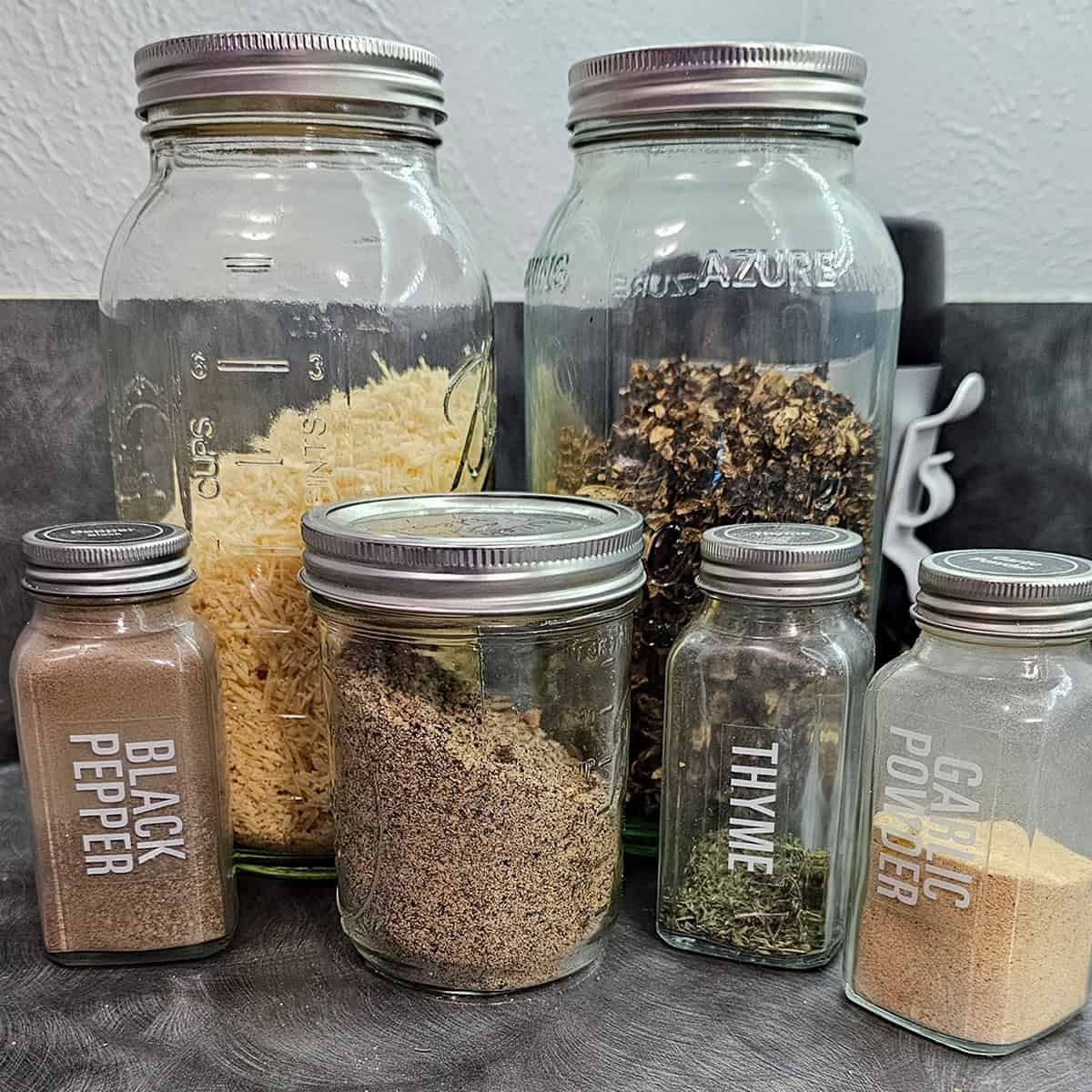
"Stocking a pantry is only half the battle," food security analysts suggest. "The other half is ensuring that the food remains palatable over long periods. Seasoning blends like the mushroom parmesan mix are essential tools for converting basic grains and proteins into varied, high-quality meals."
Baldwin’s methodology encourages the use of "whatever seasoning" principles—using what is available in the pantry to create replacements for store-bought items like Mrs. Dash or Trader Joe’s Umami Blend. This reduces the carbon footprint associated with shipping small jars of spices and minimizes household waste by utilizing "ugly" or surplus mushrooms and cheese ends that might otherwise be discarded.
Broader Implications for the Food Industry
the shift toward DIY seasoning blends has several implications for the broader food industry:
- Impact on Traditional Retail: As more consumers invest in dehydrators and freeze-dryers, the demand for mid-tier spice blends may decrease, while the demand for high-quality bulk raw ingredients (dried mushrooms, bulk spices, whole cheeses) is expected to rise.
- Health and Wellness Transparency: The "clean label" movement is no longer just about what commercial brands put in their food; it is about consumers taking total control. By making seasoning at home, users eliminate hidden sugars, MSG (though mushrooms provide natural glutamates), and artificial flow agents.
- Culinary Education: There is a growing "literacy" in food chemistry among home cooks. Understanding how to balance salt, fat, and umami through dried ingredients is a sophisticated skill that is being democratized through digital platforms and journals.
Nutritional and Safety Considerations
While the DIY mushroom parmesan blend offers significant culinary benefits, food safety experts emphasize the importance of proper storage. Because parmesan cheese contains fats, it can eventually go rancid if exposed to oxygen and light for extended periods. Professional recommendations suggest storing such blends in airtight canning jars, often with an oxygen absorber if the blend is intended for long-term storage (over six months).
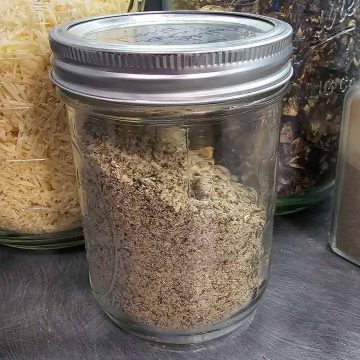
From a nutritional standpoint, the concentration of flavors in dehydrated foods means that a little goes a long way. Analysts note that 1/4 cup of dried produce often contains the same nutrient density (and sugar/sodium content) as a full cup of fresh produce. Users are cautioned to calibrate their serving sizes accordingly, particularly those monitoring their sodium intake, as the natural salinity of parmesan is intensified during the drying process.
Future Outlook of Home-Grown Flavor
As the cost of living continues to influence consumer behavior, the "make it instead of buy it" mentality is likely to expand beyond basic bread and preserved vegetables into the realm of complex flavor profiles. The mushroom parmesan seasoning serves as a case study for this transition. It represents a move away from the "survivalist" image of food storage toward a "gourmet pantry" model.
The integration of technology—ranging from high-speed blenders to vacuum sealers—has made it possible for a household to produce seasonings that are indistinguishable from, or superior to, commercial products. This trend suggests a future where the "pantry of the future" is not just a collection of cans, but a sophisticated laboratory of concentrated flavors, allowing for high-quality dining regardless of external market conditions or supply chain stability.
In conclusion, the DIY mushroom parmesan seasoning blend is more than a simple kitchen hack; it is a reflection of a sophisticated shift in how modern households approach food, flavor, and long-term sustainability. By combining the science of umami with the practicality of food preservation, home cooks are redefining the boundaries of the domestic kitchen, ensuring that their pantries are not only full but also flavorful.