
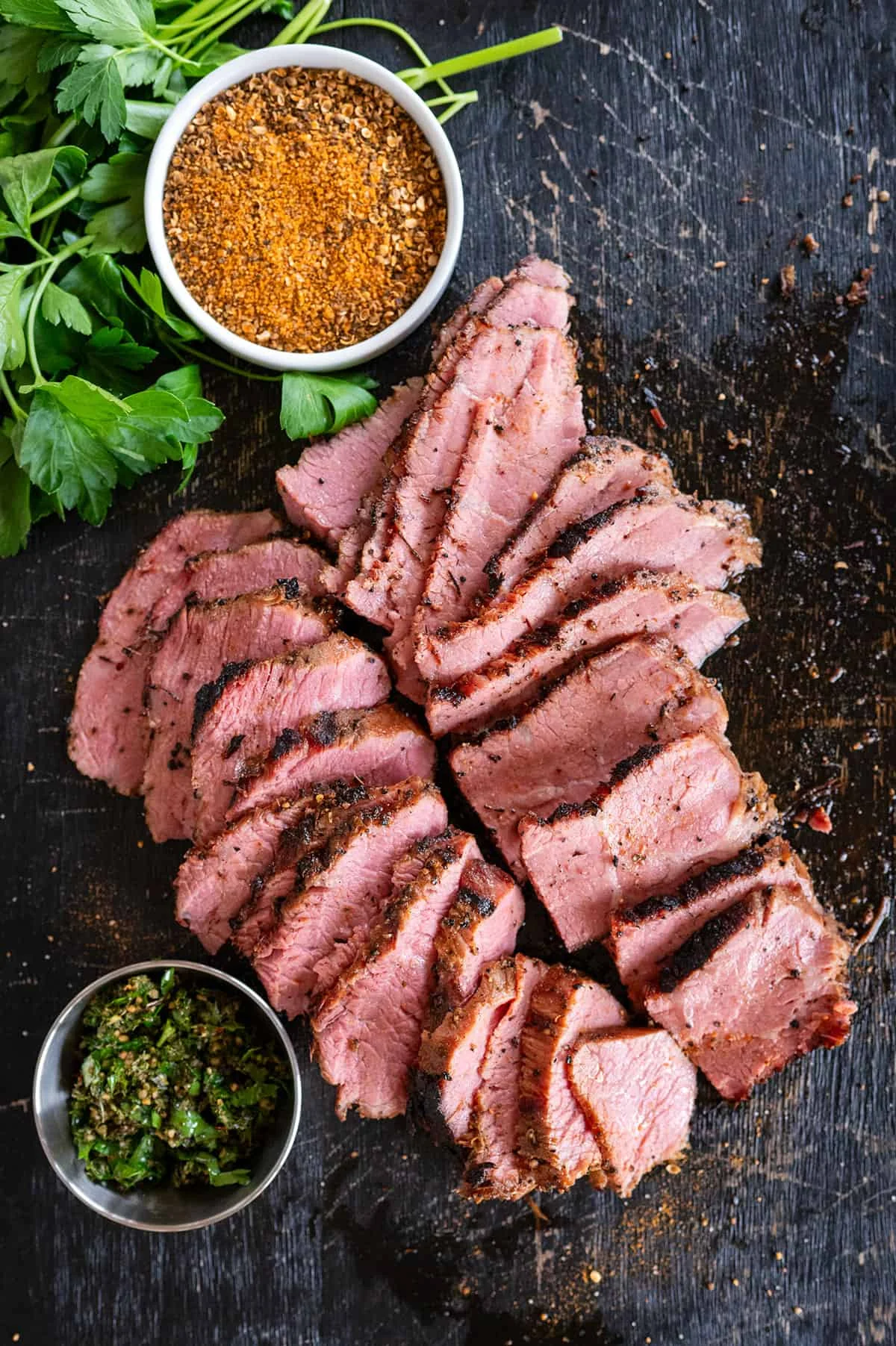
The culinary world is constantly evolving, with chefs and home cooks alike seeking innovative ways to elevate classic dishes. One such innovation gaining traction is the transformation of a humble tri-tip roast into a pastrami masterpiece. This method, detailed by grilling enthusiast Christie Vanover of Girls Can Grill, hinges on a meticulous weeklong brining process followed by a swift, high-heat grilling session. The result is a tender, smoky beef product, exceptionally suited for both elegant slicing or as the star ingredient in a hearty sandwich.
Understanding the Pastrami Process
At its core, pastrami is a method of meat preservation and flavor enhancement. While traditionally associated with cuts like brisket, the process involves curing meat in a brine, followed by seasoning with a distinctive spice rub, and finally, smoking or grilling. This technique imbues the meat with a complex flavor profile, characterized by a savory brine, aromatic spices, and a smoky finish. The beauty of the pastrami method lies in its adaptability; virtually any cut of meat can be transformed, offering a versatile canvas for culinary creativity.
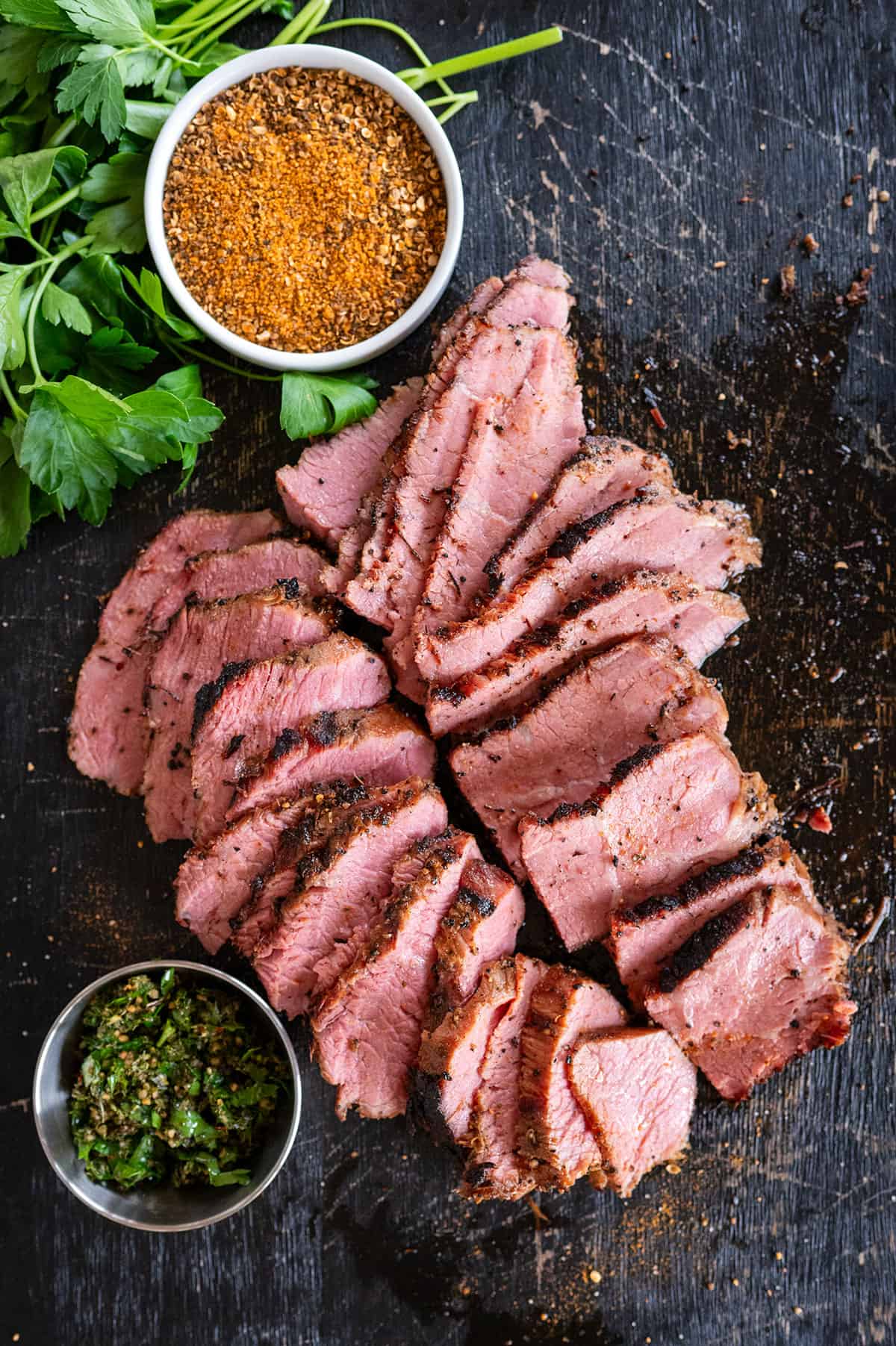
The approach taken with tri-tip offers a unique advantage. Unlike larger, tougher cuts that require extended smoking times to achieve tenderness, tri-tip is a leaner cut from the bottom sirloin. This inherent tenderness means it benefits from a shorter, more intense cooking period, allowing the pastrami flavors to permeate without rendering the meat dry. Vanover emphasizes that the goal for pastrami tri-tip is a medium or medium-rare finish, ideally around 135°F, which can be achieved in a relatively short grilling time of approximately 35-40 minutes.
The Foundation: A Weeklong Brine
The journey to exceptional pastrami tri-tip begins with a foundational element: the brine. This critical step, which can extend for up to a week, is where the meat begins to absorb moisture and flavor, setting the stage for the final product. The process involves a carefully balanced mixture of pastrami brine and water. Vanover suggests a ratio of one cup of pastrami brine concentrate to 10.5 cups of warm water. The warm water is essential to ensure the salts and sugars in the brine dissolve completely, creating a homogenous solution.
Once the brine is prepared and has cooled to a safe temperature, the tri-tip is submerged. It is crucial to place the meat in a meat prep bag or a non-reactive container that can be sealed to prevent contamination and evaporation. The brining process then takes place under refrigeration for a full six days. This extended period allows the brine to penetrate the muscle fibers, tenderizing the meat and imparting the characteristic savory notes of pastrami. The weeklong duration is a testament to the patience required for traditional pastrami preparation, ensuring the meat is adequately cured and seasoned from the inside out.
The Transformation: Seasoning and Smoking
Following the weeklong brining period, the tri-tip undergoes a crucial drying and seasoning phase. After being removed from the brine, the meat is thoroughly rinsed under cold running water. This step is vital to remove any residual salt on the surface, preventing the final product from being overly salty. The tri-tip is then patted completely dry with paper towels. Moisture on the surface can hinder the adherence of the rub and affect the searing process.
The next step involves applying the pastrami rub. This aromatic blend of spices is what defines the pastrami flavor profile. While the specific ingredients can vary, typical components include black pepper, coriander, paprika, garlic powder, and onion powder, often with a hint of sweetness from sugar or brown sugar. The rub is applied generously to all sides of the tri-tip, ensuring an even coating that will form a flavorful crust during cooking.
After seasoning, the tri-tip is placed back in the refrigerator, this time uncovered, for an additional day. This uncovered period is known as a pellicle formation stage. It allows the exterior of the meat to dry out further, creating a surface that will crisp up beautifully on the grill and help the smoke adhere more effectively if a smoker were being used. For this specific recipe, the grill acts as both the cooking surface and the heat source, mimicking some aspects of smoking with a more direct approach.

The Finale: High-Heat Grilling and Basting
The culmination of the pastrami tri-tip process is the grilling. The recipe calls for a grill heated to a medium temperature, typically between 350-375°F, with a direct heat zone. This controlled heat is essential for achieving the desired internal temperature without overcooking the leaner cut.
The seasoned tri-tip is placed directly over the heat source. The cooking time is relatively short, aiming for an internal temperature of 135°F. To ensure even cooking and a beautifully crusted exterior, the tri-tip is flipped every 5-7 minutes. This frequent turning promotes consistent heat exposure on all sides.
During the grilling process, a basting liquid is applied. This liquid, typically a simple mixture of oil, red wine vinegar, garlic, and salt, is heated in a small pot on the grill. The basting is performed every time the tri-tip is flipped. This not only adds moisture and flavor but also helps to develop a rich, flavorful crust. The vinegar component can also contribute to a slight tenderizing effect and cut through the richness of the beef.

Serving and Storage: Savoring the Results
Once the pastrami tri-tip reaches its target internal temperature of 135°F, it is removed from the grill. A crucial resting period of 10-15 minutes follows. This allows the juices within the meat to redistribute, ensuring a more tender and flavorful final product. After resting, the tri-tip is sliced against the grain. This technique shortens the muscle fibers, making the meat more tender and easier to chew.
The versatility of pastrami tri-tip shines in its serving suggestions. It can be enjoyed as a standalone protein, complemented by classic barbecue sides such as potato salad and coleslaw. Alternatively, it can be piled high on sliced bread or buns to create a delectable pastrami sandwich, evoking the flavors of a New York deli.
For storage, any leftover pastrami tri-tip can be kept in an airtight container in the refrigerator for up to a week. For longer preservation, it can be frozen for several months. Reheating can be done gently in the microwave or by searing it in a skillet to recapture some of the initial crispness.

Supporting Data and Nutritional Information
The provided nutritional information for this pastrami tri-tip recipe indicates approximately 322 calories per serving. This breaks down to about 1 gram of carbohydrates, 31 grams of protein, and 21 grams of fat. Within the fat content, there are 6 grams of saturated fat, 6 grams of polyunsaturated fat, and 8 grams of monounsaturated fat. The recipe also contains a minimal amount of trans fat (0.1g), 98mg of cholesterol, and 97mg of sodium. Other micronutrients include 495mg of potassium, a negligible amount of fiber and sugar, and small quantities of vitamins A and C, calcium, and iron. It is important to note that this nutritional data is automatically calculated and should be considered an approximation.
Broader Implications and Culinary Trends
The popularity of transforming traditional cuts into pastrami reflects a growing interest in artisanal food preparation and a desire for authentic, flavorful experiences. This trend moves beyond simply grilling to embrace a more involved culinary process that builds depth of flavor over time. The success of recipes like this pastrami tri-tip highlights the ability of home cooks to recreate restaurant-quality dishes with careful planning and execution. Furthermore, it demonstrates the versatility of beef cuts like tri-tip, which are increasingly being recognized for their potential beyond conventional grilling methods. The accessibility of detailed recipes and the availability of specialized brine mixes and rubs further empower home cooks to experiment with these advanced techniques.
Frequently Asked Questions
What cut of meat is best for pastrami?
While brisket and beef navel are traditional choices, virtually any protein can be used. Tri-tip offers a leaner alternative with a shorter cooking time.

How long do you brine a tri-tip for pastrami?
For larger cuts like tri-tip, brining for 5 to 7 days is recommended to ensure adequate flavor penetration and tenderization.
Is picanha the same as tri-tip?
No, although both are sirloin cuts, picanha and tri-tip are distinct cuts of beef with different characteristics and cooking applications.


