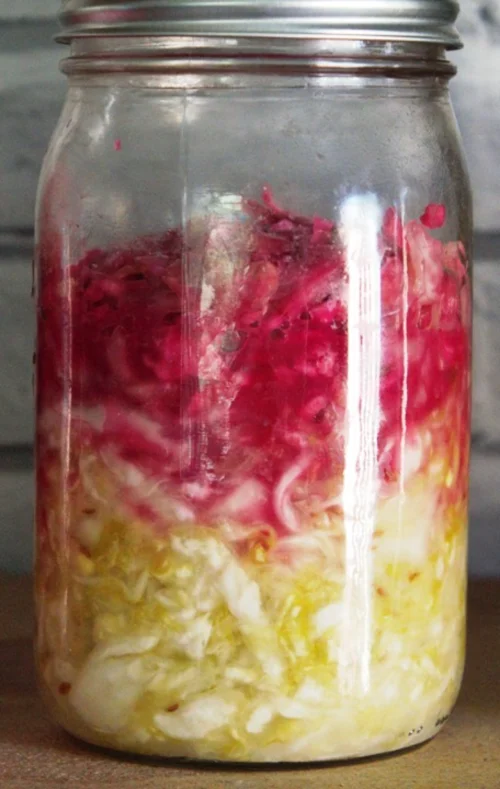
The Fermenters Club, a prominent educational platform dedicated to demystifying the ancient art and science of fermentation, continues its popular "Fermentation FAQ Friday" YouTube series, offering in-depth weekly discussions on critical aspects of home fermentation. Broadcast live every Friday at 9am Pacific/12pm Eastern, these sessions provide valuable insights from seasoned experts. A recent episode delved into a fundamental yet often misunderstood ingredient: salt. Authored by Fermenters Club founder Austin Durant, the accompanying article and video, titled "Fermentation FAQ Friday: How Important is SALT?", underscore salt’s multifaceted and indispensable role in achieving safe, delicious, and microbiologically sound fermented foods, particularly in the realm of bacterial ferments.
The Science of Salt: A Pillar of Fermentation
Salt, chemically known as sodium chloride (NaCl), is far more than a mere seasoning agent in the context of fermentation. For the majority of bacterial ferments, especially those involving vegetables, salt acts as a critical selective agent, a flavor enhancer, and a structural stabilizer. Its importance is rooted deeply in the principles of microbiology and food preservation, making it a cornerstone of traditional fermentation techniques practiced for millennia across diverse cultures.
-
Osmotic Pressure and Microbial Selection: The primary scientific mechanism through which salt operates in fermentation is osmosis. When salt is applied to vegetables, it draws out water from the plant cells due to a difference in solute concentration. This creates a hypertonic environment, meaning the external environment has a higher solute concentration than the internal environment of microbial cells. Most spoilage-causing bacteria and pathogenic microorganisms are intolerant to high salt concentrations. They struggle to survive and reproduce in such conditions because their cellular water is drawn out, leading to dehydration and inhibition.
However, a specific group of beneficial bacteria, primarily lactic acid bacteria (LAB) such as Lactobacillus species, are halotolerant – meaning they can tolerate and even thrive in the presence of salt. By inhibiting undesirable microbes, salt effectively creates a competitive advantage for LAB. These beneficial bacteria then metabolize sugars in the vegetables, producing lactic acid, which further lowers the pH of the ferment. This increasing acidity creates an even more hostile environment for pathogens, ensuring the safety and stability of the fermented product. This selective pressure is crucial; without it, a "microbial free-for-all" would ensue, leading to rapid spoilage, mold growth, or the proliferation of harmful bacteria. -
Beyond Preservation: Flavor and Texture: While preservation is salt’s most critical function, its contribution to the sensory qualities of fermented foods is equally significant. Salt plays a vital role in developing the complex flavor profiles characteristic of fermented vegetables like sauerkraut, kimchi, and pickles. It enhances the natural flavors of the ingredients, balances acidity, and contributes its own unique taste. Furthermore, salt helps maintain the crisp texture of vegetables during the fermentation process. By drawing water out of the plant cells, it strengthens their cell walls, preventing them from becoming mushy, which is a common problem in under-salted or salt-free ferments. The enzymatic activity that can lead to softening is also often inhibited by salt.
Navigating Salt Choices for Optimal Results
The type of salt used in fermentation is not a trivial detail; it can significantly impact the success and quality of the final product. Expert guidance, as provided by Austin Durant, consistently emphasizes the use of unprocessed, non-iodized natural sea salt for optimal results. This recommendation is based on specific chemical and biological considerations.
-
The Case Against Iodized and Anti-Caking Agents: Standard table salt often contains additives that can interfere with the delicate microbial balance of fermentation. Iodine, commonly added to table salt to prevent iodine deficiency, is known to inhibit the growth and activity of lactic acid bacteria. While the precise mechanism isn’t fully understood, it is widely accepted in the fermentation community that iodine can slow down or even halt the fermentation process, leading to inconsistent results or spoilage. Similarly, anti-caking agents, such as calcium silicate or sodium ferrocyanide, which are added to prevent salt from clumping, can introduce unwanted chemicals into the ferment. These agents can make the brine cloudy, affect texture, and potentially interfere with microbial activity. For these reasons, fermenters are advised to steer clear of iodized and anti-caking agent-laden salts.
-
Recommended Varieties and Their Nuances: Unprocessed natural sea salts are preferred because they are typically free from iodine and anti-caking agents. Varieties like Celtic grey salt, Himalayan pink salt, and various artisanal sea salts are popular choices among fermenters. These salts are harvested from evaporated seawater or ancient salt deposits and retain a spectrum of trace minerals, which some believe can contribute subtle flavor complexities and additional nutrients to the fermented product. While the primary function of salt is osmotic pressure, these trace minerals are often cited as a secondary benefit. Pickling salt, a refined salt without iodine or anti-caking agents, is also a suitable option, particularly for those seeking a purer sodium chloride product without the mineral variations of natural sea salts. The key is purity from interfering additives.
The Non-Negotiable Role: Why Omitting Salt Poses Risks
A common question among new fermenters or those concerned about sodium intake is whether salt can be omitted from fermentation recipes. Austin Durant’s unequivocal answer for styles that call for it, such as pickling vegetables, is a resounding "no." The risks associated with omitting salt in these specific contexts are substantial and can compromise both food safety and product quality.
-
Understanding the Dangers of Uncontrolled Fermentation: When salt is omitted from vegetable ferments, the critical selective pressure that favors beneficial lactic acid bacteria is removed. This absence creates an environment where a wide array of microorganisms, including spoilage bacteria, molds, and potentially harmful pathogens, can proliferate without competition. The result is often described as a "microbial free-for-all." Instead of a controlled, acidic fermentation, one might observe rapid mold growth on the surface, off-flavors, unpleasant odors, and a mushy texture due to uncontrolled enzymatic degradation. More concerning are the food safety implications. While lactic acid fermentation generally creates an acidic environment that inhibits many pathogens, a lack of initial salt control increases the window during which undesirable microbes, including some that can produce toxins, might thrive before sufficient acidity is reached. This significantly elevates the risk of foodborne illness.
-
Distinguishing Wild Ferments from Cultured Varieties: It is crucial to clarify that the non-negotiable role of salt applies primarily to "wild ferments" or "lacto-fermentation" of vegetables, where the goal is to cultivate naturally present lactic acid bacteria. This principle does not universally apply to all fermentation styles. Many cultured ferments, which rely on specific starter cultures, often do not require salt or use it for different purposes. Examples include:
- Kombucha: Fermented tea using a SCOBY (Symbiotic Culture of Bacteria and Yeast), where sugar is the primary food source and salt is not used.
- Kefir: Fermented milk using kefir grains, where lactose is fermented, and salt is absent.
- Tempeh: Fermented soybeans using Rhizopus mold, where the mold culture dominates, and salt is not a primary ingredient.
- Yogurt: Fermented milk using specific bacterial cultures, where salt is not a functional component of the fermentation itself.
These cultured ferments have their own established microbial dominance through the introduction of specific cultures, reducing the need for salt’s selective action.
-
Addressing Sodium Concerns: Rinsing for Health: For individuals concerned about high sodium intake, the good news is that the sodium content of fermented vegetables can be significantly reduced without sacrificing the probiotic benefits. Austin Durant suggests a simple and effective method: lightly rinsing fermented vegetables under cool water just before consumption. This action washes away much of the surface brine and absorbed salt while retaining the valuable probiotics and other beneficial compounds within the vegetable matrix. This allows individuals to enjoy the gut-health benefits and unique flavors of fermented foods while managing their dietary sodium. Studies on fermented foods indicate that rinsing can reduce sodium levels by 20-40% or more, depending on the duration and thoroughness of the rinse.
Whey’s Role: A Complement, Not a Substitute
Another common misconception addressed by the Fermenters Club is the idea of using whey as a substitute for salt in fermentation. Whey, the liquid byproduct of cheesemaking, is often lauded for its nutritional content and potential probiotic benefits. However, its function in fermentation is distinctly different from that of salt, and the two are not interchangeable.
-
The Nutritional Profile of Whey: Whey is indeed nutrient-rich, containing proteins, vitamins, minerals, and lactose (milk sugar). If sourced from raw milk or cultured dairy, it may also contain a diverse array of lactic acid bacteria. For these reasons, some fermenters add a small amount of whey to their vegetable ferments, believing it can "kickstart" the process by introducing a boost of beneficial bacteria and providing additional nutrients for them to thrive.
-
Functional Differences in the Fermentation Process: While whey can contribute to the microbial load and provide a readily available food source for LAB, it fundamentally lacks the selective osmotic properties of salt. Whey cannot create the hypertonic environment necessary to inhibit spoilage organisms and pathogens. It does not draw water out of the vegetables or provide the same structural integrity. Therefore, while whey can be a beneficial addition to a ferment, potentially accelerating the onset of lactic acid production or enhancing the microbial diversity, it cannot replace salt’s primary roles in ensuring safety, preventing spoilage, and maintaining texture. As Austin Durant aptly puts it, whey is a "cherry on top"—nice to have, but not required, and certainly not a substitute for the essential function of salt. Attempting to ferment vegetables with whey instead of salt would likely lead to the same undesirable outcomes as omitting salt entirely.
Expert Guidance from a Seasoned Fermenter
The insights shared through the "Fermentation FAQ Friday" series and accompanying articles are a testament to the extensive experience and dedication of Austin Durant, the founder of Fermenters Club. His journey into fermentation spans 14 years, making him a seasoned authority in the field.
-
Austin Durant’s Journey and Educational Outreach: Durant’s deep dive into fermentation began over a decade ago, leading him to establish the Fermenters Club as a hub for education, resources, and community for fermentation enthusiasts. His commitment to sharing knowledge is evident in the club’s comprehensive online presence, workshops, and now, the regular YouTube series. These platforms aim to empower individuals to confidently and safely engage in home fermentation, transforming complex microbiological processes into accessible, practical skills.
-
Fearless Fermenting: A Resource for Enthusiasts: Further solidifying his role as a leading voice in the fermentation movement, Austin Durant published his first book, "Fearless Fermenting," in 2024. This publication serves as a comprehensive guide, offering practical advice, recipes, and a deeper understanding of the principles behind successful fermentation. The book, much like the "Fermentation FAQ Friday" series, reflects Durant’s holistic approach, integrating his passion for food with broader interests in permaculture gardening, cooking, yoga, writing, and the study of cosmology and esoteric traditions. This multifaceted perspective enriches his approach to fermentation, viewing it not just as a culinary technique but as a connection to ancient practices and natural cycles.
Broader Implications and the Future of Fermentation
The detailed exploration of salt’s role in fermentation, as presented by the Fermenters Club, carries significant implications for both home cooks and the broader understanding of food science and public health.
-
Enhancing Food Safety and Public Confidence: By clearly delineating the critical functions of salt and the risks of its omission, educational initiatives like "Fermentation FAQ Friday" play a vital role in promoting safe home fermentation practices. Misinformation or incomplete understanding can lead to failed batches and, more critically, potential health hazards. Providing accurate, science-backed guidance builds public confidence in fermented foods and empowers individuals to produce safe, high-quality products in their own kitchens. This is particularly important as interest in DIY food projects continues to grow. Adherence to established guidelines, such as proper salt concentrations (typically 2-5% of the total weight of vegetables and water for brines, or 1.5-2.5% for dry salting), is paramount.
-
The Growing Landscape of Fermented Foods and Health: The resurgence of interest in fermented foods is largely driven by increasing awareness of gut health and the human microbiome. Fermented foods are rich sources of probiotics, beneficial microorganisms that contribute to a healthy gut ecosystem, potentially impacting digestion, immunity, and even mental well-being. Understanding the foundational role of salt ensures that these beneficial properties are reliably achieved. As scientific research continues to uncover the intricate connections between diet, gut microbiome, and overall health, platforms providing expert, accessible information on safe fermentation techniques become invaluable resources.
-
Empowering Home Fermenters Through Education: The Fermenters Club’s consistent educational outreach, epitomized by the weekly YouTube series and Austin Durant’s book, represents a significant contribution to the growing community of home fermenters. By addressing common questions and debunking myths with factual, scientific explanations, they empower individuals to move beyond simple recipes and truly understand the why behind each step. This deeper knowledge fosters creativity, resilience, and a greater appreciation for the transformative power of microbes in our food system. The emphasis on foundational ingredients like salt underscores that while fermentation can seem mystical, it is grounded in precise scientific principles that, when understood and respected, yield consistently rewarding results.
In conclusion, the Fermenters Club’s dedicated efforts to educate the public on fermentation principles, particularly the indispensable role of salt, are crucial in fostering a knowledgeable and safe community of home fermenters. Salt is not merely an additive but a fundamental component that orchestrates the microbial symphony of bacterial fermentation, ensuring safety, enhancing flavor, and preserving texture. Through continued educational initiatives, Austin Durant and the Fermenters Club are guiding enthusiasts towards "Fearless Fermenting" and a deeper appreciation for this ancient, vital culinary art.