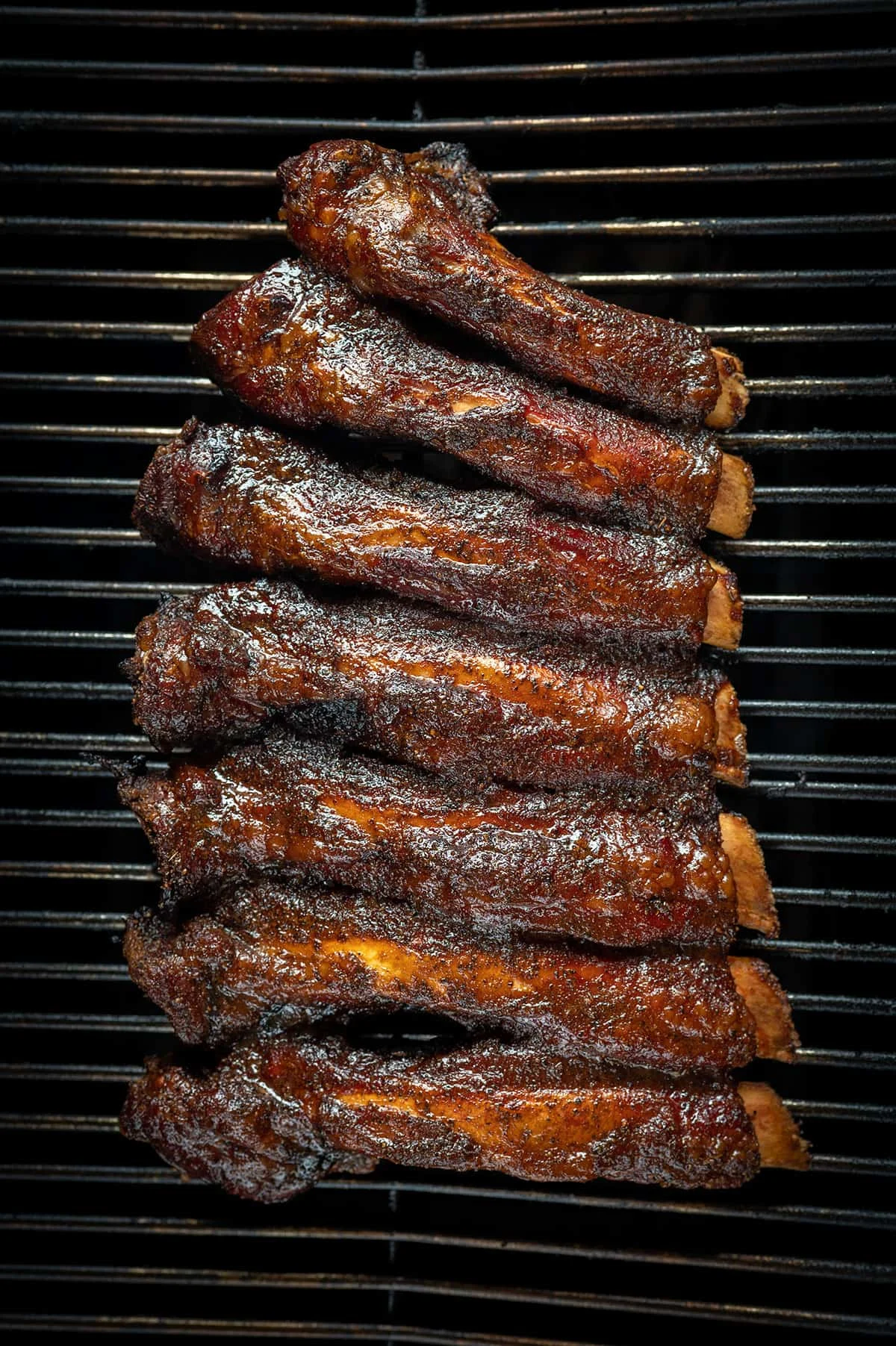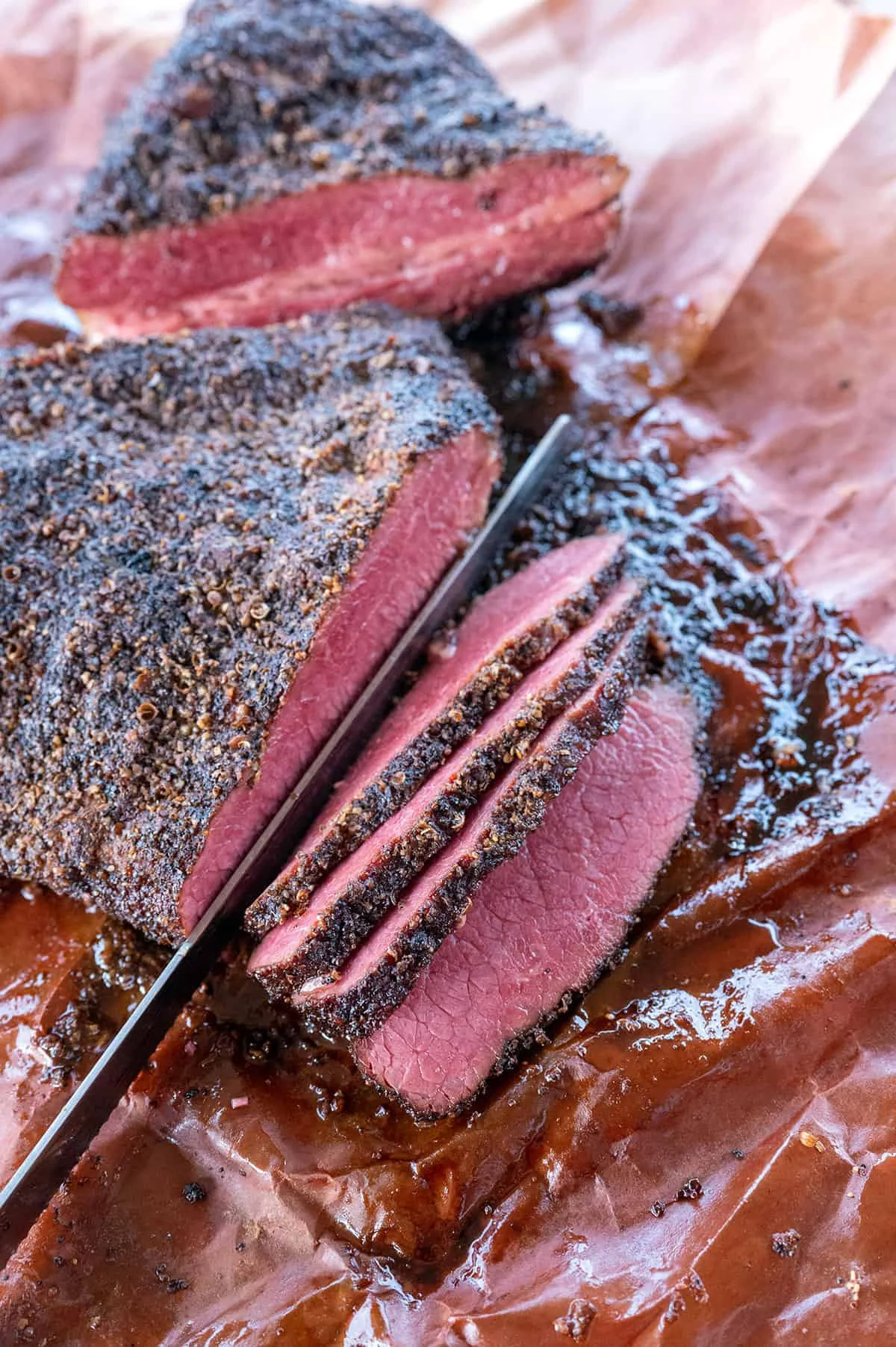
For those yearning for the unmistakable taste of true deli-style brisket pastrami, this comprehensive guide offers a deep dive into the meticulous process. While commercial delis often provide a convenient option, replicating this iconic cured and smoked meat at home unlocks a level of flavor and texture that can far surpass store-bought alternatives. This recipe demystifies the journey from raw brisket to succulent, peppery perfection, a testament to patience and culinary precision.
The cornerstone of exceptional pastrami lies in its multi-stage preparation. It begins with a thorough curing process, immersing the brisket in a carefully crafted corned beef brine. This crucial step not only tenderizes the meat but also imbues it with foundational savory notes. Following the brine, the brisket is coated in a robust and aromatic pastrami rub, designed to deliver that signature spicy crust. The final stage involves a low-and-slow smoking technique, allowing the meat to slowly reach peak tenderness while the rub transforms into a deeply flavorful bark. While the curing phase demands several days, the reward is a batch of juicy, easily sliceable pastrami that stands as a proud achievement for any home cook.
Understanding Pastrami: A Culinary Tradition
Pastrami, at its core, is a meat product, most commonly beef, that undergoes a transformative process of curing, seasoning, and smoking. The distinctive characteristic of pastrami is its bold spice rub, which forms a flavorful, often peppery, crust during the smoking process. Traditionally, the most favored cuts for pastrami have been beef brisket and beef navel due to their rich marbling and ability to withstand the extended cooking times. However, culinary exploration has also seen successful preparations using beef chuck roast, yielding a similarly satisfying result.
The historical roots of pastrami reveal a broader application beyond beef. An exploration into the origins of pastrami, as documented in culinary journals, highlights its emergence among Turks and Eastern Europeans. These cultures ingeniously utilized a variety of meats, including goat, mutton, and geese, to create their versions of pastrami. This historical context underscores the versatility of the pastrami-making technique, demonstrating that the essence of pastrami lies not solely in the type of meat but in the curing and smoking methods.
A key distinction often arises when comparing pastrami to its close relative, corned beef. While both involve a curing process, the defining difference lies in the subsequent cooking method. Corned beef, after curing, is typically cooked without smoke, often through boiling, braising, or oven roasting. Pastrami, conversely, is defined by its smoking stage, which imparts a unique depth of flavor and the characteristic smoky aroma.
The Path to Perfect Pastrami: A Step-by-Step Guide
Achieving authentic deli-style pastrami at home is a multi-day endeavor, broken down into distinct, manageable stages. This process, while requiring patience, yields a product that is remarkably rewarding.
Step 1: Preparing the Brisket
The initial step involves selecting and preparing the brisket. For an optimal outcome, it is recommended to begin with an untrimmed brisket weighing approximately 10 to 11 pounds. This allows for a generous yield of around 6 pounds of finished pastrami after trimming and cooking. Alternatively, pre-trimmed brisket flats or points can be sourced from grocery stores. The first critical preparation is trimming the brisket. This involves removing excess external fat, ensuring a more even distribution of the curing brine and rub, and ultimately leading to a more consistent cook. Referencing detailed guides on brisket trimming is advisable to achieve the correct fat cap thickness.
Step 2: The Curing Brine
The heart of pastrami preparation lies in its curing phase. This involves immersing the trimmed brisket in a meticulously prepared corned beef brine. The brine, typically made with a gallon of liquid, is cooled completely before the brisket is introduced. The meat is placed in a sturdy, food-grade meat preparation bag, and the cooled brine is poured over it. The brisket is then refrigerated for a minimum of 5 to 7 days. This extended period allows the salt and curing agents to penetrate the meat, initiating the tenderization and flavor development that is characteristic of pastrami.
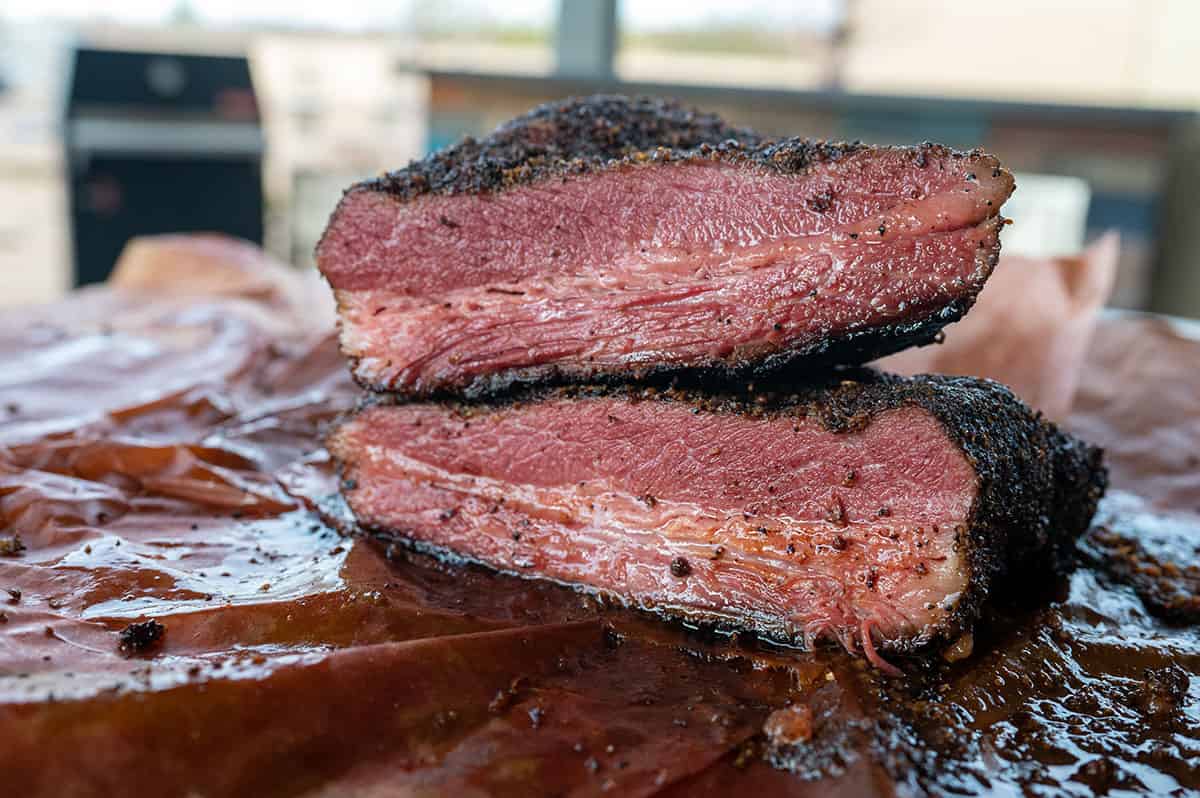
Step 3: Seasoning and Resting
Following the brine, the brisket is removed and thoroughly rinsed under cold water to eliminate any residual salt from the surface. It is then patted dry with paper towels. This is the moment for the application of the signature pastrami rub. This blend of spices, typically featuring cracked black pepper, coriander, and other aromatics, is generously applied to all surfaces of the brisket. After seasoning, the brisket is placed on a rack in the refrigerator, uncovered, for an additional day. This overnight rest allows the rub to adhere to the meat and begin to form a preliminary bark.
Step 4: The Smoking Process
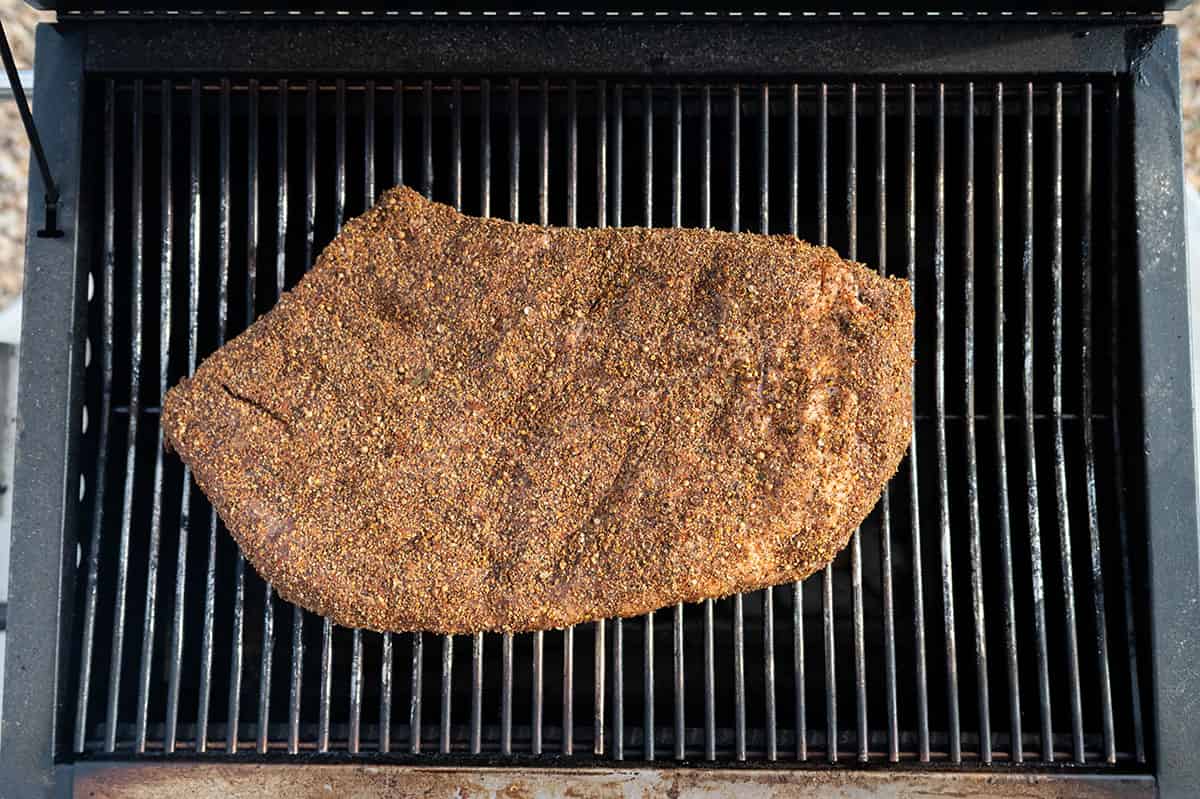
The transformation into pastrami is completed through smoking. The grill or smoker is preheated to a temperature range of 225 to 275 degrees Fahrenheit, utilizing an indirect heat setup. The seasoned brisket is then placed on the smoker over the indirect heat zone. Throughout the smoking process, the brisket is spritzed every 30 minutes with apple cider vinegar. This technique helps to keep the surface moist, promoting smoke adhesion and contributing to a tender final product.
Step 5: Wrapping for Tenderness
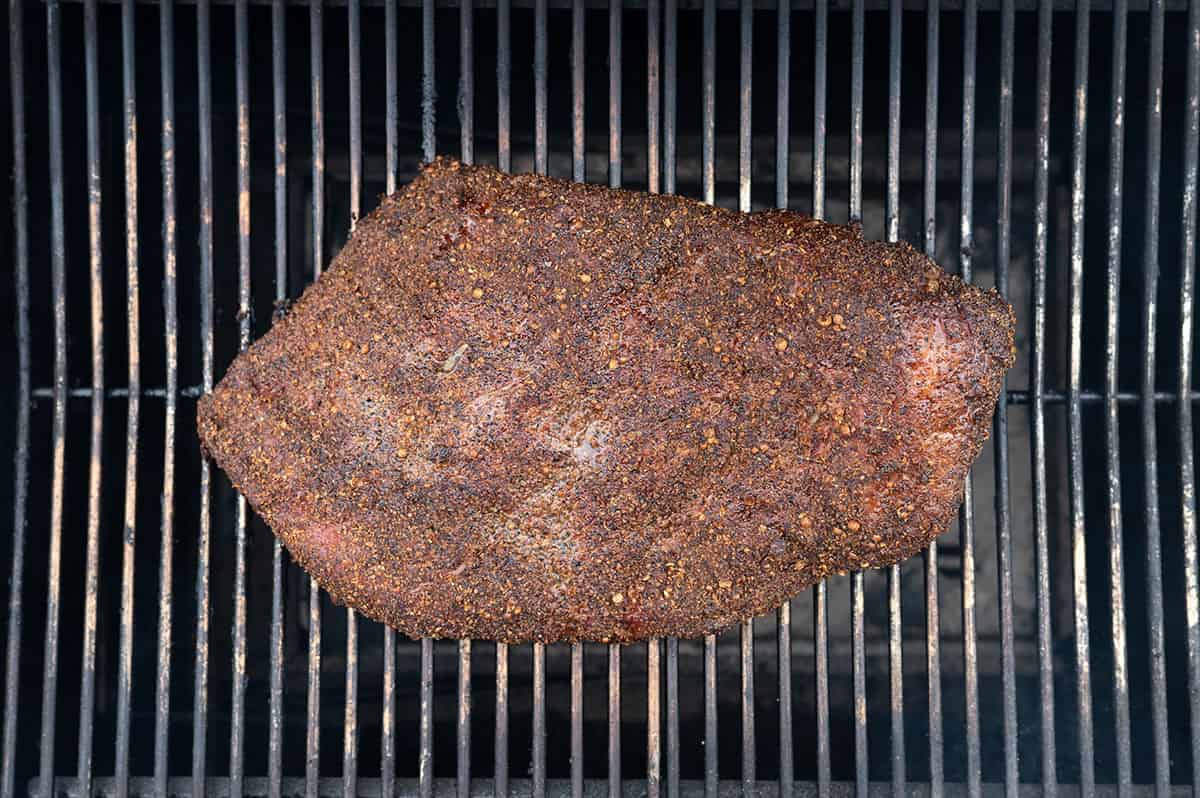
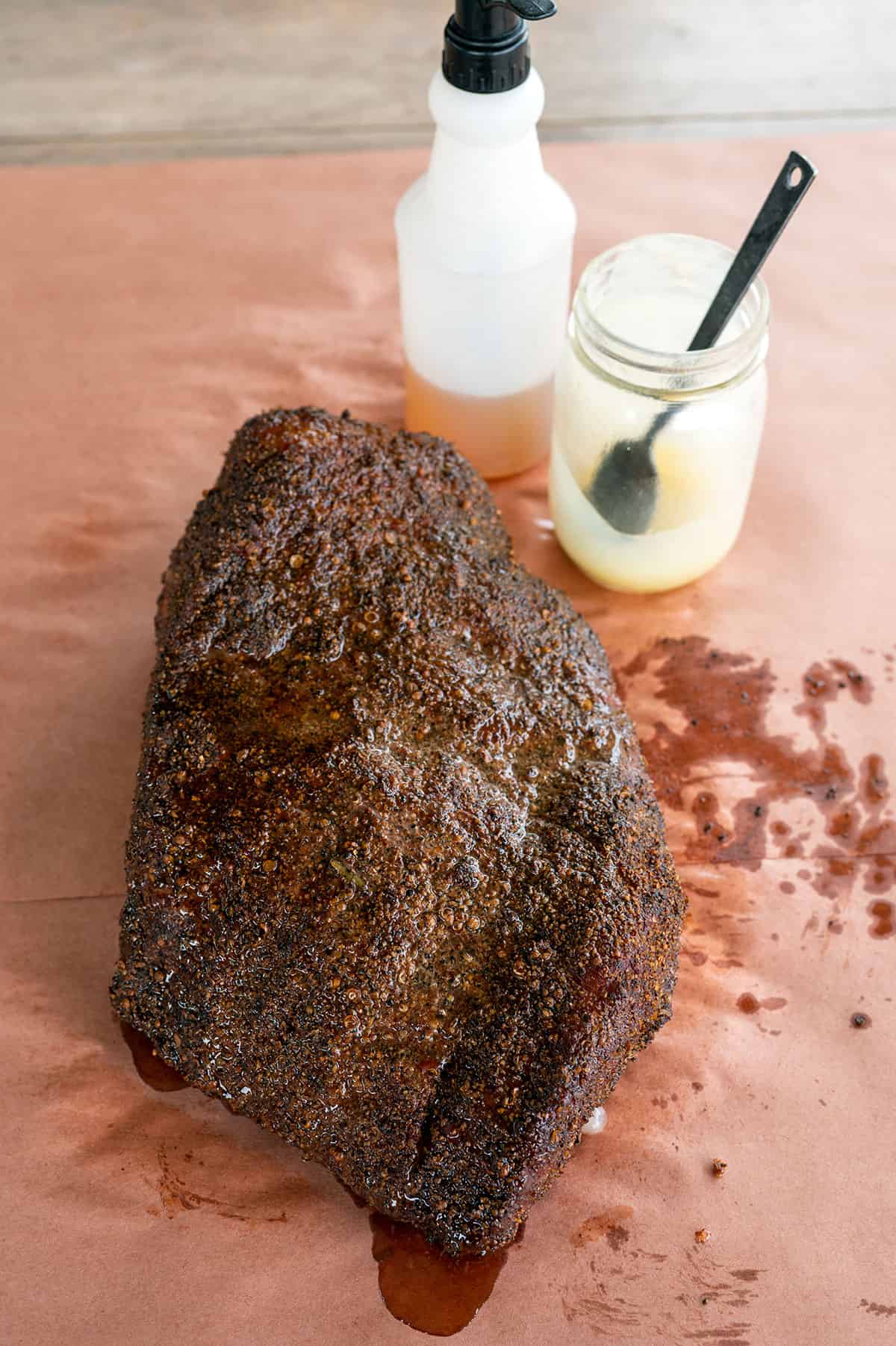
As the brisket begins to develop a desirable bark and reaches an internal temperature of 160 to 170 degrees Fahrenheit, it is time to wrap it. This stage is crucial for pushing through the "stall," a period where the meat’s temperature plateaus due to evaporative cooling. The brisket is removed from the smoker and carefully placed onto two sheets of butcher paper. A further spritz of apple cider vinegar is applied, followed by a few tablespoons of beef tallow. The butcher paper is then used to wrap the brisket tightly, creating a sealed environment that will encourage the meat to continue cooking and tenderize. A PRO TIP suggests that a 6-pound brisket smoked at 250-275°F will typically reach this wrapping stage in approximately 4 hours. Lower temperatures at 225°F will extend this cooking time.
Step 6: Finishing the Cook
The wrapped brisket is returned to the smoker to continue its cooking journey. The goal is to reach a final internal temperature of 205 to 210 degrees Fahrenheit. This higher temperature ensures that the connective tissues within the brisket have fully broken down, resulting in a supremely tender and succulent product.
Step 7: The Crucial Rest
Once the target internal temperature is achieved, the brisket is removed from the smoker. It is then wrapped in a towel and placed inside a cooler, ensuring no ice is present. The cooler is closed, and the brisket is allowed to rest for at least one hour. This extended resting period is critical for allowing the juices to redistribute throughout the meat. Skipping this step can lead to a dry pastrami, as the juices will escape when sliced.
Serving and Enjoying Your Homemade Pastrami
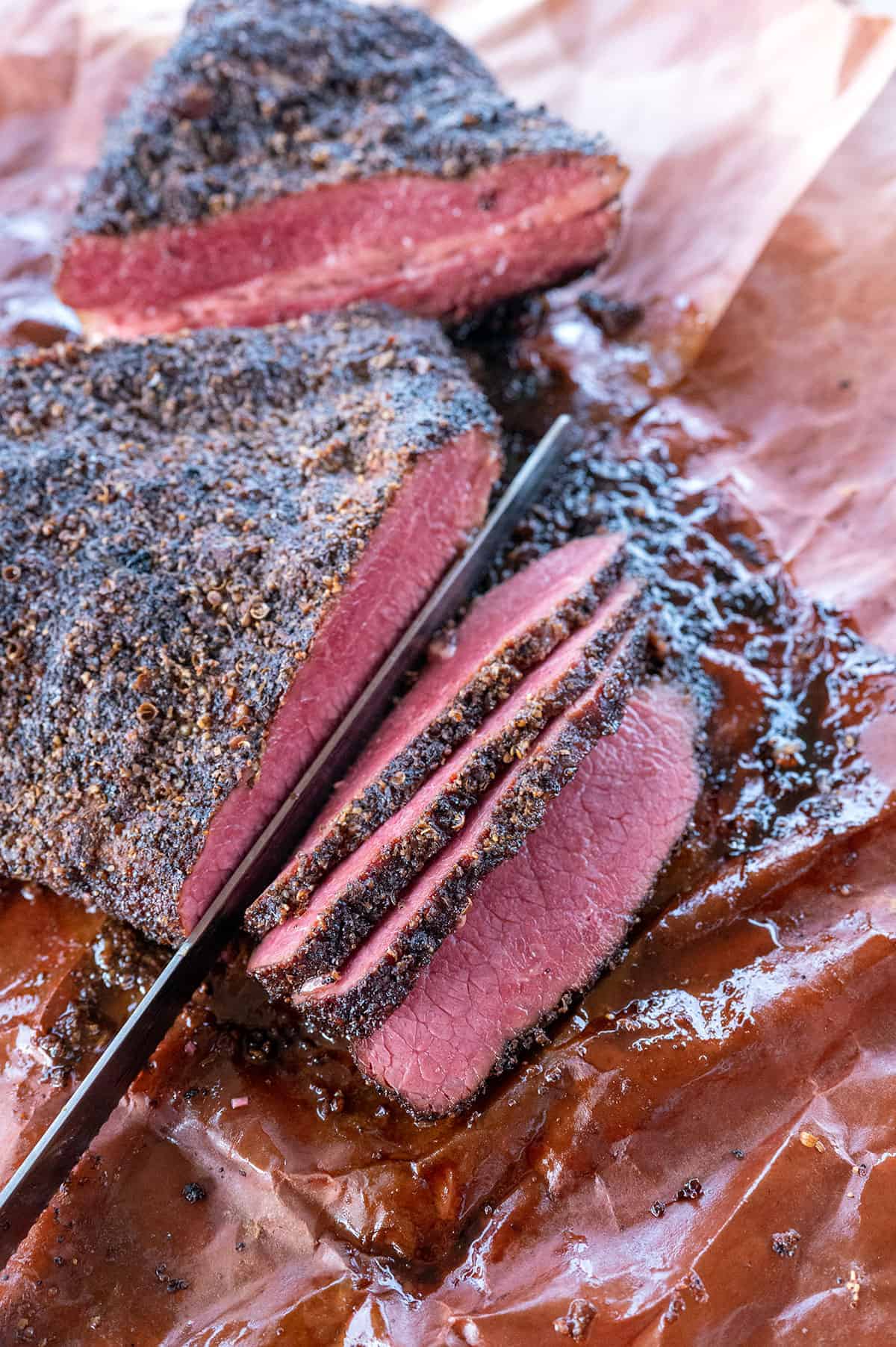
The culmination of this meticulous process is the serving of your homemade pastrami. For brisket pastrami, precise slicing is essential. The flat end of the brisket should be sliced against the grain to ensure maximum tenderness. Slices can range from thick, hearty cuts to thin, delicate shavings, with thinner slices being ideal for classic pastrami sandwiches.
The point meat, often richer and more marbled, can be pulled apart and shredded, offering a different textural experience. This shredding method is also recommended for pastrami made from pork shoulder or lamb shoulder. For those seeking the ultra-thin, shaved consistency found in delis, chilling the meat for about an hour after resting can make it firmer and easier to slice with a meat slicer set to a fine setting.
The quintessential pastrami sandwich is a culinary icon, typically prepared on rye bread with layers of pastrami, Russian dressing, Swiss cheese, and sauerkraut. However, the versatility of pastrami extends far beyond this classic. It can be enjoyed on its own as part of a charcuterie board, incorporated into breakfast hashes, added to macaroni and cheese for a gourmet twist, used in stir-fried rice, or even as a pizza topping. This allows for boundless creativity in integrating this flavorful meat into various dishes.
Storage and Leftover Utilization
Proper storage ensures the longevity and quality of your homemade pastrami. According to USDA guidelines, cured and cooked pastrami can be safely stored in an airtight container in the refrigerator for up to 40 days. For longer preservation, freezing is a highly recommended option. Pastrami can maintain its quality in the freezer for several months.
Leftover pastrami offers a wealth of culinary opportunities. Beyond reheating for sandwiches, it can be creatively repurposed. Consider incorporating it into a hearty breakfast hash, adding a unique flavor to a rich mac and cheese, or using it as a savory topping for homemade pizzas. The possibilities are limited only by culinary imagination.
Frequently Asked Questions About Pastrami
What’s the difference between pastrami and corned beef?
The primary distinction lies in the cooking method. Both are cured, but corned beef is cooked without smoke (e.g., boiled, braised, oven-roasted), while pastrami is smoked, imparting a distinct flavor and aroma.
Is pastrami healthy?
The health profile of pastrami varies significantly based on the cut of meat used. High-fat meats like brisket or pork belly will be less healthy than leaner options like poultry or pork loin. Additionally, pastrami typically contains high levels of sodium, necessitating moderation, particularly for individuals monitoring their blood pressure.
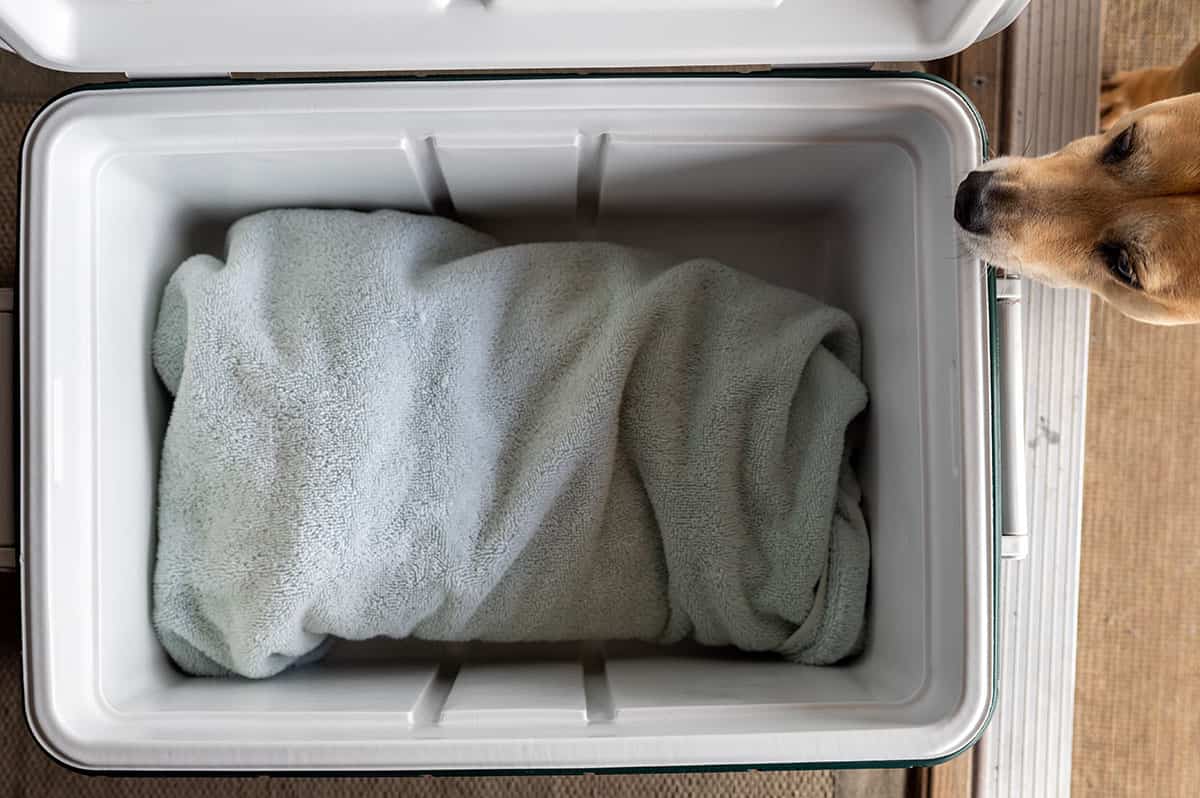
Can dogs eat pastrami?
While a small, occasional piece is unlikely to cause severe harm, it is generally advisable to keep pastrami out of a dog’s diet. The high salt and fat content can be detrimental to a dog’s health. Consulting a veterinarian for specific dietary advice for pets is always recommended.
This detailed exploration into crafting brisket pastrami highlights a culinary tradition that rewards dedication with unparalleled flavor. By understanding the nuances of curing, seasoning, and smoking, home cooks can achieve a deli-quality pastrami that is both a culinary triumph and a delicious experience.