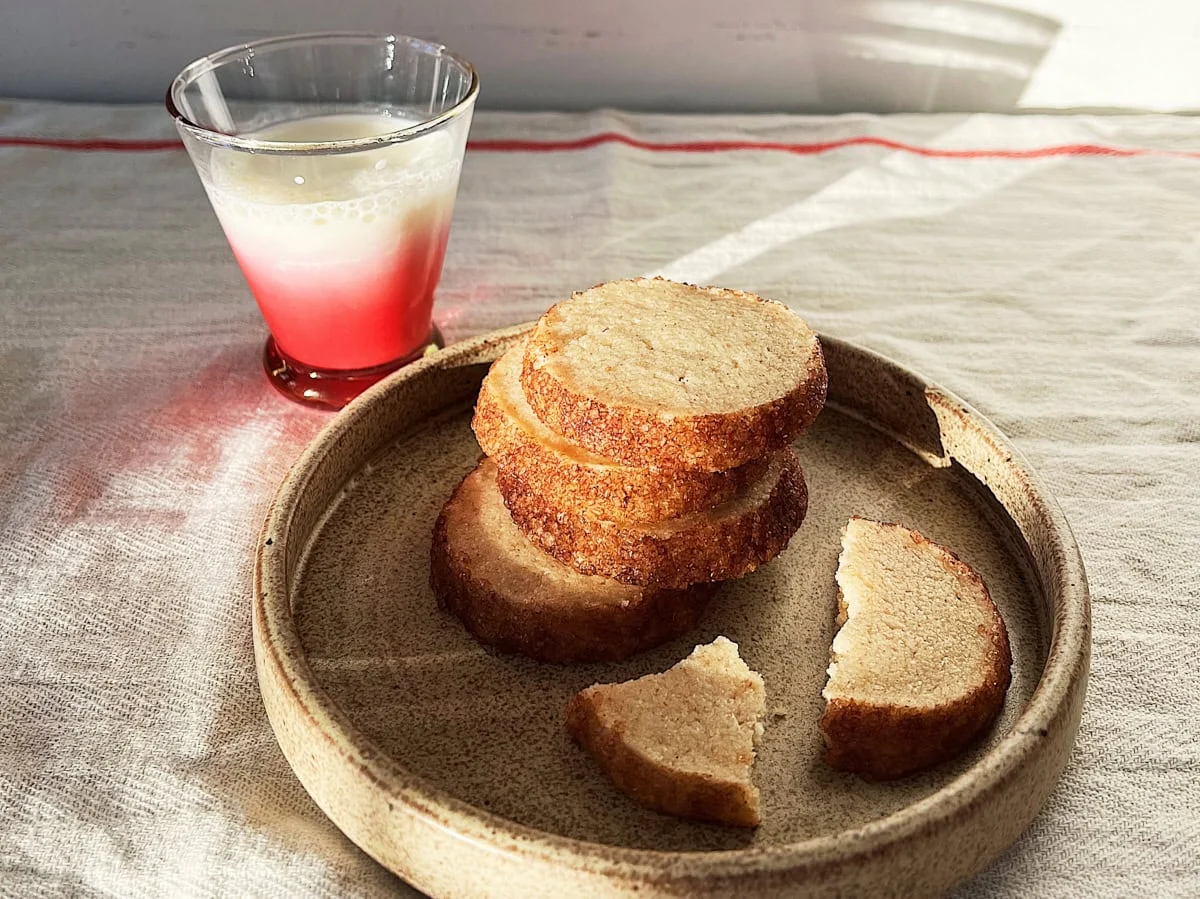
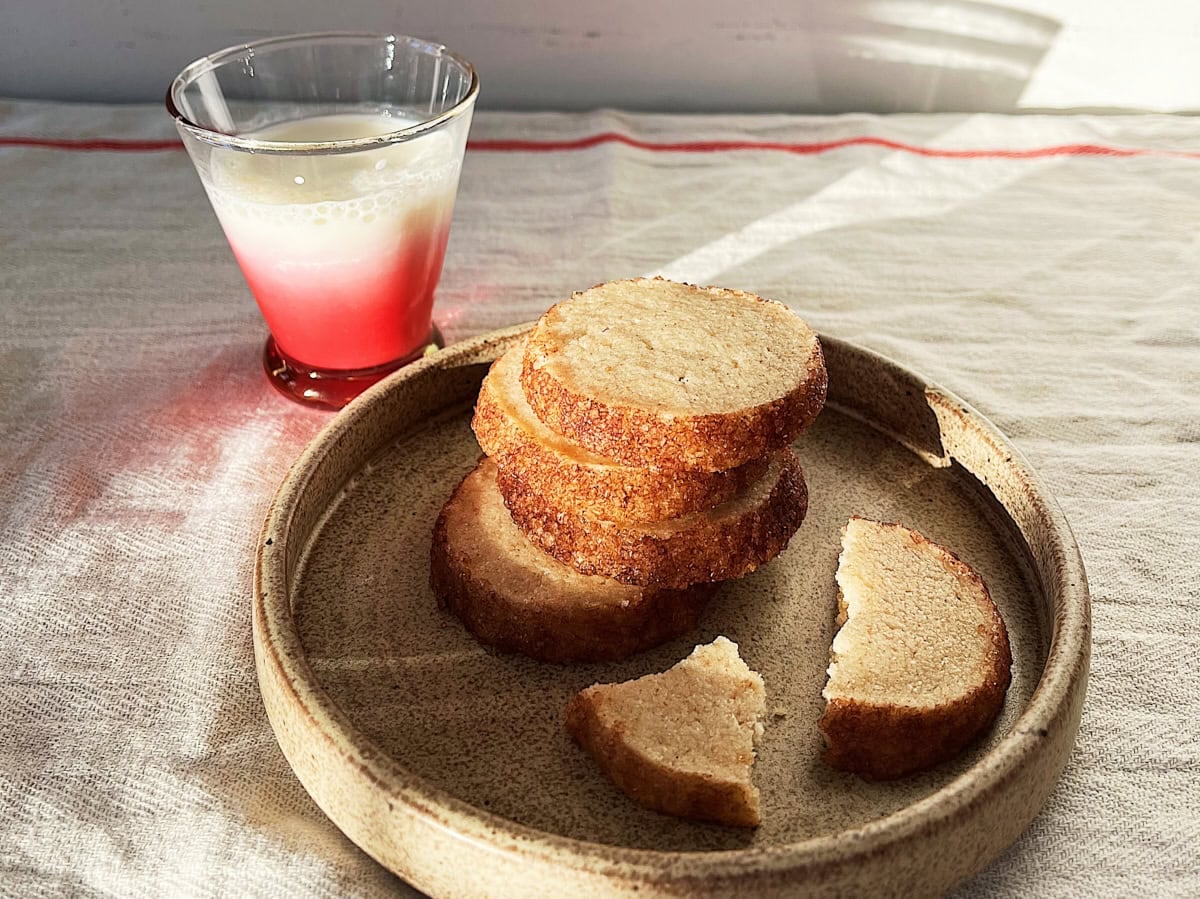
A new recipe has emerged, marrying the efficiency of slice-and-bake cookies with the distinct tang and sustainability of sourdough discard, presenting a compelling option for seasonal baking. These vanilla-infused cinnamon toast cookies, developed by culinary experts, offer a streamlined approach to producing large quantities of confectionery, ideal for holiday gatherings and gift-giving. The formulation addresses common challenges in home baking, from time constraints to ingredient utilization, positioning it as a significant development in contemporary culinary practices.
The genesis of this particular cookie lies in the enduring appeal of the slice-and-bake format. This method, celebrated for its minimal hands-on time and scalable output, allows bakers to prepare dough in advance, often in a single bowl, and then segment the baking process into convenient shifts. This contrasts sharply with more labor-intensive cookie types requiring individual scooping, rolling, or intricate decoration. The inherent simplicity of slice-and-bake designs makes them perennial favorites, particularly during high-volume baking periods such as the holiday season. The inclusion of sourdough discard, a byproduct of maintaining a sourdough starter, further elevates the recipe, imparting a subtle depth of flavor and addressing concerns about food waste, a growing focus within the culinary world.
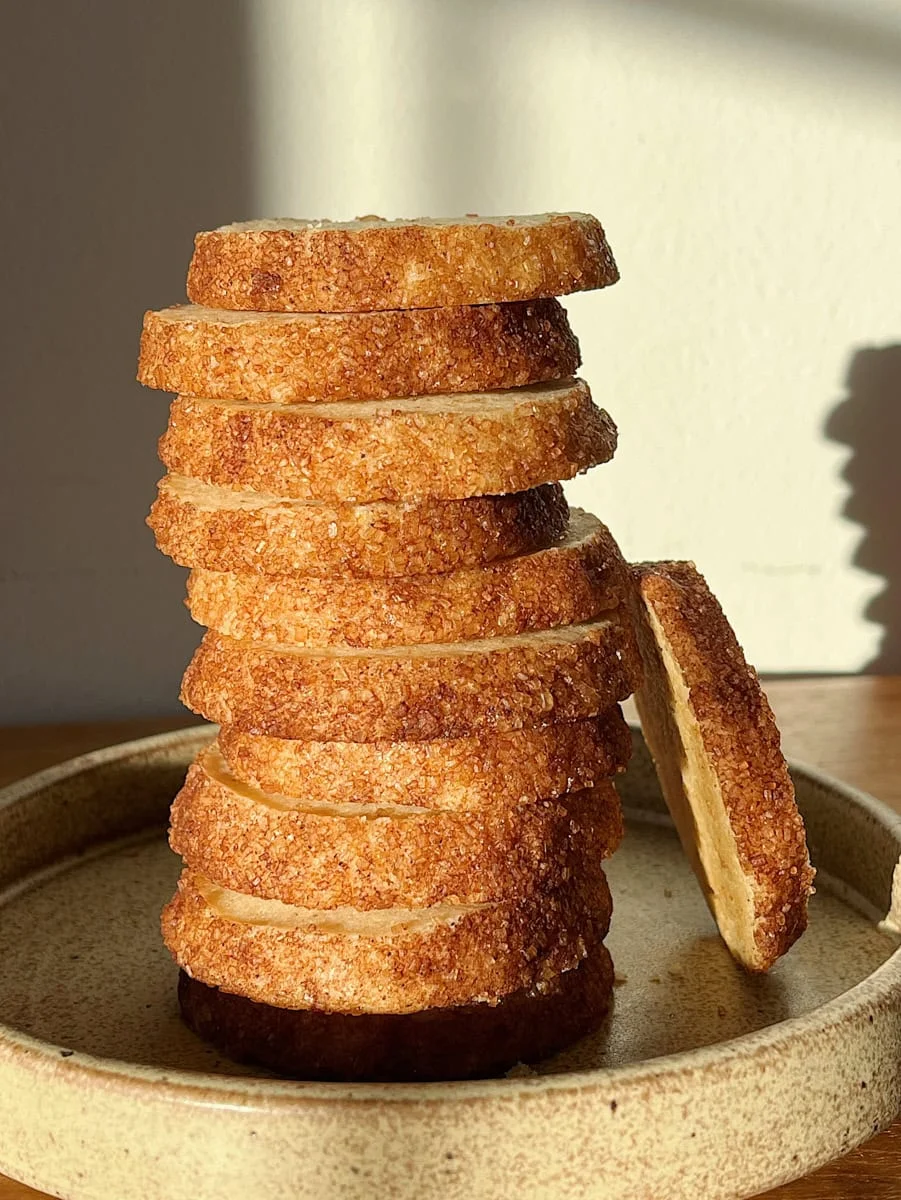
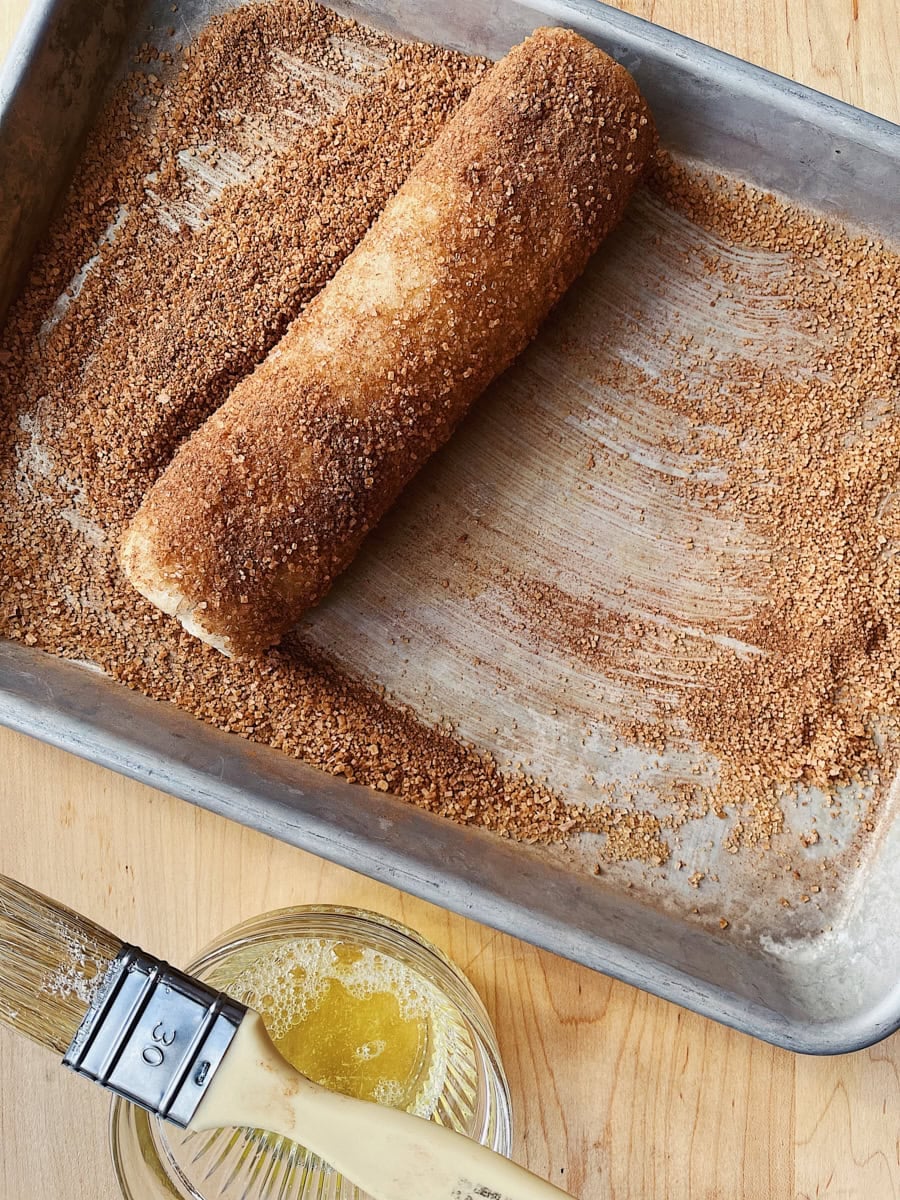
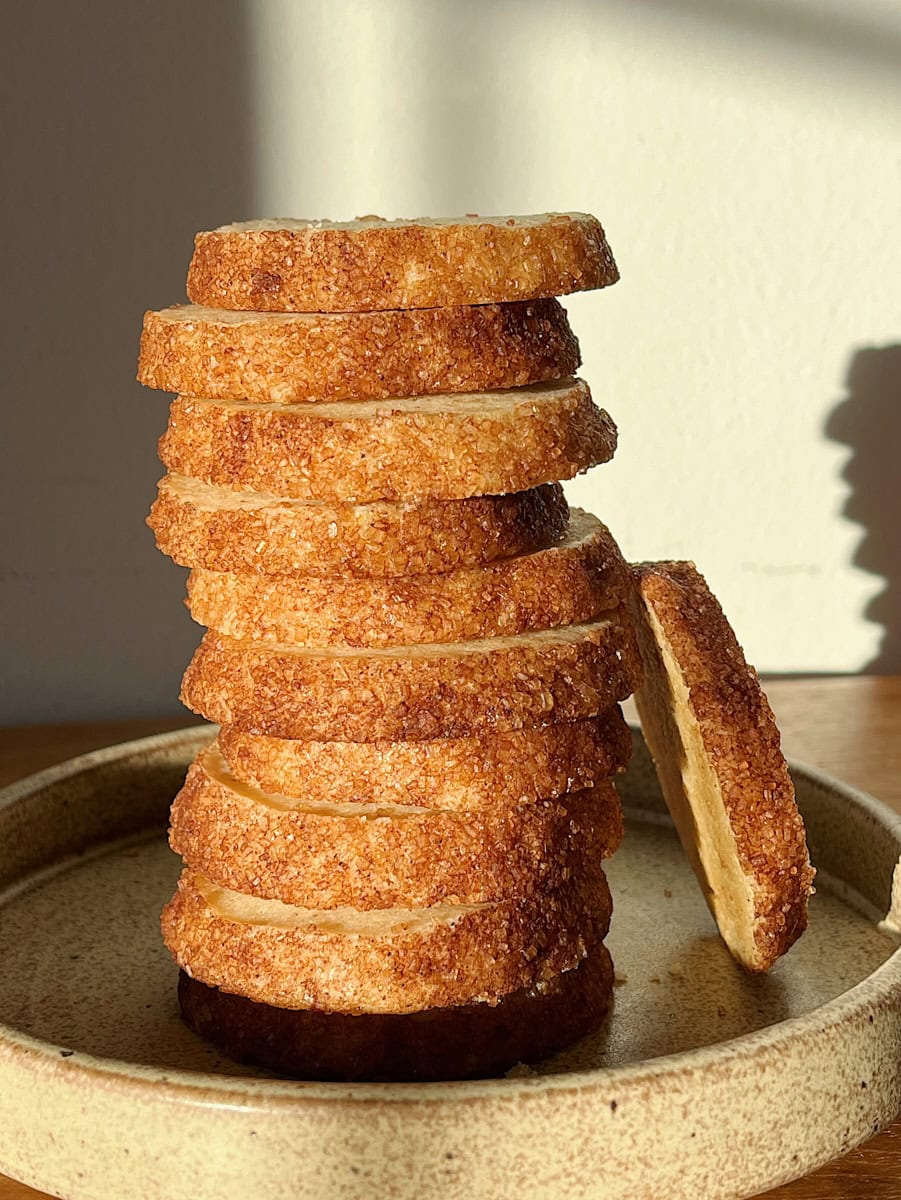
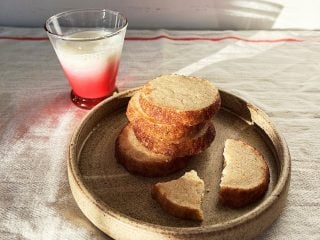
The "cinnamon toast" designation for these cookies stems from their distinctive exterior coating. A generous application of Demerara sugar and ground cinnamon creates a textured, aromatic crust that caramelizes during baking, evoking the comforting flavors of the breakfast staple. This sweet and spicy outer layer harmonizes with the rich, buttery, and slightly tangy interior of the dough. While perhaps lacking the vibrant visual flourishes of some holiday confections—such as multi-colored sanding sugars or crushed candy canes—the immediate appeal and rapid consumption of these rounds at events like cookie swaps suggest their flavor profile transcends purely aesthetic considerations. This focus on fundamental taste and texture aligns with a broader trend towards comfort food and classic flavor combinations.
Optimizing Dough Composition: A Scientific Approach to Texture
A critical element in achieving the desired texture for these sourdough discard cookies involves a departure from conventional cookie dough ratios. Standard baking guidelines often suggest a ratio of one part sugar, two parts butter, and three parts flour by weight. However, applying this ratio to a shortbread-style slice-and-bake cookie, particularly one without significant sugar content or the aerating and tenderizing effects of eggs, can result in a notably stiff and floury product. The developers of this recipe opted for a modified ratio, utilizing 250 grams (2 cups) of all-purpose flour, supplemented by an additional 35 grams from the sourdough starter discard. With 150 grams of sugar and 226 grams of butter, the adjusted ratio approximates 1:1.5:less than 2 (sugar:butter:flour). This deliberate reduction in the flour proportion relative to butter ensures a tender, less crumbly cookie, promoting a more melt-in-your-mouth consistency characteristic of high-quality shortbread. The sourdough discard, being a hydrated ingredient, also contributes to the overall moisture content, necessitating this careful balance.
The Crucial Role of High-Quality Butter
In recipes featuring a minimalist ingredient list, the quality of each component becomes paramount. For these sourdough discard cinnamon toast cookies, where the dough itself is relatively simple, the flavor contribution of the butter is particularly pronounced. Culinary professionals and home bakers alike often emphasize the impact of premium fats. The recommendation to use high-quality butter, specifically European-style butter, is based on its typically higher butterfat content (often 82% or more, compared to 80% in many American varieties) and often a more pronounced, nuanced flavor profile due to specific fermentation processes. This higher fat content contributes to a richer taste and a more tender crumb, enhancing the overall sensory experience of the cookie. While not explicitly detailed in the recipe, the option to brown the butter—a technique known to introduce a nutty, complex flavor by caramelizing milk solids—is also noted as a viable modification, demonstrating an understanding of advanced flavor development within a simple framework.
Sourdough Discard: A Sustainable Flavor Enhancer
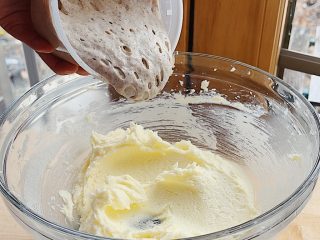
The integration of sourdough starter discard is a cornerstone of this recipe, embodying both flavor enhancement and a commitment to reducing food waste. Unlike many traditional shortbread-style cookies that typically exclude water, the sourdough discard introduces a small but significant amount of hydration, along with beneficial acids and yeast byproducts. This contribution provides a subtle tang that beautifully complements the sweetness of the sugar and the warmth of the cinnamon, adding complexity to the overall flavor profile. The discard, which is essentially unfed starter, is readily available to anyone maintaining a sourdough culture, offering a practical solution for utilizing a commonly discarded ingredient. This approach aligns with the growing global movement towards sustainable cooking and minimizing kitchen waste, a trend that resonates deeply with environmentally conscious consumers and culinary innovators. The fact that only a modest amount of discard is required makes this recipe accessible even to those with relatively small starter quantities.
Mechanization and Manual Dexterity in Dough Preparation
Efficiently preparing the cookie dough is another aspect addressed in the development of this recipe. The creaming method, which involves beating butter and sugar together until light and fluffy, is foundational for many cookie types. While achievable by hand, particularly for those with significant physical strength, the use of an electric mixer—either a handheld model or a stand mixer—is strongly recommended. Electric mixers streamline the process, ensuring thorough aeration and even distribution of ingredients, which are crucial for consistent cookie texture. This practical advice underscores a pragmatic approach to home baking, acknowledging that modern kitchen tools can significantly reduce preparation time and effort, making complex-sounding recipes more approachable for the average baker. The mention of specific mixer models also subtly integrates consumer product information relevant to the baking community.
The Indispensable Role of Chilling for Structural Integrity
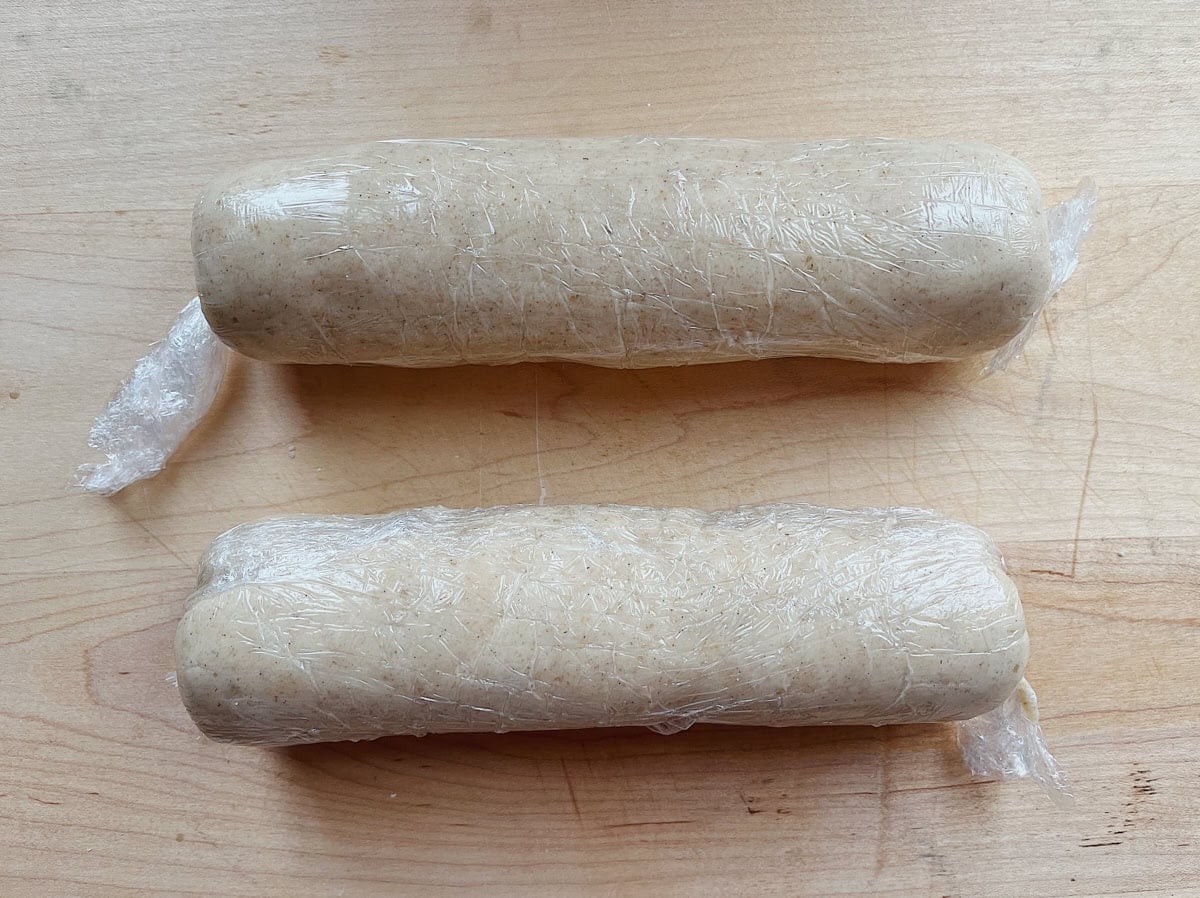
One of the most critical steps in achieving perfectly formed slice-and-bake cookies, especially those with a higher butter-to-flour ratio, is adequate chilling of the dough. The initial dough for these cinnamon toast cookies is described as soft and pliable due to its rich butter content. Without sufficient chilling, this softness can lead to excessive spreading when the cookies encounter the heat of the oven, resulting in irregular shapes and a less desirable texture. Chilling the dough for a minimum of two hours serves to resolidify the butter, firming the dough and stabilizing its structure. This allows for clean, precise slicing and ensures that the cookies maintain their neat, round shape during baking. This technique is a fundamental principle in baking science, preventing premature fat melt and promoting even heat distribution, ultimately contributing to a superior final product.
The Signature Cinnamon Sugar Rim: Flavor and Visual Appeal
The defining characteristic that earns these cookies their "cinnamon toast" moniker is the distinctive coating applied to their edges. A blend of Demerara sugar and cinnamon creates a coarse, sparkling rim that not only adds a burst of flavor but also provides an appealing textural contrast and visual charm. Demerara sugar, with its larger crystals and molasses notes, offers a satisfying crunch and a deeper caramel flavor compared to standard granulated sugar. The cinnamon, a classic warming spice, infuses each bite with its characteristic aroma and taste. The recipe also offers creative alternatives for this coating, suggesting ground cardamom or sumac for different aromatic profiles, or toasted white or black sesame seeds for an intriguing nutty dimension. These variations highlight the adaptability of the core recipe, encouraging personalization and culinary exploration.
Precision in Baking: Understanding Hydration’s Impact
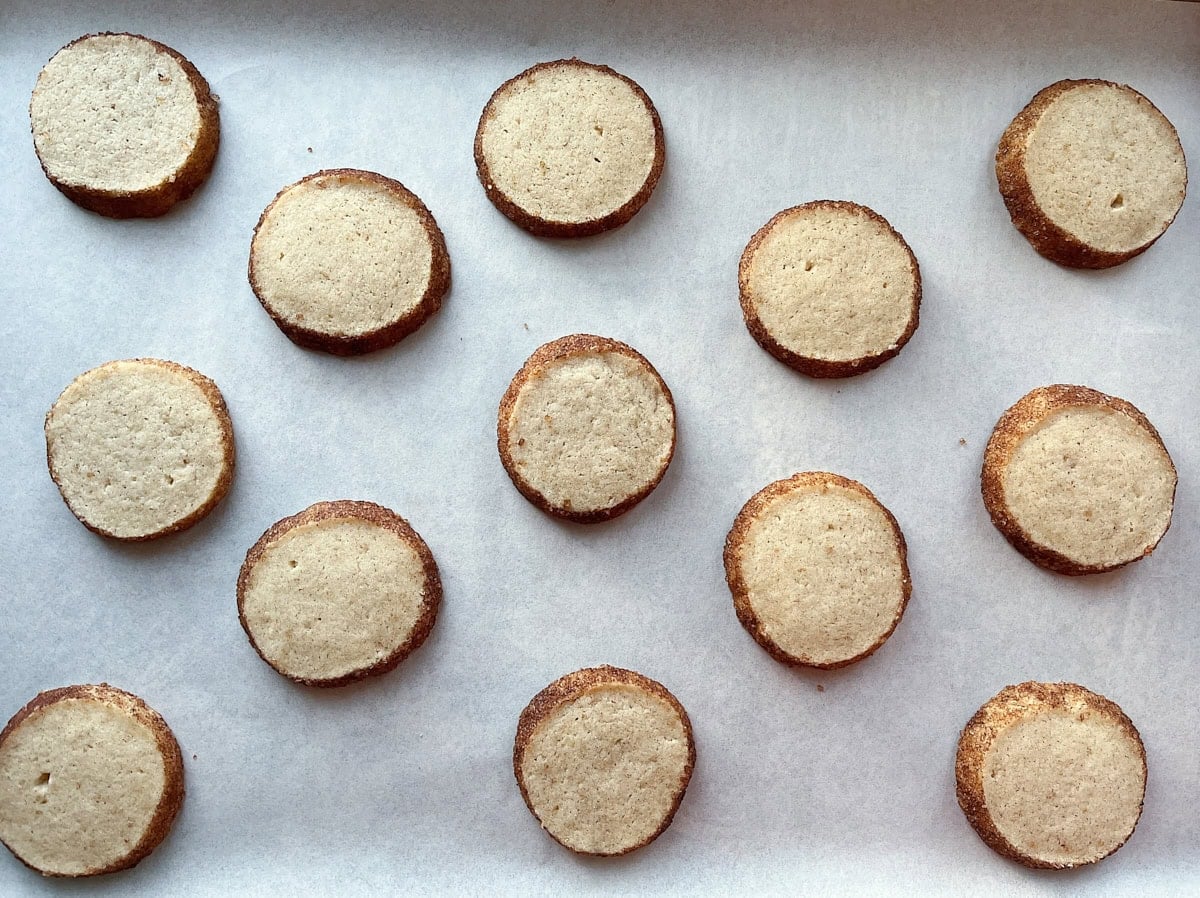
Baking these sourdough discard cookies requires attention to detail, particularly regarding bake time, due to the unique hydration introduced by the starter. Unlike many dry, shortbread-style cookies, the inclusion of sourdough discard means the dough contains a higher water content. This increased hydration affects how the cookies bake and brown. The tops of these cookies typically do not achieve a deep golden color in the oven, which can make it challenging to visually ascertain their doneness. An underbaked slice-and-bake cookie, unlike a gooey chocolate chip cookie, tends to be less appealing, often resulting in a soft, rather than crisp, texture. Therefore, the recommendation for a minimum bake time of 14 minutes is crucial, ensuring that the cookies are thoroughly cooked through, achieving the desired crispness and structural integrity without being overdone. This emphasizes the importance of understanding ingredient interactions and their impact on the baking process.
Versatile Flavor Customization and Additions
The base recipe for these cinnamon toast sourdough discard cookies is intentionally designed for versatility, encouraging bakers to experiment with various flavorings and textural additions. Beyond the core vanilla and cinnamon, the potential for customization is extensive. Citrus zests, such as lemon, grapefruit, or orange, can be rubbed into the sugar prior to creaming to infuse the dough with bright, aromatic notes. Alternative extracts like rose water, orange flower water, or almond extract can replace or complement vanilla, though their potency necessitates careful measurement. For a deeper, savory undertone, toasted sesame oil is suggested. Textural elements can be introduced with chopped chocolate or toasted nuts, adding complexity to each bite. Furthermore, powdered ingredients such as instant coffee or espresso, matcha, hojicha, or finely ground tea leaves like Earl Grey can impart sophisticated flavor layers. These suggestions not only broaden the appeal of the recipe but also demonstrate the principles of flavor pairing and ingredient manipulation in baking.
Practical Considerations for Home Bakers
The article also addresses several practical questions pertinent to home bakers, offering solutions and insights into common challenges. For instance, the possibility of incorporating other flours, such as whole wheat, rye, spelt, or even buckwheat, is explored, allowing for variations in flavor and nutritional profile. The use of specific kitchen tools, like beeswax wraps, is cautioned against due to potential interaction with the dough, advocating for parchment paper or washable stretch wraps instead. The convenience of freezing pre-sliced, sugar-coated cookies is highlighted, providing an excellent make-ahead strategy for busy individuals or for ensuring fresh-baked treats on demand for up to three months. Even aesthetic concerns, such as achieving perfectly round cookies despite a pliable dough, are addressed with practical tips like using a glass or biscuit cutter immediately after baking. These practical insights transform the recipe from a mere set of instructions into a comprehensive guide for successful and adaptable home baking.
The introduction of these sourdough discard cinnamon toast cookies represents more than just a new recipe; it signifies a thoughtful integration of culinary trends, scientific baking principles, and sustainable practices. By offering a convenient, adaptable, and flavorful option for home bakers, it contributes to the evolving landscape of modern baking, encouraging creativity while minimizing waste. This development underscores a broader movement within the food industry towards innovative uses for overlooked ingredients and a renewed appreciation for efficient, high-quality home cooking.