
On August 1, 2026, home fermentation enthusiasts across the globe, united under the banner of the American Homebrewers Association (AHA), marked Home Fermentation Day by showcasing a diverse array of microbial transformations. This annual event, dedicated to the art and science of harnessing microorganisms for culinary and beverage production, saw AHA members sharing their successful projects, ranging from vibrant, garden-fresh fermented vegetables to meticulously aged fruit-infused meads. The day served as a compelling testament to the potent impact of these often-unseen microscopic workers, proving that even the smallest organisms can yield profound and delicious results.
The tradition of Home Fermentation Day, initiated by the AHA to foster a community around home-based fermentation practices, has grown significantly since its inception. The event encourages participants to document and share their fermentation journeys, creating a dynamic digital archive of innovative techniques and successful outcomes. This year’s celebration, held on a Saturday, provided an ideal opportunity for individuals to dedicate time to their craft and share their achievements widely. The AHA, recognizing the increasing popularity of home fermentation beyond traditional brewing and winemaking, has expanded its resources to encompass a wider spectrum of fermented foods and beverages, reflecting a broader cultural shift towards artisanal food production and ingredient self-sufficiency.
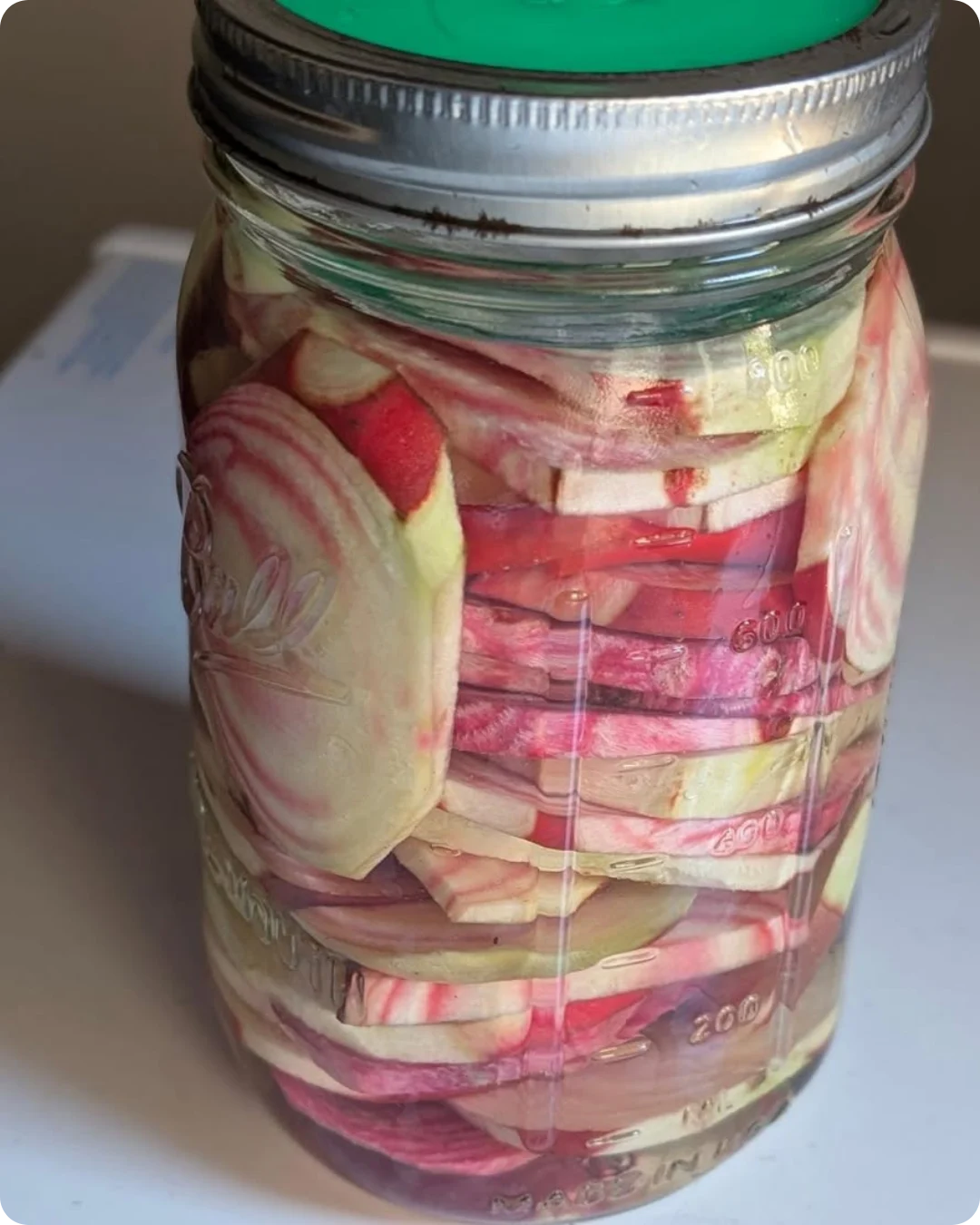
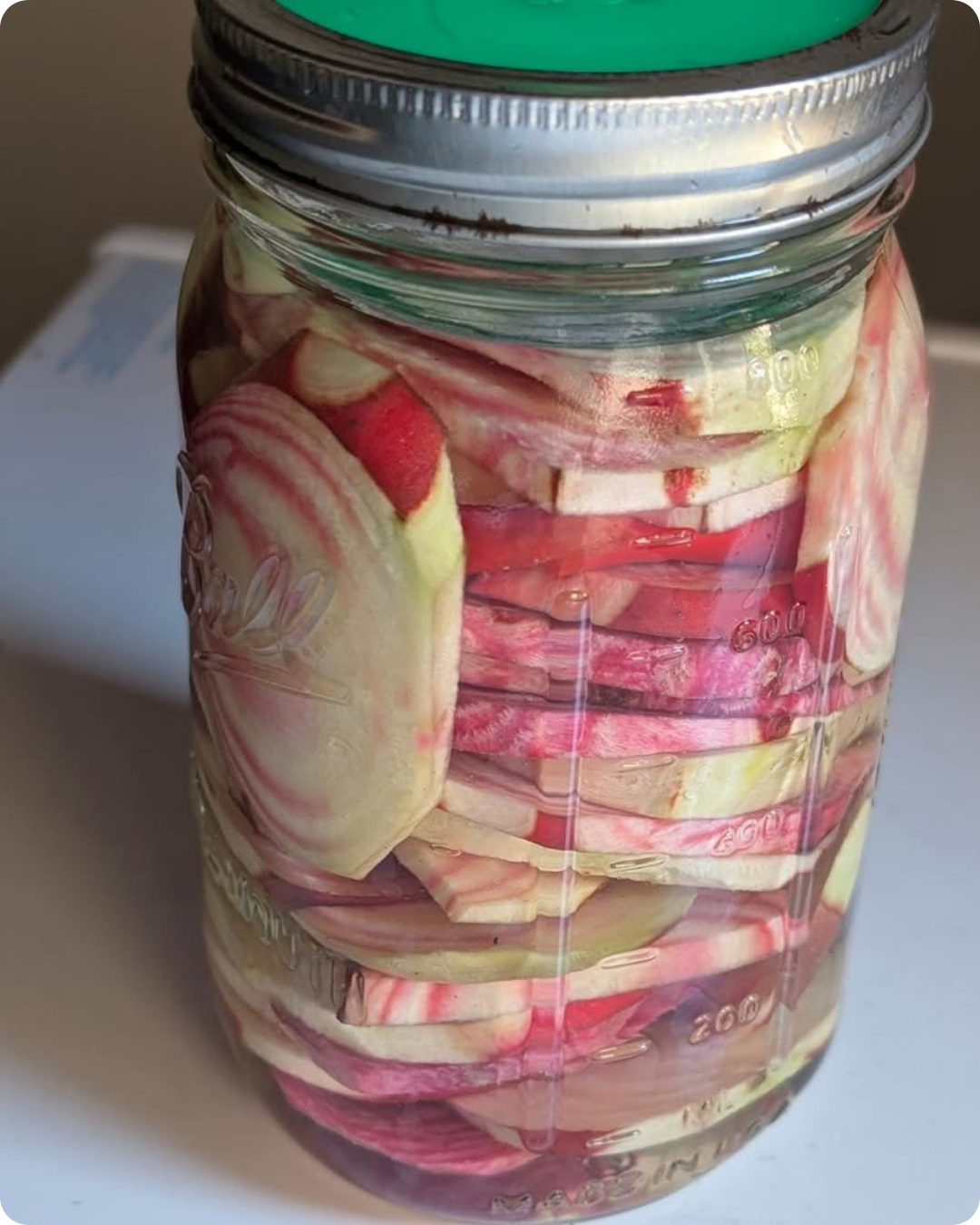
Among the many impressive submissions, several highlighted the ingenuity and dedication of the AHA community. Andrew Farke of Claremont, California, a member of the Horse Thief Brewers Association, presented his lacto-fermented beets. These vibrant crimson roots were not only enhanced by the fermentation process but also infused with the pungent kick of garlic and the subtle heat of Thai chiles, all sourced from Farke’s personal garden. This project exemplifies a growing trend in home fermentation: the utilization of locally sourced, homegrown ingredients, thereby creating a closed-loop system from cultivation to consumption. Lacto-fermentation, a process that relies on lactic acid bacteria naturally present on vegetables, not only preserves the food but also enhances its nutritional profile, producing probiotics and increasing the bioavailability of certain vitamins. The inclusion of garlic and Thai chiles adds layers of complex flavor and a welcome spicy element, transforming a humble root vegetable into a gourmet condiment.
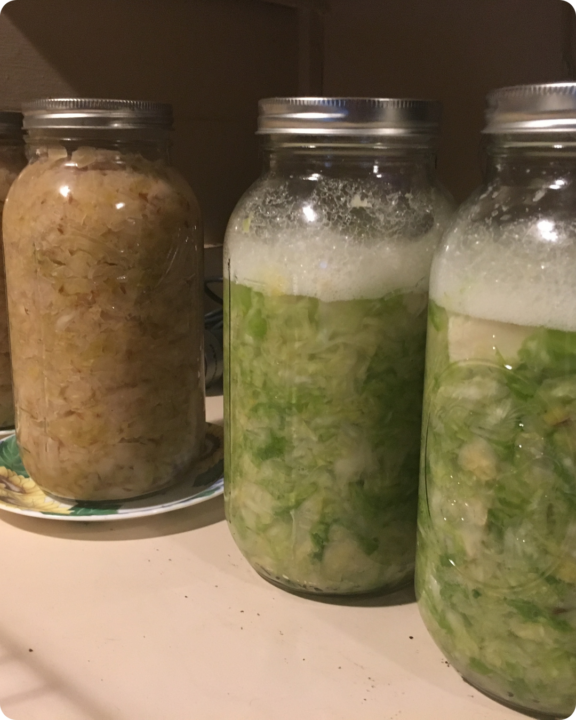
In a demonstration of classic fermentation techniques, Carl Saxer of Hilo, Hawaii, shared his naturally fermented sauerkraut. Saxer’s approach underscores the beauty of simplicity, using only cabbage and salt. This time-honored method relies on the salt to draw out moisture from the cabbage, creating an environment where beneficial lactic acid bacteria can thrive, outcompeting spoilage organisms. The result is a tangy, crisp sauerkraut that is both a delicious accompaniment to meals and a source of vital nutrients. Saxer’s personal preference for pairing his sauerkraut with homemade sausage further illustrates the synergistic relationship between fermented foods and traditional culinary practices, showcasing how these creations can elevate everyday dining experiences. The production of sauerkraut dates back thousands of years, with historical records indicating its consumption by ancient civilizations as a means of preserving cabbage through the harsh winter months. Its resurgence in modern cuisine is a testament to its enduring appeal and health benefits.
The art of meadmaking, a cornerstone of the AHA’s fermentation focus, was beautifully represented by Chris Gasbarro of Port St. Lucie, Florida. Gasbarro is preparing to bottle a guava melomel, a type of mead made with fruit, that has undergone a year-long aging process. His creation features the delicate sweetness of guava blossom honey, a highly prized varietal known for its distinct floral aroma, combined with the vibrant, tropical essence of guava puree. The extended aging period is crucial for melomels, allowing the complex flavors to meld and mature, transforming a simple blend of honey and fruit into a sophisticated beverage. The year-long maturation signifies a significant investment of time and patience, a characteristic often associated with the most rewarding fermentation projects. Guava, a fruit rich in Vitamin C and antioxidants, adds both flavor and nutritional value to the mead, while the guava blossom honey provides a unique aromatic profile that complements the fruit’s tanginess. This dedication to extended aging highlights the depth and complexity achievable in home fermentation.
Beyond these specific examples, Home Fermentation Day buzzed with an array of other creations. Participants shared accounts of fiery homemade hot sauces, the comforting aroma of freshly baked sourdough bread, and even a whimsical video featuring rebellious saké. These diverse contributions paint a picture of a vibrant and engaged community, eager to explore the vast potential of fermentation. The AHA’s digital platform served as a central hub for this exchange, allowing members to visually and textually share their experiences, fostering a sense of collective learning and inspiration. The visual documentation, in particular, plays a crucial role in demystifying the fermentation process for newcomers and showcasing the tangible results of these often-invisible transformations.
The AHA actively encourages continued engagement with fermentation throughout the year, emphasizing that Home Fermentation Day is merely a focal point for an ongoing passion. Their extensive online recipe collection offers a gateway for individuals to embark on their own fermentation journeys, providing guidance for a wide range of projects, including beer, mead, cider, and various fermented foods. This commitment to resource dissemination is vital in cultivating a sustained interest in home fermentation. The association also actively solicits submissions from its members, encouraging them to tag @homebrewassoc on social media platforms or submit their photos directly through their website. This participatory approach not only amplifies the visibility of individual achievements but also contributes to a growing repository of knowledge and inspiration for the entire community.
Looking ahead, the AHA continues to foster a spirit of collaboration and education through its regular "AHA Happy Hour" virtual events. A notable upcoming session, scheduled for Wednesday, August 5, 2026, at 6:30 p.m. MT, features Charlie Biolo, the proprietor and creative force behind Golden Hive Mead. Biolo has garnered a significant following for his engaging and accessible online content, which demystifies the process of meadmaking for millions of viewers. His work consistently demonstrates that fermentation, even something as potentially intimidating as mead production, can be an approachable, creative, and enjoyable pursuit. These virtual gatherings are designed to be informal and interactive, offering a platform for homebrewers to connect, share experiences, exchange tips, and pose questions. The AHA emphasizes that these events are open to everyone, regardless of AHA membership status, reinforcing their commitment to broad community engagement and the democratization of fermentation knowledge. The inclusion of figures like Charlie Biolo, who have successfully translated complex processes into entertaining and educational content, is instrumental in broadening the appeal of home fermentation to a wider audience. His approach, often characterized by a blend of humor and practical instruction, breaks down perceived barriers and encourages experimentation.
The implications of this growing interest in home fermentation extend beyond mere hobbyism. It reflects a broader societal trend towards increased self-sufficiency, a desire for healthier and more sustainable food systems, and a renewed appreciation for artisanal craftsmanship. As consumers become more conscious of the origins and processing of their food, home fermentation offers a direct pathway to control and understanding. The ability to transform simple ingredients into complex, flavorful, and potentially probiotic-rich foods and beverages empowers individuals and strengthens their connection to the food they consume. Furthermore, the sharing and documentation of these projects within communities like the AHA contribute to a collective knowledge base that can foster innovation and preserve traditional techniques. The data emerging from such widespread participation, while often anecdotal, paints a compelling picture of a growing movement that values both tradition and innovation in the realm of microbial transformation. The AHA’s role in facilitating this exchange is invaluable, providing a structured and supportive environment for enthusiasts to thrive and for the practice of home fermentation to continue its upward trajectory.


