

The transition into the autumnal season has historically been marked by the vernal equinox and the natural shift in temperate climates. However, in recent years, a phenomenon known as "seasonal creep" has significantly altered the public’s perception of time. Market researchers have observed that retailers now begin promoting fall-themed products—including pumpkin-flavored beverages and decorative items—as early as July. This hyper-commercialization has transformed a season once defined by harvest and ecological change into a multi-billion-dollar marketing window. In response to this consumerist pressure and the rising rates of digital fatigue, a growing movement is advocating for a return to "whimsy"—a state of being characterized by playfulness, imagination, and a deliberate disconnection from the digital attention economy.
The Socioeconomic Context of Modern Autumn
According to data from the National Retail Federation, consumer spending on seasonal holidays has seen a steady incline over the last decade. The "Pumpkin Spice" economy alone is estimated to be worth over $500 million annually. This commercial saturation often leads to a performative experience of the season, where activities are curated for social media engagement rather than personal fulfillment.
Psychological studies on digital consumption suggest that the average adult spends upwards of seven hours a day looking at screens. This constant connectivity has been linked to increased cortisol levels and a decrease in community cohesion. Consequently, the concept of "whimsy"—defined by the Oxford English Dictionary as "quaint or fanciful behavior"—is being repurposed by sociologists as a tool for mental reclamation. By engaging in low-cost, sustainable, and analog activities, individuals can mitigate the effects of "seasonal creep" and foster genuine social connections.
1. Ecological Literacy Through Enhanced Nature Observations
One of the most accessible methods to combat digital saturation is the practice of "leaf peeping," a term used to describe the observation of changing foliage. However, modern naturalists suggest taking this a step further to combat "plant blindness"—a term coined by botanists James Wandersee and Elisabeth Schussler in 1999 to describe the human tendency to overlook plants in one’s environment.
To engage in a "whimsical" nature walk, participants are encouraged to move beyond passive observation. This involves:
- Color and Texture Documentation: Carrying a physical field journal to sketch specific flora, such as the deep reds of the Red Maple or the vibrant yellows of the American Larch.
- Identification of Invasive Species: In regions such as New England, the "Burning Bush" (Euonymus alatus) is a popular but invasive shrub that displaces native species. Distinguishing between native biodiversity and invasive ornamentals adds a layer of scientific engagement to a simple walk.
- Community Scavenger Hunts: Organizing group walks where participants search for specific ecological markers, such as acorns from white oaks or late-blooming asters and goldenrod.
This activity serves as a bridge to local ecology, fostering an appreciation for the environment that does not require financial investment or digital validation.
2. The Resurgence of Analog Correspondence
As digital communication becomes increasingly ephemeral, the practice of "snail mail" is experiencing a resurgence, particularly among younger demographics seeking more meaningful interactions. According to a report by the United States Postal Service, while total mail volume has decreased, the "personal touch" of physical cards and letters remains highly valued for emotional well-being.
Writing gratitude letters serves a dual purpose: it encourages the writer to practice mindfulness and provides the recipient with a tangible artifact of connection. Journalistic analysis suggests that the act of writing by hand activates different neural pathways than typing, often leading to deeper reflection.
To enhance the "whimsy" of this activity, individuals are utilizing upcycled materials—such as brown paper grocery bags or scrap paper—to create stationery. Including small, foraged items like pressed leaves, bird feathers, or packets of native seeds can transform a standard letter into a personalized gift. This practice reinforces the "zero waste" philosophy by emphasizing the value of existing resources over newly purchased commodities.
3. Communal Craft and the Slow Fashion Movement
The textile industry is one of the world’s largest polluters, responsible for approximately 10% of global carbon emissions. The "Slow Fashion" movement encourages consumers to move away from "fast fashion" and toward durable, hand-made, or repaired garments. Knitting circles and "sip and stitch" events have become vital community hubs for this transition.
Joining a local knitting or crocheting circle offers several benefits:
- Skill Acquisition: Learning to create functional items like sweaters, scarves, or hats reduces reliance on global supply chains.
- Social Resilience: These circles provide a "Third Place"—a sociological term for a social environment separate from the two usual social environments of home and the workplace.
- Yarn Swaps: To maintain sustainability, many groups host yarn swaps, allowing members to exchange surplus materials rather than purchasing new synthetic fibers.
By focusing on fall-inspired patterns—such as leaf motifs or fungal textures—participants can celebrate the season through tactile creativity, bypassing the need for store-bought seasonal apparel.
4. Domestic Gastronomy: The "Home Cafe" Concept
The rise of the "cottagecore" aesthetic has popularized the idea of the "home cafe." As the cost of living increases and inflation impacts the price of dining out, hosting themed gatherings at home has become a viable alternative for maintaining social lives on a budget.
A fall-themed home cafe focuses on seasonal, locally sourced ingredients. Common menu items include:

- Foraged Teas: Using dried rosehips or apple peels.
- Seasonal Baking: Utilizing pumpkins, squashes, and apples sourced from local farmers’ markets.
- Zero-Waste Practices: Encouraging guests to bring their own containers for leftovers to prevent food waste, which accounts for nearly 30-40% of the U.S. food supply.
Beyond the culinary aspect, the home cafe serves as a platform for community building. Sharing a fresh cinnamon roll or a loaf of pumpkin bread with neighbors can break down social barriers and foster a sense of local security.
5. Tactical Creativity and Upcycled Crafting
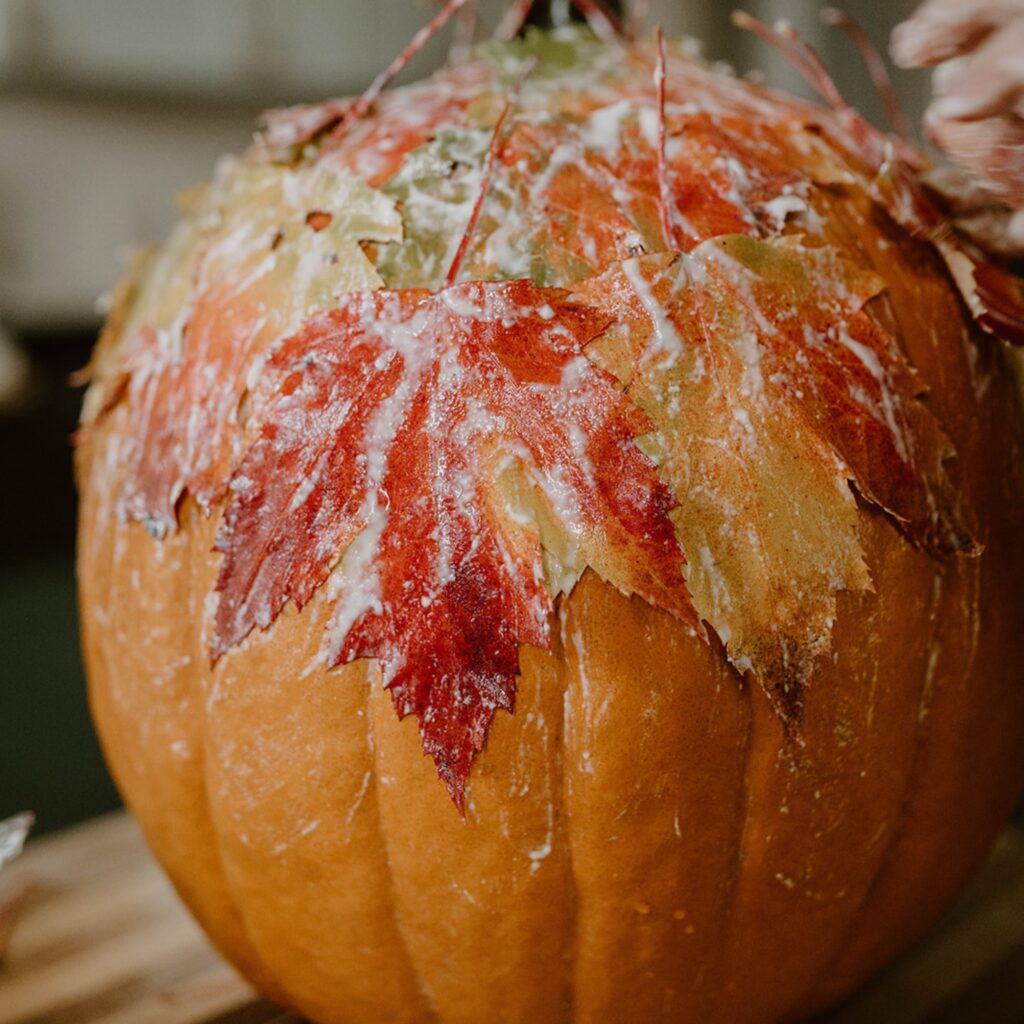
Artistic expression is often stifled by the "perfectionism" encouraged by social media platforms. "Whimsical" crafting nights prioritize the process over the final product. Activities such as decorating pumpkins with compostable glue and foraged leaves, or creating garlands from waxed autumn foliage, allow for creative experimentation.
Market trends show an increase in "thrifted" art supplies. Thrift stores often house a surplus of fabrics, paints, and frames that can be repurposed for fall-themed projects. This approach aligns with the circular economy, which aims to eliminate waste and the continual use of resources.
A popular iteration of this is the "Paint and Sip" night with a seasonal twist. Rather than following a rigid tutorial, participants are encouraged to paint scenes from their local environment—an apple orchard, a specific park, or a backyard tree. This fosters a deeper visual connection to one’s immediate surroundings.
6. Micro-Adventures and Spontaneous Localism
The concept of the "micro-adventure," popularized by British adventurer Alastair Humphreys, advocates for short, local, and inexpensive travel experiences. Instead of planning elaborate vacations that contribute to a high carbon footprint, individuals are looking toward spontaneous day trips within their own zip codes.

Spontaneous fall adventures might include:
- Biking through Rural Corridors: To observe the changing canopy at a slower pace than a vehicle allows.
- Visiting Independent Bookstores: Many local shops host seasonal readings or community events that are often overlooked in digital advertisements.
- Exploring Farm Stands: Supporting the local agricultural economy by purchasing cider, pies, and produce directly from the source.
These activities emphasize "slow travel," which prioritizes the quality of the experience over the distance traveled. It encourages a "tourist mindset" toward one’s own community, leading to the discovery of hidden landmarks and local history.
Broader Implications and Analysis
The shift toward whimsical, analog activities represents a broader cultural critique of the "attention economy." When individuals choose to engage in a knitting circle rather than scrolling through a social media feed, or write a letter instead of sending a text, they are making a political and psychological statement about the value of their time.
From a sustainability perspective, these activities significantly reduce the environmental impact of seasonal celebrations. By avoiding "fast decor"—cheap, plastic-based decorations that often end up in landfills by December—and focusing on foraged or upcycled materials, the "whimsy" movement aligns with global goals for responsible consumption and production.
Furthermore, the social impact of these activities cannot be overstated. In an era of rising loneliness, these six activities provide structured yet flexible ways for people to reconnect. Whether through a shared scavenger hunt or a communal baking session, the focus remains on human interaction.
In conclusion, while the commercial world will continue to push the boundaries of seasonal marketing, the power to define the "magic" of fall remains with the individual. By embracing activities that require imagination rather than a credit card, and presence rather than a screen, the public can reclaim the season as a time of genuine restoration and community resilience. The transition to winter then becomes not a countdown of shopping days, but a gradual, mindful progression through the natural cycle of the year.


