
The rising cost of premium pet snacks and a growing awareness of canine nutrition have prompted a significant shift toward home-based food preservation for domestic animals. As commercial pet food prices continue to fluctuate due to supply chain complexities and inflation, pet owners are increasingly turning to DIY solutions to provide high-quality, single-ingredient treats. Among the most popular and nutritionally dense options is dehydrated chicken liver, a treat that offers a potent blend of vitamins and minerals while remaining significantly more affordable than its retail counterparts. This trend reflects a broader movement toward transparency in pet nutrition, where owners seek to eliminate the preservatives, fillers, and artificial flavorings often found in mass-produced jerky products.
The Nutritional Profile and Benefits of Chicken Liver
Chicken liver is frequently categorized as a "superfood" within the veterinary nutrition community. It is an organ meat that serves as a concentrated source of essential nutrients that are vital for a dog’s overall health. Specifically, chicken liver is rich in Vitamin A, which supports eye health and skin integrity, and B vitamins, particularly B12 and folate, which are necessary for energy metabolism and nervous system function. Furthermore, liver provides a significant amount of iron, copper, and zinc—minerals that support the immune system and oxygen transport in the blood.
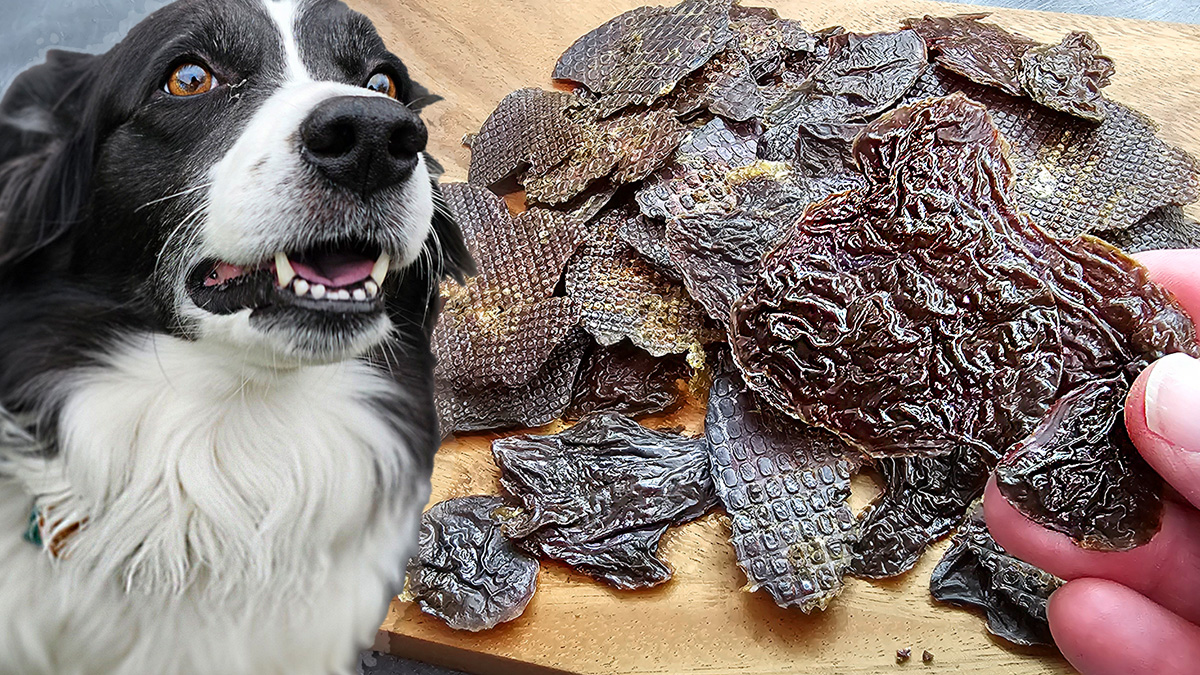
From a dietary standpoint, dehydrated chicken liver is an excellent high-value training treat. Its intense aroma and flavor profile make it highly palatable even for "picky eaters" or dogs with diminished appetites. Because the dehydration process removes water content while concentrating nutrients, the resulting jerky is a protein-dense snack. On average, a serving of dehydrated chicken liver contains approximately 15 grams of protein and only minimal carbohydrates, making it an ideal choice for dogs on grain-free or low-carb diets. However, experts caution that because liver is so nutrient-dense, it should be fed in moderation to avoid Vitamin A toxicity, a condition known as hypervitaminosis A, which can occur if organ meats comprise more than 5% to 10% of a dog’s total caloric intake.
Economic Analysis: DIY vs. Commercial Retail
The economic incentive for producing dehydrated chicken liver at home is substantial. A survey of major pet supply retailers indicates that high-quality, single-ingredient dehydrated liver treats can retail for anywhere between $2.50 and $4.00 per ounce. In contrast, raw chicken liver is one of the most affordable protein sources available at standard grocery stores or local butcher shops, often priced between $1.50 and $3.00 per pound.
When accounting for the weight loss that occurs during the dehydration process—where meat typically loses about 70% to 75% of its weight as water evaporates—one pound of raw liver yields approximately four ounces of dried treats. Even with the cost of electricity for running a dehydrator or oven, the DIY method results in a cost of roughly $0.50 to $0.75 per ounce. This represents a cost savings of over 70% compared to purchasing pre-packaged organic or "artisan" treats. For multi-dog households or those engaged in rigorous training schedules where treats are used frequently, the annual savings can reach hundreds of dollars.
Technical Process: The Chronology of Dehydration
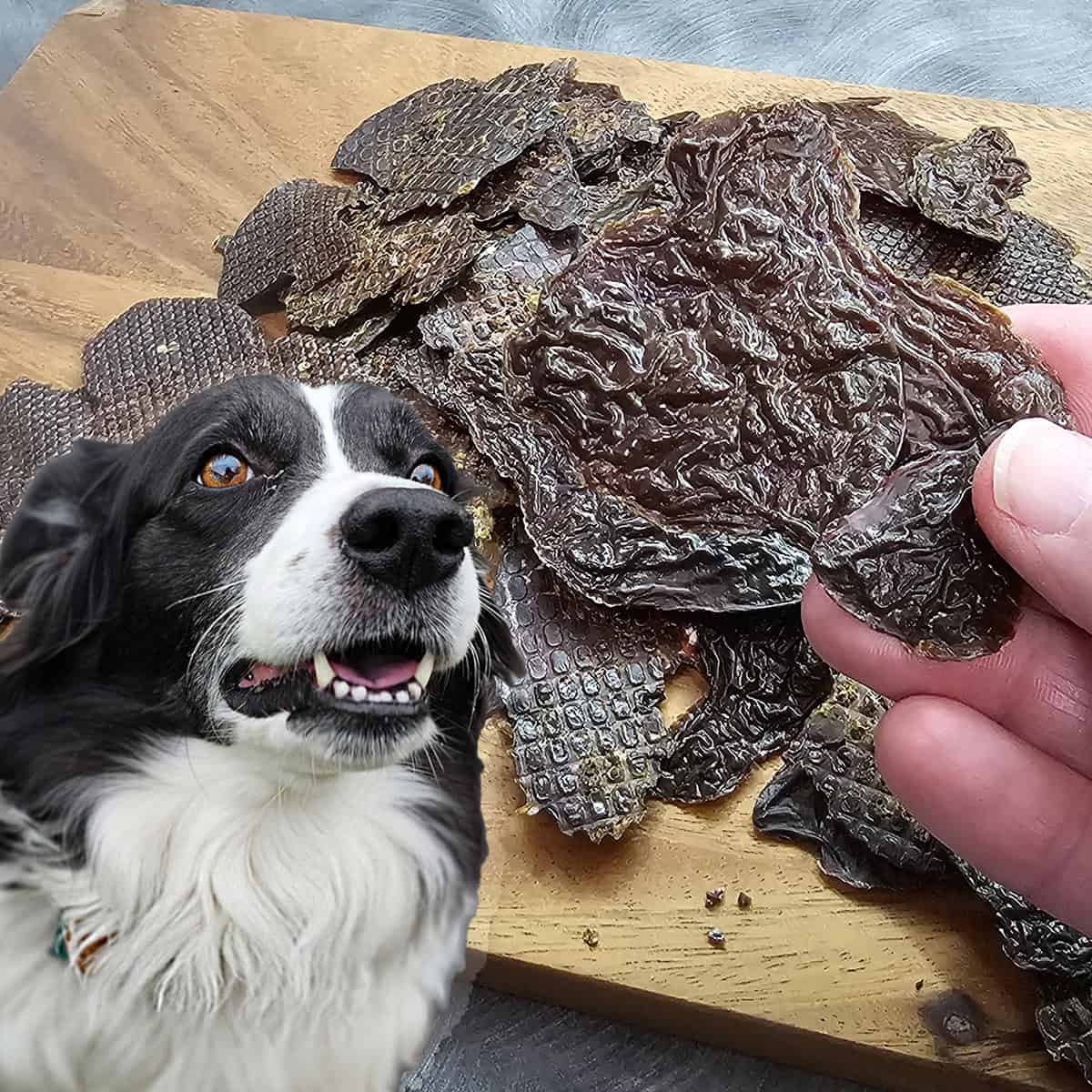
Creating high-quality chicken liver jerky requires a systematic approach to ensure both palatability and safety. The process begins with the selection of the raw material. While standard grocery store tubs of chicken liver are sufficient, some owners opt for organic or pasture-raised options to minimize the presence of antibiotics or hormones.
Step 1: Preparation and Slicing
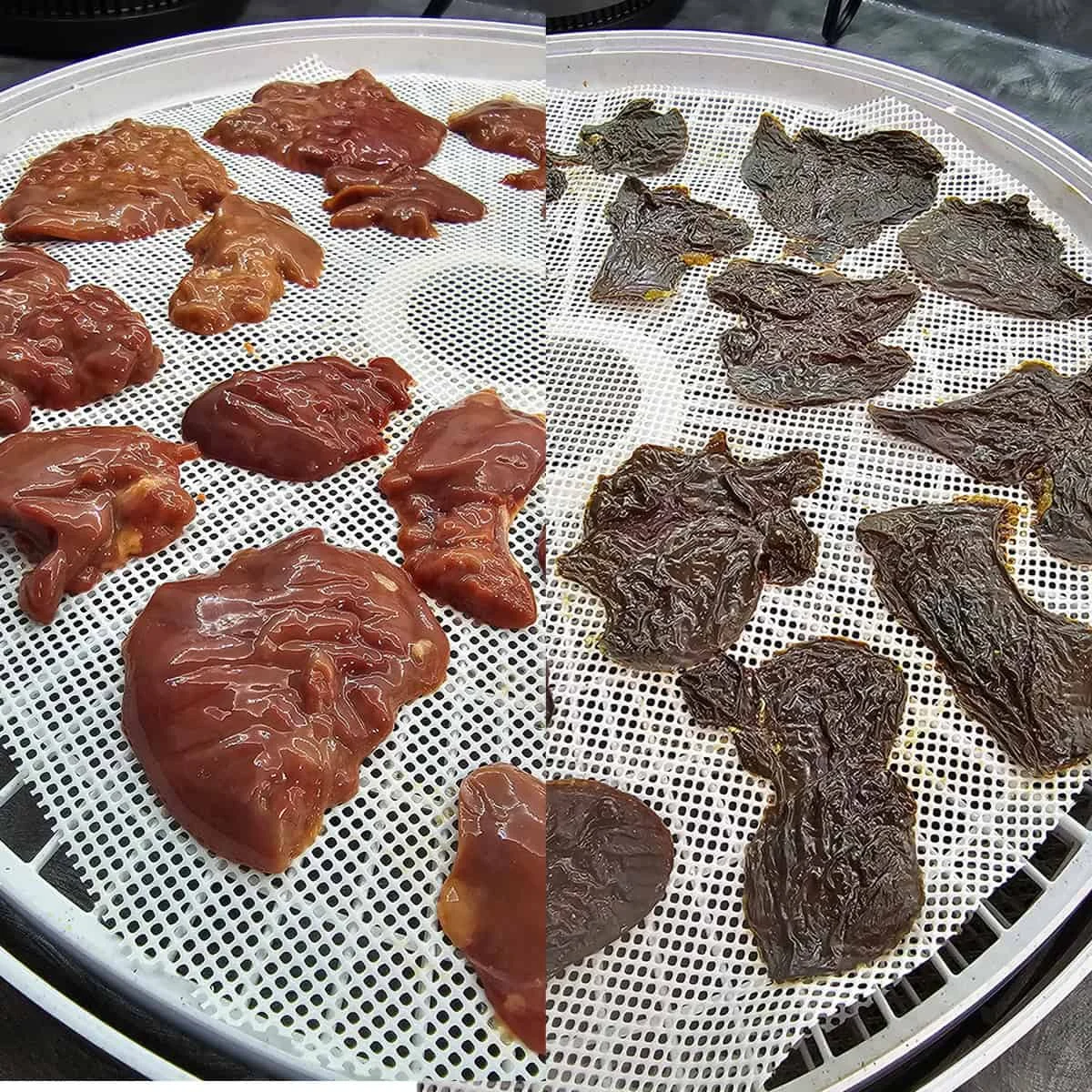
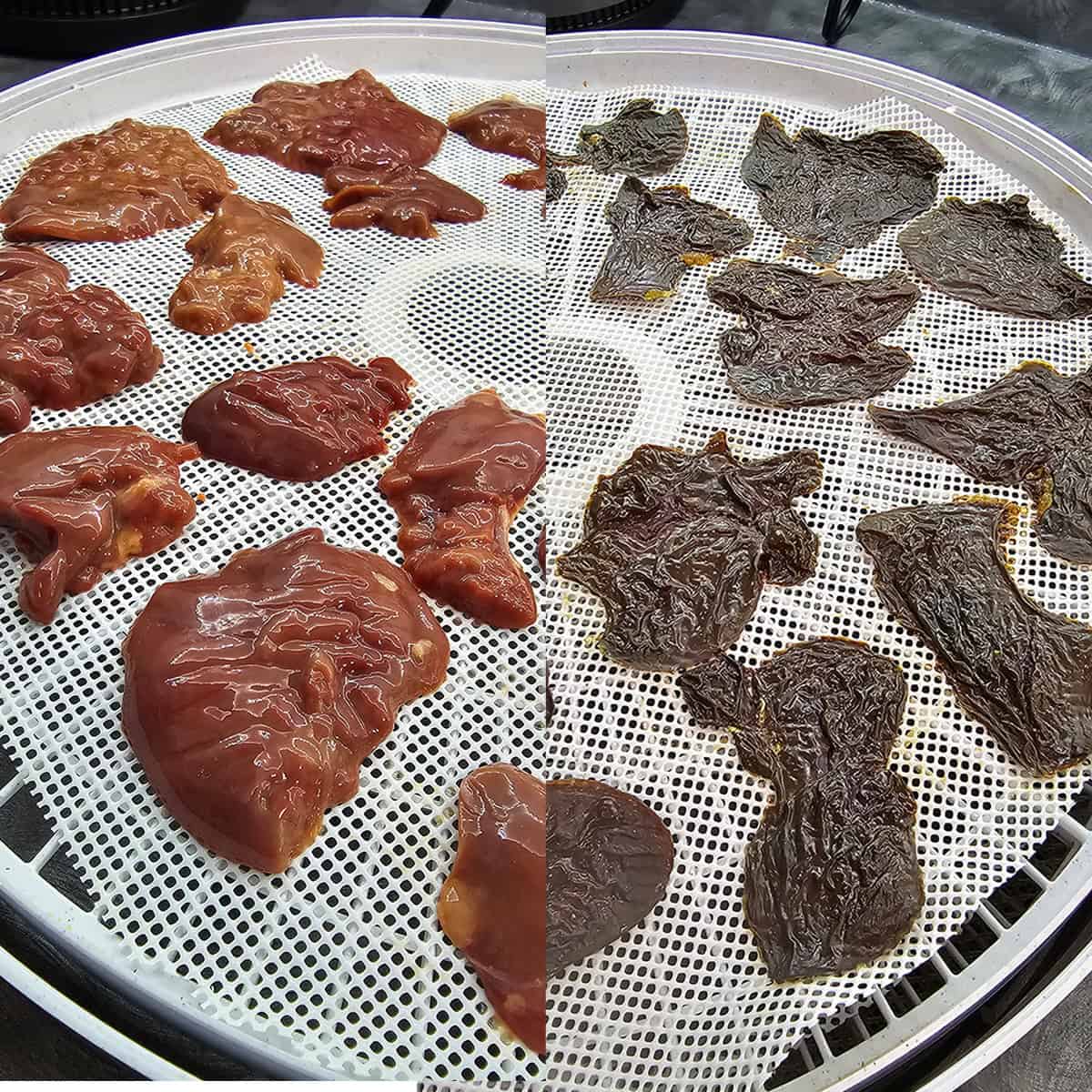
The raw liver must be rinsed and patted dry. Because liver has a unique, slippery texture, it can be difficult to slice evenly. A common industry tip adopted by home preservers is to partially freeze the liver for 30 to 60 minutes before cutting. This firms the tissue, allowing for uniform slices. For optimal dehydration, slices should be approximately 1/4 inch thick. Thicker slices will result in a chewier texture and require longer drying times, while thinner slices will become brittle and "chip-like."
Step 2: Arrangement and Sanitation
The slices are arranged on dehydrator trays in a single layer, ensuring that no pieces touch or overlap. This is critical for maintaining adequate airflow, which is the primary mechanism of dehydration. Hygiene is paramount during this stage; because raw poultry can carry Salmonella and Campylobacter, all surfaces, knives, and hands must be thoroughly sanitized after contact with the raw meat.
Step 3: The Dehydration Cycle
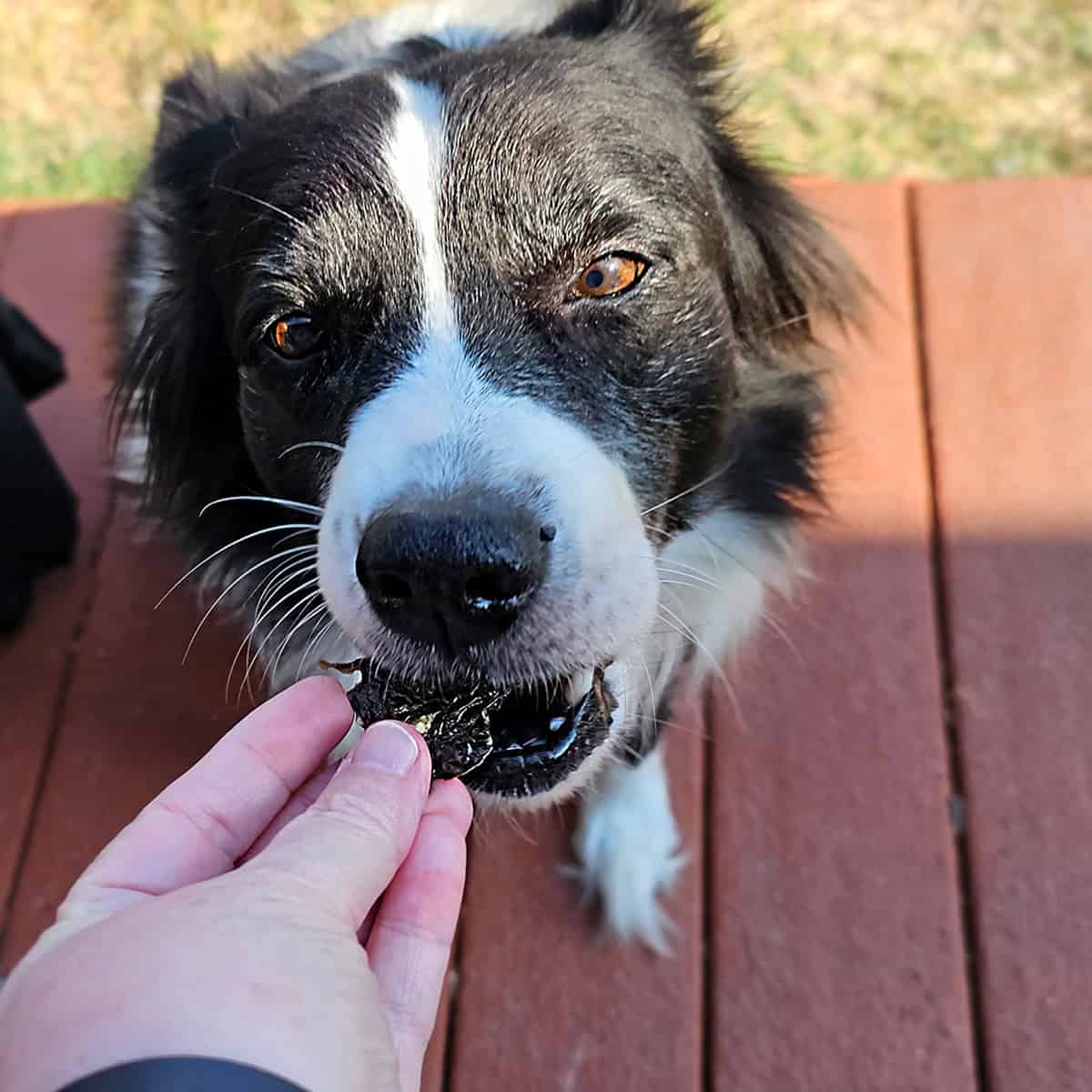
For those using a dedicated food dehydrator, the unit should be set to a temperature of 160°F (71°C). This temperature is the safety standard recommended by the USDA for drying poultry to ensure the destruction of harmful bacteria. The drying time typically ranges from 8 to 12 hours. The treats are considered finished when they are firm, dark in color, and show no signs of moisture when snapped or pressed.
Alternative Method: Oven Dehydration
For pet owners who do not own a specialized dehydrator, a standard kitchen oven can be utilized, though it requires closer monitoring. Most modern ovens have a minimum temperature setting of 170°F or a "warm" setting.
- Setup: Line a baking sheet with parchment paper or place a wire cooling rack over the sheet. The rack is preferred as it allows air to circulate underneath the meat.
- Temperature Management: Set the oven to its lowest possible setting. If the oven does not go below 200°F, the door may need to be propped open slightly with a heat-resistant silicone spoon to allow moisture to escape and to keep the temperature from rising too high.
- Duration: In an oven environment, the liver typically dries faster than in a dehydrator, often taking between 3 to 6 hours. The pieces should be flipped halfway through the process to ensure even drying.
Food Safety and Storage Protocols
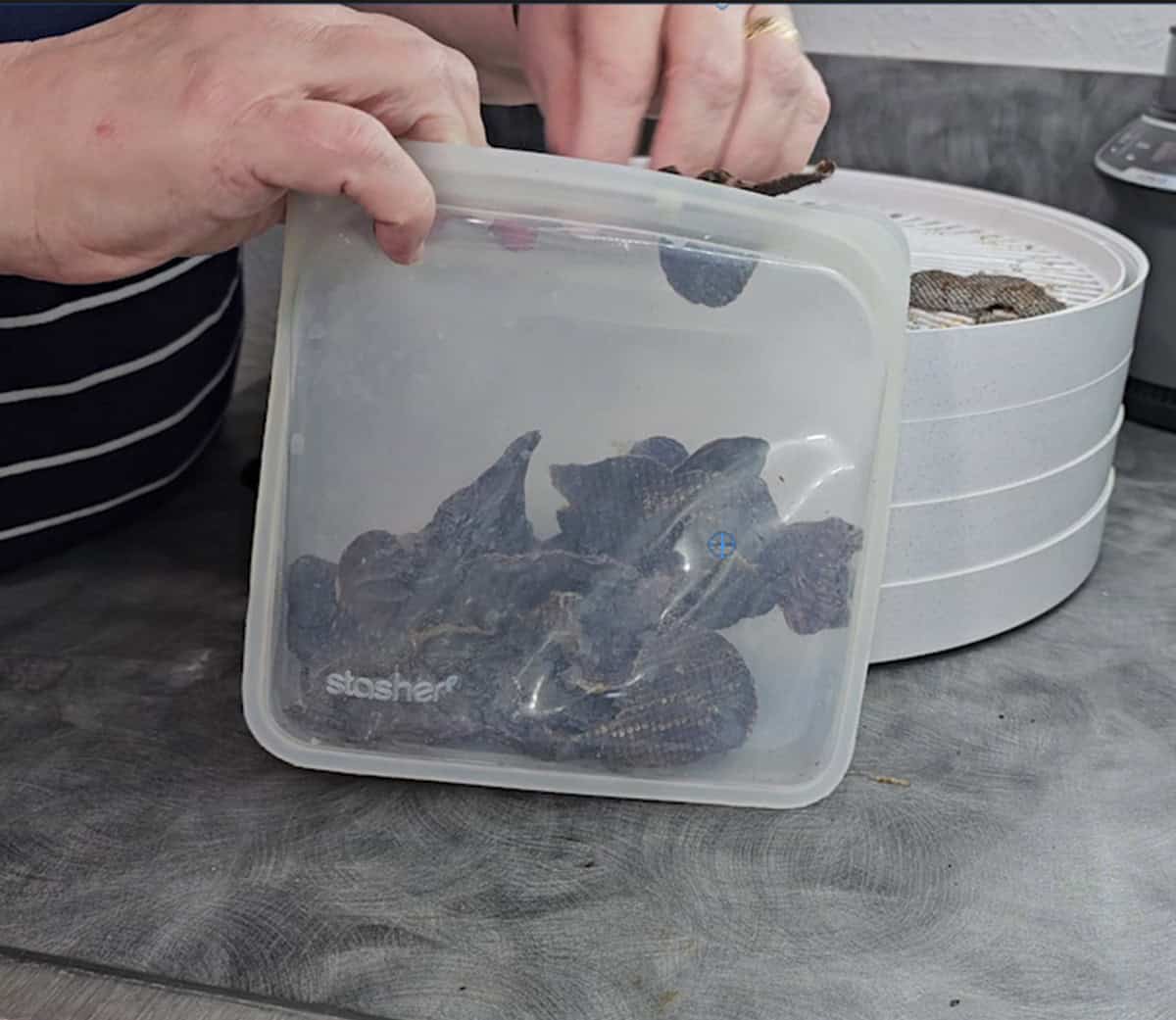
The shelf stability of dehydrated treats is dependent on the removal of water activity. Without moisture, the bacteria that cause spoilage cannot grow. However, because home-dried treats do not contain the chemical preservatives (such as potassium sorbate) found in commercial bags, their shelf life is shorter.
- Cooling: Treats must be allowed to cool completely at room temperature before being placed in a container. Storing warm treats creates condensation, which will lead to rapid mold growth.
- Refrigeration and Freezing: For maximum safety, it is recommended to store dehydrated liver in an airtight container in the refrigerator for up to two weeks. For longer-term storage, the treats can be frozen for up to six months.
- Conditioning: Owners should observe the treats for the first 24 hours of storage. If any moisture appears on the inside of the container, the treats must be returned to the dehydrator for additional processing.
Veterinary Perspectives and Expert Recommendations
While the benefits of chicken liver are clear, veterinary professionals emphasize the importance of balance. Dr. Alicia Henderson, a specialist in canine nutrition, notes that "Organ meats are the multivitamins of the animal kingdom, but they must be treated with respect. Chicken liver is particularly high in Vitamin A. While it is excellent for a dog’s coat and eyes, an overabundance can lead to joint pain and bone spurs."
Veterinary guidelines generally suggest that treats—including healthy ones like dehydrated liver—should never exceed 10% of a dog’s daily caloric intake. For a medium-sized dog, this might equate to just one or two small pieces of liver jerky per day. Additionally, because liver is rich, introducing it too quickly into a dog’s diet can cause gastrointestinal upset or diarrhea. Owners are advised to start with very small amounts to assess their pet’s tolerance.
Broader Implications for the Pet Industry
The shift toward DIY treats like dehydrated chicken liver is part of a larger "humanization" of pet food. As owners increasingly view their pets as family members, they demand the same level of ingredient purity for their animals as they do for themselves. This has led to a decline in the popularity of "mystery meat" treats and a surge in the "limited ingredient" market.
The success of home dehydration also highlights a growing distrust of global supply chains in the pet food sector. Following various high-profile recalls of jerky treats imported from overseas over the last decade—some of which were linked to fanconi-like syndrome in dogs—the ability to control the source and preparation of a treat provides significant peace of mind for consumers. By sourcing local chicken livers and processing them at home, pet owners are effectively bypassing a complex and sometimes opaque industrial food system.
In conclusion, DIY dehydrated chicken liver treats represent a convergence of economic sensibility, nutritional excellence, and food safety. As more households adopt food preservation techniques like dehydration, the reliance on processed, expensive commercial snacks is likely to diminish, leading to a healthier and more sustainable lifestyle for domestic pets and their owners alike.


