
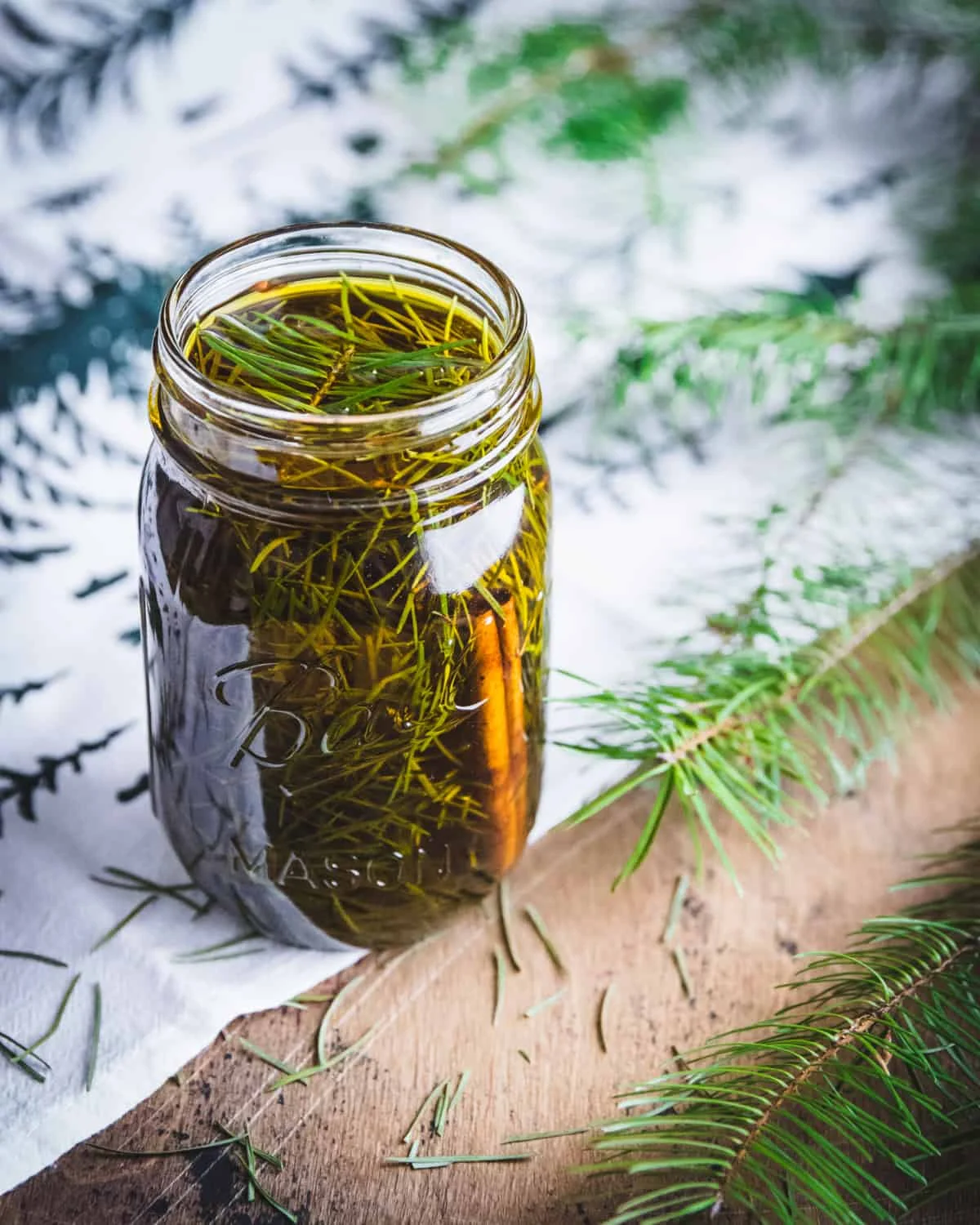
The practice of infusing botanical elements into carrier oils represents a critical intersection between traditional herbalism and modern dermatological applications, serving as the foundational step for a wide array of all-natural body care products including salves, body butters, and creams. As consumer interest in "clean beauty" and transparent ingredient lists continues to surge, the methodology of oil infusion has transitioned from a niche artisanal craft to a significant movement within the global natural skincare market. Industry analysts note that the global natural and organic personal care market, valued at approximately $18.5 billion in 2022, is projected to grow at a compound annual growth rate (CAGR) of nearly 9% through 2030. This growth is driven largely by a shift toward DIY formulations and small-batch production where infused oils act as the primary delivery system for plant-based therapeutic compounds.
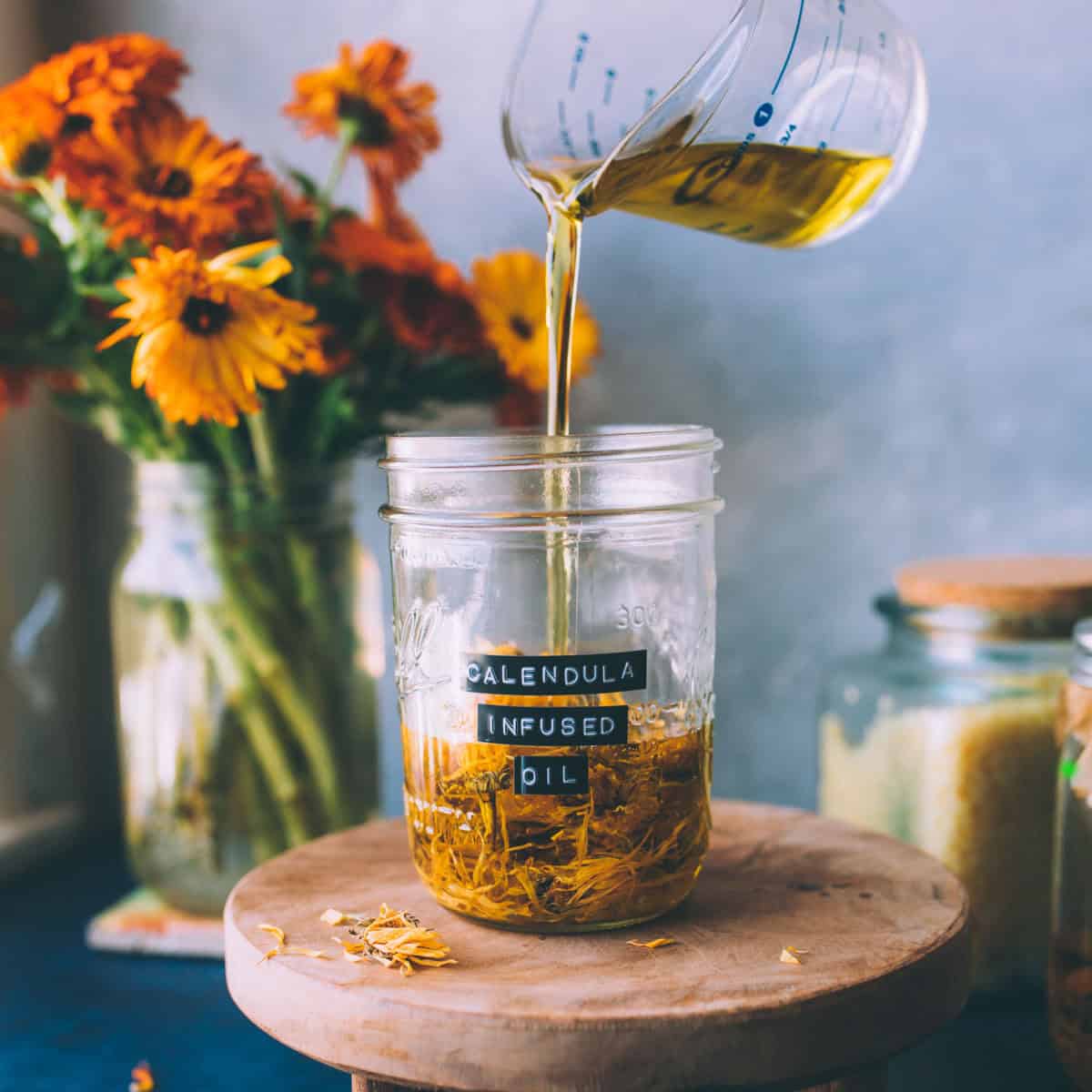
The Foundational Mechanics of Herbal Infusion
At its core, an infused herbal oil is a carrier medium—typically a vegetable or nut-based oil—that has extracted the lipid-soluble constituents of a specific plant. Unlike essential oils, which are produced through steam distillation or expression and are highly concentrated volatile compounds, infused oils are "fixed" oils that carry the gentler, more complex profile of the whole herb. This makes them ideal for direct topical application and as base ingredients for more complex formulations.
The process is considered the ideal entry point for beginning herbalists due to its low barrier to entry and immediate utility. However, the simplicity of the process belies a sophisticated chemical extraction. To successfully transfer the properties of plants like calendula (Calendula officinalis) or lavender (Lavandula angustifolia) into a shelf-stable oil, practitioners must manage variables of temperature, light exposure, and, most critically, moisture content.
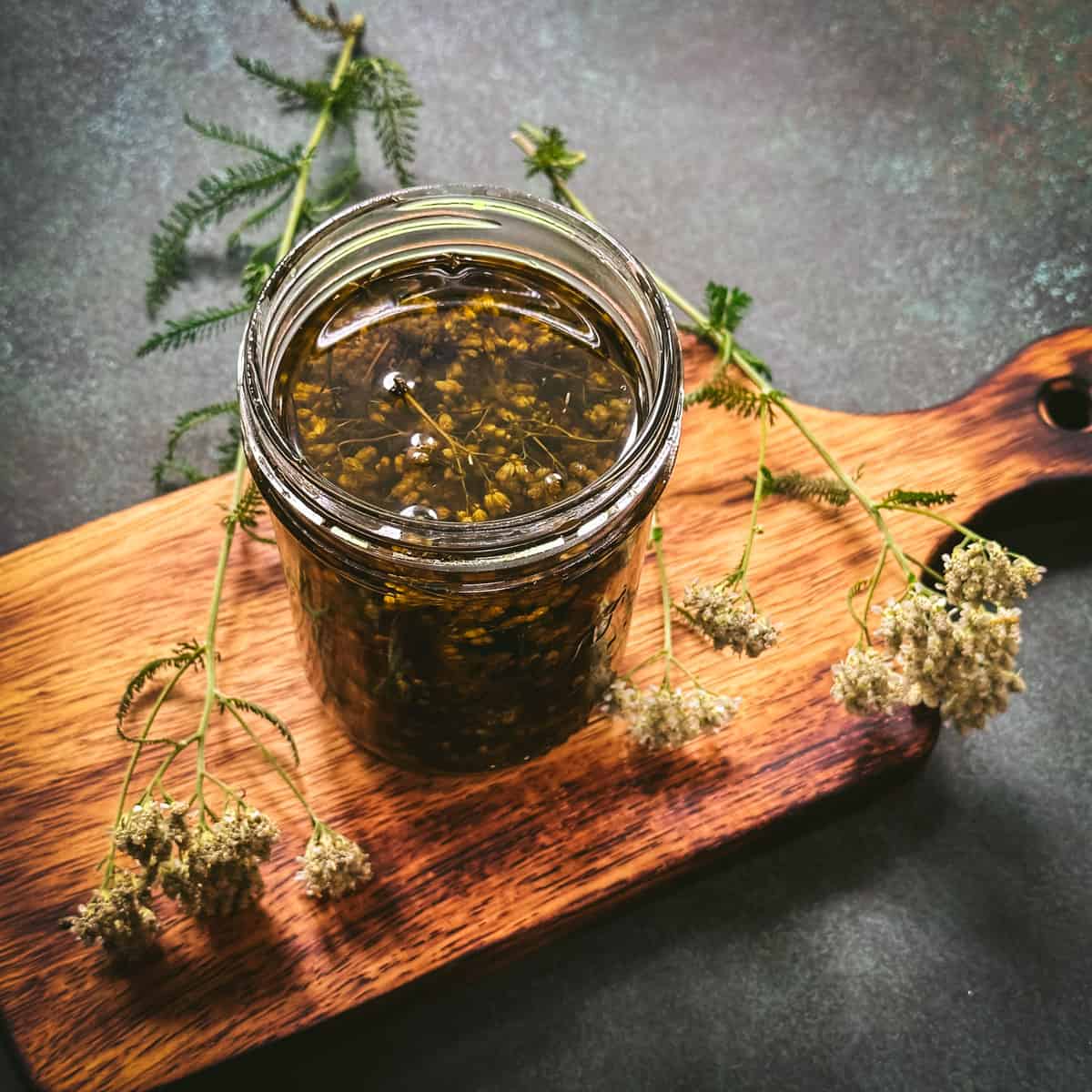
Chronology of the Infusion Process: From Harvest to Shelf
The timeline of a successful herbal oil infusion begins long before the oil and herb meet. It is a seasonal endeavor that relies on the natural cycles of botanical growth and the subsequent preservation of those materials.
Phase I: Seasonal Foraging and Dehydration
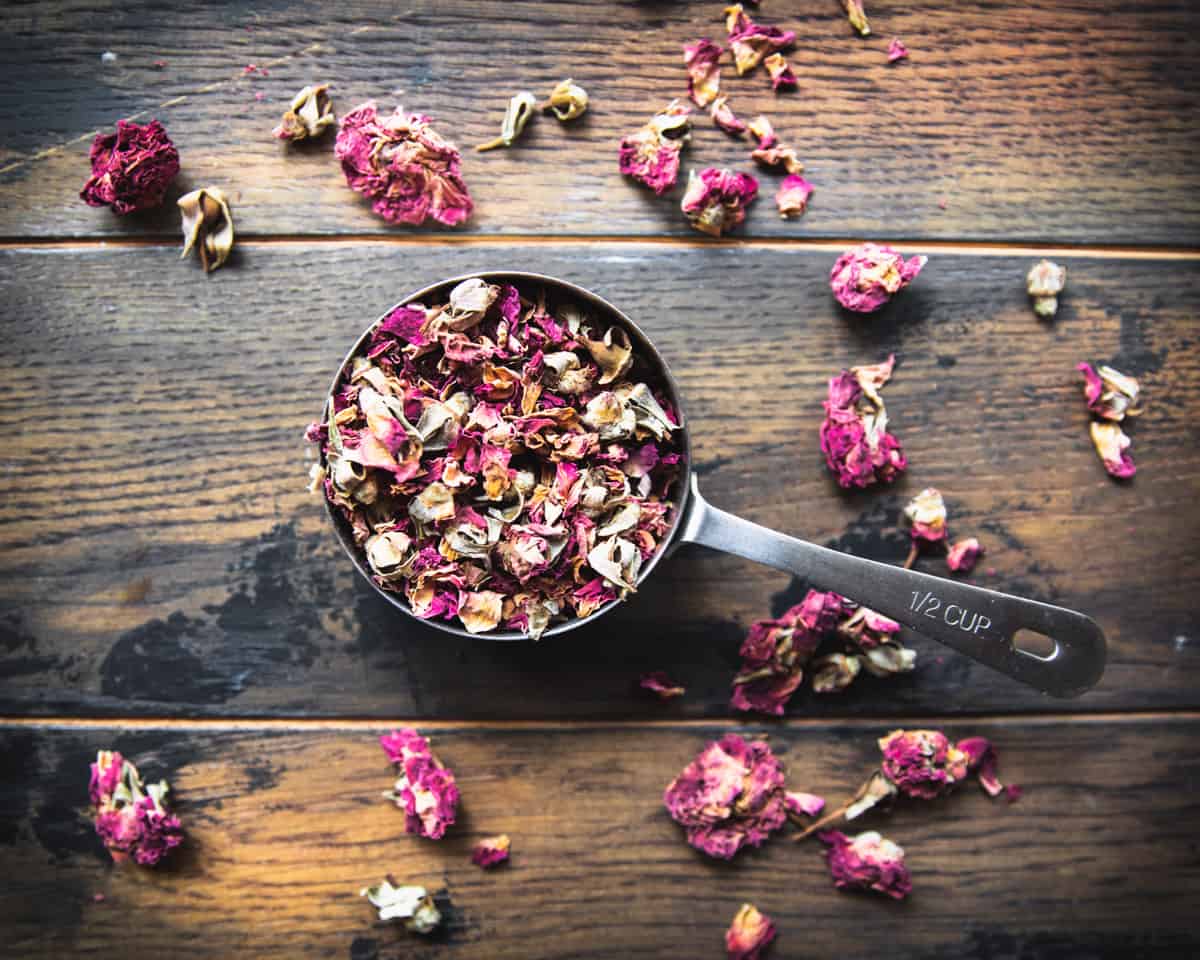
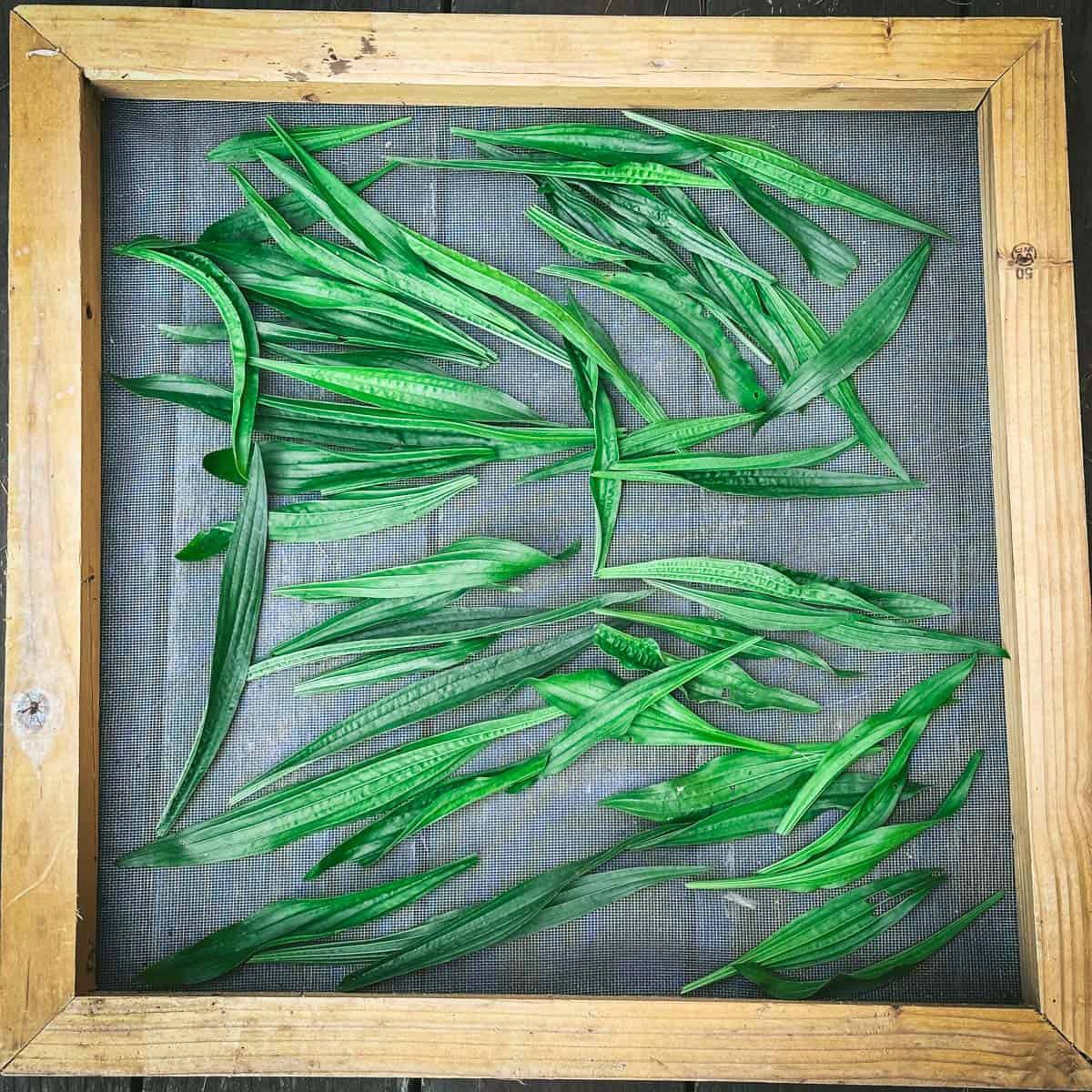
In the temperate climates of the Northern Hemisphere, spring and summer mark the primary window for harvesting fresh botanicals. Herbs such as yarrow, chickweed, and plantain are at their peak potency during these months. Foragers and herbalists emphasize that the first step in the chronology is the complete dehydration of the plant material.
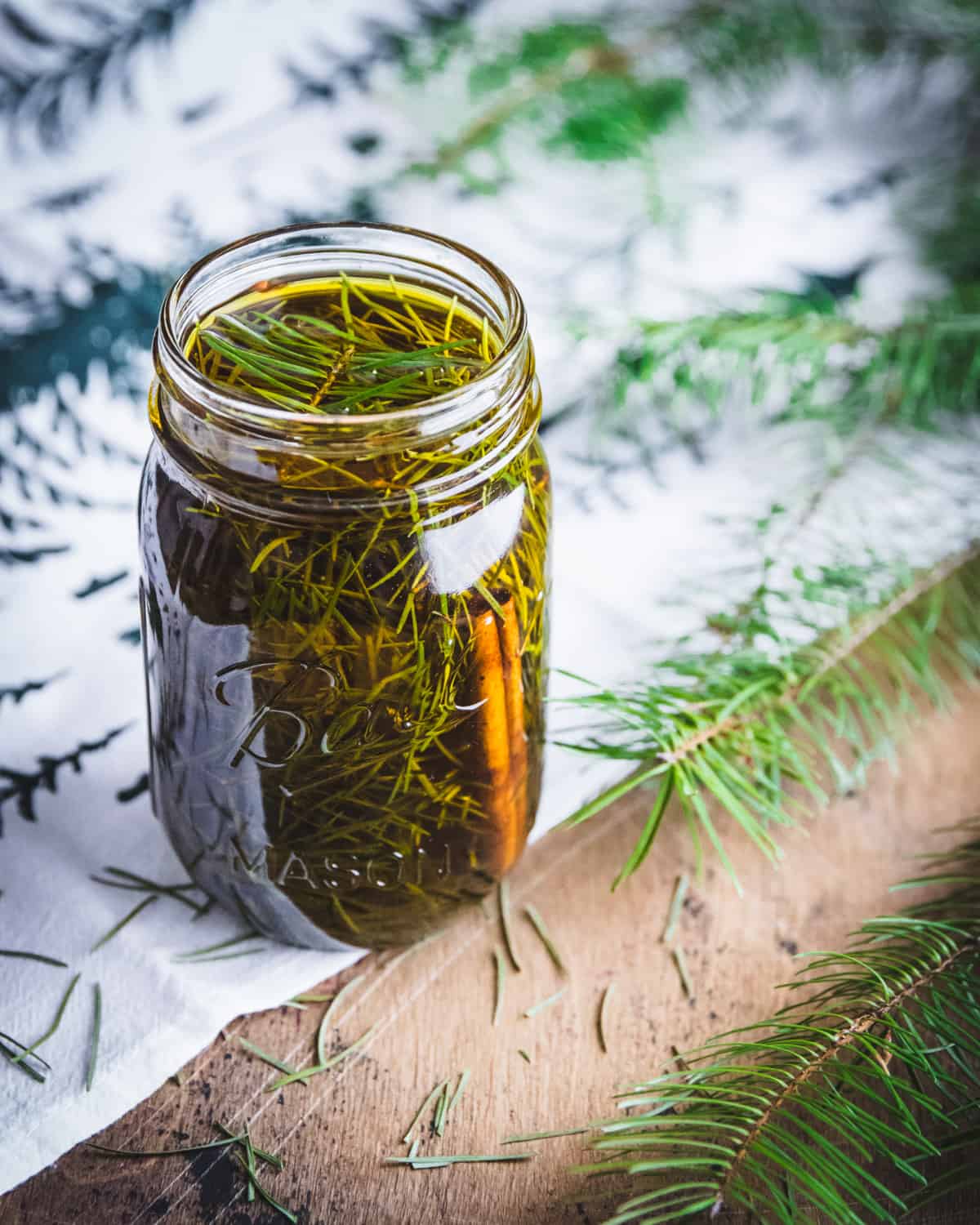
According to botanical safety standards, using fresh herbs in a long-term oil infusion introduces water, which is the primary catalyst for the growth of Aspergillus mold and the development of rancidity. Therefore, the timeline includes a mandatory drying phase, often utilizing herb-drying screens or low-temperature dehydrators, to ensure that the moisture content is reduced to near zero.
Phase II: Maceration and Extraction
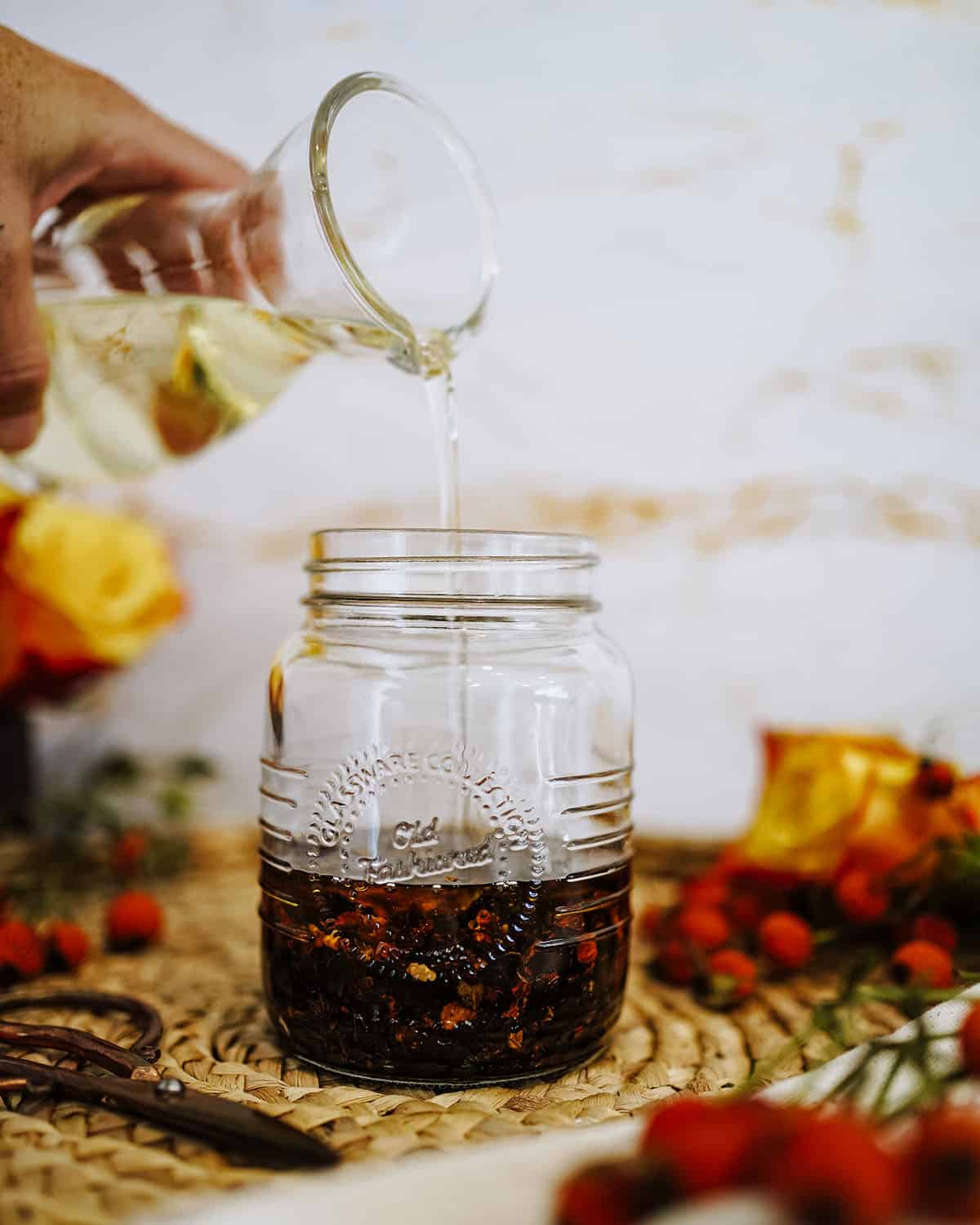
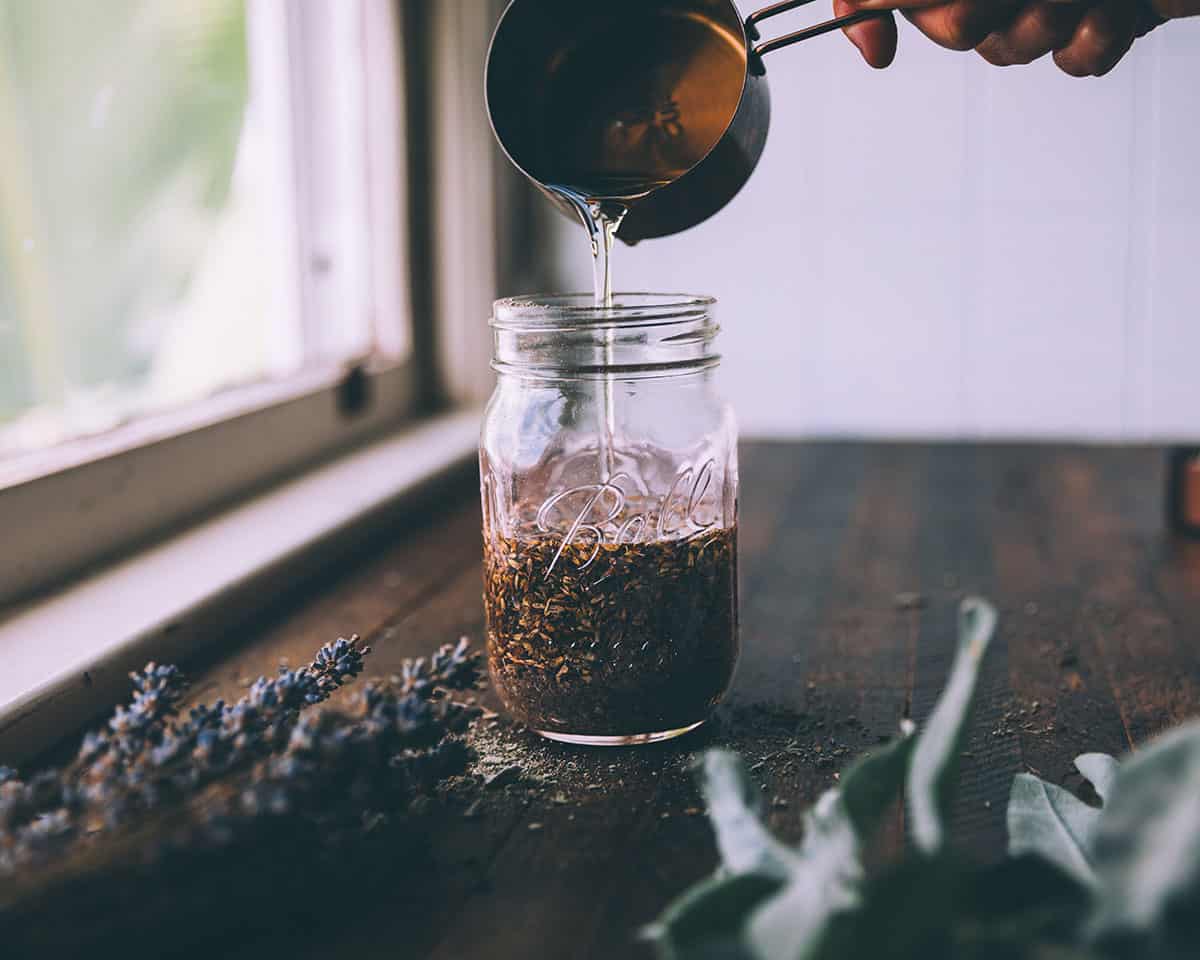
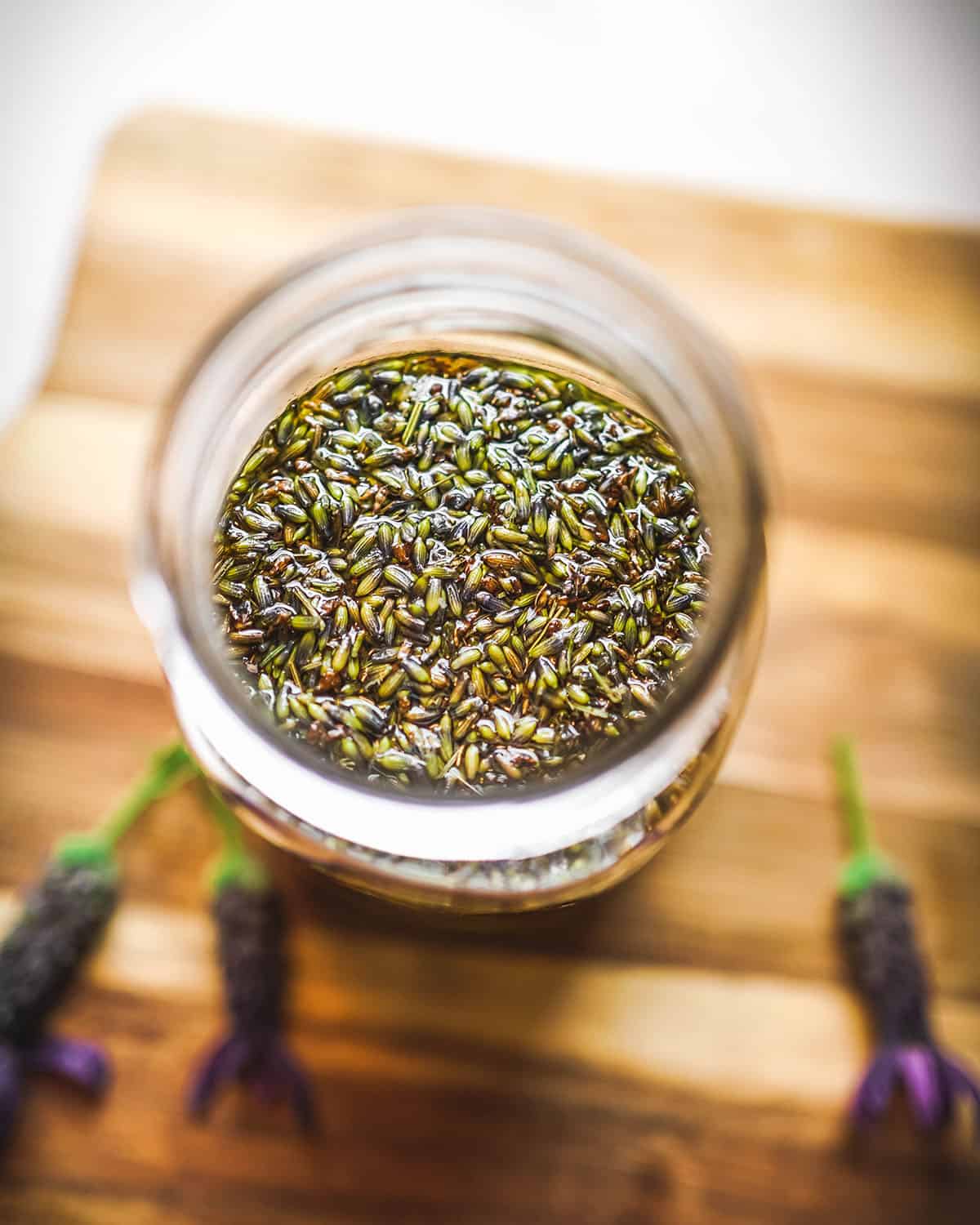
Once the herbs are dried, they can be infused at any time of year. This phase involves the submersion of the dried botanical matter into a chosen carrier oil. The duration of this phase depends entirely on the method selected, ranging from 24 hours to six weeks.
Phase III: Filtration and Storage
The final stage of the chronology is the separation of the spent herb from the saturated oil. This is typically achieved through fine-mesh sieving or cheesecloth straining. The resulting oil is then stabilized in dark glass containers to prevent photo-oxidation, a process that can degrade the therapeutic properties of the infusion within weeks if left unprotected.
Analysis of Methodologies: Cold, Heat, and Solar Techniques
The selection of an infusion method is a strategic decision based on the fragility of the herb and the desired speed of production.
The Cold Infusion Standard
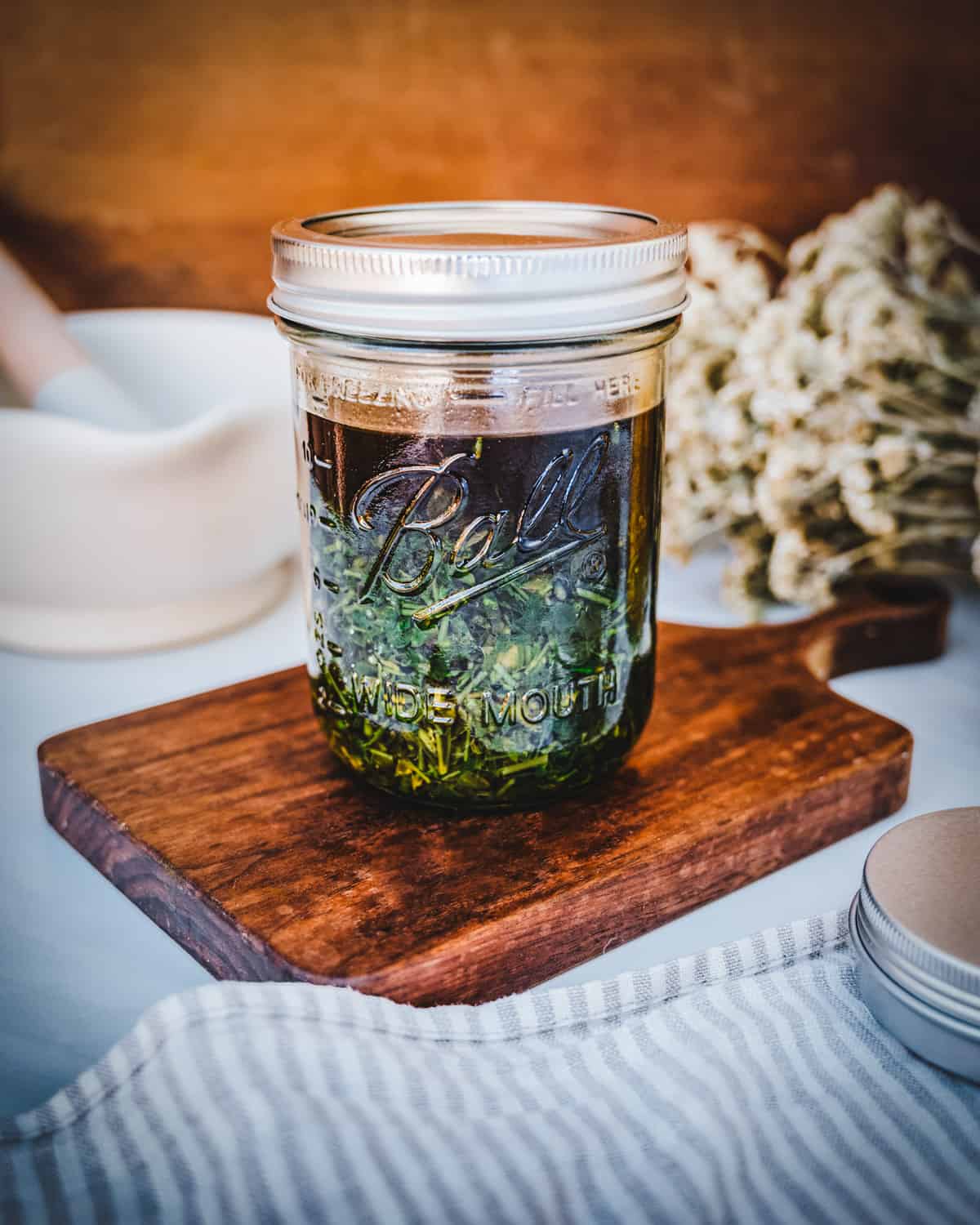
The cold infusion method is widely regarded by traditionalists as the superior technique for preserving the most delicate phytochemicals. In this process, jars of dried herbs and oil are stored in a cool, dark environment for four to six weeks. This slow extraction prevents the degradation of heat-sensitive compounds. Data from small-batch manufacturers suggest that while this method requires the most significant time investment, it results in a product with a more nuanced aroma and a longer shelf life, provided the carrier oil used—such as jojoba or fractionated coconut oil—has a high oxidative stability.
Quick Heat Applications
For practitioners operating on shorter timelines or utilizing herbs that lose potency rapidly after drying (such as St. John’s Wort), the quick heat method is employed. This involves maintaining the oil and herb mixture at a constant, low temperature (ideally not exceeding 110 degrees Fahrenheit) for 12 to 24 hours. Slow cookers on the lowest setting or double boilers are the standard instruments for this method. While efficient, experts warn that excessive heat can cause the carrier oil to oxidize, potentially introducing free radicals that are counterproductive to skincare goals.
The Solar Method Debate
The solar method, which involves placing infusion jars on sunny windowsills, remains a controversial topic in the herbal community. Proponents argue that the gentle "solar fire" aids in the extraction of certain resins. However, modern dermatological analysis suggests that UV exposure significantly accelerates the rancidity of polyunsaturated fatty acids found in many carrier oils. Most contemporary professional herbalists advise against this method in favor of controlled environments.
Sourcing and Chemical Profiles of Carrier Oils
The efficacy of an infused oil is as dependent on the carrier as it is on the herb. The choice of oil dictates the absorption rate, comedogenic rating (the likelihood of clogging pores), and the shelf life of the final product.
- Olive Oil: Historically the most common carrier, olive oil is prized for its high oleic acid content and natural antioxidants (polyphenols). It is a robust oil that resists rancidity well but has a heavier feel on the skin.
- Sweet Almond Oil: Known for its high Vitamin E content and hypoallergenic properties, it is a preferred choice for facial applications and sensitive skin.
- Coconut Oil: Utilized for its antimicrobial properties and long-term stability. In its fractionated (liquid) form, it offers a non-greasy finish and rapid absorption.
- Jojoba Oil: Technically a liquid wax ester, jojoba closely mimics human sebum, making it an excellent carrier for oily or acne-prone skin types.
Industry Implications and the Rise of "Slow Beauty"
The resurgence of interest in herbal oil infusions is a primary pillar of the "Slow Beauty" movement. This philosophy mirrors the "Slow Food" movement, emphasizing sustainable sourcing, minimal processing, and a rejection of synthetic shortcuts.
From an economic perspective, the shift toward DIY herbal oils represents a disruption in the traditional skincare supply chain. Consumers are increasingly opting to purchase raw bulk herbs and high-quality carrier oils—products supplied by companies like Mountain Rose Herbs—rather than purchasing finished luxury goods with significant markups. This transition is fueled by a desire for "ingredient transparency," a term that has become a buzzword in regulatory discussions.
Market research indicates that 65% of consumers now seek out brands that avoid "parabens, sulfates, and synthetic fragrances." By mastering the art of oil infusion, individuals gain total control over these variables, effectively eliminating the need for synthetic preservatives and stabilizers.
Safety Protocols and Quality Control
Despite the accessibility of herbal oil infusion, professional herbalists and dermatologists emphasize several critical safety protocols to prevent adverse reactions and spoilage.
- Microbial Prevention: The presence of even a single drop of water in an infusion can lead to the growth of Clostridium botulinum in certain anaerobic environments, particularly when using fresh garlic or low-acid herbs in oil. For topical use, the primary risk is mold. Ensuring absolute dryness of equipment and herbs is the industry-standard preventative measure.
- Oxidation Management: Once an oil is infused, its surface area has been exposed to oxygen and potentially heat, shortening its shelf life compared to the original base oil. Experts recommend adding Vitamin E (tocopherol) as a natural antioxidant to extend the viability of the infusion.
- Patch Testing: As with any bioactive product, the potential for allergic contact dermatitis exists. Professional guidelines suggest that any new infused oil should be tested on a small area of skin for 24 to 48 hours before widespread application.
Broader Impact on Wellness and Sustainability
The implications of widespread herbal oil knowledge extend beyond personal aesthetics. The practice encourages a deeper engagement with local ecosystems through foraging and gardening, fostering a sense of environmental stewardship. Furthermore, the use of infused oils reduces the carbon footprint associated with the shipping of water-heavy lotions and the plastic waste generated by conventional cosmetic packaging.
As the skincare industry continues to evolve, the ancient technique of herbal oil infusion remains a cornerstone of botanical medicine. It provides a versatile, effective, and sustainable framework for delivering the therapeutic benefits of the plant kingdom to the human body. Whether utilized as a simple beard oil, a soothing massage base, or the primary active ingredient in a medicinal salve, infused oils represent a timeless synergy between nature and human ingenuity.


