
On August 1st, the American Homebrewers Association (AHA) observed its annual Home Fermentation Day, a celebration that encourages its members to engage with the transformative power of microbial activity in their kitchens and beyond. This year’s event saw a vibrant display of fermented creations shared by AHA members, ranging from the humble garden-grown beet to the complex, year-long aging of a guava melomel. The collective effort underscored a fundamental truth in the world of fermentation: that microscopic organisms, though unseen, possess the profound ability to create a remarkable spectrum of flavors, textures, and preserved foods. The day served as a testament to the growing interest in and accessibility of fermentation practices within a dedicated community of enthusiasts.
A Community’s Fermented Showcase
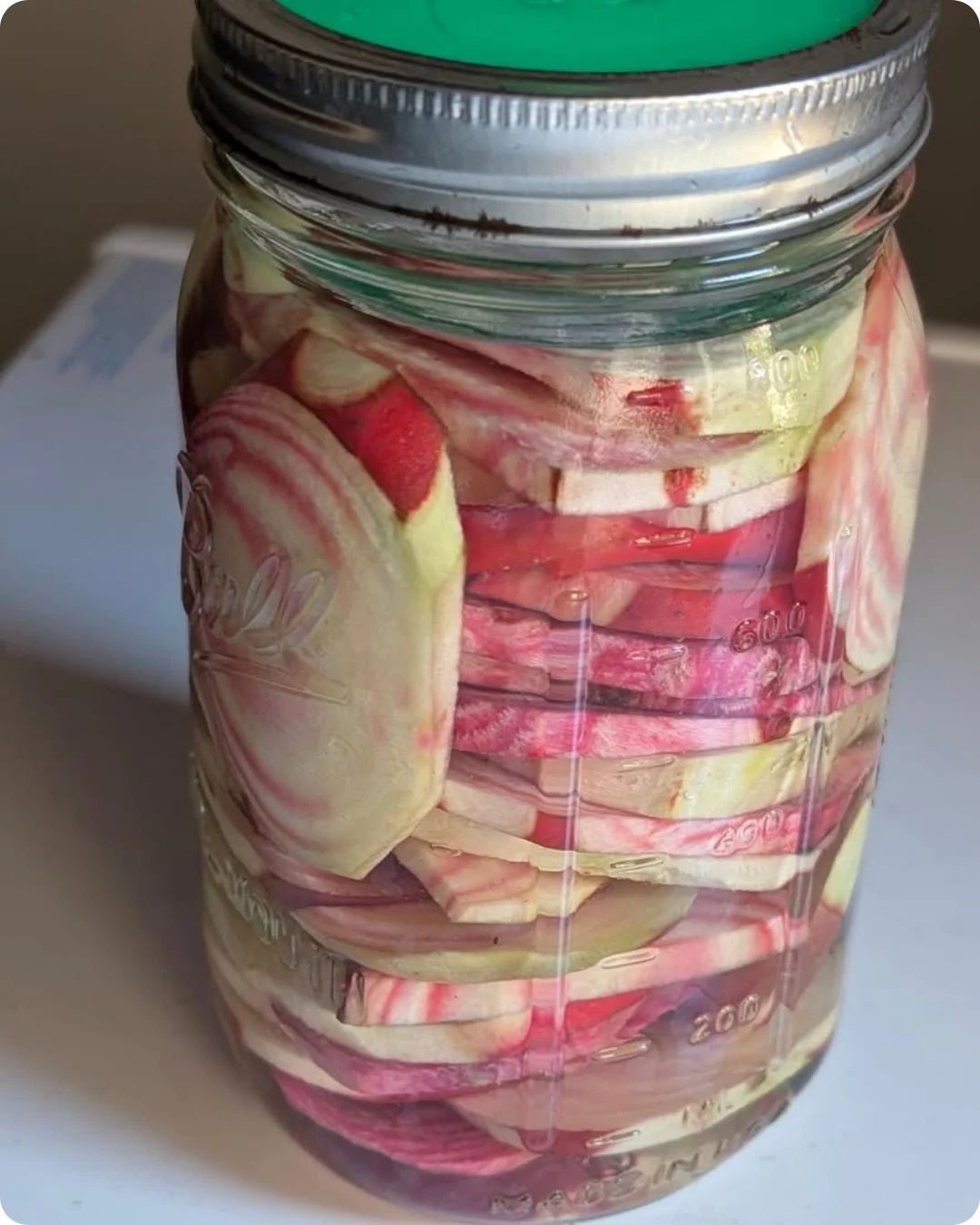
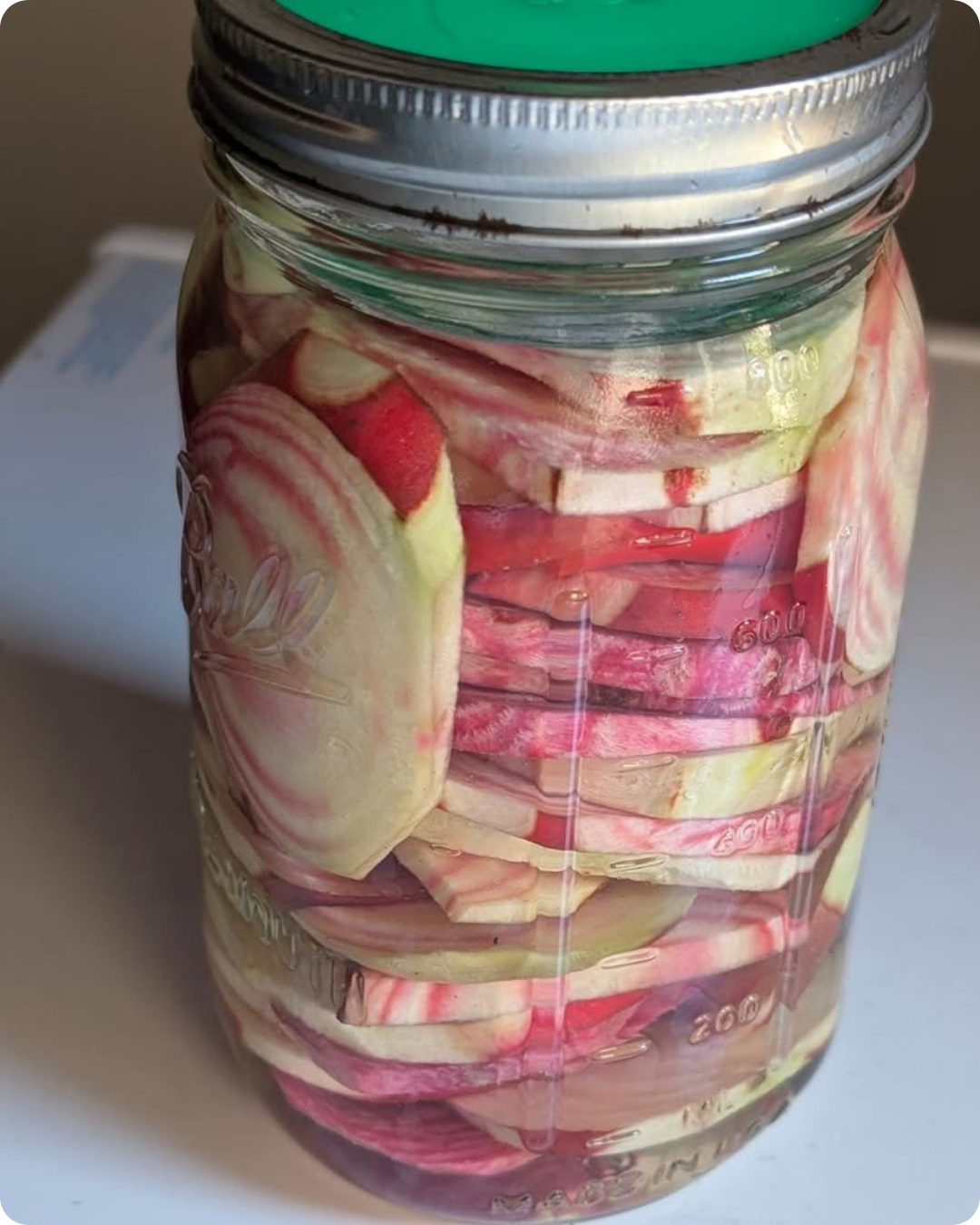
Home Fermentation Day provided a platform for AHA members to showcase the diversity of their endeavors. Andrew Farke of Claremont, California, a member of the Horse Thief Brewers Association, contributed his lacto-fermented beets. These vibrant crimson jewels were not only a product of his own garden but were also infused with the pungent kick of garlic and the fiery zest of Thai chiles, demonstrating a creative approach to utilizing home-grown produce. This method of lacto-fermentation, which relies on lactic acid bacteria naturally present on vegetables, is a time-honored technique for preservation and flavor enhancement, transforming raw ingredients into complex, tangy delicacies. The specific inclusion of Thai chiles suggests an exploration of heat and spice within the fermented profile, a trend increasingly seen in modern culinary arts.
Representing the Aloha spirit from Hilo, Hawaii, Carl Saxer presented a classic take on natural fermentation with his sauerkraut. Using only the essential elements of cabbage and salt, Saxer’s creation exemplifies the purity and simplicity that can be achieved through this ancient food preservation method. The traditional pairing of sauerkraut with homemade sausage highlights a deep appreciation for complementary flavors and textures, suggesting a culinary philosophy rooted in hearty, wholesome enjoyment. The natural fermentation of sauerkraut relies on a series of microbial transformations, beginning with lactic acid bacteria that convert sugars into lactic acid, which then lowers the pH, inhibiting spoilage organisms and creating the characteristic sour taste. The process, when done correctly, not only preserves the cabbage but also enhances its nutritional profile by increasing the bioavailability of certain vitamins and introducing beneficial probiotics.
Further showcasing the breadth of fermentation possibilities, Chris Gasbarro of Port St. Lucie, Florida, shared his meticulously aged guava melomel. This honey wine, a testament to patience and dedication, was crafted using guava blossom honey and a generous amount of guava puree. The decision to age the melomel for a full year speaks to the evolving nature of fermented beverages, where time is a crucial ingredient in developing nuanced flavors and a smooth, complex character. Melomels, a type of mead made with fruit, offer a vast canvas for flavor experimentation. The use of guava blossom honey introduces a unique floral aroma and a delicate sweetness, which is then complemented and potentially deepened by the fruit puree. The year-long aging process allows the different components to meld and mature, potentially developing notes of oak, vanilla, or even earthy undertones, depending on the fermentation environment and any aging vessels used.
Beyond these featured examples, Home Fermentation Day also saw the online community buzzing with other creative projects. Participants shared tales and visuals of fiery hot sauces, artisan homemade breads, and even a memorable video featuring what was described as "rebellious saké," hinting at innovative or perhaps even unconventional approaches to traditional fermentation. This diverse array of submissions paints a picture of an active and experimental community, eager to explore the vast potential of microbial alchemy.
The Enduring Appeal of Fermentation
The growing popularity of Home Fermentation Day reflects a broader cultural shift towards appreciating traditional food practices and understanding the science behind them. In an era where processed foods are commonplace, there is a resurgence of interest in making food from scratch, understanding ingredient origins, and harnessing natural processes for flavor and preservation. Fermentation, with its roots stretching back millennia across diverse cultures, offers a tangible connection to this culinary heritage. It is a practice that requires minimal equipment, often relying on readily available ingredients and the innate power of microorganisms.
The AHA’s commitment to promoting home fermentation is not merely about hobbyist pursuits; it aligns with a growing awareness of the health benefits associated with fermented foods. Probiotics, the live beneficial bacteria found in many fermented products like sauerkraut and certain ferments, are increasingly recognized for their positive impact on gut health, digestion, and even immune function. While the primary motivation for many home fermenters is flavor and the satisfaction of creation, the nutritional advantages are an often-cited secondary benefit.
A Continuous Journey of Discovery
While Home Fermentation Day officially takes place on August 1st, the AHA emphasizes that the world of fermentation is an all-season endeavor. The association actively encourages its members and the wider public to continue exploring these practices throughout the year. Their online resources offer a comprehensive collection of recipes spanning a wide array of fermented products, including beer, mead, cider, and a variety of fermented foods. This commitment to education and resource sharing is crucial in demystifying fermentation and making it accessible to individuals at all skill levels, from novice to experienced.
The AHA also actively engages its community through social media and submission platforms. By encouraging members to tag @homebrewassoc on platforms like Facebook and Instagram, or to submit their creations directly, they foster a sense of shared experience and provide a valuable avenue for inspiration and peer-to-peer learning. This digital community acts as a virtual fermentation guild, where successes are celebrated, challenges are discussed, and new ideas are born.
Looking Ahead: Engaging with Experts
To further foster this spirit of learning and exploration, the AHA regularly hosts virtual events, such as their "AHA Happy Hour" series. These casual, interactive gatherings provide a unique opportunity for homebrewers and fermenters to connect with one another and with industry experts. The upcoming AHA Happy Hour, scheduled for Wednesday, August 5, 2026, at 6:30 p.m. MT, features Charlie Biolo, the owner and content creator behind Golden Hive Mead. Biolo has gained a significant following for his entertaining and accessible approach to meadmaking, demonstrating that fermentation can be both approachable and creatively rewarding. His expertise in demystifying the process, particularly for beginners, underscores the AHA’s mission to make complex processes like fermentation engaging and fun. These events are open to everyone, irrespective of AHA membership, highlighting the association’s commitment to building a broader community around the craft of fermentation.
The continued success of events like Home Fermentation Day and the ongoing engagement through virtual platforms signal a robust and expanding interest in fermentation. As more individuals discover the satisfaction of transforming simple ingredients through microbial action, the landscape of home-crafted foods and beverages is likely to become even richer and more diverse. The AHA plays a pivotal role in nurturing this growth, providing the resources, community, and inspiration necessary for enthusiasts to continue their journey of discovery, one bubble at a time.


