
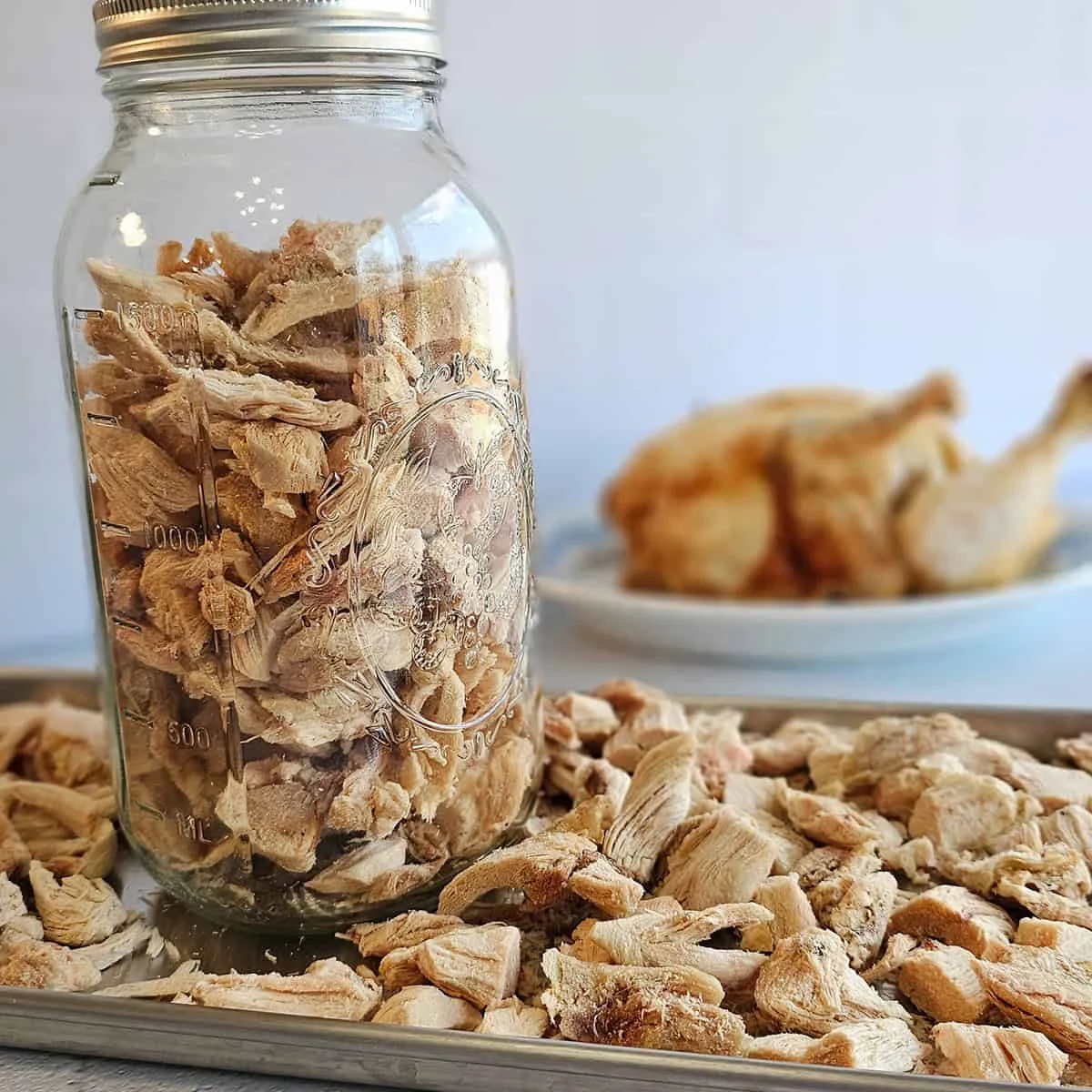
The rising interest in food sovereignty and household preparedness has catalyzed a significant shift toward sophisticated food preservation methods, with home freeze-drying emerging as a primary tool for modern homesteaders and urban preppers alike. Among the various proteins available for long-term storage, the pre-cooked rotisserie chicken has gained recognition as an ideal "entry-level" project for those utilizing machines like the Harvest Right freeze dryer. This method of preservation transforms a highly perishable grocery store staple into a shelf-stable asset, providing a solution to both food waste and the need for convenient, high-protein meal components. By leveraging the process of sublimation, enthusiasts can now maintain the texture and nutritional profile of poultry for months or even years, bypassing the limitations of traditional canning or standard dehydration.
The Evolution of Home Food Preservation and the Freeze-Drying Trend
Historically, the preservation of meat required intensive labor through curing, smoking, or pressure canning. While effective, these methods often significantly altered the flavor, texture, and nutritional density of the protein. Freeze-drying, or lyophilization, was once a process reserved for pharmaceutical companies and space agencies like NASA. However, the commercialization of smaller, consumer-grade units has democratized this technology.
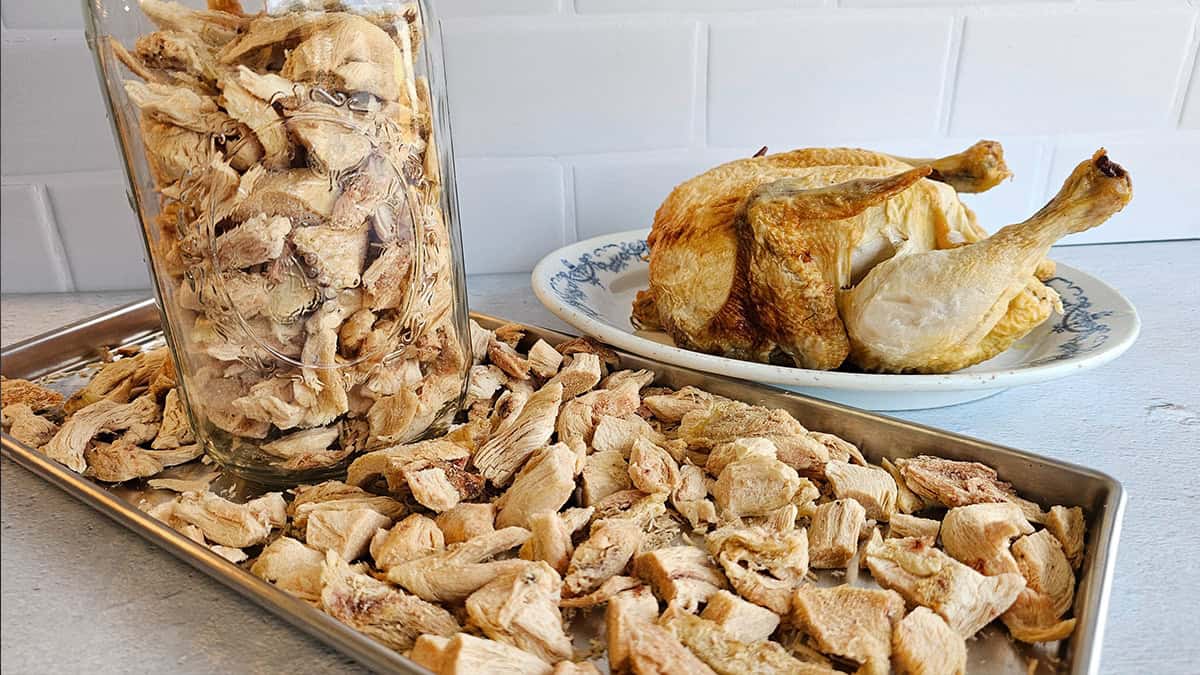
Industry data suggests that the home freeze-dryer market has seen exponential growth since 2020, driven by global supply chain instabilities and a renewed focus on domestic self-sufficiency. Rotisserie chicken, specifically, has become a focal point for this community due to its ubiquity and cost-effectiveness. Often sold as a "loss leader" in major warehouse clubs and supermarkets, these chickens provide a pre-seasoned, fully cooked base that requires minimal preparation before entering the freeze-drying chamber.
A Detailed Chronology of the Freeze-Drying Process
The transition from a fresh rotisserie chicken to a shelf-stable pantry item follows a rigorous six-step protocol designed to ensure safety and longevity.
Phase One: Preparation and Deconstruction
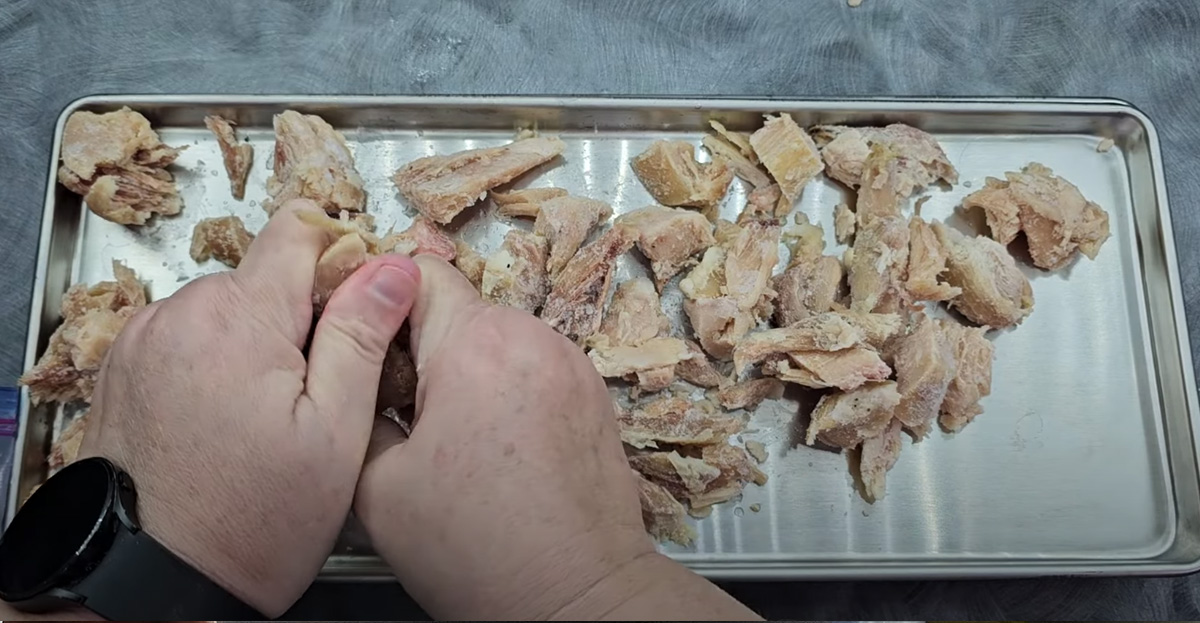
The process begins with the mechanical stripping of the carcass. Technical experts emphasize the importance of removing all skin, visible fat, and connective tissue. While fat is essential for flavor in fresh consumption, it is the primary enemy of long-term storage in freeze-dried goods. Because lipids do not freeze-dry, any residual fat can go rancid over time, compromising the entire batch. The remaining bones and skin, however, are not discarded; they serve as the foundational ingredients for high-collagen bone broth, which can itself be freeze-dried into a concentrated bouillon.
Phase Two: Uniformity in Slicing
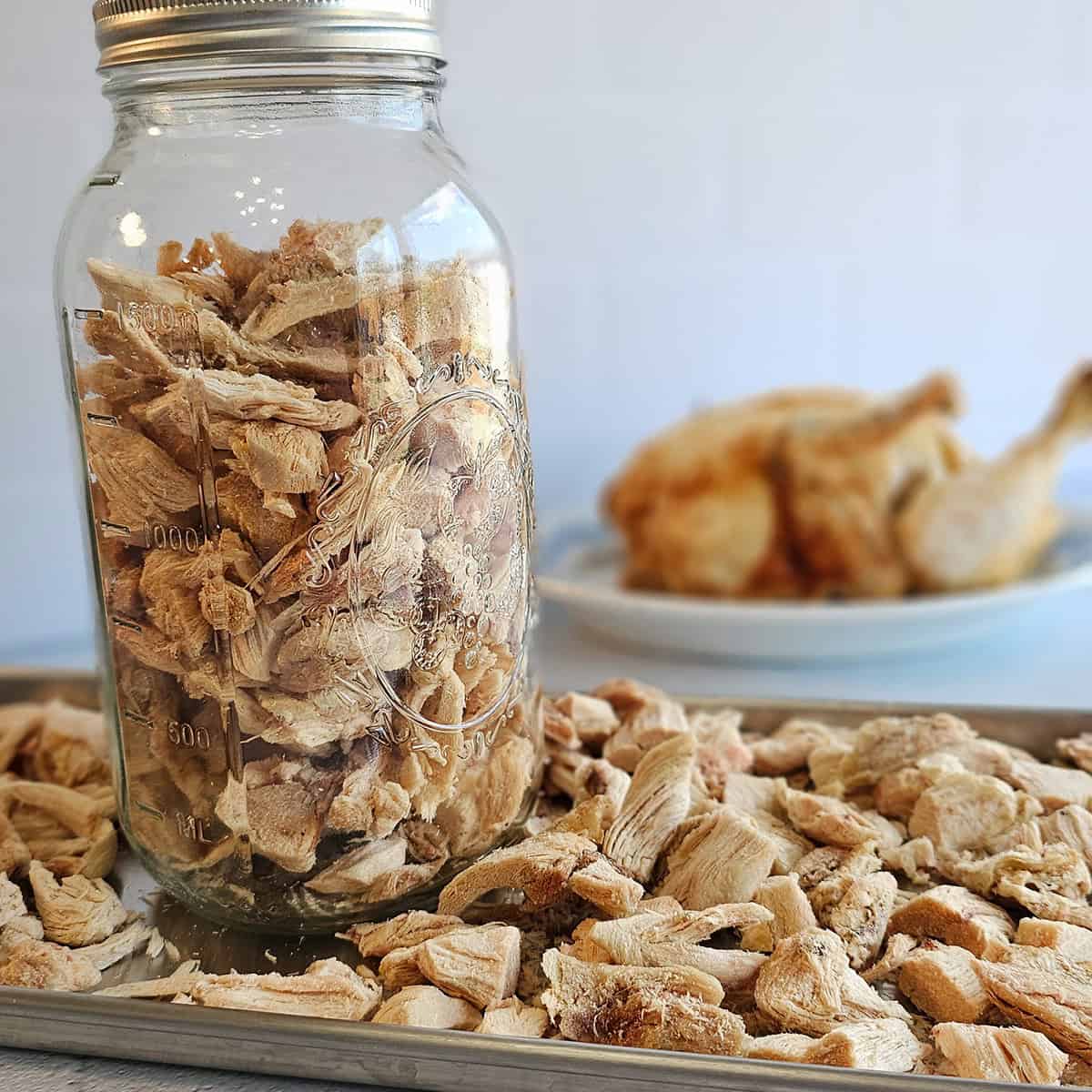
Consistency is critical for even drying. Practitioners recommend cutting the chicken into bite-sized pieces, ideally one inch or smaller. This surface-area-to-volume ratio allows for more efficient moisture extraction during the sublimation phase and ensures that the center of each piece is fully dehydrated.
Phase Three: The Pre-Freezing Requirement
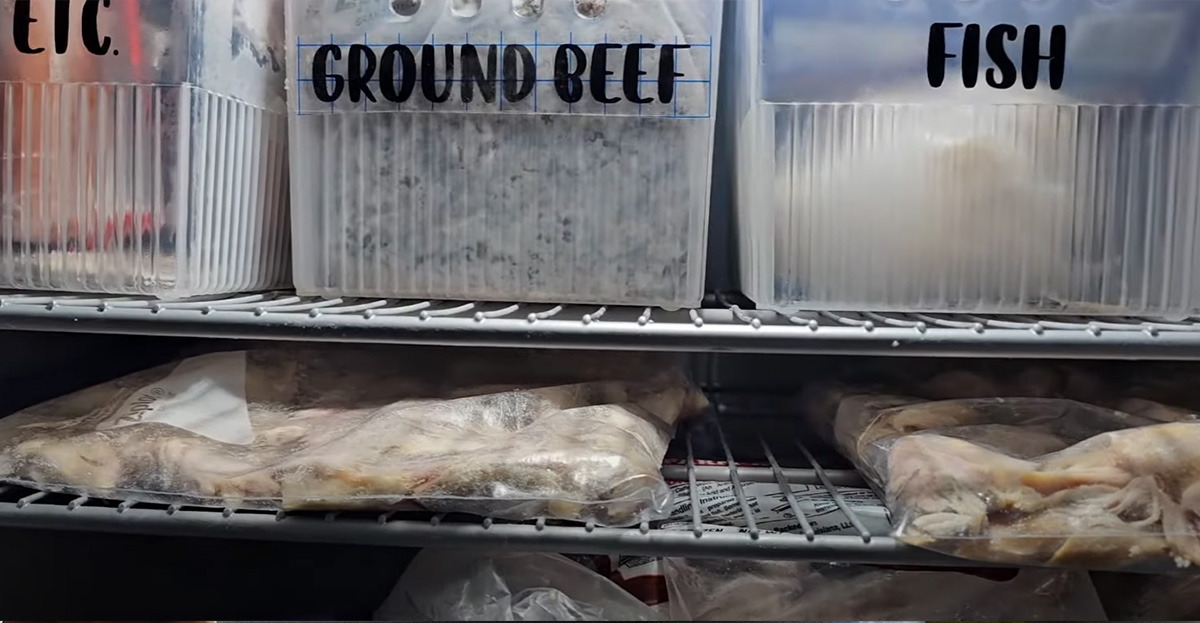
To optimize the efficiency of the freeze-drying unit, the prepared chicken pieces undergo a 24-hour pre-freezing cycle in a standard deep freezer. By bringing the internal temperature of the meat down to -10°F or lower before it enters the machine, the user reduces the overall mechanical strain on the freeze dryer’s compressor and vacuum pump. This step also prevents "melt-back," a phenomenon where the vacuum is applied before the product is sufficiently frozen, leading to a compromised texture.
Phase Four: The Sublimation Cycle
Once the machine has reached its required operating temperature—a process known as the "pre-cool" cycle—the frozen trays are loaded. The freeze dryer then creates a vacuum environment and applies gentle heat to the trays. This causes the ice crystals within the chicken to transition directly from a solid to a gas (sublimation). The moisture is then collected as ice on the interior walls of the drum. A standard cycle for poultry typically lasts between 24 and 48 hours, depending on the load size and ambient humidity.
Phase Five: Testing for Moisture Content
Upon completion of the cycle, the chicken must be tested. A common "field test" involves breaking a piece of the largest chunk; if it snaps easily and feels warm to the touch, it is likely dry. A more scientific approach involves weighing the trays, returning them to the machine for two additional hours, and weighing them again. If there is no change in weight, 98% to 99% of the moisture has been successfully removed.
Phase Six: Hermetic Sealing and Long-Term Storage
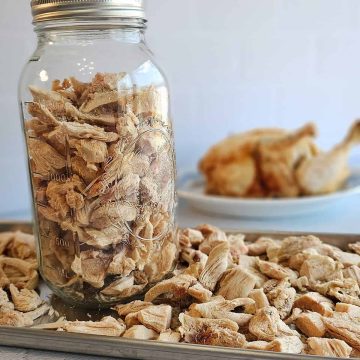
The final stage involves transferring the dried chicken into airtight environments. For mid-term storage (one to two years), vacuum-sealed glass jars are often utilized. For long-term preservation (up to five years or more, depending on fat content), Mylar bags with oxygen absorbers are the industry standard. These absorbers remove any residual oxygen that could lead to oxidative rancidity or the growth of aerobic bacteria.
Supporting Data: Nutrition and Economic Impact
The move toward freeze-drying rotisserie chicken is supported by compelling nutritional and economic data. Unlike dehydration, which uses high heat that can degrade vitamins A and C and certain B vitamins, freeze-drying preserves approximately 97% of the original nutrient content.
| Preservation Method | Nutrient Retention | Shelf Life |
|---|---|---|
| Fresh/Refrigerated | 100% | 3-5 Days |
| Freezing | 90-95% | 6-12 Months |
| Canning | 60-70% | 2-5 Years |
| Dehydration | 60% | 1-2 Years |
| Freeze-Drying | 97% | 5-25 Years (Varies by Fat) |
Economically, the "clearance cycle" of rotisserie chickens provides a significant advantage. Grocery stores frequently mark down chickens that have not sold by the end of the day. For a proactive consumer, purchasing these at a 50% discount and freeze-drying them locks in a protein source at a price point far below current market rates for fresh poultry. Furthermore, the 1:1 rehydration ratio—where one cup of dried chicken returns to one cup of fresh chicken—ensures that recipe measurements remain simple and predictable.
Expert Analysis: The Challenge of Lipid Content
Despite the efficiency of the process, food scientists issue a cautionary note regarding the shelf life of rotisserie chicken. Because rotisserie chickens are often injected with brines and contain higher fat content in the dark meat (thighs and legs), they do not reach the 25-year shelf life associated with lean, raw-processed chicken breasts.
The presence of lipids means that even under a vacuum, the fat can eventually undergo chemical changes. Most experts suggest a conservative shelf life of six months to two years for freeze-dried rotisserie chicken. This makes it an ideal "working pantry" item—meant to be rotated and used in daily cooking—rather than a "set it and forget it" survival food.
Broader Implications for Food Waste and Sustainability
The practice of freeze-drying pre-cooked meats contributes significantly to the reduction of household food waste. In the United States, it is estimated that nearly 40% of the food supply is wasted, with meat being one of the most resource-intensive categories to produce. By capturing the value of a rotisserie chicken before it reaches its expiration date and converting it into a shelf-stable format, consumers are participating in a more circular food economy.
The "no-waste" philosophy is further exemplified by the use of the carcass. By boiling the remains to create broth, then freeze-drying that broth into a powder, the consumer extracts every possible calorie and nutrient from the animal. This holistic approach to food management is becoming a cornerstone of modern domestic economy.
Culinary Integration and Rehydration Strategies
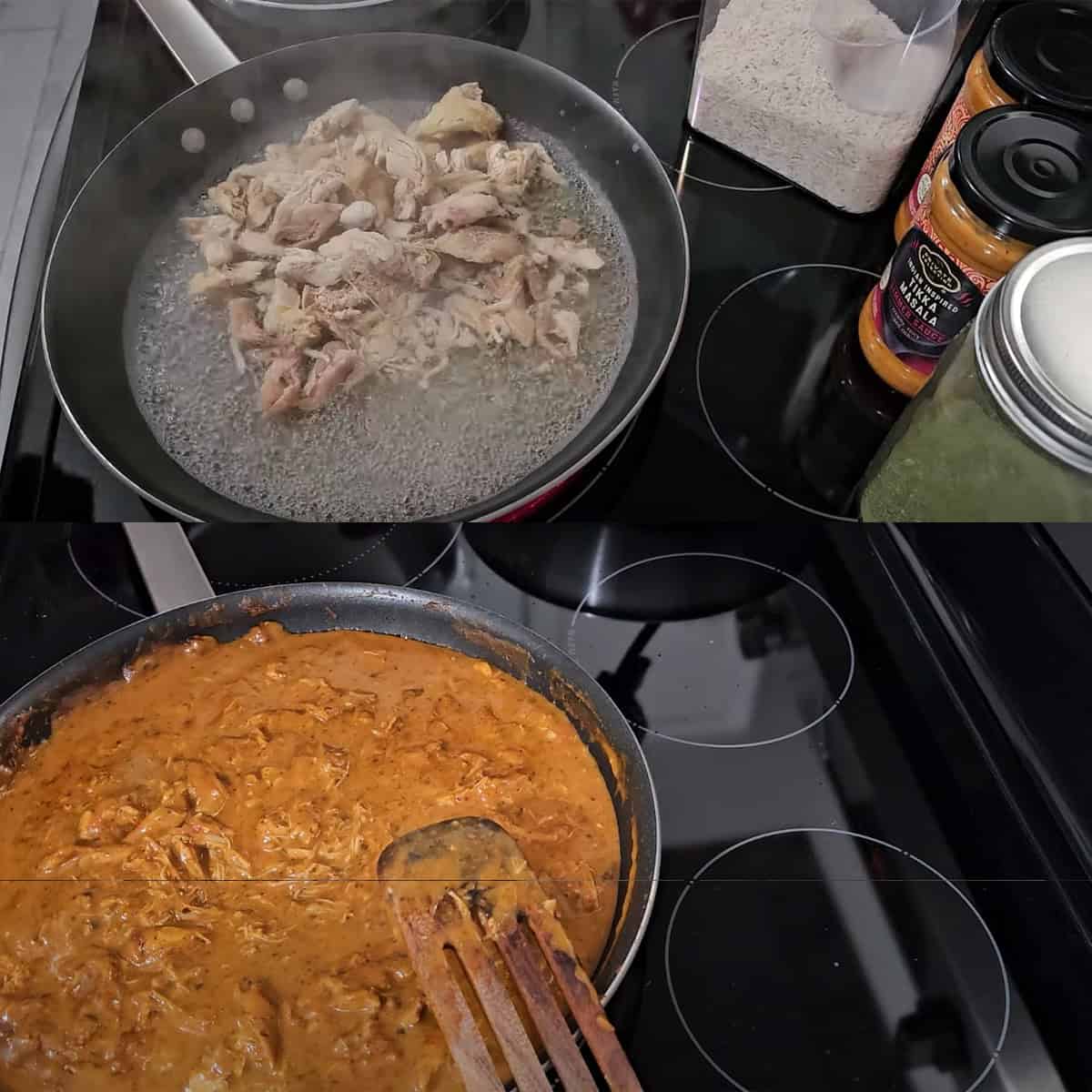
From a culinary perspective, freeze-dried chicken offers a "fast-food" convenience without the preservatives found in commercial processed meals. Rehydration can be achieved through two primary methods:
- Hot Rehydration: Simmering the pieces in broth or water for three to five minutes. This is ideal for soups, stews, and casseroles.
- Cold Rehydration: Soaking the pieces in the refrigerator for 30 minutes. This method is preferred for chicken salads or cold wraps, as it maintains a firmer texture similar to freshly cooked meat.
Because the chicken is already seasoned from the rotisserie process, it adds a depth of flavor to quick stovetop meals that plain chicken breasts often lack. This makes it a favorite for "pantry meals" during busy weeknights or for hikers and campers seeking lightweight, high-protein rations.
Conclusion: The Future of the Purposeful Pantry
The systematic freeze-drying of rotisserie chicken represents a intersection of traditional frugality and high-tech preservation. As more households adopt this technology, the definition of a "stocked pantry" is shifting from canned goods and grains to include high-quality, home-preserved proteins. While the initial investment in a freeze dryer is significant, the long-term benefits of reduced food waste, lower grocery expenditures, and enhanced food security provide a clear value proposition. As the community of "purposeful pantry" advocates continues to grow, the rotisserie chicken remains a symbol of how accessible and practical modern food preservation has become.


